Movie Reviews
For Better and Worse, ‘Army of the Dead’ is Definitely a Zack Snyder Film
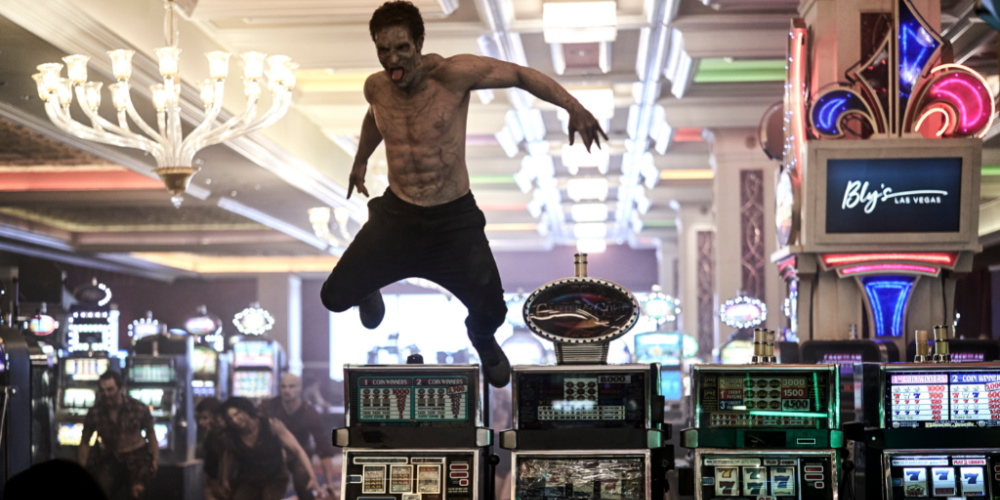
Army of the Dead is headed to Netflix on May 21, 2021. If you’re a Zack Snyder fan, there’s plenty to love here. If you’re not, well…watch it for Tig Notaro, Matthias Schweighöfer, and alpha zombies.
What’s an alpha zombie, you ask? We’ll get to that in a moment!
Army of the Dead focuses on a ragtag group of mercenaries who enter a quarantined Las Vegas to steal a cool $200 million from the vault in a high-profile casino. Why is it quarantined? An army convoy accidentally unleashed a zombie plague that the government miraculously managed to completely contain inside Sin City, which makes them more effective than any other governing body in the history of the genre.
Sadly, the editors on the film were not as judicious. Army of the Dead comes in at a bloated two and a half hours that easily could have been between one and a half to two hours and would have saved the film from its often bogged-down pacing.
Did we really need the fourth and fifth subplots that extended and re-extended the ending? Probably not, but again, this is a post-Justice League Zack Snyder film. If only the guy who had directed the remake of Dawn of the Dead had shown up instead.
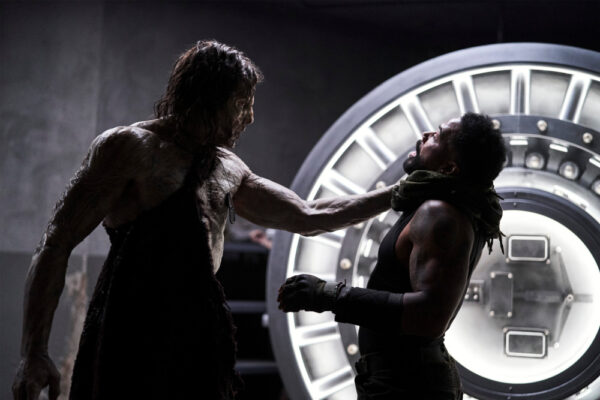
ARMY OF THE DEAD (Pictured) RICH CETRONE as “ZEUS” in ARMY OF THE DEAD. Cr. NETFLIX © 2021
Now, I really don’t mind a long run time. I’m a sucker for the extended edition Lord of the Rings films after all, and I recognize that might make me sound like a bit of a hypocrite here. However, Army of the Dead would seriously have benefitted if Snyder had dropped some of the unnecessary subplots to punch up the main storyline of the film.
Example, almost all of the character development is packed into the first five to ten minutes of the movie in a montage. I’m all for an action flick with no character development at all. Ninja Assassin is a brilliant example of this type of film. The problem here is that Snyder obviously wants us to care about these characters. He walks us right up to the line of empathy repeatedly throughout the film without ever sticking the landing, and then seems to forget what he was doing.
It’s frustrating for the viewer, and you could almost see in a couple of scenes that it was frustrating for the actors, as well.
Speaking of actors, this film really has a great cast. Dave Bautista proves he can lead well, though I still wish he’d been given more to do. Sadly, there were times when he seemed bored on screen. That malaise can be felt in almost all of the performances in the film. Omari Hardwick has mad fighting skills, but there are definite signs of going through the motions.
The two real standouts, as I mentioned earlier, are Notaro and Schweighöfer. They’re the only two actors who seem to be having a really good time in the film.
Notaro famously joined Army of the Dead after another actor was removed from the film amidst accusation of sexual misconduct and harassment. She was brought in and added via green-screen and several re-shoots, and it’s possible this is what allowed her to tap into a different energy than the rest of the cast. Her tongue-in-cheek performance as a helicopter pilot who joins the heist simply to have something to do is absolutely a highlight.
As for Schweighöfer, his nervous safecracker, Dieter, simply stole my heart. Here is a guy in the midst of a zombie outbreak who has never really used a gun before much less had to fight for his life in any real sense. He takes on the job in a quest–not for money–but to take on the most badass safe in the world: the Götterdämmerung, aptly named after Wagner’s opera about the end of the world.
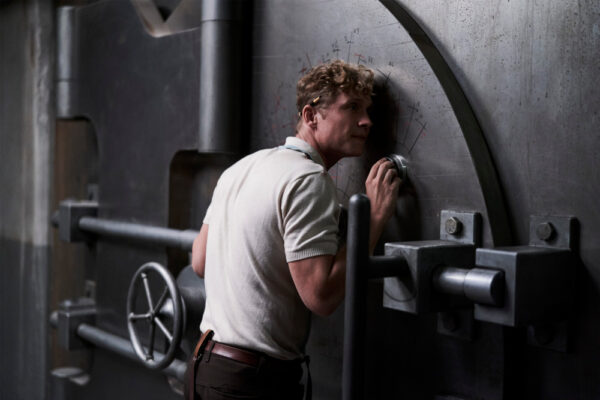
ARMY OF THE DEAD (Pictured) MATTHIAS SCHWEIGHÖFER as DIETER in ARMY OF THE DEAD. Cr. CLAY ENOS/NETFLIX © 2021
Then there are the zombies of Army of the Dead. They come in two categories: shamblers and alphas. Shamblers are the zombies most folks are used to. Alphas are not only faster and stronger, but they also think, form attachments, and communicate with each other.
What’s fascinating about that, is it allows the audience to develop a certain amount of empathy for them. They’re living their lives in their own little quarantined world, and thanks to the walls built around Las Vegas, they’re really not hurting anyone. It’s only when humans enter their domain that the real trouble begins.
Now, if I understand correctly:
- If a person is bitten by a shambler, they become a shambler.
- If a person is bitten by an alpha, they still become a shambler.
- However, if a person is bitten by Zeus, king of the Alphas, then they become an Alpha.
That mostly makes sense, except that toward the end of the film, they make a truck-sized plothole and drive right on through concerning the amount of time it takes someone to turn.
Look, despite all of this, Army of the Dead is not a terrible movie. Some of it is really fun, and the action sequences can get pretty intense. If you go into it expecting only that, then you should be fine. However, the film was almost sold as Ocean’s Eleven with zombies, and that is a promise that it just never fulfills.
If you’ve not seen the trailer for Army of the Dead, check it out below, and look for it on Netflix on May 21, 2021.




Movie Reviews
‘Don’t Die’ Is a Good Friday Night Horror Film And That Is Enough.
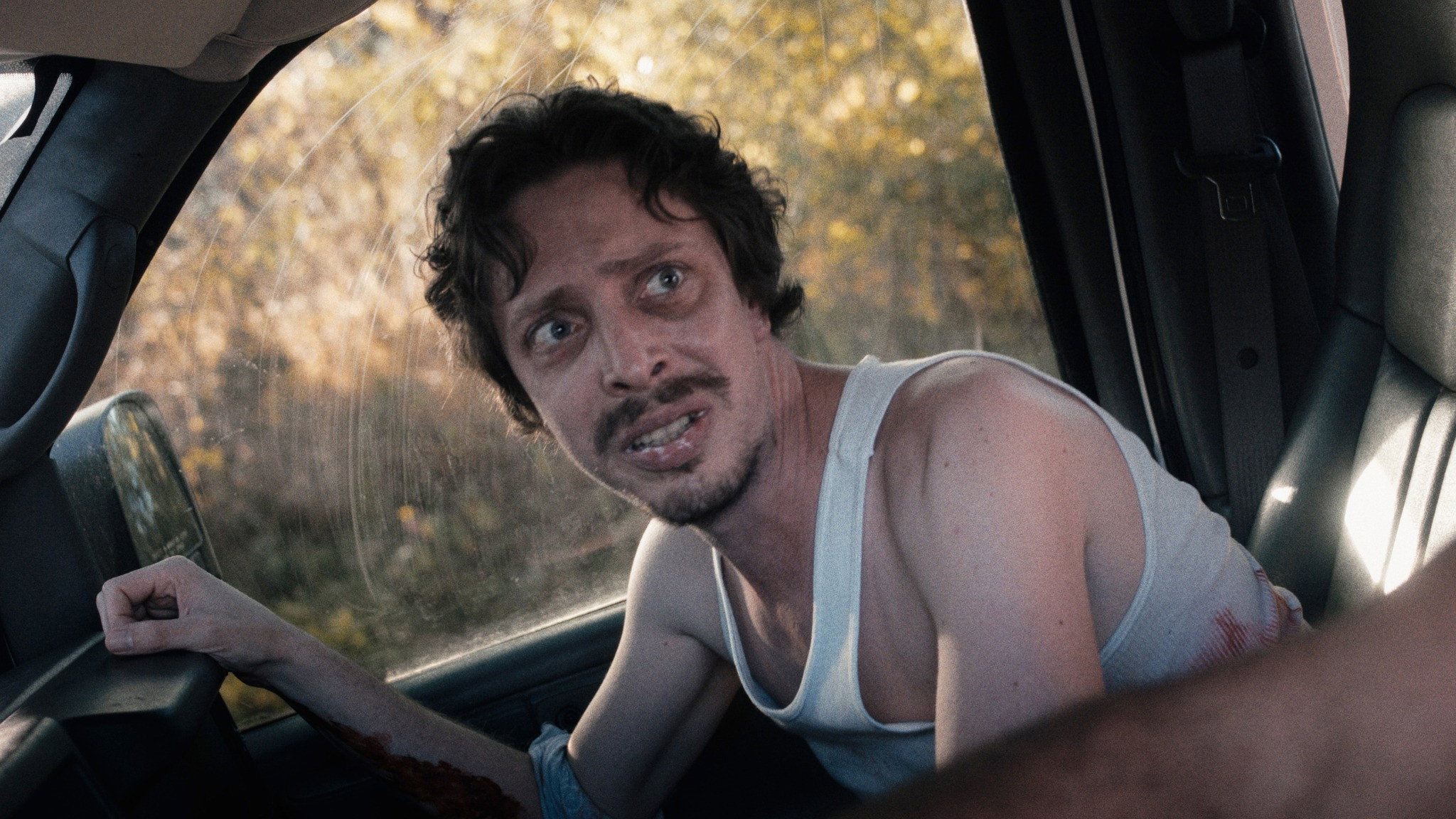
Don’t Die hits UK digital April 27 via Miracle Media. Benjamin Stark wrote and directed it. It played Panic Fest 2024 and spent the better part of two years making the quiet festival rounds, waiting for the right audience to find it. That audience is you.
What Happens
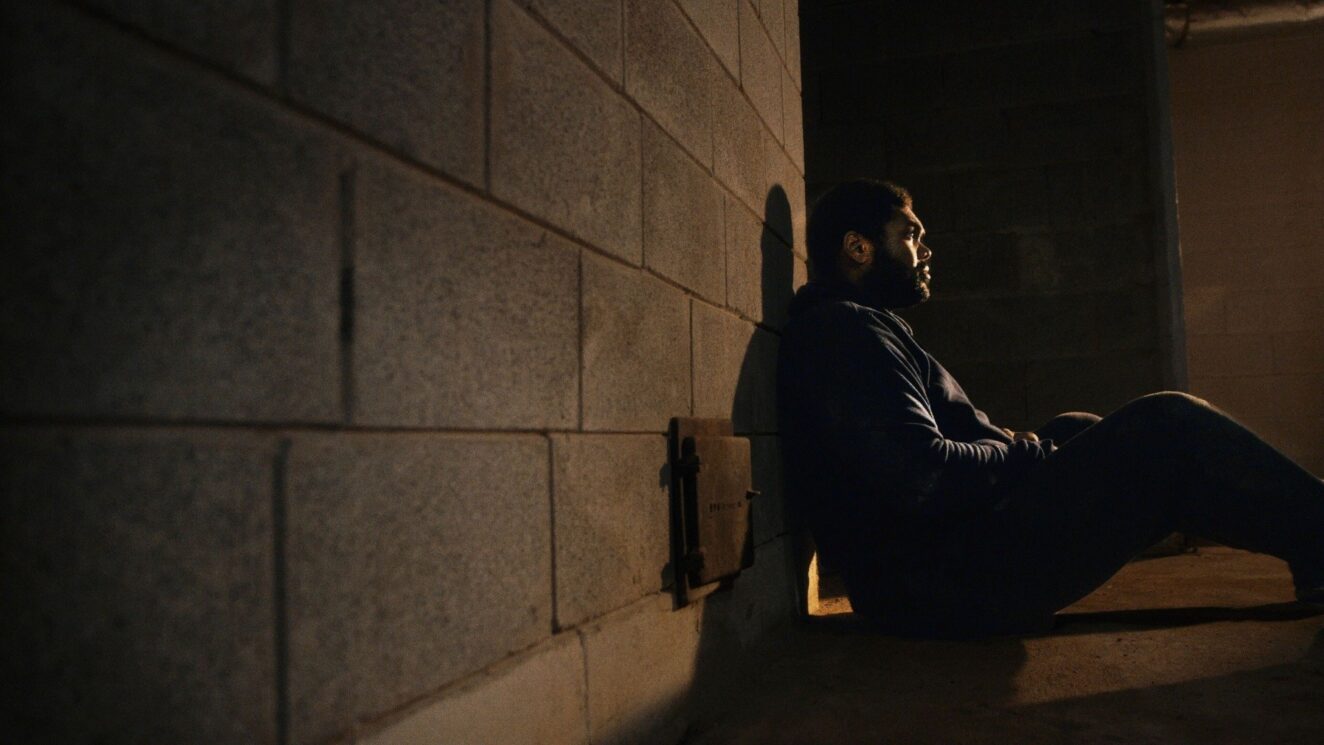
Jenks, played by Theodus Crane, needs medication he cannot afford. He breaks into a small-town pharmacy after hours. This was supposed to be clean. Nobody was supposed to be there. The pharmacist, Julia, played by Virginia Newcomb, was working late. She gets shot. Not knowing what else to do, Jenks takes her exactly where she tells him to take her.
This turns out to be a remote cabin run by a small collective quietly distributing medication to people who cannot access it through legal channels. The Robin Hood framing is warm, and the film offers it genuinely before slowly removing the warmth.
The Turn
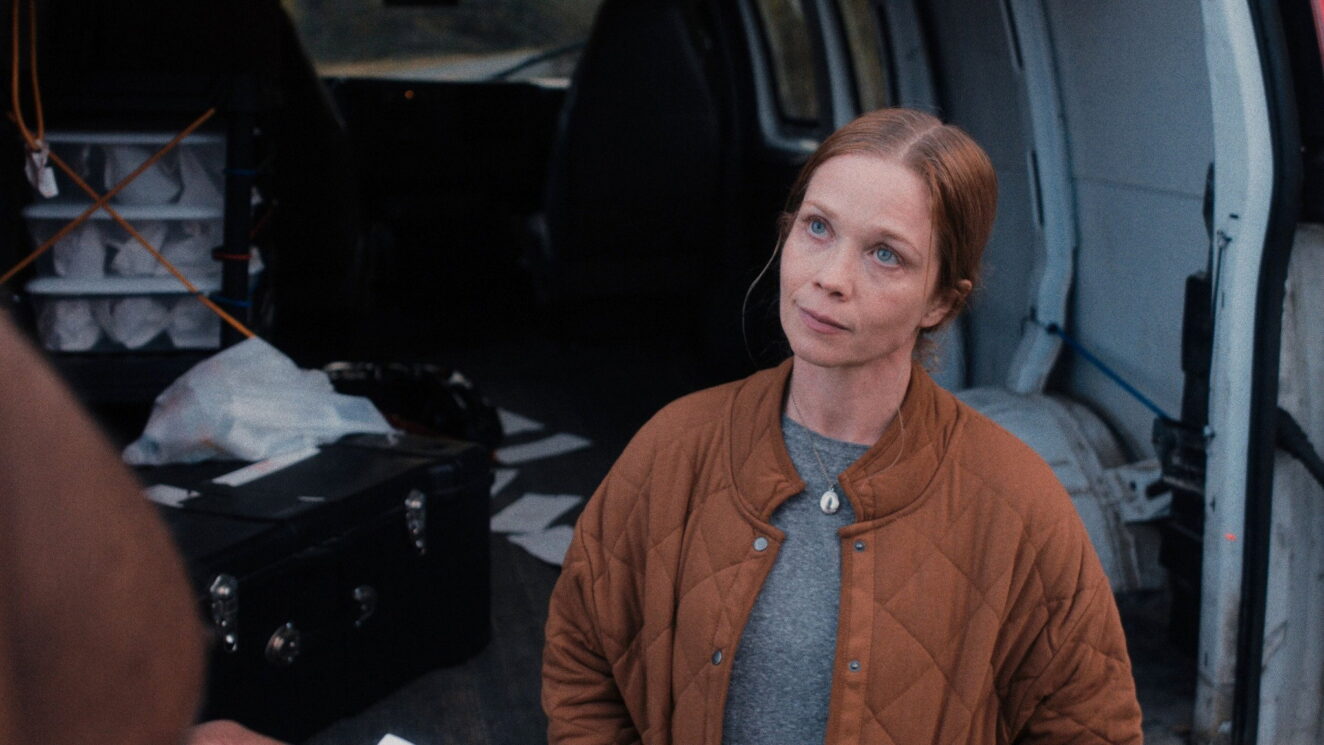
The group running the cabin is not irrational. They believe what they are doing matters. They believe the math is simple. People need blood and organs, medication costs money, two strangers showed up and nobody outside knows where they are. Jenks figures out what that math adds up to about two minutes before the film shows it explicitly, and Crane plays the moment of comprehension exactly right. Quiet. Still. The kind of fear that does not move.
Stark earns the horror here because the people doing terrible things are not doing them out of cruelty. They have a system. They have a purpose. No villain monologue. No sadistic speech. They are calm and businesslike about it. That calm is what makes the third act work. Horror is rarely as effective as when the threat makes a kind of sense.
The Cast
Crane carries it. He plays Jenks as a man who keeps choosing decency as the available options narrow, and that consistency is what makes the back half hit as hard as it does. The performance never reaches for sympathy. It does not need to.
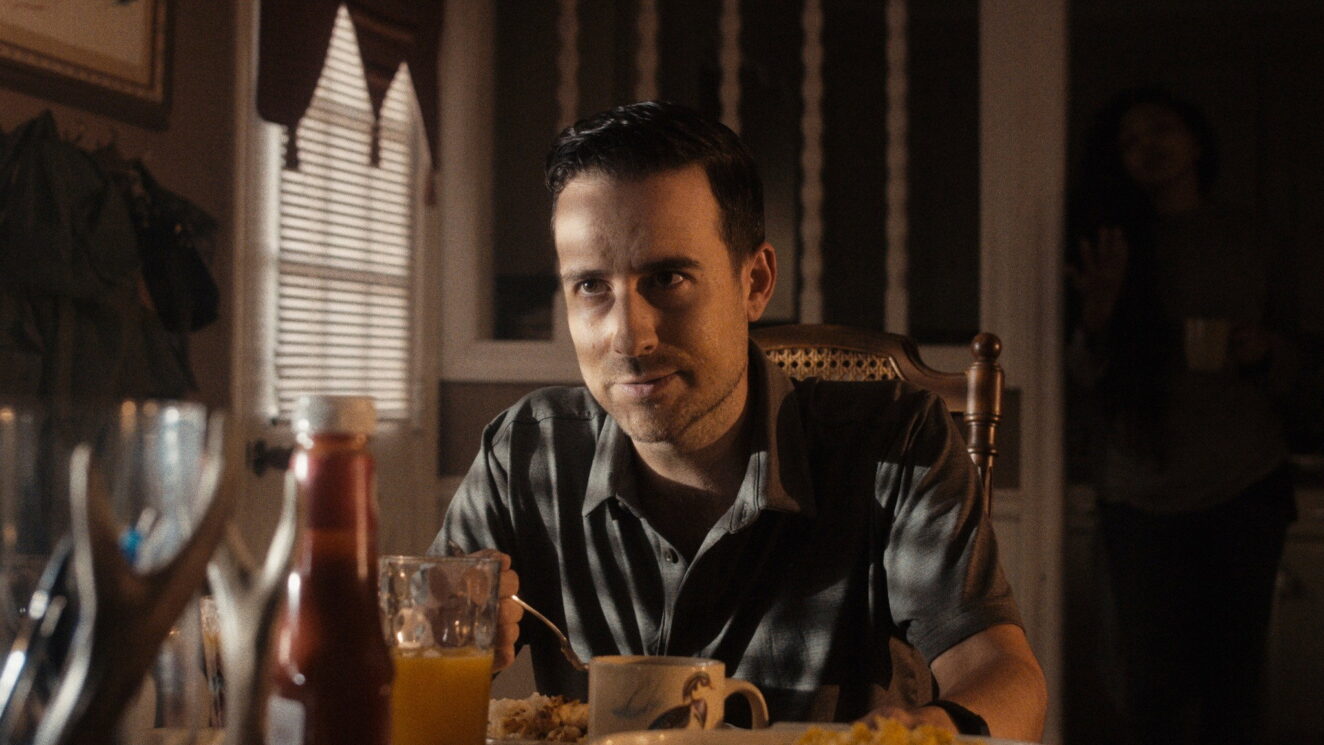
Newcomb as Julia is the other weight-bearing wall. She has the harder job. Her character moves from victim to something more complicated without the script telegraphing the shift. She handles it without calling attention to the handling.
Joshua Burge rounds out the central trio as Randy, the friend who shows up when needed and clocks the situation faster than any reasonable person should. If you don’t have a Randy in your life, make sure to get one.
What It Is and Is Not
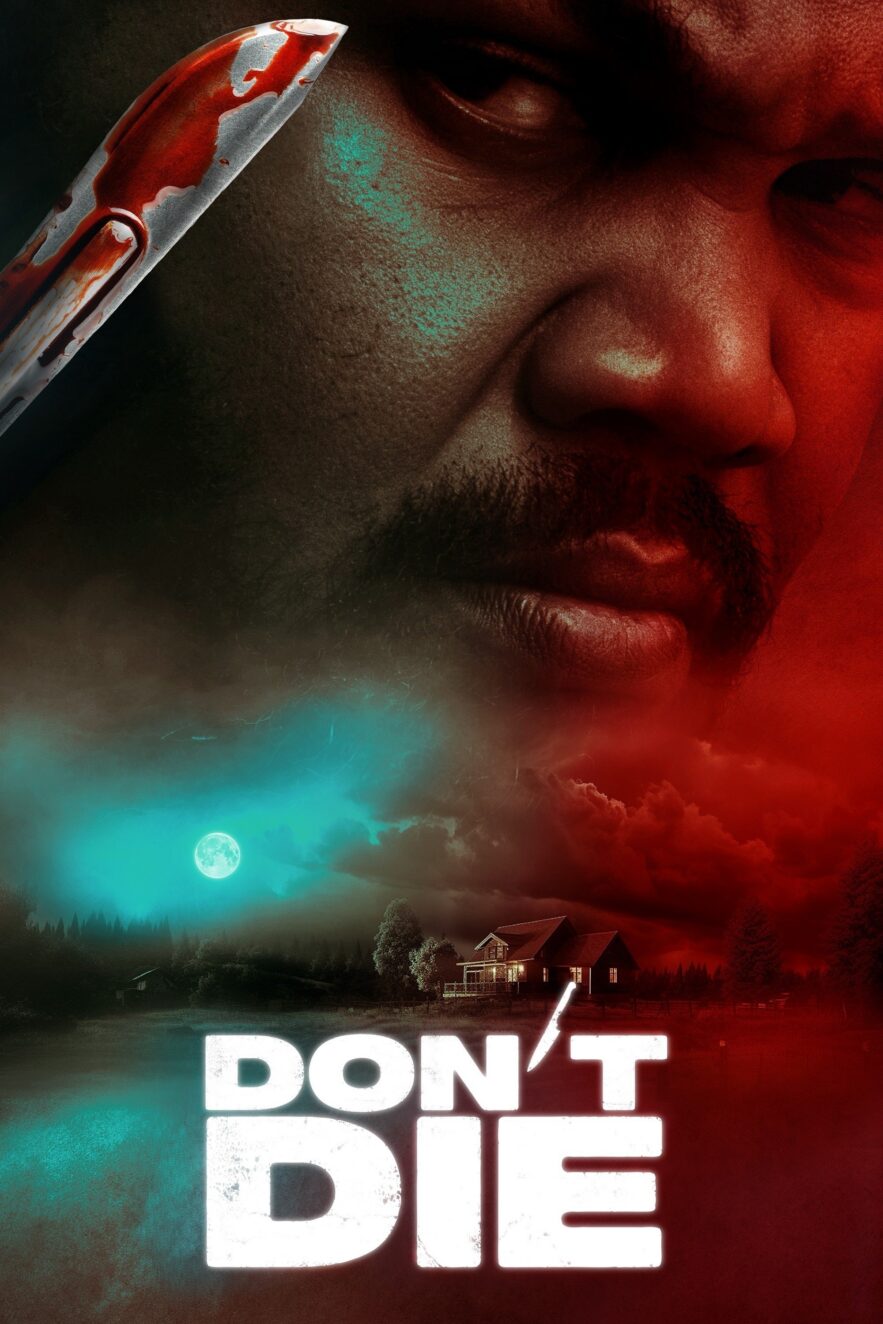
Don’t Die was marketed as horror. It earns the label by the end, but it arrives there through crime thriller territory, and the patience of the first two acts is deliberate and correct. The tension builds quietly. When the horror finally arrives it lands harder because of the time spent getting there.
The budget limitations are present and real. Small locations, a tight cast, minimal spectacle. Stark works within them rather than against them, and for the most part it does not show. The pacing stumbles in the back half, running about five minutes longer than it should in the wrong places. There are moments where the momentum stalls. Neither is fatal.
It does not have much to say about healthcare beyond using it as a mechanism for the plot. That is fine. Not every film needs a thesis. This one tells a good story, maintains tension across most of its runtime, delivers a few genuine scares, and knows exactly what it is. Most low-budget horror manages one of those things.
Don’t Die is on UK digital now. Good Friday night film.
Movie Reviews
Content Is Now on Digital. Watch It Twice.
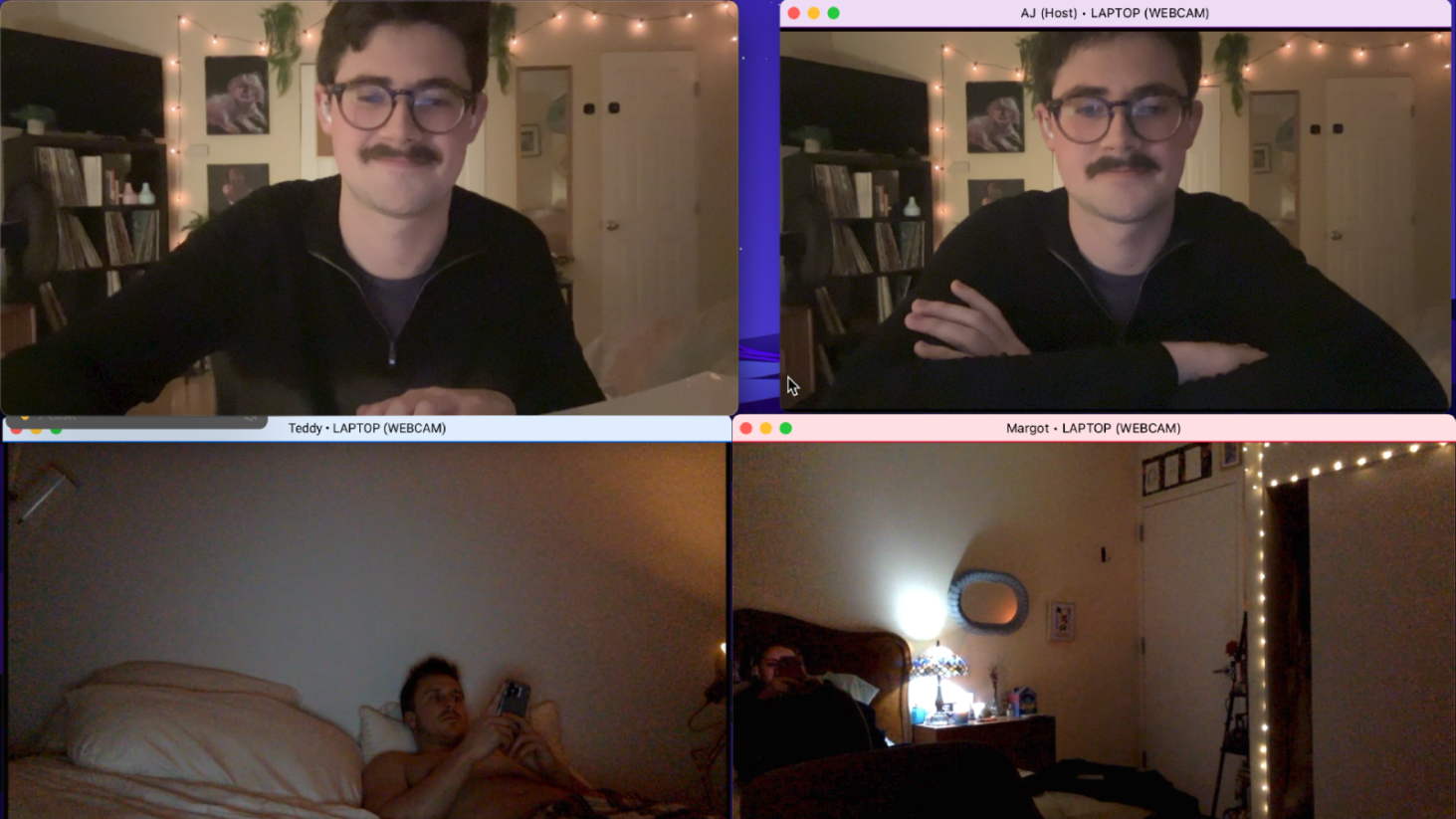
Content, Adam Meilech’s screenlife horror satire, arrives on UK digital April 27 via GrimmVision following a strong festival run that included Grimmfest 2025. The whole film plays out across phones and laptop screens. It opens on a sham. It ends somewhere you did not expect to go.
What It Is
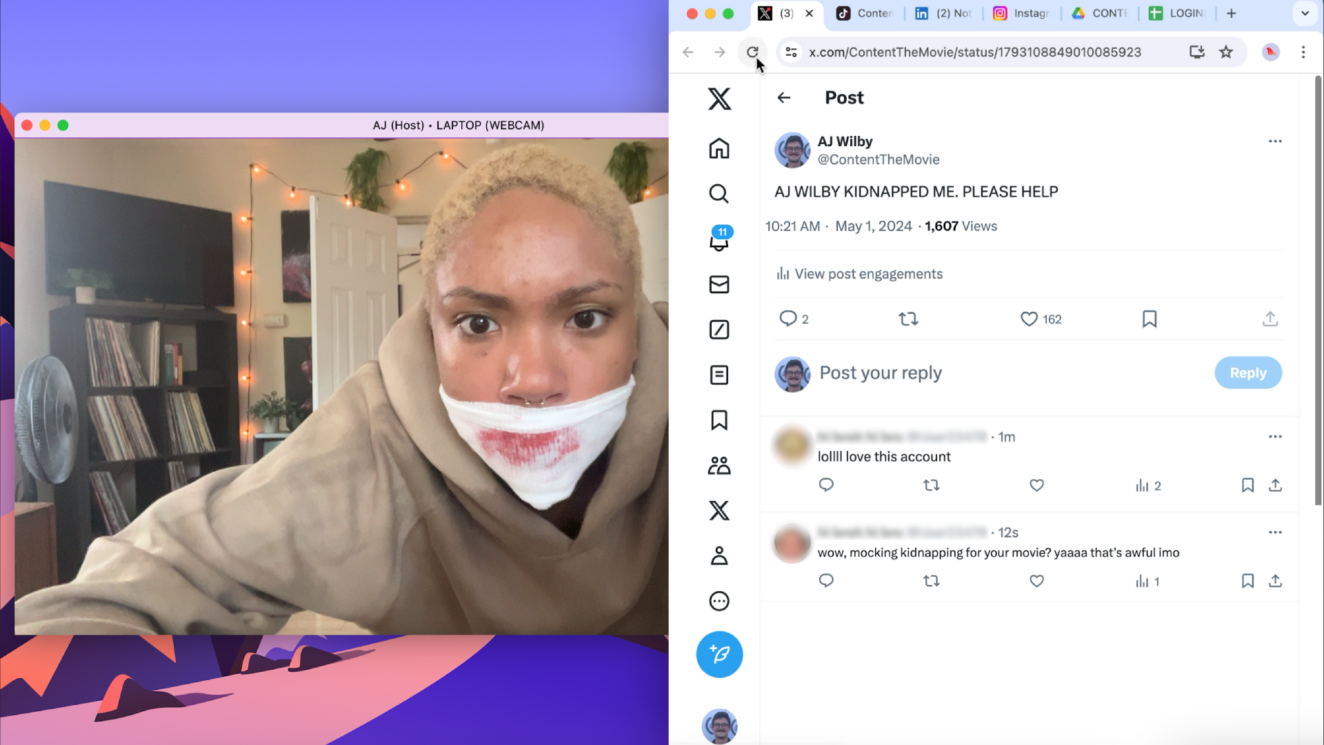
The opening scene drops you inside Therapals, a fake online therapy platform where the therapists are just untrained people trying to earn a paycheck. The first patient our protagonist connects with has the energy of an angry Ryan Reynolds and, with complete calm, tells her he is thinking about killing his neighbor.
From there Meilech begins stacking story on top of story in a way that will either lose you or thrill you, and which one depends entirely on your tolerance for the extremely meta. At the center is AJ, played by Meilech himself: actor, writer, director, stalker, kidnapper, psychopath.
While there is a clear line to be drawn from Content and Milk & Serial, Meilech provides a wonderful villain. His polite swagger and genuine enthusiasm make one of the most powerfuly wicked online personas I have seen in a while.
The Cast and the Method
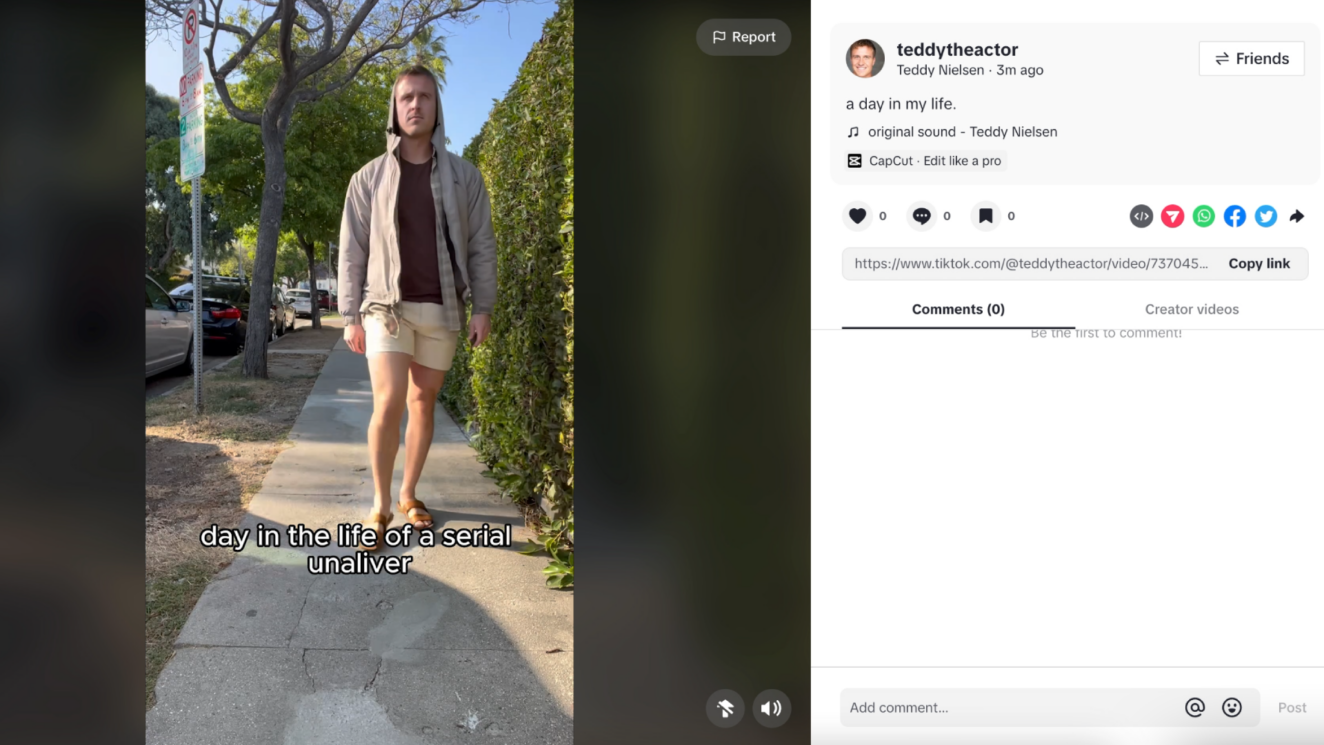
The cast is Megan Boehmcke, Alex Mills, and Vaune Suitt alongside Meilech, operating under conditions that range from unpleasant to genuinely alarming. AJ records himself playing therapist to himself and plays the recordings back. He pays a stranger to pose as a mentor figure for his male actor, who believes he is in on a bit the whole time. He performs takes over and over in the Kubrick tradition until he gets what he wants. Eventually he just moves his lead into his apartment.
To get a real reaction during a shoot, he shows up and actually hits the actor. The poor actor, still in the scene, asks if they can reshoot. This dude is so desperate for a part, he is willing to show he can make his pain more entertaining.
Where It Sits
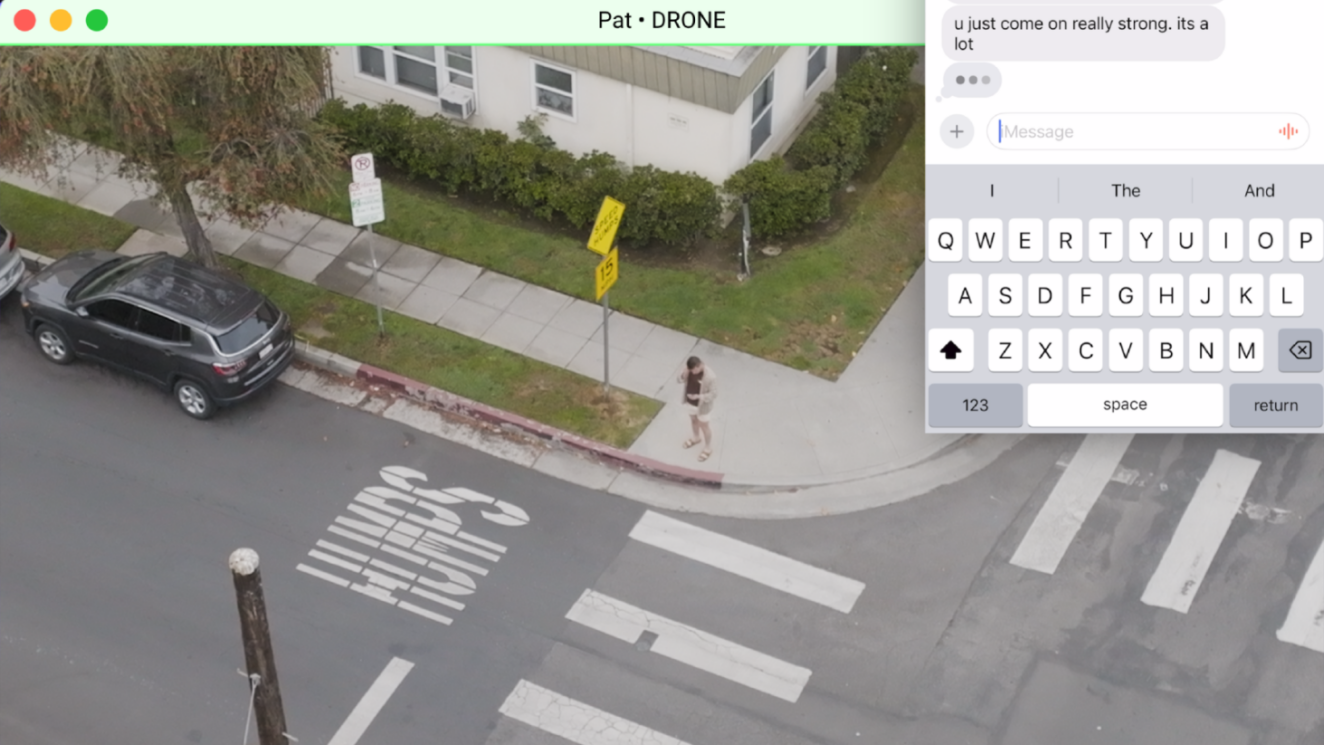
The several story arcs running at once can be genuinely hard to follow and Content is not interested in making things easier. That is a feature, not a flaw. The bad guy is normal looking. He lives in a shared apartment. He does not signal his intentions in any way that would help you see it coming. There is real secondhand cringe to watching private moments captured without the subjects knowing, which is the film’s most effective trick, and Meilech commits to it completely.
It lands somewhere between Milk and Serial and Creep in the first half, and ends up closer to Funny Games meets Better Watch Out by the final act. That is an unusual place to land. It is also exactly the right one. Content is available now on UK digital via GrimmVision.
Movie Reviews
‘And Her Body Was Never Found’ Takes Found Footage Somewhere New
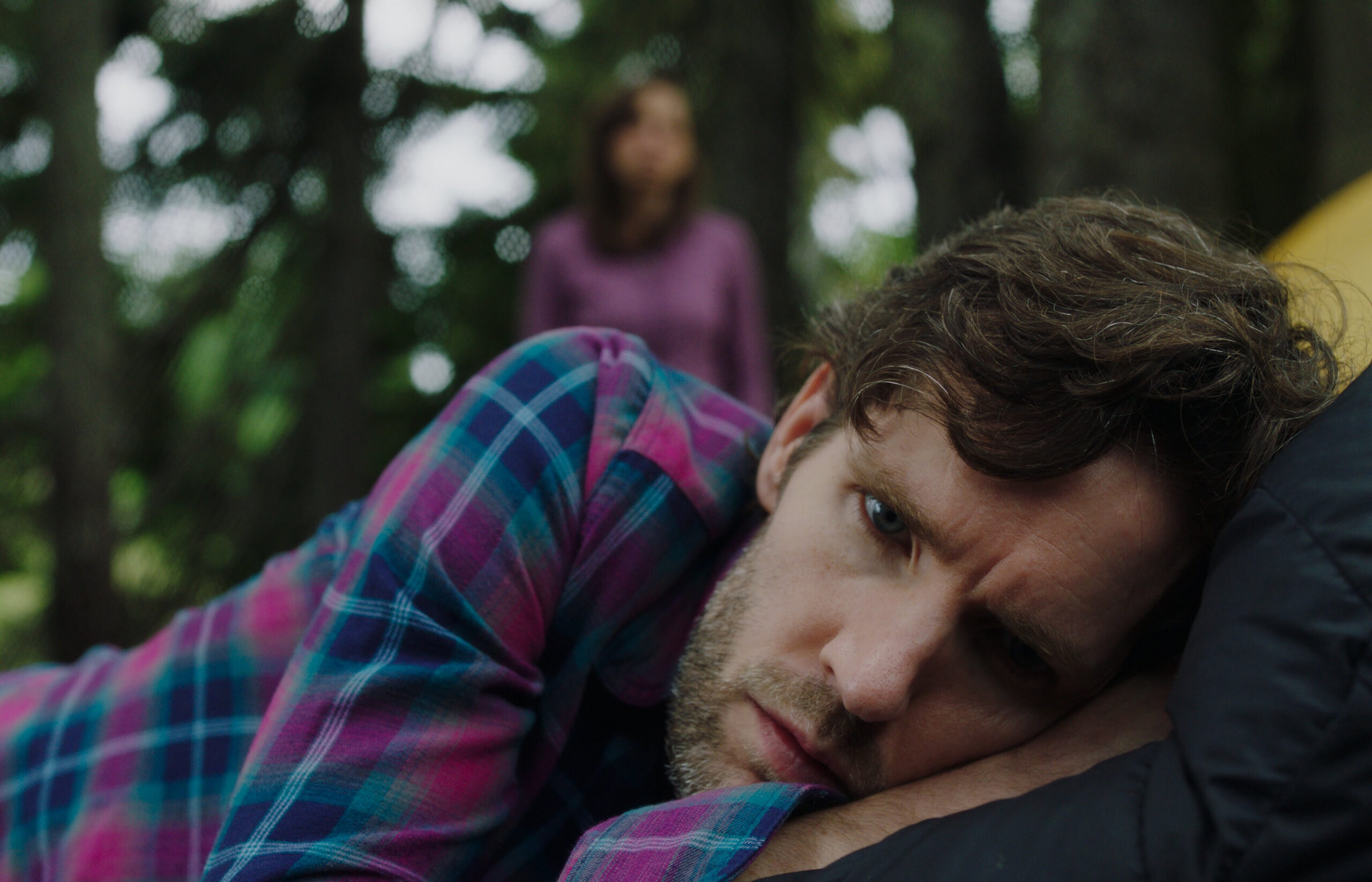
Mor Cohen and Polaris Banks made a film about their real relationship. It opens the way you might expect a film about a real relationship to open, which is to say: uncomfortably.
The film opens on a man masturbating onto his wife’s chest while the two of them sit in a river. This is not a metaphor. Or rather, it is very much a metaphor, but it is also literally happening on screen. He keeps asking her to take her yop off. She doesn’t want to. He keeps asking anyway, because that is what this man does with every limit he runs into, he treats it as a negotiation he is already winning.
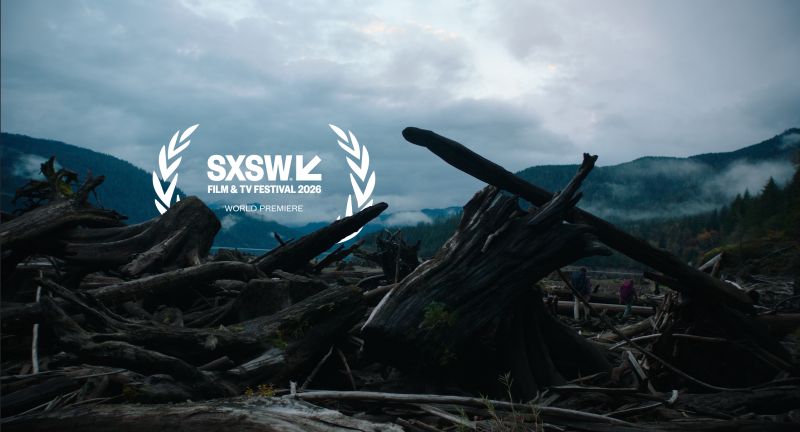
This is how And Her Body Was Never Found introduces itself at SXSW 2026. Buckle up.
Two Bodies in the Frame
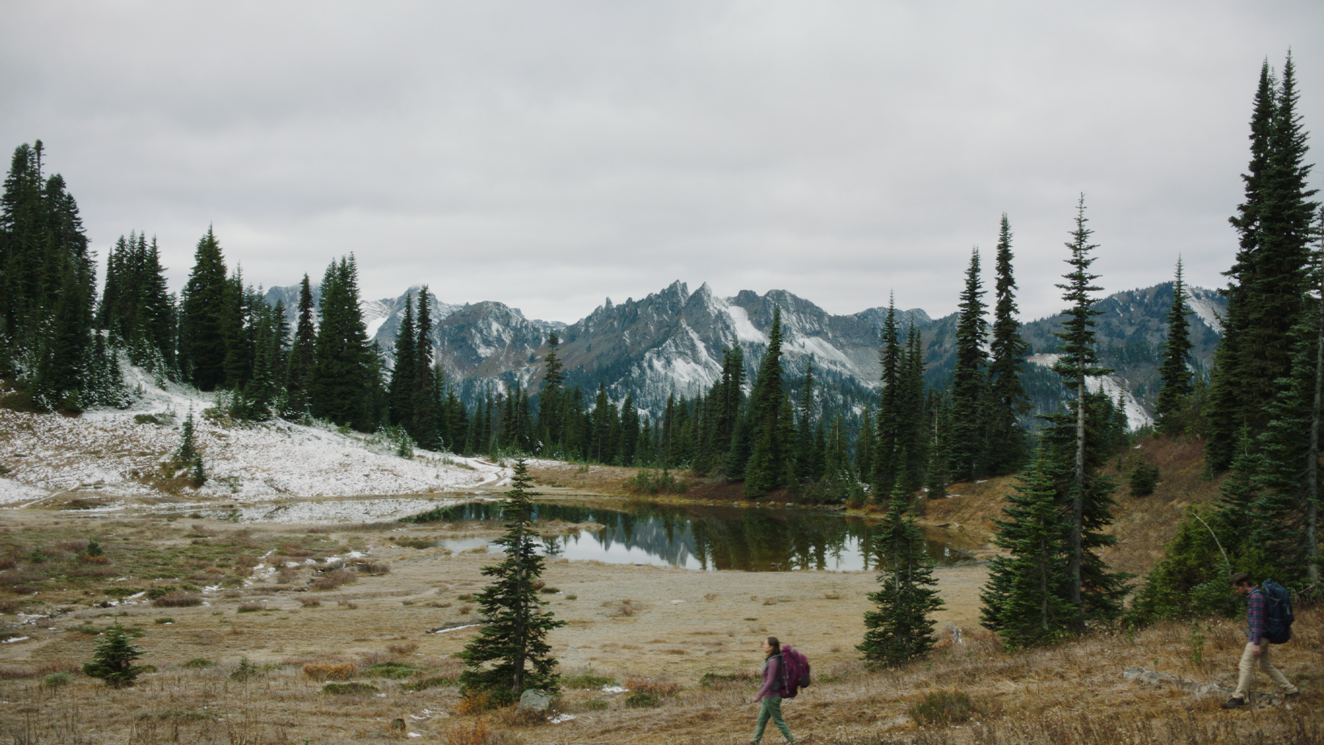
After the river, the cinematography immediately tells you where you stand. We see the back of her head in close-up, frame-filling, a wall of hair and refusal. He is in the far distance behind her, trying to to keep up. She is not waiting. You read the entire relationship before anyone opens their mouth again.
When they do sit down, she offers him a sandwich. It is a peace offering. It is an olive branch. In the context of this relationship, it is a mistake, because he immediately uses the olive branch to restart the argument. If you have ever loved someone profoundly frustrating, this scene will reach through the screen and grab you by the collar in the most empathetic possible way.
The fight spirals the way real fights spiral, not toward a point but away from one. Semantics get weaponized. He gaslights. The argument rolls over everything except the actual subject. She gets to the point where she raises a stick, and honestly, given the last forty-eight hours, a jury of her peers would understand completely. At the campsite that evening, she tells him she is done. The marriage is over.
The next morning, he says everything right. Every single thing. The full lovebombing playbook: the apology that sounds like he finally gets it, the warmth that feels real, the version of him she fell for showing up right on schedule. Anyone who has ever stood at that crossroads recognizes this moment in their bones. The film does not editorialize. It just watches.
The Cliff Scene
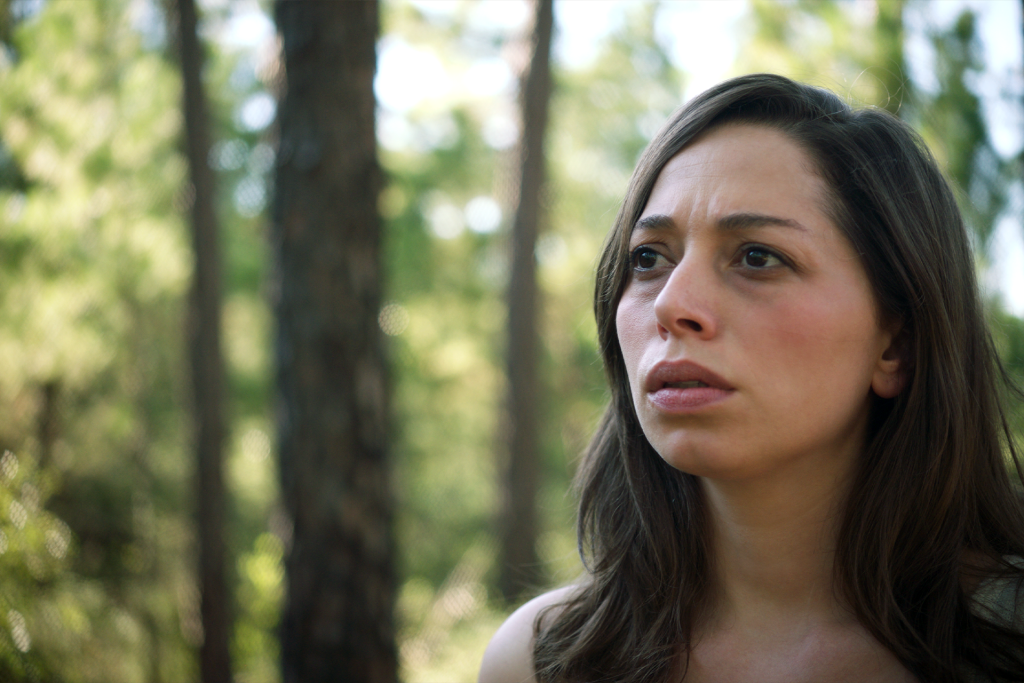
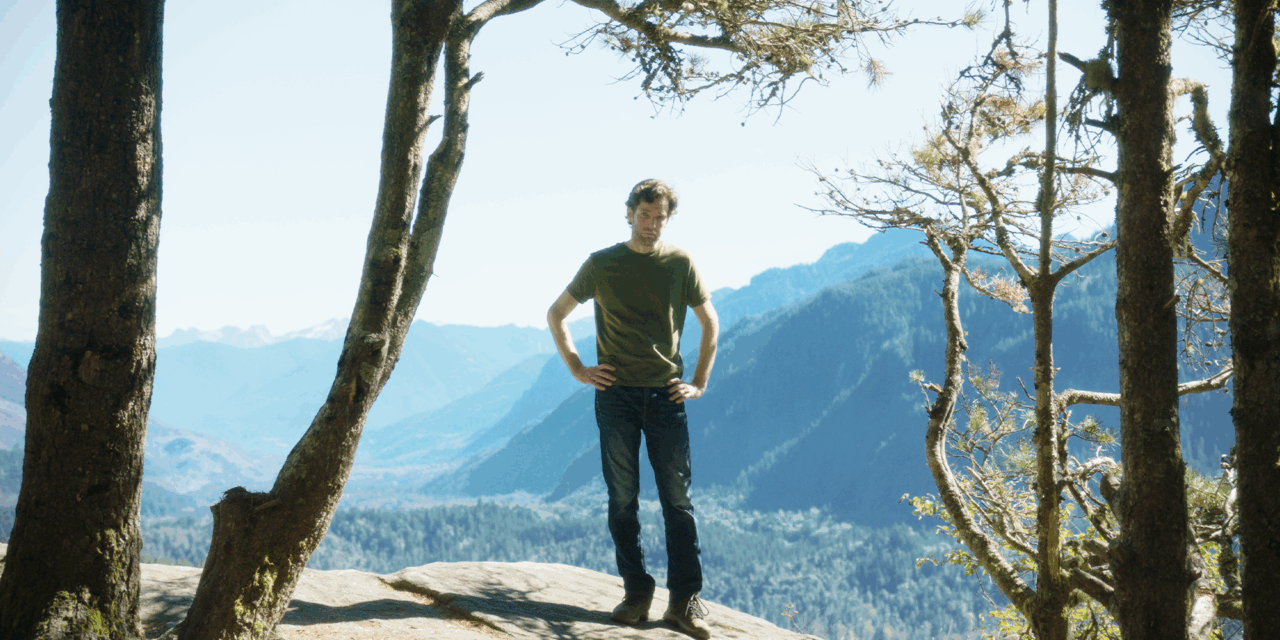
The film’s pivot arrives at a cliff overlook, with something that sounds unmistakably like Wizard of Oz music underneath it. She stands away from the cliff edge, keeping her distance from him. The film makes it clear she is briefly considering how easy it would be to resolve this situation unilaterally. He guilts her onto the ledge through emotional blackmail dressed as a trust exercise.
And then he pushes her.
This is where And Her Body Was Never Found breaks itself open. The take ends. The characters step out. Mor and Polaris are no longer their characters. They are Mor and Polaris, and he is furious about where his hand landed, and she is shaken in a way that does not feel scripted, because it is not scripted, because this part is not the movie anymore. She refuses to continue the scene.
The fourth wall does not just come down here. It gets dismantled and examined.
Blair Witch Country
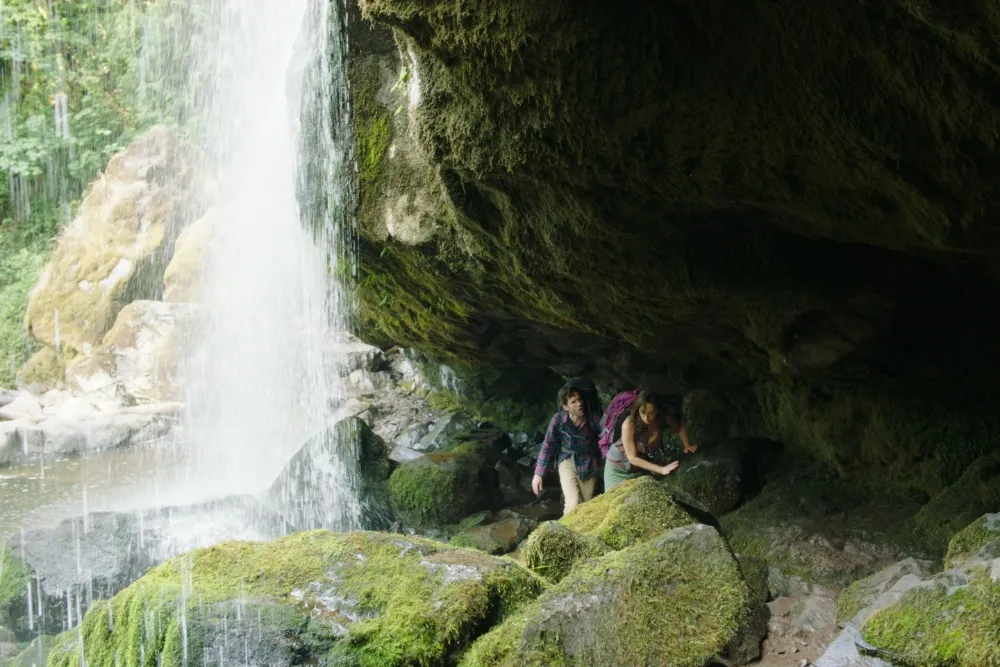
A cut to night. She is in her tent, filming herself on her phone in vertical format. The frame is narrow and confining. The dark outside is absolute. She says out loud that it would be easy to kill her out here and get rid of the body. Nobody would know.
The Blair Witch Project comparison is not subtle and does not need to be. It is being invoked consciously, as a reference point for what it feels like when the camera becomes the only witness. The found footage mode here is not an aesthetic choice so much as evidence collection, and the film is smart about what that implies.
The film’s formal announcement that it is a meta project, two filmmakers making something about their own fights, arrives here. It reconfigures everything that preceded it without invalidating any of it.
Hat on a Hat on a Hat
This is also where the film begins to strain, just slightly. And Her Body Was Never Found has already broken the fourth wall once, then reconstructed it, then broken it again. Characters comment on the layers. The commentary becomes its own layer.
The film ends somewhere past the point where you can usefully track what is cinema and what is meta and what is real. That disorientation is partly the point. It is also, at a certain moment past the film’s last clean beat, a miscalculation. The movie keeps going after it has already landed.
What Banks and Cohen Got Right
A lot, is the answer. The performance dynamics are precise in a way that indie horror rarely achieves. The cinematography is working on multiple levels simultaneously. The abuse arc is drawn with enough specificity to feel observed rather than constructed, which is not a small thing when both filmmakers are also the subjects.
Polaris Banks and Mor Cohen are making something genuinely new here. Other critics at SXSW noted how cleverly written the film is. That is true. It is also, in places, too clever for its own good, and the film never entirely resolves the tension between those two facts. The overreach at the end does not undo what precedes it. It just means the thing that is most impressive about this project, the willingness to keep pushing the structure past the point of comfort, is also the thing that gets it into trouble in the final ten minutes.
At seventy-five minutes, it is still a tight film that keeps the tension high and earns most of its ambition. The structural risks it takes are real risks, not aesthetic posturing. And the film it is in conversation with, the long tradition of found footage as emotional exposure, is richer for having this in it.


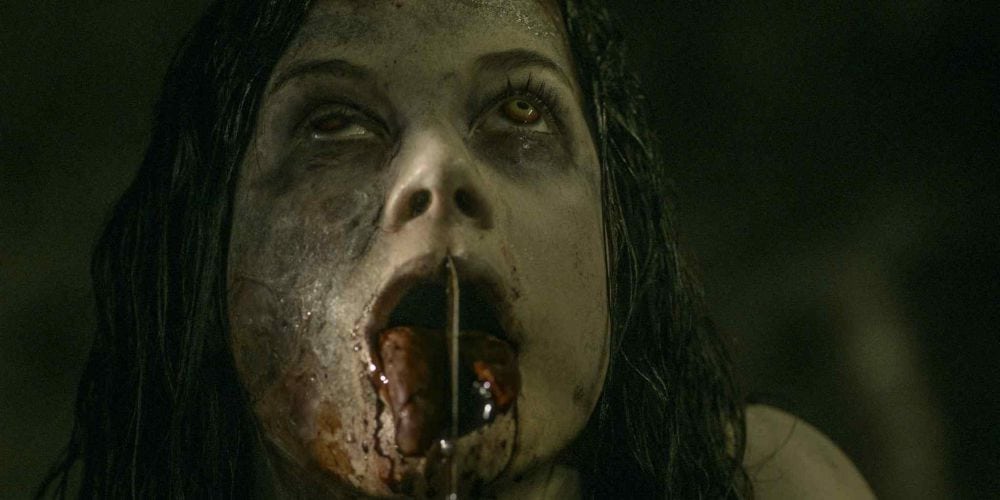
The Evil Dead Burn Trailer Is Here and It Is Everything

The Evil Dead Universe Now Includes a Mummy Film

“It’s My Era. I’m a Rockstar Now.” The Official ‘The Vampire Lestat’ Trailer Is Here

The Practical Magic 2 Teaser Trailer Is Finally Here

10 Horror, Thriller, and True Crime Series to Watch This Spring

The HUNGRY Red Band Trailer Is Here and We Need to Stop Laughing at the Hippo

This Week in Horror: DC Goes Full Body Horror, A24 Has Its Chainsaw Man, and The Bone Temple Is Finally Yours

Samara Weaving and Kyle Gallner Star in Romantic Crime Thriller ‘Carolina Caroline’ [Trailer]

The Vampire Lestat Releases Cover of Billy Idol’s “Dancing With Myself”

ShoStak Opens the Door for Filmmakers to Build and Own Their Stories

‘Behind the Mask 2’ Slays Kickstarter

Shudder’s May Is the Best Month They’ve Had in a While.

‘Don’t Die’ Is a Good Friday Night Horror Film And That Is Enough.

Content Is Now on Digital. Watch It Twice.

[Exclusive Clip] ‘From the Beyond: High Strangeness in the Bennington Triangle’

‘Behind the Mask’: Nathan Baesel Exclusive Interview!

‘The Vampire Lestat’ Trailer: What “Dancing With Myself” Reveals About Lestat
This Week in Horror: DC Goes Full Body Horror, A24 Has Its Chainsaw Man, and The Bone Temple Is Finally Yours
The Vampire Lestat Releases Cover of Billy Idol’s “Dancing With Myself”

Astrolatry Built a Ten-Foot Practical Penis Scorpion
Samara Weaving and Kyle Gallner Star in Romantic Crime Thriller ‘Carolina Caroline’ [Trailer]
ShoStak Opens the Door for Filmmakers to Build and Own Their Stories
-
News6 days ago
The Evil Dead Burn Trailer Is Here and It Is Everything
-
 News7 days ago
The Evil Dead Universe Now Includes a Mummy Film
-
 Trailers5 days ago
“It’s My Era. I’m a Rockstar Now.” The Official ‘The Vampire Lestat’ Trailer Is Here
-
 News3 days ago
This Week in Horror: DC Goes Full Body Horror, A24 Has Its Chainsaw Man, and The Bone Temple Is Finally Yours
-
 Trailers4 days ago
Samara Weaving and Kyle Gallner Star in Romantic Crime Thriller ‘Carolina Caroline’ [Trailer]
-
 Music4 days ago
The Vampire Lestat Releases Cover of Billy Idol’s “Dancing With Myself”
-
 News4 days ago
ShoStak Opens the Door for Filmmakers to Build and Own Their Stories
-
 News5 days ago
‘Behind the Mask 2’ Slays Kickstarter
You must be logged in to post a comment Login