Editorial
The Streaming Graveyard: What Happens to Horror Films That Don’t Get the Algorithm

There’s a specific kind of horror movie discovery that happens around 1 a.m. when you’ve already dismissed everything in the first two rows, and you’re now somewhere deep in the interface. Past the “Because You Watched” section, past the “Critically Acclaimed” shelf that hasn’t been updated since last quarter.
Scrolling through thumbnails with no real hope left. And then you find it. Something with a cast you recognize, a premise that sounds genuinely unsettling, a runtime that suggests someone actually cared. You watch it. It’s good. Actually good. And when you go looking for anyone else who’s seen it, you find three Letterboxd reviews and a Reddit thread where somebody asks if it’s worth watching and nobody has replied.
That film didn’t fail because it was bad. It failed because the algorithm never gave it a window.
This is the thing that streaming platforms are not particularly eager to discuss, which is that there is a whole tier of horror, mid-budget, competently made, often genuinely interesting, that exists in a kind of permanent limbo. It gets released. It gets a thumbnail. And, it sits on the platform for twelve to eighteen months, quietly doing nothing in particular, and then it either disappears entirely or gets shuffled so far down the interface that it may as well not exist. No press push. No social campaign. Word of mouth isn’t possible, because word of mouth requires people to have seen the thing first.
We call this the streaming graveyard. And horror is buried there more than almost any other genre.
Why the Algorithm and Horror Were Never a Good Match
The way streaming platforms measure success is almost perfectly designed to misread horror audiences.
Completion rates. Watch time. Immediate engagement signals in the first ten to fifteen minutes. Algorithms are optimized around behavior that looks like satisfaction, and satisfaction is relatively easy to track when you’re dealing with a rom-com or a prestige drama with a clean three-act structure. Horror doesn’t work like that. A lot of the genre’s best work is slow. It’s atmospheric. It front-loads dread rather than incident, which means the first fifteen minutes often look like disengagement from the outside even when the audience is completely locked in. The algorithm sees people pausing, backing up, watching in chunks at weird hours, and it interprets all of that as poor performance.
There’s also the rewatchability problem, which is actually the opposite problem but produces the same result. Horror is one of the most rewatched genres in existence. We go back to films we’ve already seen because the experience of watching them changes. Knowing what’s coming adds a different layer of dread, and half the pleasure of a really good horror film is seeing the architecture of it the second time around. Streaming platforms, historically, have not weighted rewatches the same way they weight new completions. A film that 800,000 people watched three times wasn’t necessarily getting more credit than a film that 2 million people watched once and forgot. The audience signals were there. The platform just wasn’t reading them right.
Seventy-Two Hours to Prove Yourself
And then there’s the release strategy, which for mid-budget horror is often quietly catastrophic. A film lands on a Friday with a thin press push and no real social runway, competes for thumbnail space against whatever the platform’s flagship release is that week, and has maybe seventy-two hours to generate enough organic momentum before it gets deprioritized in the interface. Seventy-two hours is not how horror audiences find things. We find horror films through recommendation chains that take months to develop, through festival buzz that doesn’t reach casual viewers until well after a film has already been written off, through a friend texting you at 11pm to ask if you’ve seen this thing, and you haven’t, and then you spend an hour trying to find it and discover it’s been removed.
The Mid-Budget Problem Is Specifically a Horror Problem
Studios greenlight horror at the mid-budget level more than almost any other genre, and that’s exactly what makes the graveyard so full.
The economics make sense on paper. A $10 million horror film doesn’t need to be a phenomenon to turn a profit. It needs to be solid, findable, and talked about. Streaming was supposed to be the ideal environment for that. No box office competition, no theatrical window politics, just the film and its audience finding each other. What actually happened is that streaming platforms discovered that a $200 million spectacle generates the kind of press and subscriber attention that a $10 million horror film simply can’t compete with, regardless of quality. So the marketing and promotion budget gets concentrated upward, and the mid-budget films get the thumbnail and not much else.
This wouldn’t be a death sentence if the platforms were patient. But streaming operates on quarterly metrics, and a horror film that’s quietly building a cult audience over six months doesn’t look like a win on any of the dashboards that matter. It looks like a film that didn’t perform. The distinction between “didn’t perform” and “wasn’t given the conditions to perform” is not one that tends to register in data reports.
What we’re left with is a weird inversion of how horror has traditionally worked. The genre built its entire cultural legacy on slow discovery. Films that found their audiences through midnight screenings and bootleg VHS copies and word of mouth that took years to travel. The home video market in the 1980s was basically a delivery system for exactly this kind of discovery. Streaming was supposed to be better than that. Instead, it’s arguably worse, because the platform controls the discovery mechanism and the platform has a different definition of success than the audience does.
What the Audience Is Actually Doing
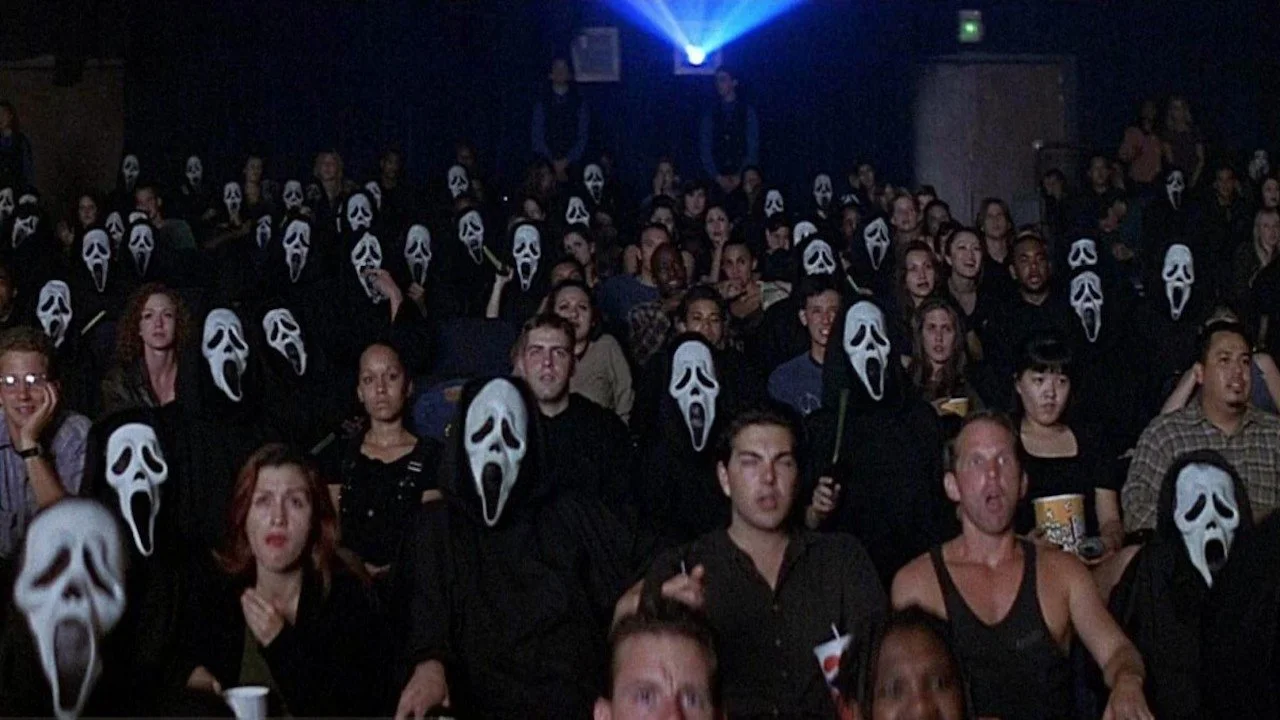
The genre fans are not waiting around for the algorithm to tell them what to watch, and they haven’t been for a while.
Letterboxd, Reddit, horror-specific newsletters, Discord communities, YouTube essay channels, word of mouth on social media from people who have strong opinions and larger followings. This is where horror discovery actually lives. The audience has built its own infrastructure for finding things the algorithm buried, and it is both more efficient and more passionate than anything a streaming interface has offered. A single video essay about a quietly released horror film can generate more meaningful engagement than the platform’s entire promotional push for that same title.
The problem is that this infrastructure works on a delay that streaming economics aren’t built to accommodate. By the time a film gets its moment, the Reddit thread that goes viral, the Letterboxd list that starts circulating, the horror podcast that finally covers it six months after release, the platform has often already quietly removed it or is in the process of doing so. The audience found the thing. The platform decided it was done.
Shudder has been the interesting exception here, partly because its entire subscriber base is people who are already looking for exactly what’s in the streaming graveyard. A film that would disappear inside Netflix’s interface might find a real home on Shudder simply because the platform isn’t competing with itself. There’s no prestige drama pulling marketing resources away from a mid-budget supernatural thriller. The genre-specific platform model turns out to be much friendlier to mid-budget horror than the general audience platforms, which feels obvious in retrospect and yet took years for the industry to act on.
The Afterlife, Which Is Real and Deeply Inconvenient for Everyone
The strangest thing about the streaming graveyard is that the films don’t actually stay buried.
They surface. It takes time, sometimes years, but the ones with genuine craft behind them keep getting rediscovered. By then the studio has usually written the film off, the streaming rights may have moved or expired, and the cast and crew have moved on to other things. The vindication arrives too late to do anything practical. It’s not unlike what happened to half the films that now have permanent midnight screening slots. Dismissed on release, rediscovered by obsessive audiences over years, eventually acknowledged as important. The timeline just used to be longer, so nobody found it surprising.
What’s different now is that the window between release and dismissal has collapsed to the point where a film can effectively be buried before it has a realistic chance of finding its audience, even by the old standards. And because streaming platforms don’t release detailed viewership data except on their own terms, it’s genuinely hard for anyone outside the building to make the case that something was under-supported rather than under-performing. The studio gets to define what success looks like, and then gets to decide whether the film achieved it.
We lose things this way. Not in a catastrophic, obvious sense, no film is truly lost to streaming the way prints used to be lost, but in the sense that work that deserved more than a thumbnail and seventy-two hours gets exactly that and nothing else. The horror audience is resourceful enough to keep finding things anyway. We always have been. But resourceful shouldn’t be the prerequisite for a film getting a fair shot, and right now, for a pretty significant slice of horror, it is.




Editorial
Sleepaway Camp Knew Before I Did: The Legacy Johnathan Tiersten Left on Queer Media
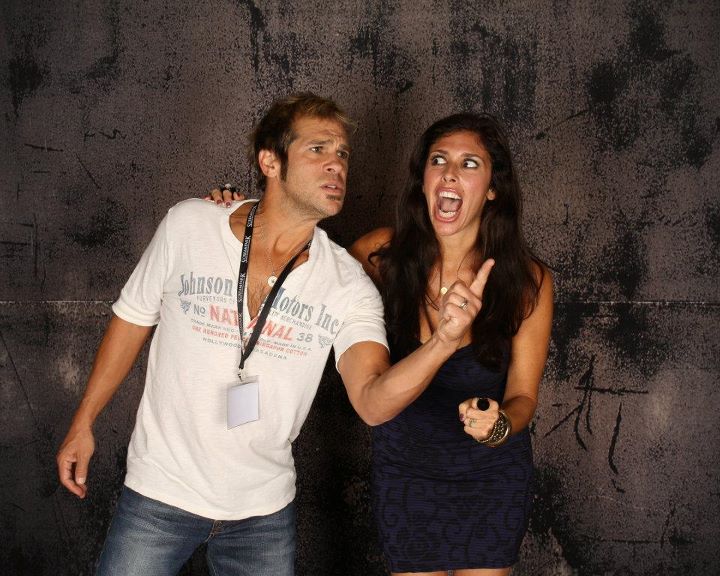
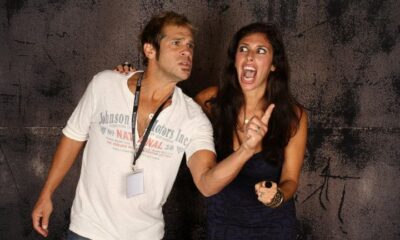
Jonathan Tiersten died May 5 at his home in New Jersey. He was 60. He played Ricky Thomas in Sleepaway Camp, and I want to explain why a very specific group of people is taking this one harder than a 1983 summer camp slasher would usually warrant.
What The Film Means To Me
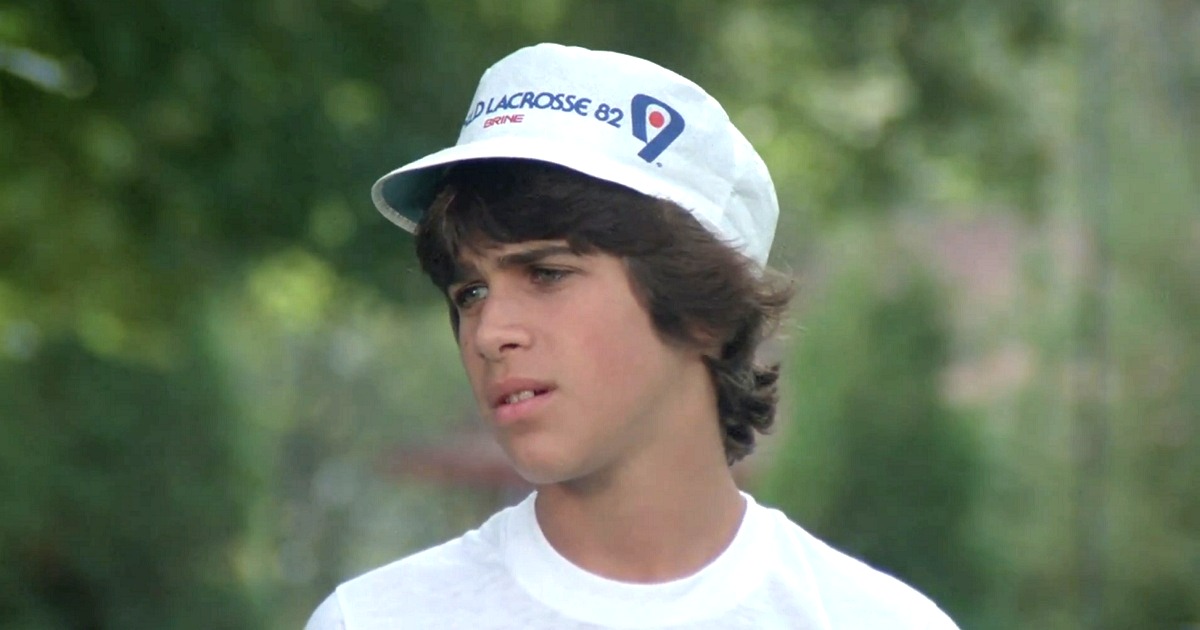
I am trans. That goes on the table first because nothing else I am about to say makes any sense without it.
I have been showing Sleepaway Camp to people since I was eleven years old. Everyone who mattered to me has sat through it. Friends who thought slashers were beneath them, partners who loved me enough to watch things they would never have chosen, my teenagers.
I give the same speech before every single viewing. Something is going to happen in the last few minutes, I tell them, and whatever your first reaction is, please sit with it for a moment before you say it out loud. Not because the reaction is wrong. Because there is almost always a second reaction underneath it and that is the one I am actually interested in.
What The Film Actually Is
Robert Hiltzik made a low-budget slasher set at a summer camp. Angela Baker is strange and barely verbal and is tormented by basically everyone around her while her cousin Ricky tries to run interference. The ending reveals that Angela was born Peter, that her father died when she was small, and that the aunt who took her in had always wanted a girl and simply decided Peter would become one.
Angela did not choose any of this. Not her name, not her clothes, not the gender she was made to perform in front of every single person she encountered every single day. And after years of living inside something she never chose, the pressure found somewhere to go.
That Ending
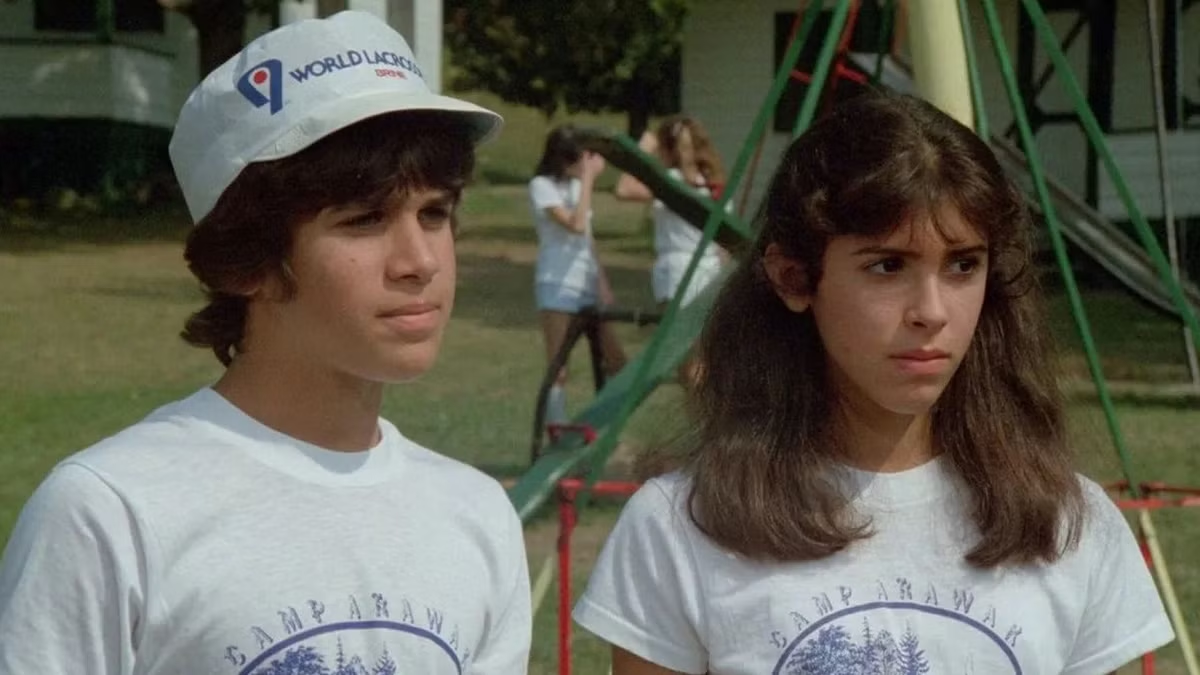
The transness is framed as the horror, as the explanation for the violence, and there is nothing there any trans person would hold up as a victory for representation. I understand all of that.
But I was eleven when I first watched it, and what I heard underneath everything it was trying to do was something nobody was trying to say. If you force someone to live as the wrong thing long enough, they will eventually stop being able to contain what that costs them. The film turned that into a monster story. I recognized it as a thing I had been trying to explain to myself without having the words for it yet.
Trans Representation In Pop Culture
For context, consider what came the year after. Ace Ventura: Pet Detective came out in 1994 and its treatment of a trans character is a two-minute sequence of Jim Carrey vomiting, using a plunger on his own face, burning his clothes, and sobbing under running water upon learning he had kissed her. The joke is that she is contamination.
My classmates quoted this film back at me for years. That was what mainstream culture had decided trans people were good for, and it went more or less unchallenged for a long time. Angela Baker, for all of Sleepaway Camp’s genuine limitations, is the protagonist of her entire film. Her history is the engine of the whole story. She is not a punchline. She is why the movie exists.
Trans representation in horror has never been particularly good, and I am not about to argue Sleepaway Camp is the exception. What I will say is that it accidentally told the truth in the middle of trying to do something else entirely, and horror films that stumble into the truth are still telling the truth. I have built twenty-five years of love for this movie on that.
Ricky
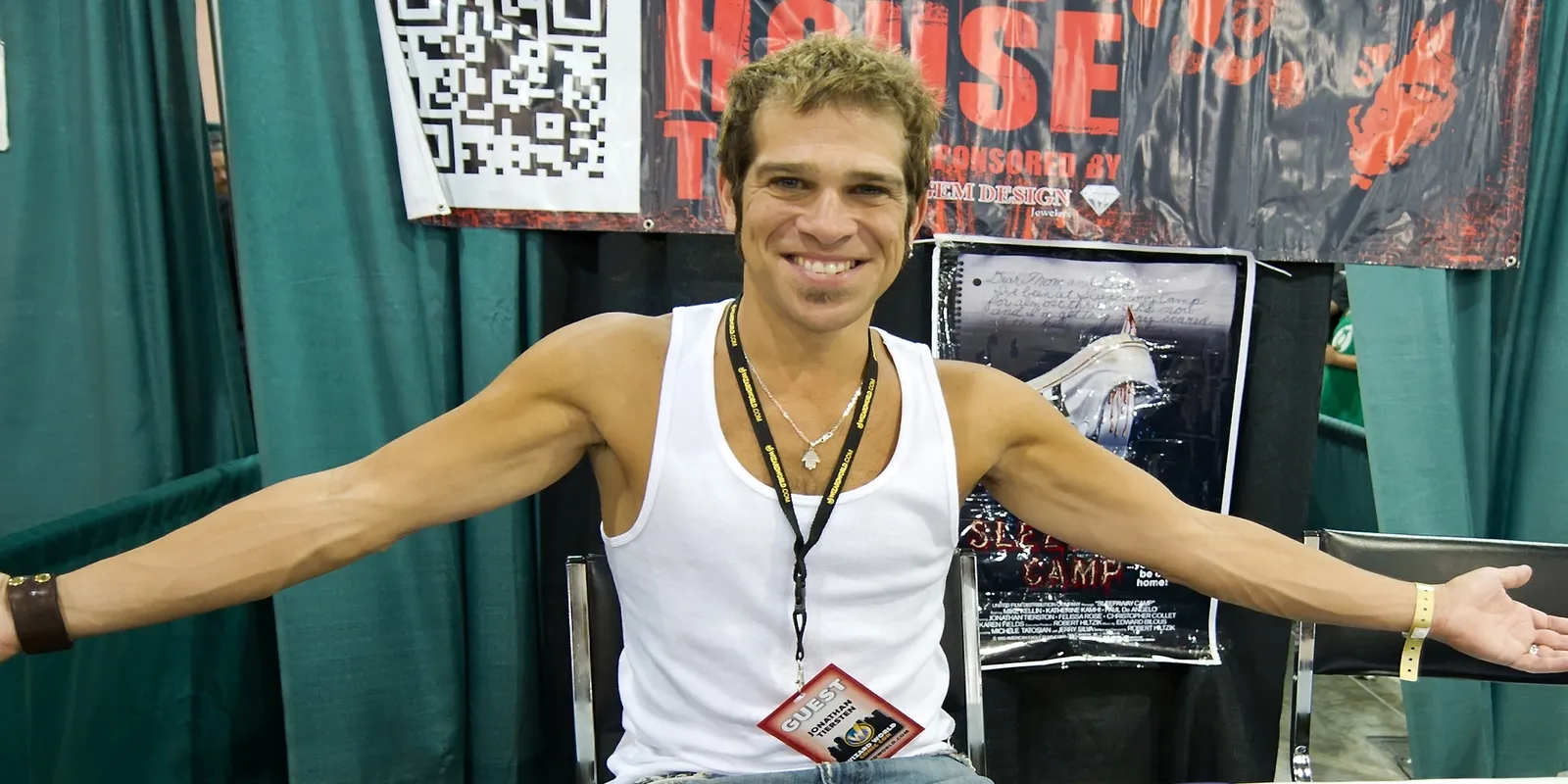
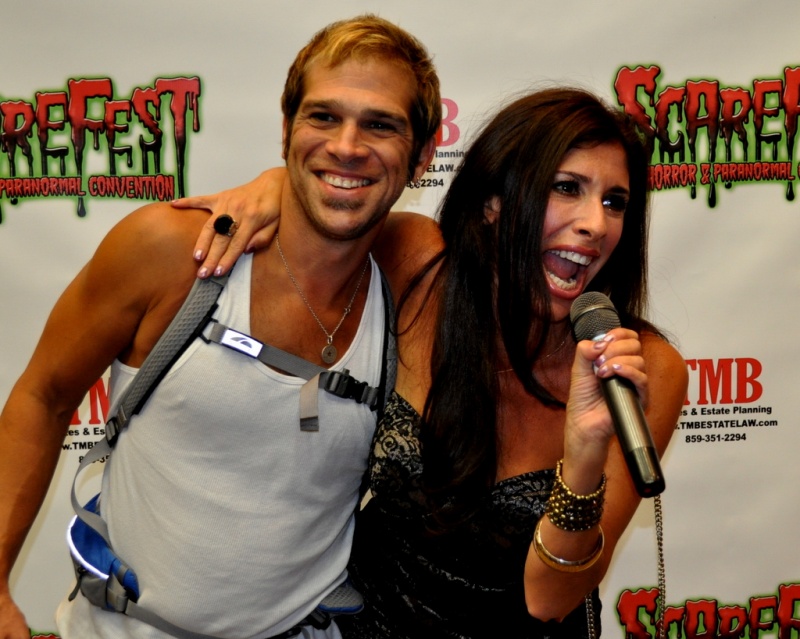
Ricky is most of the reason I keep coming back, which brings us to Jonathan Tiersten. He played Ricky as someone who never needed to understand Angela in order to be fully in her corner. He does not study her. He does not puzzle her out, he just shows up every time with the kind of furious loyalty that does not require an explanation because the explanation is right there. He loves his cousin, and he is not going to stand there while the world is unkind to her. That is not a complicated thing to put on screen. It is also rarer on screen than it should be.
Tiersten reprised the role in Return to Sleepaway Camp in 2008 and kept working in independent horror until the end. His most famous performance is forty-five minutes of a teenager planting himself between his cousin and everything the world wanted to do to her, and for some of us who grew up watching this film, that was the first time we saw someone treat that as simply the obvious right thing to do.
It was an answer to a question I had not yet figured out how to ask.
Editorial
HHN35, Jack vs Oddfellow: Place Your Bets!
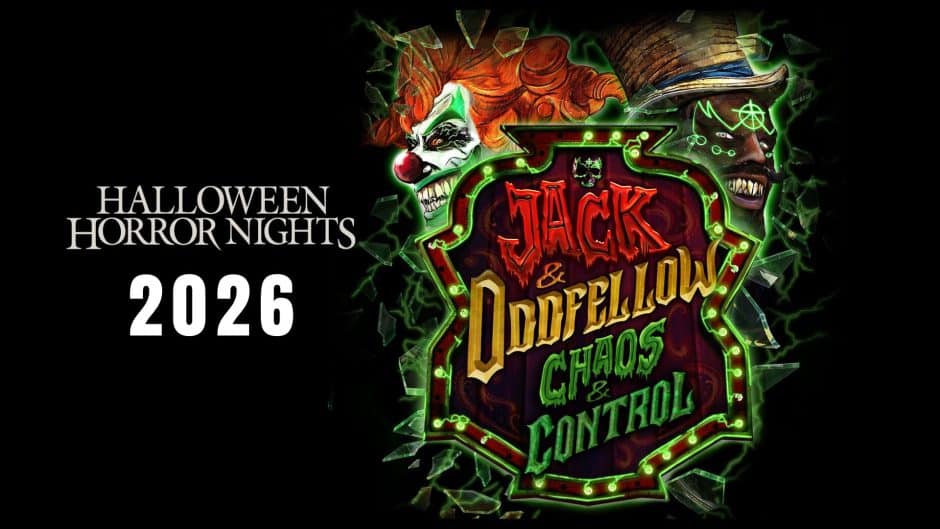
Halloween Horror Nights is back for its 35th installment at Universal Studios in Orlando, Florida as the Infernal Carnival of Nightmares!
Over the years HHN has proven original houses draw as much of a crowd, if not more, as the intellectual property (IP) houses based off of established horror movies.
Leading each year of fear and headlining some of these original houses includes some of the most beloved and iconic characters. These icons include; Jack the Clown, The Caretaker, The Director, Chance, Dr. Oddfellow, The Usher, Lady Luck, and The Storyteller.
This year Orlando’s convention MegaCon had a highly anticipated and attended panel focused on Universal Studio’s Halloween Horror Nights 35. The masterminds speaking of the 35th year celebration included Michael Aiello, Lora Sauls, and Charles Gray. The creators teased the landmark year to salivating fans.
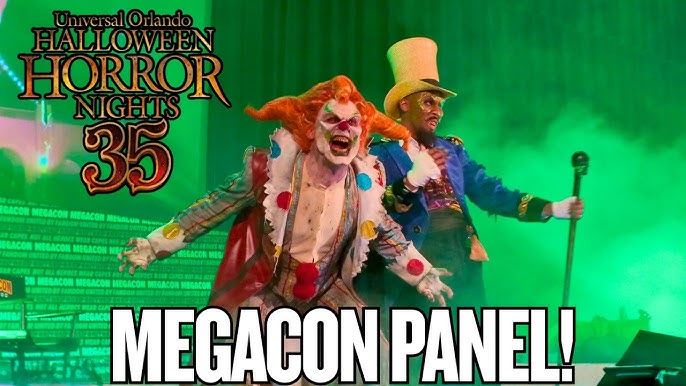
Gaged by the audience’s reaction as each icon was reminisced about and displayed on the panel’s screen were Jack and Oddfellow. Here it was announced to the fanatical audience that these two icons will be returning to lead Halloween Horror Nights into its upcoming year!
Bring in the Clown!
Jack the Clown, born Jack Schmidt, is an icon created by Universal Studios for Halloween Horror Nights. Jack made his debut during the Halloween event’s tenth year in 2000. He immediately won over attendees and became a fan favorite. His popularity grew so much that he has reappeared again and again in many of the Halloween Horror Nights events.
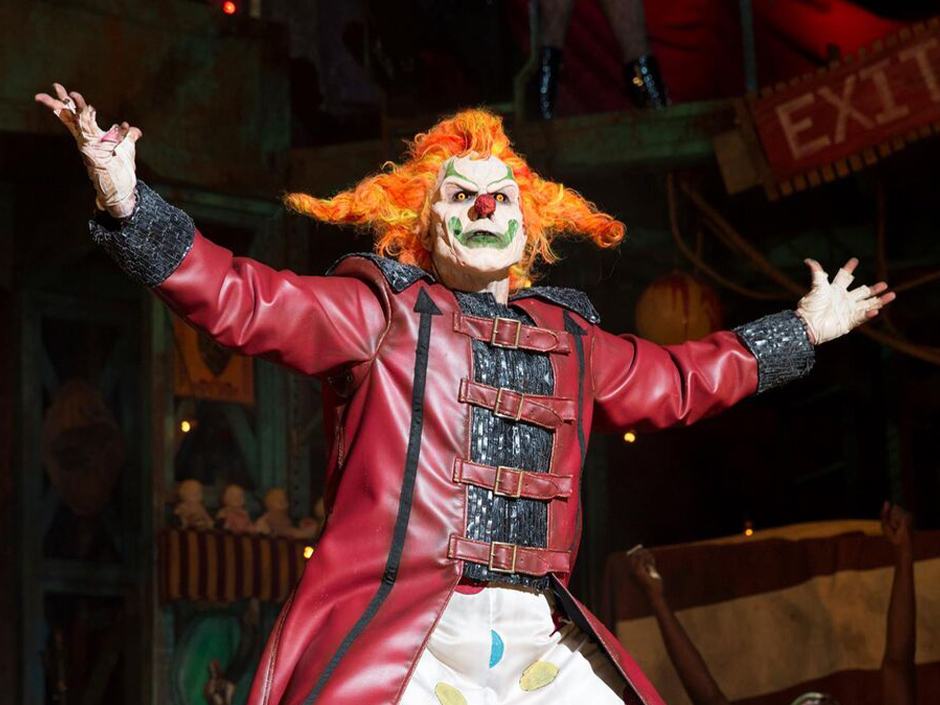
Jack has been featured in three of the five Universal parks that have hosted HHN; Orlando, Hollywood, and Singapore. He has even claimed a spot in Universal Horror Unleashed.
Unleashed is a haunted attraction residing in Las Vegas that offers a fully immersive experience for guests. Unlike Halloween Horror Nights, this attraction is open year round! Universal Horror Unleashed features haunted houses, live entertainment, and themed bars and dining.
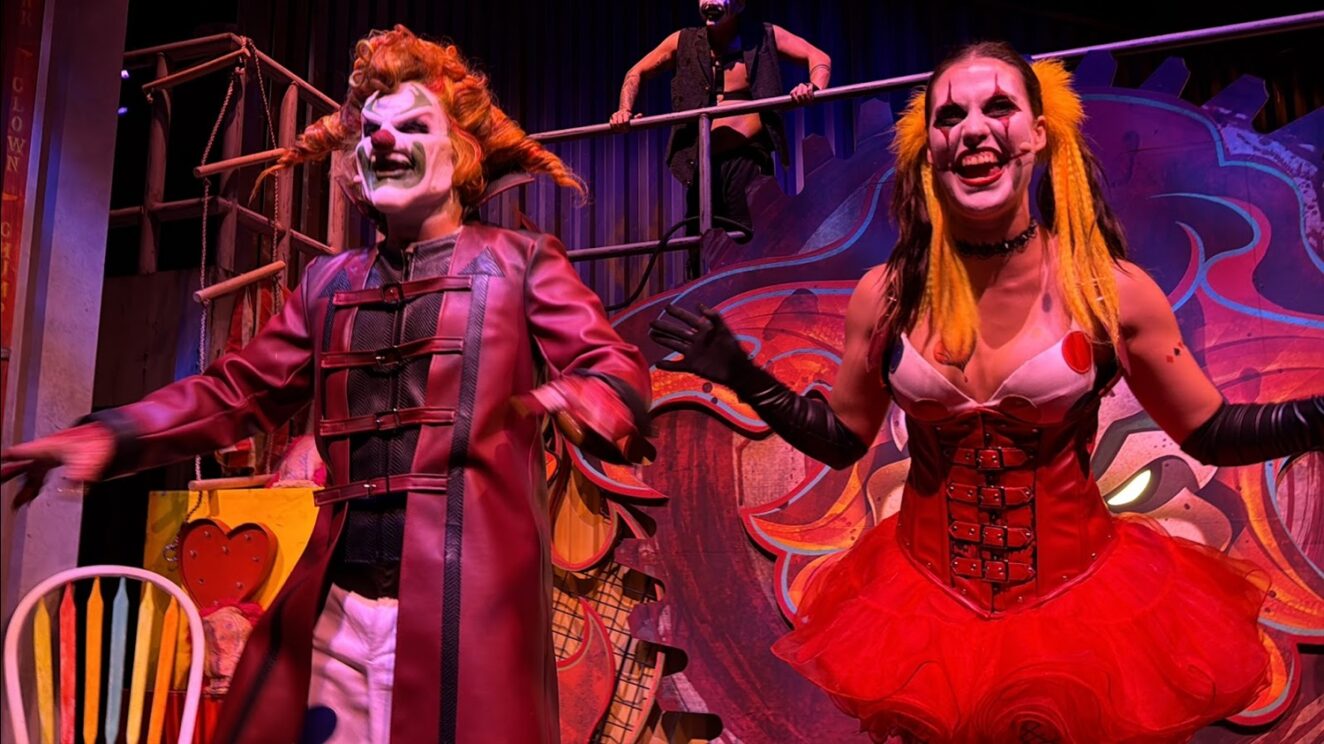
Here Jack stalks guests year round with his mistress in mayhem, Chance.
Jack’s History
In the late 1800s Jack was born with his brother Eddie inside the walls of Shady Brook Rest Home and Sanitarium. Jack escaped and ran away with the circus, leaving his poor and abusive family behind.
However, it was soon apparent he was not the jolly, entertaining clown he convinced his carnival spectators of.
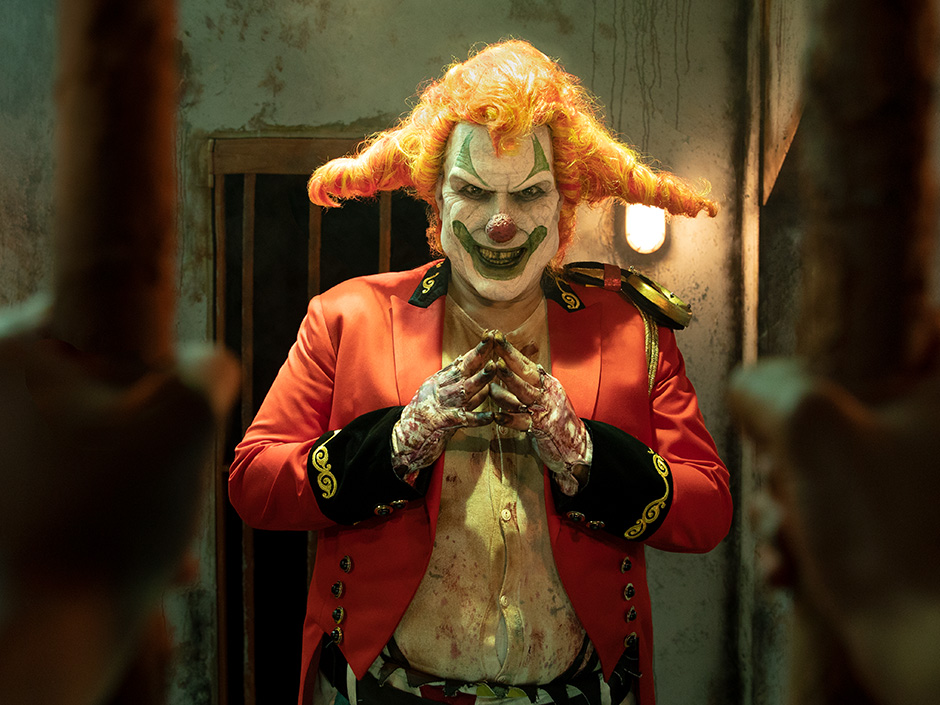
Jack was a child murderer. As the traveling sideshow made its way through the southern states, a trail of abductions and disappearances followed. This attracted unwanted attention from federal authorities.
As the feds closed in, the clown disclosed his murderous ways to his employer, carnival owner Dr. Oddfellow. As the star attraction of the circus he hoped Oddfellow would hide him. However, the doctor was a man with his own sordid past with the law. He decided the best plan of action would be to cut ties with Jack, for good.
The circus owner had Jack Schmidt murdered, but not before the clown gave Oddfellow his trademark facial scar. A scar none of Oddfellow’s dark magic could erase.
Always the showman, Oddfellow decided Jack’s time in his show had not yet come to an end. Not even in death. The carnival owner hid Jack’s body, in addition to the thirteen children the clown had killed, inside his House of Horrors.
The Doctor is In!
Just like Jack “The Clown” Schmidt, Dr. Rich Oddfellow has a very long and evil history. He was introduced to Halloween Horror Nights in 2000, the same year as Jack. However, unlike the menacing clown, the doctor did not rise to instant fame.
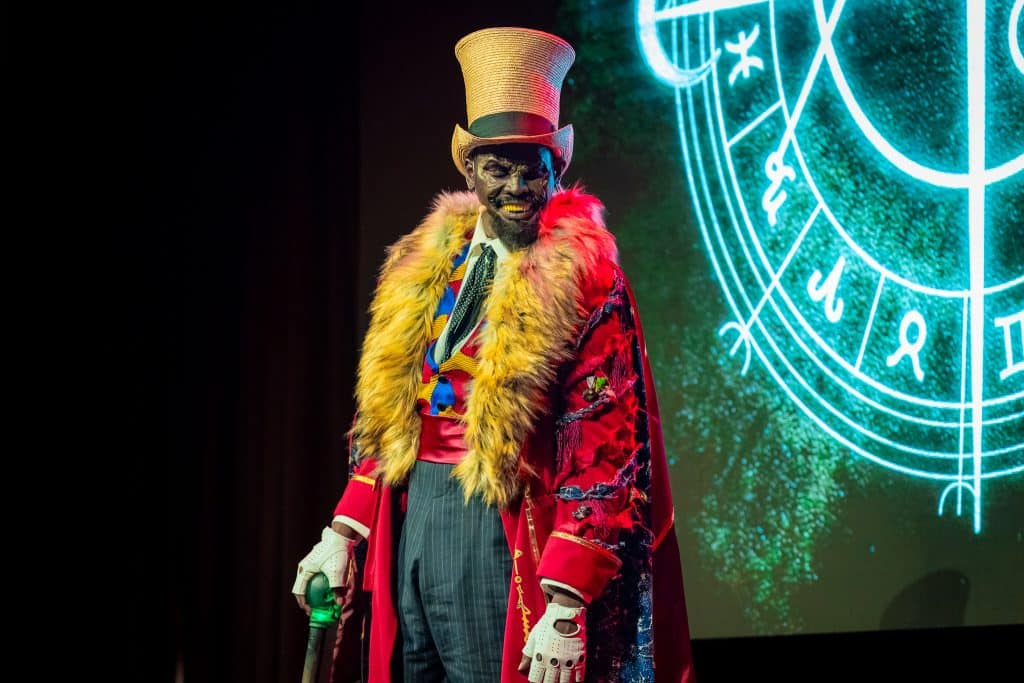
Finally the Doctor found his time in the fog and in 2023 he was established as an icon of HHN.
Oddfellow’s History
Dr. Oddfellow is the notorious, darkly charismatic sideshow owner of Dr. Oddfellow’s Carnival of Thrills. He employed Jack Schmidt, the murderous clown who claimed the lives of at least 13 children. However, the clown was not the only member of the circus who had evil intentions.
Oddfellow was an evil sorcerer, and preyed upon his unsuspecting spectators from town to town. Using the souls of his victims, Oddfellow hoped to gain immortality as well as harness the power of the Dark Zodiac for himself. With this power he would have undying power at his fingertips all harnessed in the skull sitting on top of his trademark cane.
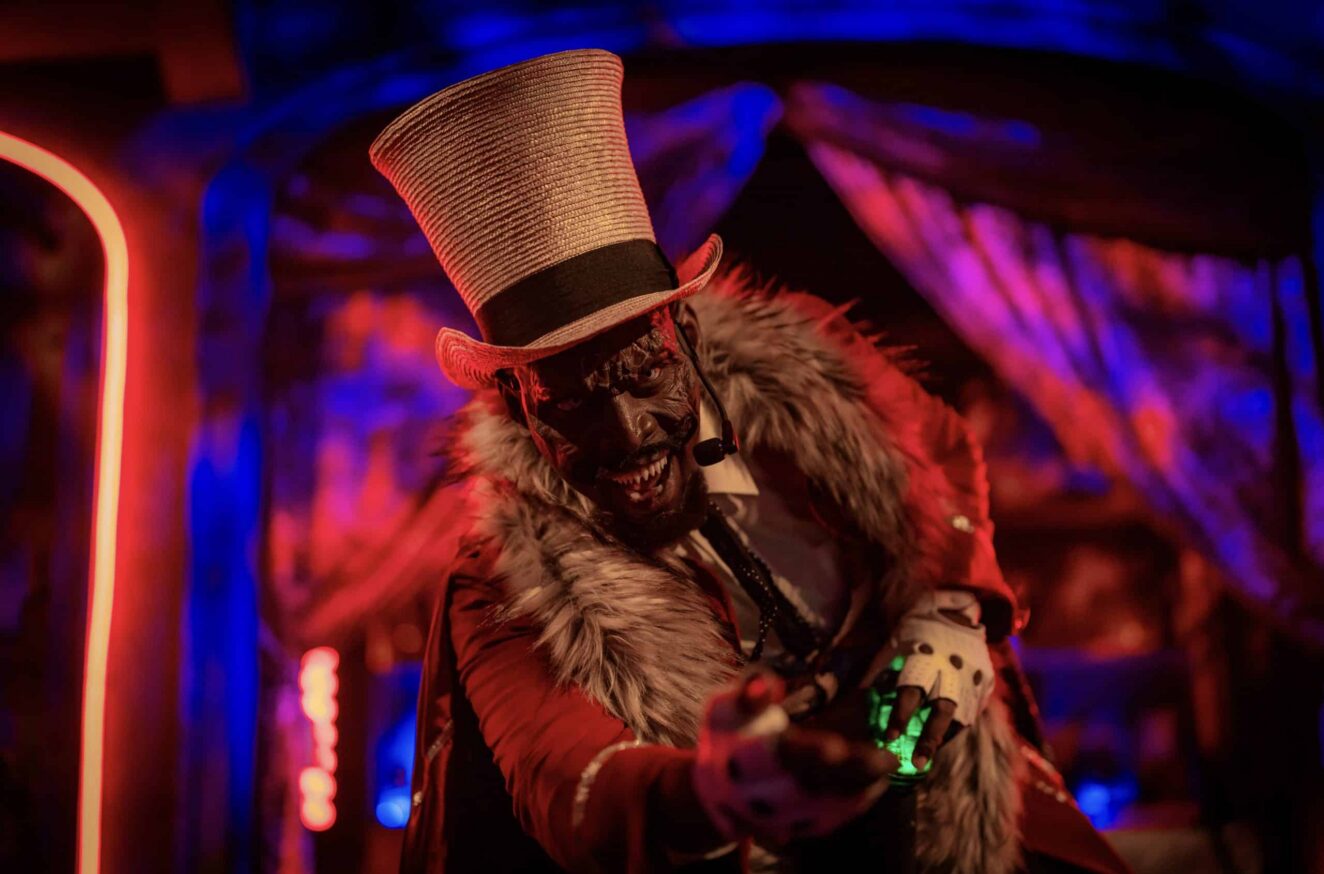
Dr. Oddfellow always left his mark of chaos, destruction and death. From the Jungle of Doom, to the 1939 Dustbowl, and an infamous 1969 Music Festival in upstate New York, Oddfellow reigned down his evil upon the innocent.
A Glimpse of HHN35
Not much has been revealed about how these icons of horror will be intertwined in the upcoming Halloween Horror Nights. However, we do know that despite how much these two despise each other, they will be sharing the spotlight as co-hosts for the much anticipated HHN35.
One of the ten haunted houses will feature the returning duo together. The house is called; Jack and Oddfellow: Chaos and Control.

As you travel through the house the stories of each icon of horror will be unraveled. You’ll wind your way through their evil dimension and see the two battle each other in a deathmatch that has been brewing for decades. However, as you near the end of the house Jack and Oddfellow come to realize that their power is much stronger together than separate. Will the souls of the guests be the fuel to their ultimate evil plan?
Tell us at iHorror who your favorite icon of horror is in the comments! If the two were to face off, who would win?
Editorial
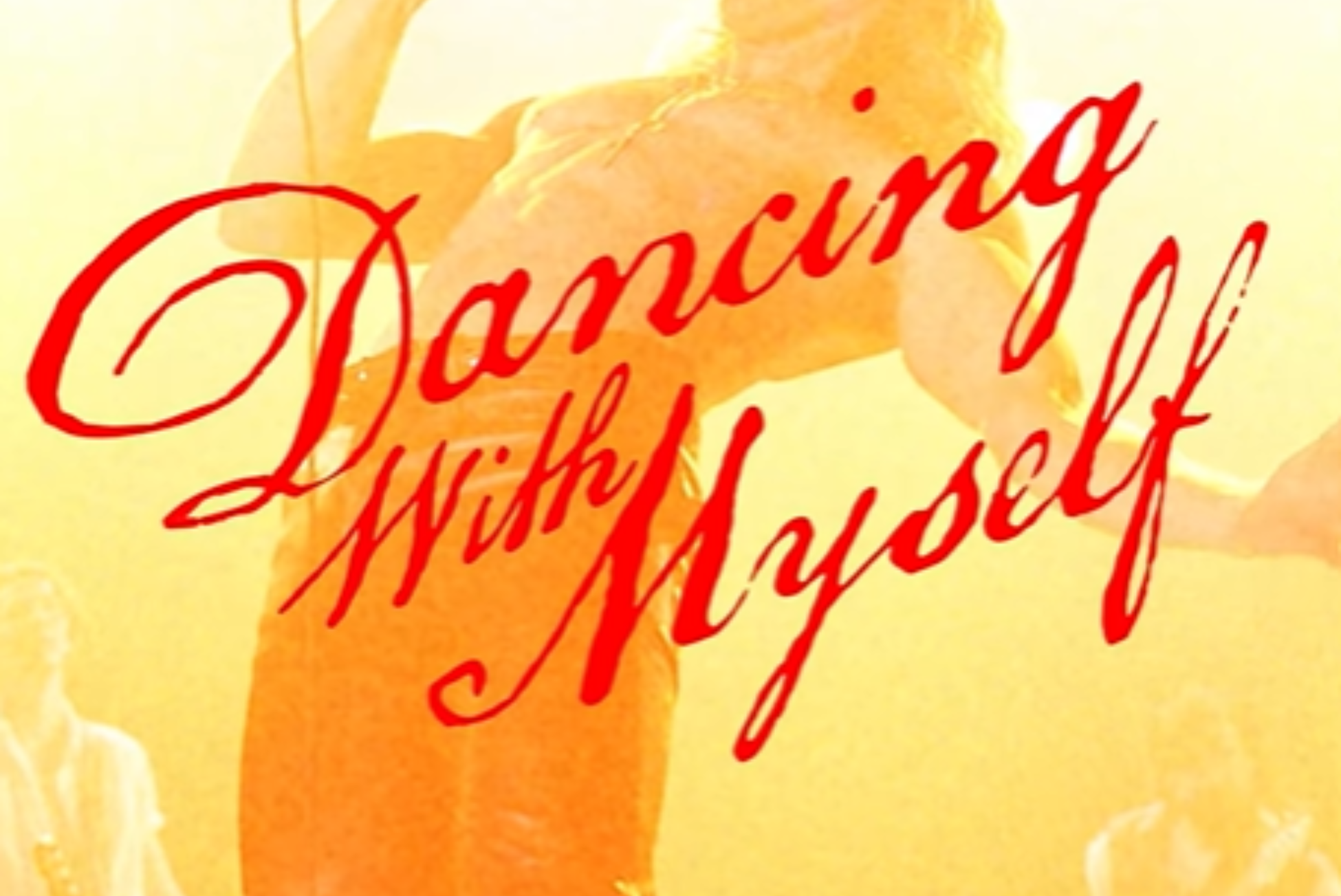
‘The Vampire Lestat’ Trailer: What “Dancing With Myself” Reveals About Lestat
If you’re one of the lucky ones who’s been watching Interview with the Vampire on AMC since its 2022 premiere (we are, in fact, an elite club), then you already know a few things to be true:
Louis and Lestat are not only the hottest couple on television, but they have some of the most electric chemistry we’ve seen in years. Every episode is impeccably written, acted, and produced, devastating and beautiful in equal measure. The character crashouts? Iconic, for better and worse. Delainey Hayles gave us a Claudia who shattered our hearts even when we knew exactly where her story was headed — and one whose presence will haunt this narrative for the rest of its run. And Jacob Anderson and Sam Reid? Together and apart, they’ve made Louis and Lestat two of the most compelling characters on television right now.
But perhaps nothing is more universally true than the fact that these hiatuses make us a little… feral. And this one — leading into Season 3, The Vampire Lestat — has been especially brutal.
Now, with the premiere less than two months away, something incredible has finally happened: the official trailer has arrived!
We’ve had a treasure trove of crumbs since San Diego Comic-Con 2025, but overall, AMC has kept things tightly under wraps. Just enough to keep us desperate for more. And now? Now we have it. Well… kind of.
Dropped on April 22 at noon EST, the two-minute trailer offers only a fraction of what’s to come when the season premieres on June 7, but do not let the runtime fool you. It’s dense, chaotic, and absolutely packed with moments worth dissecting. So naturally, that’s exactly what we’re about to do.
If you’re new to the show, or the books (which will absolutely be part of this breakdown), I’ll try to keep things as accessible as possible. I’ll also link out to a few previous pieces that can help fill in any gaps. And if you haven’t caught up yet, both seasons are currently streaming on AMC and Netflix. Just saying.
There’s simply, however, too much happening in this trailer to do it justice in a single piece. So we’re taking it one element at a time, and we’re starting with the music. A full breakdown of the video content of the trailer is coming next.
The Vampire Lestat and “Dancing With Myself”
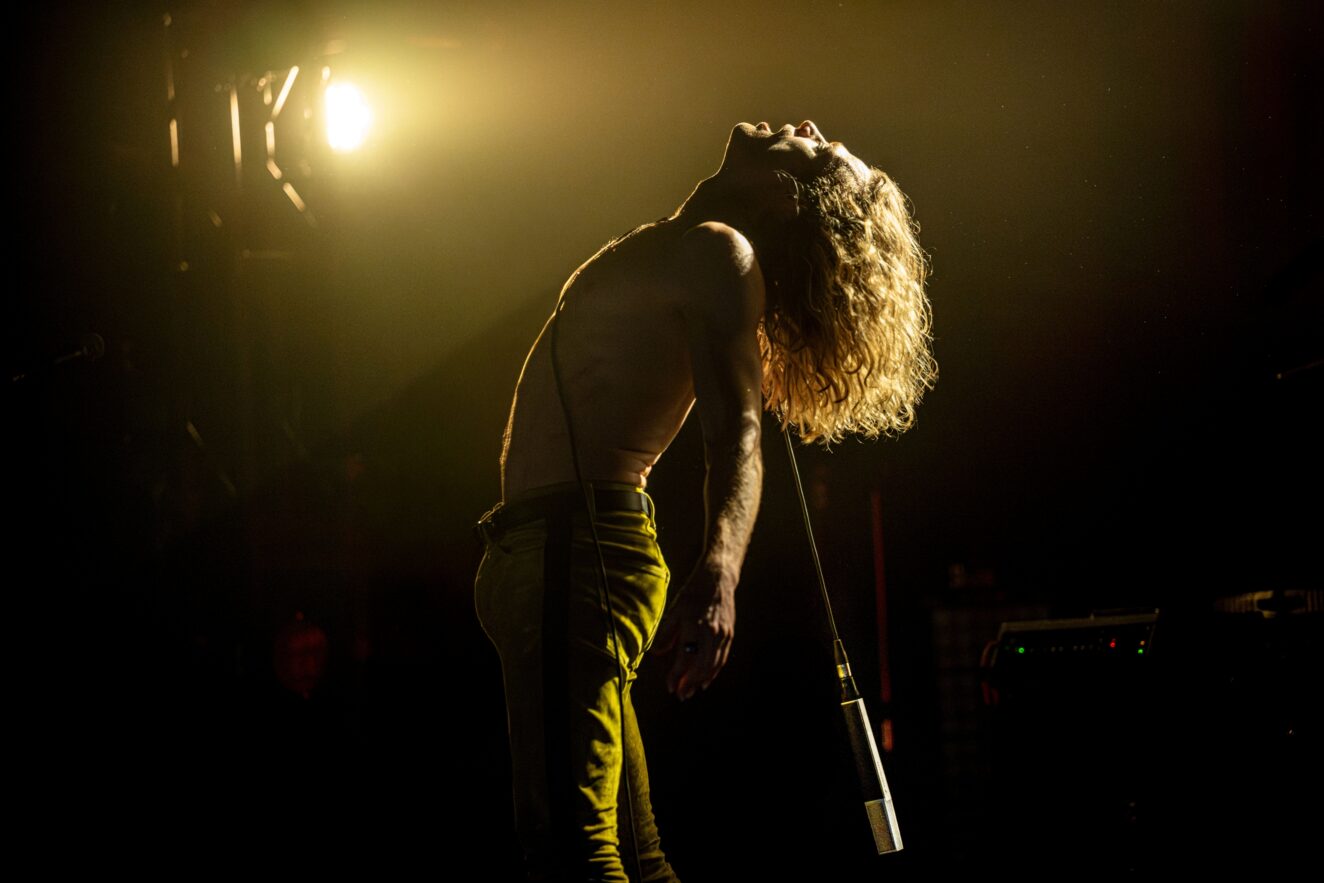
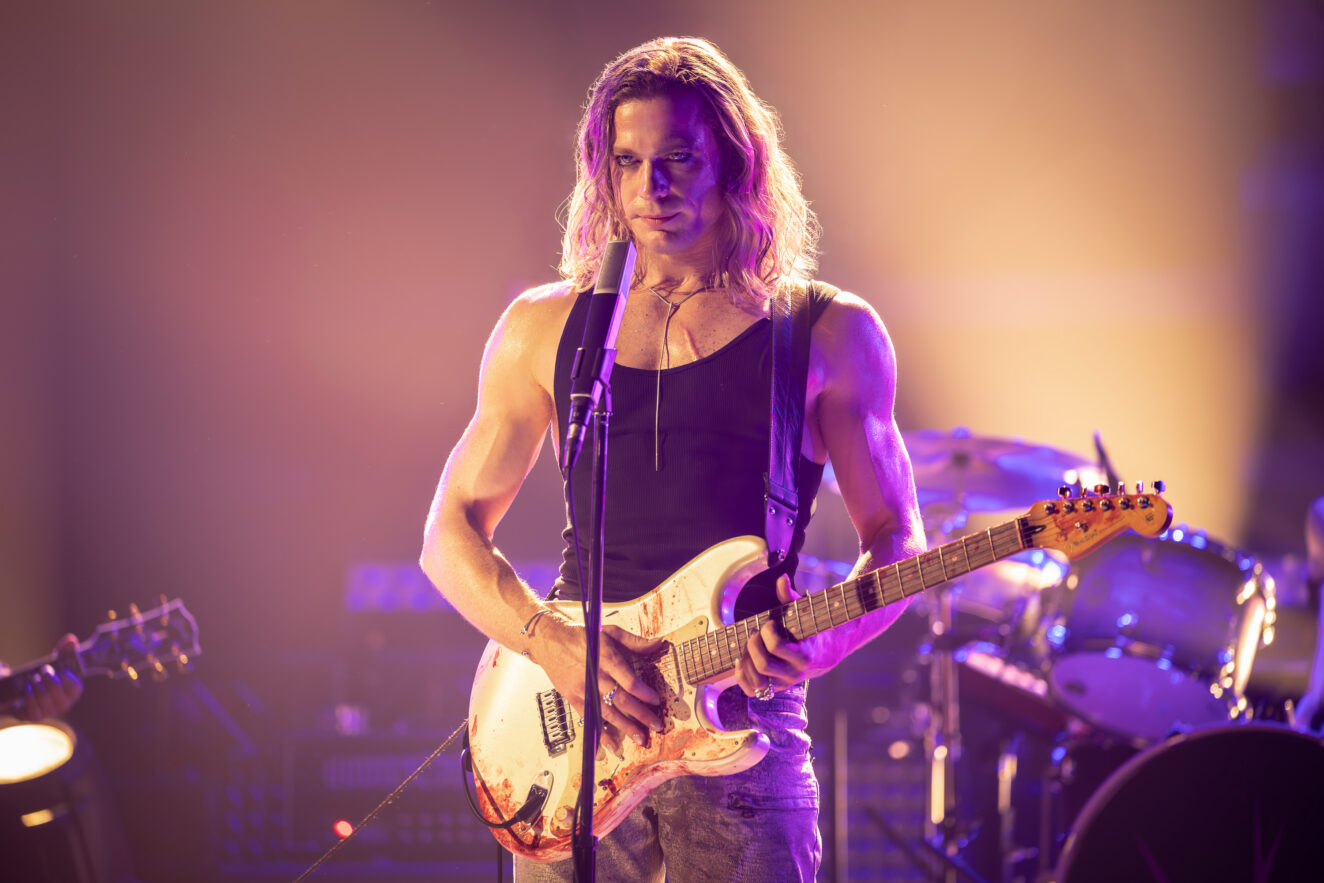
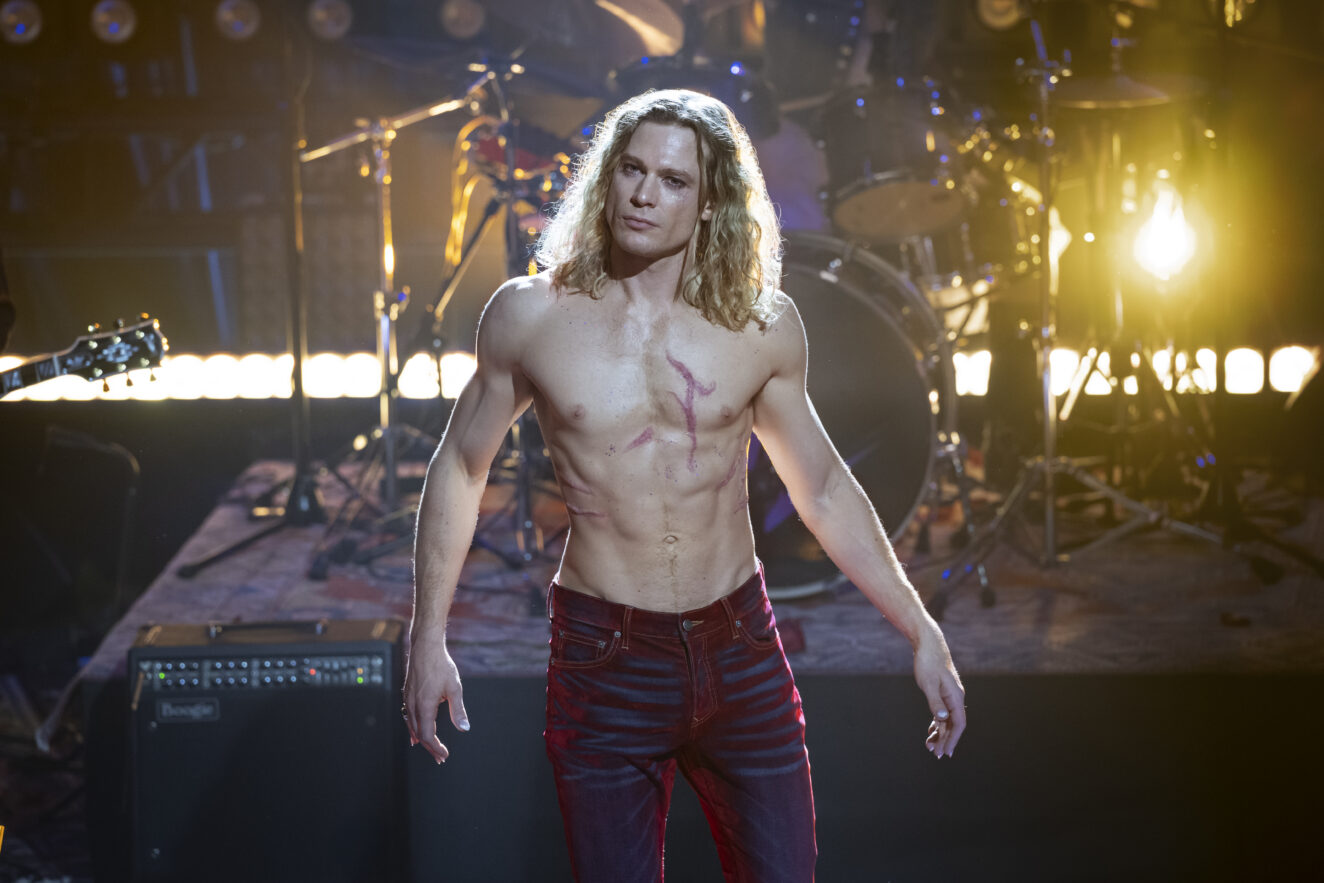
The Vampire Lestat— the fictional band fronted by Lestat de Lioncourt (Sam Reid) — isn’t just a narrative device this season. It’s becoming real, with original songs expected to release alongside the show, many of them written and produced by composer Daniel Hart, whose work has already been integral to the identity of the first two seasons — more on him, and the team behind this sound, very soon.
“Dancing With Myself” emerged from the post-punk scene of the late 1970s and helped define the rise of new wave in the early ’80s, a genre that softened punk’s aggression into something more commercially accessible without losing its sense of alienation. It’s glossy, performative, and deeply solitary all at once, which, frankly, makes it perfect for Lestat.
And yes, I would pay an embarrassing amount of money to hear him cover the synth-pop/new wave-esque song “Personal Jesus” by Depeche Mode, but that’s neither here nor there.
It goes without saying that the team behind The Vampire Lestat isn’t choosing songs without purpose, and beyond Reid’s voice fitting really well tonally with Idol’s, the lyrics to the song seem especially befitting a certain crashing rockstar in the modern era.
A few lines in particular stand out:
- Oh, when there’s no-one else in sight / In the crowded lonely night / Well, I wait so long for my love vibration / And I’m dancing with myself
- When there’s nothing to lose and there’s nothing to prove
- Well, if I looked all over the world / And there’s every type of girl / But your empty eyes seem to pass me by / Leave me dancing with myself / So let’s sink another drink / ‘Cause it’ll give me time to think / If I had the chance, I’d ask the world to dance / And I’ll be dancing with myself
Taken together, the song circles three central ideas: loneliness, performance, and the absence of meaningful love.
Loneliness
If there is a single emotional constant in Interview with the Vampire, it’s loneliness. But for Lestat, it’s not just a theme. It’s a driving force behind many of his choices, good and bad.
We hear it articulated explicitly as early as Season 1, Episode 2 (“…After Phantoms of Your Former Self”), in a scene near the end of the episode (though it was the very first scene Anderson and Reid filmed together) when Lestat confesses to Louis:
“There is one thing about being a vampire that I most fear above all else and that is loneliness. You can’t imagine the emptiness… A void stretching out for decades at a time. You take this feeling away from me, Louis. We must stay together and take precaution and never part.”
It’s a quiet, romantic moment with the two, but its undeniable romance does not take away from the fact that it also reads as a warning.
Because Lestat’s fear of being alone doesn’t manifest gently. It curdles into control, volatility, and, eventually, violence. By Episode 5 (“A Vile Hunger for Your Hammering Heart”), that fear has escalated into something far more dangerous. Claudia’s return — and her plan to leave again, this time with Louis — pushes Lestat into a full emotional rupture. What follows is one of the most brutal sequences in the series: his attack on Claudia, Louis’ intervention, and Lestat dropping Louis from the sky in an act that is as much about desperation as it is cruelty.
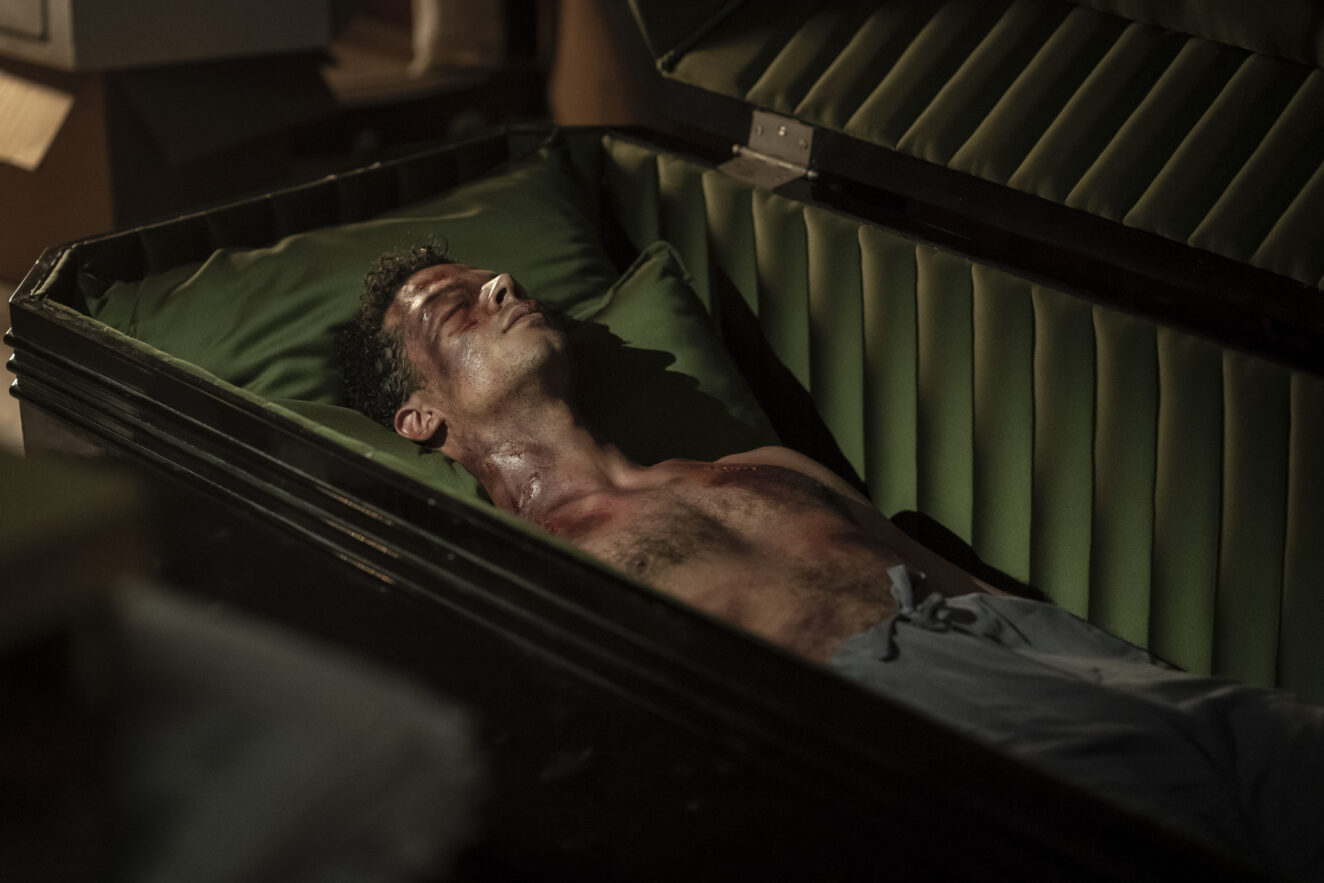
That moment isn’t just about rage, but terror. Specifically, its about the terror of abandonment.
And that terror didn’t start with Louis.
As outlined in The Vampire Lestat (1985) by Anne Rice, Lestat’s human life was defined by instability, neglect, abuse, and emotional distance. His mother, Gabrielle (Gabriella in the show — and yes, we’ll get into that later… yikes), the one person he feels closest to, remains consistently cold and ultimately leaves him more than once. His first relationship, Nicolas “Nicki” de Lenfent (which also… yikes), rejects both his worldview and, eventually, him. And even Armand later tells Lestat outright that he is destined to be abandoned by those he creates.
So when immortality stretches that pattern across decades — and, now, centuries — the result is exactly what “Dancing With Myself” captures: being surrounded by people, yet fundamentally alone.
And that’s one aspect that makes the trailer’s use of this song so telling.
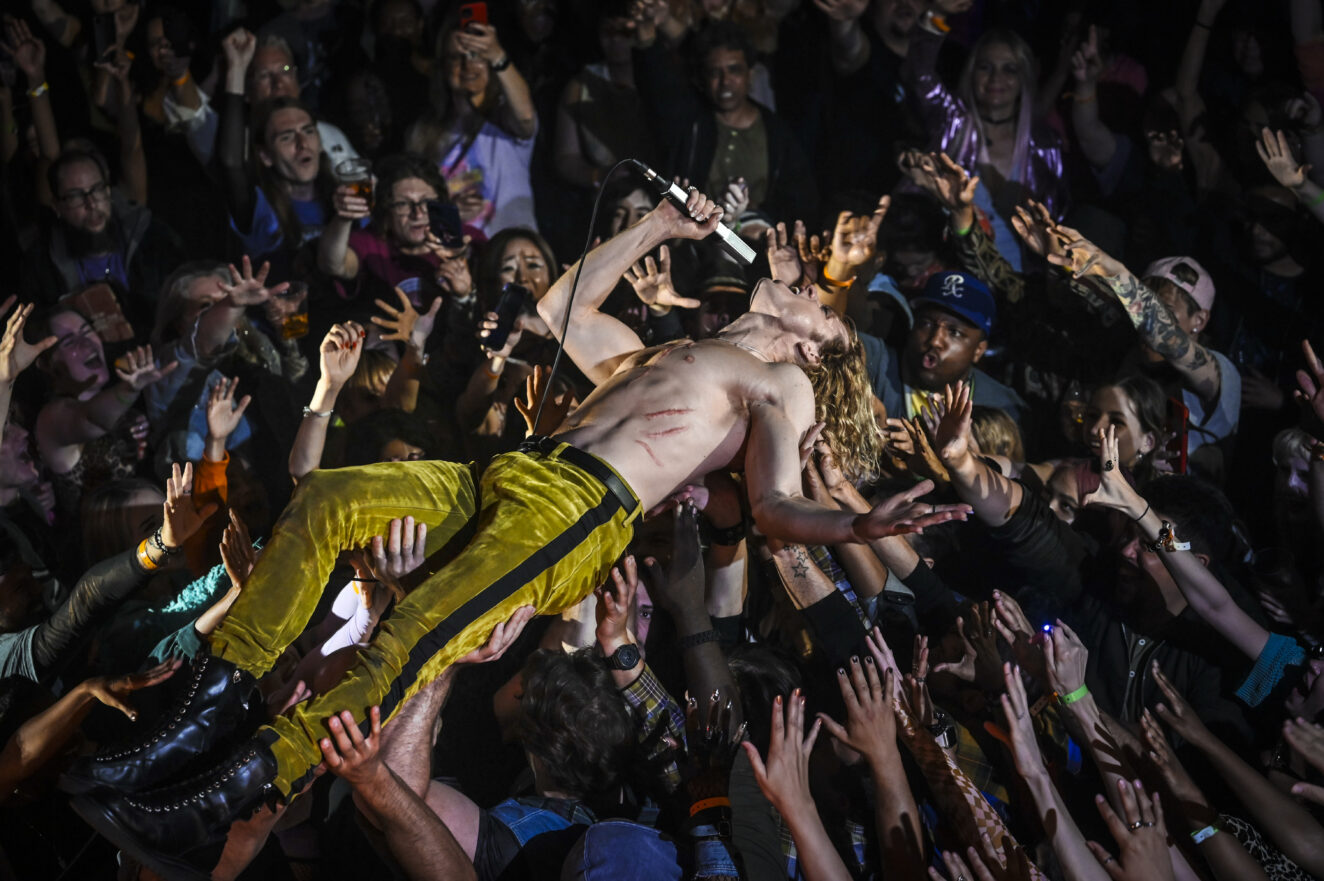
Because if what we’ve seen so far is any indication, between the IGN clip, the tension within his band, and the ongoing-fractured state of Louis and Lestat’s relationship, Lestat’s rise to rock stardom isn’t going to resolve that loneliness.
It is probably going to make it worse.
He may be performing for thousands. Worshipped, even. But if those connections are hollow — fans, bandmates, an audience projecting onto him rather than knowing him — then the image becomes painfully clear:
Lestat, center stage, and still dancing with himself.
Performance
We’ve known since the very beginning that Lestat is a performer.
In Season 1 alone, he’s constantly putting on a show: playing piano at the Azalea, much to Louis’s reluctant fondness (Episode 3, “Is My Very Nature That of the Devil?”); staging theatrical displays in their home on Rue Royale for Louis and Claudia (Episode 4, “…The Ruthless Pursuit of Blood With All a Child’s Demanding”); and, of course, presiding as King of Mardi Gras, traumatizing the people of New Orleans more than once throughout the night for his own happiness (Episode 7, “The Thing Lay Still”).
Even beyond that, Season 2 gestures toward his past on the 1700s Parisian stage in Episode 3, “No Pain” — though the truth of those performances remains… questionable (looking at you, Armand (Assad Zaman). Where is Lelio?).
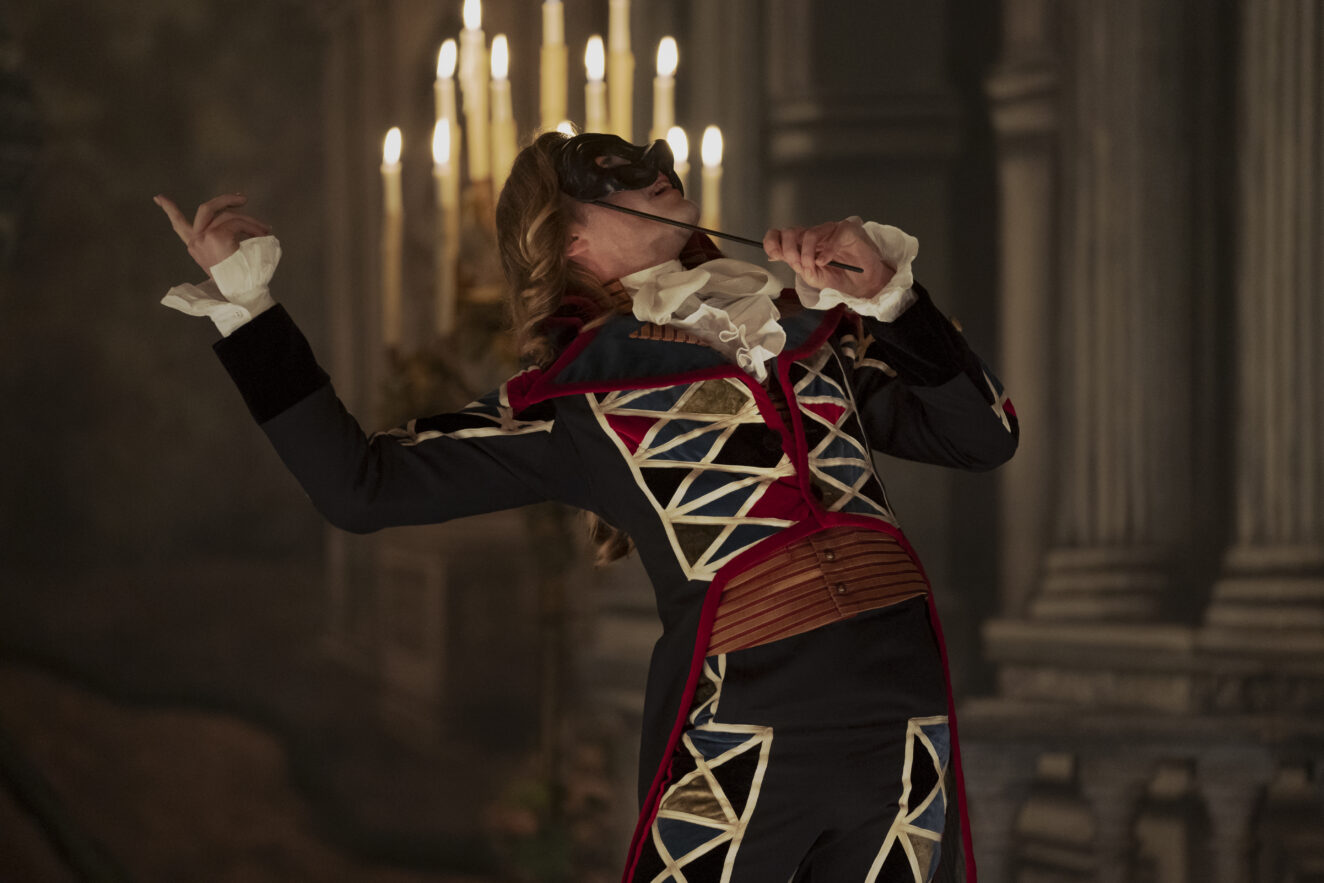
But performance isn’t always just about literal showmanship.
It’s about presentation. It’s about control. It’s about the version of yourself you choose to project. And, even more importantly, what that projection allows you to hide.
And Lestat is always performing.
He presents himself as open, indulgent, impossible to ignore, but that openness is often a kind of sleight of hand. It allows him to dazzle while withholding, to dominate the narrative while obscuring the truth. The trailer leans hard into this idea, framing his rockstar persona as something exaggerated, almost artificial. He’s louder, brasher, more overtly provocative than ever before.
Which brings us back to the lyrics:
When there’s nothing to lose and there’s nothing to prove…
On the surface, that line reads like a freedom of sorts. But in this context, it feels more like a performance of certainty than the real thing.
Because The Vampire Lestat novel is steeped in Lestat’s need to define himself, to control how he’s seen, and to rewrite his own narrative. And given where the show has left him — his fractured relationship with Louis, the weight of Claudia’s death, the lingering guilt and denial — it’s hard to read “nothing to lose” as truth.
If anything, it sounds like someone trying very hard to believe it.
The same goes for “nothing to prove.” Because Lestat is, in many ways, still trying to prove everything: his power, his independence, his monstrosity, even his worthiness of suffering. That famous line —
“Oh Lestat, you deserved everything that’s ever happened to you…”
The Vampire Lestat, Page 436
— doesn’t read as acceptance so much as self-condemnation. A performance of self-awareness that never quite resolves into peace.
If the music is any indication, this rockstar era isn’t about actual liberation. The persona gets bigger, louder, more undeniable, but the cracks underneath it widen just as quickly.
The performance can only hold for so long.
And when it finally falls apart, as the season’s hints of a “rise and fall” suggest it inevitably will, it won’t simply just collapse, but will force whatever is being hidden into the spotlight instead.
Absence of Meaningful Love
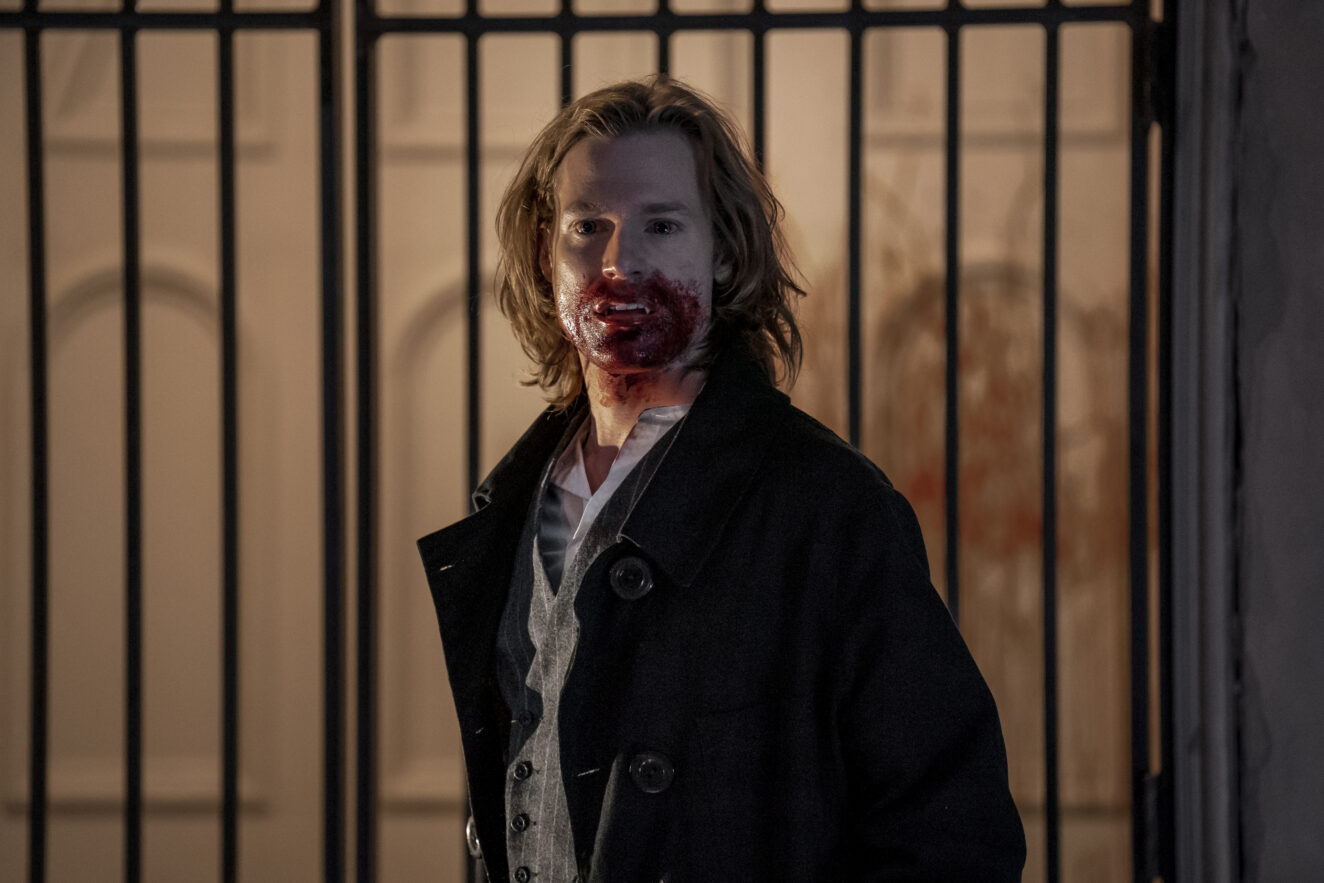
Last, but certainly not least — and arguably most important — is the absence of meaningful love.
Like loneliness, this is a theme deeply embedded in Interview with the Vampire. But what “Dancing With Myself” highlights is something more specific: not just the loss of love, but the inability to access it, even when it exists.
And that’s where Lestat and Louis become central to the song’s meaning.
From what the series has already shown us, their relationship is not only the emotional core of the story, but the most real and significant connection either of them has ever had. Season 1 makes that clear, even when it’s at its most volatile. Season 2 reinforces it even further by showing us that even though Lestat may be “gone,” he never leaves the narrative. He lingers in Louis’ mind, shaping his choices, haunting his relationship with Armand, and ultimately highlighting a truth the show never lets us forget, which is that nothing Louis builds in Lestat’s absence comes close to what they had together.
Which makes the song’s fixation on unfulfilled connection hit even harder.
Because if “Dancing With Myself” is about longing for something just out of reach, then it maps almost too neatly onto where this story leaves them — separated, fractured, and, for all intents and purposes, withholding love from one another.
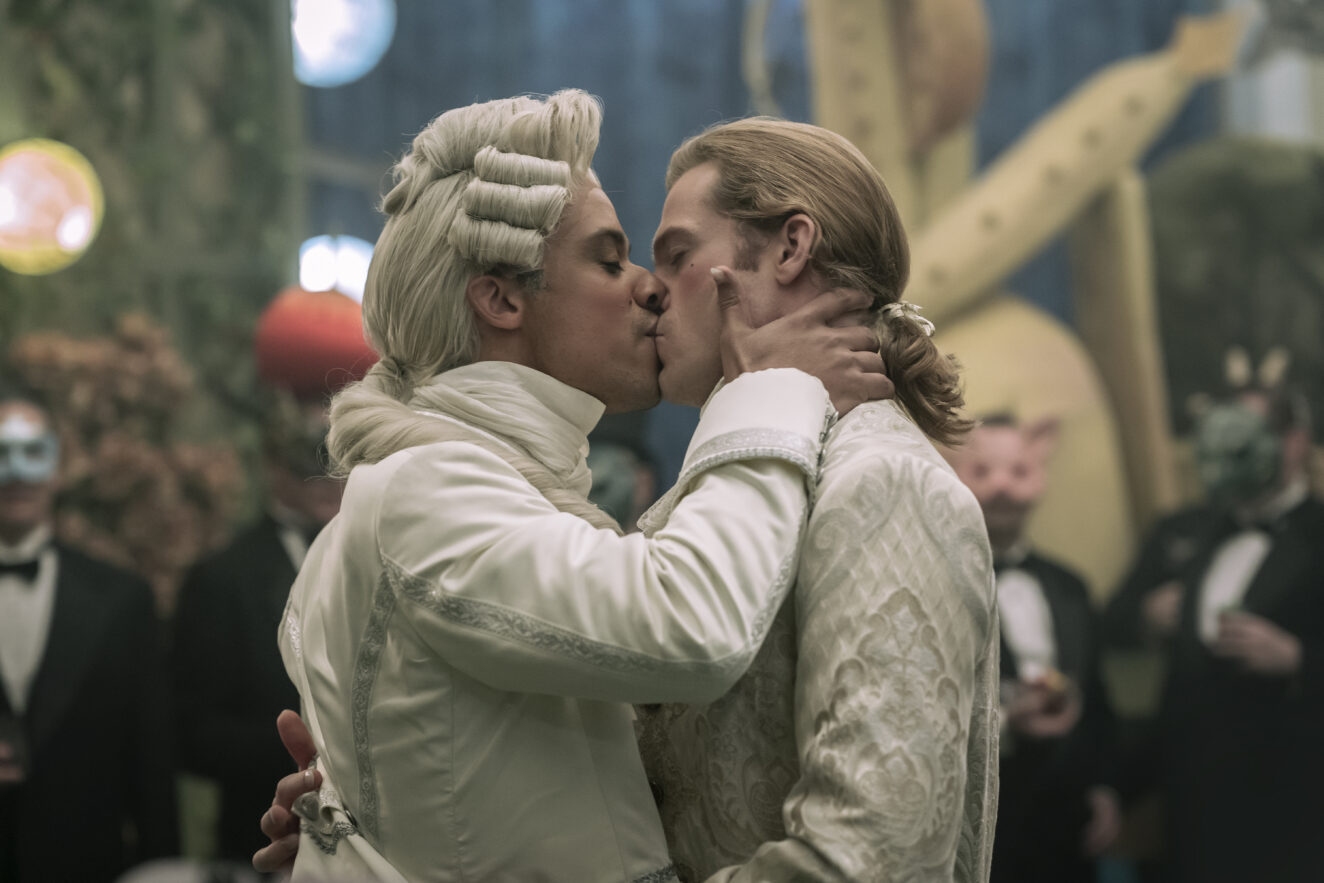
And from Lestat’s perspective, that absence is everything.
As explored in The Vampire Lestat and later novels, Louis is not just a great love; he is the love.
There are countless passages that reinforce this, moments where Lestat’s fascination, devotion, and emotional connection to Louis border on overwhelming. Some of my favorite passages include, but are not limited to:
- “Yet Louis gained a hold over me far more powerful than Nicolas had ever had. Even in his cruelest moments, Louis touched the tenderness in me, seducing me with his staggering dependence, his infatuation with my every gesture and every spoken word.” — The Vampire Lestat, Page 433
- “It was the love of Louis which had at times crippled Lestat, and enslaved Armand. Louis need not have consciousness of his own beauty, of his own obvious and natural charm.” — Merrick, Page 142
- “[Louis’] beauty had always maddened me. I think I idealize him in my mind when I’m not with him; but when I see him again I’m overcome.” — The Tale of the Body Thief, Page 106
But it is even more apparent, even more all-consuming, in the show. Lestat’s love of Louis is undeniable, again, despite their past. From the very first moment he saw Louis in Season 1, Episode 1 (“In Throes of Increasing Wonder”), the attraction was evident, but as the episode and season progress, it is clear that Lestat’s love for Louis is what, quite literally, keeps him going in this immortal life.
Which is exactly why the lyrics land the way they do.
Well, I wait so long for my love vibration / And I’m dancing with myself…
and
If I looked all over the world… but your empty eyes seem to pass me by…
These lines don’t just suggest loneliness, but waiting. Waiting for a specific kind of love, one that isn’t interchangeable, one that can’t be replaced no matter how many people surround you.
And the trailer, and interviews with the cast and crew at past events of SDCC and New York Comic Con (NYCC), seems to lean into that idea.
Because while Lestat’s rockstar persona promises excess of attention, admiration, and endless bodies in endless rooms, the song takes away from that. The implication is clear: none of it is enough. Not the fame, not the show, not the distractions.
None of it is enough if the one person he actually wants isn’t there in the way he wants and needs them.
So what fills that gap?
Performance. Indulgence. Self-destruction.
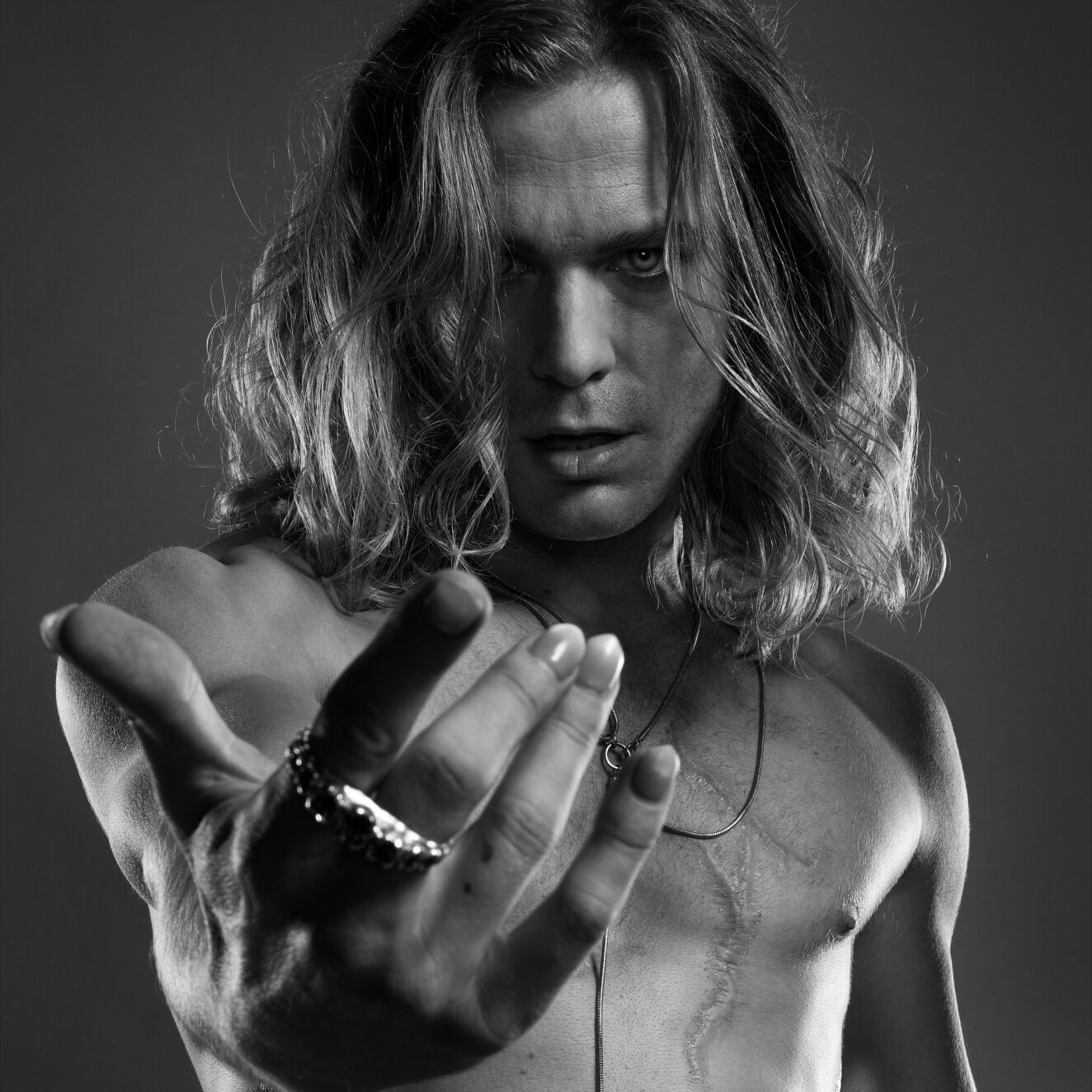
The lyrics hint at it —“let’s sink another drink… give me time to think”— and the trailer visuals, as well as some of the other smaller clips AMC has been sharing over the last couple of weeks, seem to follow suit. Whatever this era of Lestat’s life becomes, it doesn’t read as fulfillment. It’s more of a coping mechanism. And a really bad one.
Ultimately, what “Dancing With Myself” captures, and what the trailer reinforces, is that Lestat isn’t just alone, but he is alone without the one person whose love ever made that loneliness bearable.
And until that changes, no amount of noise, attention, or performance is going to fix it.
Because change will be required from both of them. From Lestat, a confrontation with who he is beneath the performance; from Louis, a willingness to face what remains between them.
And when that shift finally comes, it will be beautiful and probably send me into a psychosis.
But until then, the lyrics linger where Lestat is now: searching, performing, and still, despite everything, waiting for Louis’ love.
Conclusion
What makes this trailer so effective isn’t just what it shows, but how it sounds. The choice of “Dancing With Myself” is deliberate, layered, and deeply revealing of Lestat’s mental state during what will probably be the beginning of his journey to rockstardom. Through its lyrics and tone, the song reframes everything we’re seeing: Lestat’s rise to fame as a performance, his excess as coping, and his isolation as something that no amount of attention can truly resolve.
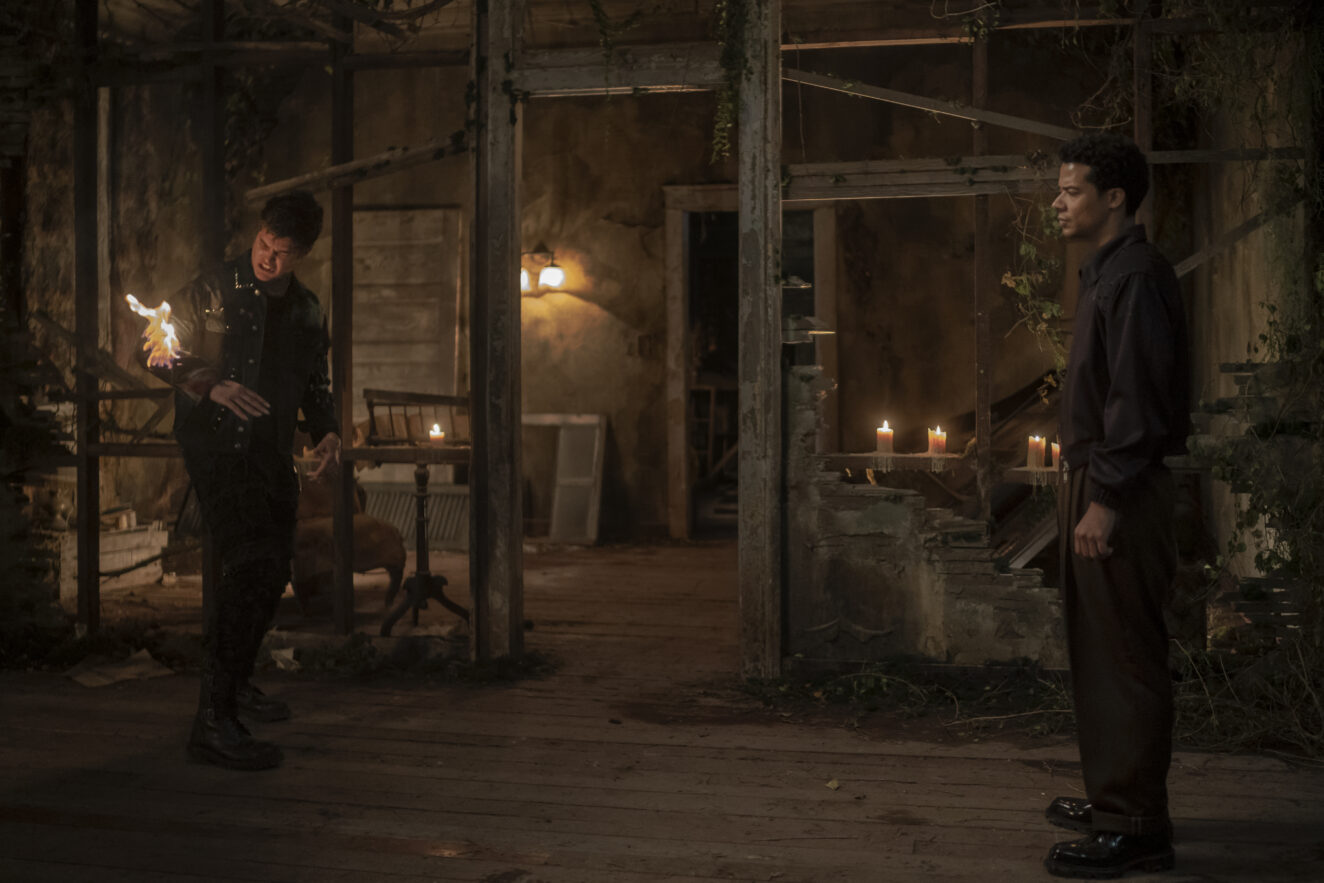
Loneliness, performance, and the absence of meaningful love aren’t just recurring themes in Interview with the Vampire, but now something embedded directly into the music of this trailer, guiding how we interpret nearly every frame, character action, and piece of dialogue. It’s a reminder that this next chapter, The Vampire Lestat, isn’t just about reinvention but exposure.
And if this trailer and its music are any indication, we’re in for something messy, emotional, indulgent, and probably devastating in all the best and worst ways.
This might be me reading way too much into a trailer song choice, but I don’t think I am. To quote OutKast in “Hey Ya!:” “Y’all don’t wanna hear me, you just wanna dance.”
And if that isn’t exactly what this trailer is doing, I don’t know what is.
All I do know is that June 7 cannot come fast enough.
In the meantime, you can watch the official trailer below and listen to “Dancing With Myself” by The Vampire Lestat to hear exactly what he’s telling us.
Be sure to follow us here at iHorror for our upcoming breakdown of the trailer’s visual content — we’re covering all things The Vampire Lestat as we count down to its premiere on AMC and AMC+ on June 7 at 9 p.m.


Horror Coming to Streaming in May 2026: Shudder Is Doing the Most and Netflix Finally Showed Up

Evil Dead Burn Looks Like the Most Violent Family Reunion You’ll Ever Attend

_CIVILIAN Is the Micro-Series That Proves You Don’t Need Much to Make Something That Matters

Breaking Down the First Minute of ‘The Vampire Lestat’ Official Trailer: What It Reveals About Season 3

Jessica T Deveraux Got Possessed At Her Own Bar In New Film ‘Key of Bones’

The Cape Fear Trailer Is Here. Javier Bardem Built It.

iHorror Exclusive Clip: ‘Obsession’ in theaters May 15th

This Week in Horror: The Genre Says Goodbye to Jonathan Tiersten

Panic Fest 2026 Review: ‘Creature Of The Pines’ Is An Interesting Found Footage Horror That Walks A Beaten Path

Sleepaway Camp Knew Before I Did: The Legacy Johnathan Tiersten Left on Queer Media

Koji Suzuki Built the Well. The Author of ‘Ring’ Trilogy Dies at 68

Universal’s Horror Make-Up Show Ends 36 Year Run

Self Driver Runs Out of Road

10 J-Horror Films to Watch After Losing Koji Suzuki
Sleepaway Camp Knew Before I Did: The Legacy Johnathan Tiersten Left on Queer Media
Koji Suzuki Built the Well. The Author of ‘Ring’ Trilogy Dies at 68
This Week in Horror: The Genre Says Goodbye to Jonathan Tiersten

Panic Fest 2026 Review: ‘Jump Scare’ Is A Metal As Hell Kick To The Skull!
Jessica T Deveraux Got Possessed At Her Own Bar In New Film ‘Key of Bones’
The Cape Fear Trailer Is Here. Javier Bardem Built It.

Panic Fest 2026 Review: ‘Frogman Returns’ Is A Thrilling Sequel That Goes For The Croak!
iHorror Exclusive Clip: ‘Obsession’ in theaters May 15th
-
 News6 days ago
Jessica T Deveraux Got Possessed At Her Own Bar In New Film ‘Key of Bones’
-
 News6 days ago
The Cape Fear Trailer Is Here. Javier Bardem Built It.
-
 News7 days ago
iHorror Exclusive Clip: ‘Obsession’ in theaters May 15th
-
 News5 days ago
This Week in Horror: The Genre Says Goodbye to Jonathan Tiersten
-
 Editorial4 days ago
Sleepaway Camp Knew Before I Did: The Legacy Johnathan Tiersten Left on Queer Media
-
 News4 days ago
Koji Suzuki Built the Well. The Author of ‘Ring’ Trilogy Dies at 68
-
 Indie Horror6 days ago
Panic Fest 2026 Review: ‘Frogman Returns’ Is A Thrilling Sequel That Goes For The Croak!
-
 News5 days ago
Panic Fest 2026 Review: ‘Jump Scare’ Is A Metal As Hell Kick To The Skull!
You must be logged in to post a comment Login