Lists
10 J-Horror Films to Watch After Losing Koji Suzuki
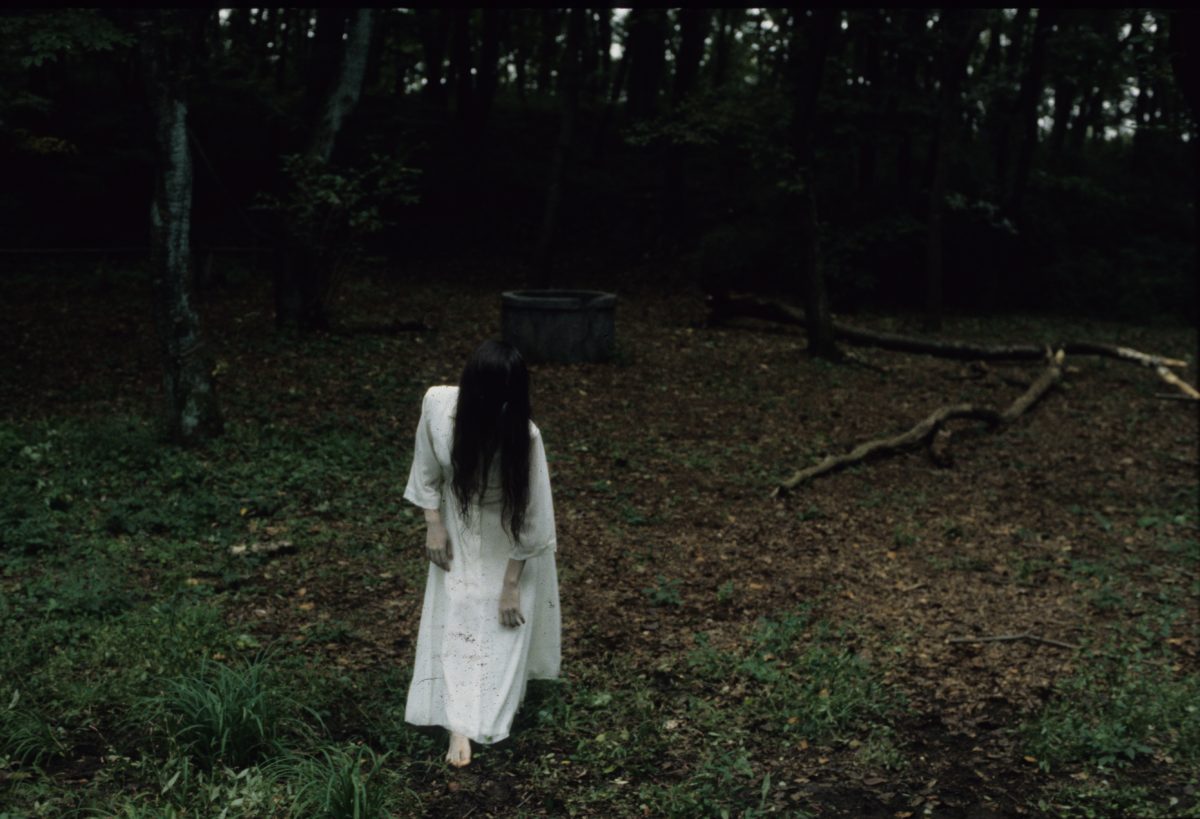
Koji Suzuki died on May 8. He is the man who wrote The Ring, which means he is personally responsible for a thing that happened to a very large number of people in the late 1990s, we developed a complicated relationship with our own televisions. Not as a metaphor. Every television. All the time. For like two years.
If that sentence makes sense to you, you already know why this is a hard week. If it does not, welcome to the part of horror that lives in transmission. Here is where to start.
Ringu (1998)
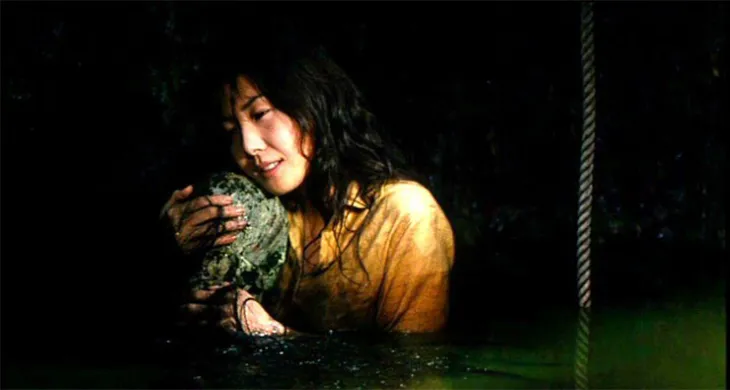
This one is on Suzuki directly. Hideo Nakata adapted his novel and made Ringu, and the thing that makes it still work in 2026 is that Sadako is not after you specifically. She is not a slasher villain with a grudge. Well, she kind of is, but still. She is what happens when grief has nowhere to go and nobody came. Watching this for the first time in a dark room and then having your phone ring is an experience I recommend to everyone exactly once.
Start here. Obviously.
Dark Water (2002)
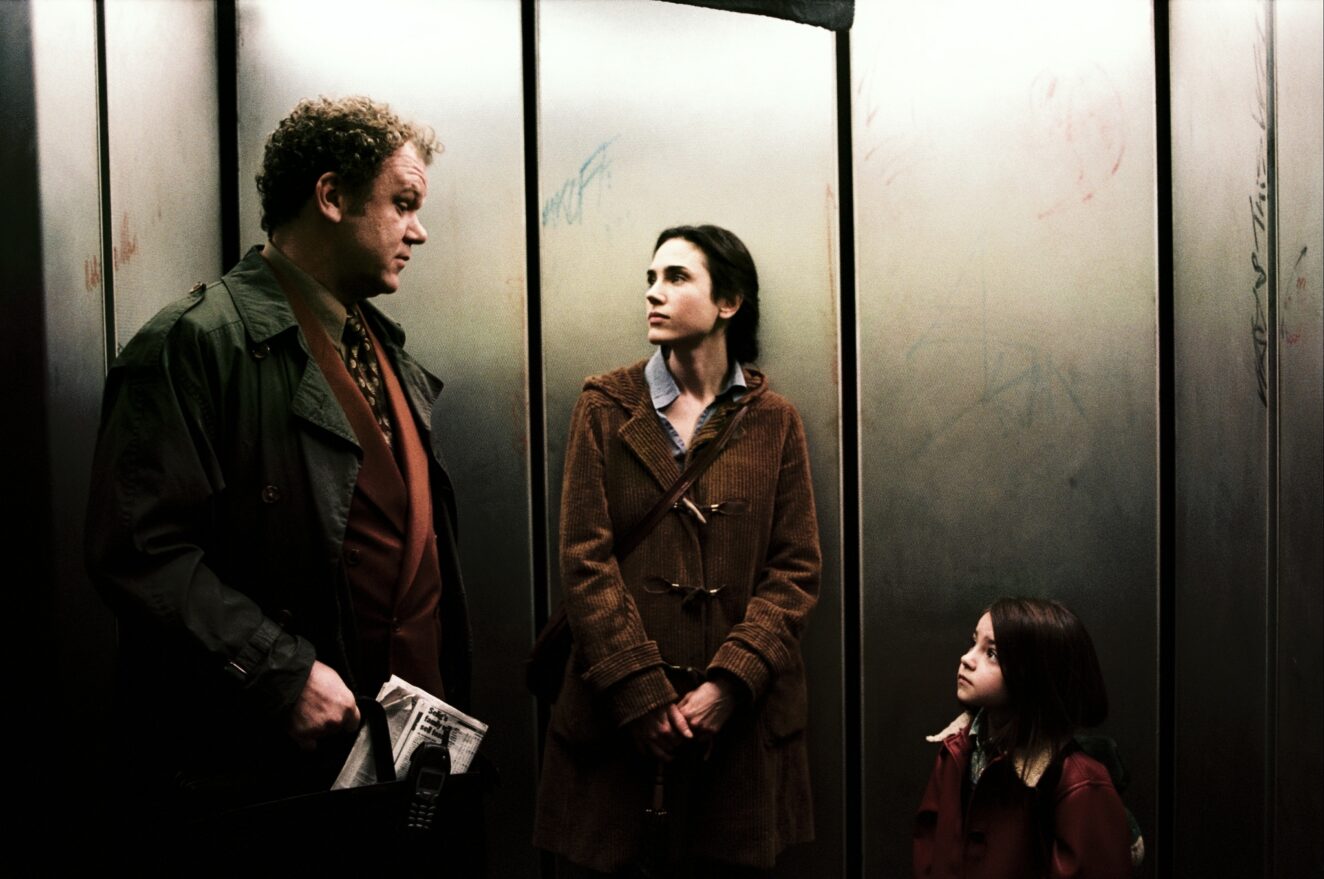
Nakata adapted a second Suzuki story, and the one people reach for less often is the better one to sit with after a loss. A divorced mother moves into a run-down apartment with her daughter. The ceiling is leaking and a stain keeps growing. Not weird at all.
Dark Water does not care about your jump scares. It cares about what it costs to hold yourself together when things keep getting worse in small increments, and it builds to an ending that will get you.
Watch this one on a night when you have some emotional margin to spare.
Audition (1999)
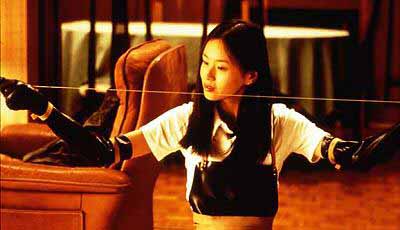
Do not look this one up. Do not let anyone tell you anything about it. If someone says “you should watch Audition, it’s really extreme,” what they are actually saying is “I ruined it for myself, and now I’m going to ruin it for you.” Takashi Miike spent the first hour of Audition building something very specific, and it requires that you do not know what it is building toward.
Trust the slow start. Stay with it. It will reward you.
Ju-On: The Grudge (2002)
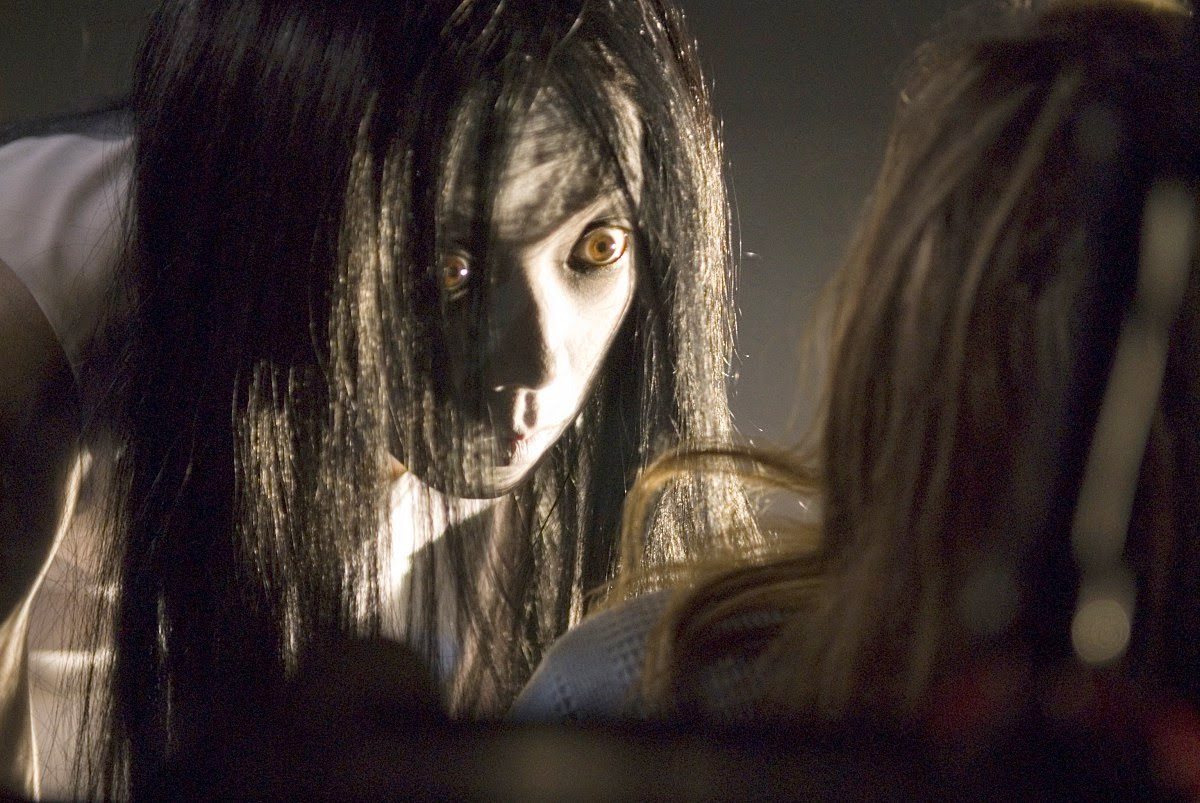
Takashi Shimizu did not make a ghost story. He made something that operates on its own internal logic about how curses work and who they take, and then he does not explain it to you, and that turns out to be the correct choice. Ju-On has two of the most effective horror figures ever put on screen in Kayako and Toshio, and Shimizu is careful never to give you enough information to make them less frightening. The American remake exists. It is fine. This one is better.
Kairo (2001)

I need you to understand that Kiyoshi Kurosawa made a film about loneliness and the early internet in 2001, and it has gotten more accurate every single year since then. That is not a comfortable fact. Kairo, released in America as Pulse, is about people being slowly consumed by ghosts that arrive through internet connections, and it is also about a generation trying to fill something hollow with something that was never going to fit. It is slow. It is patient.
I have watched this film four times, and it makes me feel worse every time. I keep recommending it.
Uzumaki (2000)
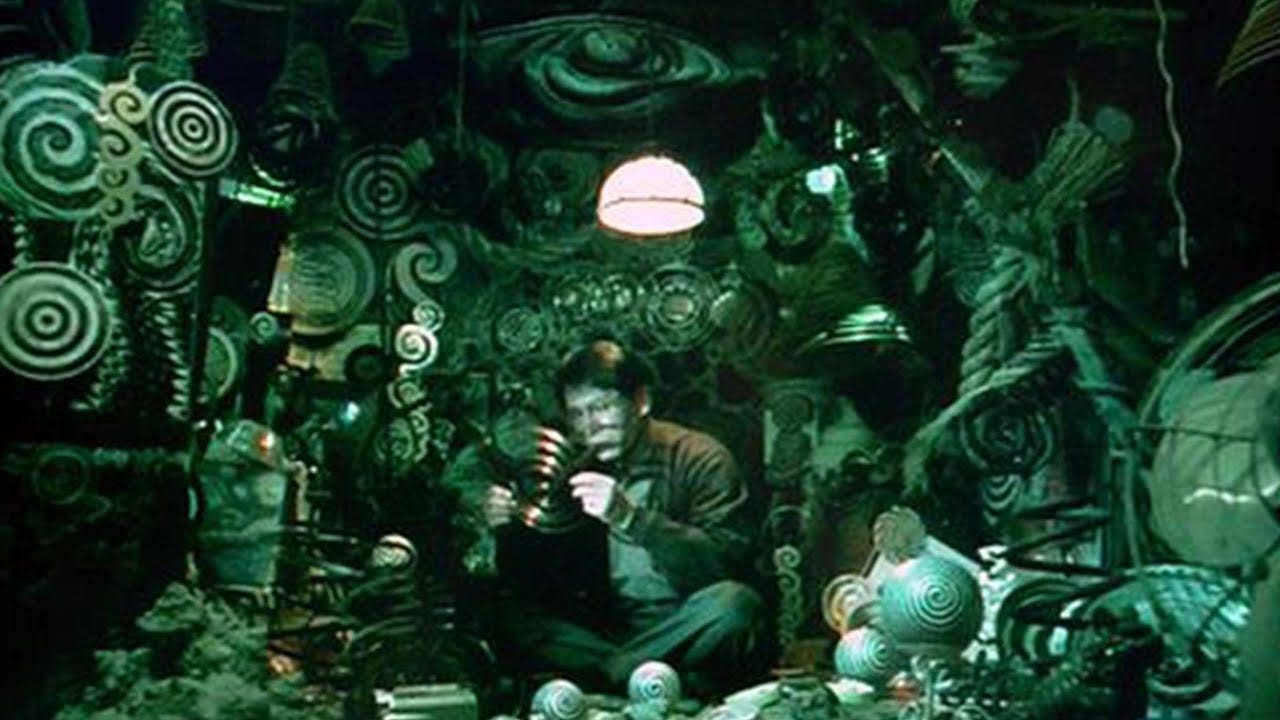
The premise is that spirals are evil. All of them. The spiral in a snail shell, a fingerprint, the smoke off a chimney. Higuchinsky adapted Junji Ito’s manga and made a film that commits to this so completely that arguing with it becomes impossible. This is one of those horror films that is not exactly scary and is not exactly not scary, and where exactly it lands depends entirely on how you feel about spirals by the time the credits roll.
I feel pretty bad about spirals now. Been a while.
Cure (1997)
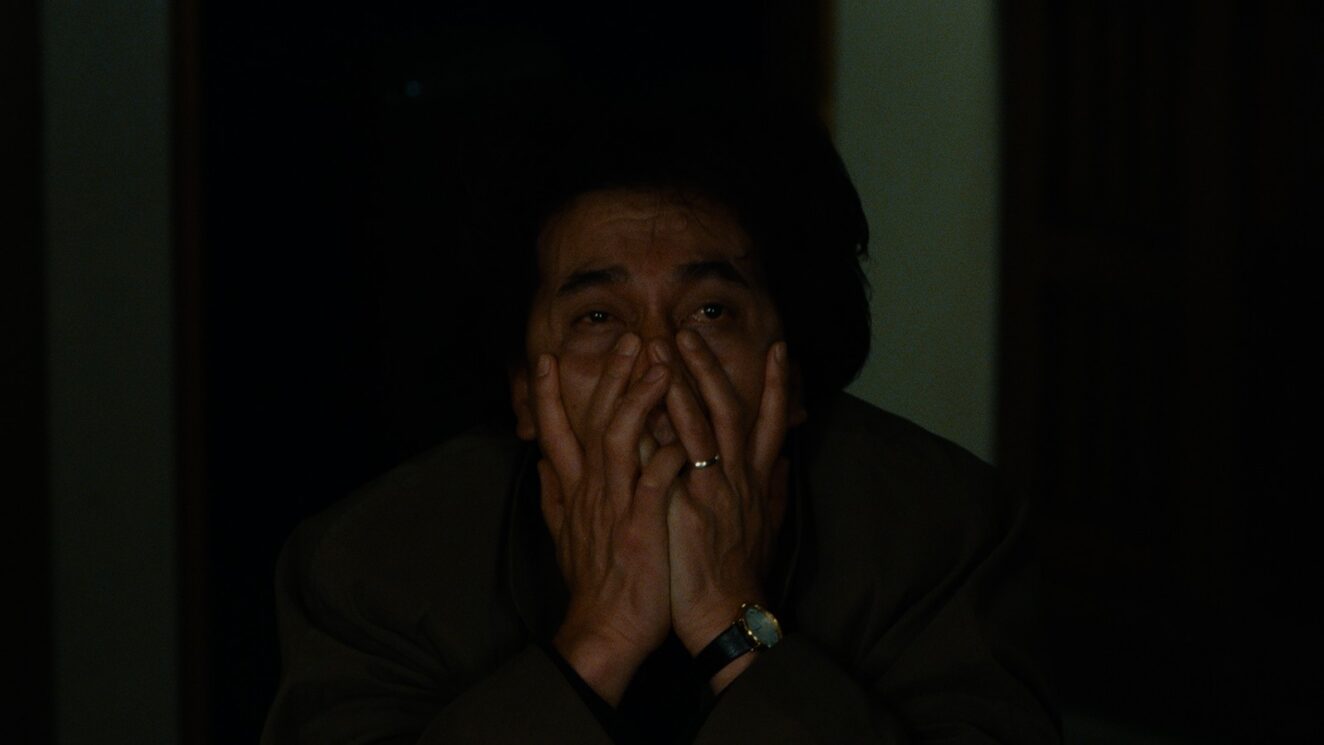
A detective investigates a string of murders committed by otherwise ordinary people who cannot explain what they did or why. Each killer can be connected to the same quiet drifter, who never directly tells anyone to do anything. Cure runs like a procedural thriller, and it is more unsettling for it. By the time the logic of the film finishes assembling itself, you realize you have been watching something that cannot be put back where it was before you watched it.
Noroi: The Curse (2005)
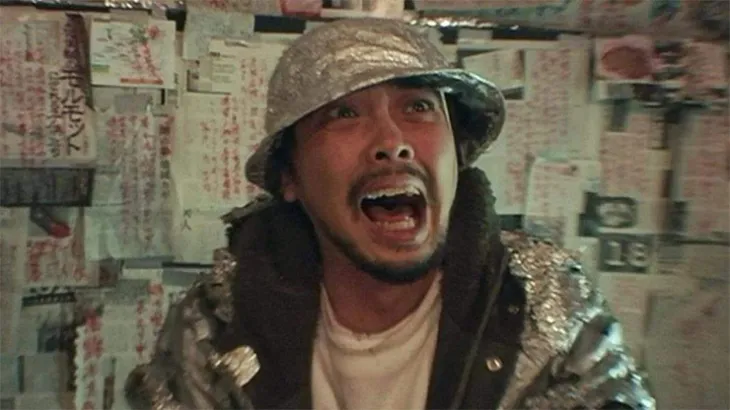
Found footage has a bad reputation because most found footage films earn it. Noroi is the one you use to argue that the format itself is not the problem. Koji Shiraishi’s film is assembled from documentary footage and TV recordings and interview tapes, following a filmmaker investigating deaths tied to an ancient evil. It gives itself two full hours to build its mythology before it shows you what the mythology actually is.
Horror fans who have seen everything consistently land on this one as the discovery they wish they had made earlier. That reputation is deserved.
One Missed Call (2003)
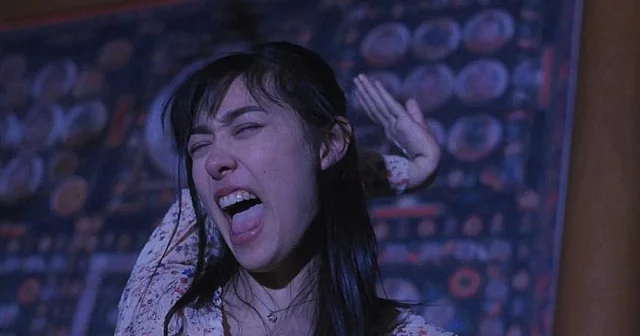
One Missed Call took the Ring premise, a curse that travels through technology, and applied it to voicemail. In One Missed Call you receive a message from yourself, three days in the future, playing the sound of your own death. The curse spreads to whoever witnesses it.
Worth every minute.
Suicide Club (2001)
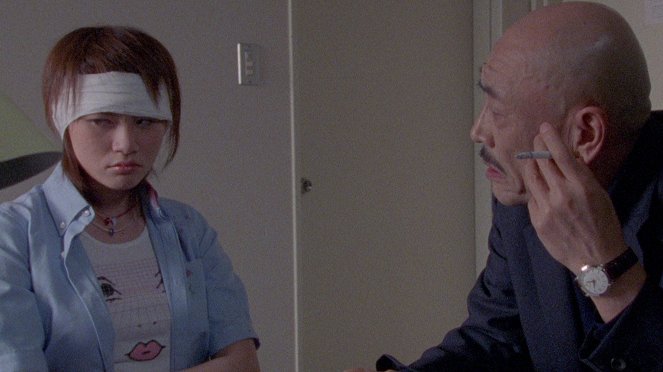
Sion Sono opened Suicide Club with 54 schoolgirls jumping in front of a train and then went somewhere more disturbing after that, which is a commitment I respect. It is technically a crime investigation rather than a supernatural horror film. What makes it horror is the slow accumulation of evidence that understanding what is happening is not going to make it stop.
It belongs on this list because it would not exist without the audience Suzuki helped create, and because Suzuki kept returning to the same question Sono asks here. What happens when the terrible thing is already inside the transmission?
Koji Suzuki was 68. The well he built is still full. Start with Ringu if you are new to any of this. Start with Cure if you have seen everything else and want the one that will stay with you the longest.


Lists
Horror Coming to Streaming in May 2026: Shudder Is Doing the Most and Netflix Finally Showed Up

May is not messing around. Shudder has four originals and a prestige series. Hulu has the Sam Raimi film that quietly became one of the better reviewed horror releases of the year. Netflix has the biggest horror sequel of 2025 and a cult classic it should have picked up years ago.
Here is everything worth knowing.
Shudder
Shudder is winning May and it is not particularly close. The schedule is stacked enough that I am going to break it down by title.
Heresy — May 1
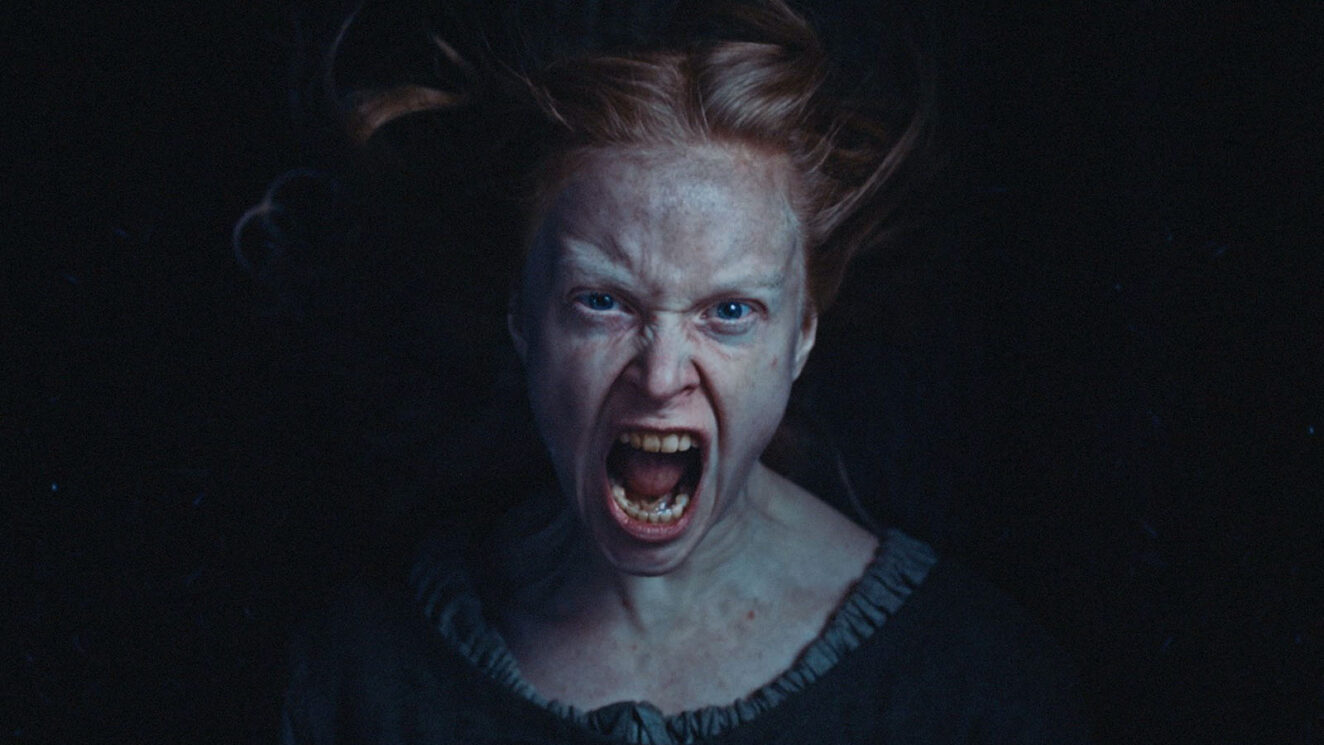
Dutch folk horror from first-time feature director Didier Konings, set in a medieval village where a young woman is caught between her faith, a community collapsing into paranoia, and something older than both of them lurking in the surrounding woods.
Heresy premiered at Rotterdam and went to Fantastic Fest, Sitges, Screamfest, and Grimmfest before landing here. The comparisons to The Witch are going to come fast and they are not wrong. Already streaming.
The Terror: Devil in Silver — May 7, weekly through June 11
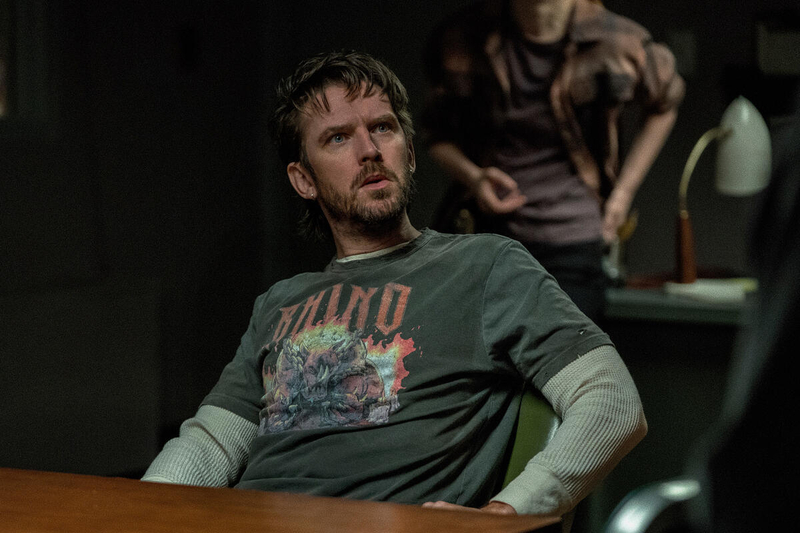
The third season of AMC’s horror anthology. Dan Stevens plays Pepper, a working-class moving man wrongfully committed to a psychiatric hospital where the staff’s secrets are worse than the patients’. Six episodes, premiering Wednesday.
Whistle — May 8

Dafne Keen finds an ancient Aztec death whistle. The whistle’s sound summons the future deaths of anyone who blows it. The friends who heard it are now being hunted down by their own eventual ends.
Directed by Corin Hardy, who made The Hallow and knows exactly how to build a mythology that feels like it has been waiting underground for centuries. The cast around Keen includes Sophie Nélisse, Percy Hynes White, and Nick Frost.
Something Is About to Happen — May 15
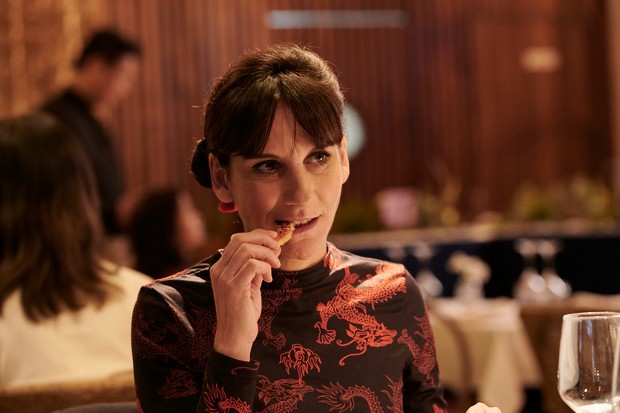
Spanish horror-thriller from director Antonio Méndez Esparza, adapted from Juan José Millás’ 2018 novel. A woman loses her job as a software developer and becomes a taxi driver, and her life quietly becomes something it should not be. The horror here is slow and lives in the wrong angles of ordinary life. Available in the US and Canada.
This Is Not a Test — May 22
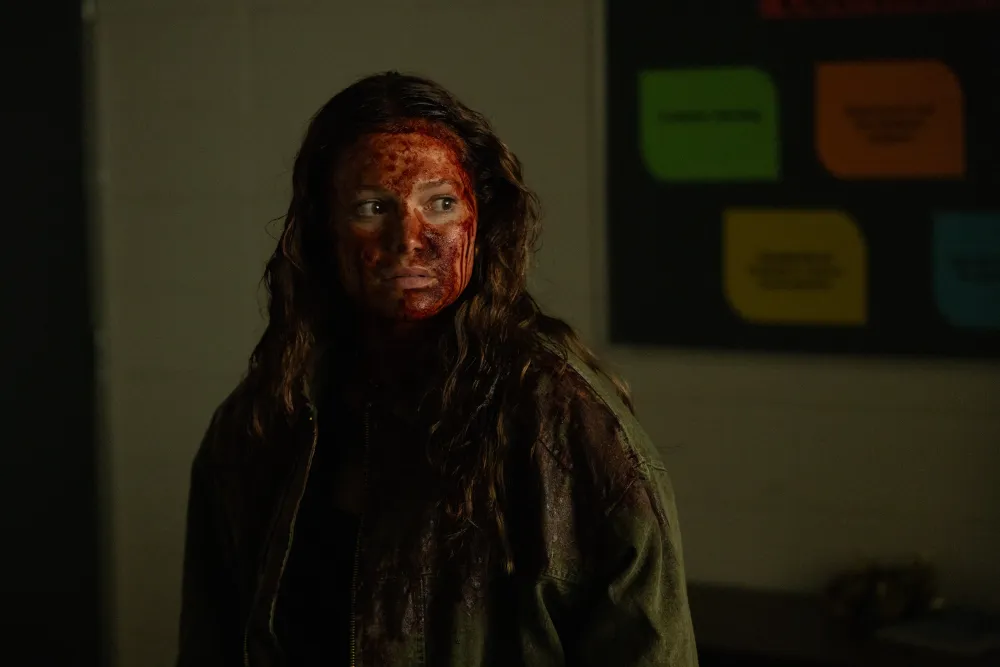
Adam MacDonald adapts Courtney Summers’ novel about five high school students, each damaged in their own specific way, who barricade themselves inside their school during a zombie outbreak.
The zombies are almost beside the point. This is a character study wearing apocalypse clothing, and lead Olivia Holt carries it. MacDonald directed Backcountry, which means he knows how to let dread build slow and then hit hard and suddenly.
Hulu
Send Help — May 7
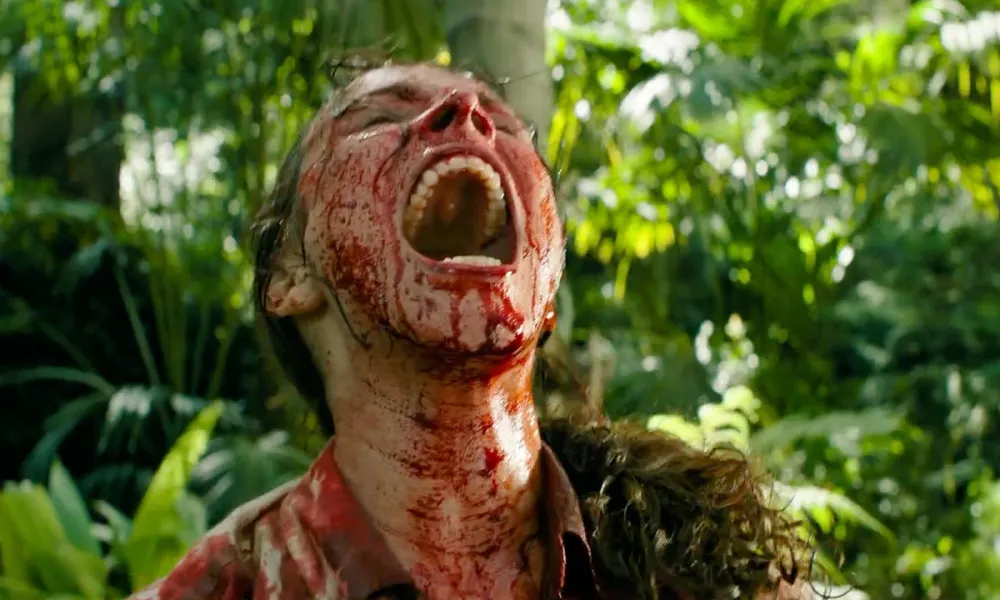
Sam Raimi directing Rachel McAdams and Dylan O’Brien as coworkers stranded on a deserted island after a plane crash. Sounds like a premise that could go twenty different directions. It went the good direction.
Send Help opened in January with a 93% on Rotten Tomatoes and earned $94 million against a $40 million budget, which is the kind of math that tells you audiences found it and liked it. Danny Elfman scored it. If you missed this in theaters, May 7 is your second chance.
We Bury the Dead — May 8
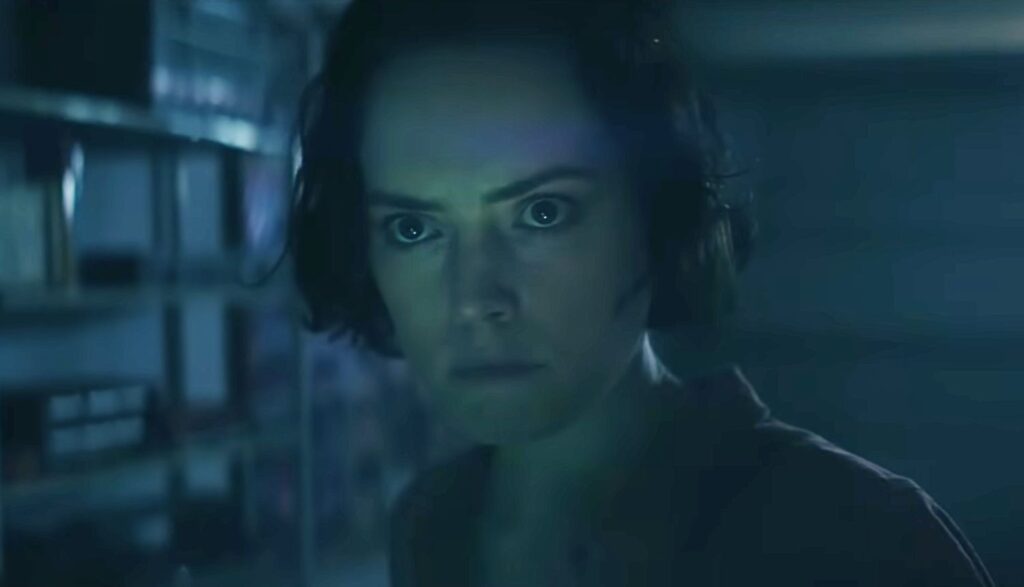
We Bury the Dead stars Daisy Ridley in a zombie drama set in Tasmania about grief and what happens when the ocean gives someone back. Ridley has been choosy since Star Wars and this one earned the yes. Worth your time.
Netflix
Jennifer’s Body — May 1
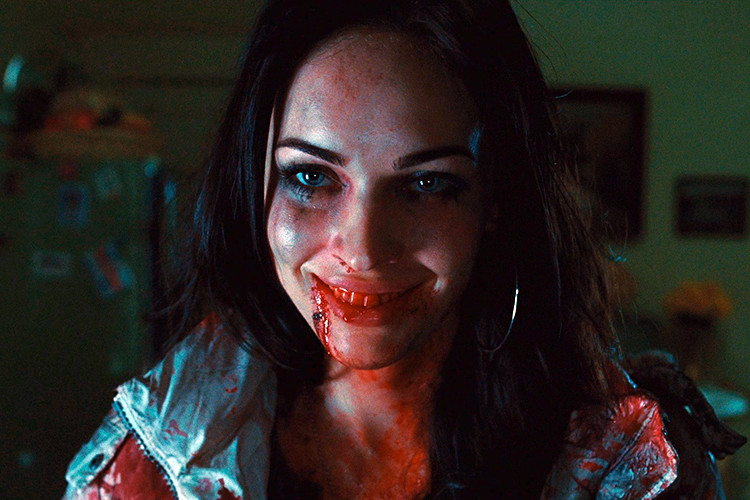
Diablo Cody wrote it, Karyn Kusama directed it, Megan Fox and Amanda Seyfried did something memorable with it, and 2009 audiences completely missed what it was. Netflix picking up Jennifer’s Body in 2026 feels less like a catalog acquisition and more like a formal apology. If you have never seen it or if it has been long enough that you want to revisit, it is already there and waiting.
Devil May Cry Season 2 — May 12
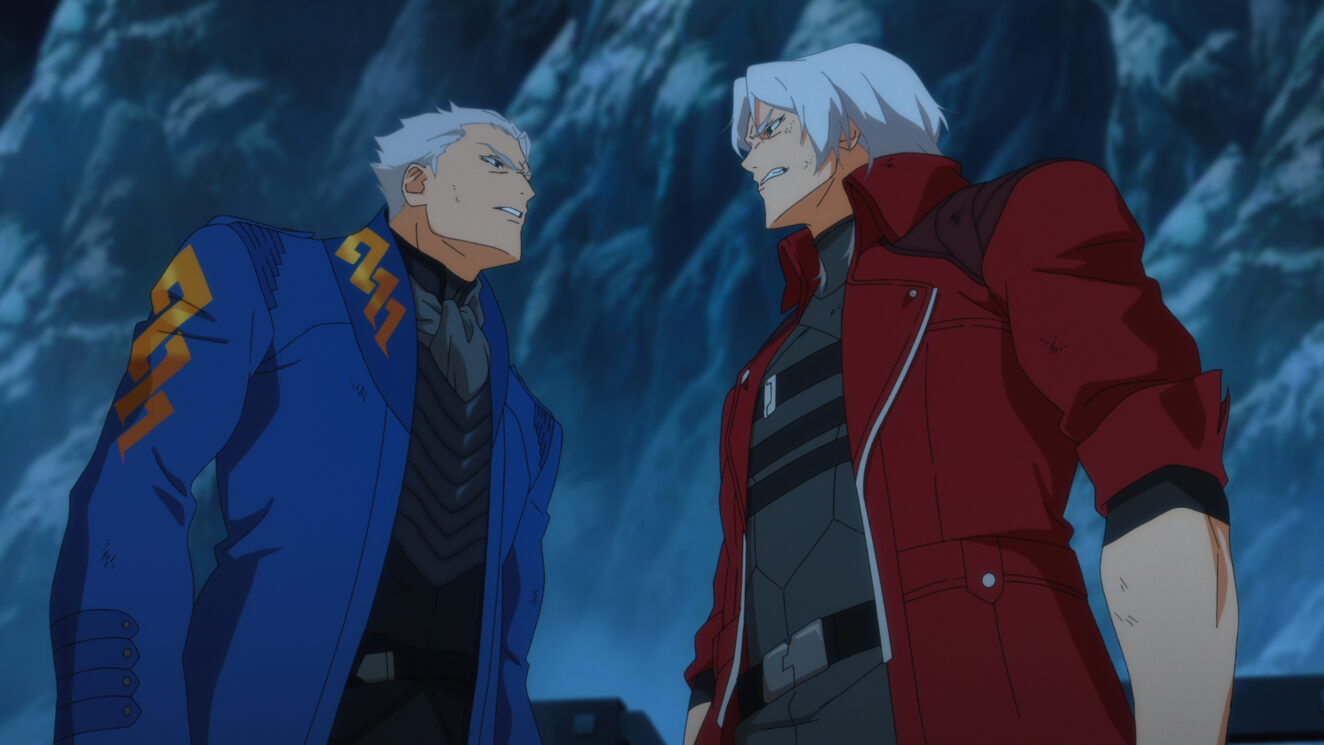
The animated series is back. Dante is back. If you watched season one you already know whether this is for you.
The Black Phone 2 — May 16
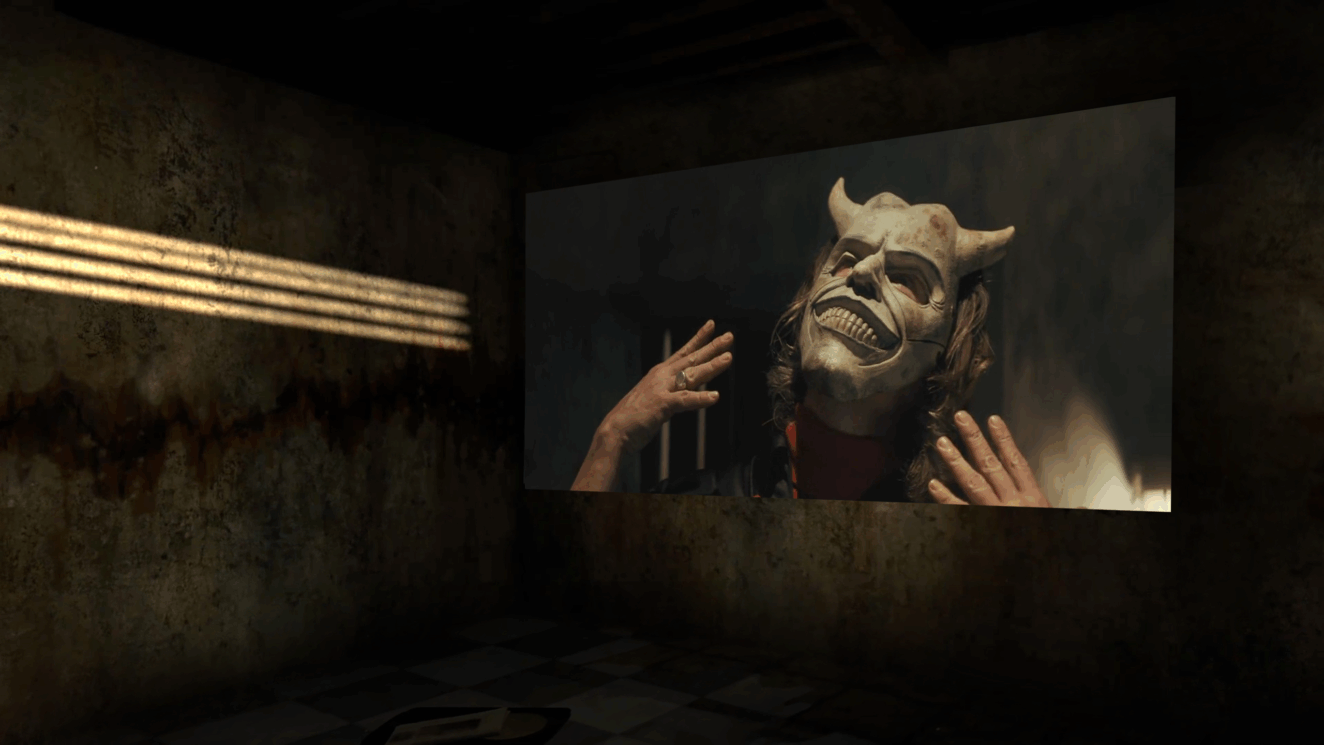
The biggest horror sequel of 2025 hits Netflix on May 16. Ethan Hawke returns, Mason Thames returns, and the film earned $132 million worldwide against a $30 million budget, which makes it one of the stronger horror performances of last year. Scott Derrickson directed both. The sequel follows Finney and his sister Gwen at a youth camp where the mystery of the Grabber’s earliest victims begins to surface. This is the anchor arrival of the month.
Nope — May 18
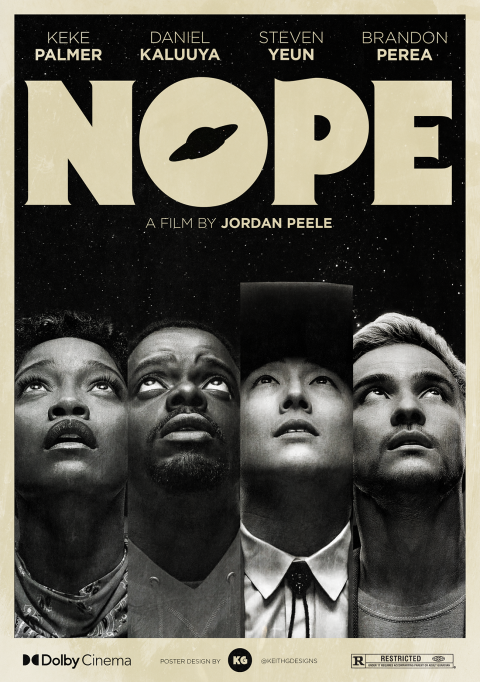
Jordan Peele’s third film and the one that asks what would happen if the thing in the sky had always been there and you just never noticed. Keke Palmer and Daniel Kaluuya. If you have not seen Nope, May is your month. If you have seen it, you know it rewards a second watch.
Lists
10 Horror, Thriller, and True Crime Series to Watch This Spring
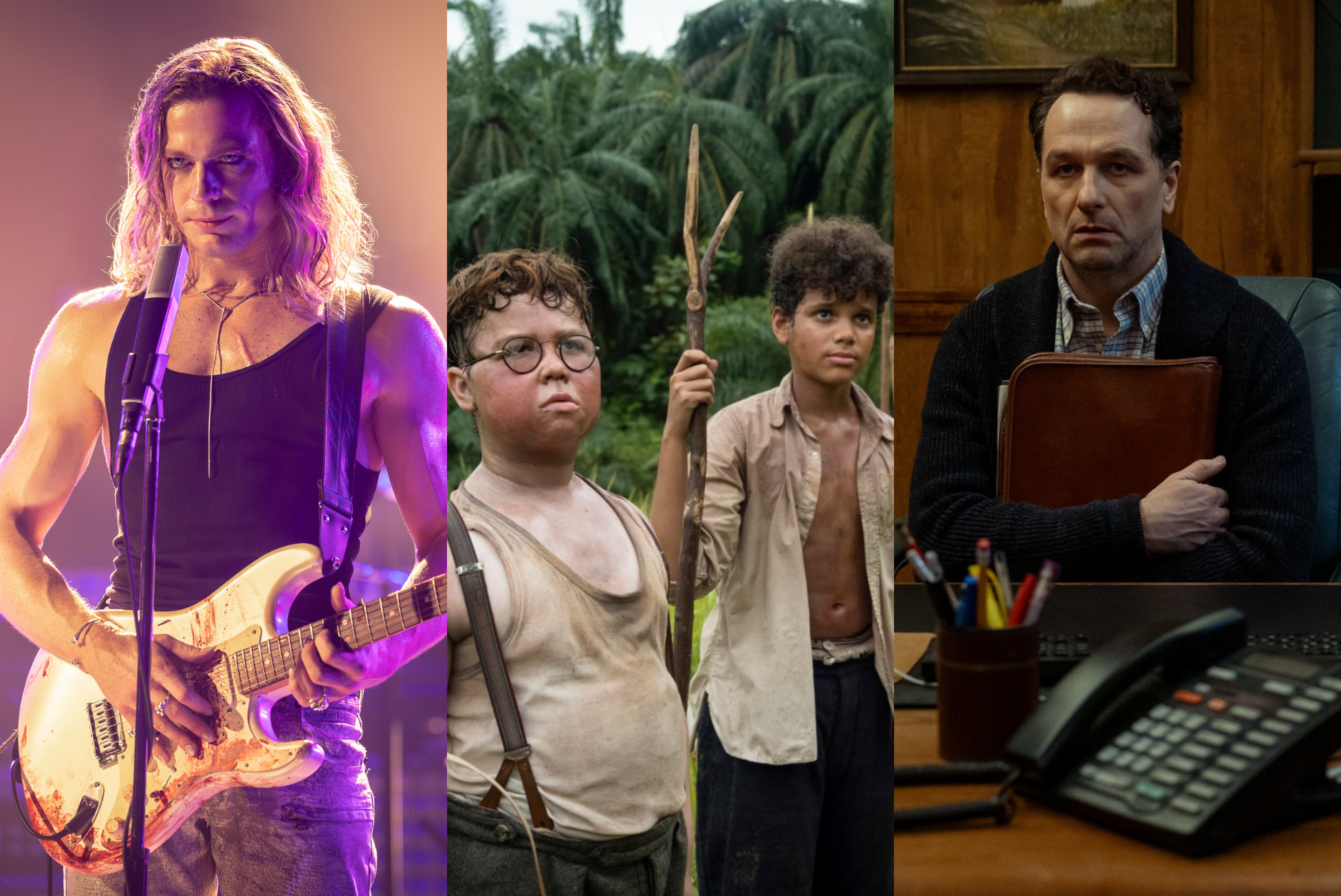
Just because it’s spring (March 20-June 20, astronomically) doesn’t mean horror is slowing down. While theaters have already had a solid run this season with films like Forbidden Fruits, Hunting Matthew Nichols, and Lee Cronin’s The Mummy, and with plenty more on the horizon, including Obsession (May 15), Passenger (May 22), and Backrooms (May 29), the small screen is quietly stacking up its own slate of nightmares.
From chilling new bloody mysteries to bing-worthy true crime and pulse-pounding horrors, television this spring is overflowing with stories to keep you up in the dead of night.
Here are ten horror, thriller, and true crime titles we’re most excited to watch this season, along with what they’re about, where to stream them, and when they premiere.
Unchosen — April 21st on Netflix
A tense, psychological drama, Unchosen follows Rosie, a wife and mother living within a tightly controlled, deeply conservative Christian community. Bound by rigid expectations and an increasingly suffocating home life with her husband, Adam, Rosie finds herself quietly unraveling beneath the surface.
Everything shifts when she crosses paths with Sam, an escaped convict on the run. What begins as a risky act of compassion soon turns into something far more complicated, as Rosie finds herself drawn to him in ways that challenge everything she’s been taught to believe.
As her connection with Sam deepens, Rosie is forced to confront a life-altering choice: remain within the safety and constraints of the world she’s always known, or risk everything for a chance at something freer, and far more dangerous.
Starring: Asa Butterfield (Sex Education, Ender’s Game), Molly Windsor (Three Girls, Make Up), and Christopher Eccleston (Doctor Who, Thor: The Dark World).
If Wishes Could Kill — April 24th on Netflix
At Seorin High School, a mysterious mobile app called “Girigo” begins circulating among students, promising to grant any wish. But after a classmate’s sudden death, the app’s true nature starts to come into focus, along with a series of chilling, supernatural warnings that seem to predict who will die next.
As fear spreads, a group of students band together to uncover the truth behind “Girigo” before the cycle claims more victims. But the deeper they dig, the clearer it becomes that some wishes were never meant to be granted.
Starring: Jeon So-young (My Youth, Honour), Kang Mi-na (Cafe Minamdang, Welcome to Samdalri), Baek Sun-ho (Between Him and Her, Dongjae, the Good or the Bastard), Hyn Woo-Seok (404 Still Remain, Aireul Wihan Ai), and Lee Hyo-Je (Good Person, Concrete Utopia).
My Killer Father: The Green Hollow Murders — April 28th on Paramount+
This true crime series explores the legend of the “Monster of Green Hollow,” a suspected serial killer believed by some to be responsible for dozens of murders decades ago.
At the center is Lucy Studey, who claims her father, Donald Studey, was the killer and that she knows where the bodies are buried. But another daughter disputes the accusations, insisting he was innocent.
With Donald Studey dead since 2013 and no confirmed human remains found, the truth remains uncertain, leaving one question hanging over the case: what really happened in Green Hollow?
Widow’s Bay — April 29th on AppleTV
Something isn’t right in Widow’s Bay. Mayor Tom Loftis is determined to revive his isolated island community despite its failing infrastructure,the skeptical locals, and a long-standing belief that the town is cursed.
Against the odds, he succeeds in bringing tourists back. But as visitors arrive, so do the island’s buried secrets. After decades of silence, the stories once dismissed as superstition begin to resurface — this time, with very real consequences.
Starring: Matthew Rhys (The Americans, The Beast in Me) and Kylie McNeil (Belle, The Colors Within).
Lord of the Flies — May 4th on Netflix
From writer Jack Thorne (Adolescence), this new adaptation of William Golding’s 1954 novel Lord of the Flies brings the classic survival story back to the screen.
After a plane crash leaves a group of boys stranded on a remote island, they attempt to build their own society under the leadership of Ralph, with guidance from the thoughtful Piggy. But as fear and power struggles take hold, order begins to collapse and something far more dangerous emerges.
Starring: Winston Sawyers (The Crow Girl), Lox Pratt (Harry Potter), David McKenna, and Ike Talbut — all part of a largely young cast, with several actors making their on-screen debut.
M.I.A. — May 7th on Peacock
Set against the backdrop of the Florida Keys and Miami, M.I.A. follows Etta Tiger Jonze, a restless young woman desperate for something more than her family’s dangerous, drug-running life.
When that world is torn apart by a brutal attack, Etta emerges as the sole survivor. Forced into hiding under a new identity, she sets out on a path of revenge, tracking down the twelve men responsible and discovering just how far she’s willing to go.
Starring: Wynn Everett (Palmer, The Newsroom), Tracey Reynolds (Bird Brain, Black Widow), and Dawn Noel (Game of Deceit, All Rise).
The Terror: Devil in Silver — May 7th on AMC/Shudder
The latest installment in The Terror anthology follows Pepper, an ordinary man whose temper lands him involuntarily committed to New Hyde Psychiatric Hospital. But what should be a temporary stay quickly turns into something far more unsettling.
Inside, Pepper finds himself surrounded by hostile patients and staff hiding disturbing secrets. And lurking within the hospital walls is something even worse: an unseen force that feeds on the pain and suffering around it.
Starring: Dan Stevens (Abigail, Downton Abbey).
The Killer Among Us — May 17th on Oxygen
Hosted by Alan Cumming, this true crime series examines shocking murders that unfold within tight-knit communities across the United States.
From small towns and universities to places of worship and close social circles, each case unravels the same unsettling truth that reveals the suspect is often someone familiar — a friend, neighbor, colleague, or classmate.
You’re Killing Me — Spring 2026 on AcornTV
This six-episode murder mystery follows bestselling novelist Allie and aspiring writer/podcaster Andi, who form an unlikely partnership after the murder of a close friend pulls them into a twisting small-town investigation.
As they dig deeper, they’re forced to work alongside Detective Jack Cavanagh, a former city cop adjusting to the quirks and secrets of rural policing. But in a town where everyone knows everyone, trust is in short supply, and the truth is even harder to pin down.
An exact premiere date has yet to be announced, but You’re Killing Me is currently slated for Spring 2026.
Starring: Brooke Shields (The Blue Lagoon, Endless Love), Amalia Williamson (Northern Rescue, Sullivan’s Crossing), and Tom Cavanagh (Ed, Scrubs).
The Vampire Lestat — June 7th on AMC
The third season of Anne Rice’s Interview with the Vampire adapts Anne Rice’s second novel, The Vampire Lestat, continuing the story of both Louis and Lestat, but this time with Lestat taking on the role of narrator and telling of his past.
In this rock-and-roll–infused chapter, Lestat embarks on a high-profile, multi-city music tour while haunted by muses and figures from his past. As his fame grows, so does his influence over both humans and vampires, igniting unrest amid the so-called “Great Conversion” — a surge in the vampire population that threatens to destabilize their world.
Starring: Sam Reid (The Newsreader, Belle), Jacob Anderson (Game of Thrones, Doctor Who), Eric Bogosian (Uncut Gems, Succession), Assad Zaman (Hotel Portofino), Jennifer Ehle (Pride and Prejudice, Zero Dark Thirty), and Delainey Hayles (Holby City, Carrie).
Spring may be warming up the outside, but on the small screen, things are only getting darker. From cursed apps and small-town mysteries to psychological horror and returning fan favorites, this season’s television slate proves that horror is thriving well beyond the theater.
Lists
7 Horror and Mystery Films That Explore Jack the Ripper

Have you ever been to London? If so, you might have taken the Underground, the city’s subterranean public transit system. When they announce Whitechapel as the next stop, it’s exciting, especially if you have a taste for the macabre. Whitechapel is the location of the Jack the Ripper serial murders that started in its fog-choked streets back in 1888.
The identity of the sadistic slasher was never confirmed, much like the U.S.’s Zodiac killer almost 100 years later. Jack has been the inspiration for many films. And because his crimes are still a mystery, it’s a storytelling canvas that’s both true and rife with creative license.
Below are some films that tackle the Ripper in different ways. They’re all entertaining in their own right, even if they take liberties with the true story. Check out JustWatch to see where they are streaming.
From Hell (2001)
This is perhaps the most well-known modern take on the Ripper story, starring Johnny Depp as an opium-using inspector investigating the murders. The film leans heavily into conspiracy, suggesting a royal cover-up tied to secret societies. What makes it stand out is its thick, oppressive atmosphere and its willingness to turn the mystery into something almost mythic. It’s less about solving the case and more about the inevitability of horror embedded in power structures.
Murder by Decree (1979)
A fascinating crossover, this film imagines Sherlock Holmes taking on the Ripper case. Christopher Plummer’s Holmes approaches the murders with intellect and moral outrage, while the film itself builds toward a conspiracy involving high society. It’s a slower burn, but incredibly effective in portraying the idea that the truth behind the Ripper could be far more disturbing than a lone killer.
Jack the Ripper (1988)
This made-for-TV miniseries starring Michael Caine offers a more procedural approach, following the investigation step-by-step. It’s grounded compared to other entries, focusing on realism and the painstaking nature of detective work. The length allows it to explore suspects and theories in depth, making it one of the more comprehensive dramatizations of the case.
The Lodger (1944)
One of the earliest and most influential Ripper-inspired films, this version stars Laird Cregar as a mysterious tenant who may—or may not—be the killer. It’s less explicit about Jack the Ripper by name, but clearly draws from the legend. The film thrives on paranoia and suspicion, turning the idea of the Ripper into a psychological presence that infects everyone around him.
Hands of the Ripper (1971)
This Hammer Horror entry takes a bold, almost operatic approach: what if the Ripper’s violence was inherited? The story follows his daughter, who becomes a killer herself under psychological triggers. It’s less about the original crimes and more about legacy, trauma, and the idea that evil can be passed down like a curse.
Time After Time (1979)
This one’s a wild card—in the best way. The film imagines author H.G. Wells pursuing Jack the Ripper through time to modern-day San Francisco. It blends sci-fi, romance, and thriller elements while still keeping the Ripper as a cold, calculating force. What’s compelling here is how easily the killer adapts to a new era, suggesting that his kind of violence isn’t confined to the past.
Ripper: Letter from Hell (2001)
A more modern, slasher-style interpretation, this film follows a group of students being stalked by a killer inspired by Jack the Ripper. It leans into the idea of obsession and copycat violence, showing how the Ripper’s legend continues to influence—and corrupt—future generations. It’s less refined than others on the list, but it underscores the enduring cultural grip of the name.
Conclusion
If there’s one thing these films make clear, it’s that Jack the Ripper isn’t just a figure of history—he’s a storytelling archetype. Whether he’s portrayed as a man, a myth, or something in between, the shadow he casts is long, and filmmakers keep finding new ways to step into it.


Horror Coming to Streaming in May 2026: Shudder Is Doing the Most and Netflix Finally Showed Up

Evil Dead Burn Looks Like the Most Violent Family Reunion You’ll Ever Attend

_CIVILIAN Is the Micro-Series That Proves You Don’t Need Much to Make Something That Matters

Breaking Down the First Minute of ‘The Vampire Lestat’ Official Trailer: What It Reveals About Season 3

Jessica T Deveraux Got Possessed At Her Own Bar In New Film ‘Key of Bones’

The Cape Fear Trailer Is Here. Javier Bardem Built It.

iHorror Exclusive Clip: ‘Obsession’ in theaters May 15th

This Week in Horror: The Genre Says Goodbye to Jonathan Tiersten

Sleepaway Camp Knew Before I Did: The Legacy Johnathan Tiersten Left on Queer Media

Koji Suzuki Built the Well. The Author of ‘Ring’ Trilogy Dies at 68

Panic Fest 2026 Review: ‘Creature Of The Pines’ Is An Interesting Found Footage Horror That Walks A Beaten Path

Jonathan Tiersten’s Greatest Role, and it isn’t Sleepaway Camp

Ready or Not 2: Here I Come Blu-ray Review: Buy It for Samara Weaving

Universal’s Horror Make-Up Show Ends 36 Year Run

Self Driver Runs Out of Road

10 J-Horror Films to Watch After Losing Koji Suzuki
Sleepaway Camp Knew Before I Did: The Legacy Johnathan Tiersten Left on Queer Media
Koji Suzuki Built the Well. The Author of ‘Ring’ Trilogy Dies at 68
This Week in Horror: The Genre Says Goodbye to Jonathan Tiersten

Panic Fest 2026 Review: ‘Jump Scare’ Is A Metal As Hell Kick To The Skull!
Jessica T Deveraux Got Possessed At Her Own Bar In New Film ‘Key of Bones’
The Cape Fear Trailer Is Here. Javier Bardem Built It.
-
 News7 days ago
Jessica T Deveraux Got Possessed At Her Own Bar In New Film ‘Key of Bones’
-
 News7 days ago
The Cape Fear Trailer Is Here. Javier Bardem Built It.
-
 News6 days ago
This Week in Horror: The Genre Says Goodbye to Jonathan Tiersten
-
 Editorial5 days ago
Sleepaway Camp Knew Before I Did: The Legacy Johnathan Tiersten Left on Queer Media
-
 News5 days ago
Koji Suzuki Built the Well. The Author of ‘Ring’ Trilogy Dies at 68
-
 News6 days ago
Panic Fest 2026 Review: ‘Jump Scare’ Is A Metal As Hell Kick To The Skull!
-
 News2 days ago
Universal’s Horror Make-Up Show Ends 36 Year Run
-
 Movie Reviews2 days ago
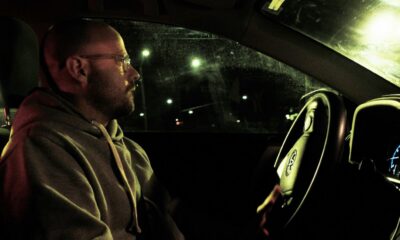
Self Driver Runs Out of Road
You must be logged in to post a comment Login