Editorial
‘The Vampire Lestat’ Trailer: What “Dancing With Myself” Reveals About Lestat

If you’re one of the lucky ones who’s been watching Interview with the Vampire on AMC since its 2022 premiere (we are, in fact, an elite club), then you already know a few things to be true:
Louis and Lestat are not only the hottest couple on television, but they have some of the most electric chemistry we’ve seen in years. Every episode is impeccably written, acted, and produced, devastating and beautiful in equal measure. The character crashouts? Iconic, for better and worse. Delainey Hayles gave us a Claudia who shattered our hearts even when we knew exactly where her story was headed — and one whose presence will haunt this narrative for the rest of its run. And Jacob Anderson and Sam Reid? Together and apart, they’ve made Louis and Lestat two of the most compelling characters on television right now.
But perhaps nothing is more universally true than the fact that these hiatuses make us a little… feral. And this one — leading into Season 3, The Vampire Lestat — has been especially brutal.
Now, with the premiere less than two months away, something incredible has finally happened: the official trailer has arrived!
We’ve had a treasure trove of crumbs since San Diego Comic-Con 2025, but overall, AMC has kept things tightly under wraps. Just enough to keep us desperate for more. And now? Now we have it. Well… kind of.
Dropped on April 22 at noon EST, the two-minute trailer offers only a fraction of what’s to come when the season premieres on June 7, but do not let the runtime fool you. It’s dense, chaotic, and absolutely packed with moments worth dissecting. So naturally, that’s exactly what we’re about to do.
If you’re new to the show, or the books (which will absolutely be part of this breakdown), I’ll try to keep things as accessible as possible. I’ll also link out to a few previous pieces that can help fill in any gaps. And if you haven’t caught up yet, both seasons are currently streaming on AMC and Netflix. Just saying.
There’s simply, however, too much happening in this trailer to do it justice in a single piece. So we’re taking it one element at a time, and we’re starting with the music. A full breakdown of the video content of the trailer is coming next.

The Vampire Lestat and “Dancing With Myself”
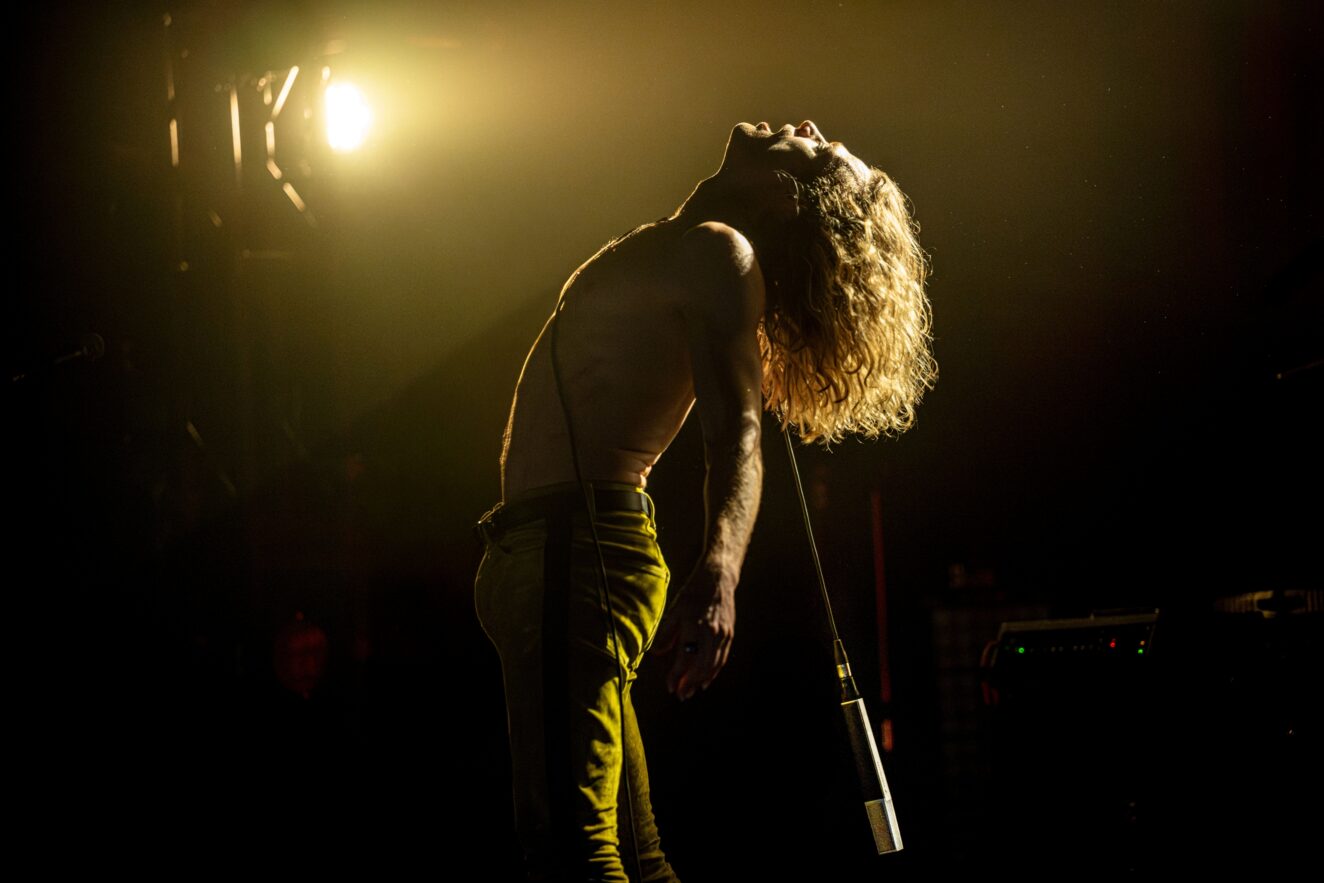
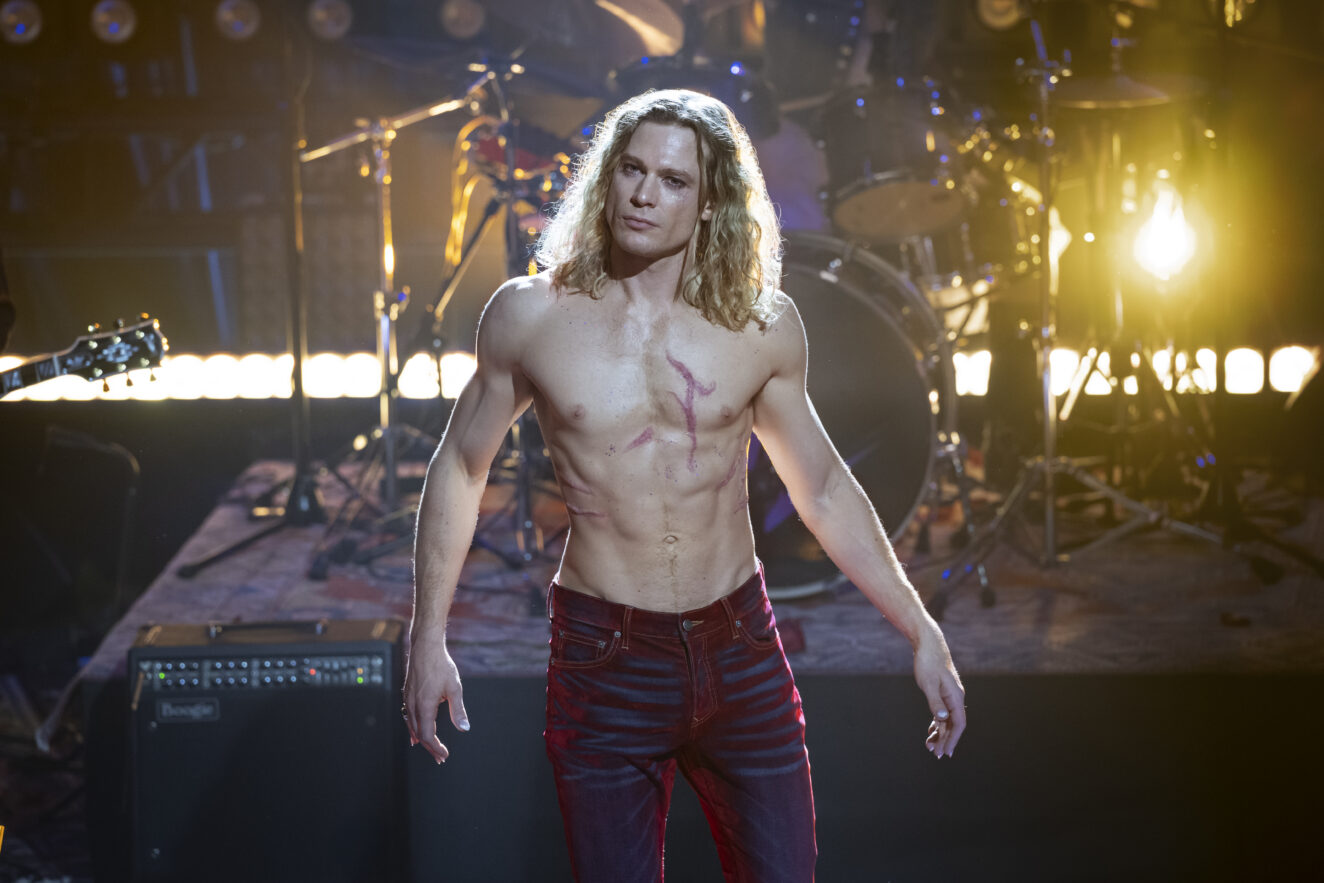
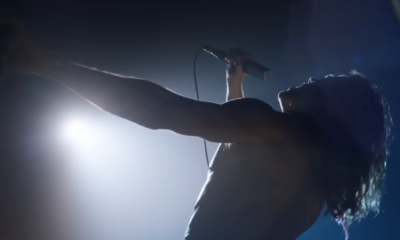
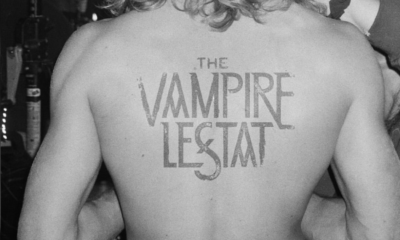
The Vampire Lestat— the fictional band fronted by Lestat de Lioncourt (Sam Reid) — isn’t just a narrative device this season. It’s becoming real, with original songs expected to release alongside the show, many of them written and produced by composer Daniel Hart, whose work has already been integral to the identity of the first two seasons — more on him, and the team behind this sound, very soon.
“Dancing With Myself” emerged from the post-punk scene of the late 1970s and helped define the rise of new wave in the early ’80s, a genre that softened punk’s aggression into something more commercially accessible without losing its sense of alienation. It’s glossy, performative, and deeply solitary all at once, which, frankly, makes it perfect for Lestat.
And yes, I would pay an embarrassing amount of money to hear him cover the synth-pop/new wave-esque song “Personal Jesus” by Depeche Mode, but that’s neither here nor there.
It goes without saying that the team behind The Vampire Lestat isn’t choosing songs without purpose, and beyond Reid’s voice fitting really well tonally with Idol’s, the lyrics to the song seem especially befitting a certain crashing rockstar in the modern era.
A few lines in particular stand out:
- Oh, when there’s no-one else in sight / In the crowded lonely night / Well, I wait so long for my love vibration / And I’m dancing with myself
- When there’s nothing to lose and there’s nothing to prove
- Well, if I looked all over the world / And there’s every type of girl / But your empty eyes seem to pass me by / Leave me dancing with myself / So let’s sink another drink / ‘Cause it’ll give me time to think / If I had the chance, I’d ask the world to dance / And I’ll be dancing with myself
Taken together, the song circles three central ideas: loneliness, performance, and the absence of meaningful love.
Loneliness
If there is a single emotional constant in Interview with the Vampire, it’s loneliness. But for Lestat, it’s not just a theme. It’s a driving force behind many of his choices, good and bad.
We hear it articulated explicitly as early as Season 1, Episode 2 (“…After Phantoms of Your Former Self”), in a scene near the end of the episode (though it was the very first scene Anderson and Reid filmed together) when Lestat confesses to Louis:
“There is one thing about being a vampire that I most fear above all else and that is loneliness. You can’t imagine the emptiness… A void stretching out for decades at a time. You take this feeling away from me, Louis. We must stay together and take precaution and never part.”
It’s a quiet, romantic moment with the two, but its undeniable romance does not take away from the fact that it also reads as a warning.
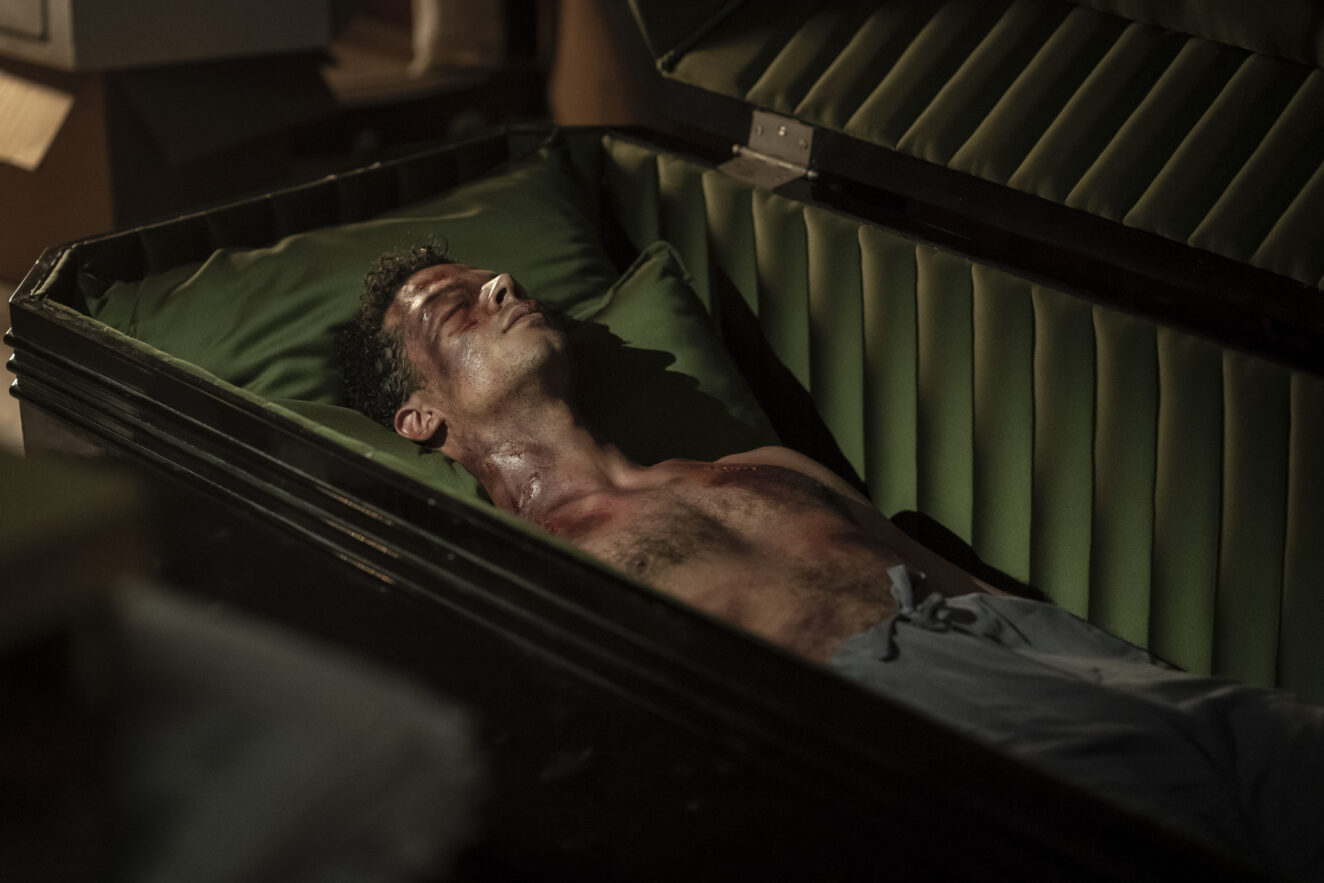
Because Lestat’s fear of being alone doesn’t manifest gently. It curdles into control, volatility, and, eventually, violence. By Episode 5 (“A Vile Hunger for Your Hammering Heart”), that fear has escalated into something far more dangerous. Claudia’s return — and her plan to leave again, this time with Louis — pushes Lestat into a full emotional rupture. What follows is one of the most brutal sequences in the series: his attack on Claudia, Louis’ intervention, and Lestat dropping Louis from the sky in an act that is as much about desperation as it is cruelty.
That moment isn’t just about rage, but terror. Specifically, its about the terror of abandonment.
And that terror didn’t start with Louis.
As outlined in The Vampire Lestat (1985) by Anne Rice, Lestat’s human life was defined by instability, neglect, abuse, and emotional distance. His mother, Gabrielle (Gabriella in the show — and yes, we’ll get into that later… yikes), the one person he feels closest to, remains consistently cold and ultimately leaves him more than once. His first relationship, Nicolas “Nicki” de Lenfent (which also… yikes), rejects both his worldview and, eventually, him. And even Armand later tells Lestat outright that he is destined to be abandoned by those he creates.
So when immortality stretches that pattern across decades — and, now, centuries — the result is exactly what “Dancing With Myself” captures: being surrounded by people, yet fundamentally alone.
And that’s one aspect that makes the trailer’s use of this song so telling.
Because if what we’ve seen so far is any indication, between the IGN clip, the tension within his band, and the ongoing-fractured state of Louis and Lestat’s relationship, Lestat’s rise to rock stardom isn’t going to resolve that loneliness.
It is probably going to make it worse.
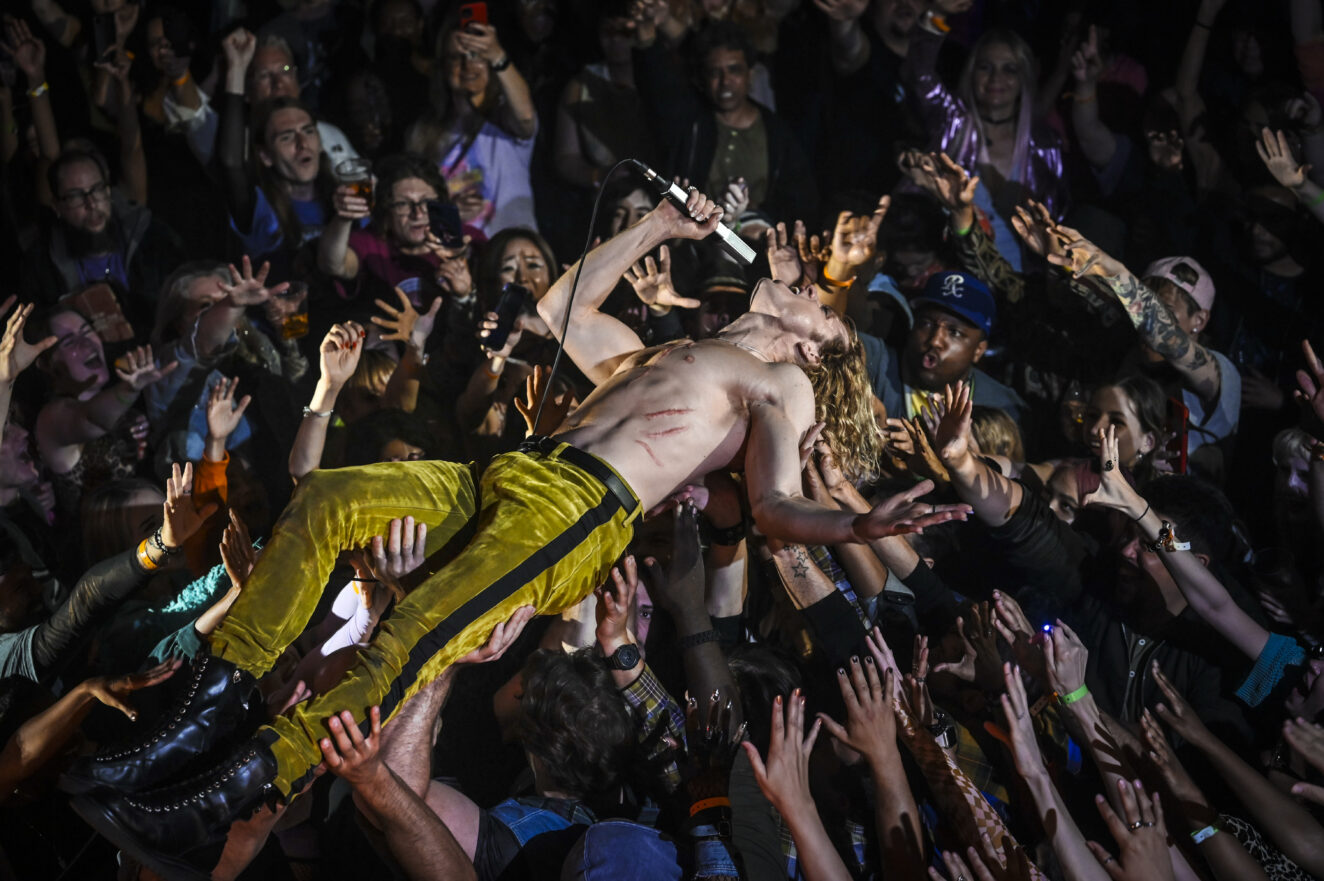
He may be performing for thousands. Worshipped, even. But if those connections are hollow — fans, bandmates, an audience projecting onto him rather than knowing him — then the image becomes painfully clear:
Lestat, center stage, and still dancing with himself.
Performance
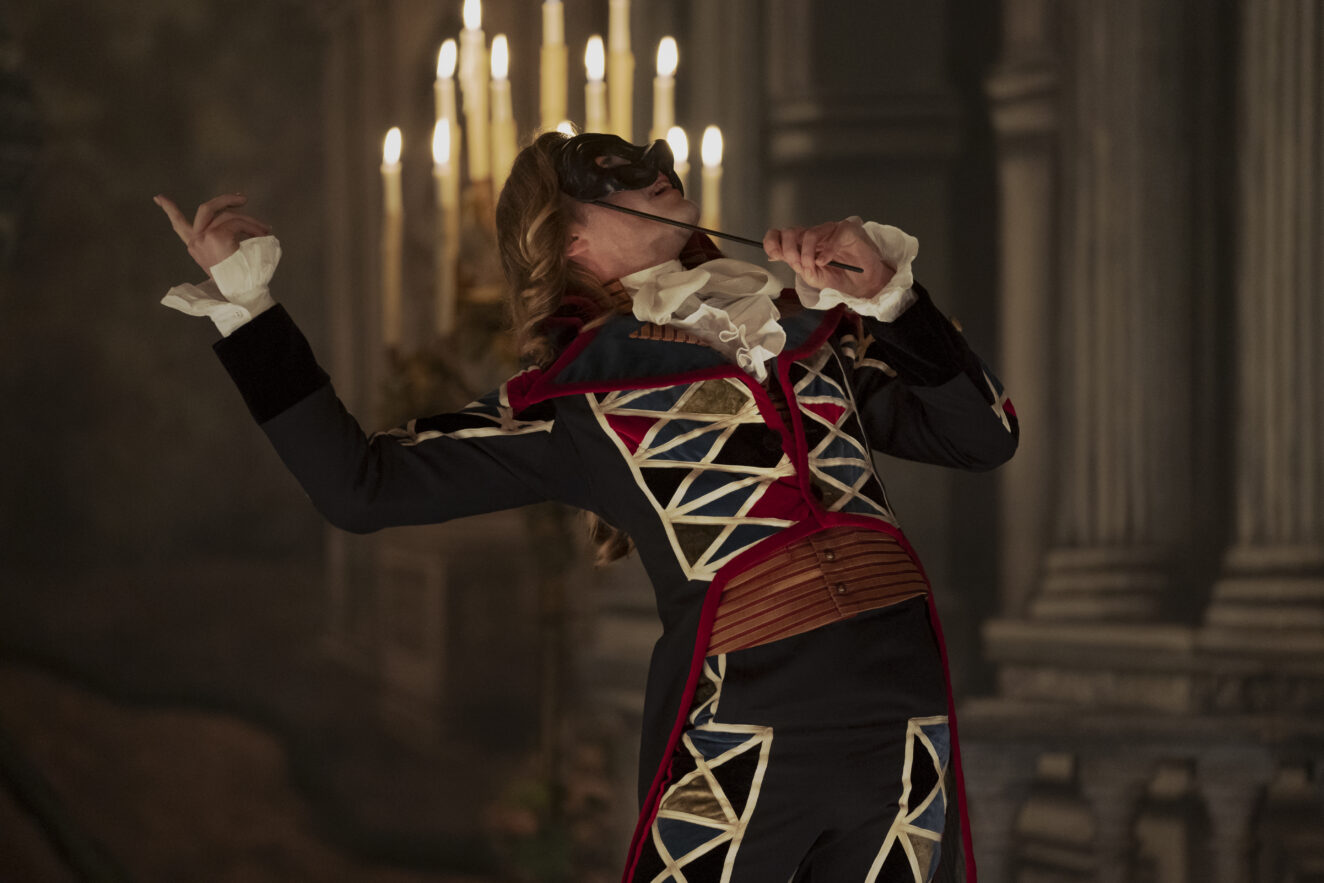
We’ve known since the very beginning that Lestat is a performer.
In Season 1 alone, he’s constantly putting on a show: playing piano at the Azalea, much to Louis’s reluctant fondness (Episode 3, “Is My Very Nature That of the Devil?”); staging theatrical displays in their home on Rue Royale for Louis and Claudia (Episode 4, “…The Ruthless Pursuit of Blood With All a Child’s Demanding”); and, of course, presiding as King of Mardi Gras, traumatizing the people of New Orleans more than once throughout the night for his own happiness (Episode 7, “The Thing Lay Still”).
Even beyond that, Season 2 gestures toward his past on the 1700s Parisian stage in Episode 3, “No Pain” — though the truth of those performances remains… questionable (looking at you, Armand (Assad Zaman). Where is Lelio?).
But performance isn’t always just about literal showmanship.
It’s about presentation. It’s about control. It’s about the version of yourself you choose to project. And, even more importantly, what that projection allows you to hide.
And Lestat is always performing.
He presents himself as open, indulgent, impossible to ignore, but that openness is often a kind of sleight of hand. It allows him to dazzle while withholding, to dominate the narrative while obscuring the truth. The trailer leans hard into this idea, framing his rockstar persona as something exaggerated, almost artificial. He’s louder, brasher, more overtly provocative than ever before.
Which brings us back to the lyrics:
When there’s nothing to lose and there’s nothing to prove…
On the surface, that line reads like a freedom of sorts. But in this context, it feels more like a performance of certainty than the real thing.
Because The Vampire Lestat novel is steeped in Lestat’s need to define himself, to control how he’s seen, and to rewrite his own narrative. And given where the show has left him — his fractured relationship with Louis, the weight of Claudia’s death, the lingering guilt and denial — it’s hard to read “nothing to lose” as truth.
If anything, it sounds like someone trying very hard to believe it.
The same goes for “nothing to prove.” Because Lestat is, in many ways, still trying to prove everything: his power, his independence, his monstrosity, even his worthiness of suffering. That famous line —
“Oh Lestat, you deserved everything that’s ever happened to you…”
The Vampire Lestat, Page 436
— doesn’t read as acceptance so much as self-condemnation. A performance of self-awareness that never quite resolves into peace.
If the music is any indication, this rockstar era isn’t about actual liberation. The persona gets bigger, louder, more undeniable, but the cracks underneath it widen just as quickly.
The performance can only hold for so long.
And when it finally falls apart, as the season’s hints of a “rise and fall” suggest it inevitably will, it won’t simply just collapse, but will force whatever is being hidden into the spotlight instead.
Absence of Meaningful Love
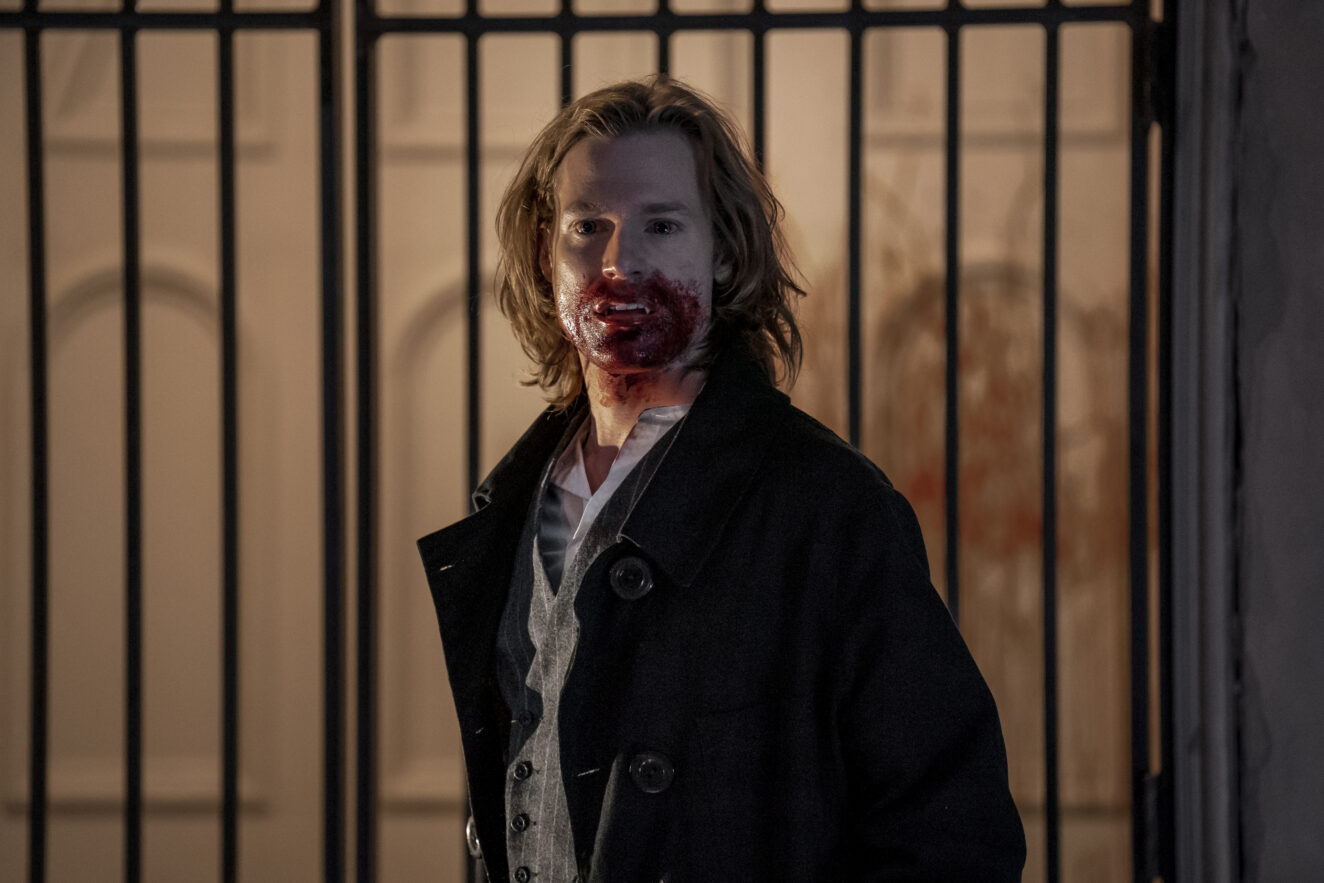
Last, but certainly not least — and arguably most important — is the absence of meaningful love.
Like loneliness, this is a theme deeply embedded in Interview with the Vampire. But what “Dancing With Myself” highlights is something more specific: not just the loss of love, but the inability to access it, even when it exists.
And that’s where Lestat and Louis become central to the song’s meaning.
From what the series has already shown us, their relationship is not only the emotional core of the story, but the most real and significant connection either of them has ever had. Season 1 makes that clear, even when it’s at its most volatile. Season 2 reinforces it even further by showing us that even though Lestat may be “gone,” he never leaves the narrative. He lingers in Louis’ mind, shaping his choices, haunting his relationship with Armand, and ultimately highlighting a truth the show never lets us forget, which is that nothing Louis builds in Lestat’s absence comes close to what they had together.
Which makes the song’s fixation on unfulfilled connection hit even harder.
Because if “Dancing With Myself” is about longing for something just out of reach, then it maps almost too neatly onto where this story leaves them — separated, fractured, and, for all intents and purposes, withholding love from one another.
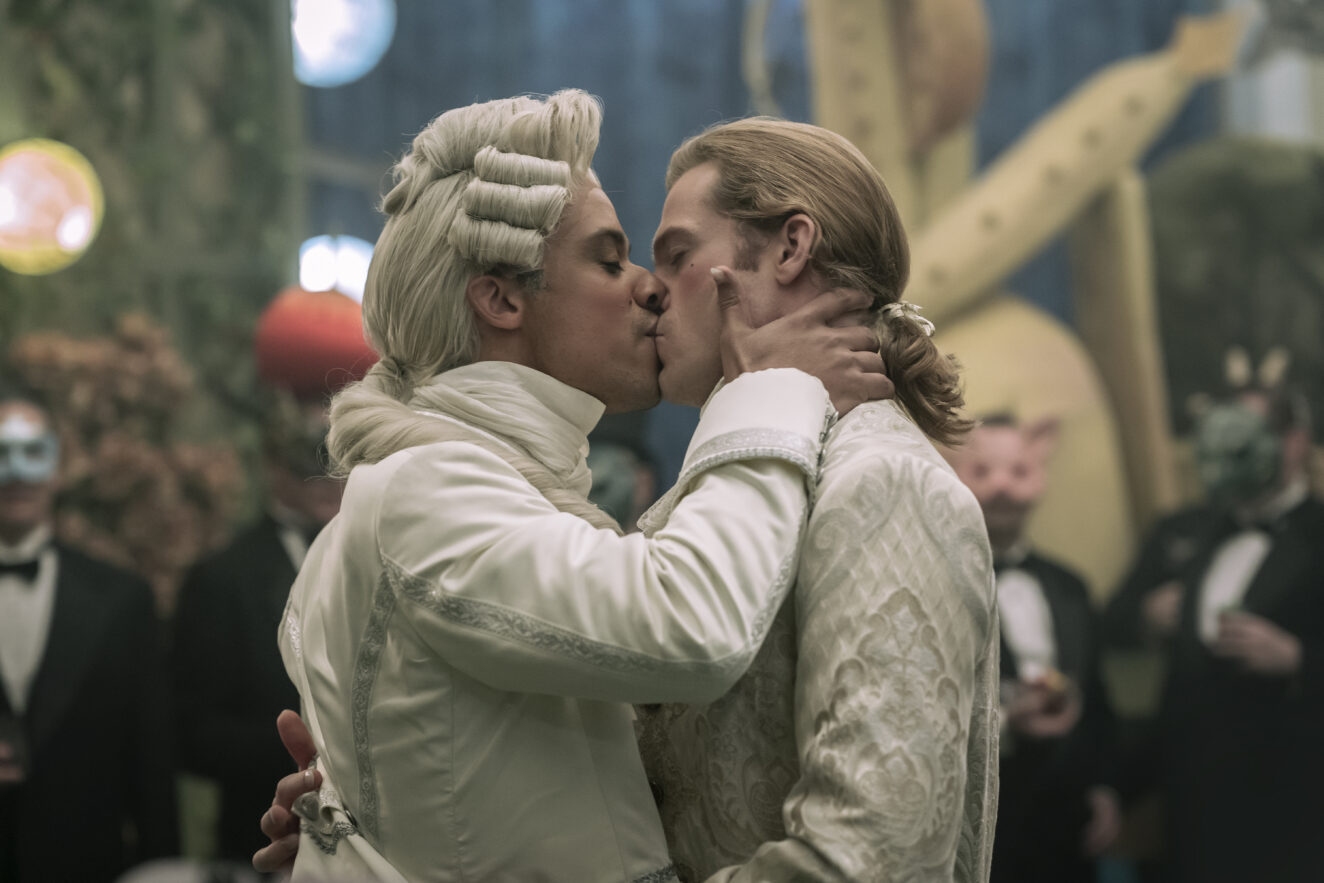
And from Lestat’s perspective, that absence is everything.
As explored in The Vampire Lestat and later novels, Louis is not just a great love; he is the love.
There are countless passages that reinforce this, moments where Lestat’s fascination, devotion, and emotional connection to Louis border on overwhelming. Some of my favorite passages include, but are not limited to:
- “Yet Louis gained a hold over me far more powerful than Nicolas had ever had. Even in his cruelest moments, Louis touched the tenderness in me, seducing me with his staggering dependence, his infatuation with my every gesture and every spoken word.” — The Vampire Lestat, Page 433
- “It was the love of Louis which had at times crippled Lestat, and enslaved Armand. Louis need not have consciousness of his own beauty, of his own obvious and natural charm.” — Merrick, Page 142
- “[Louis’] beauty had always maddened me. I think I idealize him in my mind when I’m not with him; but when I see him again I’m overcome.” — The Tale of the Body Thief, Page 106
But it is even more apparent, even more all-consuming, in the show. Lestat’s love of Louis is undeniable, again, despite their past. From the very first moment he saw Louis in Season 1, Episode 1 (“In Throes of Increasing Wonder”), the attraction was evident, but as the episode and season progress, it is clear that Lestat’s love for Louis is what, quite literally, keeps him going in this immortal life.
Which is exactly why the lyrics land the way they do.
Well, I wait so long for my love vibration / And I’m dancing with myself…
and
If I looked all over the world… but your empty eyes seem to pass me by…
These lines don’t just suggest loneliness, but waiting. Waiting for a specific kind of love, one that isn’t interchangeable, one that can’t be replaced no matter how many people surround you.
And the trailer, and interviews with the cast and crew at past events of SDCC and New York Comic Con (NYCC), seems to lean into that idea.
Because while Lestat’s rockstar persona promises excess of attention, admiration, and endless bodies in endless rooms, the song takes away from that. The implication is clear: none of it is enough. Not the fame, not the show, not the distractions.
None of it is enough if the one person he actually wants isn’t there in the way he wants and needs them.
So what fills that gap?
Performance. Indulgence. Self-destruction.
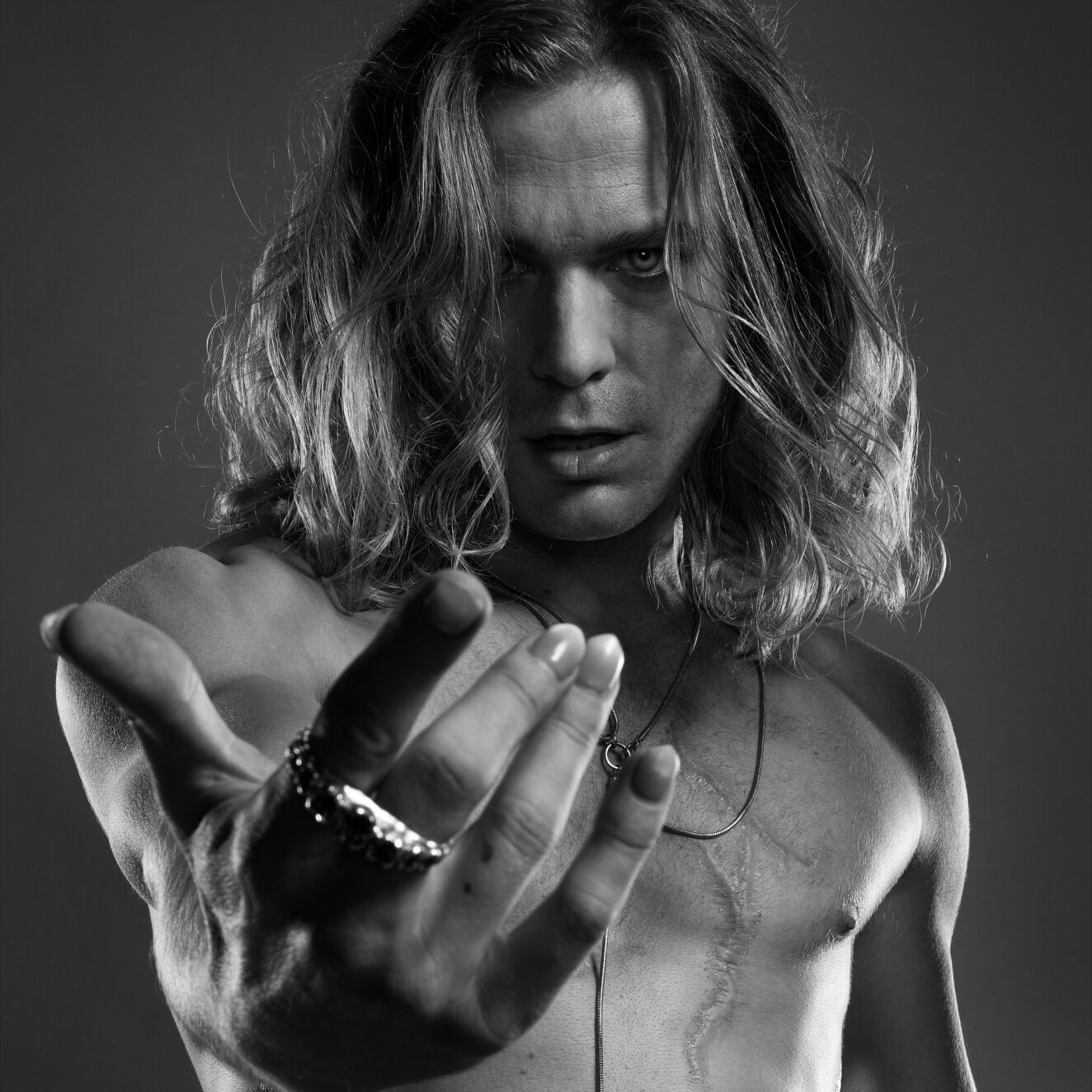
The lyrics hint at it —“let’s sink another drink… give me time to think”— and the trailer visuals, as well as some of the other smaller clips AMC has been sharing over the last couple of weeks, seem to follow suit. Whatever this era of Lestat’s life becomes, it doesn’t read as fulfillment. It’s more of a coping mechanism. And a really bad one.
Ultimately, what “Dancing With Myself” captures, and what the trailer reinforces, is that Lestat isn’t just alone, but he is alone without the one person whose love ever made that loneliness bearable.
And until that changes, no amount of noise, attention, or performance is going to fix it.
Because change will be required from both of them. From Lestat, a confrontation with who he is beneath the performance; from Louis, a willingness to face what remains between them.
And when that shift finally comes, it will be beautiful and probably send me into a psychosis.
But until then, the lyrics linger where Lestat is now: searching, performing, and still, despite everything, waiting for Louis’ love.
Conclusion
What makes this trailer so effective isn’t just what it shows, but how it sounds. The choice of “Dancing With Myself” is deliberate, layered, and deeply revealing of Lestat’s mental state during what will probably be the beginning of his journey to rockstardom. Through its lyrics and tone, the song reframes everything we’re seeing: Lestat’s rise to fame as a performance, his excess as coping, and his isolation as something that no amount of attention can truly resolve.
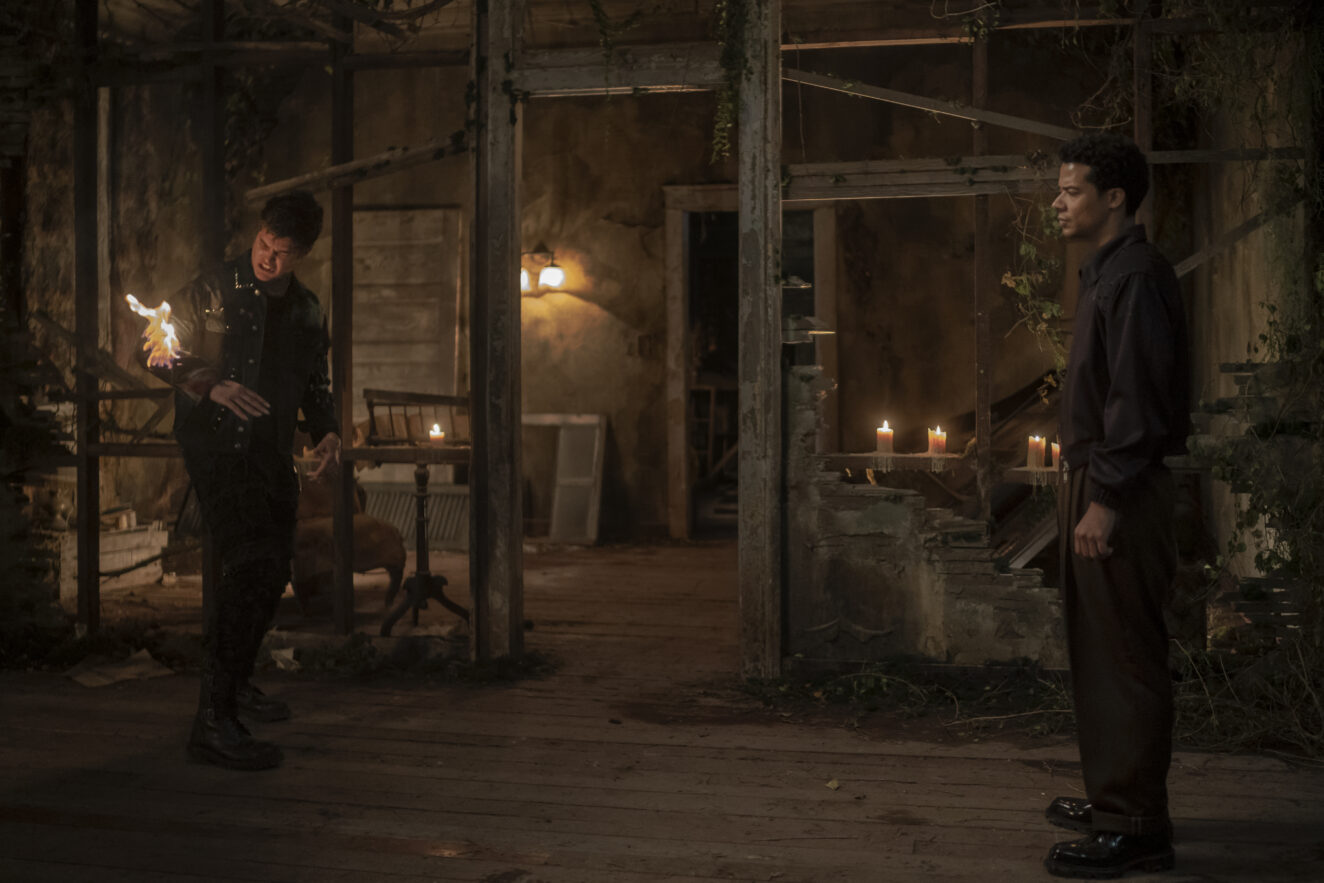
Loneliness, performance, and the absence of meaningful love aren’t just recurring themes in Interview with the Vampire, but now something embedded directly into the music of this trailer, guiding how we interpret nearly every frame, character action, and piece of dialogue. It’s a reminder that this next chapter, The Vampire Lestat, isn’t just about reinvention but exposure.
And if this trailer and its music are any indication, we’re in for something messy, emotional, indulgent, and probably devastating in all the best and worst ways.
This might be me reading way too much into a trailer song choice, but I don’t think I am. To quote OutKast in “Hey Ya!:” “Y’all don’t wanna hear me, you just wanna dance.”
And if that isn’t exactly what this trailer is doing, I don’t know what is.
All I do know is that June 7 cannot come fast enough.
In the meantime, you can watch the official trailer below and listen to “Dancing With Myself” by The Vampire Lestat to hear exactly what he’s telling us.
Be sure to follow us here at iHorror for our upcoming breakdown of the trailer’s visual content — we’re covering all things The Vampire Lestat as we count down to its premiere on AMC and AMC+ on June 7 at 9 p.m.


Editorial
Everyone Is Talking About Buffet Infinity. Yes, You Should Watch It.
Buffet Infinity has been circulating for a couple of weeks now and the people who have found it are having a hard time shutting up about it. That is where I am coming in. Consider this me adding to the noise, enthusiastically.
The First Thing to Know
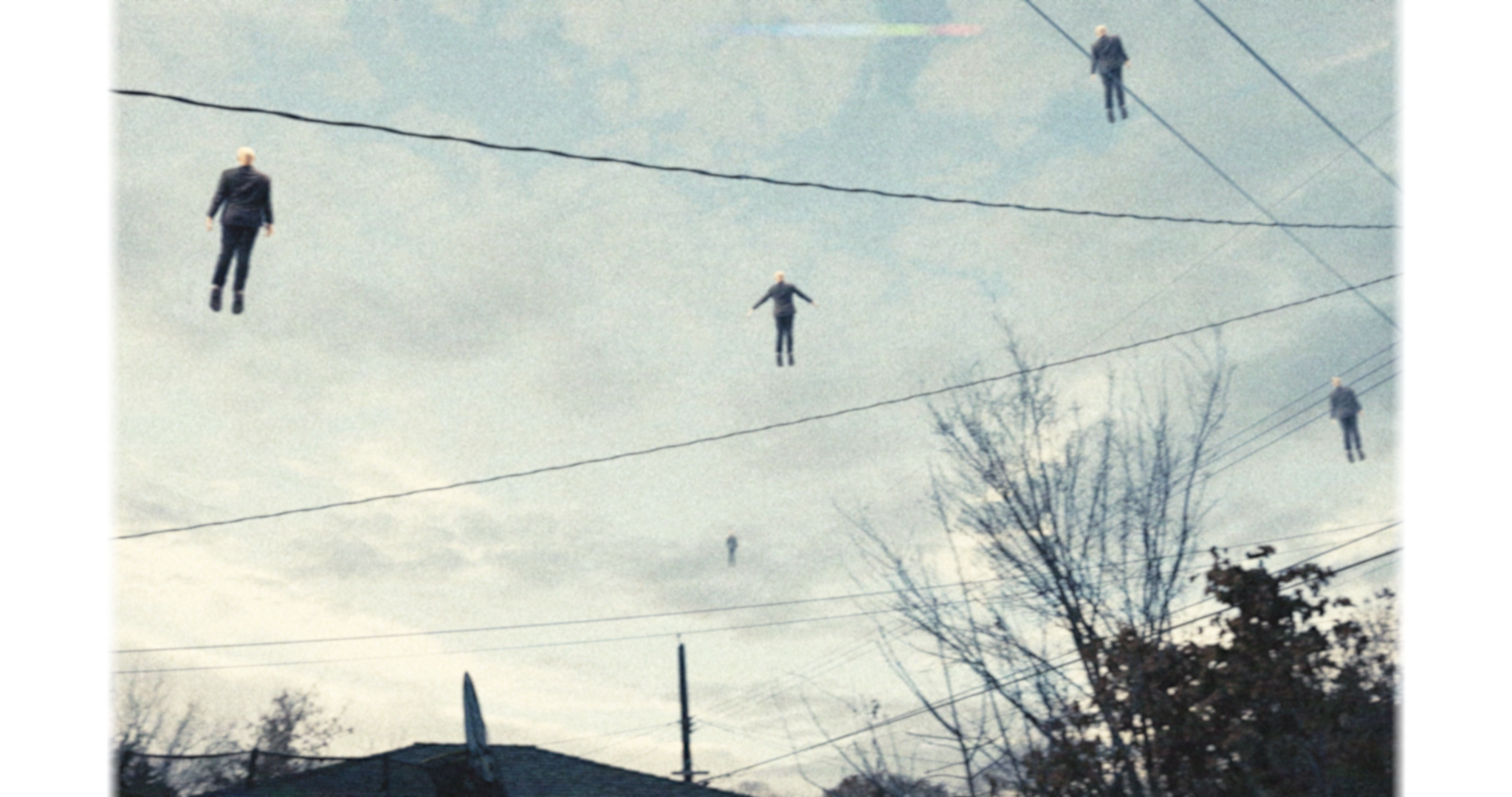
Simon Glassman’s film is built entirely out of fake local commercials from Westridge County, Alberta, Canada. That is the whole format. You are watching what appears to be a stack of recordings off a local cable channel from the early 1990s: low-budget spots for businesses that feel one bad month away from closing, public service announcements with a little too much sincerity, news bumpers, the occasional weird interstitial that does not quite make sense. The lighting is wrong in exactly the right ways. The jingle choices are correct and devastating. Every single spot feels like someone cashed in their retirement savings to buy thirty seconds on cable access, and I mean that as the highest possible compliment.
If you grew up anywhere near a television in the 1990s, something in this film is going to reach you in a place you were not expecting to be reached. Glassman has done his homework. He has also, more impressively, done something beyond the homework.
Two Restaurants Enter
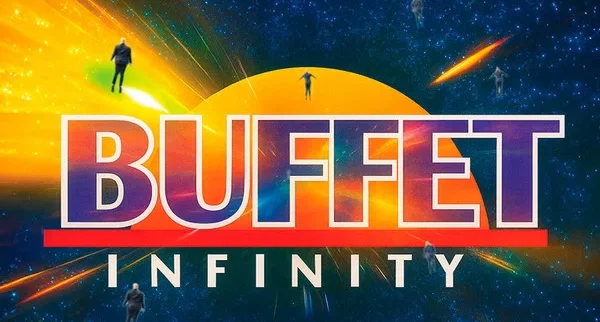
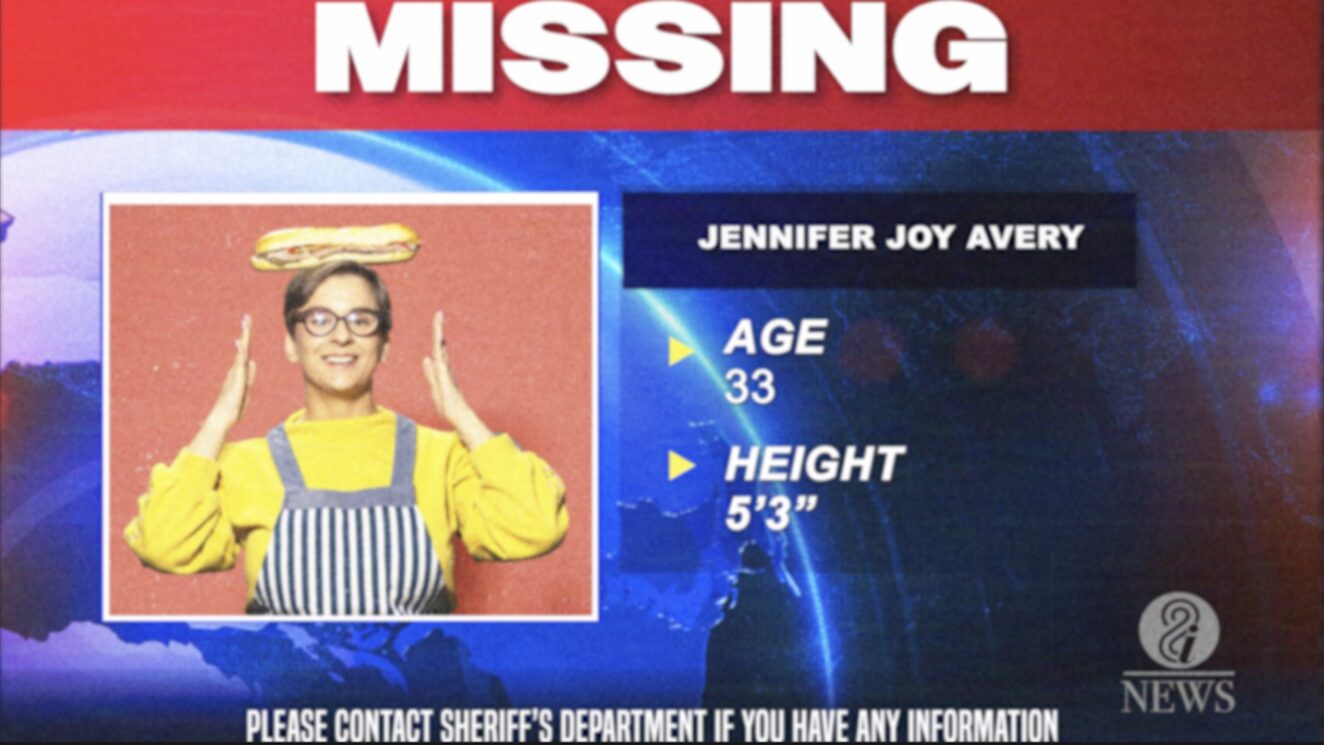
The central conflict involves two businesses sharing a shopping center in Westridge County. On one side is Jenny’s Sandwich Shop, a local staple that has been feeding the community for years and has a very clear sense of its own identity. On the other side is the new arrival, Buffet Infinity, an all-you-can-eat operation that is aggressively, cheerfully wrong in ways that are initially hard to name.
The Jenny’s Sandwich Shop arc is the funniest sustained bit of horror-adjacent filmmaking I have sat through in a long time. The commercials for Jenny’s start completely normal and go somewhere I absolutely did not see coming, and then they go somewhere else, and then somewhere else after that.
There is also a sinkhole downtown that keeps getting mentioned in the news bumpers, and a cult leader who has opinions about it, and all of these threads are running simultaneously through a format that does not pause to explain itself. Scene to scene I had no idea what was coming. Not in the chaotic way, not in the shock-for-shock’s-sake way. In the way where someone is so committed to their own internal logic that you just have to stop predicting and start watching. I gave up guessing about twenty minutes in. It was better after that.
The Cast Has No Business Being This Good

The cast is small and every one of them is working at a level this film does not technically require them to reach. Kevin Singh, Claire Theobald, Donovan Workun, Ahmed Ahmed, and Brandon Vanderwall are all playing characters who exist inside a very specific heightened reality, the kind of reality where everyone in a commercial is about fifteen percent too earnest about their product, and none of them blink.
That is harder than it sounds. The temptation in this format is to wink at the audience. These performers understand that the winking would ruin it. They play it straight all the way down, and the film is funnier and stranger and more unsettling because of it.
The WNUF Comparison You Are Going to Make
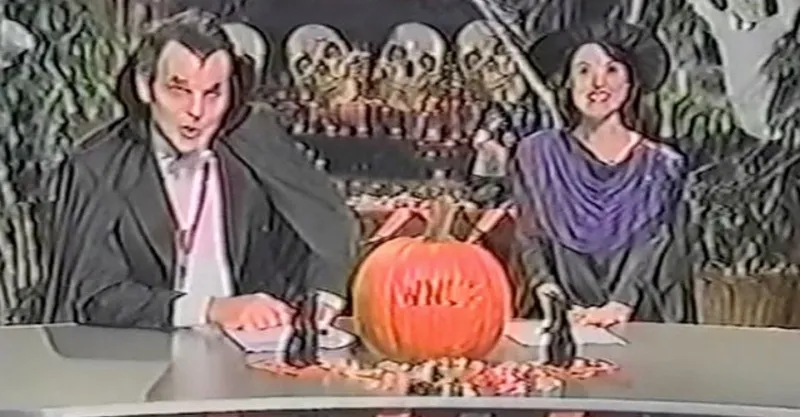
If you know your analog horror, the comparison that is coming to your mind right now is WNUF Halloween Special. That is the right comparison and I want to address it directly. WNUF, directed by Chris LaMartina, is presented as a VHS recording of a 1987 Halloween news broadcast, commercials included, following a live investigation into a haunted house. It is a specific, loving reproduction of late-80s local television, and its fake commercial breaks are some of the most carefully constructed things in the format. It earned its cult status.
Buffet Infinity is doing something different with similar materials. WNUF is a film about watching television. Buffet Infinity is a film that exists as television, and the distinction matters. Where WNUF uses the format as a frame for a ghost story, Glassman uses it as the story itself. The commercials are not the wrapper. They are the content. The horror and the comedy both live entirely inside the advertising, which means there is no moment where the film steps outside the conceit to remind you something bigger is happening. You have to find it yourself. That is a harder trick to pull and Glassman pulls it.
The other thing worth noting is tone. WNUF is primarily creepy with comedy in the margins. Buffet Infinity is primarily funny with dread in the margins, and the dread is more effective for it. By the time the film earns its unsettling turns, you are already too fond of these characters and this town to find any distance from what is happening to them.
Watch It
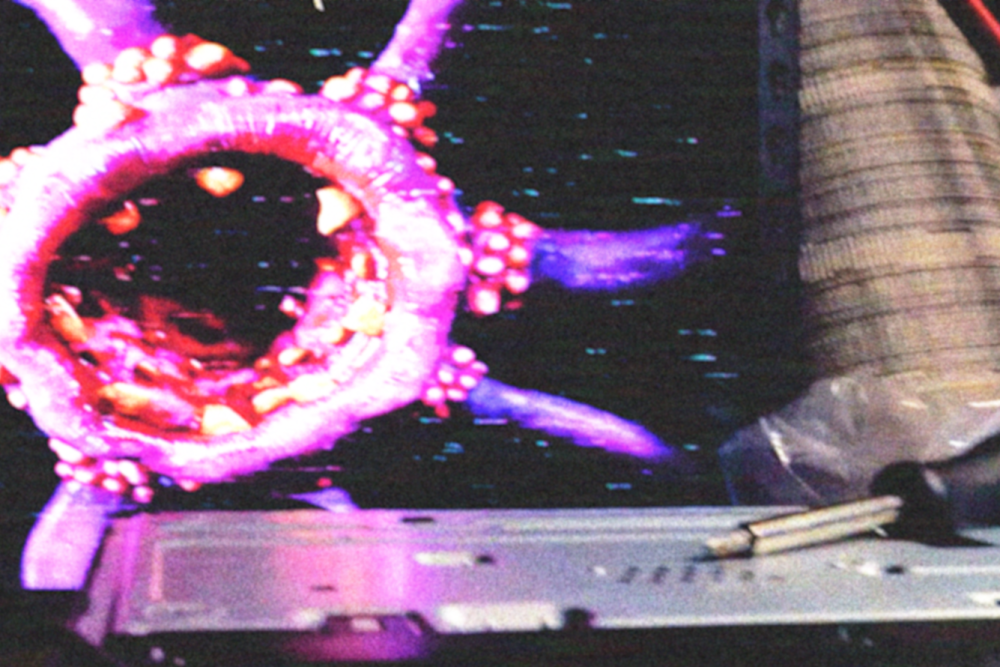
Buffet Infinity is on VOD now. Watch it with someone who has not been spoiled. Let them experience the Jenny’s Sandwich Shop arc in real time. Watch their face.
If you have seen everything analog horror has to offer, and you think you know what you are walking into, I am telling you that you do not. This one is different.
Editorial
Jonathan Tiersten’s Greatest Role, and it isn’t Sleepaway Camp
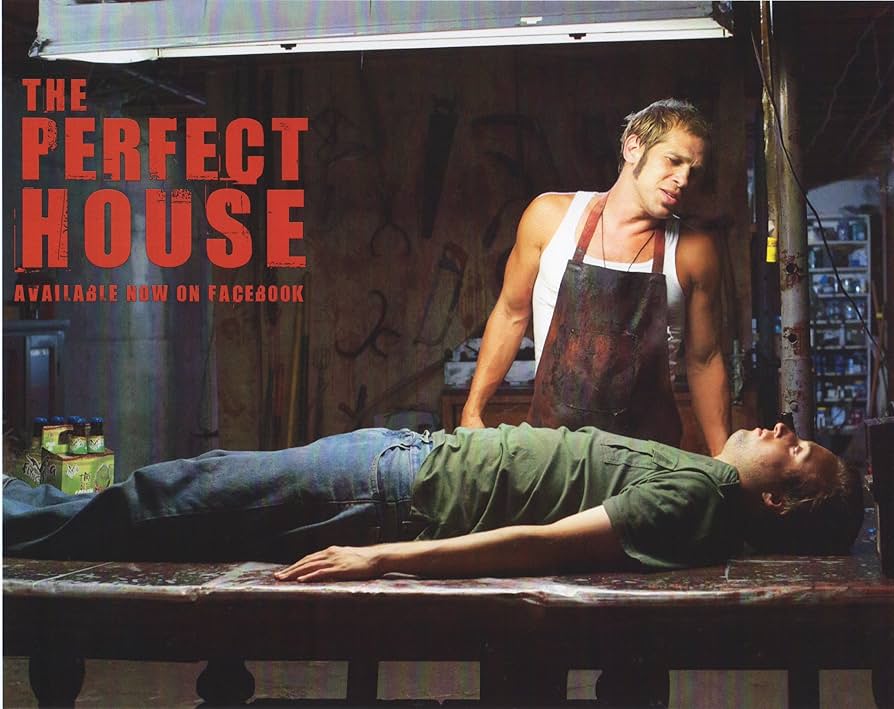
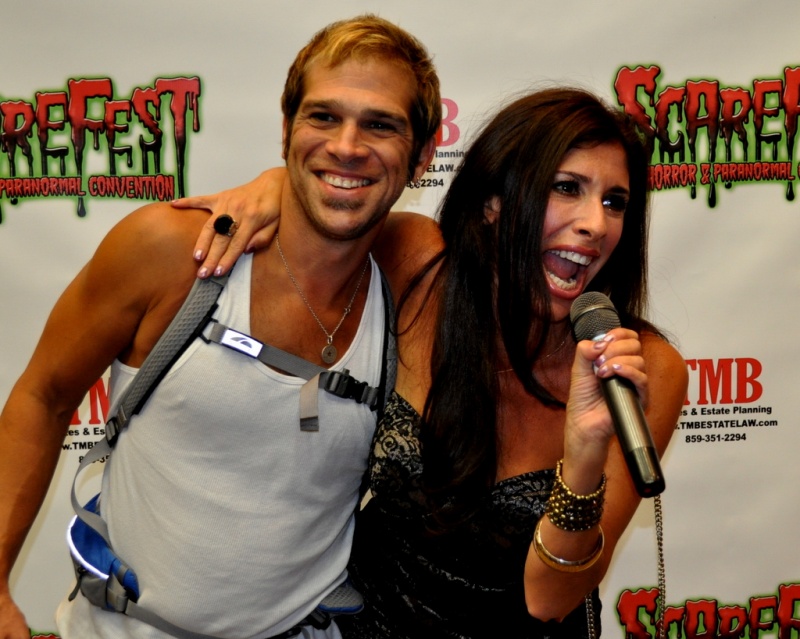
Horror actor and musician Jonathan Tiersten passed away May 4, 2026 at 60 years old. To many in the horror community, Tiersten will forever be Ricky Thomas from 1983’s Sleepaway Camp. The actor later reprised his role in 2008’s Return to Sleepaway Camp. In the summer camp slashers, Tiersten plays Angel Baker’s (Felissa Rose) protective older cousin; and boy does he have a mouth that would make a sailor blush!
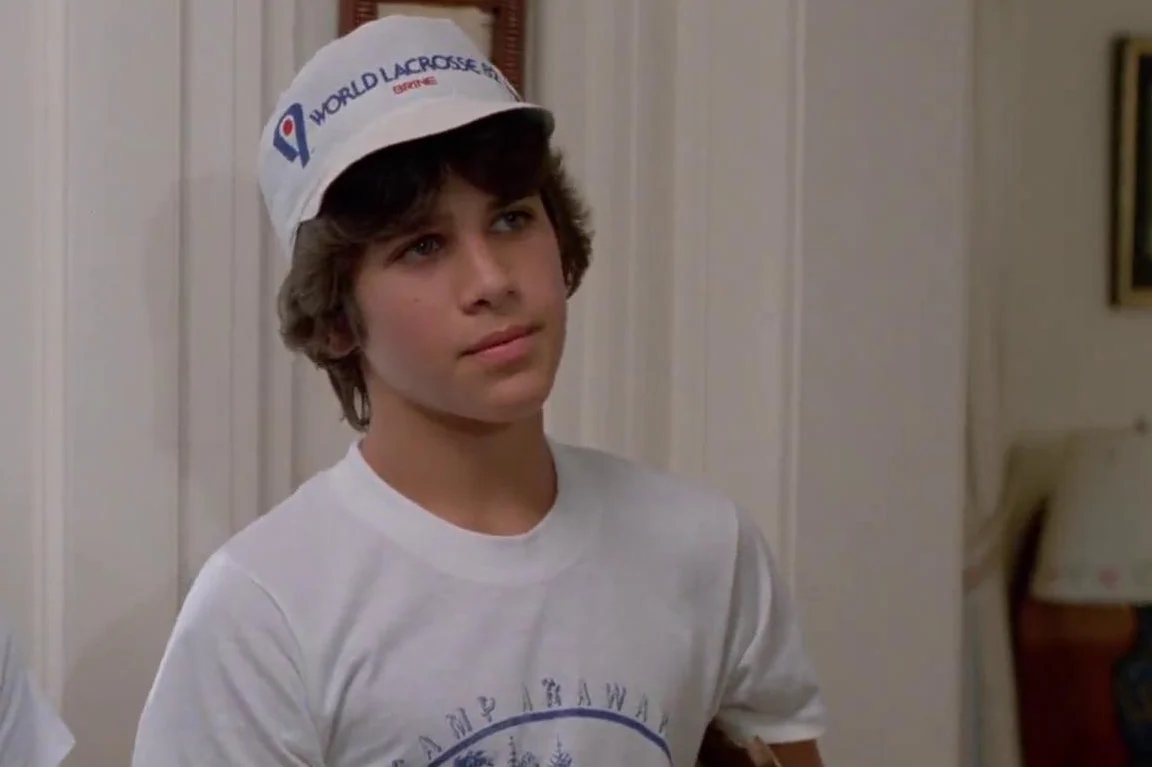
While Sleepaway Camp is certainly the most popular horror movie Jonathan Tiersten is known for, it is arguably not the best.
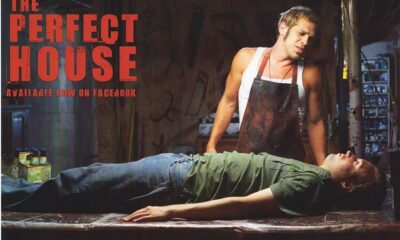
The Perfect House
In 2011 Tiersten participated in a horror anthology titled The Perfect House. The movie was written and directed by Kris Hulbert, and co-directed by Randy Kent. While they did not share the screentime together on this project, Felissa Rose also participated in this anthology.
The premise of The Perfect House consists of a young couple who think they have found their dream house. Little do they know the foundation holds many secrets from the prior inhabitants who once resided within the walls. As the real estate agent takes them from room to room, stories of the past resident’s atrocities unfold.
Tiersten Gives of Killer Vibes
Tiersten’s short story in the anthology is entitled Chic-ken. His portrayal of a serial killer in collaboration with Hulbert’s script is pure horror gold. Known as Angela Baker’s savior time and time again in Sleepaway Camp, serial killer John Doesy in The Perfect House is anything but sympathetic to the men and women who are unfortunate enough to cross his path.
In this segment he plays a killer who keeps a female victim permanently imprisoned in his basement. Every week he brings new victims to torture and kill in front of her. In his twisted mind he affectionately calls her his muse. As he tortures and kills his new victims from week to week, he also tortures, rapes, and taunts his “muse”. He forces her to watch his “performance” and is fueled by her witnessing the pain he inflicts on those he deems as useless members of society.
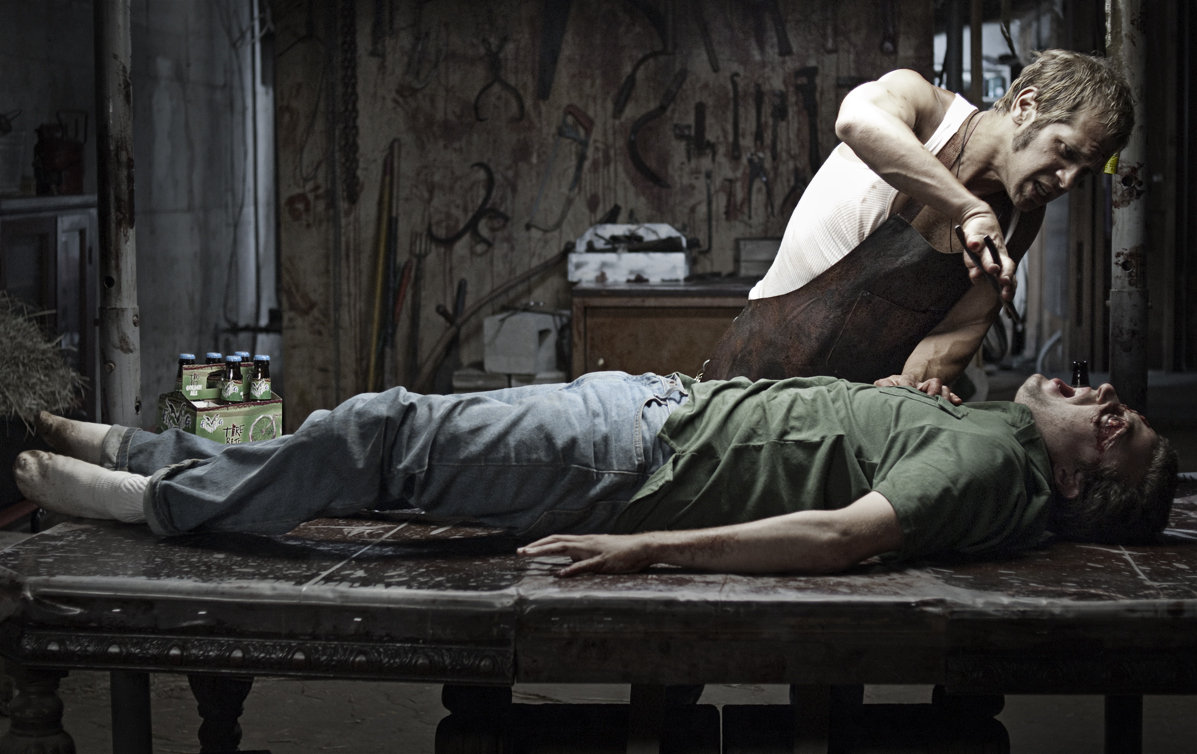
Tiersten’s effortless delivery as a self righteous maniac surpasses many others who have tried to conquer similar roles both before and since. The fact Tiersten does all of this without hiding behind a mask adds an extra level of fear. Let’s face it, Tiersten is very easy on the eyes with his blonde hair, blue eyes, and muscular arms, which would initially lower anyone’s guard. To know someone who not only appears “normal,” but attractive, is capable of such atrocities is extra unnerving.
The confidence Tiersten exudes in his voice and postures, as well as how he carries himself throughout the scenes, sells his character’s excessive ego. He completely sells the fact his character full heartedly believes in the demented behaviors and murders he is carrying out.
Where to Watch
While The Perfect House did not have a theater release, it was the first feature film to premiere on Facebook. The creators released the movie on the social networking site with a seven day rental period. In 2014 the movie was released for home distribution on DVD.
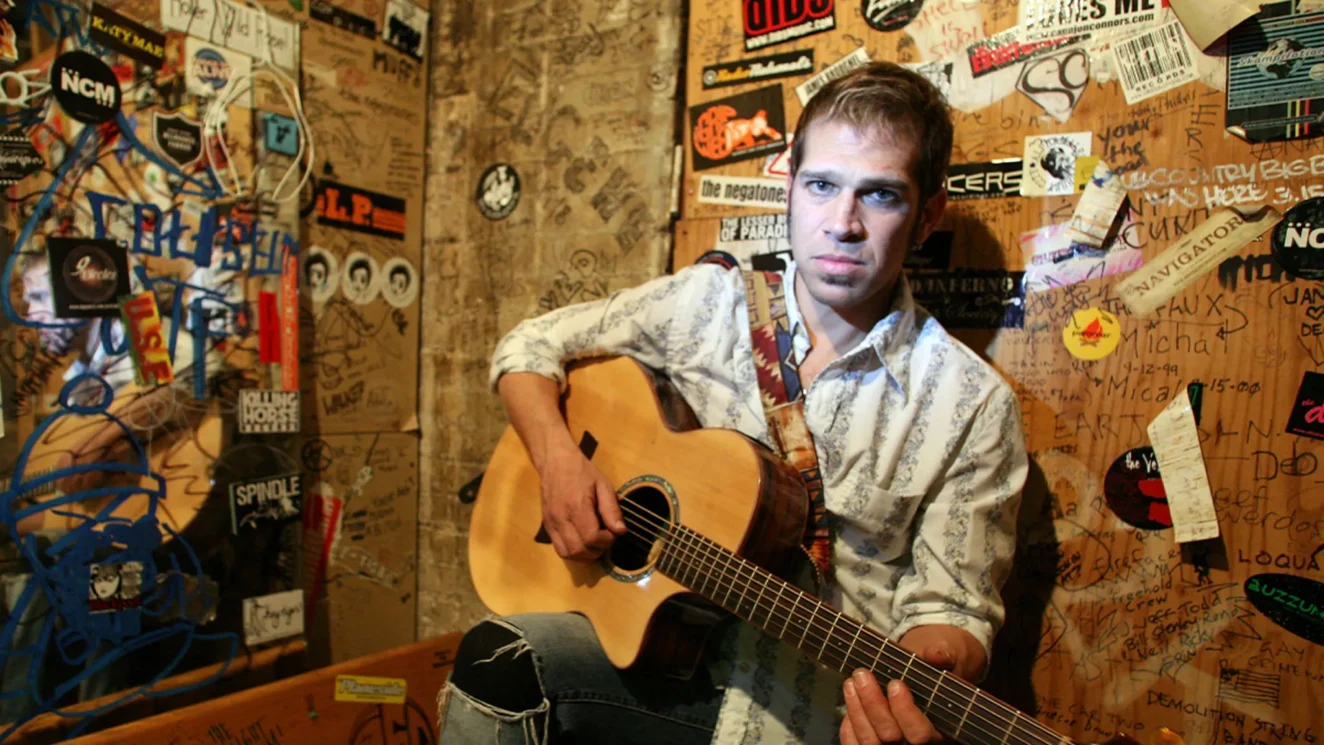
Unfortunately, many horror fans still do not know of this movie’s existence. Hopefully now they will search for it on Amazon, Ebay, and streaming services such as Roku, Tubi, and Google Play, and Plex to continue Jonathan Tiersten’s legacy.
Editorial
Sleepaway Camp Knew Before I Did: The Legacy Johnathan Tiersten Left on Queer Media
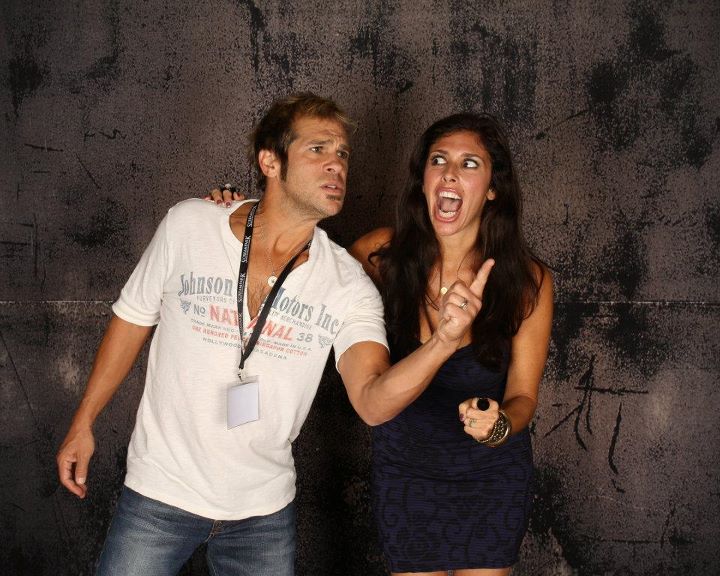
Jonathan Tiersten died May 5 at his home in New Jersey. He was 60. He played Ricky Thomas in Sleepaway Camp, and I want to explain why a very specific group of people is taking this one harder than a 1983 summer camp slasher would usually warrant.
What The Film Means To Me
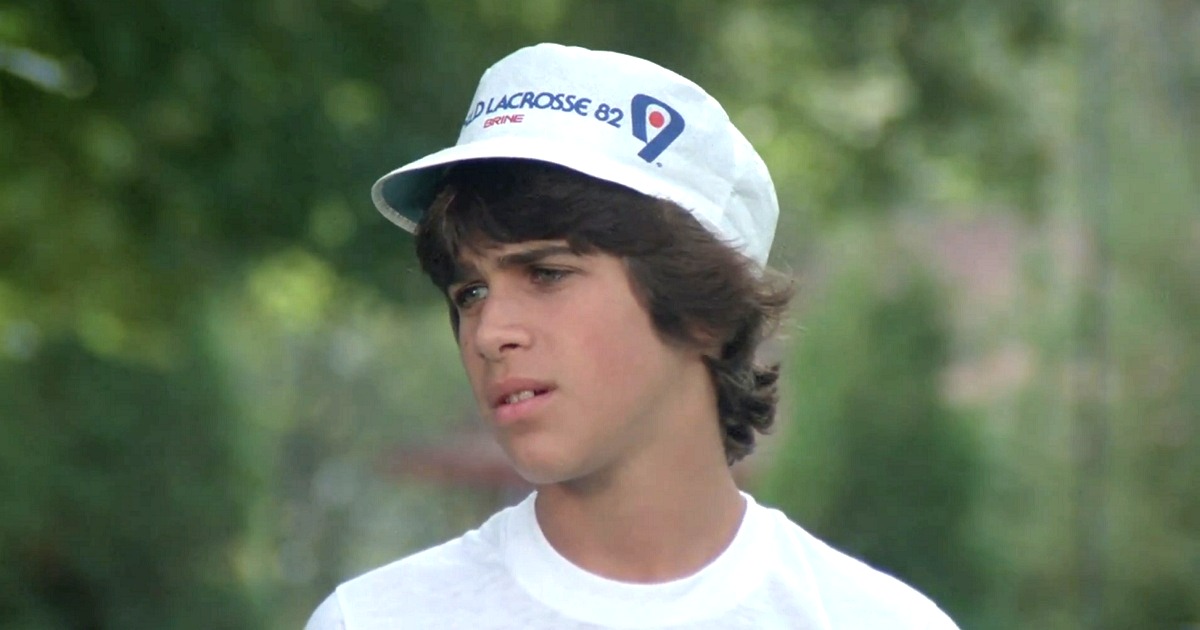
I am trans. That goes on the table first because nothing else I am about to say makes any sense without it.
I have been showing Sleepaway Camp to people since I was eleven years old. Everyone who mattered to me has sat through it. Friends who thought slashers were beneath them, partners who loved me enough to watch things they would never have chosen, my teenagers.
I give the same speech before every single viewing. Something is going to happen in the last few minutes, I tell them, and whatever your first reaction is, please sit with it for a moment before you say it out loud. Not because the reaction is wrong. Because there is almost always a second reaction underneath it and that is the one I am actually interested in.
What The Film Actually Is
Robert Hiltzik made a low-budget slasher set at a summer camp. Angela Baker is strange and barely verbal and is tormented by basically everyone around her while her cousin Ricky tries to run interference. The ending reveals that Angela was born Peter, that her father died when she was small, and that the aunt who took her in had always wanted a girl and simply decided Peter would become one.
Angela did not choose any of this. Not her name, not her clothes, not the gender she was made to perform in front of every single person she encountered every single day. And after years of living inside something she never chose, the pressure found somewhere to go.
That Ending
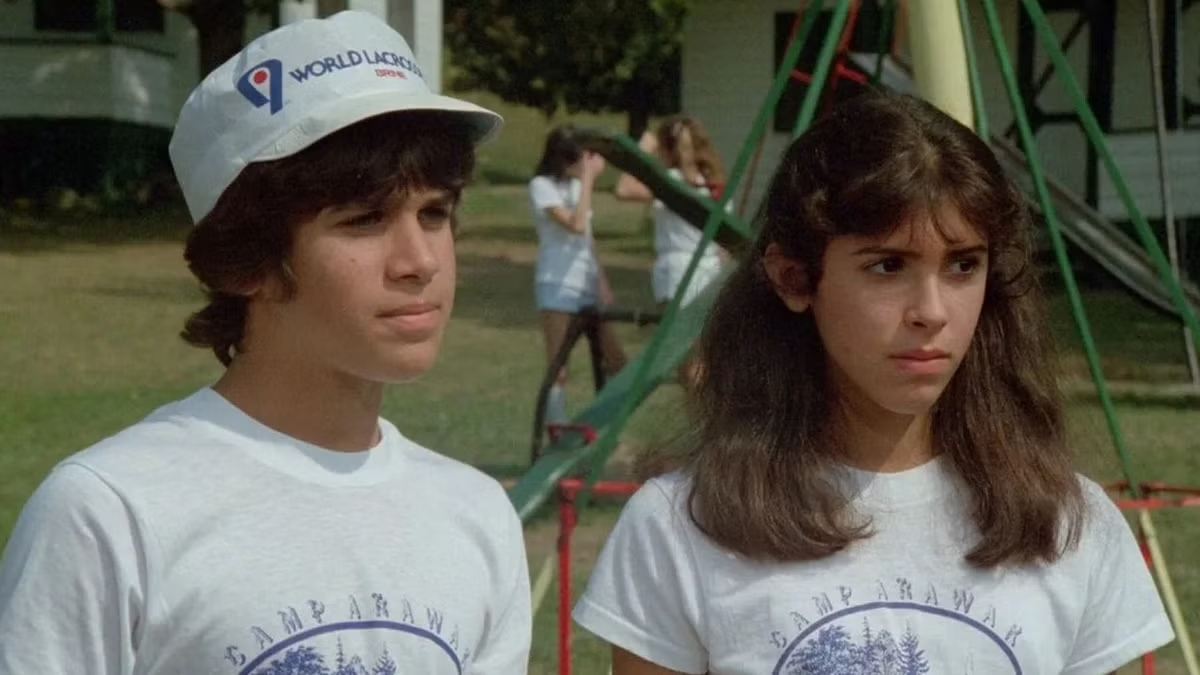
The transness is framed as the horror, as the explanation for the violence, and there is nothing there any trans person would hold up as a victory for representation. I understand all of that.
But I was eleven when I first watched it, and what I heard underneath everything it was trying to do was something nobody was trying to say. If you force someone to live as the wrong thing long enough, they will eventually stop being able to contain what that costs them. The film turned that into a monster story. I recognized it as a thing I had been trying to explain to myself without having the words for it yet.
Trans Representation In Pop Culture
For context, consider what came the year after. Ace Ventura: Pet Detective came out in 1994 and its treatment of a trans character is a two-minute sequence of Jim Carrey vomiting, using a plunger on his own face, burning his clothes, and sobbing under running water upon learning he had kissed her. The joke is that she is contamination.
My classmates quoted this film back at me for years. That was what mainstream culture had decided trans people were good for, and it went more or less unchallenged for a long time. Angela Baker, for all of Sleepaway Camp’s genuine limitations, is the protagonist of her entire film. Her history is the engine of the whole story. She is not a punchline. She is why the movie exists.
Trans representation in horror has never been particularly good, and I am not about to argue Sleepaway Camp is the exception. What I will say is that it accidentally told the truth in the middle of trying to do something else entirely, and horror films that stumble into the truth are still telling the truth. I have built twenty-five years of love for this movie on that.
Ricky
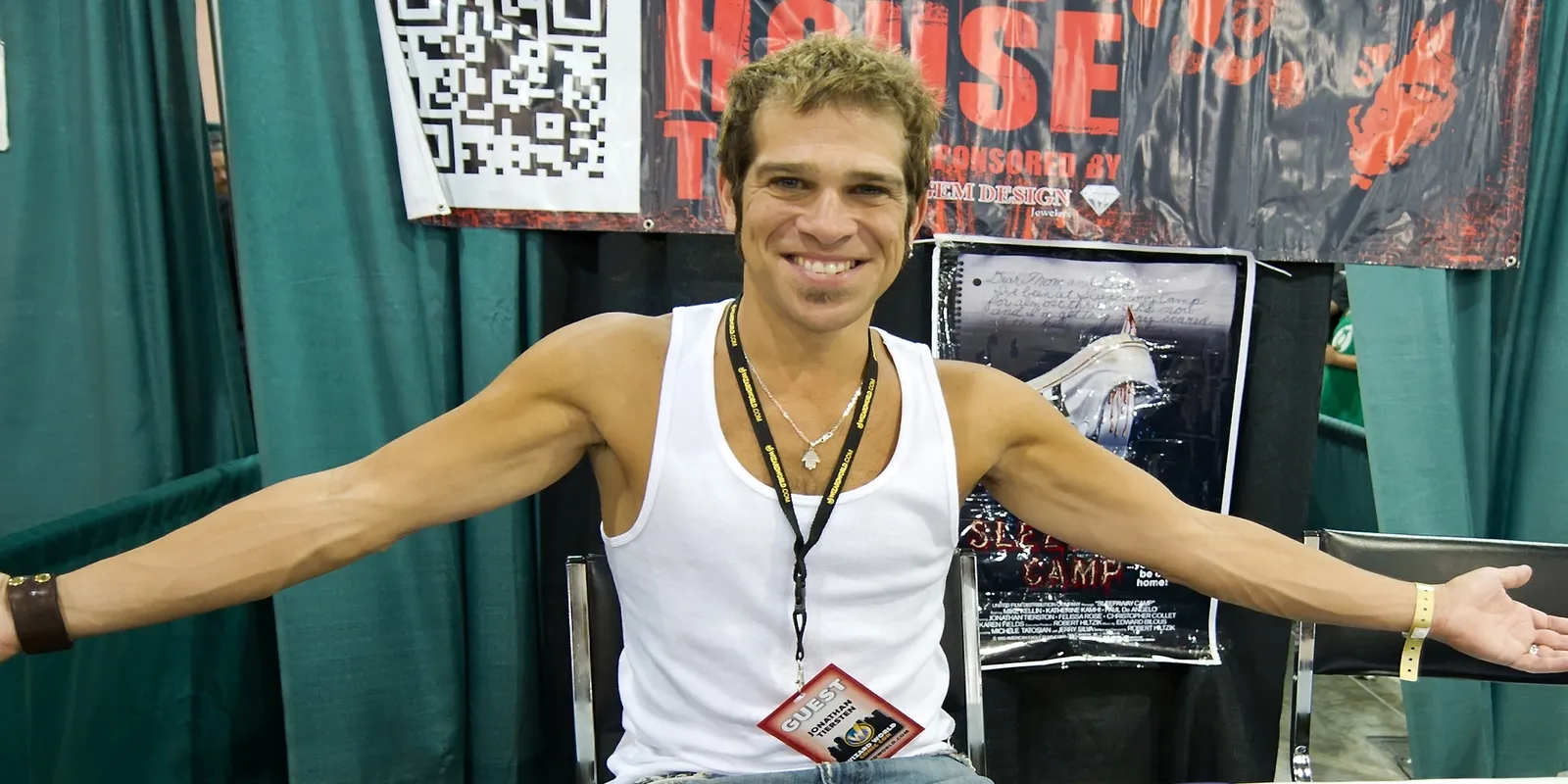
Ricky is most of the reason I keep coming back, which brings us to Jonathan Tiersten. He played Ricky as someone who never needed to understand Angela in order to be fully in her corner. He does not study her. He does not puzzle her out, he just shows up every time with the kind of furious loyalty that does not require an explanation because the explanation is right there. He loves his cousin, and he is not going to stand there while the world is unkind to her. That is not a complicated thing to put on screen. It is also rarer on screen than it should be.
Tiersten reprised the role in Return to Sleepaway Camp in 2008 and kept working in independent horror until the end. His most famous performance is forty-five minutes of a teenager planting himself between his cousin and everything the world wanted to do to her, and for some of us who grew up watching this film, that was the first time we saw someone treat that as simply the obvious right thing to do.
It was an answer to a question I had not yet figured out how to ask.


Jessica T Deveraux Got Possessed At Her Own Bar In New Film ‘Key of Bones’

The Cape Fear Trailer Is Here. Javier Bardem Built It.

iHorror Exclusive Clip: ‘Obsession’ in theaters May 15th

This Week in Horror: The Genre Says Goodbye to Jonathan Tiersten

10 J-Horror Films to Watch After Losing Koji Suzuki

Koji Suzuki Built the Well. The Author of ‘Ring’ Trilogy Dies at 68

Sleepaway Camp Knew Before I Did: The Legacy Johnathan Tiersten Left on Queer Media

Panic Fest 2026 Review: ‘Creature Of The Pines’ Is An Interesting Found Footage Horror That Walks A Beaten Path

Panic Fest 2026 Review: ‘Frogman Returns’ Is A Thrilling Sequel That Goes For The Croak!

Panic Fest 2026 Review: ‘Jump Scare’ Is A Metal As Hell Kick To The Skull!

Universal’s Horror Make-Up Show Ends 36 Year Run

Everyone Is Talking About Buffet Infinity. Yes, You Should Watch It.

This Week in Horror: Black Phone 2, The Backrooms, and the Return of Scary Movie

The Vampire Lestat Releases New Single “Butterscotch Bitch” Ahead of Series Premiere

Exclusive: ‘Key of Bones’ Reveals New Poster and Cannes Fantastic Pavilion Gala Screening

The Devil’s Candy 4K Box Set Review: The Best Heavy Metal Horror Film Gets Its Due

Jonathan Tiersten’s Greatest Role, and it isn’t Sleepaway Camp

Ready or Not 2: Here I Come Blu-ray Review: Buy It for Samara Weaving
Universal’s Horror Make-Up Show Ends 36 Year Run

Self Driver Runs Out of Road
10 J-Horror Films to Watch After Losing Koji Suzuki
Sleepaway Camp Knew Before I Did: The Legacy Johnathan Tiersten Left on Queer Media
-
 Lists4 days ago
10 J-Horror Films to Watch After Losing Koji Suzuki
-
 News6 days ago
Koji Suzuki Built the Well. The Author of ‘Ring’ Trilogy Dies at 68
-
 Editorial6 days ago
Sleepaway Camp Knew Before I Did: The Legacy Johnathan Tiersten Left on Queer Media
-
 News3 days ago
Universal’s Horror Make-Up Show Ends 36 Year Run
-
 Movie Reviews2 days ago
Ready or Not 2: Here I Come Blu-ray Review: Buy It for Samara Weaving
-
 News1 day ago
Exclusive: ‘Key of Bones’ Reveals New Poster and Cannes Fantastic Pavilion Gala Screening
-
 Movie Reviews3 days ago
Self Driver Runs Out of Road
-
 Editorial2 days ago
Jonathan Tiersten’s Greatest Role, and it isn’t Sleepaway Camp
You must be logged in to post a comment Login