Movie Reviews
‘Don’t Die’ Is a Good Friday Night Horror Film And That Is Enough.
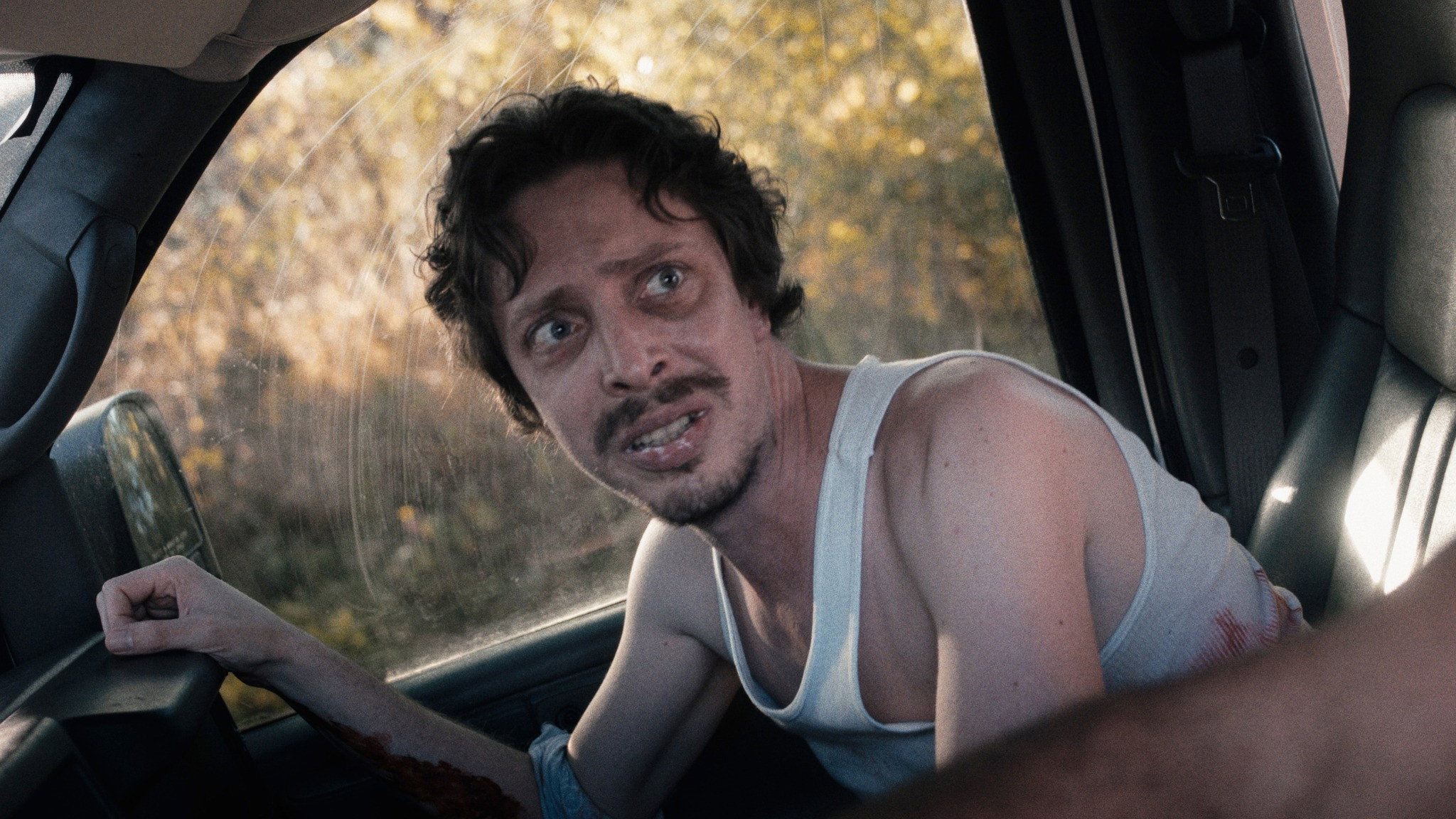
Don’t Die hits UK digital April 27 via Miracle Media. Benjamin Stark wrote and directed it. It played Panic Fest 2024 and spent the better part of two years making the quiet festival rounds, waiting for the right audience to find it. That audience is you.
What Happens
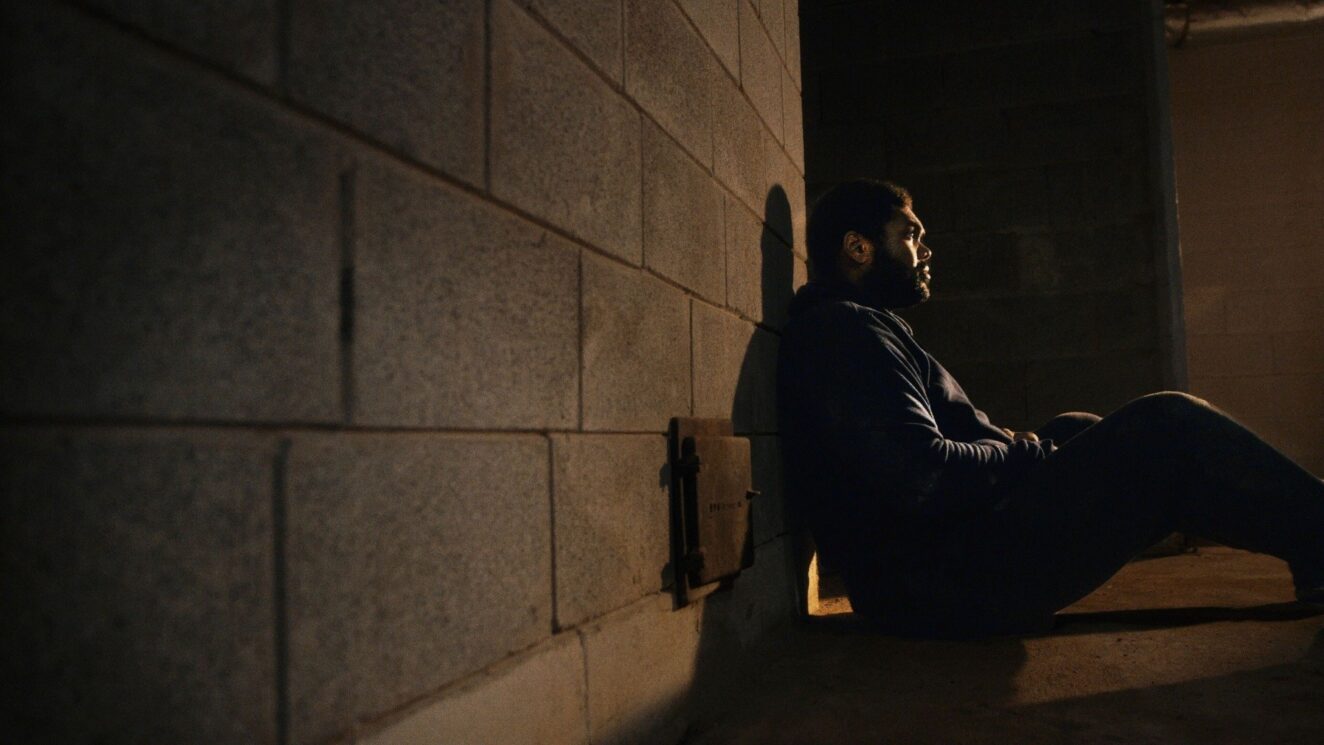
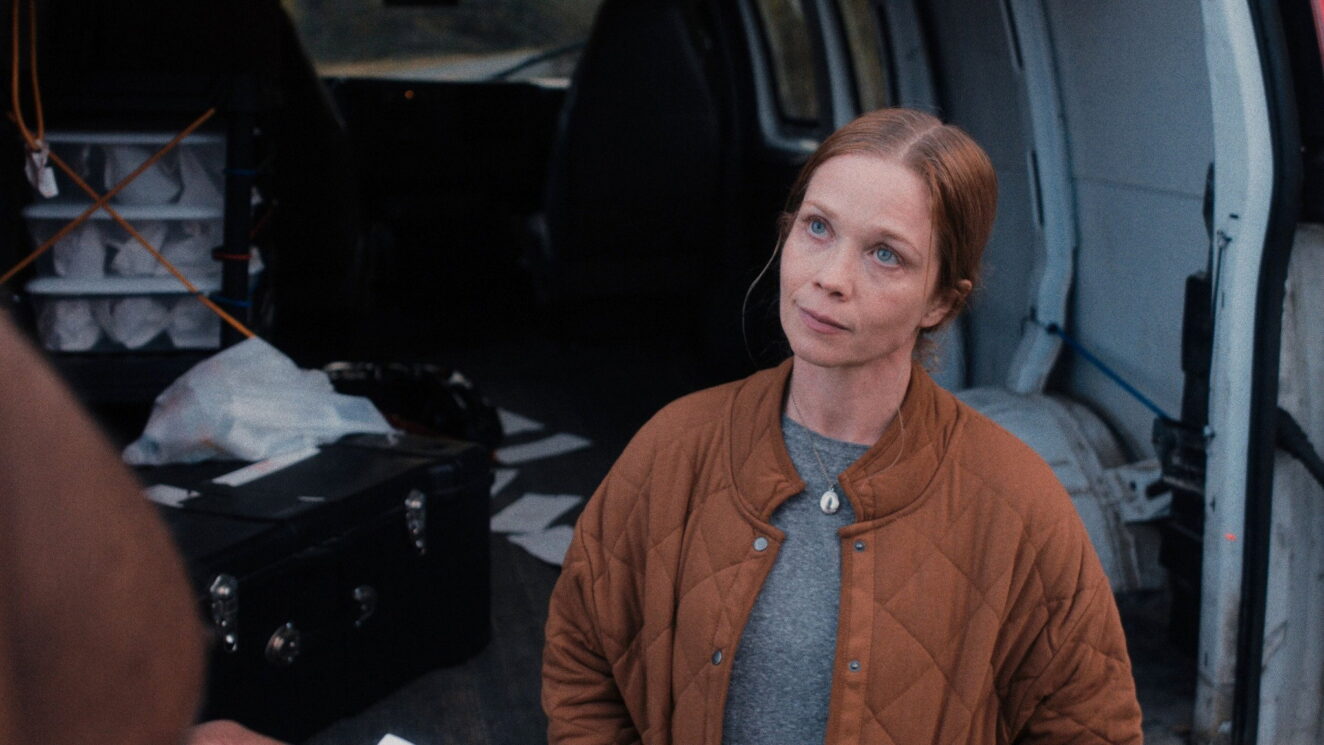
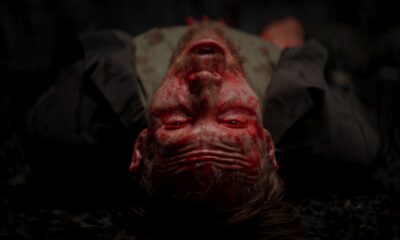
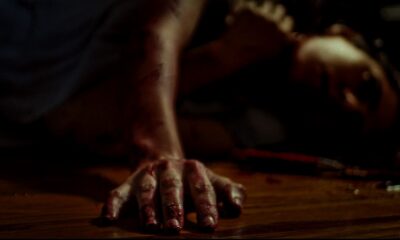
Jenks, played by Theodus Crane, needs medication he cannot afford. He breaks into a small-town pharmacy after hours. This was supposed to be clean. Nobody was supposed to be there. The pharmacist, Julia, played by Virginia Newcomb, was working late. She gets shot. Not knowing what else to do, Jenks takes her exactly where she tells him to take her.
This turns out to be a remote cabin run by a small collective quietly distributing medication to people who cannot access it through legal channels. The Robin Hood framing is warm, and the film offers it genuinely before slowly removing the warmth.
The Turn
The group running the cabin is not irrational. They believe what they are doing matters. They believe the math is simple. People need blood and organs, medication costs money, two strangers showed up and nobody outside knows where they are. Jenks figures out what that math adds up to about two minutes before the film shows it explicitly, and Crane plays the moment of comprehension exactly right. Quiet. Still. The kind of fear that does not move.
Stark earns the horror here because the people doing terrible things are not doing them out of cruelty. They have a system. They have a purpose. No villain monologue. No sadistic speech. They are calm and businesslike about it. That calm is what makes the third act work. Horror is rarely as effective as when the threat makes a kind of sense.
The Cast
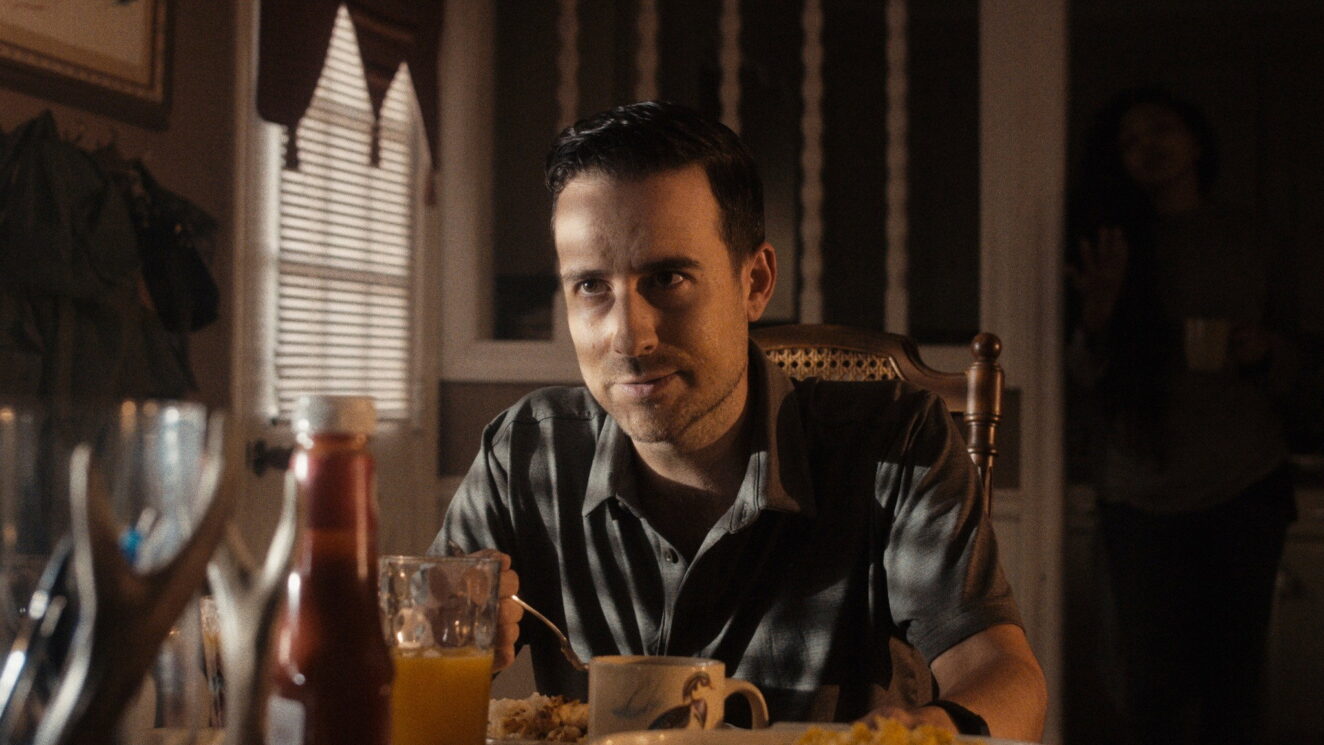
Crane carries it. He plays Jenks as a man who keeps choosing decency as the available options narrow, and that consistency is what makes the back half hit as hard as it does. The performance never reaches for sympathy. It does not need to.
Newcomb as Julia is the other weight-bearing wall. She has the harder job. Her character moves from victim to something more complicated without the script telegraphing the shift. She handles it without calling attention to the handling.
Joshua Burge rounds out the central trio as Randy, the friend who shows up when needed and clocks the situation faster than any reasonable person should. If you don’t have a Randy in your life, make sure to get one.
What It Is and Is Not
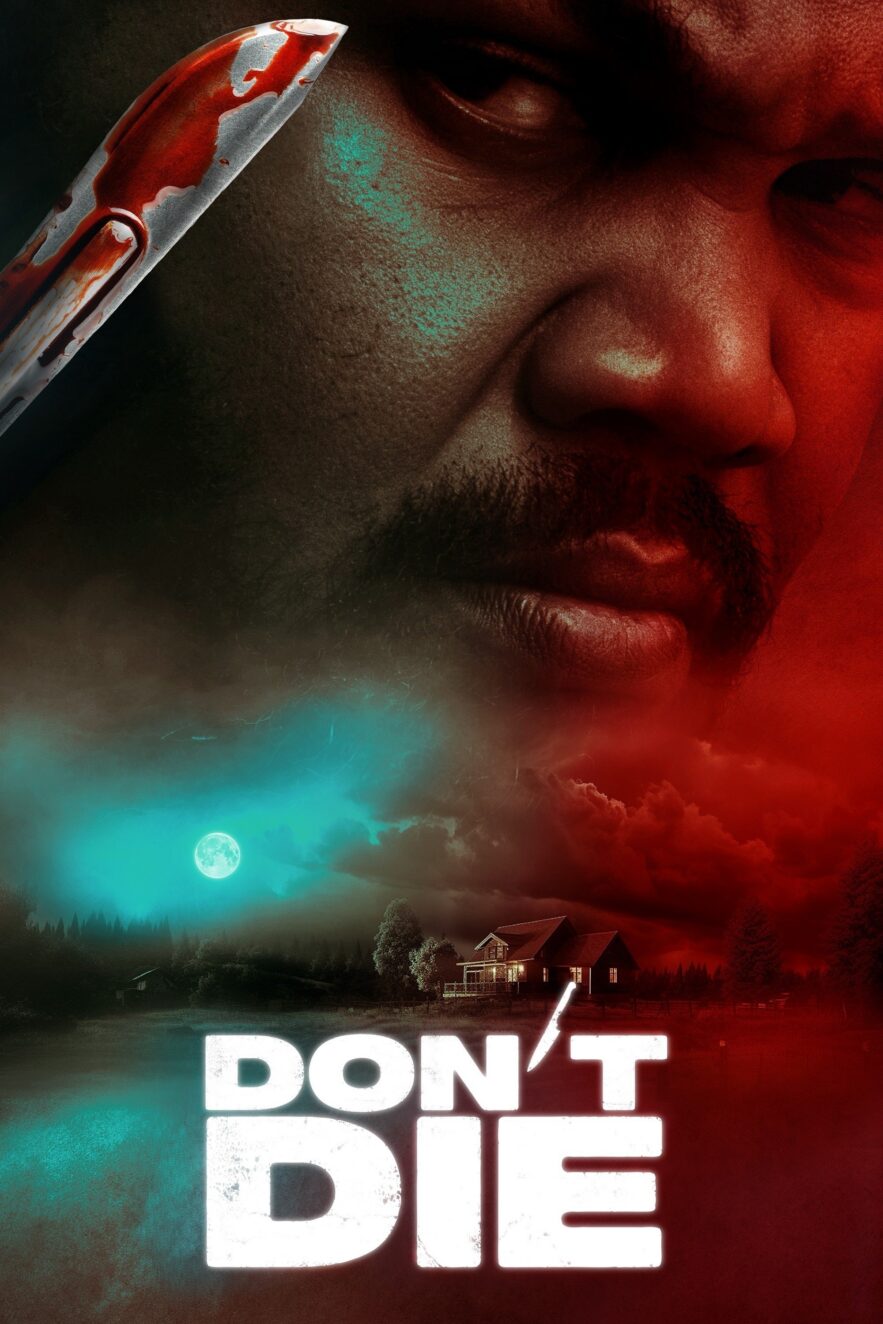
Don’t Die was marketed as horror. It earns the label by the end, but it arrives there through crime thriller territory, and the patience of the first two acts is deliberate and correct. The tension builds quietly. When the horror finally arrives it lands harder because of the time spent getting there.
The budget limitations are present and real. Small locations, a tight cast, minimal spectacle. Stark works within them rather than against them, and for the most part it does not show. The pacing stumbles in the back half, running about five minutes longer than it should in the wrong places. There are moments where the momentum stalls. Neither is fatal.
It does not have much to say about healthcare beyond using it as a mechanism for the plot. That is fine. Not every film needs a thesis. This one tells a good story, maintains tension across most of its runtime, delivers a few genuine scares, and knows exactly what it is. Most low-budget horror manages one of those things.
Don’t Die is on UK digital now. Good Friday night film.

Movie Reviews
Content Is Now on Digital. Watch It Twice.
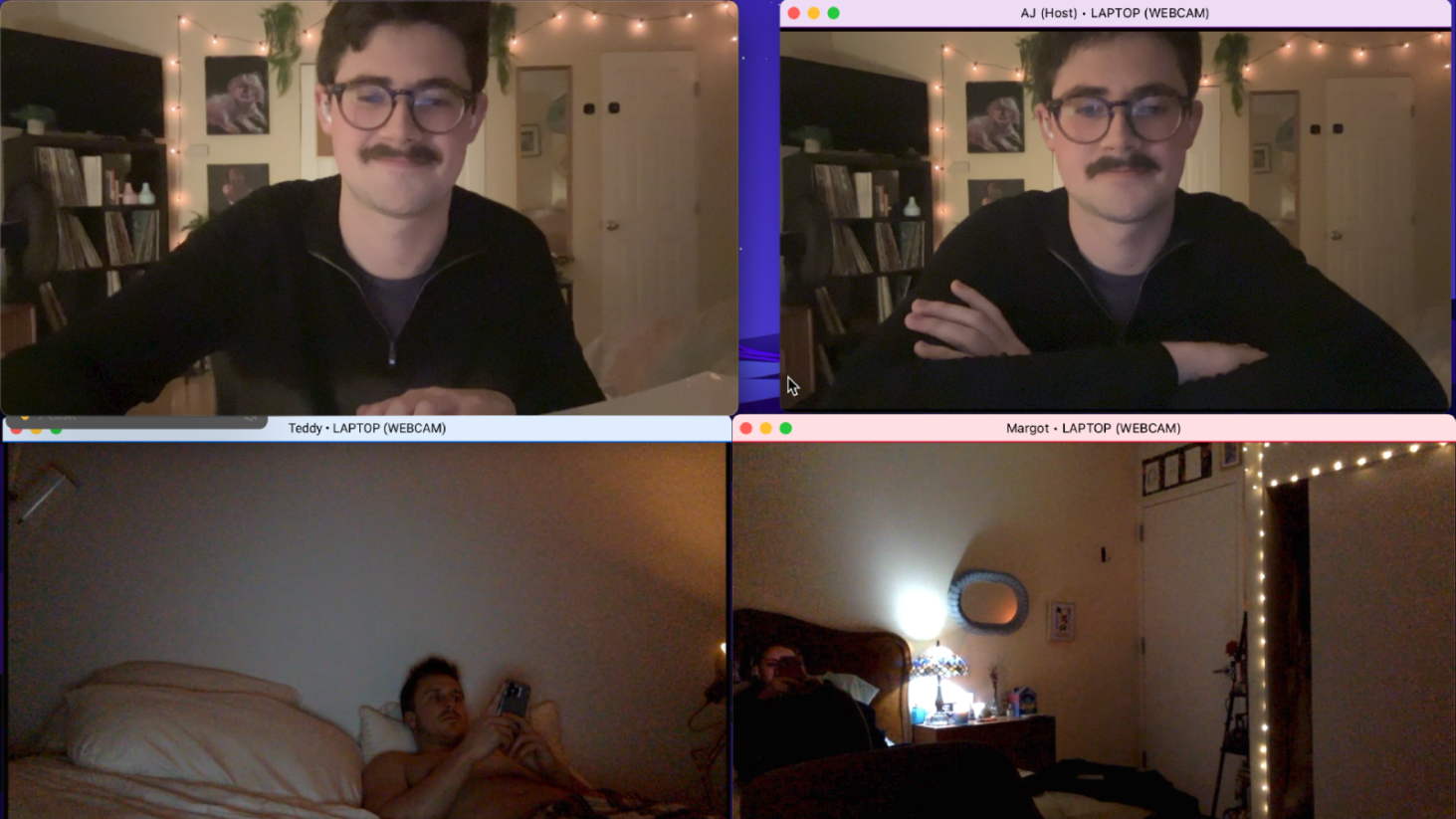
Content, Adam Meilech’s screenlife horror satire, arrives on UK digital April 27 via GrimmVision following a strong festival run that included Grimmfest 2025. The whole film plays out across phones and laptop screens. It opens on a sham. It ends somewhere you did not expect to go.
What It Is
The opening scene drops you inside Therapals, a fake online therapy platform where the therapists are just untrained people trying to earn a paycheck. The first patient our protagonist connects with has the energy of an angry Ryan Reynolds and, with complete calm, tells her he is thinking about killing his neighbor.
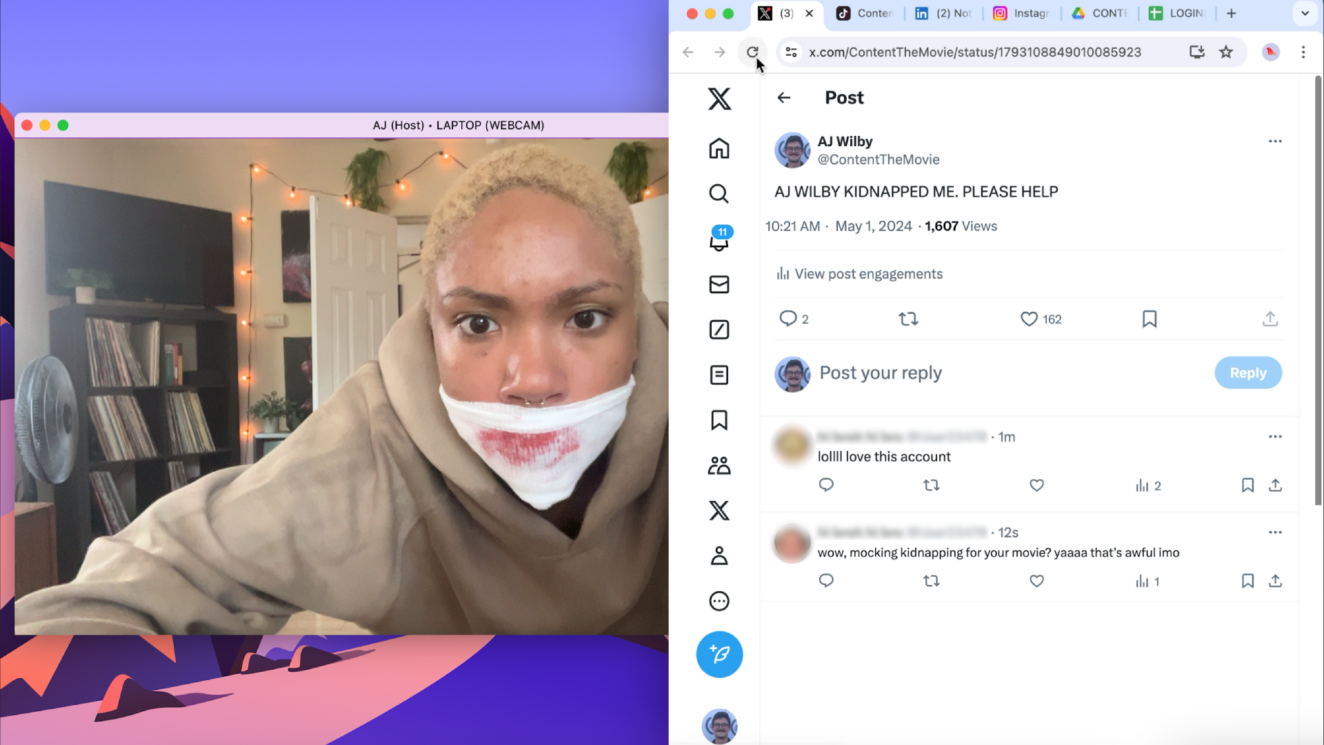
From there Meilech begins stacking story on top of story in a way that will either lose you or thrill you, and which one depends entirely on your tolerance for the extremely meta. At the center is AJ, played by Meilech himself: actor, writer, director, stalker, kidnapper, psychopath.
While there is a clear line to be drawn from Content and Milk & Serial, Meilech provides a wonderful villain. His polite swagger and genuine enthusiasm make one of the most powerfuly wicked online personas I have seen in a while.
The Cast and the Method
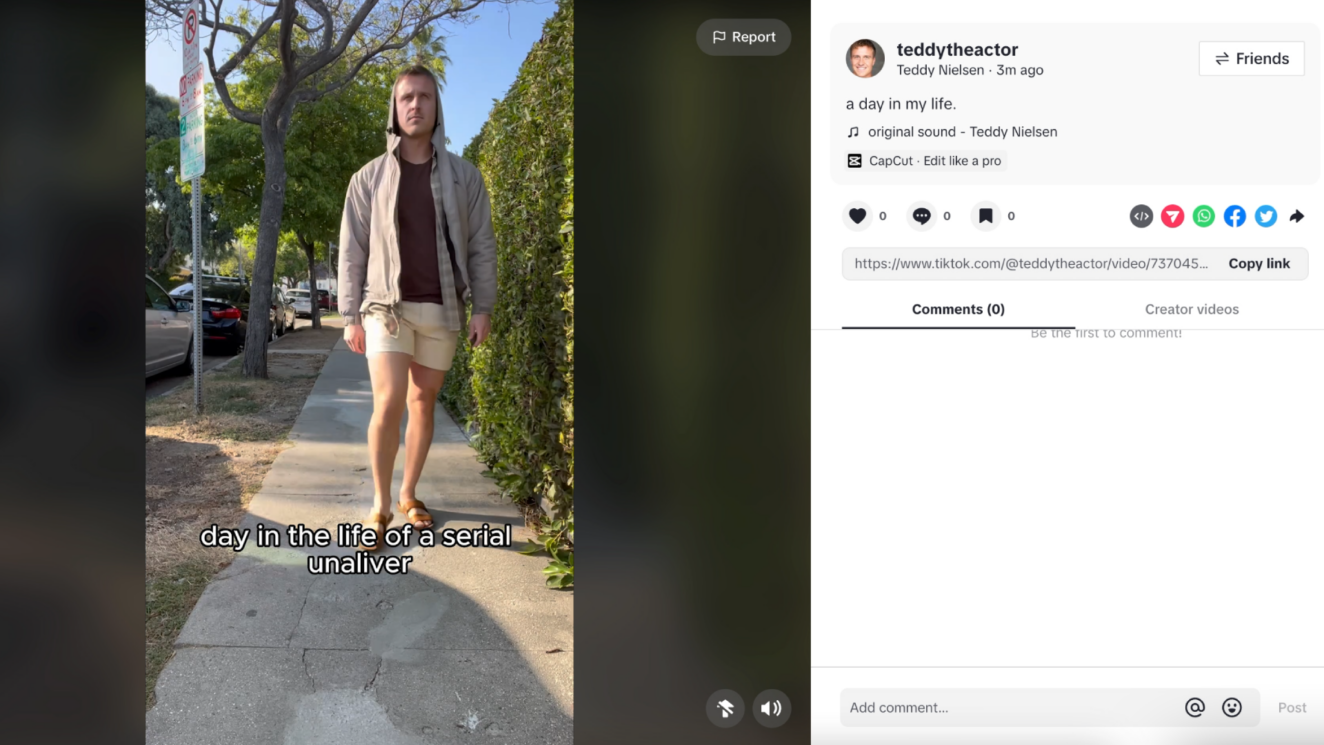
The cast is Megan Boehmcke, Alex Mills, and Vaune Suitt alongside Meilech, operating under conditions that range from unpleasant to genuinely alarming. AJ records himself playing therapist to himself and plays the recordings back. He pays a stranger to pose as a mentor figure for his male actor, who believes he is in on a bit the whole time. He performs takes over and over in the Kubrick tradition until he gets what he wants. Eventually he just moves his lead into his apartment.
To get a real reaction during a shoot, he shows up and actually hits the actor. The poor actor, still in the scene, asks if they can reshoot. This dude is so desperate for a part, he is willing to show he can make his pain more entertaining.
Where It Sits
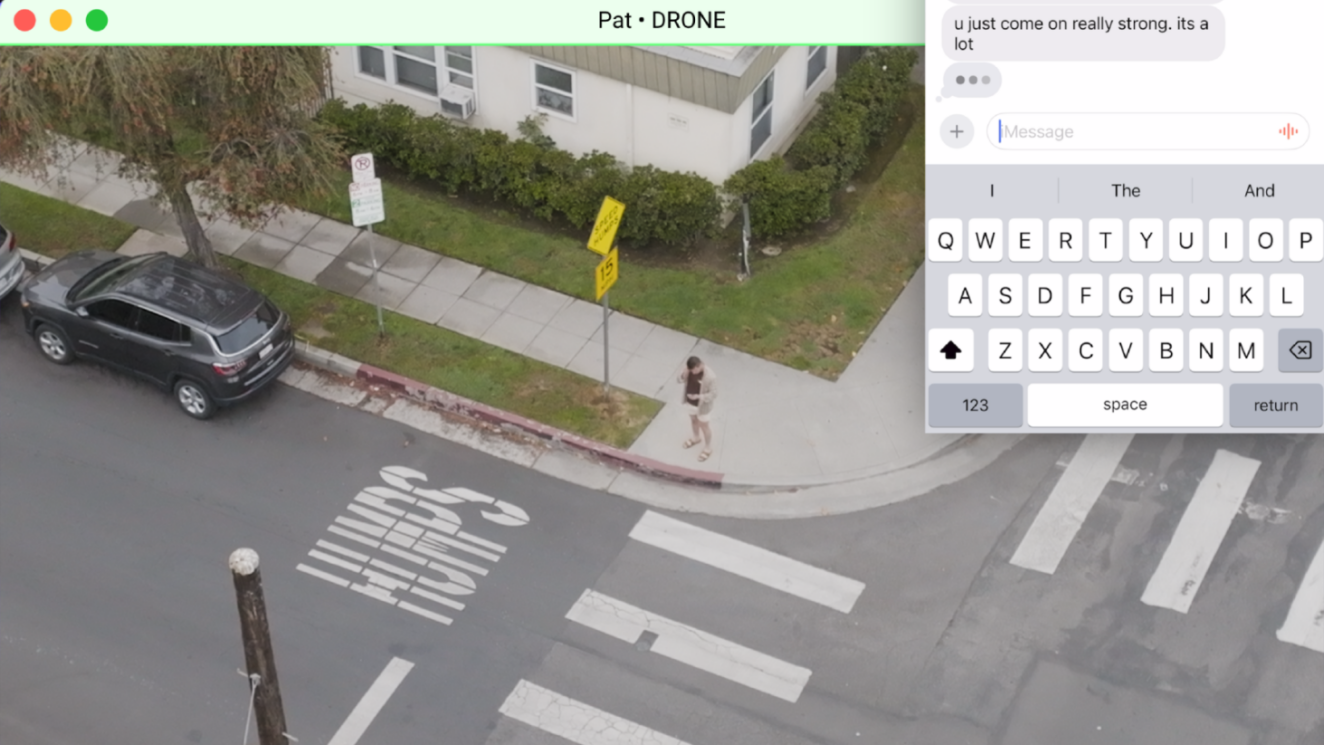
The several story arcs running at once can be genuinely hard to follow and Content is not interested in making things easier. That is a feature, not a flaw. The bad guy is normal looking. He lives in a shared apartment. He does not signal his intentions in any way that would help you see it coming. There is real secondhand cringe to watching private moments captured without the subjects knowing, which is the film’s most effective trick, and Meilech commits to it completely.
It lands somewhere between Milk and Serial and Creep in the first half, and ends up closer to Funny Games meets Better Watch Out by the final act. That is an unusual place to land. It is also exactly the right one. Content is available now on UK digital via GrimmVision.
Movie Reviews
‘And Her Body Was Never Found’ Takes Found Footage Somewhere New
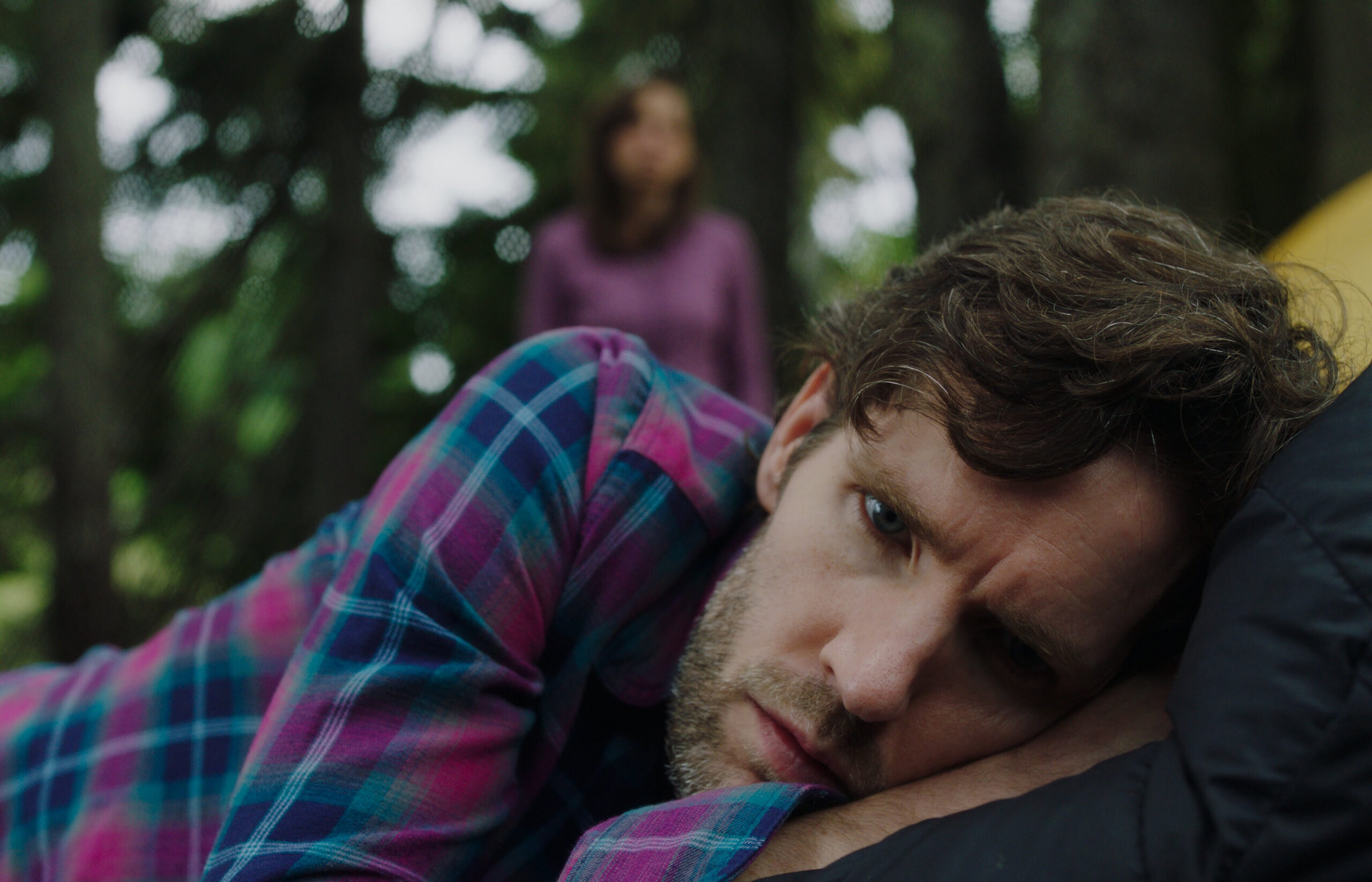
Mor Cohen and Polaris Banks made a film about their real relationship. It opens the way you might expect a film about a real relationship to open, which is to say: uncomfortably.
The film opens on a man masturbating onto his wife’s chest while the two of them sit in a river. This is not a metaphor. Or rather, it is very much a metaphor, but it is also literally happening on screen. He keeps asking her to take her yop off. She doesn’t want to. He keeps asking anyway, because that is what this man does with every limit he runs into, he treats it as a negotiation he is already winning.
This is how And Her Body Was Never Found introduces itself at SXSW 2026. Buckle up.
Two Bodies in the Frame
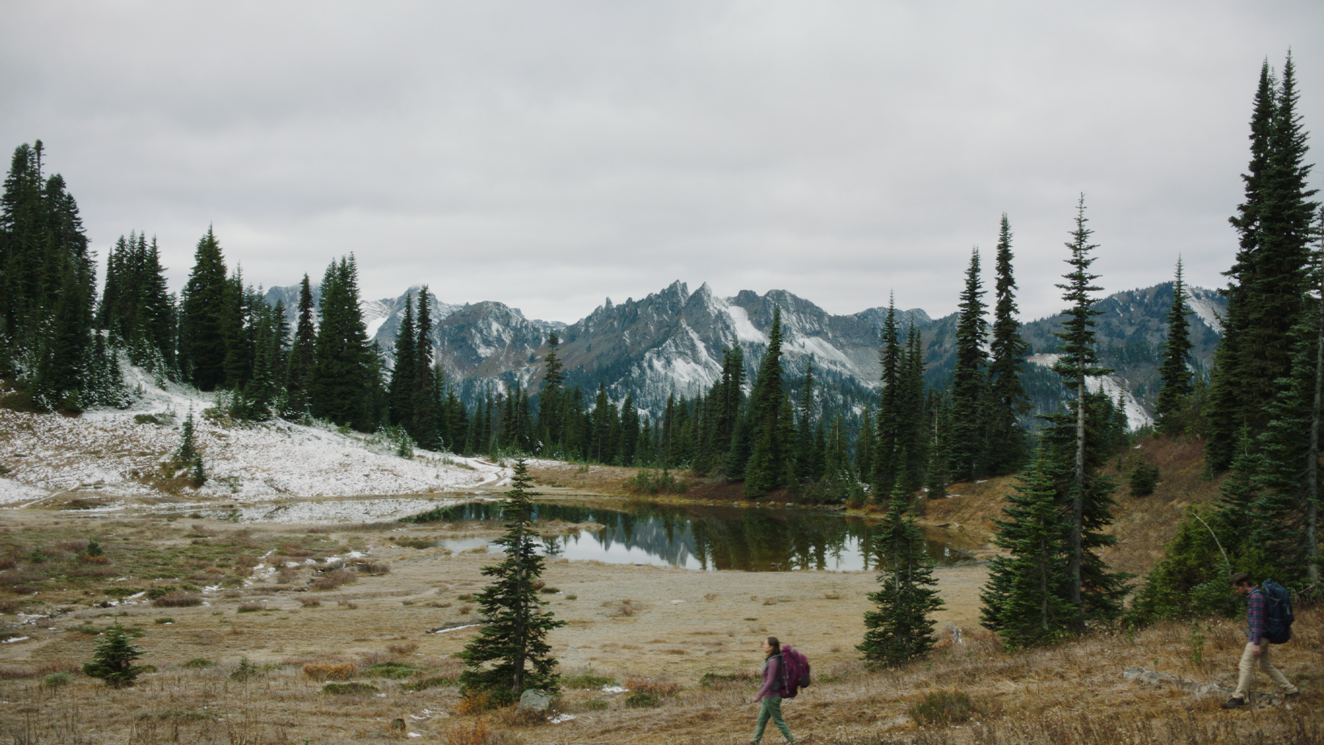
After the river, the cinematography immediately tells you where you stand. We see the back of her head in close-up, frame-filling, a wall of hair and refusal. He is in the far distance behind her, trying to to keep up. She is not waiting. You read the entire relationship before anyone opens their mouth again.
When they do sit down, she offers him a sandwich. It is a peace offering. It is an olive branch. In the context of this relationship, it is a mistake, because he immediately uses the olive branch to restart the argument. If you have ever loved someone profoundly frustrating, this scene will reach through the screen and grab you by the collar in the most empathetic possible way.
The fight spirals the way real fights spiral, not toward a point but away from one. Semantics get weaponized. He gaslights. The argument rolls over everything except the actual subject. She gets to the point where she raises a stick, and honestly, given the last forty-eight hours, a jury of her peers would understand completely. At the campsite that evening, she tells him she is done. The marriage is over.
The next morning, he says everything right. Every single thing. The full lovebombing playbook: the apology that sounds like he finally gets it, the warmth that feels real, the version of him she fell for showing up right on schedule. Anyone who has ever stood at that crossroads recognizes this moment in their bones. The film does not editorialize. It just watches.
The Cliff Scene
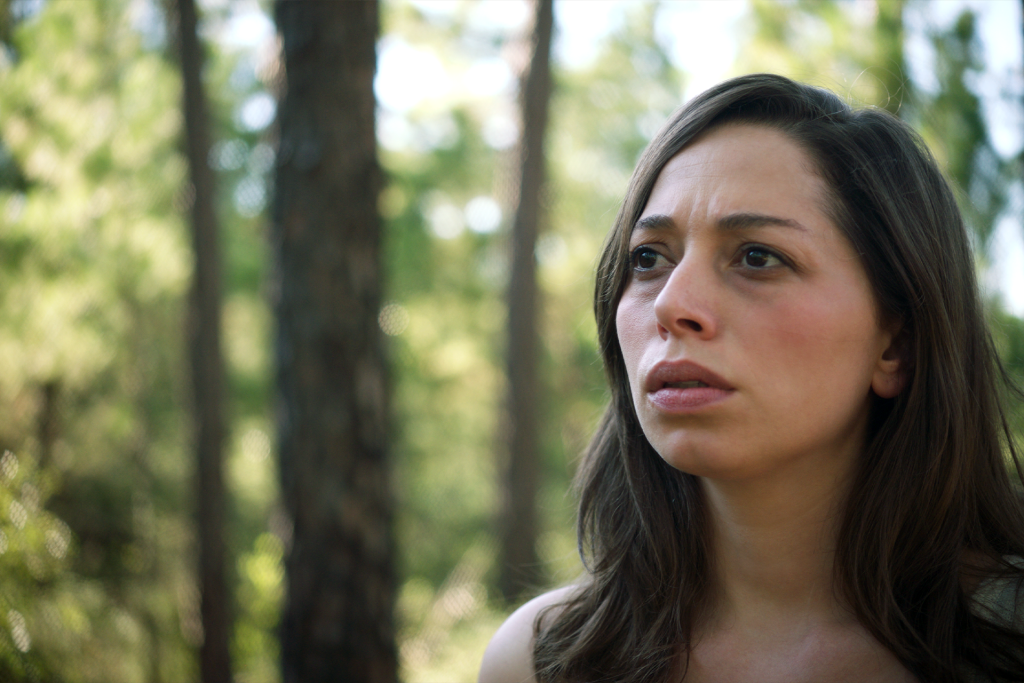
The film’s pivot arrives at a cliff overlook, with something that sounds unmistakably like Wizard of Oz music underneath it. She stands away from the cliff edge, keeping her distance from him. The film makes it clear she is briefly considering how easy it would be to resolve this situation unilaterally. He guilts her onto the ledge through emotional blackmail dressed as a trust exercise.
And then he pushes her.
This is where And Her Body Was Never Found breaks itself open. The take ends. The characters step out. Mor and Polaris are no longer their characters. They are Mor and Polaris, and he is furious about where his hand landed, and she is shaken in a way that does not feel scripted, because it is not scripted, because this part is not the movie anymore. She refuses to continue the scene.
The fourth wall does not just come down here. It gets dismantled and examined.
Blair Witch Country
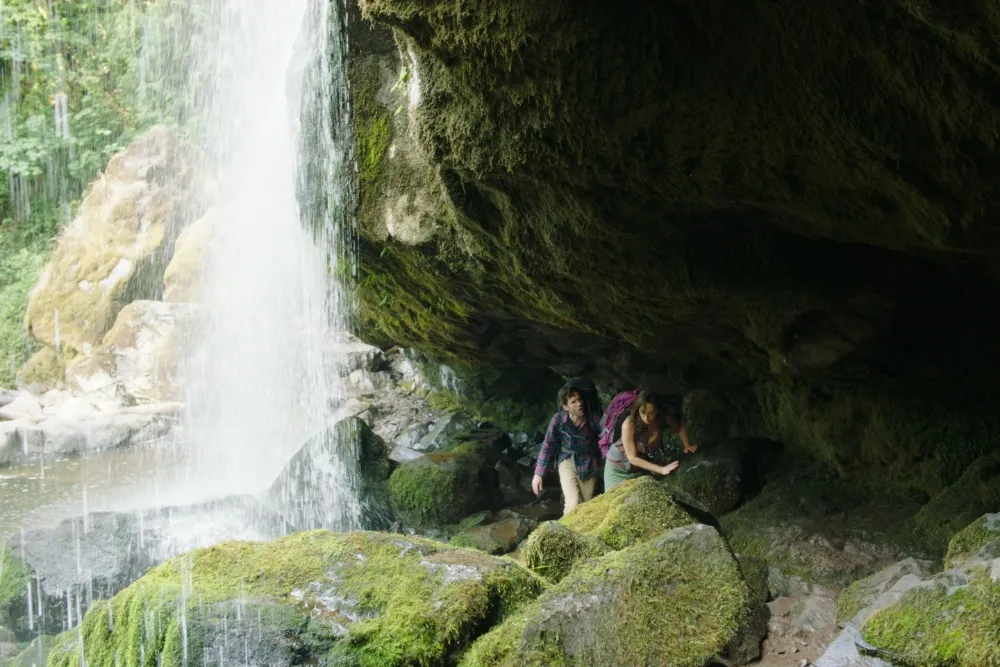
A cut to night. She is in her tent, filming herself on her phone in vertical format. The frame is narrow and confining. The dark outside is absolute. She says out loud that it would be easy to kill her out here and get rid of the body. Nobody would know.
The Blair Witch Project comparison is not subtle and does not need to be. It is being invoked consciously, as a reference point for what it feels like when the camera becomes the only witness. The found footage mode here is not an aesthetic choice so much as evidence collection, and the film is smart about what that implies.
The film’s formal announcement that it is a meta project, two filmmakers making something about their own fights, arrives here. It reconfigures everything that preceded it without invalidating any of it.
Hat on a Hat on a Hat
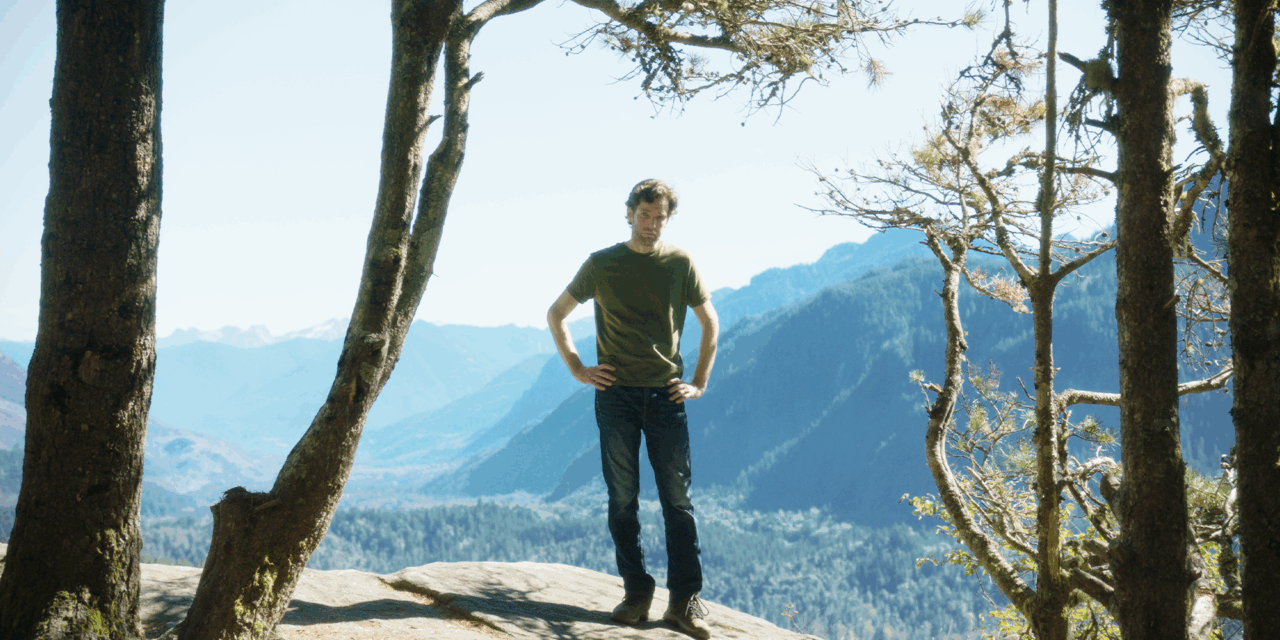
This is also where the film begins to strain, just slightly. And Her Body Was Never Found has already broken the fourth wall once, then reconstructed it, then broken it again. Characters comment on the layers. The commentary becomes its own layer.
The film ends somewhere past the point where you can usefully track what is cinema and what is meta and what is real. That disorientation is partly the point. It is also, at a certain moment past the film’s last clean beat, a miscalculation. The movie keeps going after it has already landed.
What Banks and Cohen Got Right
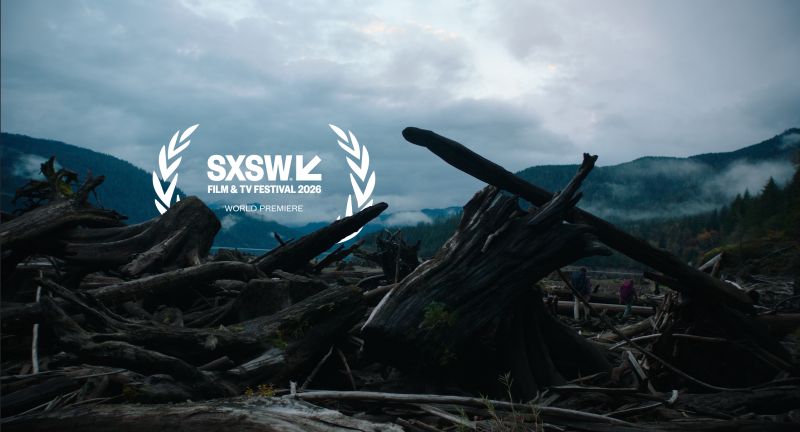
A lot, is the answer. The performance dynamics are precise in a way that indie horror rarely achieves. The cinematography is working on multiple levels simultaneously. The abuse arc is drawn with enough specificity to feel observed rather than constructed, which is not a small thing when both filmmakers are also the subjects.
Polaris Banks and Mor Cohen are making something genuinely new here. Other critics at SXSW noted how cleverly written the film is. That is true. It is also, in places, too clever for its own good, and the film never entirely resolves the tension between those two facts. The overreach at the end does not undo what precedes it. It just means the thing that is most impressive about this project, the willingness to keep pushing the structure past the point of comfort, is also the thing that gets it into trouble in the final ten minutes.
At seventy-five minutes, it is still a tight film that keeps the tension high and earns most of its ambition. The structural risks it takes are real risks, not aesthetic posturing. And the film it is in conversation with, the long tradition of found footage as emotional exposure, is richer for having this in it.
Movie Reviews
The Serpent’s Skin Is Everything We’ve Been Asking Queer Horror For

We need to talk about Alexandra McVicker.
I came into The Serpent’s Skin ready to watch Alice Maio Mackay do her thing. And she does, we’ll get there. But McVicker as Anna stopped me cold within the first ten minutes and didn’t let go. She’s playing timid in a way I haven’t seen done right in a long time. There’s this quality to her where you can feel how carefully she’s holding herself, like she’s protecting something she knows is fragile but real, and every time the camera goes in close you catch it. Mackay leans into those close-ups hard, Obsession-style. The kind of framing where a face becomes its own landscape, and McVicker rewards it every single time. The hope sitting underneath all that timidity is quiet enough that you might miss it if you’re not paying attention. Don’t miss it. It’s the whole movie.
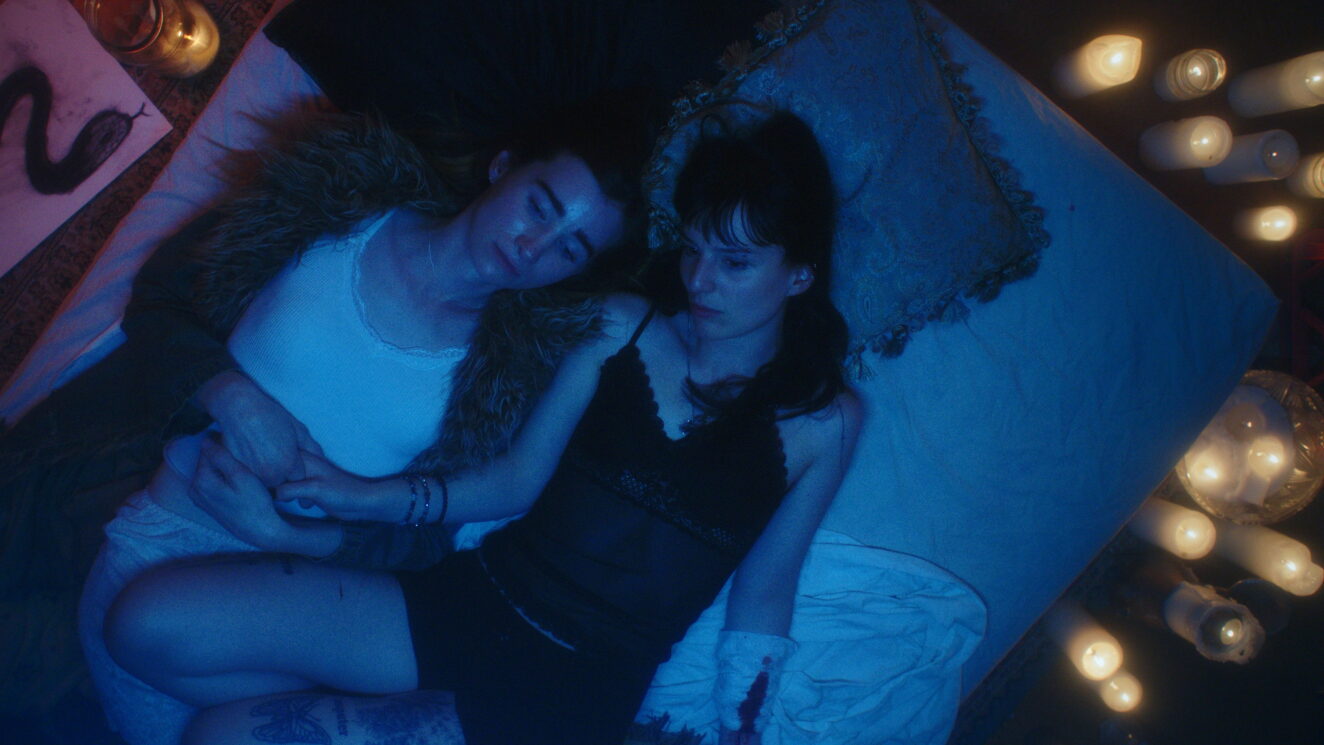
Okay. Mackay. Six features, twenty-one years old, and The Serpent’s Skin is where she lands on the version of herself she’s been moving toward since So Vam. The trans experience isn’t the plot here so much as it’s the weather. It’s in how Anna walks into rooms, in what she’s leaving behind before we even meet her, in what the stakes actually are when the supernatural stuff kicks in. You don’t get a monologue explaining any of it. If you live inside it, you’ll feel the whole shape. If you don’t, you’ll still have a good time, which is the harder trick and the one she pulls off. Her trajectory across these films has been toward exactly this. Trans characters moved from background to center, and now center to core. The Serpent’s Skin is where that project feels complete.
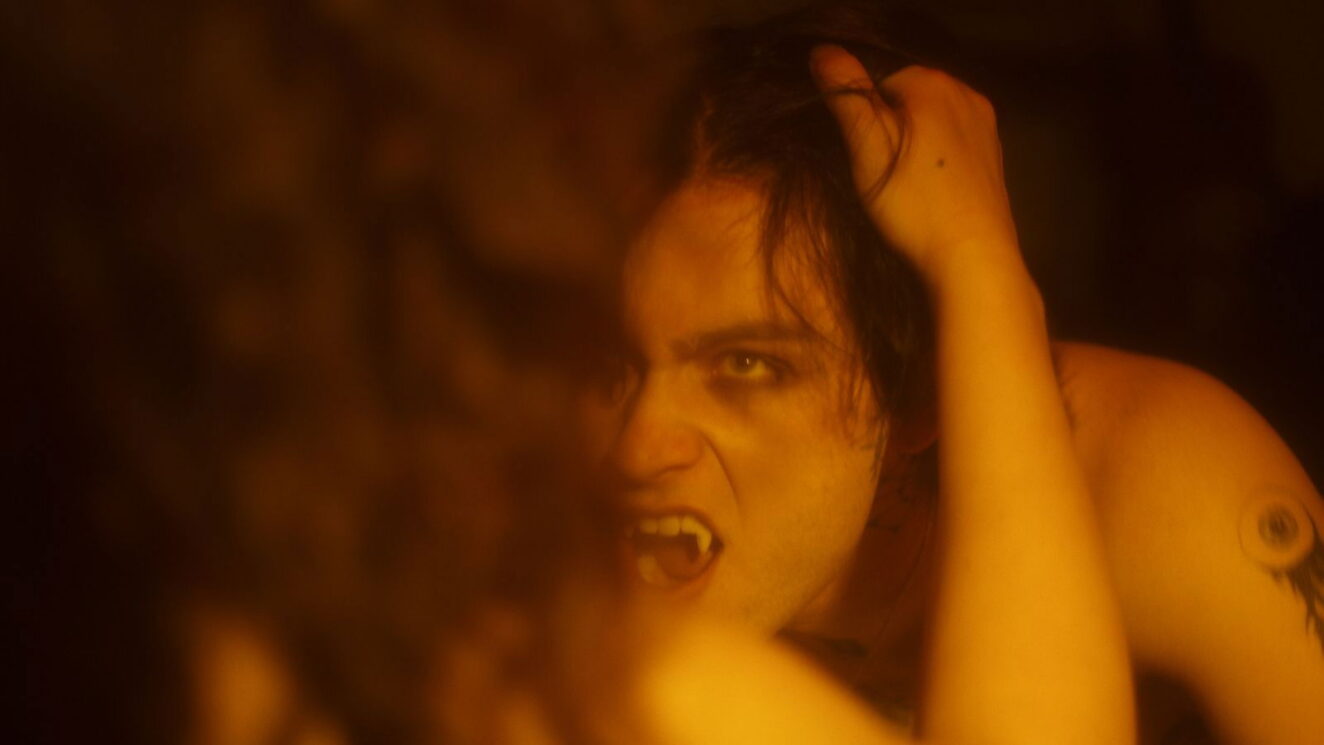
There’s a scene with Danny, where he hits on Anna, and the sexual tension in that scene seeps through the screen in a way that I was not expecting from a Tuesday afternoon screener. The chemistry is real, and it’s uncomfortable, and it’s good. And then Danny transforms, and the makeup team gave him something right out of the Buffyverse practical effects playbook. That same textured ridge work, monsters that feel like they share actual air with the people they’re threatening. The whole sequence recontextualizes everything that came before it. It’s a good piece of filmmaking. The setup earns the scare.
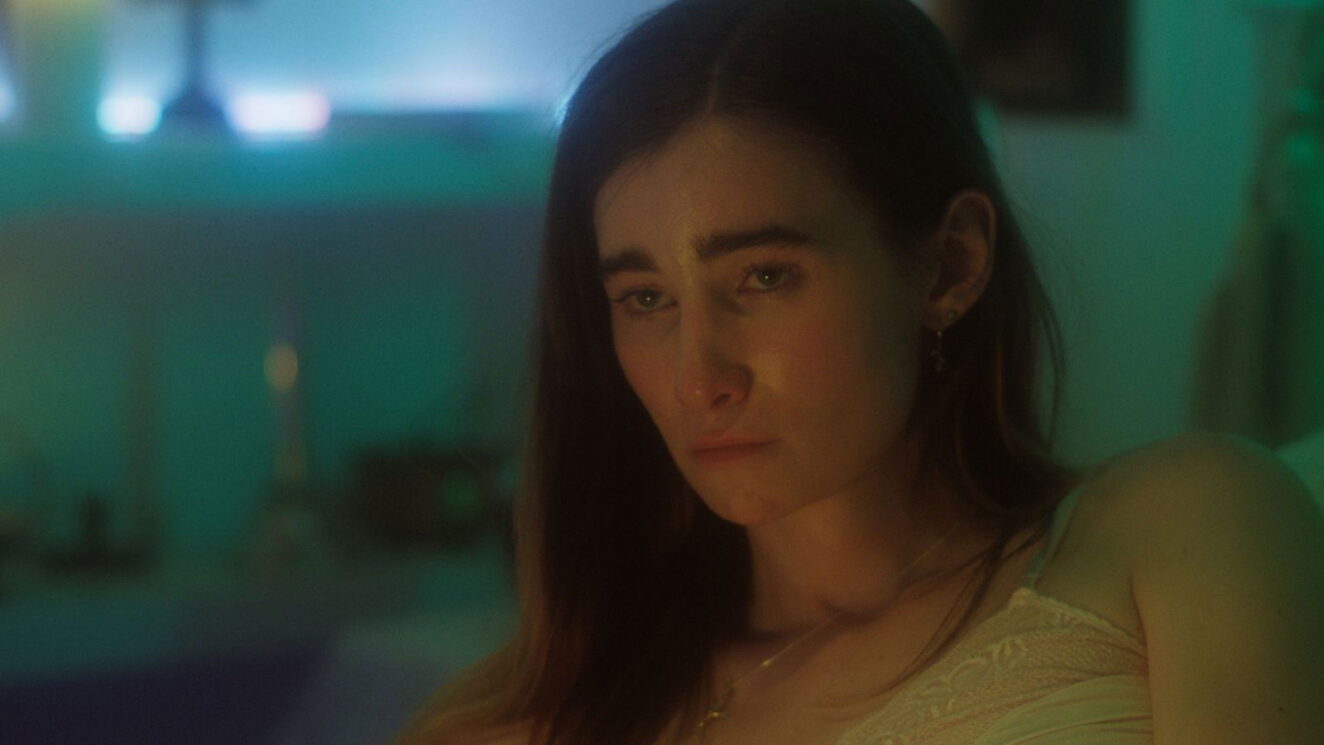
One note, offered with love: there is an intimate scene where someone spits on their hand. I understand the intention. A woman this competent in every other area of her life would carry lube. She should carry lube. This is my only complaint about The Serpent’s Skin and I recognize how good that is.
The whole visual world is neon-soaked in a way that feels deliberate at every level rather than just aesthetic. Every color is a reference or a warning. The festival circuit noticed. They were right.
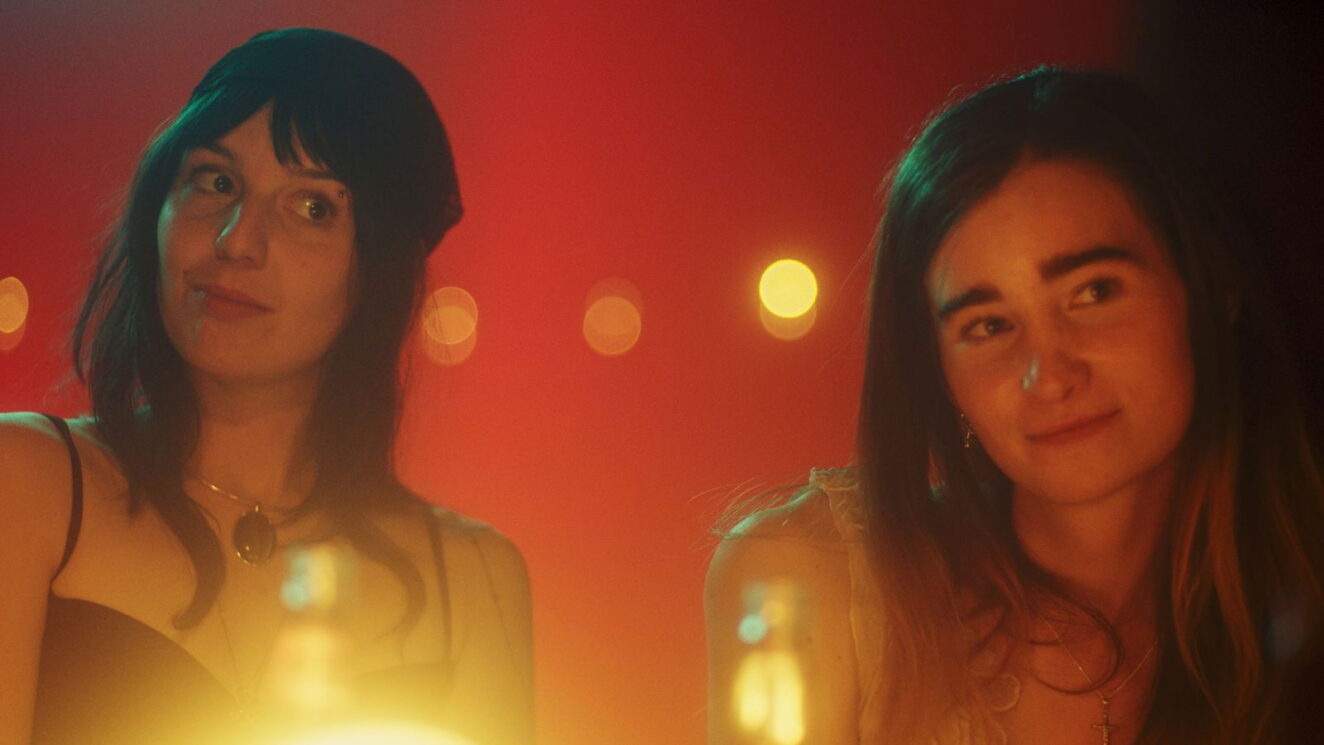
Here’s what I can’t stop thinking about, though. The Serpent’s Skin is a very good movie that is also, structurally, a pilot. The mythology has room in it. Anna and Gen and the world they’re building has room in it. I want eight seasons of twenty-two episodes. I want monster of the week. I want to watch this relationship grow across years in the same way we got to watch the Winchesters figure their lives out, except this time nobody’s queerness is subtext, nobody’s trans identity is a twist, and the story belongs to them from the start. Give us that show. Someone give us that show now.
But until then we have this, and this is worth your time and your money and the drive to wherever it’s playing near you. Horror has been asking for a film that centers queer women without making the queerness the tragedy, that uses the supernatural as something other than a metaphor for shame, that trusts its audience enough to just tell the story and let us feel it. The Serpent’s Skin is that film. Alice Maio Mackay made it at twenty-one. We should probably all be embarrassed about that, in the best possible way.
Where to see it:
Now playing New York, NY — March 27 | Los Angeles, CA — April 3
Upcoming screenings
- 4/10, 4/11 — Denver, CO — Sie FilmCenter
- 4/11 — Boston, MA — Alamo Drafthouse Cinema Boston Seaport
- 4/11 — Chicago, IL — Alamo Drafthouse Cinema Wrigleyville
- 4/11 — Dallas, TX — Alamo Drafthouse Cinema Cedars
- 4/11 — Denton, TX — Alamo Drafthouse Cinema Denton
- 4/11 — New York, NY — Alamo Drafthouse Cinema Lower Manhattan
- 4/11 — Yonkers, NY — Alamo Drafthouse Cinema Yonkers
- 4/11 — Raleigh, NC — Alamo Drafthouse Cinema Raleigh
- 4/11 — San Antonio, TX — Alamo Drafthouse Cinema Park North
- 4/11 — San Francisco, CA — Alamo Drafthouse Cinema New Mission
- 4/11 — Santa Clara, CA — Alamo Drafthouse Cinema Valley Fair
- 4/11 — Woodbury, MN — Alamo Drafthouse Cinema Woodbury
- 4/11 — Naples, FL — Alamo Drafthouse Cinema Naples
- 4/11, 4/13 — Denver, CO — Alamo Drafthouse Cinema Sloans Lake
- 4/11, 4/14 — Austin, TX — Alamo Drafthouse South Lamar
- 4/25 — Sacramento, CA — The Dreamland Cinema
- 5/14 — Sebastopol, CA — Rialto Cinema
- 6/8 — Portland, OR — Clinton Street Theater


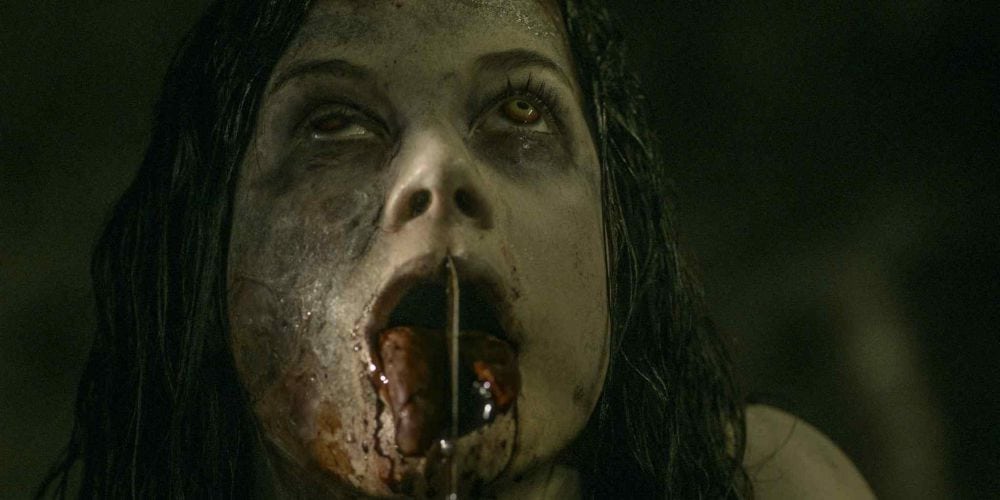
The Evil Dead Burn Trailer Is Here and It Is Everything

This Week in Horror: CinemaCon Delivered, Nicolas Cage Is Coming Back, and Someone Let Ti West Near a Christmas Story

The Evil Dead Universe Now Includes a Mummy Film

“It’s My Era. I’m a Rockstar Now.” The Official ‘The Vampire Lestat’ Trailer Is Here

10 Horror, Thriller, and True Crime Series to Watch This Spring

The Practical Magic 2 Teaser Trailer Is Finally Here

The HUNGRY Red Band Trailer Is Here and We Need to Stop Laughing at the Hippo

Samara Weaving and Kyle Gallner Star in Romantic Crime Thriller ‘Carolina Caroline’ [Trailer]

This Week in Horror: DC Goes Full Body Horror, A24 Has Its Chainsaw Man, and The Bone Temple Is Finally Yours

‘Behind The Mask’ is a Love Letter to Slashers

ShoStak Opens the Door for Filmmakers to Build and Own Their Stories

‘Don’t Die’ Is a Good Friday Night Horror Film And That Is Enough.

Content Is Now on Digital. Watch It Twice.

[Exclusive Clip] ‘From the Beyond: High Strangeness in the Bennington Triangle’

‘Behind the Mask’: Nathan Baesel Exclusive Interview!

‘The Vampire Lestat’ Trailer: What “Dancing With Myself” Reveals About Lestat
This Week in Horror: DC Goes Full Body Horror, A24 Has Its Chainsaw Man, and The Bone Temple Is Finally Yours

The Vampire Lestat Releases Cover of Billy Idol’s “Dancing With Myself”

Astrolatry Built a Ten-Foot Practical Penis Scorpion
Samara Weaving and Kyle Gallner Star in Romantic Crime Thriller ‘Carolina Caroline’ [Trailer]
ShoStak Opens the Door for Filmmakers to Build and Own Their Stories

The Clayface Teaser Just Made October Feel Very Far Away
-
News6 days ago
The Evil Dead Burn Trailer Is Here and It Is Everything
-
 News6 days ago
The Evil Dead Universe Now Includes a Mummy Film
-
 Trailers5 days ago
“It’s My Era. I’m a Rockstar Now.” The Official ‘The Vampire Lestat’ Trailer Is Here
-
 News7 days ago
The Practical Magic 2 Teaser Trailer Is Finally Here
-
 Trailers4 days ago
Samara Weaving and Kyle Gallner Star in Romantic Crime Thriller ‘Carolina Caroline’ [Trailer]
-
 News3 days ago
This Week in Horror: DC Goes Full Body Horror, A24 Has Its Chainsaw Man, and The Bone Temple Is Finally Yours
-
 News4 days ago
ShoStak Opens the Door for Filmmakers to Build and Own Their Stories
-
 News5 days ago
‘Behind the Mask 2’ Slays Kickstarter
You must be logged in to post a comment Login