News
ITCH Is the Outbreak Film That Actually Gets Under Your Skin
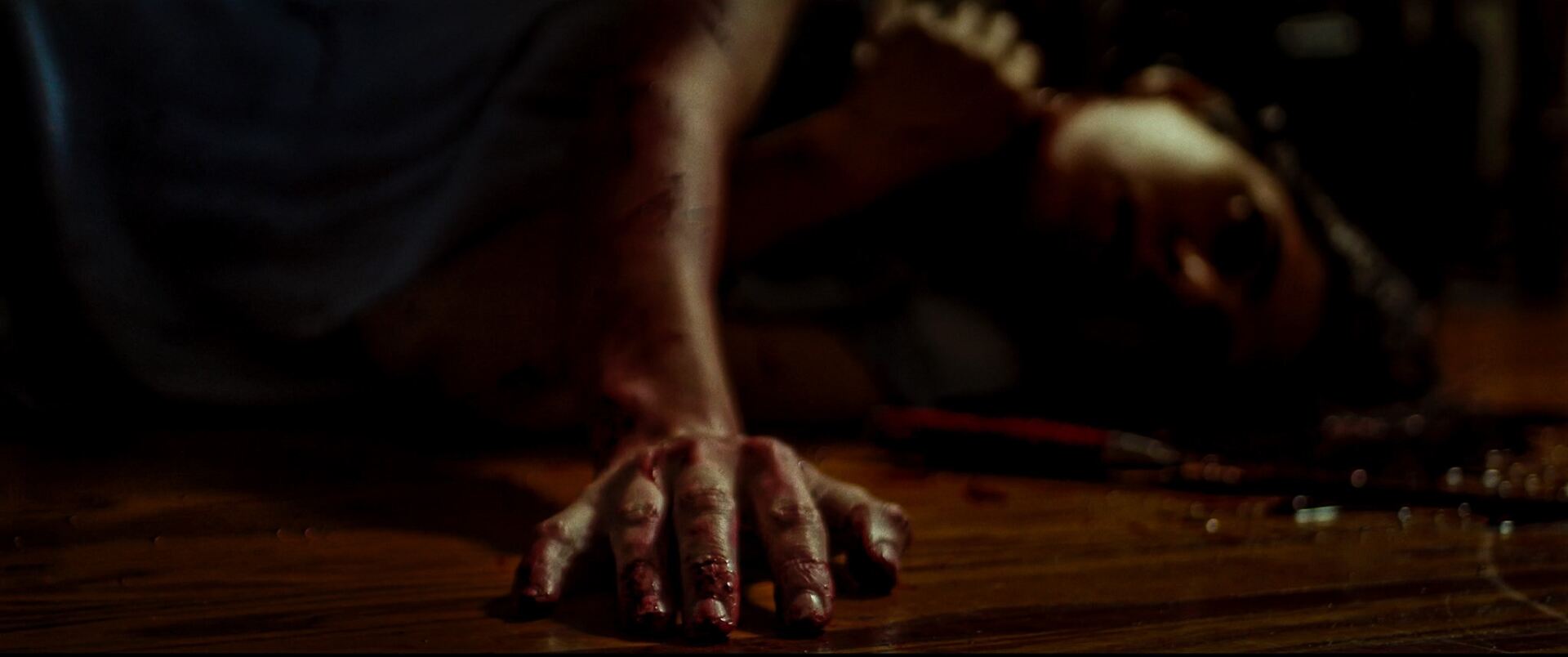
No one would blame you for looking at ITCH and filing it under zombie film. Because it is. The outbreak spreads person to person. People stop being people. The world ends a little bit. You know how it goes.
What Bari Kang actually made is something with a different mechanism at its center. The contagion does not spread through biting. It spreads through scratching. You scratch yourself. This makes you sick while it is happening. You scratch because someone near you scratched and something in your brain said that looks right.
I talked to Kang about it. Turns out it was not a deliberate subversion. “It was never meant to be a zombie film,” he told me. “That happened along the way.” The idea came during COVID. He watched someone scratching in a store and could not stop thinking about it. “What if that’s how something spreads?” He started writing from there and somewhere in the process the zombies arrived. “All of a sudden I had these zombies running around.” He went that route without going that route.
Why the Scratch Works
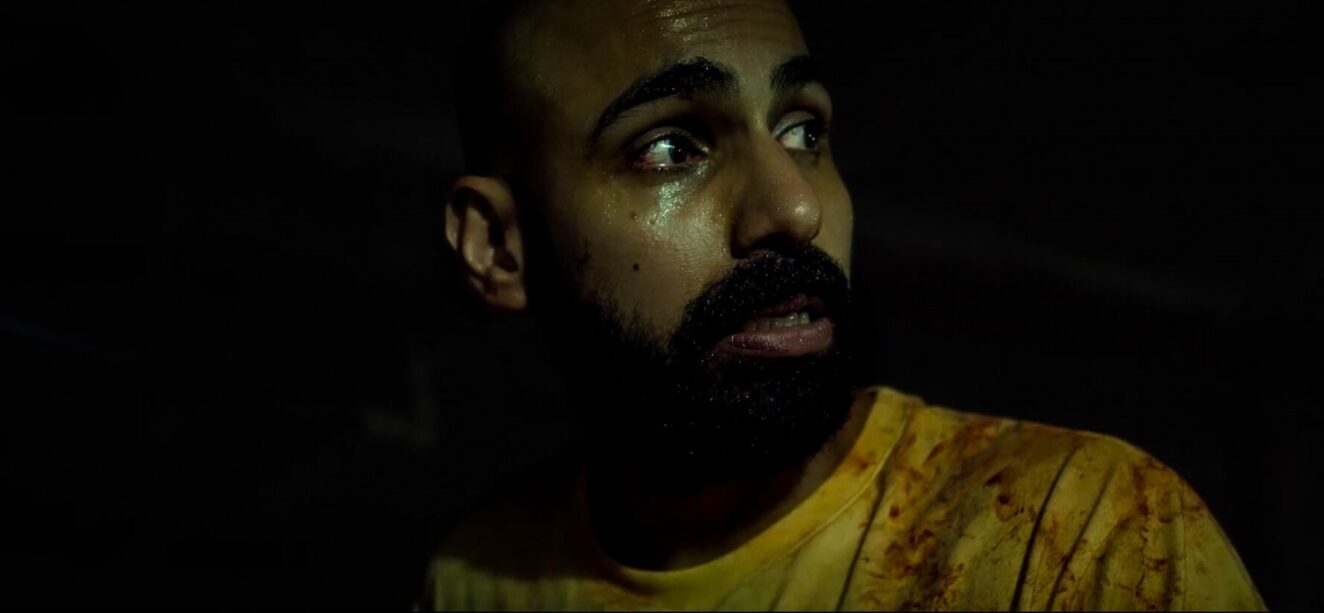
We all get how zombies work. They bite, someone hides their bite, sometime later everyone is dead. Kang’s instinct was that the scratch would do something different. “It’s really visceral and contagious,” he said. “I figured if I could lean into that, that might work well.” He was right.
There is something about watching someone scratch that is harder to look away from than watching someone get bitten. You feel it on your own skin. The sympathy itch is real and ITCH knows it and uses it without being cute about it. That is craft. For a film Kang wrote, directed, produced, and starred in himself, that is not a small thing.
Who Is Bari Kang
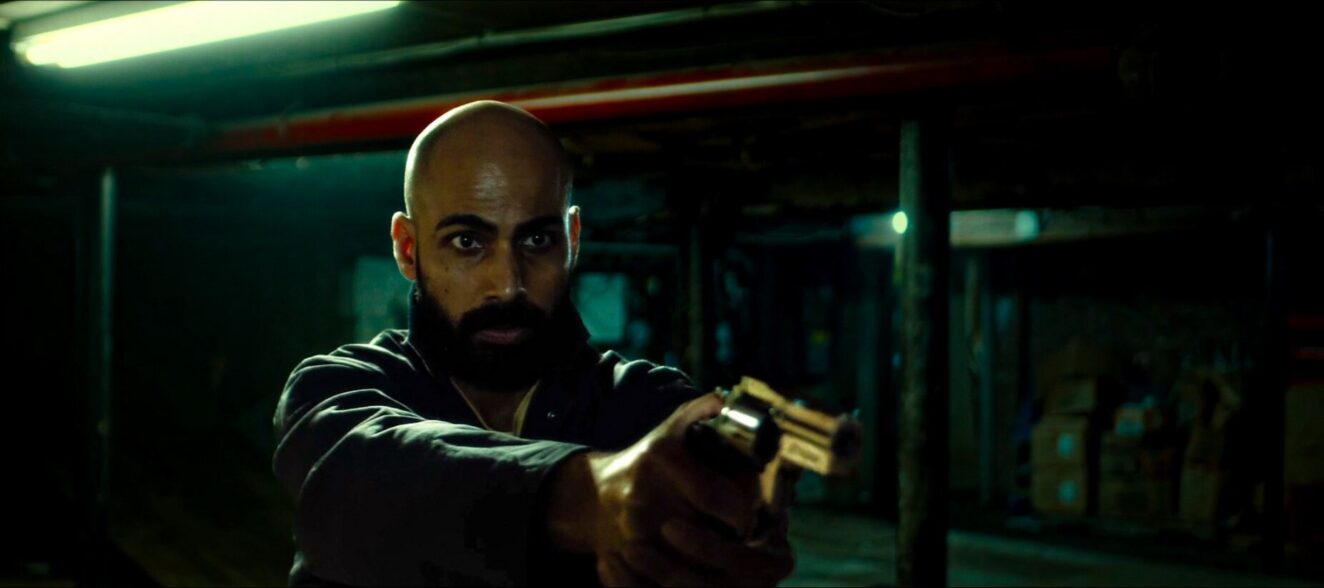
The short version: he decided he wanted to be an actor, spent a year auditioning and booking nothing, and then casting director Judy Henderson, who was in the middle of casting Homeland at the time, told him to go write his own stuff. “I was like, oh, you can do that,” he told me.
He said: “Nobody’s coming to give you a hand. There’s no handouts. It seems like we need permission or something to do it, but you just gotta get out there.” Yeah. That.
The Rule About Lore
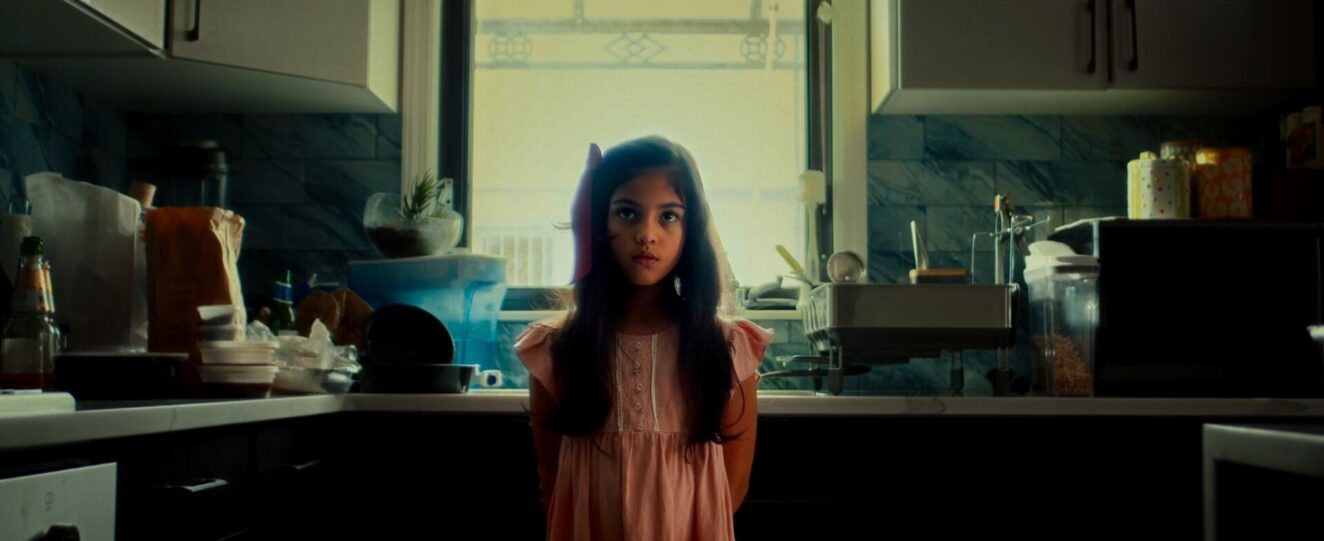
There were versions of ITCH that explained what the itch was, where it came from, who started it. Kang cut all of it. The less he showed, the more the film asked audiences to do the work themselves. And audiences who do the work are more scared than audiences who are shown everything.
ITCH does not explain itself and it does not need to. A film about a contagion that spreads through something you cannot stop yourself from doing, made in the aftermath of a pandemic everyone lived through, does not require a mythology breakdown. It requires you to sit with what it is suggesting. Which is worse.
ITCH is available now.

News
Shudder’s May Is the Best Month They’ve Had in a While.
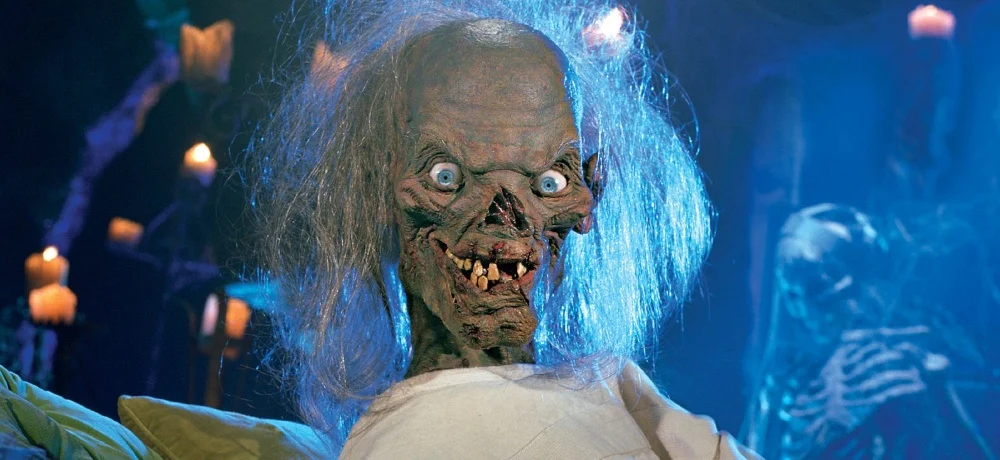
Shudder dropped their May 2026 programming slate and it is heavier than most months. The lead is The Terror: Devil in Silver, the long-awaited third installment of AMC’s horror anthology, premiering May 7 with new episodes weekly through June 11. Next up, Tales from the Crypt, all seven seasons, begins streaming May 1 after years off the market. Four new exclusive films fill out the rest of the month.
The Terror: Devil in Silver
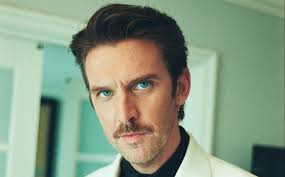
The first two seasons of The Terror stand as some of the best horror television of the past decade. Season one sent the crew of HMS Terror on a doomed Arctic voyage in 1845. Season two, Infamy, placed its story inside a Japanese American internment camp during World War II. Neither shared a cast nor a plot with the other. Both were exceptional. Season three takes Victor LaValle’s novel and builds it into a six-episode limited series. Dan Stevens plays Pepper, a working-class moving man who lands in a psychiatric hospital through bad luck and a worse temper. What he finds inside is not treatment.
Karyn Kusama, who directed the Yellowjackets pilot and earned an Emmy nomination for it, directs the opening two episodes and serves as co-executive producer. LaValle and Chris Cantwell co-wrote the scripts. Ridley Scott executive produces. The ensemble behind Stevens includes Judith Light, CCH Pounder, Aasif Mandvi, Stephen Root, and Marin Ireland. This is the kind of combination that earns attention before a single frame has aired.
New episodes premiere weekly after May 7.
Tales from the Crypt
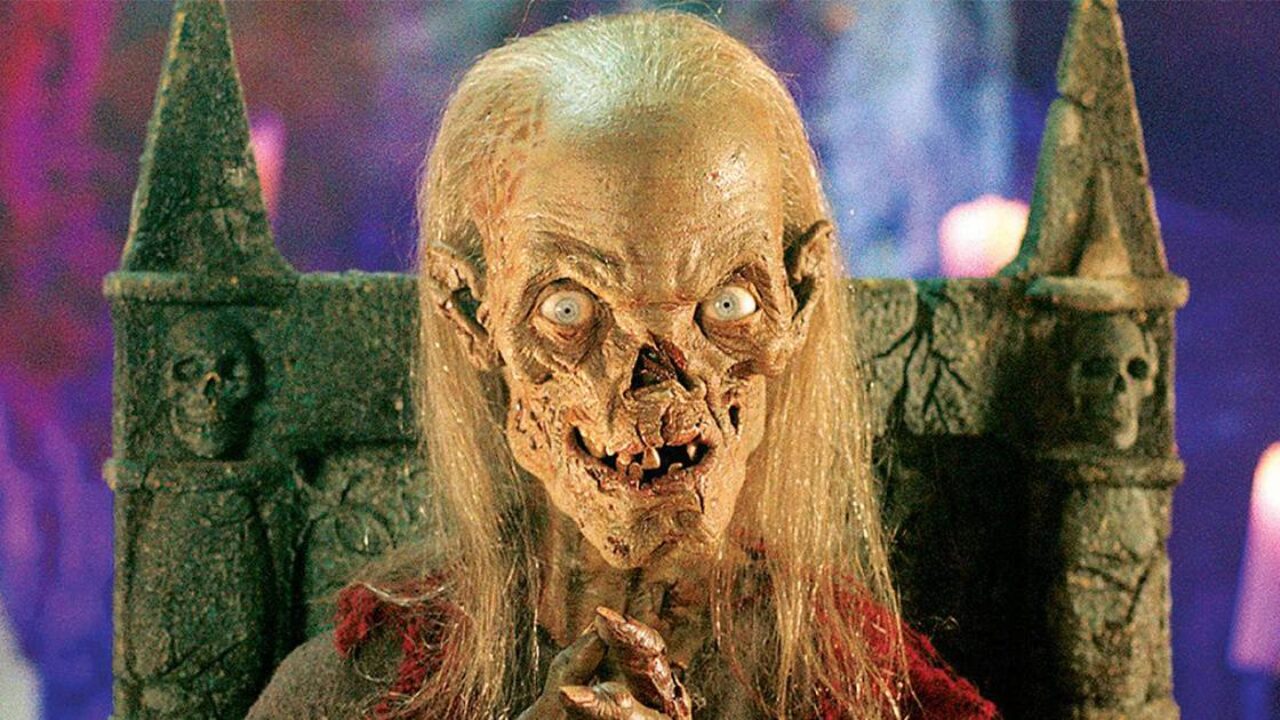
Tales from the Crypt ran on HBO from 1989 to 1996. Seven seasons. Ninety-three episodes. Each one a self-contained story hosted by the Crypt Keeper, a wisecracking animated corpse voiced by John Kassir, who closes every episode with a pun only he finds funny.
The show pulled from EC Comics and assembled talent at a level that looks almost unreasonable in retrospect: Brad Pitt, Demi Moore, Christopher Reeve, Catherine O’Hara, and Steve Buscemi in front of the camera. Robert Zemeckis, Tobe Hooper, and William Friedkin behind it. Tom Hanks, Arnold Schwarzenegger, and Michael J. Fox also directed episodes.
The series has been effectively unavailable to stream for years, tied up in rights complications. It is now on Shudder. Season one drops May 1. Subsequent seasons premiere weekly on Fridays, with the final season 7 arriving June 12. Watch parties run every Friday at 9pm ET. There is no good reason to wait on this one.
The Exclusives

Whistle arrives May 8 and is the exclusive to prioritize. Directed by Corin Hardy, who made The Nun, and starring Dafne Keen, Sophie Nélisse, Percy Hynes White, and Nick Frost, it follows high school students who find an ancient Aztec Death Whistle and discover that blowing it summons their future deaths to hunt them down. Totally normal thing to happen.
Heresy lands May 1 and is worth knowing about before it arrives. Director Didier Konings is making his feature debut after years as a concept artist on Stranger Things, Ghostbusters: Afterlife, and Doctor Strange in the Multiverse of Madness.
Smothered arrives May 29 as a Shudder Original. It is Indonesian, and it is produced by Joko Anwar, the director behind Satan’s Slaves and Impetigore. That name means something to anyone who has been paying attention to international horror over the past decade. The film follows a micro-painting artist who loses part of his memory in an accident and returns home to find a woman claiming to be his mother.
This Is Not a Test streams May 22. Directed by Adam MacDonald and adapted from Courtney Summers’ 2012 novel, it stars Olivia Holt as a student sheltering in a high school during a zombie outbreak.
News
[Exclusive Clip] ‘From the Beyond: High Strangeness in the Bennington Triangle’
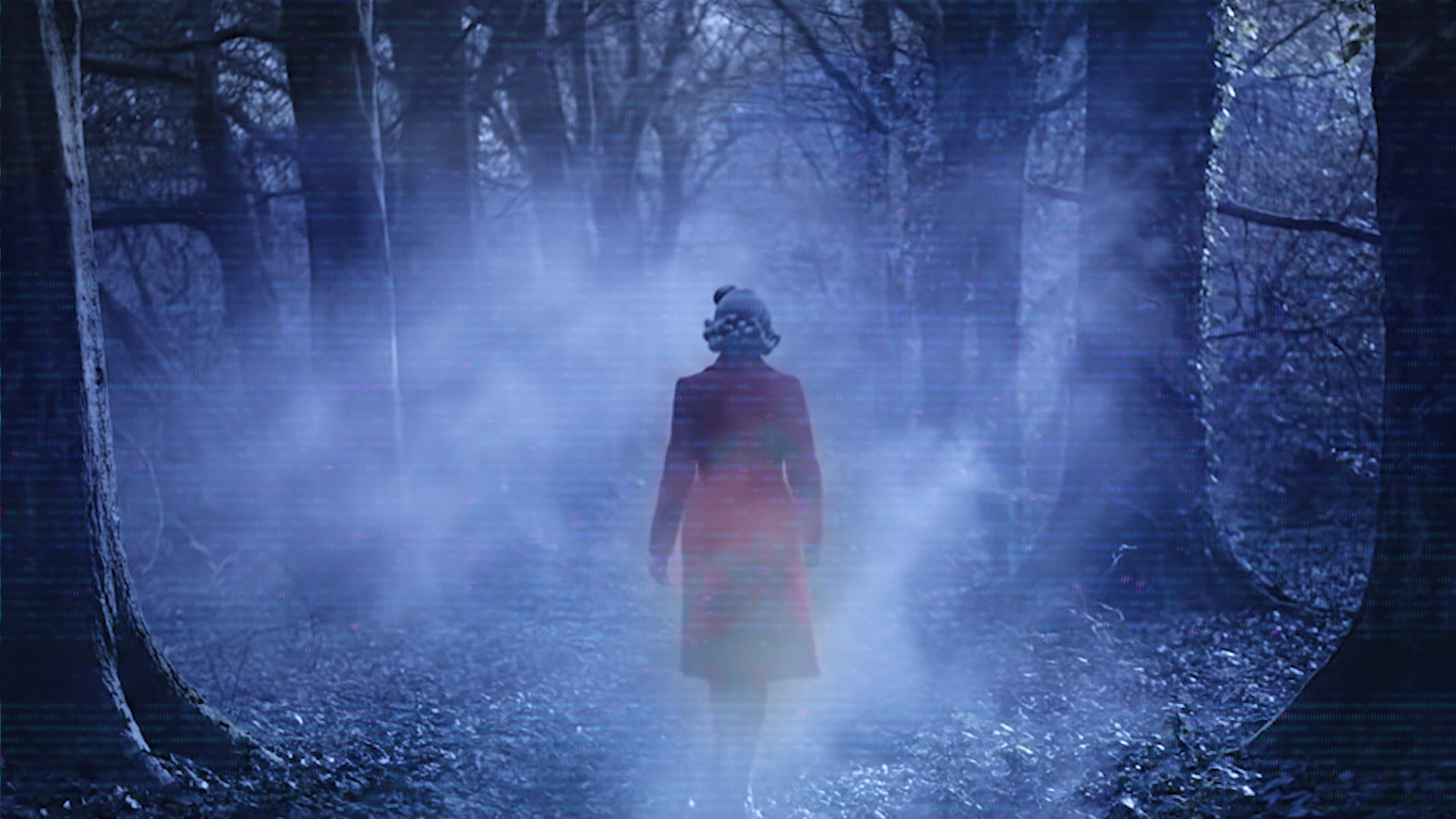
Audiences are invited to explore one of Vermont’s most mysterious regions in From the Beyond: High Strangeness in the Bennington Triangle, arriving later this month on streaming platforms and DVD.
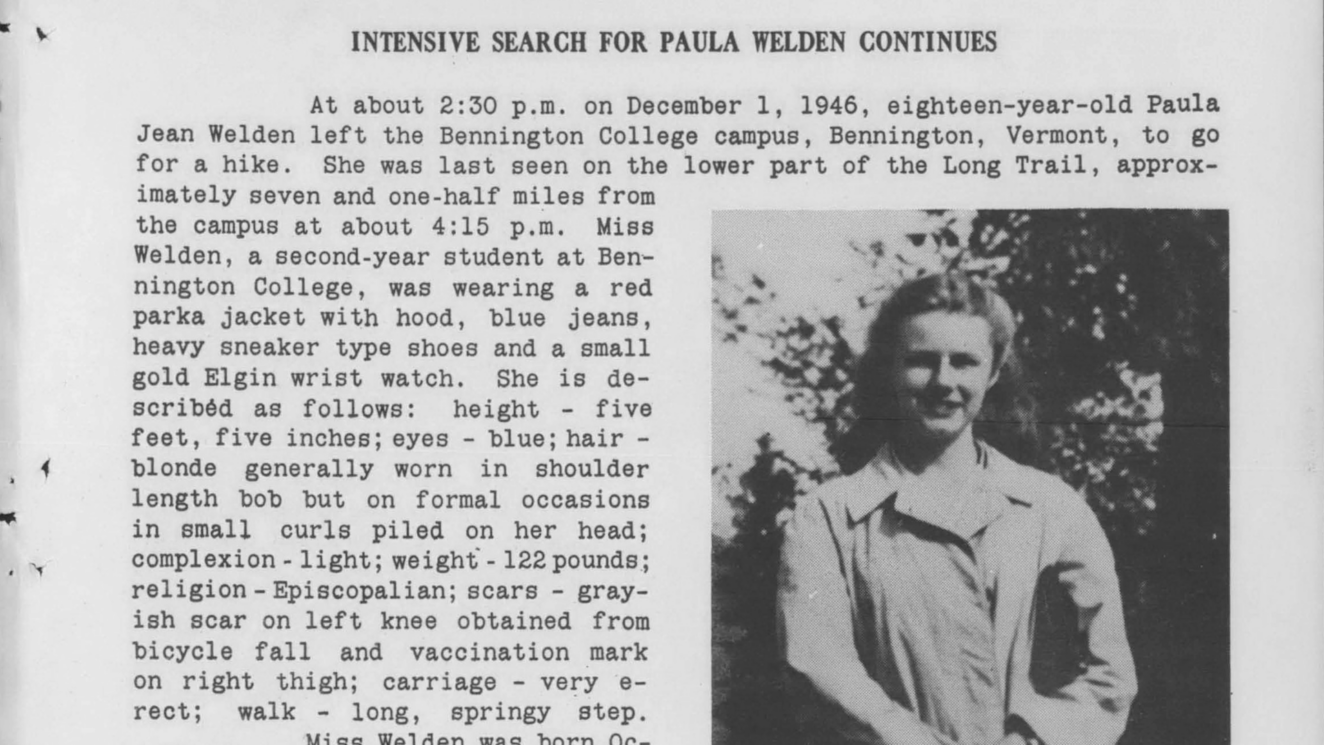
The documentary will debut on April 28, 2026, on platforms including Apple TV, Prime Video, and Google Play. DVD editions will be available exclusively through the Small Town Monsters online shop.
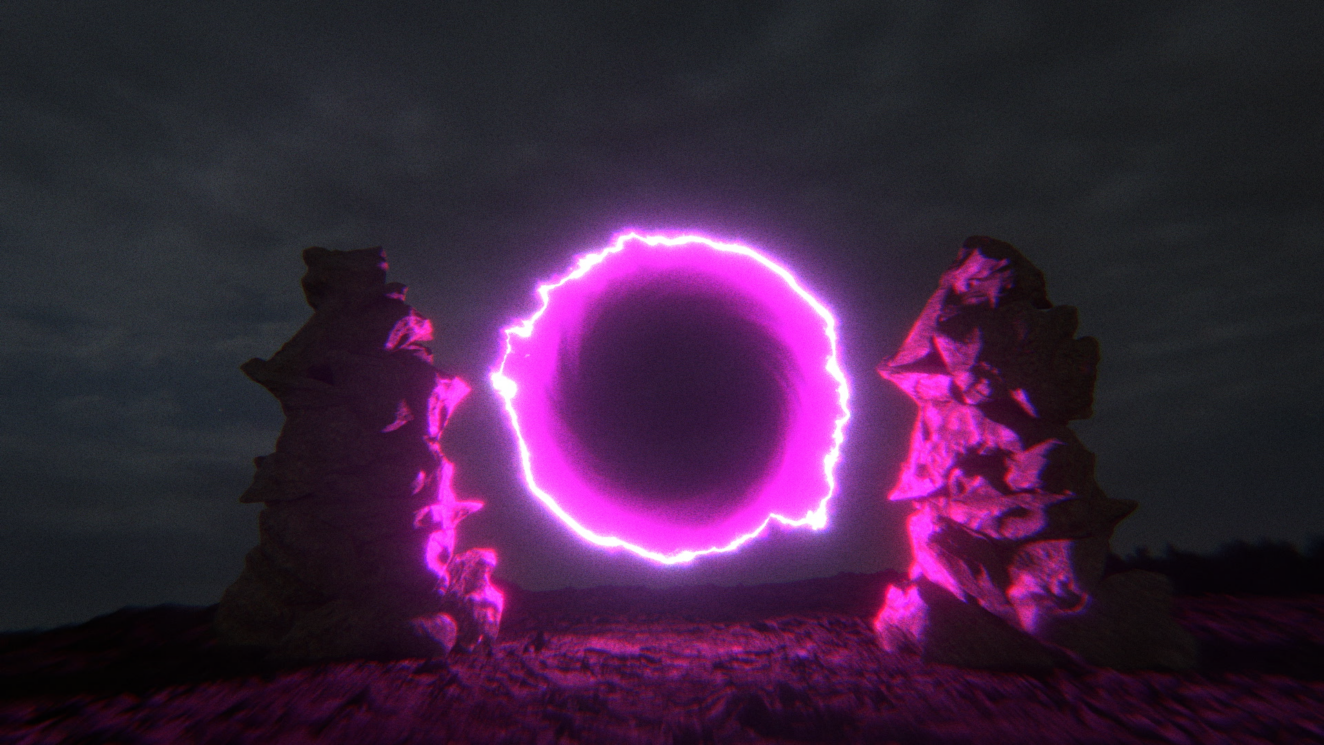
Directed by Seth Breedlove, the film continues the company’s exploration of folklore, cryptids, and unexplained phenomena. Breedlove’s previous work includes The Mothman of Point Pleasant, On the Trail of Bigfoot, American Werewolves, and more than two dozen feature-length productions. In total, Small Town Monsters has released more than thirty films, along with investigative programs, web series, books, podcasts, and exclusive membership content.
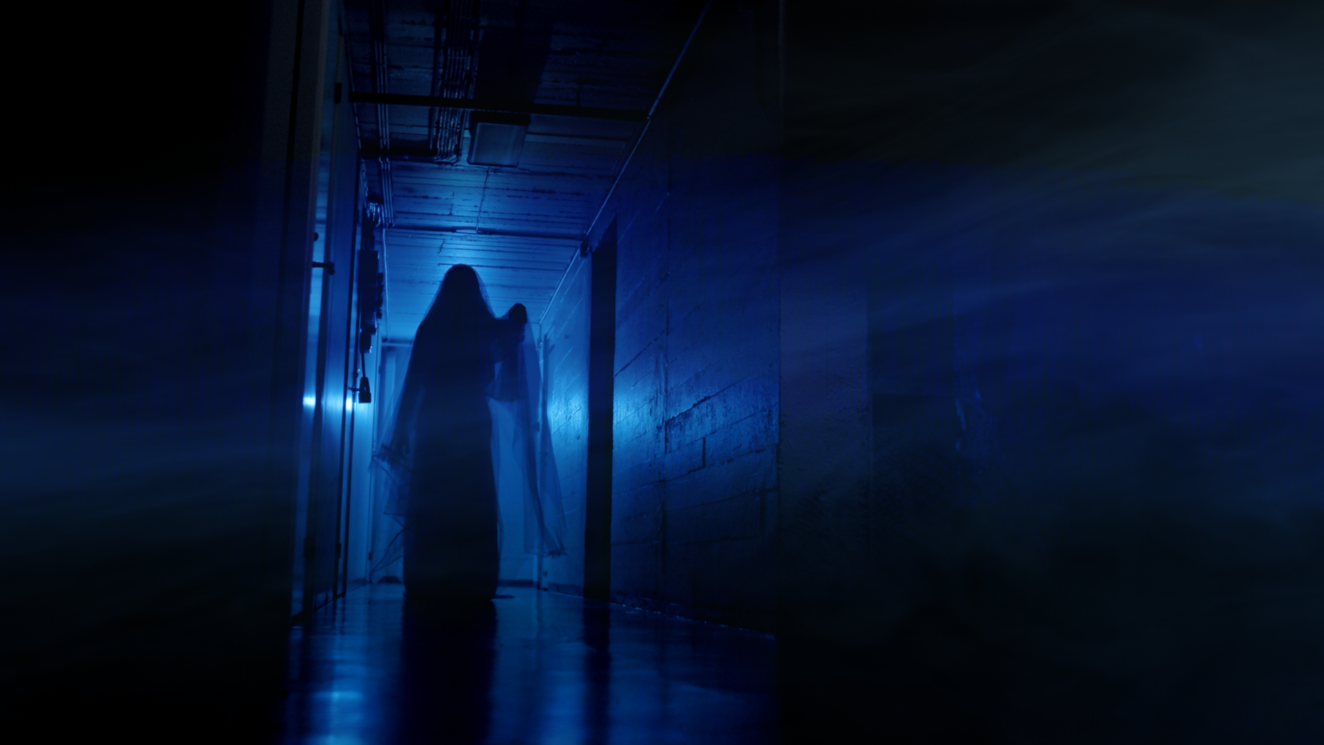
From the Beyond: High Strangeness in the Bennington Triangle was made possible through the support of backers from the company’s 2025 Kickstarter campaign.
Set in rural Vermont, the documentary examines the legend of the Bennington Triangle, an area associated with reports of UFOs, ghosts, phantom lights, mysterious creatures, and a series of unexplained disappearances. At the center of the mystery is Glastenbury Mountain, where decades of unanswered questions continue to inspire speculation.
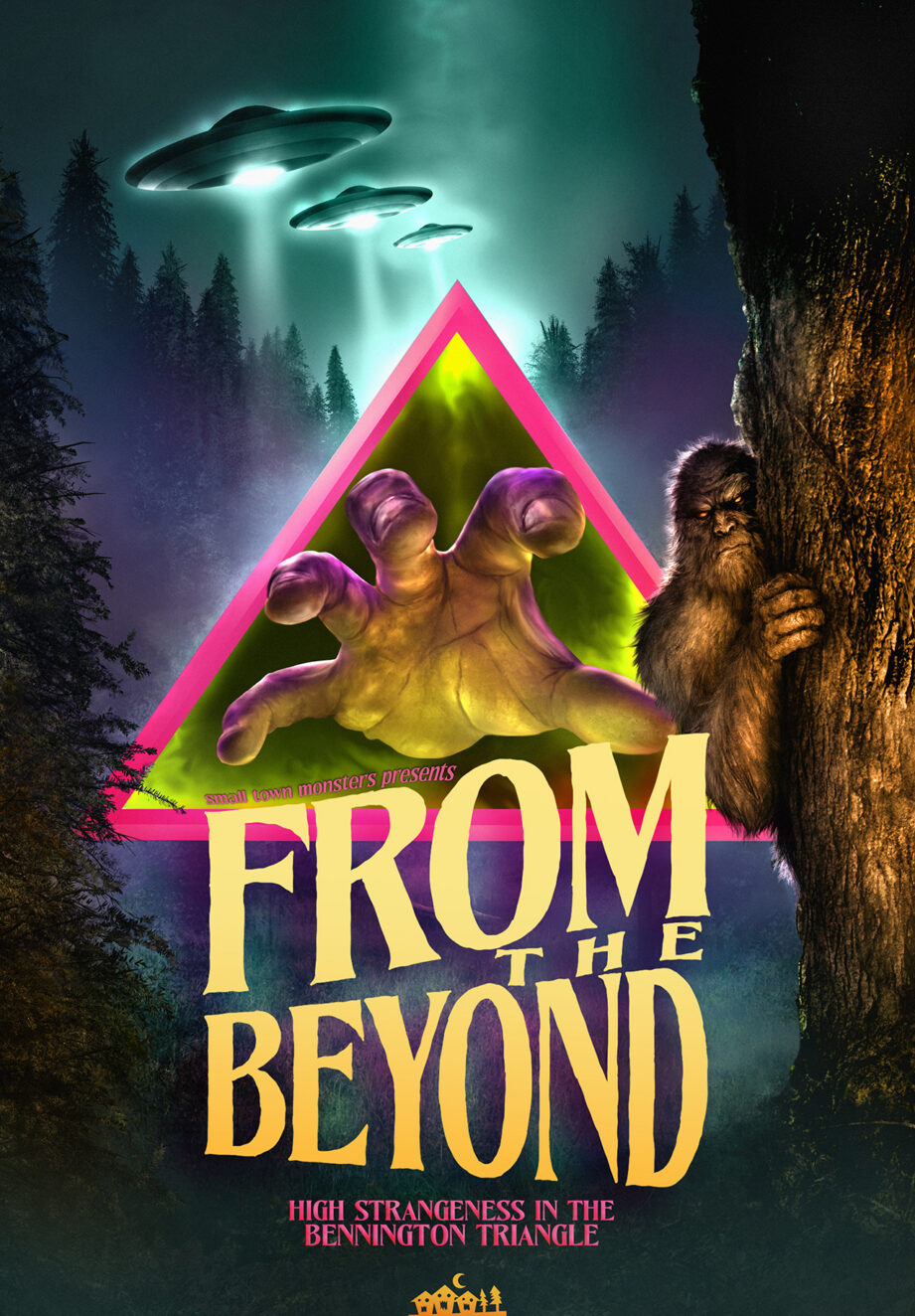
Going beyond folklore and campfire tales, the film asks a chilling question: Why is Glastenbury Mountain so inexplicable, and what happened to those who went missing?
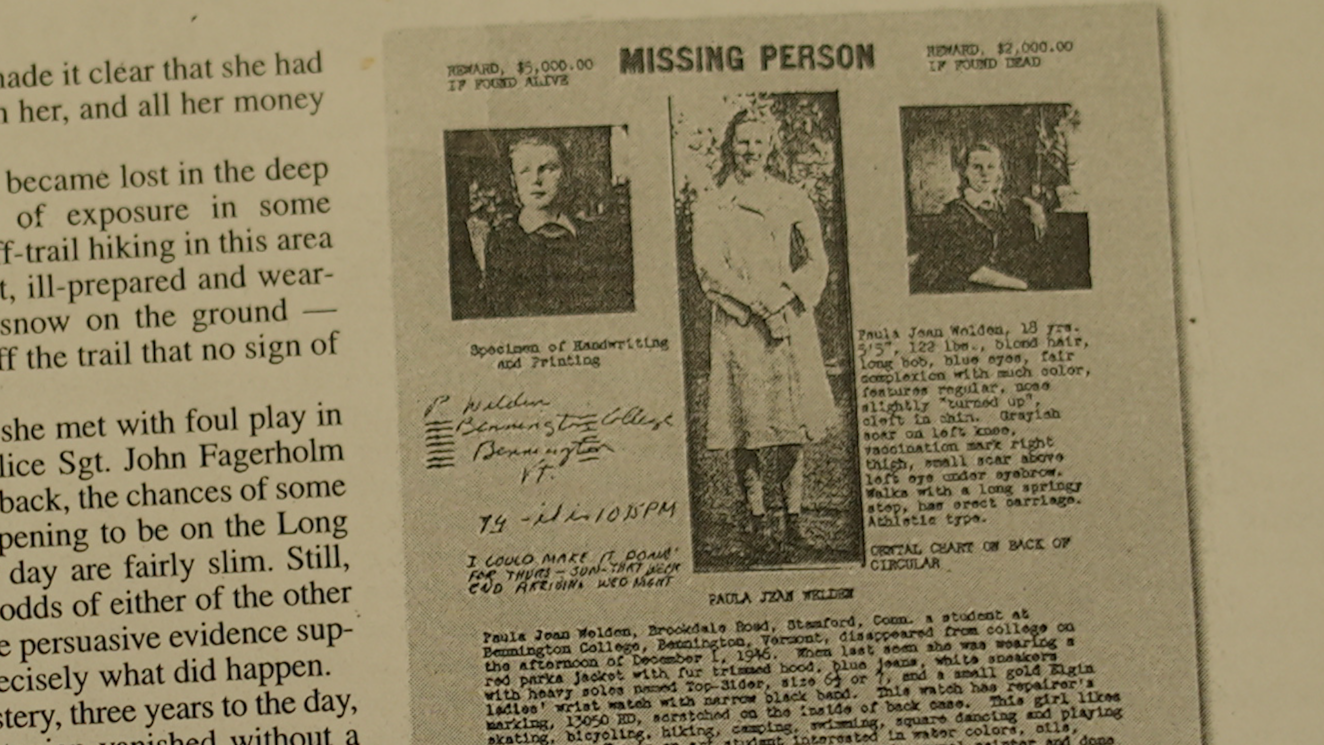
Check out our exclusive clip below.
News
This Week in Horror: DC Goes Full Body Horror, A24 Has Its Chainsaw Man, and The Bone Temple Is Finally Yours
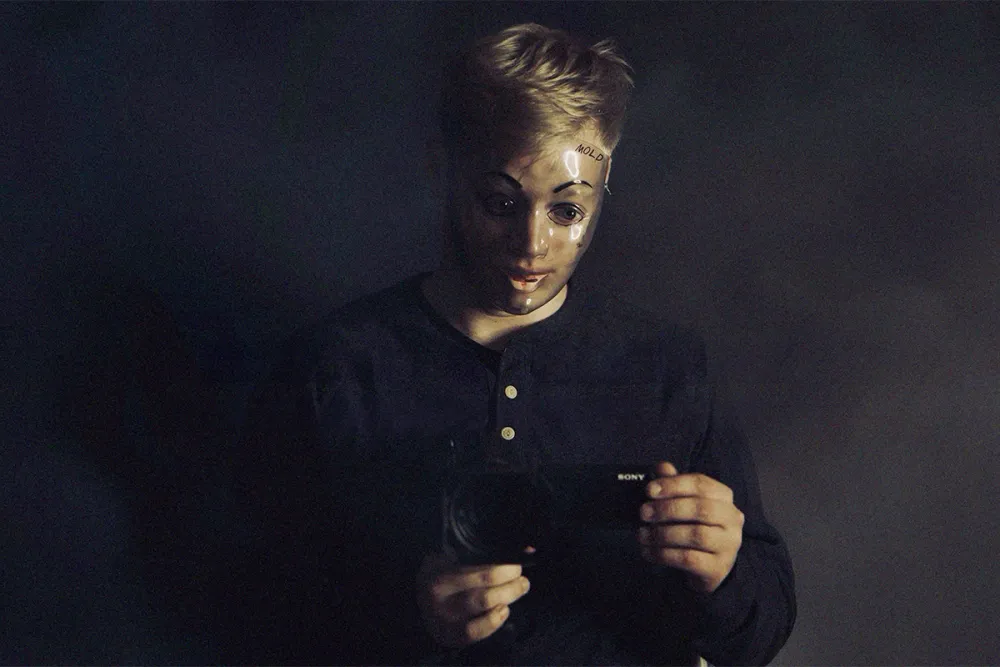
Good week. The Clayface trailer dropped and made DC relevant to this website for the first time in a while, A24 put a director on the Texas Chainsaw Massacre reimagining, and we got some interviews worth reading. Here is all of it.
Clayface Has a Trailer, and It Is Exactly What You Want
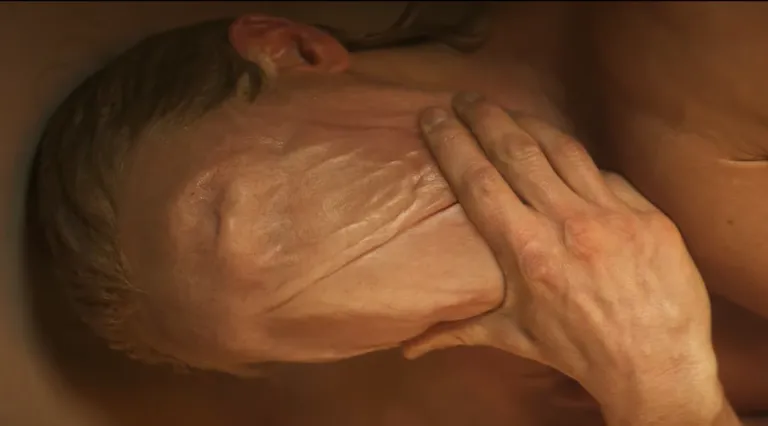
The Clayface trailer landed Wednesday, and it is DC’s first real horror film. Not horror adjacent. Not dark. Horror. Tom Rhys Harries plays Matt Hagen, an actor whose face gets disfigured by a gangster. He turns to a scientist, played by Naomi Ackie, who transforms his body into clay. Then the body horror starts.
James Watkins directed, which is the right choice. He made Speak No Evil and before that The Woman in Black, and he understands how to make dread feel physical. The screenplay is by Mike Flanagan and Hossein Amini. That combination should tell you everything about the tone they are going for.
A24 Has a Director for Texas Chainsaw Massacre and His Last Film Cost Under a Million Dollars
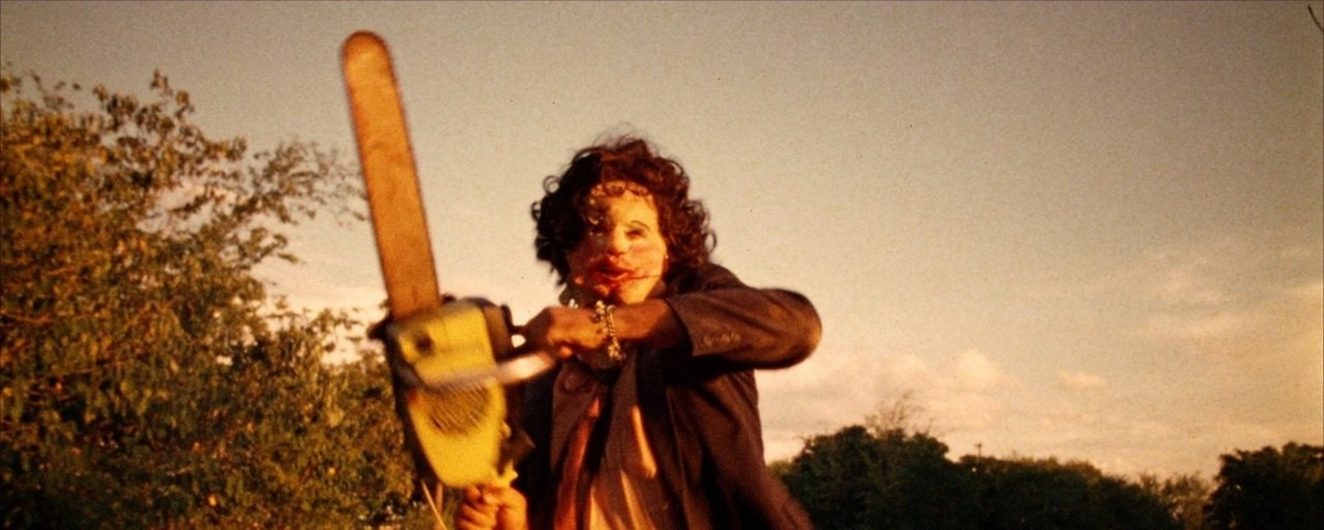
Deadline confirmed that Curry Barker is writing and directing A24’s reimagining of the 1974 original. Barker made Obsession for under a million dollars. Focus Features paid north of fifteen million to distribute it. It sits at 96% on Rotten Tomatoes. A24 hired him before it even opens, which opens May 15.
Kim Henkel, who co-created the original with Tobe Hooper, is executive producing his own creation’s reimagining. That is either a blessing or a haunting. Probably both.
Astrolatry Is Going to Cannes and We Talked to the Actor Who Faced the Creature
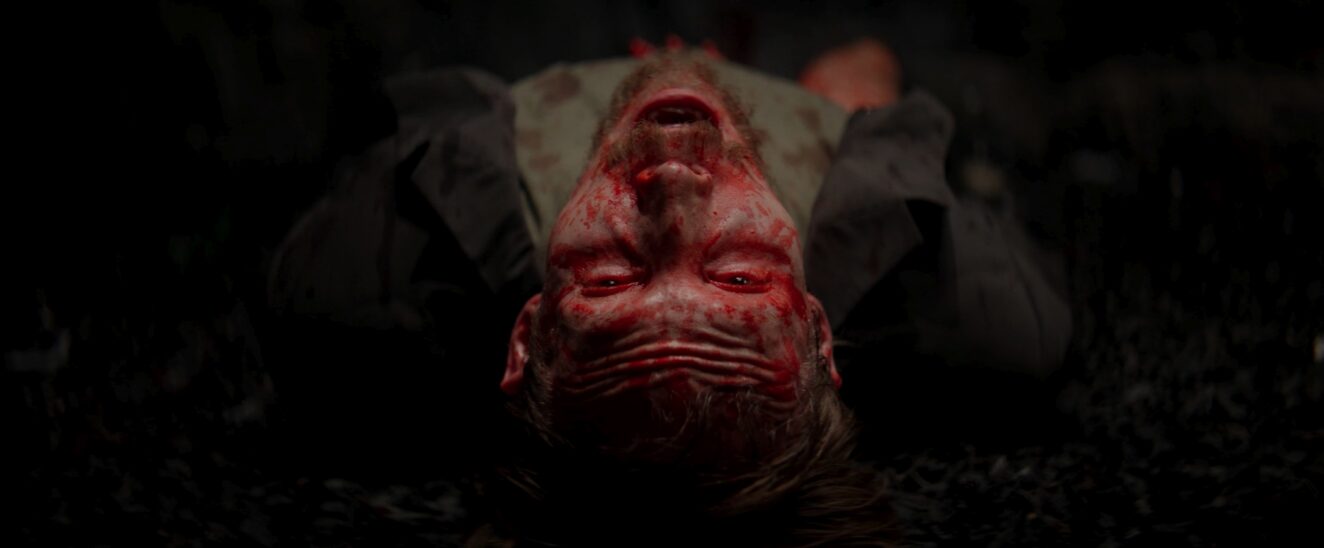
Astrolatry is heading to the Frontières Buyers Showcase on May 16-17. The film has a sentient severed penis that grows into a ten-foot practical creature with spiky teeth. We interviewed star Ethan Daniel Corbett about what it was actually like to act against it. Short answer: genuinely terrifying. Long answer is on the site.
The Bone Temple Is Home
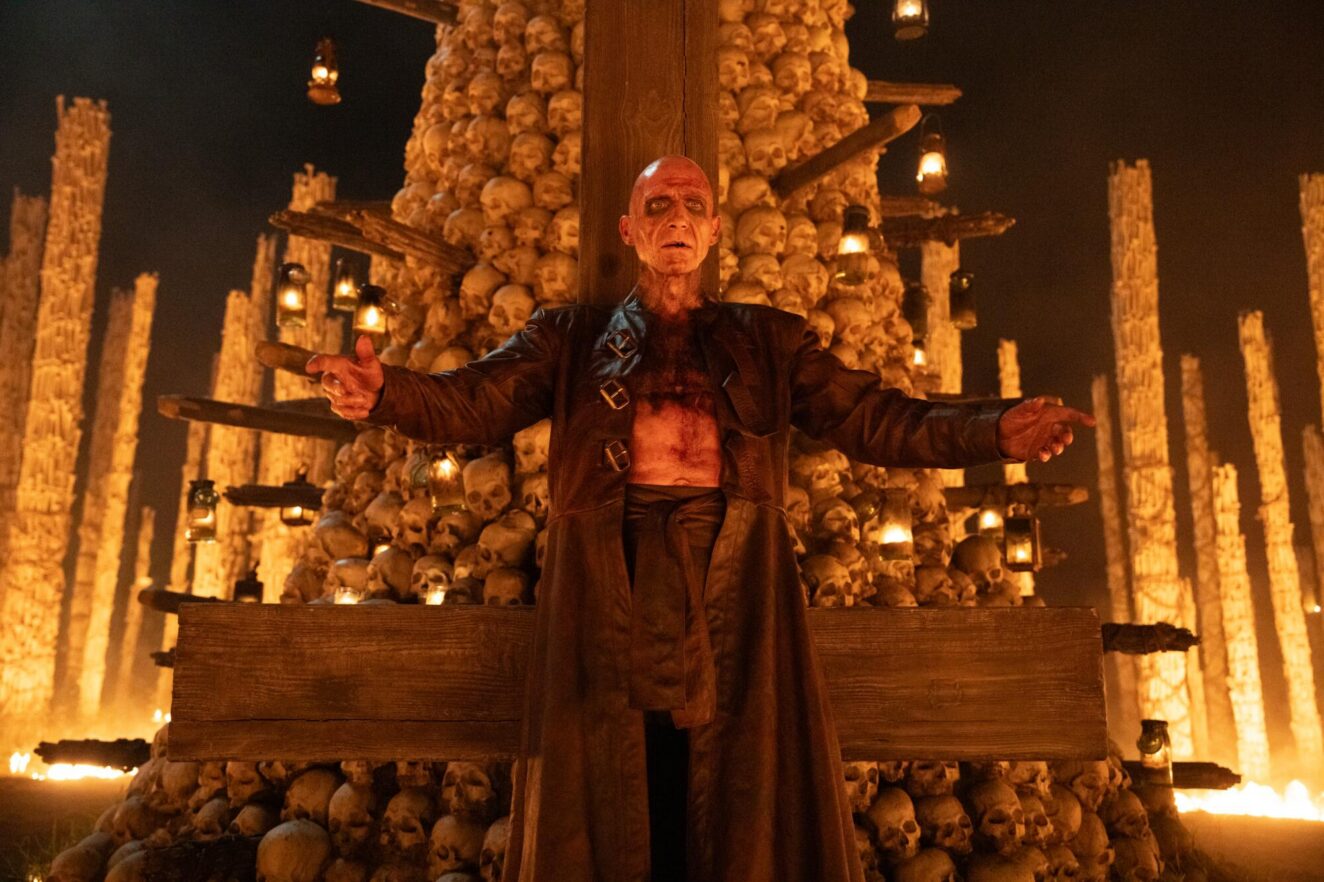
28 Years Later: The Bone Temple hit 4K UHD, Blu-ray, and DVD on Tuesday. If you held out from the digital release in February, now is the time. The 4K presentation is supposed to be great. Extras include audio commentary and a deleted scene. If your gonna watch The Bone Temple, why not watch it where the snacks are better.

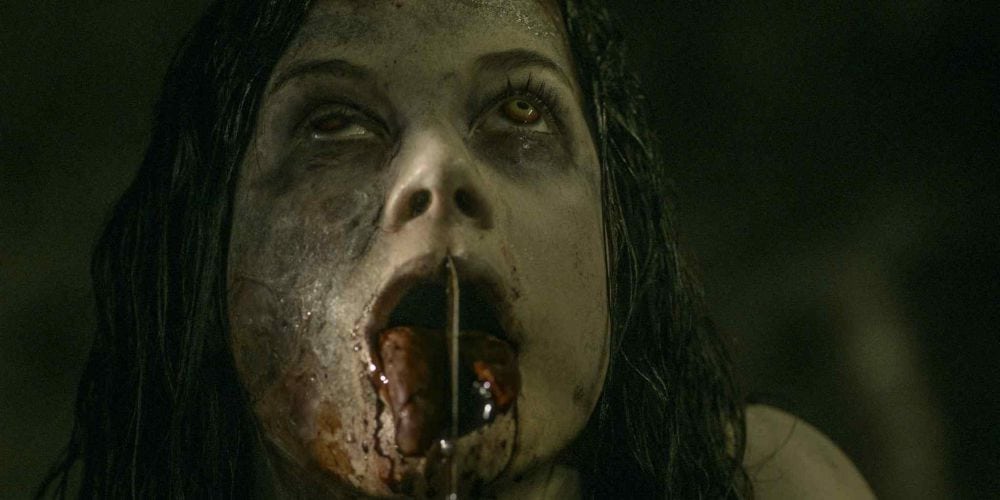
The Evil Dead Burn Trailer Is Here and It Is Everything

The Evil Dead Universe Now Includes a Mummy Film

“It’s My Era. I’m a Rockstar Now.” The Official ‘The Vampire Lestat’ Trailer Is Here

10 Horror, Thriller, and True Crime Series to Watch This Spring

The Practical Magic 2 Teaser Trailer Is Finally Here

This Week in Horror: DC Goes Full Body Horror, A24 Has Its Chainsaw Man, and The Bone Temple Is Finally Yours

The Vampire Lestat Releases Cover of Billy Idol’s “Dancing With Myself”

The HUNGRY Red Band Trailer Is Here and We Need to Stop Laughing at the Hippo

Samara Weaving and Kyle Gallner Star in Romantic Crime Thriller ‘Carolina Caroline’ [Trailer]

ShoStak Opens the Door for Filmmakers to Build and Own Their Stories

‘Behind the Mask 2’ Slays Kickstarter

‘ZombieCON Vol. 1’ Gets the Con Right. The Zombies Arrive When They Want To.

Shudder’s May Is the Best Month They’ve Had in a While.

‘Don’t Die’ Is a Good Friday Night Horror Film And That Is Enough.

Content Is Now on Digital. Watch It Twice.

[Exclusive Clip] ‘From the Beyond: High Strangeness in the Bennington Triangle’

‘Behind the Mask’: Nathan Baesel Exclusive Interview!

‘The Vampire Lestat’ Trailer: What “Dancing With Myself” Reveals About Lestat
This Week in Horror: DC Goes Full Body Horror, A24 Has Its Chainsaw Man, and The Bone Temple Is Finally Yours
The Vampire Lestat Releases Cover of Billy Idol’s “Dancing With Myself”

Astrolatry Built a Ten-Foot Practical Penis Scorpion
Samara Weaving and Kyle Gallner Star in Romantic Crime Thriller ‘Carolina Caroline’ [Trailer]
-
 Trailers6 days ago
“It’s My Era. I’m a Rockstar Now.” The Official ‘The Vampire Lestat’ Trailer Is Here
-
 News4 days ago
This Week in Horror: DC Goes Full Body Horror, A24 Has Its Chainsaw Man, and The Bone Temple Is Finally Yours
-
 Music4 days ago
The Vampire Lestat Releases Cover of Billy Idol’s “Dancing With Myself”
-
 Trailers5 days ago
Samara Weaving and Kyle Gallner Star in Romantic Crime Thriller ‘Carolina Caroline’ [Trailer]
-
 News5 days ago
ShoStak Opens the Door for Filmmakers to Build and Own Their Stories
-
 News6 days ago
‘Behind the Mask 2’ Slays Kickstarter
-
 News6 days ago
The Best Possible Person Is Directing A24’s Texas Chainsaw Massacre
-
 News5 days ago
The Clayface Teaser Just Made October Feel Very Far Away
You must be logged in to post a comment Login