Movie Reviews
Review: ‘Until Dawn’ Is A Monster Mash Packed Deviation From The Original Game

The term “Adapted from a video game” tends to get a bad rap in cinema. Sure, there have been some ill advised video game movies, but as video games and technology have evolved, so has been the ability to properly adapt them. Of course, changing a story from such different mediums can mean a number of different things. In the case of the Until Dawn movie, being packed to the walls with monsters and madmen!

Clover (Ella Rubin, The Chair) still grieves over the mysterious disappearance and likely death of her sister Melanie (Maia Mitchell, The Last Summer) just a year prior. Going on a roadtrip with her friends, they find themselves caught in a mysterious storm that sends them and their van to the welcome center of the beaten path of Glore Valley. An isolated land that they become trapped within, each night being killed by a different horror or beast only to return and repeat the night of terror. Can they break the cycle by surviving Until Dawn?
For those familiar with the original 2015 video game written by Larry Fessenden and Graham Reznick, the premise of the feature version written by Gary Dauberman and Blair Butler is a considerable, but necessary departure. For those unfamiliar, the game being a sort of interactive and playable movie with hours of gameplay, decisions that cannot be undone and change the storyline, and plot twists. So, in a way, the time loop plot is the perfect way of setting up the movie version. Ironically with the game having concrete decisions that are unchangeable.

The main cast consists of five people including Clover. Making it a bit of a Scooby Doo gang dynamic but with more melodrama. Of particular note is Megan (Ji-young Yoo, Freaky Tales) who has some latent psychic abilities that allow her to get a feel for the Glore Valley welcome center and sense the horrors within preemptively… not that it does much good in saving her life several times. Outside of that, there’s Hill played by perennial genre heavy Peter Stormare in another impressing and creepy performance. Stormare played a version of Hill in the original game thus making him the only actor to carry over.
Then of course, there’s the horrors our motley crew must face which are a highlight of the film. These challenges making their making it alive Until Dawn nigh impossible. Created for the film version, we have all manner of antagonists including a masked Jason Voorhees like slasher with a rotting face and mask who primarily wields a might sledgehammer that he puts to good use pulverizing his victims to bits. A shadowy giant is spotted at one point, putting driving away out of the question. And another carryover from the games is the notorious flesh eating Wendigo, though in a far different context. There’s also another and surprising point of supernatural hazard that I do not want to spoil, but leads to an ample amount of gore and surprise!
Director David F. Sandberg, known for shocking audiences with Lights Out and Annabelle: Creation does a phenomenal job of setting up scares and kill sequences that are sure to make audiences scream and jump just as much as the victims. Being a timeloop story, Until Dawn does a solid job of killing off the same characters over, and over, and over again. Particularly in a fashion that utilizes so many different creatures and dangers that evoke other sub-genres in horror. We have a slasher killer, supernatural ghosts, the aforementioned cannibal wendigo, and so on. Some of the wendigo chase sequences were so intense, they gave me nightmares!

While the basic premise works, the overall plot didn’t quite synch together. The overarching themes of grief and letting go felt a little hollow and cliche. As well, the third act plot twist involving Hill and he secret of Glore Valley felt undeveloped. Kind of like a less knit Silent Hill.
Still, Until Dawn like most good video games was a lot of fun and an entertaining ride. As a fan of monster mash movies that feature a variety of ungodly horrors, this one delivered.
Until Dawn in Theaters April 25th, 2025

Movie Reviews
Self Driver Runs Out of Road
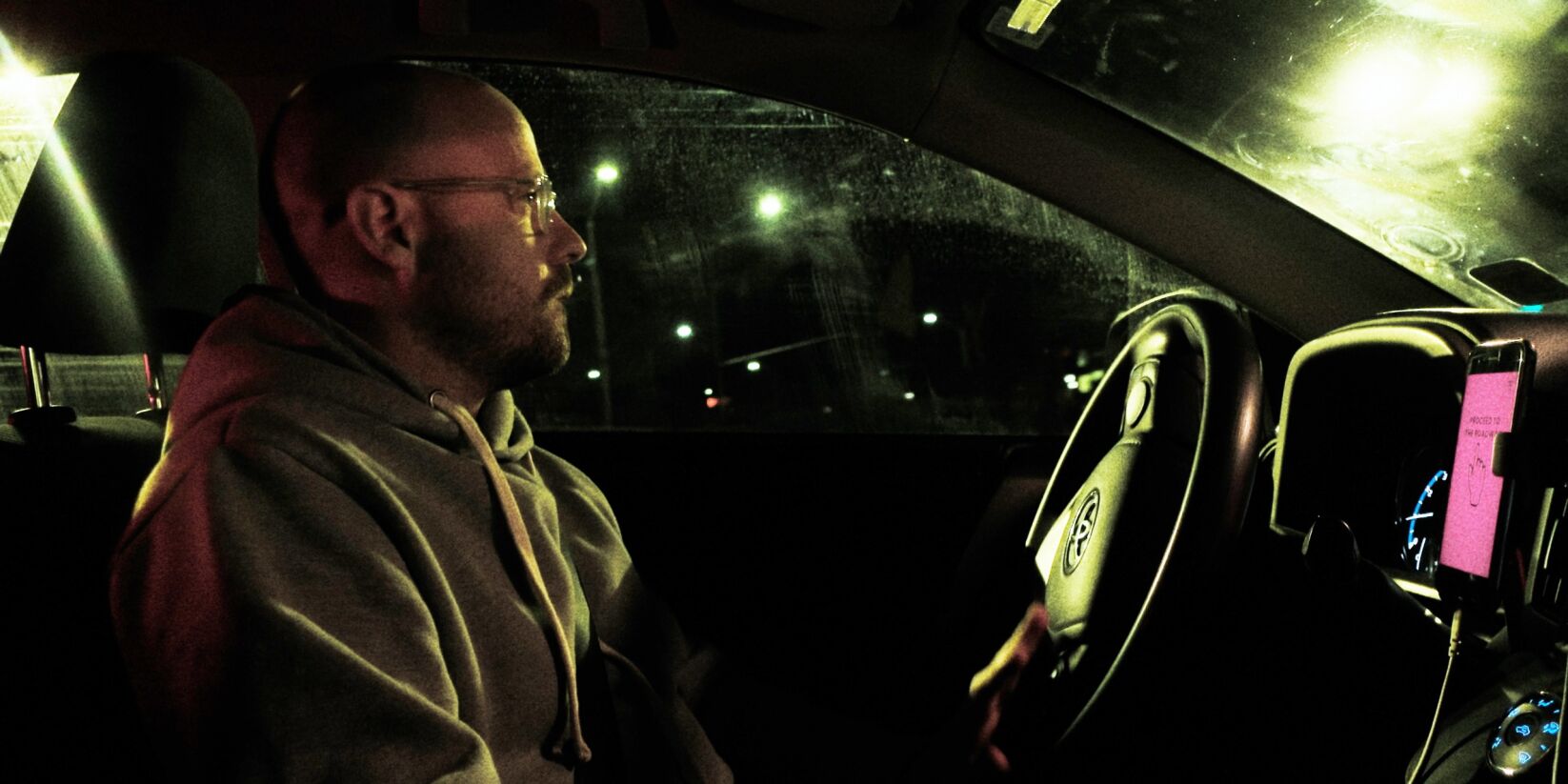
Every few years someone makes a movie where a desperate person takes the money and watches his conscience become negotiable. I am always there for it. Cheap Thrills. Would You Rather. The whole subgenre of moral erosion for cash that does not have a name but absolutely should. Self Driver walks directly into that territory and for the first half of its runtime, it delivers.
Nathanael Chadwick plays D, a cab driver trying to keep his head above water, who gets recruited onto a mysterious new rideshare app that promises fast money and asks for increasingly terrible things in return.
Writer-director Michael Pierro shot this on cellphones with a skeleton crew. That constraint should work against the film. For the first act, it does not. Chadwick earns your sympathy without doing anything obvious to ask for it, and Pierro keeps things tense enough that the premise does exactly what it is supposed to do.
Then the psychedelic angle shows up.
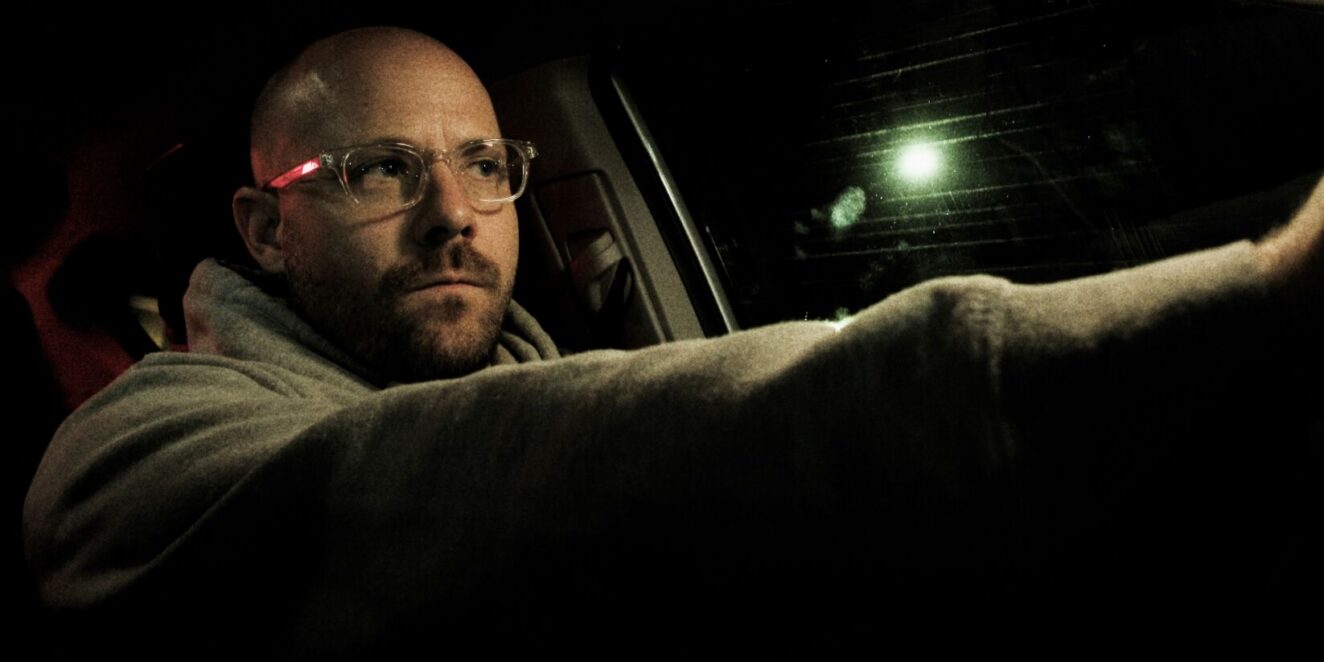
I want to be fair about this. I understand the intention. But it lands the way a plot fix lands. You feel the seam. By the halfway point the script has accumulated a lot of threads, and the psychedelic detour is where those threads stop being pulled. They do not resolve. They just stop mattering.
That is the consistent frustration with Self Driver. It is not short on ideas. It is short on follow-through. Almost every interesting thing Pierro introduces gets picked up, examined, and set back down before it earns its place in the film. The bones of something genuinely great are visible throughout. The second half just never shows up to finish the job.
Chadwick won Best Actor at Grimmfest for this role, and it is not hard to understand why. He is doing real work here. He makes D worth following even when the film is not fully following through on its own premise. That is harder than it looks.
Self Driver is out now on UK digital via GrimmVision. At 2.5 out of 5, it is worth your time if you have patience for low-budget genre work and can make peace with a film that is better than it finishes. Pierro has instincts. Watch for his next one.
Indie Horror
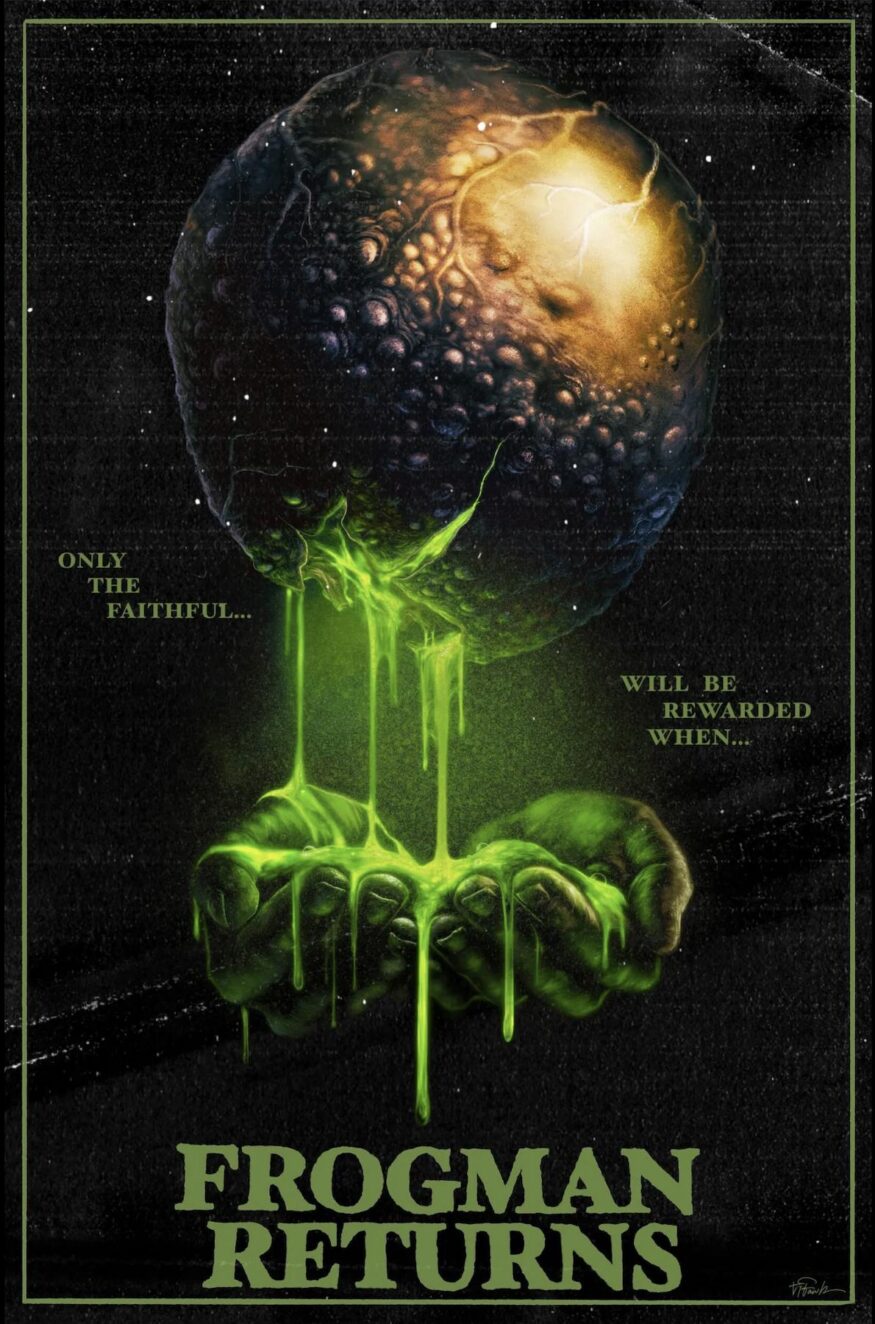
Panic Fest 2026 Review: ‘Frogman Returns’ Is A Thrilling Sequel That Goes For The Croak!
Horror as a genre has a greater propensity for sequels than almost anything else in the world of cinema. There have been scores of slasher sequels from the likes of Friday The 13th to A Nightmare on Elm Street to even sequels to seemingly stand-alone affairs like The Exorcist and The Blair Witch Project. While some may be seen as cash grabs or of diminishing returns, it cannot be argued that there have been some phenomenal sequels to horror films such as Aliens and Evil Dead 2 among many others. So imagine my pleasant surprise to see that 2023’s Frogman is back in the aptly named Frogman Returns!
The sequel picks up not too long after the original’s cryptid catastrophe. The Loveland, Ohio Frogman and surrounding cult that was exposed by amateur filmmaker Dallas (Nathan Tymoshuk) has since disappeared and the terror of the magic wand wielding amphibian seemingly ended. Having lost his friend Scotty (Benny Barrett) and a falling out with Amy (Chelsey Grant), Dallas has found a new life heading a cryptid reality web show. But when strange forces call him and his team back to Loveland, will he have to face the Frogman for a final battle?
I was a big fan of the original Frogman upon release, and was interested in seeing where director Anthony Cousins was going to take the story. I’m happy to report that he did the best kind of thing you can do for a sequel like this: made it weirder and wilder! Not only is there Frogman, but a number of classic cryptids have encounters as the genie is out of the bottle and Dallas irrevocably proved that there are truly monsters among us. There is a pretty memorable scene involving a run-in with the living pants-like Fresno Nightcrawler creature that establishes what a brave and bizarre new world things have become since the previous film. Monsters are basically a fact of life now. So, of course, people are finding ways to profit from it.
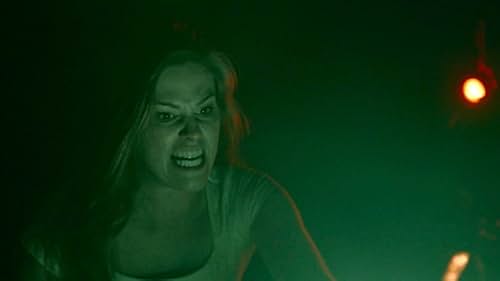
Dallas’ arc continues from the first film and I do like how he carries the weight and guilt of Scotty’s disappearance and his disconnection with Amy. There are real consequences to the ways things went wrong previously and Dallas is haunted by the consequences of his obsession. Now he attempts to make things right in some form as his adventures bring him back to where it all began. And for those here for Frogman… without spoiling too much, everyone’s favorite amphibious cryptid does make a triumphant return. With a neon explosive finale that left me craving even more.
Frogman Returns does a fine job of documenting the new adventure in the traditional found footage format, with the foundation of Dallas’ new reality web show keeping the cameras rolling. Combining that with ample and memorable practical fx for all manner of beasts and gore to see. Exploding heads, zapped limbs, and so much more get captured on camera in all their visceral glory.
Overall, if you were a fan of the first Frogman, then Frogman Returns is a more than worthwhile follow up to digest.

Indie Horror
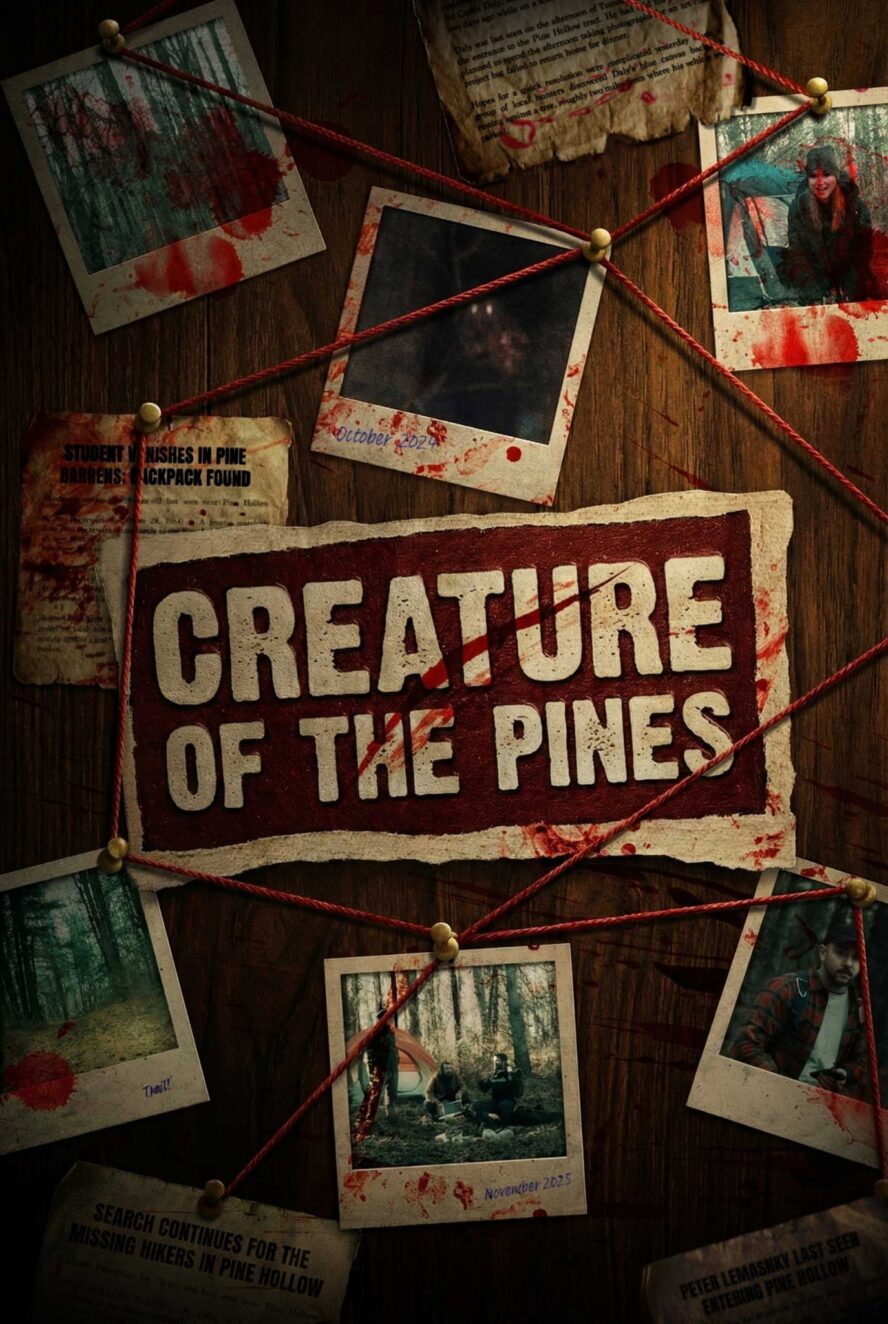
Panic Fest 2026 Review: ‘Creature Of The Pines’ Is An Interesting Found Footage Horror That Walks A Beaten Path
There are certain parts of the world that have an inherent evil or cursed nature to them. The Bermuda Triangle, where so many ships have vanished in its waters. Death Valley, where many have met their end in the unforgiving desert. And then there’s The Pine Barrens of New Jersey. A woodland infamous for the cryptid named The Jersey Devil.
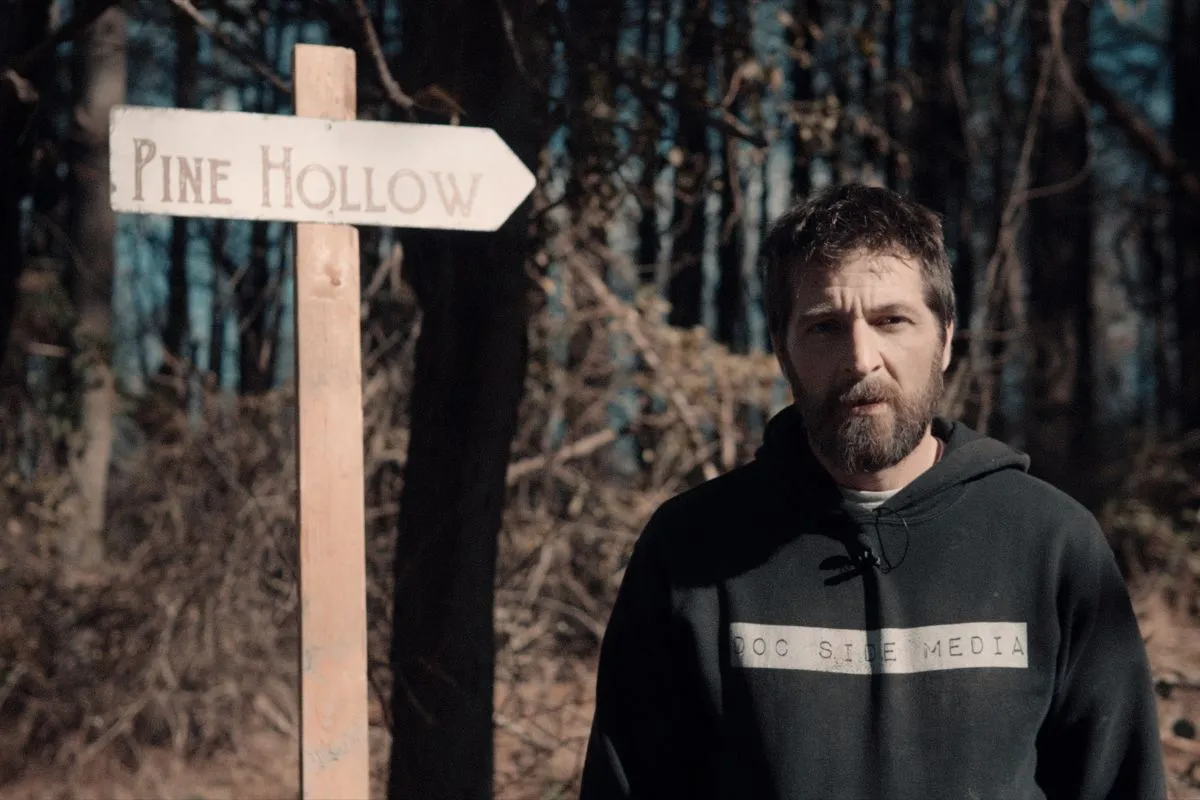
While The Jersey Devil may be the mascot or face of sorts for the area, there are other dangers within those woods. Specifically, an area known as Pine Hollow. Infamous for numerous disappearances of local and hikers. While some attribute it to natural hazards, others say the source of these incidents may be tied to folklore. An ancient mimic of indigenous legend that targets those wandering its woods. After a trio of hikers disappear and leaves only one shell shocked survivor and witness wandering the wilderness, a documentary crew attempts to clarify between fact and fiction… only to find themselves subject to their own torments.
Creature Of The Pines is a decent found footage/mockumentary endeavor, and I’m always a sucker for that kind of framing. I will also give points for taking an original approach on the region rather than using a more well known cryptid or monster. Instead, crafting their own beast with the shapeshifting demon of indigenous lore. It did make it more interesting than relying on a more infamous antagonist, allowing the movie to make up its own rules and history behind the titular creature.
Unfortunately, the story does fall into a lot of the cliches of the sub-genre as well. Lots of scenes building up strange sounds coming form the woods leading to some shaky cam segments as a character is dragged off by an unseen force and such. The talking heads portions of the mockumentary featured some decent actors and subjects that kept things fairly fresh. Especially the former forest ranger who discussed the dark and terrible history of Pine Hollow.
Even still, the third act was kind of a mixed bag with the final confrontation and reveal of the horror. Ambiguity tends to work better in found footage for a reason, sometimes its better to leave the evil up to the imagination. There’s also a twist to the ending that felt a bit obvious considering the build up.
But, if you’re a big fan of found footage and mockumentary horror like I am, (especially for New England based horror) then Creature Of The Pines is worth at least a watch.


Horror Coming to Streaming in May 2026: Shudder Is Doing the Most and Netflix Finally Showed Up

Evil Dead Burn Looks Like the Most Violent Family Reunion You’ll Ever Attend

_CIVILIAN Is the Micro-Series That Proves You Don’t Need Much to Make Something That Matters

Breaking Down the First Minute of ‘The Vampire Lestat’ Official Trailer: What It Reveals About Season 3

Jessica T Deveraux Got Possessed At Her Own Bar In New Film ‘Key of Bones’

The Cape Fear Trailer Is Here. Javier Bardem Built It.

‘Wait For It’: A Film Set in the ‘Leslie Vernon’ Universe!

iHorror Exclusive Clip: ‘Obsession’ in theaters May 15th

This Week in Horror: The Genre Says Goodbye to Jonathan Tiersten

Panic Fest 2026 Review: ‘Creature Of The Pines’ Is An Interesting Found Footage Horror That Walks A Beaten Path

Sleepaway Camp Knew Before I Did: The Legacy Johnathan Tiersten Left on Queer Media

Universal’s Horror Make-Up Show Ends 36 Year Run

Self Driver Runs Out of Road

10 J-Horror Films to Watch After Losing Koji Suzuki
Sleepaway Camp Knew Before I Did: The Legacy Johnathan Tiersten Left on Queer Media

Koji Suzuki Built the Well. The Author of ‘Ring’ Trilogy Dies at 68
This Week in Horror: The Genre Says Goodbye to Jonathan Tiersten

Panic Fest 2026 Review: ‘Jump Scare’ Is A Metal As Hell Kick To The Skull!
Jessica T Deveraux Got Possessed At Her Own Bar In New Film ‘Key of Bones’
The Cape Fear Trailer Is Here. Javier Bardem Built It.

Panic Fest 2026 Review: ‘Frogman Returns’ Is A Thrilling Sequel That Goes For The Croak!
iHorror Exclusive Clip: ‘Obsession’ in theaters May 15th
-
 TV Series7 days ago
Breaking Down the First Minute of ‘The Vampire Lestat’ Official Trailer: What It Reveals About Season 3
-
 News5 days ago
Jessica T Deveraux Got Possessed At Her Own Bar In New Film ‘Key of Bones’
-
 News5 days ago
The Cape Fear Trailer Is Here. Javier Bardem Built It.
-
 News6 days ago
iHorror Exclusive Clip: ‘Obsession’ in theaters May 15th
-
 News4 days ago
This Week in Horror: The Genre Says Goodbye to Jonathan Tiersten
-
 Indie Horror7 days ago
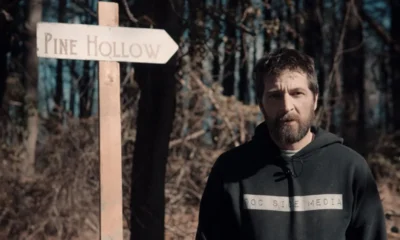
Panic Fest 2026 Review: ‘Creature Of The Pines’ Is An Interesting Found Footage Horror That Walks A Beaten Path
-
 Editorial3 days ago
Sleepaway Camp Knew Before I Did: The Legacy Johnathan Tiersten Left on Queer Media
-
 News3 days ago
Koji Suzuki Built the Well. The Author of ‘Ring’ Trilogy Dies at 68
You must be logged in to post a comment Login