Movie Reviews
[REVIEW] This ‘Dolly’ is Cracked in a Good Way
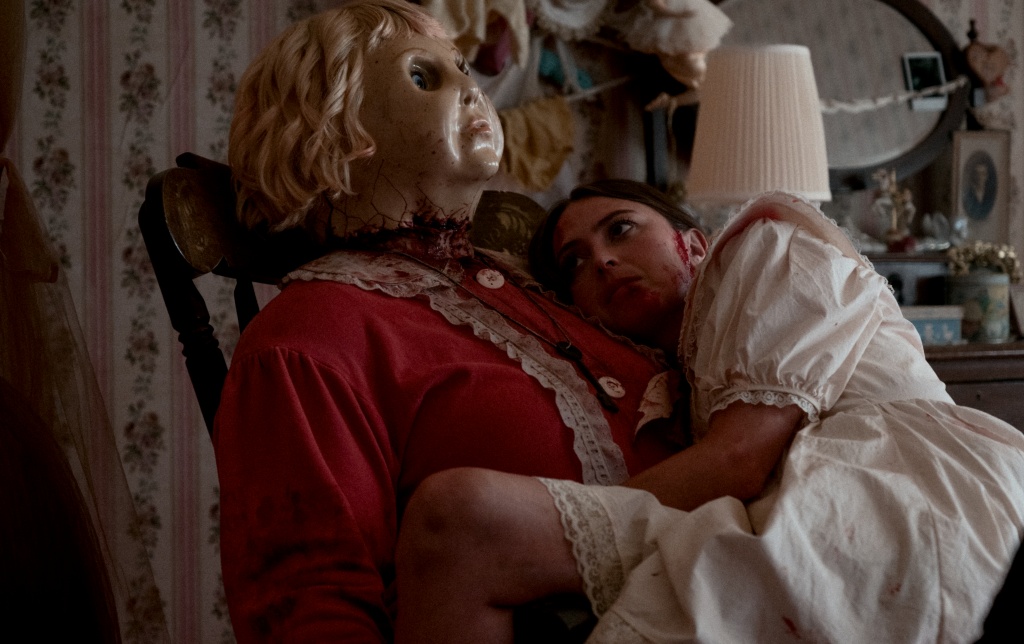

Not many horror movies are constructed like Dolly anymore. Back in the 70s and 80s, these kinds of movies were reserved for midnight showings and drive-in double features, maybe VHS. They are visceral, uncomfortable, and strangely entertaining. It’s the randomness of it all that’s created a lasting effect.
Think of practical-effects films like Madman or even Tourist Trap.
Dolly is a more cohesive film than those two movies, but it still manages to re-create their overall indie atmosphere. Dolly releases in U.S. theaters on March 6.
Dolly follows couple, Chase (Seann William Scott) and Macy (Fabianne Therese), who are taking a hike in the woods. They happen upon a large collection of old baby dolls hanging from the tree limbs. These aren’t skinny fashion dolls; they’re the creepy old school ones dressed in pinafores that your grandmother displays in the den.
They also discover the caretaker of these dolls (Max the Impaler), a massive person in a red house dress with a porcelain doll head for a face. Is it a mask? Chase is attacked by the monster and left for dead. Leaving Macy to fight for survival after she is abducted by the figure intent on raising her as its own child.
The silly plot is irrelevant. This wildly off-the-rails horror movie is reminiscent of Incident in a Ghostland and Barbarian. Throw in a heaping dose of nostalgia with Texas Chainsaw Massacre, and you can imagine what inspired Director Rod Blackhurst in making this movie.
The main story revolves around Macy’s capture. The monster spoon-feeds her, dresses her wounds, and rocks her to sleep. She’s bound and locked in the filthy house of the grotesque kidnapper, enduring its bizarre motherly actions. “Horror” and “camp” are two words I’d use to describe this film, although it’s more disturbing than comical.
Dolly feels like an even more deranged Whatever Happened to Baby Jane? Seeing this hulking monster dressed like a porcelain doll torturing its charge seems horrifying at first, but then you realize there’s something psychotically maternal about the whole thing. It’s still unhinged, but there’s a little bit of empathy that hits on the backend.
Blackhurst keeps the pacing at a good speed. His monster is fascinating to watch, and you’ll wonder if it’s a man or a woman (wrestling fans will know). I didn’t know, so I won’t give it away; the gender reveal is too deliciously demented to spoil.
Max the Impaler doesn’t speak, conveying feelings and emotions through mime work. It’s very Art the Clown, and it works as effectively in this movie as it does in Terrifier.
There are only a handful of cast members. Fabianne does her best. She’s mostly running scared and reacting to Dolly’s disgusting behavior. She has her spotlight moment, but I’ll let you discover that for yourself.
Dolly isn’t something we haven’t seen before — and that’s the point. It’s not a deep film, and it doesn’t have to be. The new generation of horror fans might say it’s not “elevated,” but that’s okay. Sometimes you just want a throwback to when handcrafted films took a small amount of money and made something big. Dolly is a love letter to those simpler, practical times.



Movie Reviews
‘And Her Body Was Never Found’ Takes Found Footage Somewhere New
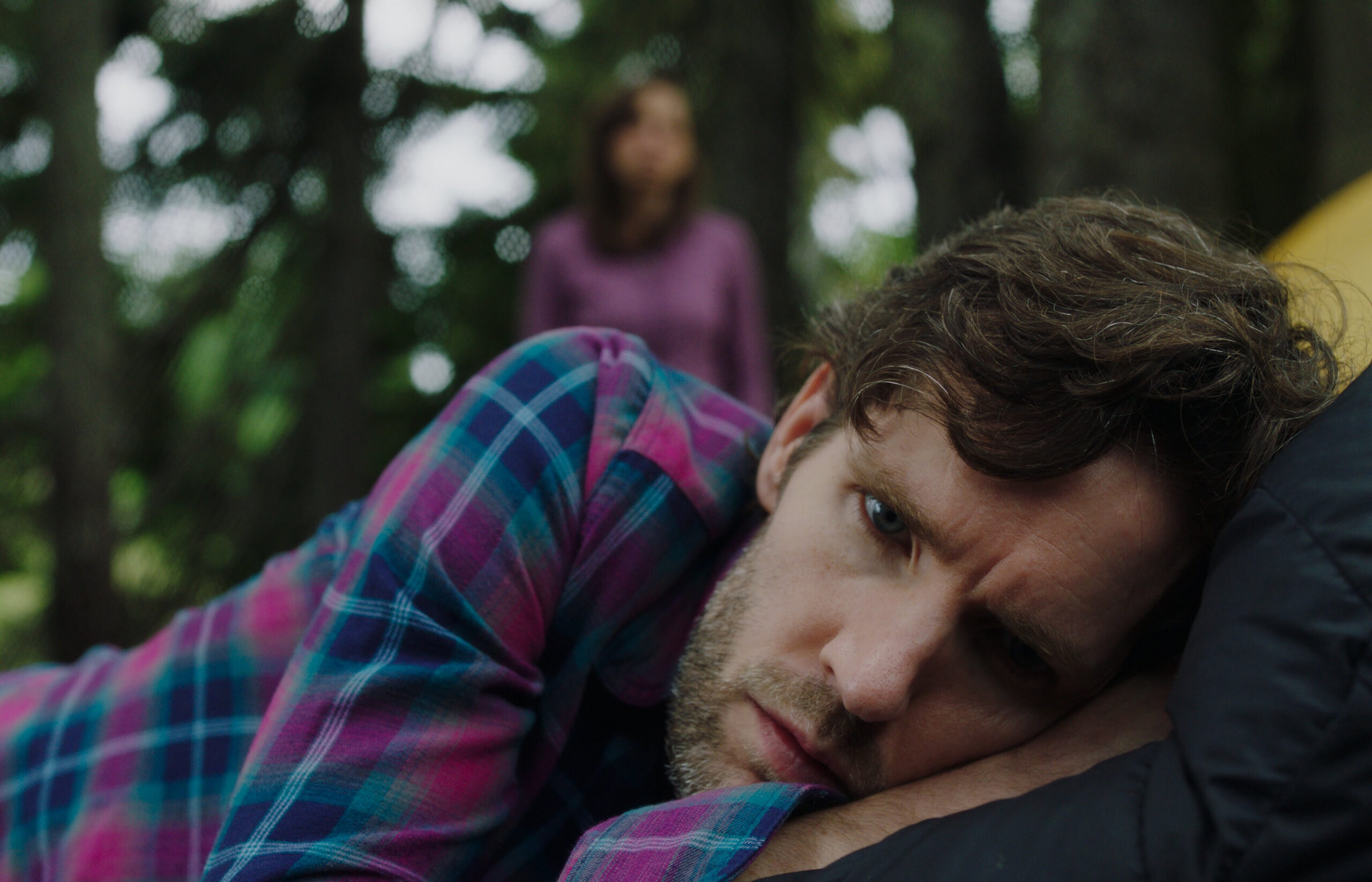
Mor Cohen and Polaris Banks made a film about their real relationship. It opens the way you might expect a film about a real relationship to open, which is to say: uncomfortably.
The film opens on a man masturbating onto his wife’s chest while the two of them sit in a river. This is not a metaphor. Or rather, it is very much a metaphor, but it is also literally happening on screen. He keeps asking her to take her yop off. She doesn’t want to. He keeps asking anyway, because that is what this man does with every limit he runs into, he treats it as a negotiation he is already winning.
This is how And Her Body Was Never Found introduces itself at SXSW 2026. Buckle up.
Two Bodies in the Frame
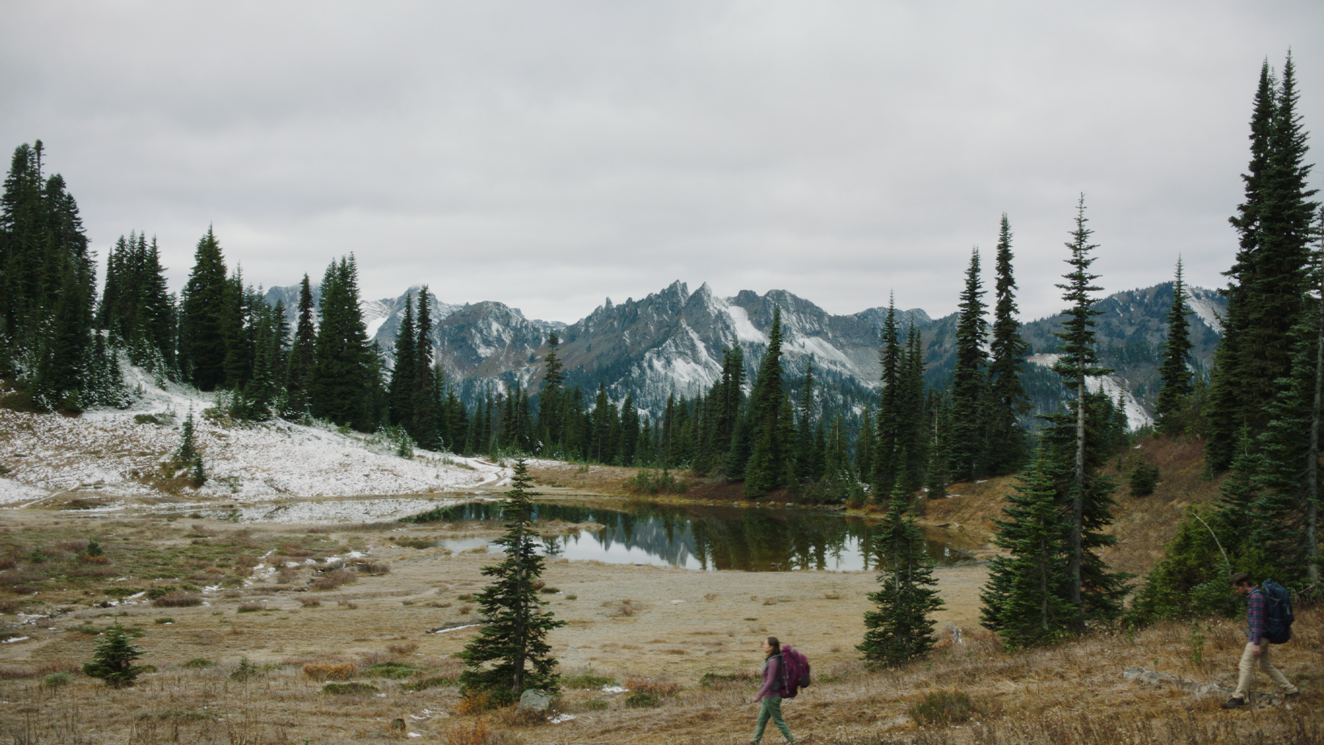
After the river, the cinematography immediately tells you where you stand. We see the back of her head in close-up, frame-filling, a wall of hair and refusal. He is in the far distance behind her, trying to to keep up. She is not waiting. You read the entire relationship before anyone opens their mouth again.
When they do sit down, she offers him a sandwich. It is a peace offering. It is an olive branch. In the context of this relationship, it is a mistake, because he immediately uses the olive branch to restart the argument. If you have ever loved someone profoundly frustrating, this scene will reach through the screen and grab you by the collar in the most empathetic possible way.
The fight spirals the way real fights spiral, not toward a point but away from one. Semantics get weaponized. He gaslights. The argument rolls over everything except the actual subject. She gets to the point where she raises a stick, and honestly, given the last forty-eight hours, a jury of her peers would understand completely. At the campsite that evening, she tells him she is done. The marriage is over.
The next morning, he says everything right. Every single thing. The full lovebombing playbook: the apology that sounds like he finally gets it, the warmth that feels real, the version of him she fell for showing up right on schedule. Anyone who has ever stood at that crossroads recognizes this moment in their bones. The film does not editorialize. It just watches.
The Cliff Scene
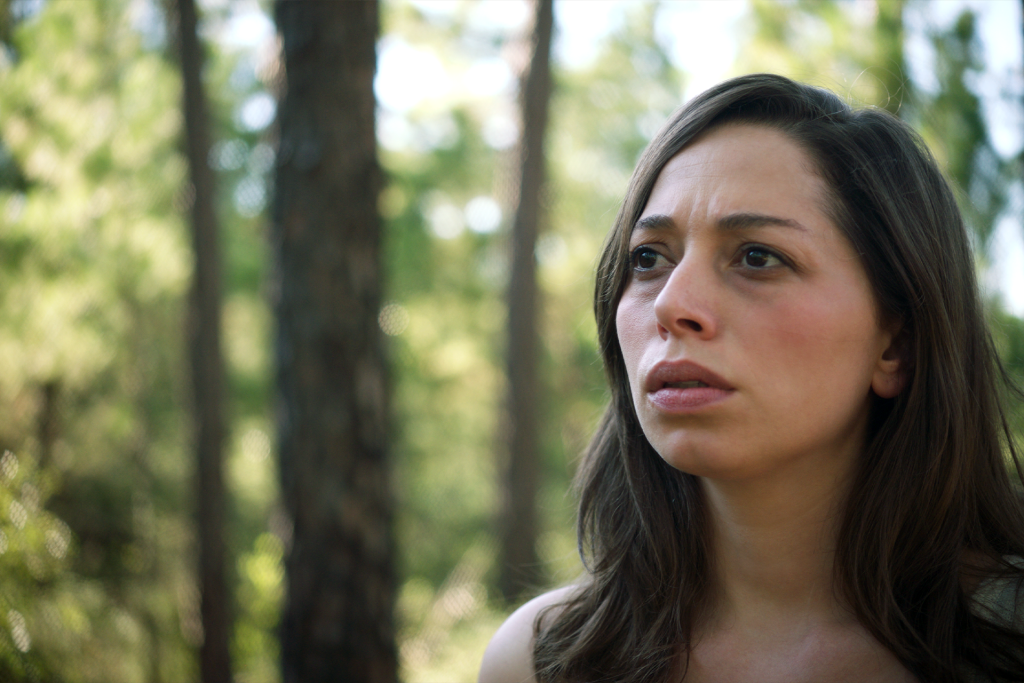
The film’s pivot arrives at a cliff overlook, with something that sounds unmistakably like Wizard of Oz music underneath it. She stands away from the cliff edge, keeping her distance from him. The film makes it clear she is briefly considering how easy it would be to resolve this situation unilaterally. He guilts her onto the ledge through emotional blackmail dressed as a trust exercise.
And then he pushes her.
This is where And Her Body Was Never Found breaks itself open. The take ends. The characters step out. Mor and Polaris are no longer their characters. They are Mor and Polaris, and he is furious about where his hand landed, and she is shaken in a way that does not feel scripted, because it is not scripted, because this part is not the movie anymore. She refuses to continue the scene.
The fourth wall does not just come down here. It gets dismantled and examined.
Blair Witch Country
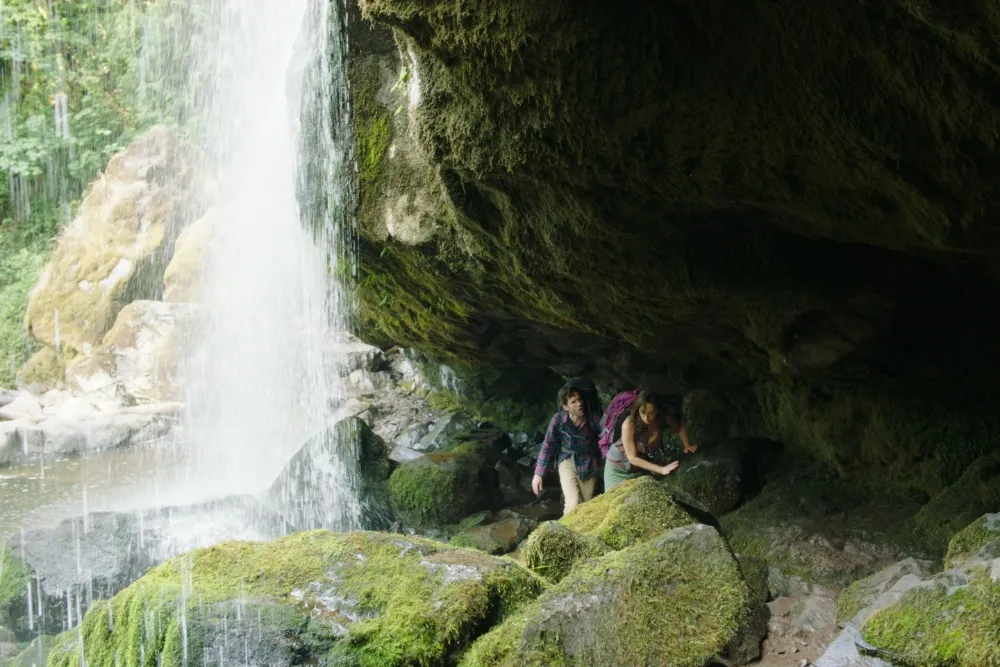
A cut to night. She is in her tent, filming herself on her phone in vertical format. The frame is narrow and confining. The dark outside is absolute. She says out loud that it would be easy to kill her out here and get rid of the body. Nobody would know.
The Blair Witch Project comparison is not subtle and does not need to be. It is being invoked consciously, as a reference point for what it feels like when the camera becomes the only witness. The found footage mode here is not an aesthetic choice so much as evidence collection, and the film is smart about what that implies.
The film’s formal announcement that it is a meta project, two filmmakers making something about their own fights, arrives here. It reconfigures everything that preceded it without invalidating any of it.
Hat on a Hat on a Hat
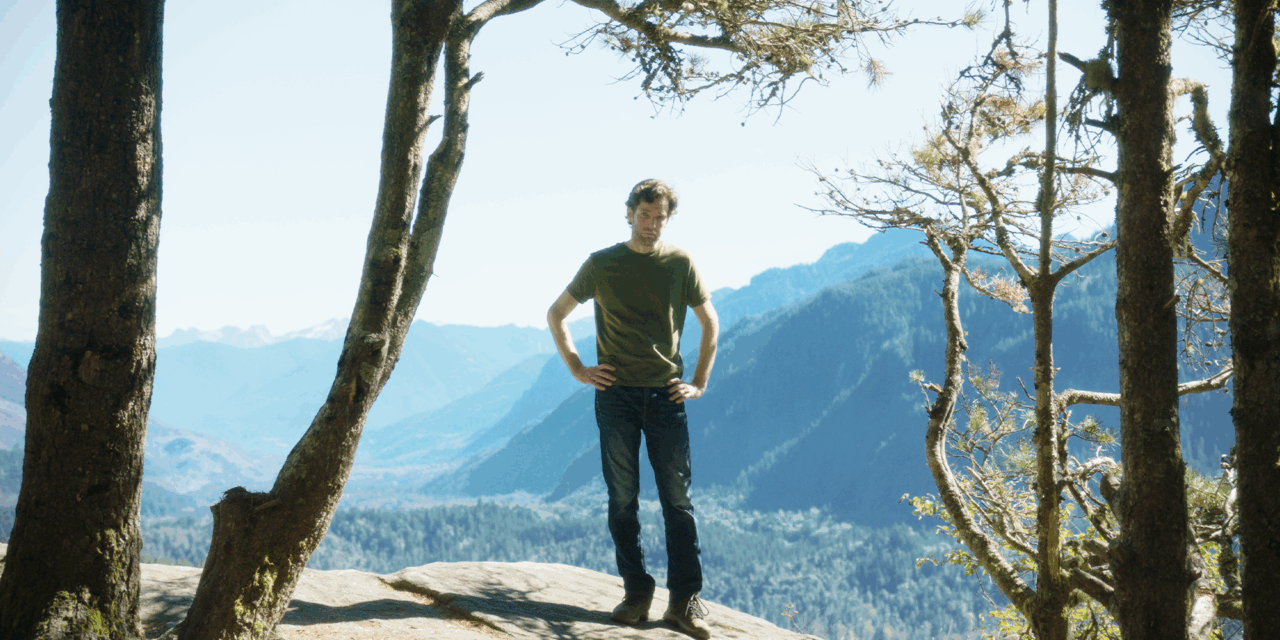
This is also where the film begins to strain, just slightly. And Her Body Was Never Found has already broken the fourth wall once, then reconstructed it, then broken it again. Characters comment on the layers. The commentary becomes its own layer.
The film ends somewhere past the point where you can usefully track what is cinema and what is meta and what is real. That disorientation is partly the point. It is also, at a certain moment past the film’s last clean beat, a miscalculation. The movie keeps going after it has already landed.
What Banks and Cohen Got Right
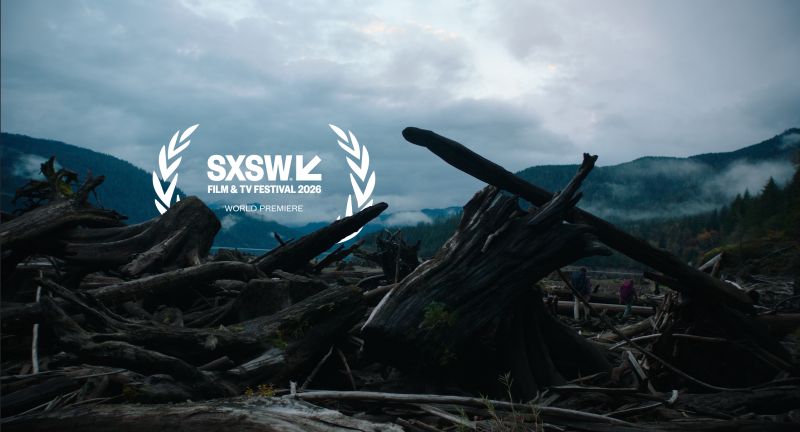
A lot, is the answer. The performance dynamics are precise in a way that indie horror rarely achieves. The cinematography is working on multiple levels simultaneously. The abuse arc is drawn with enough specificity to feel observed rather than constructed, which is not a small thing when both filmmakers are also the subjects.
Polaris Banks and Mor Cohen are making something genuinely new here. Other critics at SXSW noted how cleverly written the film is. That is true. It is also, in places, too clever for its own good, and the film never entirely resolves the tension between those two facts. The overreach at the end does not undo what precedes it. It just means the thing that is most impressive about this project, the willingness to keep pushing the structure past the point of comfort, is also the thing that gets it into trouble in the final ten minutes.
At seventy-five minutes, it is still a tight film that keeps the tension high and earns most of its ambition. The structural risks it takes are real risks, not aesthetic posturing. And the film it is in conversation with, the long tradition of found footage as emotional exposure, is richer for having this in it.
Movie Reviews
The Serpent’s Skin Is Everything We’ve Been Asking Queer Horror For
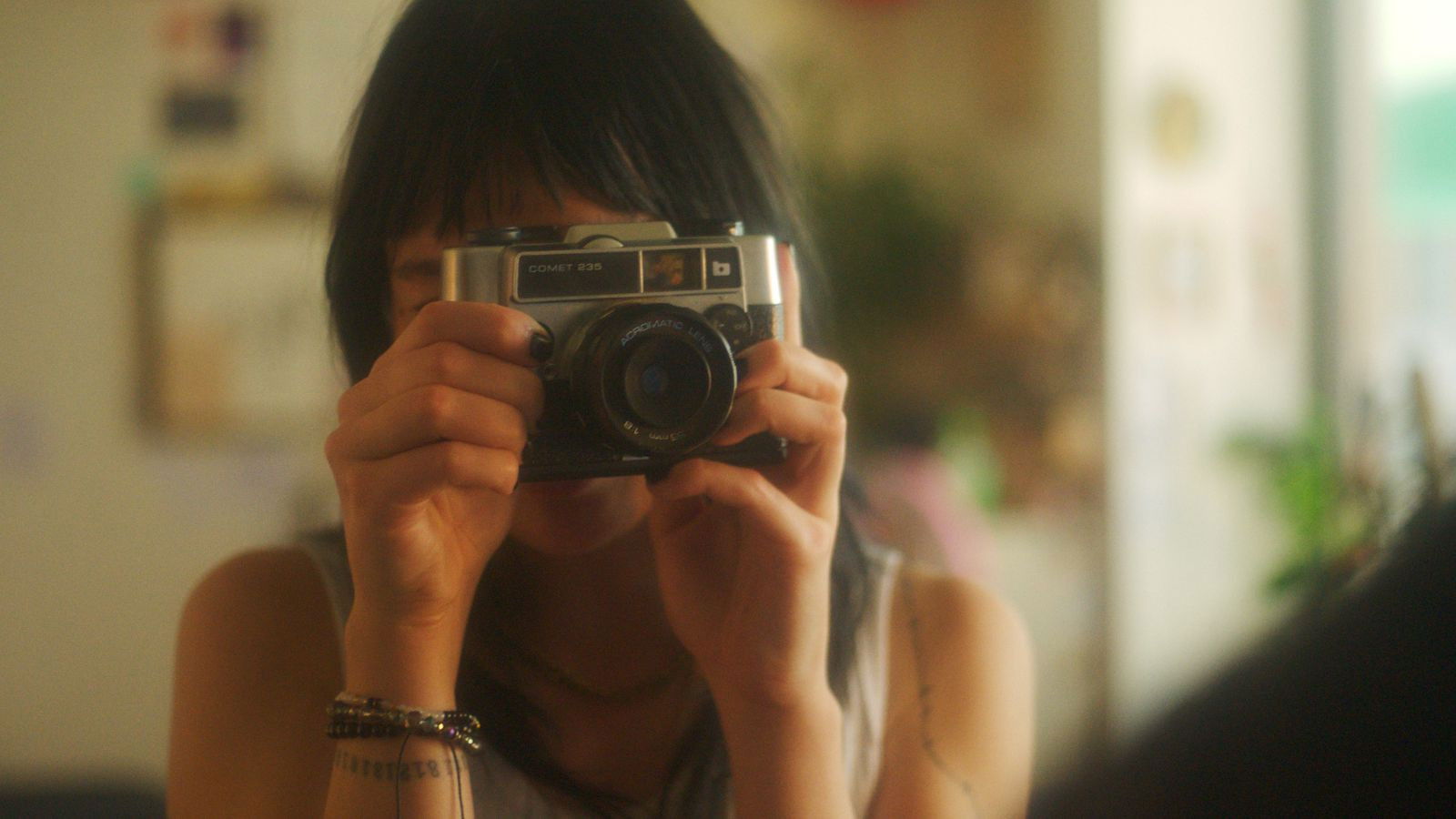
We need to talk about Alexandra McVicker.
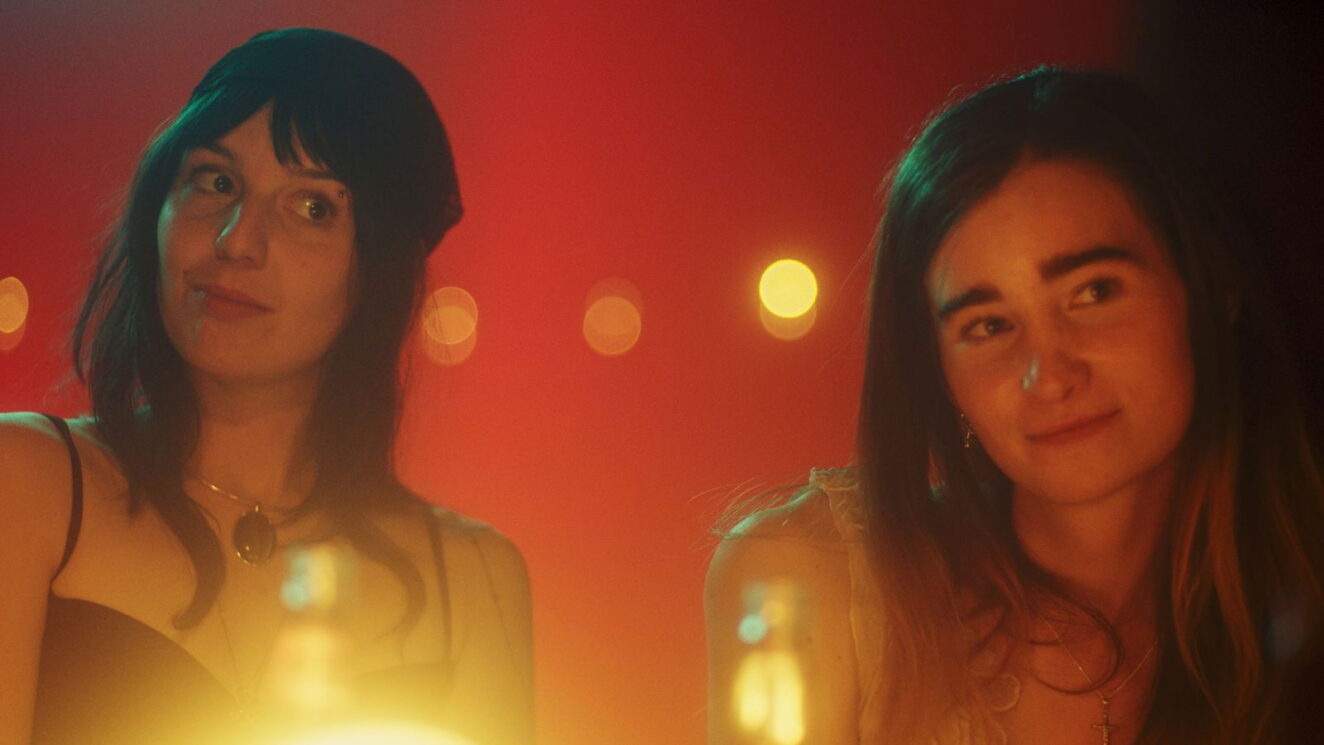
I came into The Serpent’s Skin ready to watch Alice Maio Mackay do her thing. And she does, we’ll get there. But McVicker as Anna stopped me cold within the first ten minutes and didn’t let go. She’s playing timid in a way I haven’t seen done right in a long time. There’s this quality to her where you can feel how carefully she’s holding herself, like she’s protecting something she knows is fragile but real, and every time the camera goes in close you catch it. Mackay leans into those close-ups hard, Obsession-style. The kind of framing where a face becomes its own landscape, and McVicker rewards it every single time. The hope sitting underneath all that timidity is quiet enough that you might miss it if you’re not paying attention. Don’t miss it. It’s the whole movie.
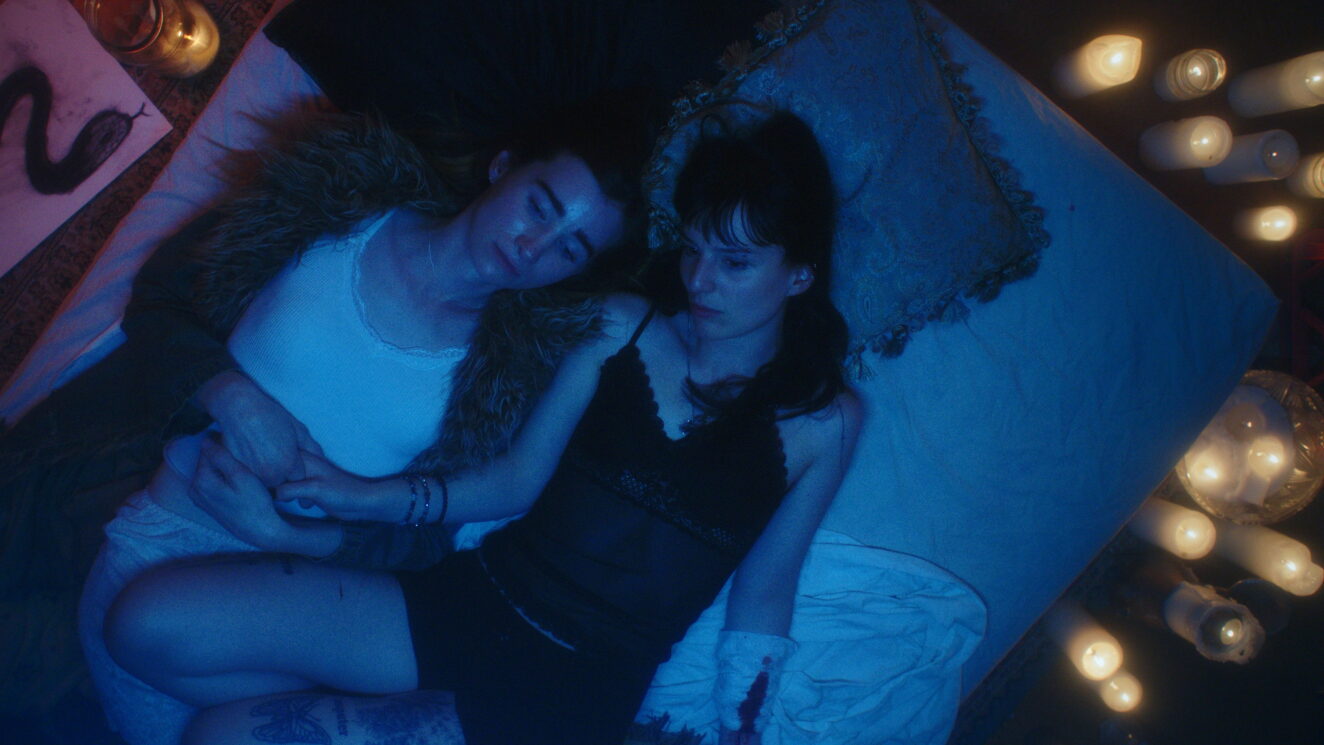
Okay. Mackay. Six features, twenty-one years old, and The Serpent’s Skin is where she lands on the version of herself she’s been moving toward since So Vam. The trans experience isn’t the plot here so much as it’s the weather. It’s in how Anna walks into rooms, in what she’s leaving behind before we even meet her, in what the stakes actually are when the supernatural stuff kicks in. You don’t get a monologue explaining any of it. If you live inside it, you’ll feel the whole shape. If you don’t, you’ll still have a good time, which is the harder trick and the one she pulls off. Her trajectory across these films has been toward exactly this. Trans characters moved from background to center, and now center to core. The Serpent’s Skin is where that project feels complete.
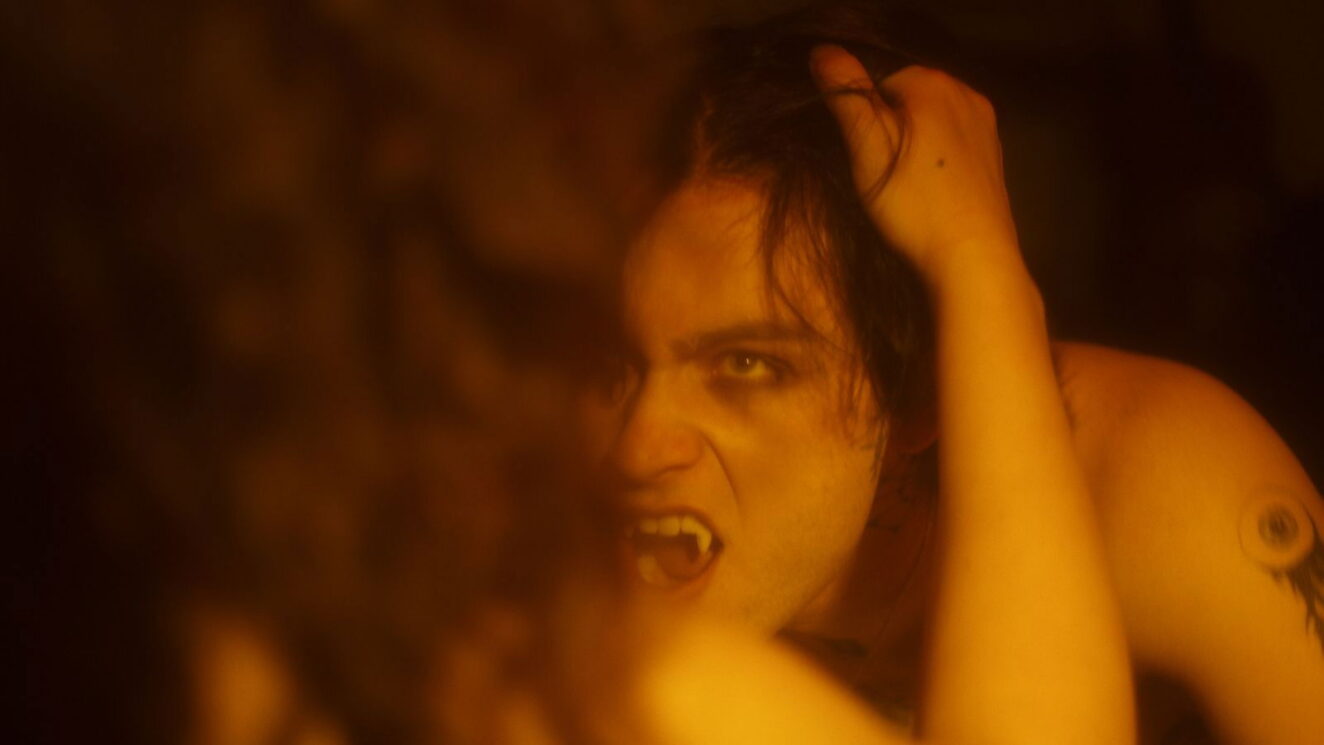
There’s a scene with Danny, where he hits on Anna, and the sexual tension in that scene seeps through the screen in a way that I was not expecting from a Tuesday afternoon screener. The chemistry is real, and it’s uncomfortable, and it’s good. And then Danny transforms, and the makeup team gave him something right out of the Buffyverse practical effects playbook. That same textured ridge work, monsters that feel like they share actual air with the people they’re threatening. The whole sequence recontextualizes everything that came before it. It’s a good piece of filmmaking. The setup earns the scare.
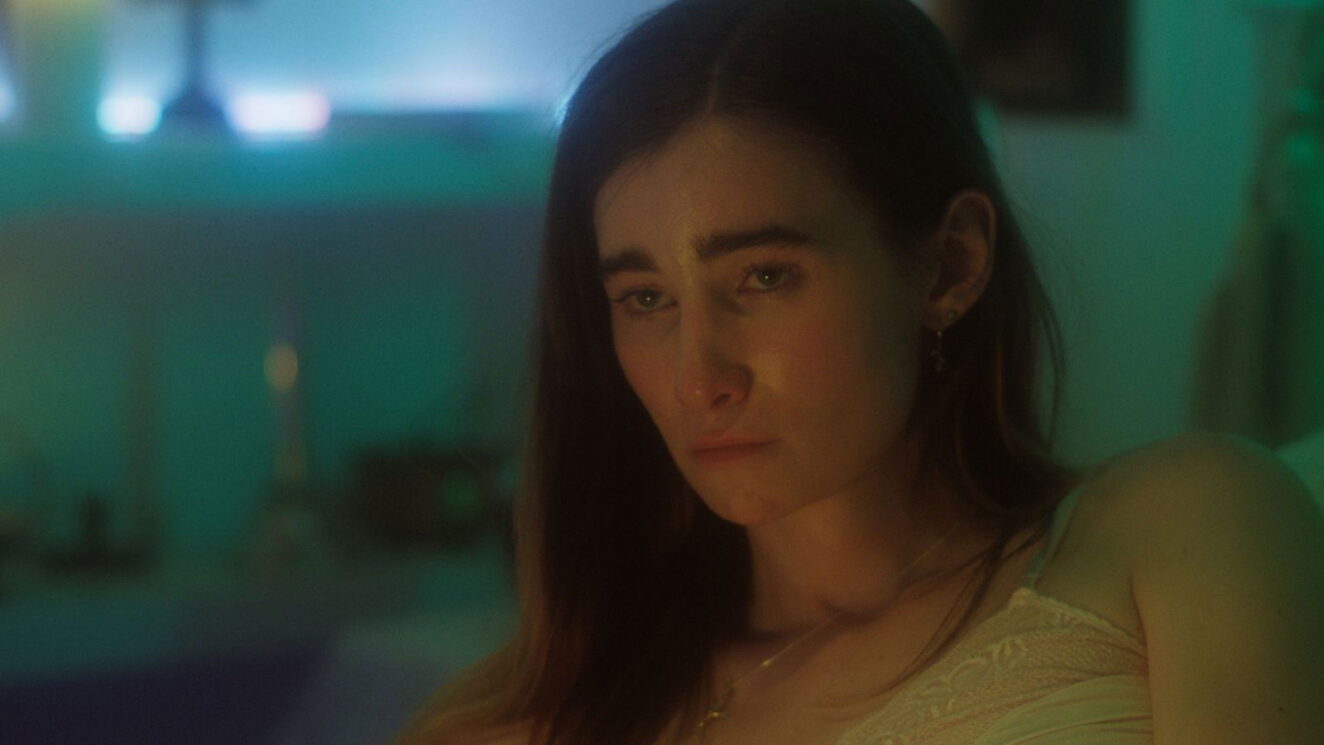
One note, offered with love: there is an intimate scene where someone spits on their hand. I understand the intention. A woman this competent in every other area of her life would carry lube. She should carry lube. This is my only complaint about The Serpent’s Skin and I recognize how good that is.
The whole visual world is neon-soaked in a way that feels deliberate at every level rather than just aesthetic. Every color is a reference or a warning. The festival circuit noticed. They were right.
Here’s what I can’t stop thinking about, though. The Serpent’s Skin is a very good movie that is also, structurally, a pilot. The mythology has room in it. Anna and Gen and the world they’re building has room in it. I want eight seasons of twenty-two episodes. I want monster of the week. I want to watch this relationship grow across years in the same way we got to watch the Winchesters figure their lives out, except this time nobody’s queerness is subtext, nobody’s trans identity is a twist, and the story belongs to them from the start. Give us that show. Someone give us that show now.
But until then we have this, and this is worth your time and your money and the drive to wherever it’s playing near you. Horror has been asking for a film that centers queer women without making the queerness the tragedy, that uses the supernatural as something other than a metaphor for shame, that trusts its audience enough to just tell the story and let us feel it. The Serpent’s Skin is that film. Alice Maio Mackay made it at twenty-one. We should probably all be embarrassed about that, in the best possible way.
Where to see it:
Now playing New York, NY — March 27 | Los Angeles, CA — April 3
Upcoming screenings
- 4/10, 4/11 — Denver, CO — Sie FilmCenter
- 4/11 — Boston, MA — Alamo Drafthouse Cinema Boston Seaport
- 4/11 — Chicago, IL — Alamo Drafthouse Cinema Wrigleyville
- 4/11 — Dallas, TX — Alamo Drafthouse Cinema Cedars
- 4/11 — Denton, TX — Alamo Drafthouse Cinema Denton
- 4/11 — New York, NY — Alamo Drafthouse Cinema Lower Manhattan
- 4/11 — Yonkers, NY — Alamo Drafthouse Cinema Yonkers
- 4/11 — Raleigh, NC — Alamo Drafthouse Cinema Raleigh
- 4/11 — San Antonio, TX — Alamo Drafthouse Cinema Park North
- 4/11 — San Francisco, CA — Alamo Drafthouse Cinema New Mission
- 4/11 — Santa Clara, CA — Alamo Drafthouse Cinema Valley Fair
- 4/11 — Woodbury, MN — Alamo Drafthouse Cinema Woodbury
- 4/11 — Naples, FL — Alamo Drafthouse Cinema Naples
- 4/11, 4/13 — Denver, CO — Alamo Drafthouse Cinema Sloans Lake
- 4/11, 4/14 — Austin, TX — Alamo Drafthouse South Lamar
- 4/25 — Sacramento, CA — The Dreamland Cinema
- 5/14 — Sebastopol, CA — Rialto Cinema
- 6/8 — Portland, OR — Clinton Street Theater
Movie Reviews
[Review] ‘The Kinderhook Creature: In The Shadow of Sasquatch’ – A Haunting Mystery
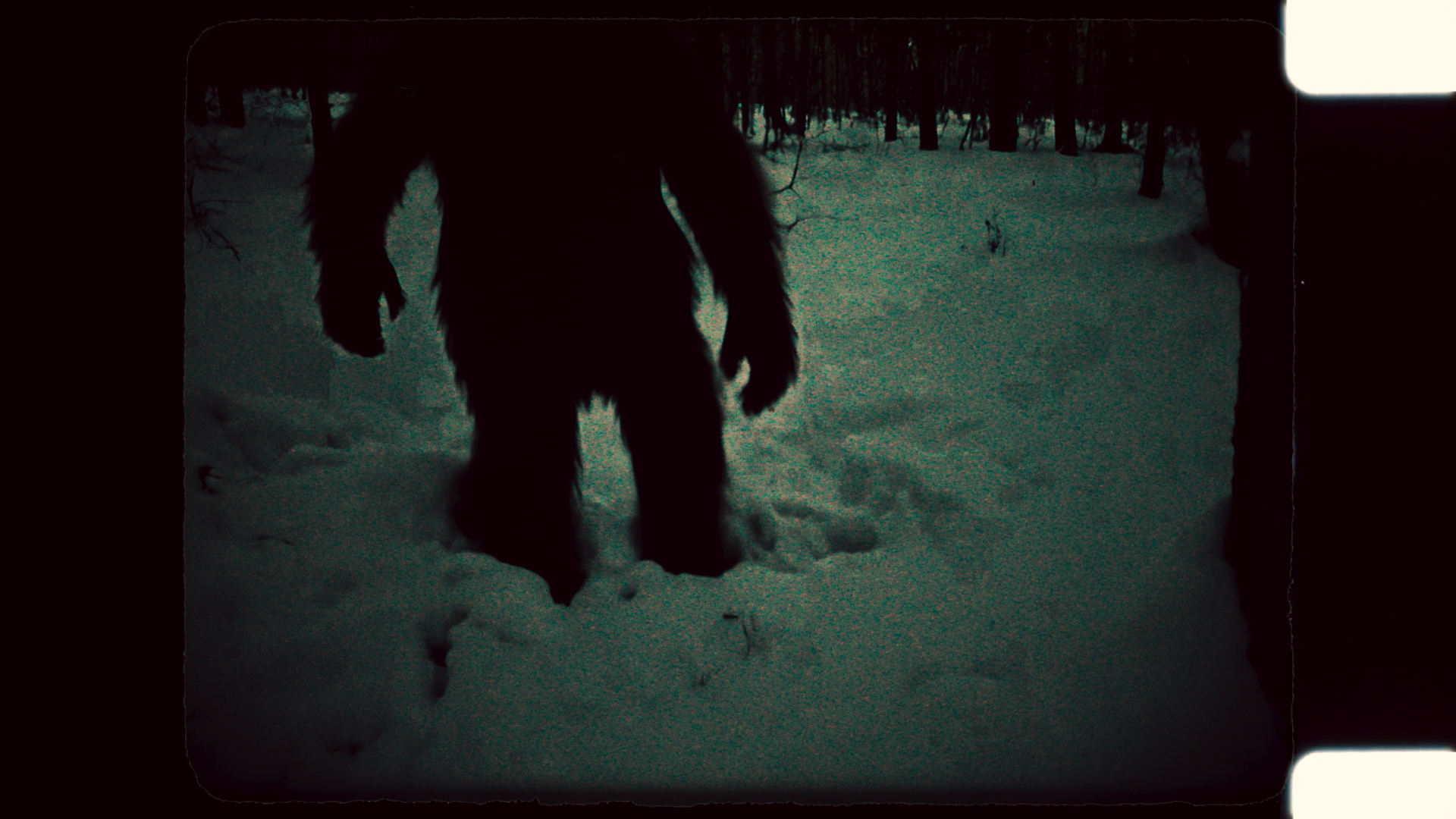
Director Seth Breedlove continues his exploration of American folklore with The Kinderhook Creature: In the Shadow of Sasquatch, a quietly unsettling and reflective documentary that blends eyewitness testimony with deeply personal storytelling. Known for his work with Small Town Monsters, Breedlove once again leans into atmosphere over spectacle, delivering a film that feels as much like a character study as it does an investigation into the unknown.
Set in the quiet town of Kinderhook, New York, the film centers on author and radio broadcaster Bruce Hallenbeck, whose alleged encounters with a mysterious upright creature in the 1980s helped shape the legend of the so-called Kinderhook Creature. Rather than presenting the story as a straightforward cryptid hunt, the documentary frames these events through Hallenbeck’s life and experiences, creating a narrative that is both intimate and quietly unnerving.
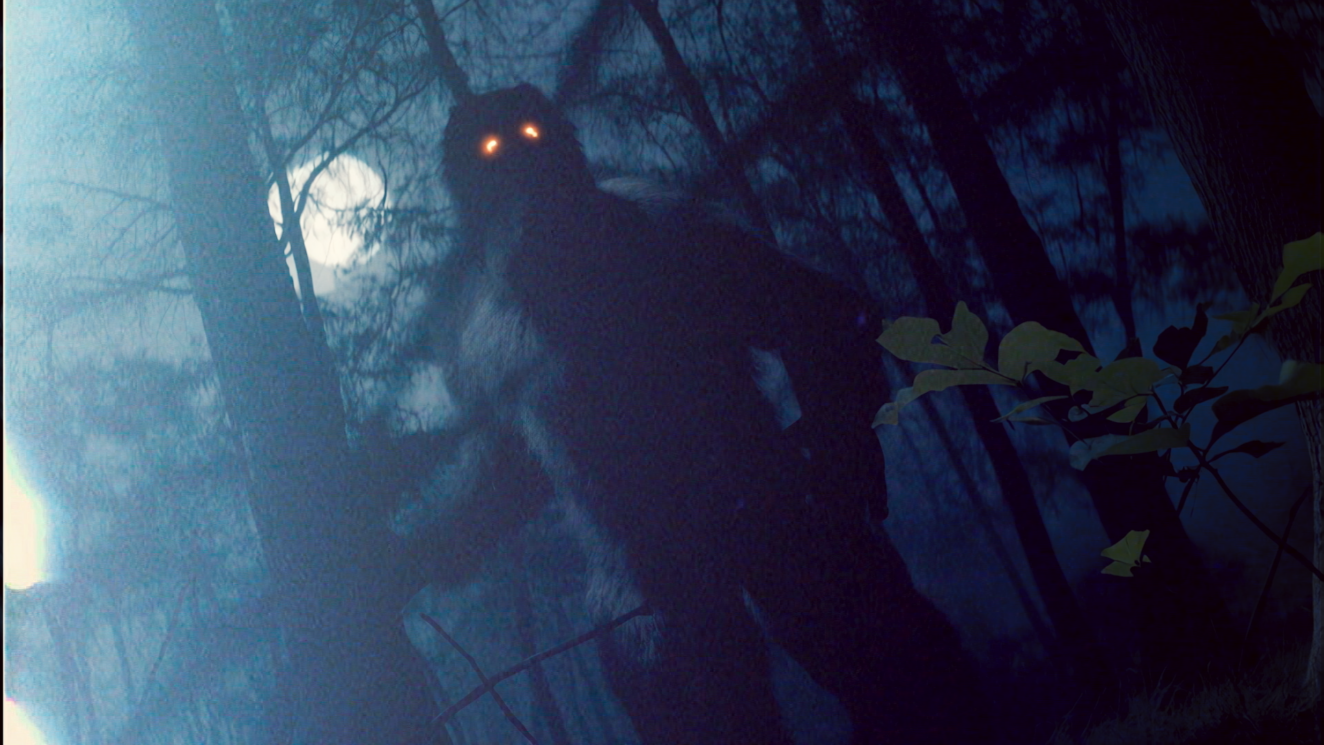
Breedlove’s approach favors mood and reflection, allowing the weight of the story to build through interviews, recollections, and the enduring impact these encounters have had on those involved. The film also touches on broader paranormal elements, suggesting that the creature sightings may be only one part of a much larger and stranger series of events.
What sets In the Shadow of Sasquatch apart is its restraint. It avoids sensationalism, instead focusing on the human side of belief, memory, and mystery. For longtime followers of Small Town Monsters, the film fits comfortably alongside previous entries like The Mothman of Point Pleasant and On the Trail of Bigfoot, continuing the studio’s signature blend of folklore and grounded storytelling.
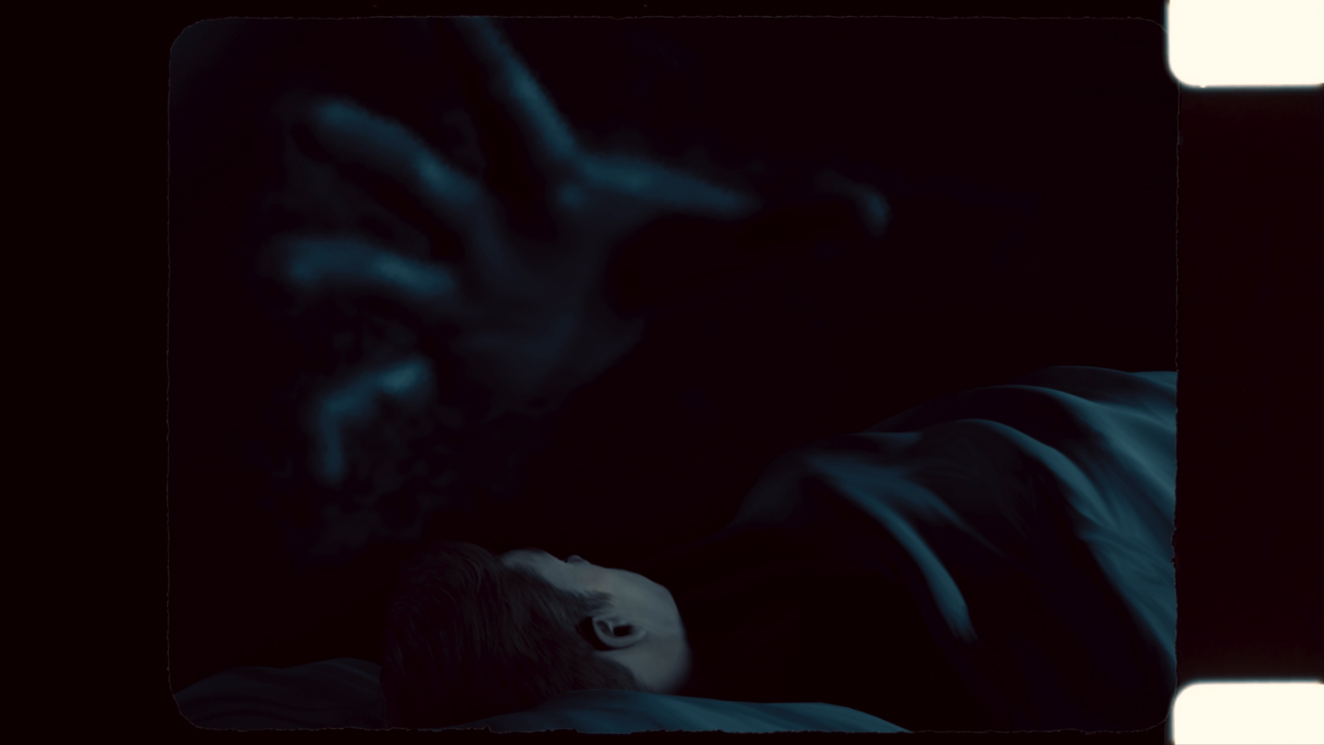
While viewers looking for definitive answers may not find them here, the documentary succeeds in presenting a compelling and thoughtful look at a decades-old mystery that still lingers.
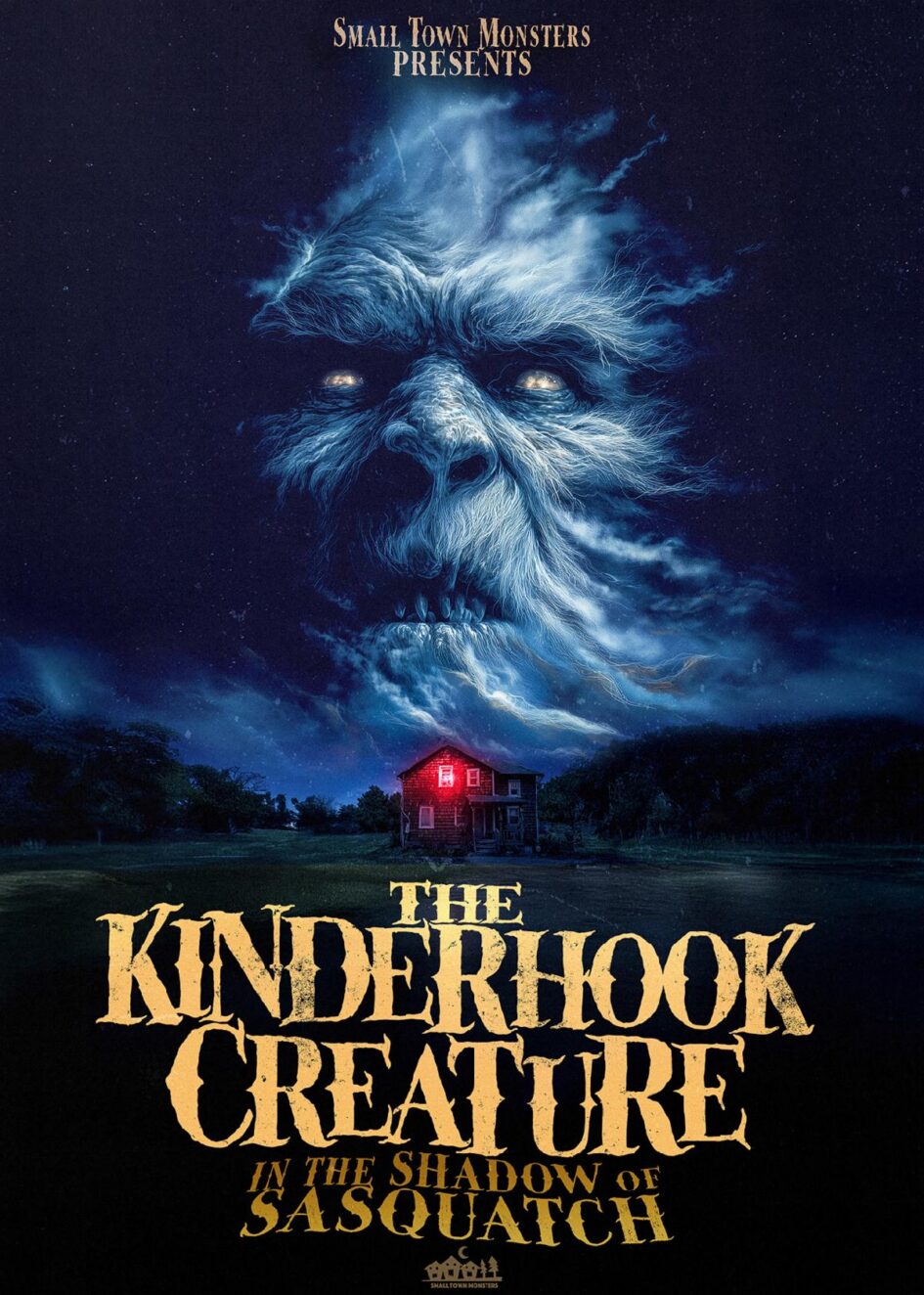
The Kinderhook Creature: In the Shadow of Sasquatch arrives on digital platforms March 24, offering a quietly haunting entry that lingers long after the credits roll.



Certified Creepy: 10 Underrated Horror Movies Critics Actually Loved

Leslie Vernon Is Coming Back and We Are Not Calm About It

Alien Watch Order and Complete Lore Guide: Yes, Jesus Is Involved

If You Like ‘Paranormal Activity’ Try These 6 Films

‘Colony’ Trailer Reveals New Zombie Film from ‘Train to Busan’ Director as Original Returns to Theaters

EXCLUSIVE: The ‘Live! with the Other Side’ Trailer Dropped and the Dead Have a Lot to Say

Chucky Is Going Back to Theaters, and Don Mancini Says It’s Going to Be Scary Again

The Book That Wouldn’t Let Me Go: ‘Interview with the Vampire’ Turns 50

The Crypt Keeper Is Coming Home. Tales From the Crypt Begins Streaming On Shudder

7 Horror Movies That Are ‘Elm Street’ Adjacent

5 Horror & Thriller Films Premiering at Cannes 2026

This Week in Horror: CinemaCon Delivered, Nicolas Cage Is Coming Back, and Someone Let Ti West Near a Christmas Story

‘Behind The Mask’ is a Love Letter to Slashers

The Dark Side of Paradise: Why Tropical Horror Hits Different

Thinestra Review: Almost as Sharp as It Thinks It Is

Sacrificios Review: Some Miracles Have a Price Tag

7 Horror and Mystery Films That Explore Jack the Ripper
Chucky Is Going Back to Theaters, and Don Mancini Says It’s Going to Be Scary Again

‘Speed Demon’ Acquired by Maverick Film & Complex Corp Ahead of May Release

Universal Fan Fest Nights Brings New Fandom Experiences to Universal Studios Hollywood!
EXCLUSIVE: The ‘Live! with the Other Side’ Trailer Dropped and the Dead Have a Lot to Say
5 Horror & Thriller Films Premiering at Cannes 2026
-
 News5 days ago
‘Colony’ Trailer Reveals New Zombie Film from ‘Train to Busan’ Director as Original Returns to Theaters
-
 News4 days ago
EXCLUSIVE: The ‘Live! with the Other Side’ Trailer Dropped and the Dead Have a Lot to Say
-
 News3 days ago
Chucky Is Going Back to Theaters, and Don Mancini Says It’s Going to Be Scary Again
-
 Books6 days ago
The Book That Wouldn’t Let Me Go: ‘Interview with the Vampire’ Turns 50
-
 News4 days ago
The Crypt Keeper Is Coming Home. Tales From the Crypt Begins Streaming On Shudder
-
 Lists4 days ago
7 Horror Movies That Are ‘Elm Street’ Adjacent
-
 Movies4 days ago
5 Horror & Thriller Films Premiering at Cannes 2026
-
 Lists3 days ago
7 Horror and Mystery Films That Explore Jack the Ripper
You must be logged in to post a comment Login