News
Sacrificios Review: Some Miracles Have a Price Tag
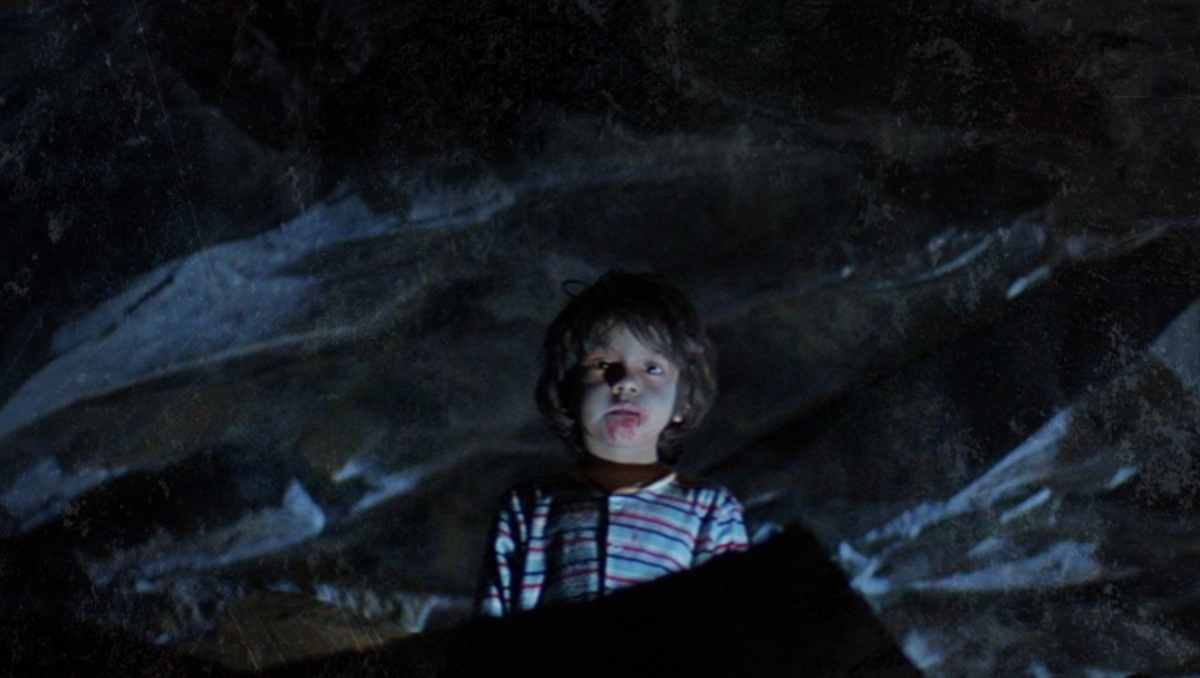
Full disclosure: I know almost nothing about Aztec culture. I am not a historian, and I am not a scholar. I am a horror writer who watched a Mexican psychological thriller at midnight and cried about it. The good news is that none of my ignorance matters, because Sacrificios is not making an argument you need a textbook to follow. It is making an argument that is written into every parent who has ever sat at a hospital bedside and thought, take me instead.
You will understand this film completely. I promise.
One more thing before we get into it. The first fifteen minutes have some effects that are a little rough around the edges. Push through. I am serious. Whatever you think is happening in those opening scenes is not representative of what this film becomes. Stay in your seat.
What Is Actually Happening
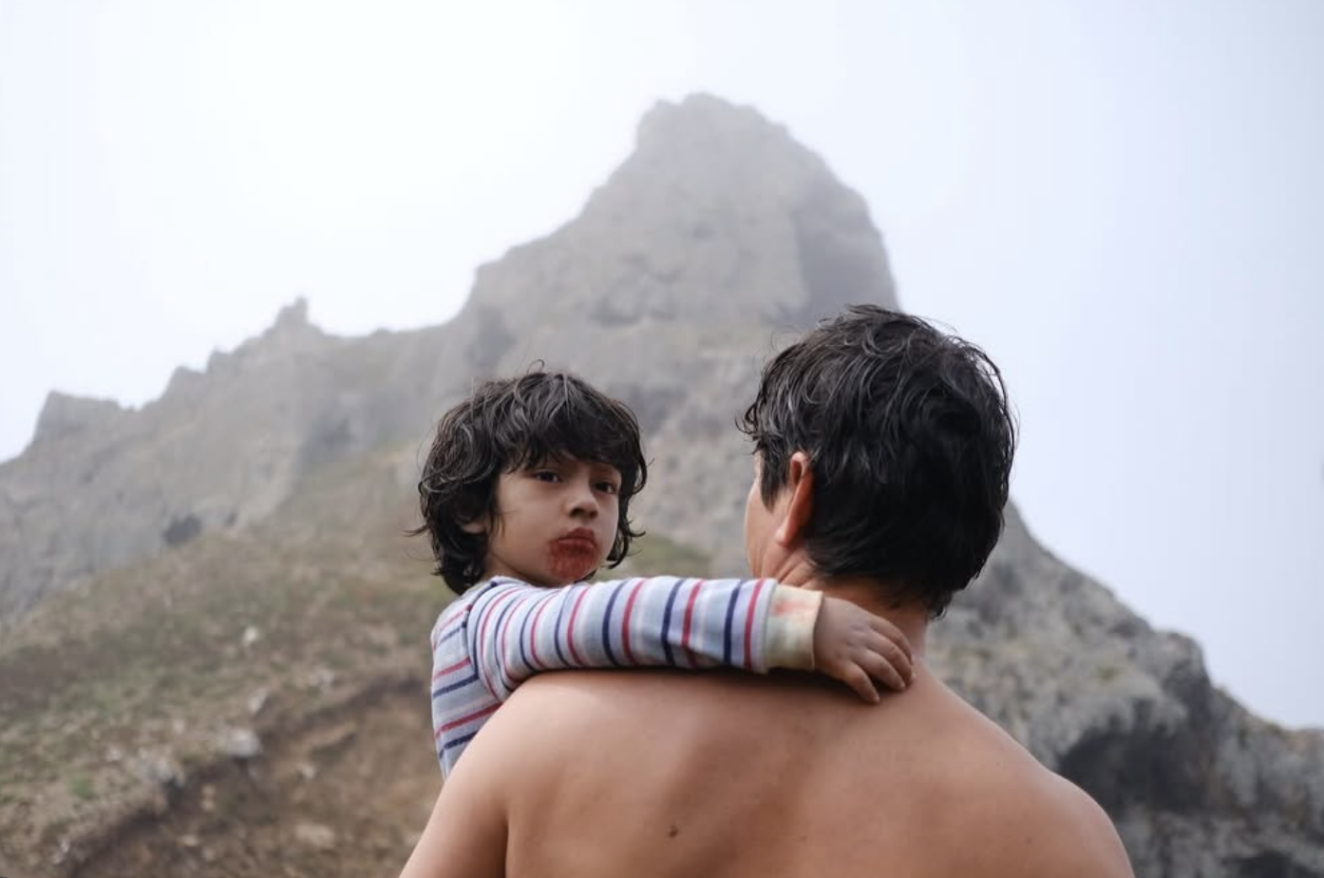
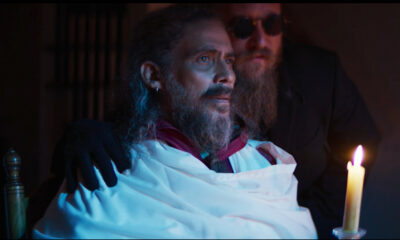
Juan is a father. His young son dies. Then the ocean gives him back.
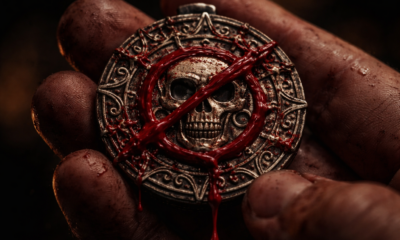
That is the setup, and the film is smart enough not to over-explain it. Director Mauricio Chernovetzky and co-writer Alexander Ioshpe are not interested in the mechanics of the miracle. They are interested in the price. And the price is this, to keep his son alive, Juan has to feed him his own blood. Not metaphorically. Literally. The child drinks from his father until there is nothing left to drink.
You know, light family viewing.
The Sacrifice Thing Is The Whole Movie
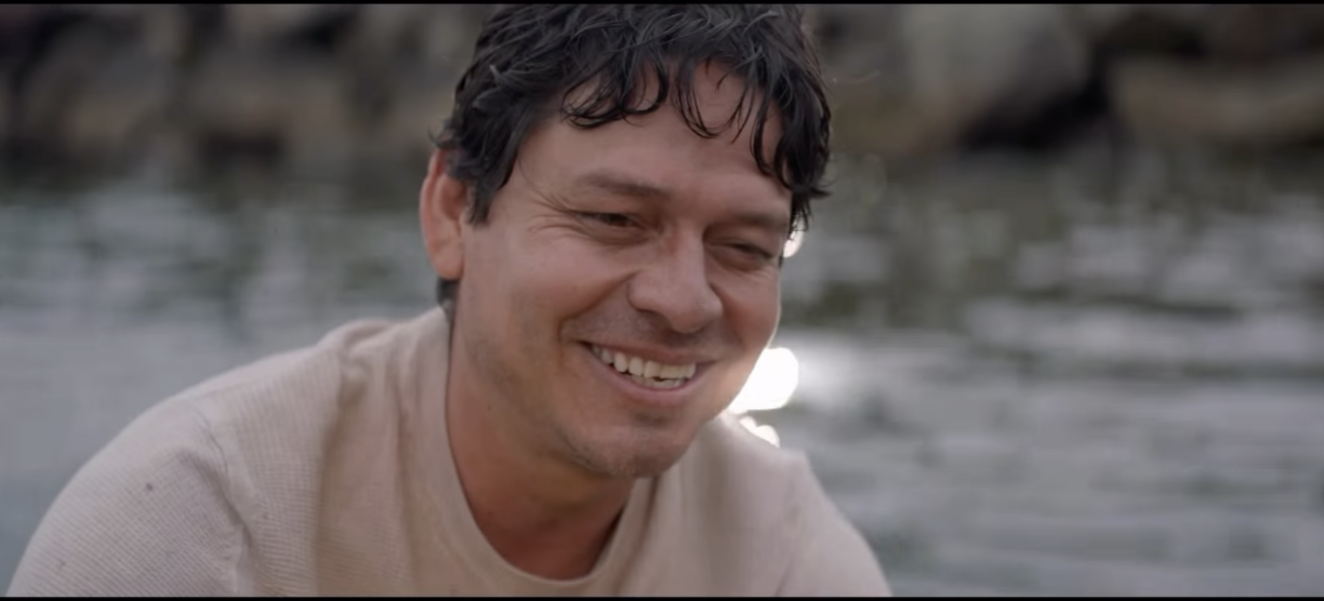
I want to sit with this for a second because it is genuinely one of the more brutal premises I have encountered in recent horror, and the film earns every drop of it.
There is something ancient about the image of a father slowly pouring himself out, so his child can live. I am not qualified to tell you where exactly this imagery lives in the specific cultural tradition the film is drawing from. What I can tell you is that it did not need to explain itself to me. The act translates. A parent giving everything they have, past the point of survival, so their child does not have to face whatever comes next. That is not a Mexican idea or an Aztec idea. That is a human idea. It has been a human idea for as long as humans have had children they could not bear to lose.
Chernovetzky has said this film is dedicated to his and Ioshpe’s fathers, and that the question driving the whole thing was, is there a limit to how much a father would be willing to sacrifice? The grief, the silence, the weight carried alone. Watching Juan answer that question over 92 minutes is not comfortable. It is not supposed to be.
The film asks what you would trade for one more day. And then it makes you watch Juan trade everything.
The Dreamlike Stuff
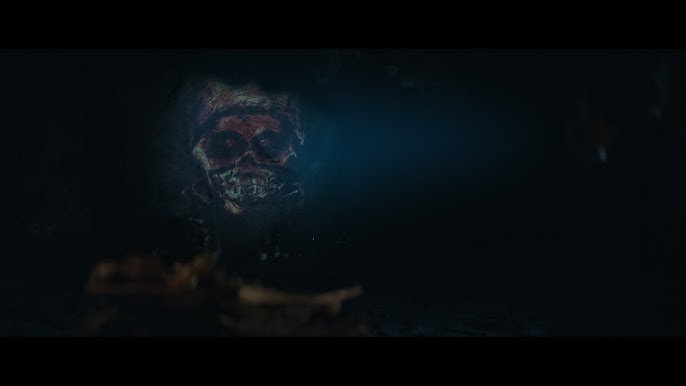
The film lives in the same territory as Jacob’s Ladder and The Witch, which the filmmakers themselves have cited as touchstones. That is a confident comparison to make, and they back it up. You are never fully sure what is real and what is happening inside Juan’s collapsing mind, and the film is deliberate about keeping you in that uncertainty. The dreamlike quality is not atmosphere for its own sake. It is the logic of grief. When you are inside that kind of loss, the line between what happened and what you are imagining happening gets very thin very fast.
Cinematographer Grzegorz Bartoszewicz shoots the Mexican landscape like it knows what Juan did. There is a heat and a weight to every frame. The wrongness is baked in from the beginning, so when things fall apart it feels less like a reveal and more like an inevitability.
The Cast
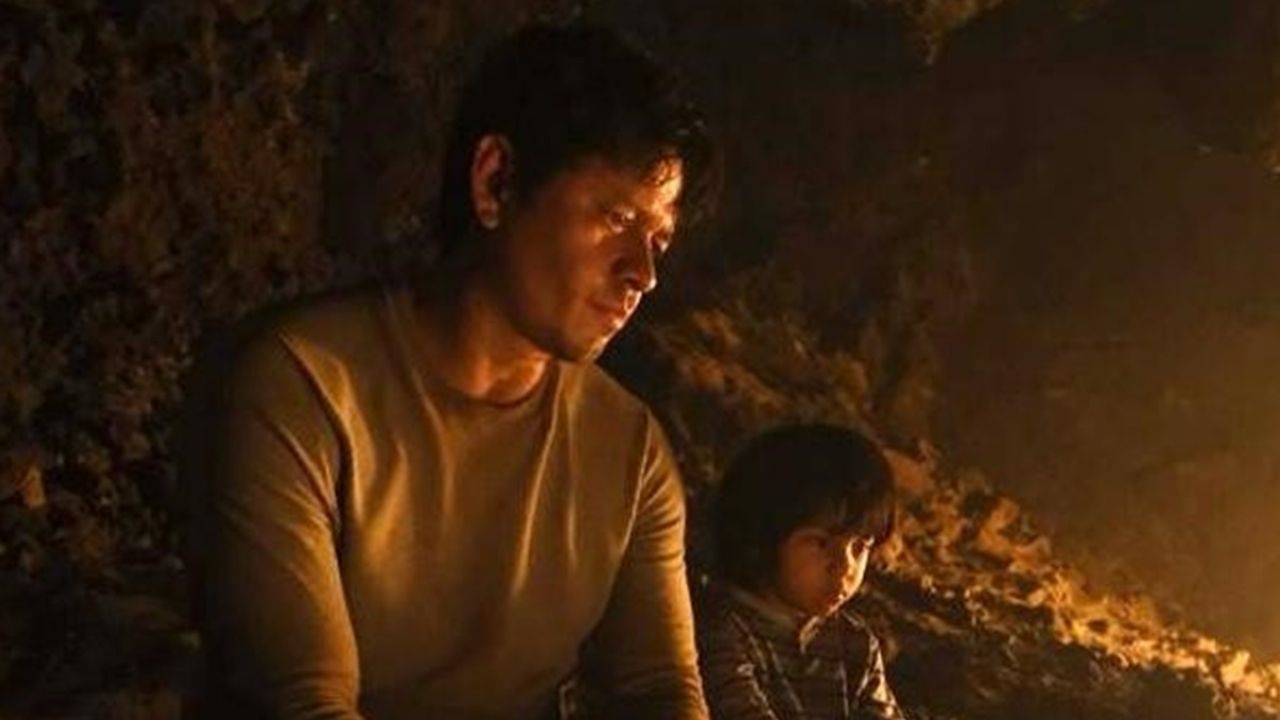
Jorge Jimenez, who you know from Narcos and The Black Demon, is carrying this whole thing on his face, and he does not drop it once. The specific acting challenge here is playing a man who has made a decision the audience understands completely and would probably make themselves, while also making it clear that the decision is destroying him.
Does It Land
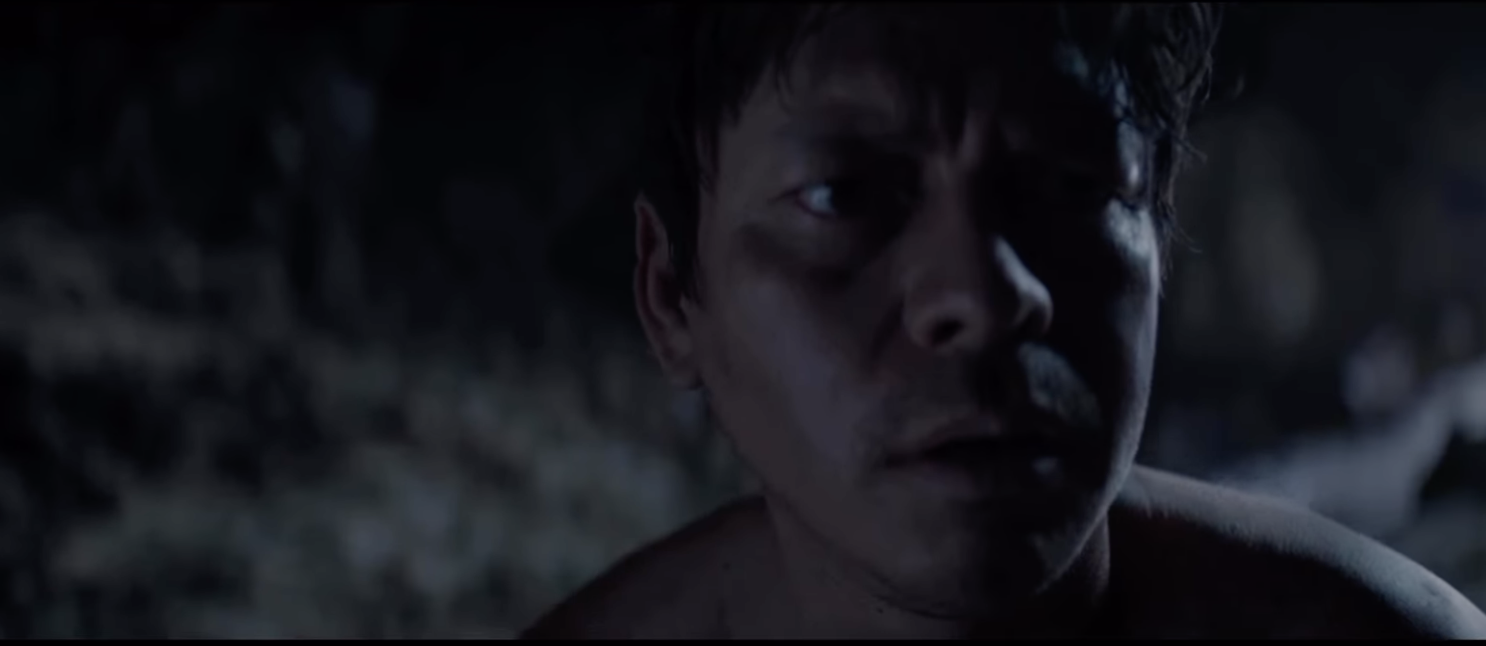
Co-writer Ioshpe said that at the 2025 Austin Film Festival, audiences stood in the wings waiting to share their own stories of grief and loss after screenings. The film won the Audience Award there and now makes its Latin American premiere at the 22nd Fantaspoa International Fantastic Film Festival in Brazil this April. That trajectory tells you what you need to know about whether it works emotionally.
It does. This is a slow burn that earns its slow. If you are here for jump scares, wrong movie. If you are here for something that is going to sit quietly in the back of your head for a few days and occasionally tap you on the shoulder, you found it.
Get past the first fifteen minutes. Stay until the end. Try not to call your dad on the way home.
No promises on that last one.
Indie Horror
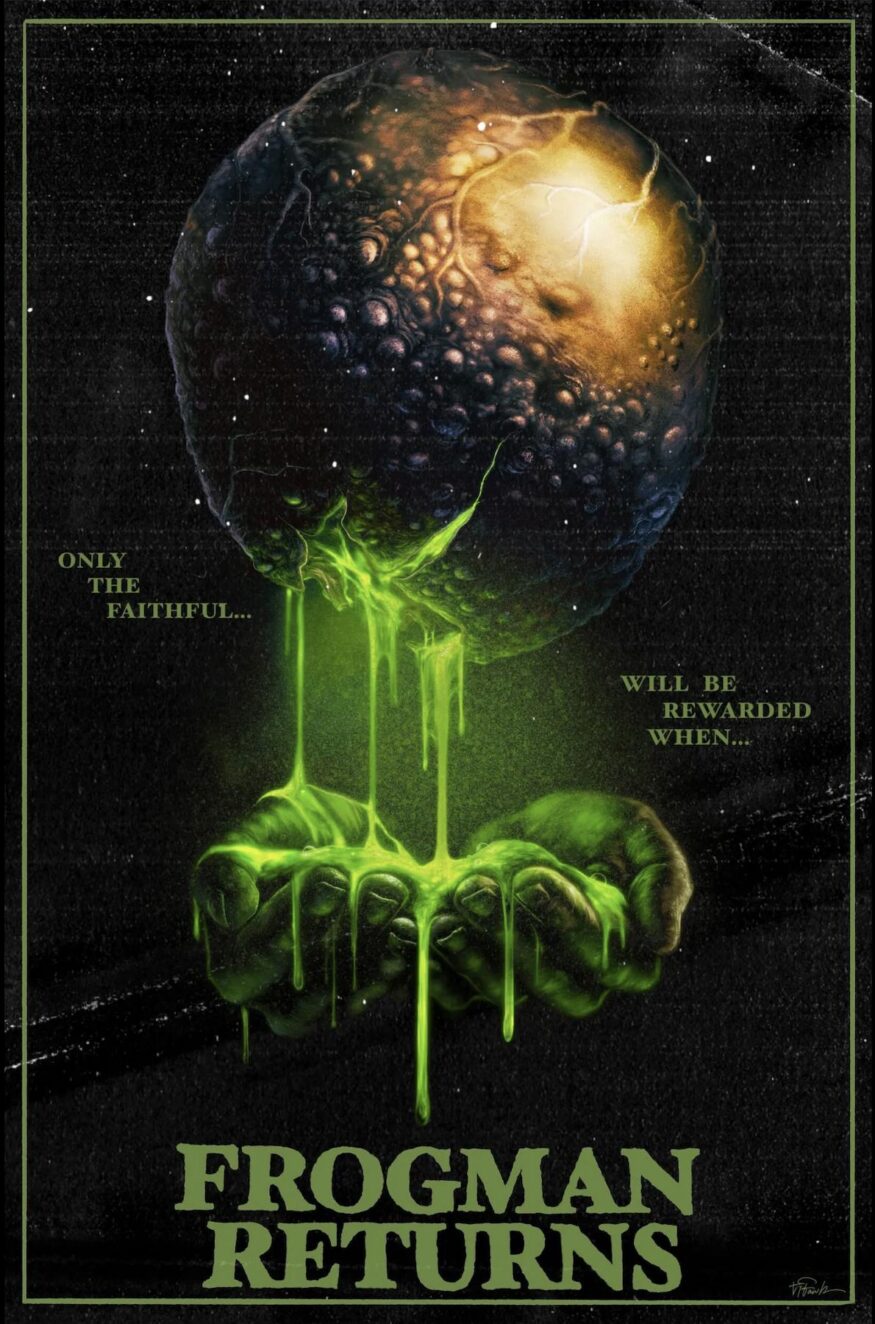
Panic Fest 2026 Review: ‘Frogman Returns’ Is A Thrilling Sequel That Goes For The Croak!
Horror as a genre has a greater propensity for sequels than almost anything else in the world of cinema. There have been scores of slasher sequels from the likes of Friday The 13th to A Nightmare on Elm Street to even sequels to seemingly stand-alone affairs like The Exorcist and The Blair Witch Project. While some may be seen as cash grabs or of diminishing returns, it cannot be argued that there have been some phenomenal sequels to horror films such as Aliens and Evil Dead 2 among many others. So imagine my pleasant surprise to see that 2023’s Frogman is back in the aptly named Frogman Returns!
The sequel picks up not too long after the original’s cryptid catastrophe. The Loveland, Ohio Frogman and surrounding cult that was exposed by amateur filmmaker Dallas (Nathan Tymoshuk) has since disappeared and the terror of the magic wand wielding amphibian seemingly ended. Having lost his friend Scotty (Benny Barrett) and a falling out with Amy (Chelsey Grant), Dallas has found a new life heading a cryptid reality web show. But when strange forces call him and his team back to Loveland, will he have to face the Frogman for a final battle?
I was a big fan of the original Frogman upon release, and was interested in seeing where director Anthony Cousins was going to take the story. I’m happy to report that he did the best kind of thing you can do for a sequel like this: made it weirder and wilder! Not only is there Frogman, but a number of classic cryptids have encounters as the genie is out of the bottle and Dallas irrevocably proved that there are truly monsters among us. There is a pretty memorable scene involving a run-in with the living pants-like Fresno Nightcrawler creature that establishes what a brave and bizarre new world things have become since the previous film. Monsters are basically a fact of life now. So, of course, people are finding ways to profit from it.
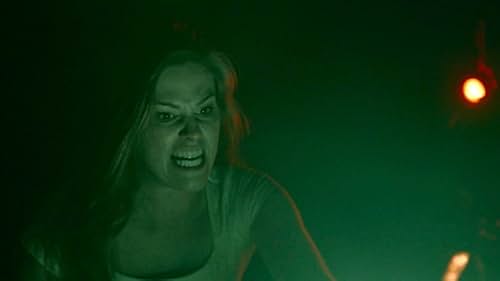
Dallas’ arc continues from the first film and I do like how he carries the weight and guilt of Scotty’s disappearance and his disconnection with Amy. There are real consequences to the ways things went wrong previously and Dallas is haunted by the consequences of his obsession. Now he attempts to make things right in some form as his adventures bring him back to where it all began. And for those here for Frogman… without spoiling too much, everyone’s favorite amphibious cryptid does make a triumphant return. With a neon explosive finale that left me craving even more.
Frogman Returns does a fine job of documenting the new adventure in the traditional found footage format, with the foundation of Dallas’ new reality web show keeping the cameras rolling. Combining that with ample and memorable practical fx for all manner of beasts and gore to see. Exploding heads, zapped limbs, and so much more get captured on camera in all their visceral glory.
Overall, if you were a fan of the first Frogman, then Frogman Returns is a more than worthwhile follow up to digest.

News
Jessica T Deveraux Got Possessed At Her Own Bar

Key of Bones: Curse of the Ghost Pirate needed a drag queen to get possessed by a pirate ghost in a Key West nightclub. They found one suprisingly easily. She had been working at that nightclub since 2008. That is either a very lucky casting choice or the universe doing its job.
Jessica T Deveraux is not a newcomer to any room she walks into. She has been competing in drag pageants across multiple states since she was 14. She held the title of Queen Mother XXXV, one of the most respected titles in the Florida Keys. She has been a resident headliner at Aqua Nightclub since 2008.
“When the opportunity came up, I was super excited, but also super nervous,” Deveraux said. “I was excited because it was something I’d always wanted to do. And nervous because I had never done it before. I had no idea what to expect.”
She said yes anyway. The film now exists.
What the Film Actually Is
Key of Bones: Curse of the Ghost Pirate is a horror-comedy written and directed by Tony Armer, shot entirely in Key West. The plot follows a local waitress, a ghost tour guide, and a tourist who accidentally awaken a curse connected to the legendary pirate Anne Bonny. What follows involves drag queens, lesbian pirate ghosts, and cursed treasure, which is either an accurate description of any given Saturday in Key West or the most efficient logline of the year.
Armer pitched it as Shaun of the Dead meets Goonies meets Pirates of the Caribbean. Deveraux confirmed that is the pitch she received. She also confirmed it did not fully prepare her. “As much as you think you’re prepared for that,” she said, “until you actually walk on set and see what’s happening, or watch the movie and see what’s happening, anything you might have prepared goes out the window and you just have to feed off the energy of the moment.”
Desiree
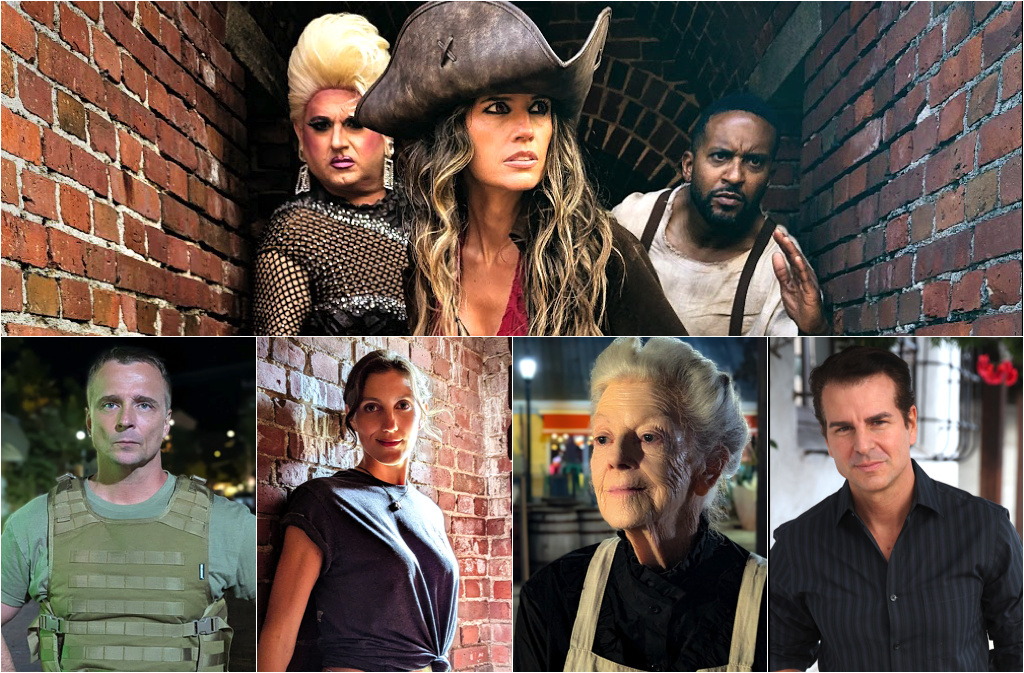
The character is Desiree, a drag queen who gets possessed midway through the film by one of the pirate ghosts and spends a substantial chunk of screen time fighting herself. “Desiree is kind of a take-charge drag queen who gets possessed and loses her own faculties and is now controlled by a ghost pirate,” Deveraux said. “So there’s this inner struggle with her having to follow orders while still trying to be the fierce queen that she is.”
The scene where Desiree first encounters Anne, the pirate ghost, was filmed at Aqua Nightclub. The bar where Deveraux has performed every week for going on eighteen years. “One of the most exciting scenes was when Desiree first meets Anne. That scene was filmed at the bar that I work at, Aqua Nightclub. So that was really cool to see my home bar become the set.”
The Chaos Was Organized
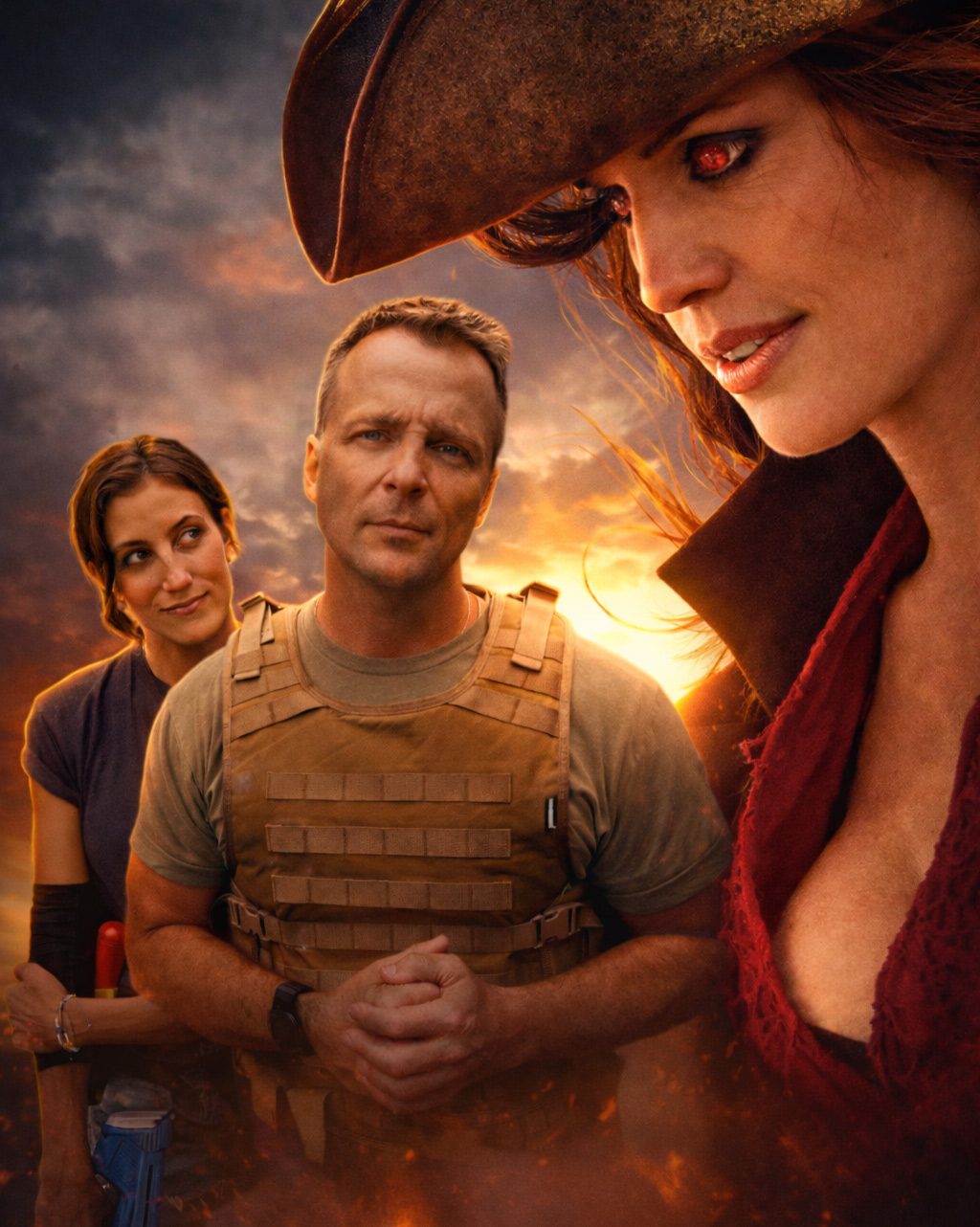
Deveraux describes the set with real fondness. “You’d have people over here rehearsing stunts, people over here getting their makeup done, people over there shooting an actual scene, while other people were at craft services. But everybody was so professional that it all ran very smoothly.”
There were exceptions. Night shoots in Key West require quiet. Key West is structurally opposed to quiet. “One of the most chaotic moments was when we were trying to film at night and we needed quiet on the set, and you had two different bars in the area playing different songs very loudly.” Two bars. Two songs. Simultaneously. The city did not pause production to cooperate with production.
She also arrived without knowing about hurry-up-and-wait, which is the specific misery of film sets where you spend long stretches fully ready while nothing happens. Deveraux was in full drag during these stretches. “When you’re in full drag in five pairs of tights and wearing a body form, that can become very uncomfortable. But that’s the nature of the beast, and I’ll know what to expect in the future.”
There is also something film does that a stage never does, it withholds the response. “When you perform for a live crowd, you know if they’re enjoying what you’ve done or not enjoying what you’ve done almost instantaneously, and you can feed off of that energy to heighten the experience. In film, you don’t really know. You have to wait months to find out if the audience actually enjoys the performance.”
The Eighteen-Year Overnight
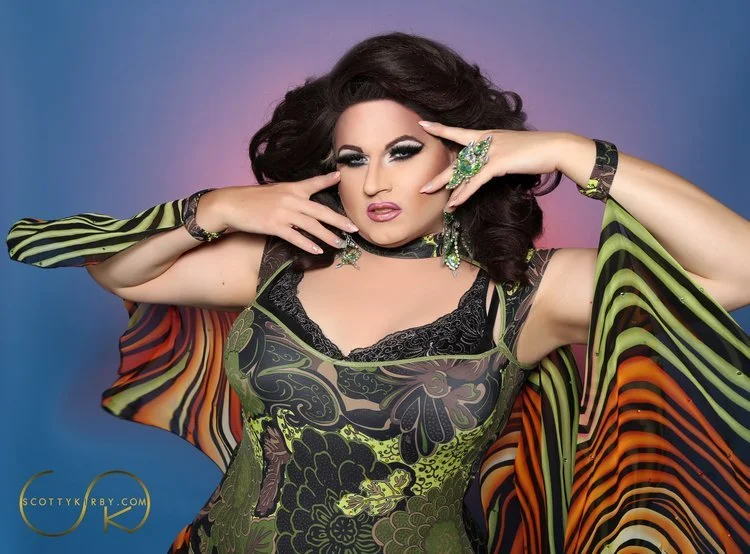
Jessica T Deveraux started performing at 14. A performing arts high school, an LGBT youth center down the road, and a drag pageant that needed entrants. She entered with help from some of the more seasoned queens around her. She won. She kept going.
Fifteen-plus years of pageant competition across multiple states. What do people on the outside not understand about that world? “To be successful in pageants, you need to have discipline, you need to have drive, you need to have desire, and you need to know who you are. It also helps if you have some money.” She laughed. “Pageants can be expensive. But they can be so rewarding, and they truly help you grow not just as an entertainer but as a person.”
The Aqua residency has now run for going on eighteen years. That is an unusual thing in an industry that usually offers neither consistency nor loyalty. “I am so blessed to have been given this opportunity to work at Aqua Nightclub. It is very nice to have a consistent weekly gig for going on eighteen years, and I know that I’m very lucky and grateful for all of the love, work, and family that I have because of it.”
As Queen Mother XXXV, she produced a runway competition benefiting the Visiting Nurse Association and Hospice of the Florida Keys. “Not only was it one of the most respected titles in Key West, but it also allowed me the chance to give back.”
The Kinship

Drag and horror share a history. Camp, transformation, the performance of something larger and stranger than ordinary life. Both traditions have been running these ideas in parallel for decades. Deveraux came to Key of Bones from the drag side, and while talking about that overlap she surfaced something she had not put together before: one of her all-time favorite movies, a film she has always loved to quote, is The Craft. The horror-drag kinship had been living in her personal canon the whole time.
“There is definitely a kinship between the two worlds,” she said. “However, as someone who is new to the horror scene and not knowing what to expect, I did feel an ease being able to go into it having had the drag experience.”
“Drag queens are some of the strongest people, and we’ve been here since day one and we’re not going anywhere. Drag queens are community leaders. We will be there to help support our community and any community that asks us.”
Both horror audiences and drag audiences built themselves around things the mainstream spent decades looking at sideways. They know each other.
What Comes Next
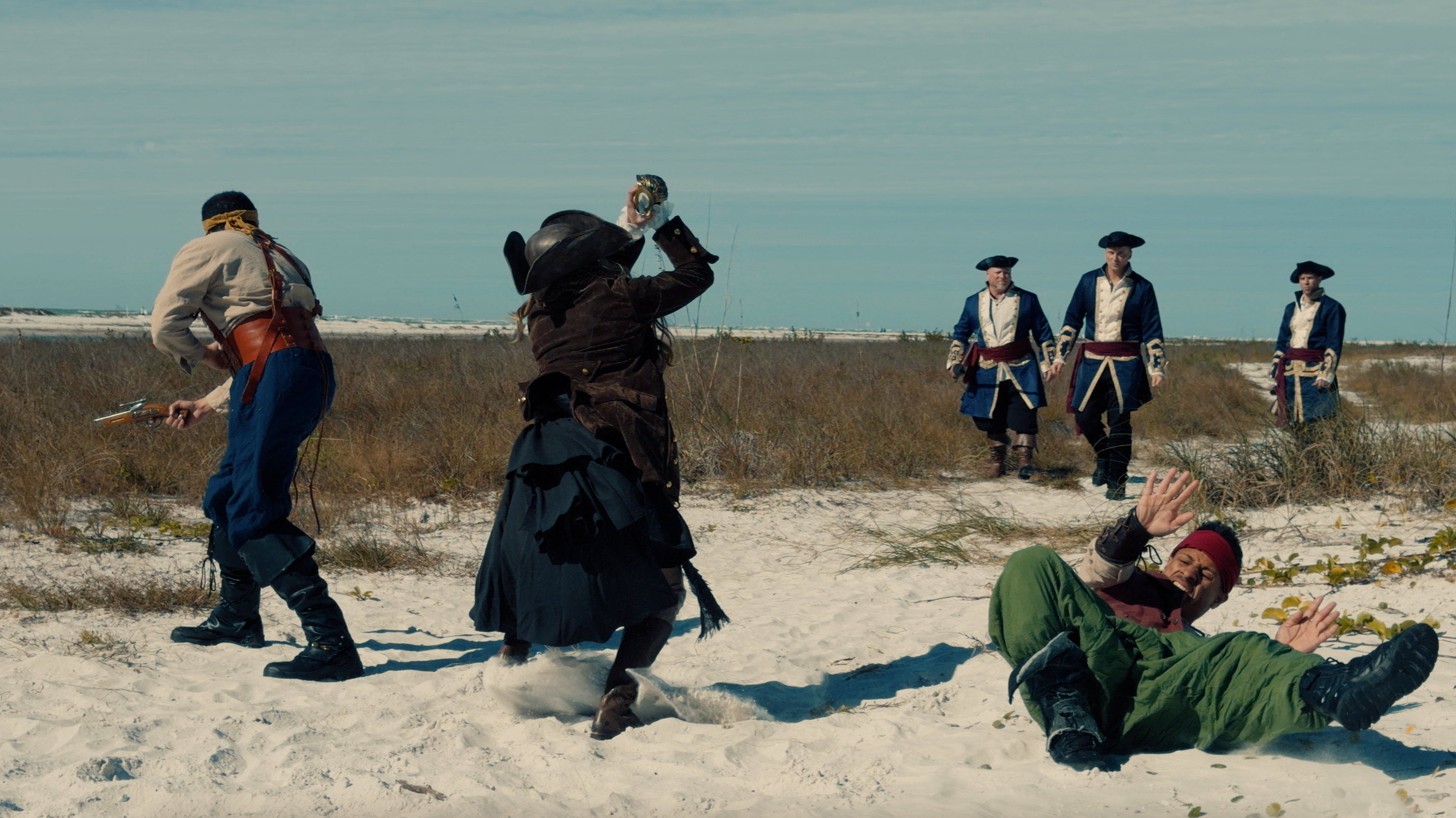
Deveraux was asked if Key of Bones was a one-time thing or the beginning of something. “I would definitely love to do more film or television. This is definitely not a one and done thing for me. And my inbox is open, casting directors. Please message me.”
She was also asked whether she would take a straight horror role. No camp. No comedy. Just terror. “I would definitely take it. However, I would have to do some research on how to play it straight.” Then: “After the amount of fun I had on set for Key of Bones, I can only imagine what running in terror versus sashaying in terror would be like.”
“I want people to see my range as a performer. That I can act as well as dance. To see someone who loves and has passion in all that they do.”
Indie Horror
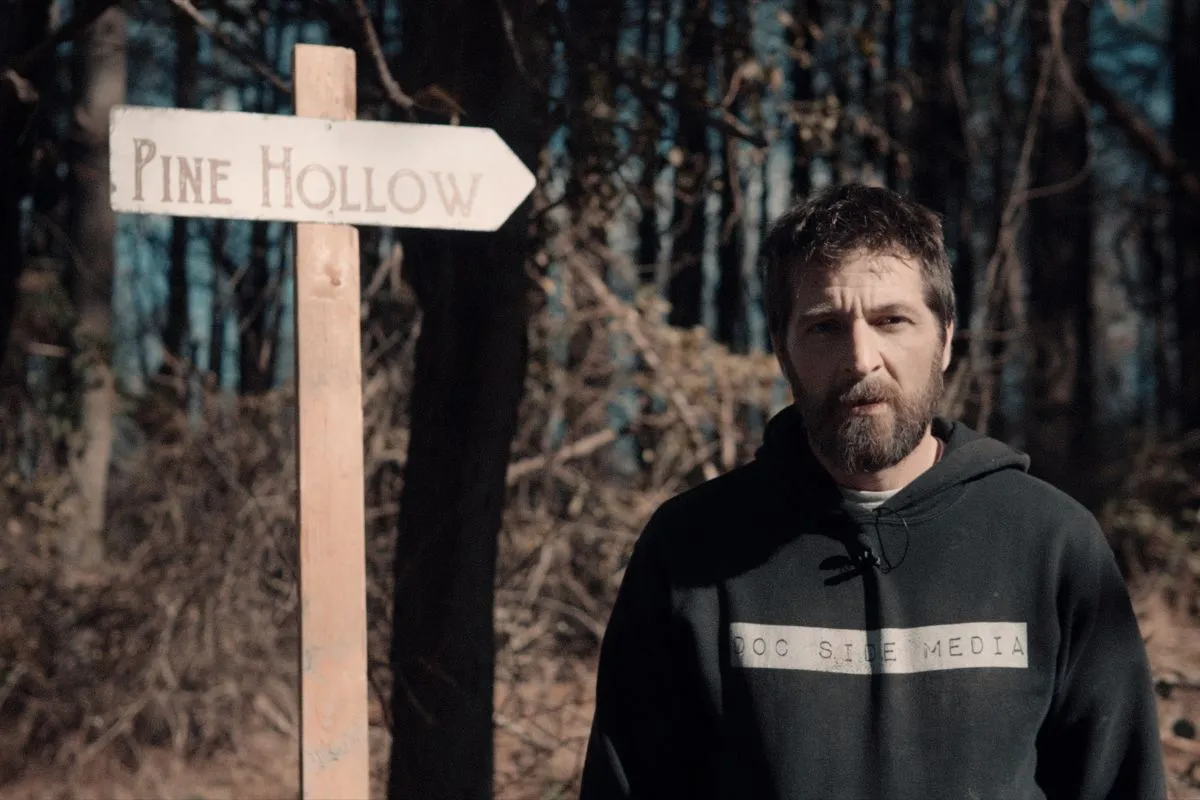
Panic Fest 2026 Review: ‘Creature Of The Pines’ Is An Interesting Found Footage Horror That Walks A Beaten Path
There are certain parts of the world that have an inherent evil or cursed nature to them. The Bermuda Triangle, where so many ships have vanished in its waters. Death Valley, where many have met their end in the unforgiving desert. And then there’s The Pine Barrens of New Jersey. A woodland infamous for the cryptid named The Jersey Devil.
While The Jersey Devil may be the mascot or face of sorts for the area, there are other dangers within those woods. Specifically, an area known as Pine Hollow. Infamous for numerous disappearances of local and hikers. While some attribute it to natural hazards, others say the source of these incidents may be tied to folklore. An ancient mimic of indigenous legend that targets those wandering its woods. After a trio of hikers disappear and leaves only one shell shocked survivor and witness wandering the wilderness, a documentary crew attempts to clarify between fact and fiction… only to find themselves subject to their own torments.
Creature Of The Pines is a decent found footage/mockumentary endeavor, and I’m always a sucker for that kind of framing. I will also give points for taking an original approach on the region rather than using a more well known cryptid or monster. Instead, crafting their own beast with the shapeshifting demon of indigenous lore. It did make it more interesting than relying on a more infamous antagonist, allowing the movie to make up its own rules and history behind the titular creature.
Unfortunately, the story does fall into a lot of the cliches of the sub-genre as well. Lots of scenes building up strange sounds coming form the woods leading to some shaky cam segments as a character is dragged off by an unseen force and such. The talking heads portions of the mockumentary featured some decent actors and subjects that kept things fairly fresh. Especially the former forest ranger who discussed the dark and terrible history of Pine Hollow.
Even still, the third act was kind of a mixed bag with the final confrontation and reveal of the horror. Ambiguity tends to work better in found footage for a reason, sometimes its better to leave the evil up to the imagination. There’s also a twist to the ending that felt a bit obvious considering the build up.
But, if you’re a big fan of found footage and mockumentary horror like I am, (especially for New England based horror) then Creature Of The Pines is worth at least a watch.




Shudder’s May Is the Best Month They’ve Had in a While.

The Vampire Lestat Is Playing a Real Concert in NYC — And Yes, It’s Exactly as Wild as It Sounds

Resident Evil Drops First Teaser Trailer

‘Don’t Die’ Is a Good Friday Night Horror Film And That Is Enough.

_CIVILIAN Is the Micro-Series That Proves You Don’t Need Much to Make Something That Matters

This Week in Horror: The ‘Resident Evil’ Trailer, a ‘Weapons’ Prequel, and Nicolas Cage Has Unfinished Business

Evil Dead Burn Looks Like the Most Violent Family Reunion You’ll Ever Attend

The History of Deals with the Devil: From Faust to The Witch

‘ZombieCON Vol. 1’ Gets the Con Right. The Zombies Arrive When They Want To.

Horror Coming to Streaming in May 2026: Shudder Is Doing the Most and Netflix Finally Showed Up

‘Wait For It’: A Film Set in the ‘Leslie Vernon’ Universe!

Panic Fest 2026 Review: ‘Frogman Returns’ Is A Thrilling Sequel That Goes For The Croak!

Jessica T Deveraux Got Possessed At Her Own Bar

Panic Fest 2026 Review: ‘Creature Of The Pines’ Is An Interesting Found Footage Horror That Walks A Beaten Path

Breaking Down the First Minute of ‘The Vampire Lestat’ Official Trailer: What It Reveals About Season 3
Evil Dead Burn Looks Like the Most Violent Family Reunion You’ll Ever Attend
Horror Coming to Streaming in May 2026: Shudder Is Doing the Most and Netflix Finally Showed Up
_CIVILIAN Is the Micro-Series That Proves You Don’t Need Much to Make Something That Matters

The Vord Review: The Mythology Is Free. Everything Else Costs Something.
‘Wait For It’: A Film Set in the ‘Leslie Vernon’ Universe!
This Week in Horror: The ‘Resident Evil’ Trailer, a ‘Weapons’ Prequel, and Nicolas Cage Has Unfinished Business

HHN35, Jack vs Oddfellow: Place Your Bets!
-
 News7 days ago
Resident Evil Drops First Teaser Trailer
-
 Indie Horror3 days ago
_CIVILIAN Is the Micro-Series That Proves You Don’t Need Much to Make Something That Matters
-
 News6 days ago
This Week in Horror: The ‘Resident Evil’ Trailer, a ‘Weapons’ Prequel, and Nicolas Cage Has Unfinished Business
-
 News2 days ago
Evil Dead Burn Looks Like the Most Violent Family Reunion You’ll Ever Attend
-
 Lists2 days ago
Horror Coming to Streaming in May 2026: Shudder Is Doing the Most and Netflix Finally Showed Up
-
 Short Films5 days ago
‘Wait For It’: A Film Set in the ‘Leslie Vernon’ Universe!
-

 News6 days ago
The Severance Writer Found a New Building to Lock People In
-
 Editorial6 days ago
HHN35, Jack vs Oddfellow: Place Your Bets!
You must be logged in to post a comment Login