Interviews
Director Marcus Dunstan Talks ‘#AMFAD: All My Friends Are Dead’ [Interview]

#AMFAD: ALL MY FRIENDS ARE DEAD, directed by Marcus Dunstan (“The Collector, The Collection”) and starring Jade Pettyjohn, JoJo Siwa, and Jennifer Enns, is now out in select theaters, digital, and on demand. It’s a fast-paced murder mystery for modern times, set against the backdrop of a music festival. You can check out a brief synopsis and trailer below.
“A group of college friends rent an Airbnb for the biggest music festival of the year. A weekend of partying quickly takes a turn as the group is murdered one by one.”
We recently had the opportunity to chat with Marcus about the film and what attracted him to the project!
Hi Marcus! So, let’s talk about this movie, AMFAD: ALL MY FRIENDS ARE DEAD!
Yeah, grateful to be a part of this one. It was a script from Josh Sims and Jessica Sarah Flaum, which, upon reading, felt like I was eavesdropping on some people I could recognize from my own life. Jessica and Josh had something to say about social media culture and how sometimes followers could become stalkers, could become arbiters of justice. How we offer our ideal selves through this vacant, 2×3, black window to nowhere, and they were like, “What if someone on the other side knew who you were, and there was a score to settle?” Then, I was also delightfully terrified to jump into what would be the first murder mystery I was a part of—with a hell of a twist. Ultimately, the thing I cherished the most and really wanted to protect was the heart of the story.
What can you tell us about the story? Without giving too much away?
Well, here’s what I love about the story: it starts, and we’re haunted by the events of twenty years before when there was this music festival, Karmapalooza, and this awful tragedy happened. These youngsters going to have the time of their lives ended up running afoul of the SDSK (The Seven Deadly Sins Killer). Twenty years later, it’s 2024, and Karmapalooza is coming back. So, surely, nothing could go wrong as we follow a group of kids on their way to celebrate that concert. A group of youngsters who are a tight-knit group of friends might have a secret and might just run afoul of someone who thinks it might be time for a reminder of the dark scales of justice.

What could possibly go wrong, right? The film stars Jade Pettyjohn, Jojo Siwa, and Jennifer Enns?
Yes. So, Jade Pettyjohn, can you imagine? Here is somebody with over ten years of experience in acting and is only in her early twenties. She and JoJo worked together on the “School of Rock” show. Seeing those two instantly match steps and find their rhythm again allowed us to really punch above our weight in terms of what we could get within our schedule. Every time you bring a piece of material into the production process, you’re adapting to the resources you have. Where we were abundant was in a talented, versatile cast. A cast that came with the skill sets for drama, comedy, and whatnot.
So, when you get to Jennifer Enns, who plays Mona, this is somebody who is nimble with so many tones, and there was a particular joke that I have been holding close to my chest for years, that I have wanted to see in one of these movies, and the tectonic plates came together, the moment was there, and because we were shooting in order, we could adapt and evolve and keep adding to these characters. In a proper murder mystery, you need all sides of the characters. To cast doubt upon them, to suspect them. There was an opportunity for this joke, this zinger, and thank goodness it landed. It was a joy. When we premiered at Tribeca to three sold-out nights, I waited for that joke to see how it would land, and courtesy of awesome cinematography by Andy Hodgson and the perfect edit by Andrew Coutts, it landed! I loved it!
The film was shot in Canada, is that correct?
Vancouver, yes. So beautiful. What I really adored about it was, not only is Canada the home of George Mihalko’s original “My Bloody Valentine,” which is a pretty doggone great slasher/murder mystery, but Vancouver specifically was the home to the first few seasons of “The X-Files.” I felt like we could bring some scares there.
What was it like on set with everybody? Did you guys keep it light? It looks like a fun movie.
We did. Thank you for asking that, because one of the responsibilities is like—directing is all of the above, but what I do hope to bring is the idea of being a bit of a social lifeguard. Let’s pick one shared enemy, and that enemy will be the clock. The clock will be very informative; it’s a straight line of communication; we know how much time we have. Then Julian Haig, who plays L.B., gathered the Vancouver cast together prior to shooting, so that they could work out their characters’ relationships and find their rhythm. You just simply can’t buy what that gives in the sense that when that clock starts, the soil has been laid, and you can grow these amazing, layered performances. You can find humor, and again—heart, in the most unlikely of places.
You keep mentioning heart. So, what was it that drew you to the project? There was clearly something.
Yes. One, it was a murder mystery where the twist genuinely got me. I’ve had to work on some twists before, and I’ve been part of some twists before, and I’m going to say the word “heart” again because once it had that, and there was the character of Collette, played by JoJo Siwa, which was a marvelous surprise, like a true voltage. She has to do a lot of heavy lifting with that character, to create that, to haunt, and to be the catalyst for our plot, and a lot of the ramifications that reveal the layer of our characters. So, they are not one-dimensional fodder. We’re voyeurs into a dark secret that’s unfolding.
What would you say was the biggest challenge that you ran into on set?
The biggest challenge was, we only had twelve days in Vancouver. We had one day back in Los Angeles, so then it was—how do we create the movie that we’re all seeing, how do we earn our chance at the silver screen? We want to see it big; all actors want to see themselves on that screen. Twelve days here, one day there, not enough. So, courtesy of Yolanda Macias and Brad Miska, I was able to put a big ol’ chunk of my salary back in, and they matched it. So, we were able to add five additional days.
Now, the intent. After reading Josh’s and Jessica’s script, after adapting to the resources, I now, in my head, saw something. With the critical help of Andrew Coutts, not only as an editor and storyteller, but he is also a gifted director and special effects maven. He was back up in Canada filming “Star Trek” for the world; we could not create the exact story we wanted. We wanted our kills to rival anything you would see on the other side. We had to one-up; the whole fabric of the movie had to accelerate as the stakes did, as the intensity did. As the laughter might drop your guard, to get in that next scare.
Then ultimately, to not stop entertaining, twisting and turning until the last images flicker out. So, I would beg anybody that comes to see it on the silver screen, or on demand, please stay through the credits. We’ve got more movie there, and it keeps twisting and turning.
If you had to sell me the film in one epic sentence, what would you say?
Okay, when #AMFAD: ALL MY FRIENDS ARE DEAD is unleashed on August 2nd, if this strikes your fancy, if getting a group of friends together, and going into the dark and sitting in front of a silver screen—if you would like to exorcise some of the fears and jitters, and the cold of life, for about 91 minutes, and maybe you want to be surprised with a wicked joke, and some humor, with some heart, and in the final twists and turns of a roller coaster experience that hits you with that twist you didn’t see coming and your heart emerges more full, if that is something you would be into, I would highly recommend #AMFAD: ALL MY FRIENDS ARE DEAD! (Laughing.)
That was great. (Laughing.) We really appreciate your time; it’s been a pleasure!
Thank you, and likewise!
You can check out #AMFAD: ALL MY FRIENDS ARE DEAD, in select theaters, on digital, or on demand now, courtesy of Cineverse!



Interviews
‘Behind the Mask’: Nathan Baesel Exclusive Interview!
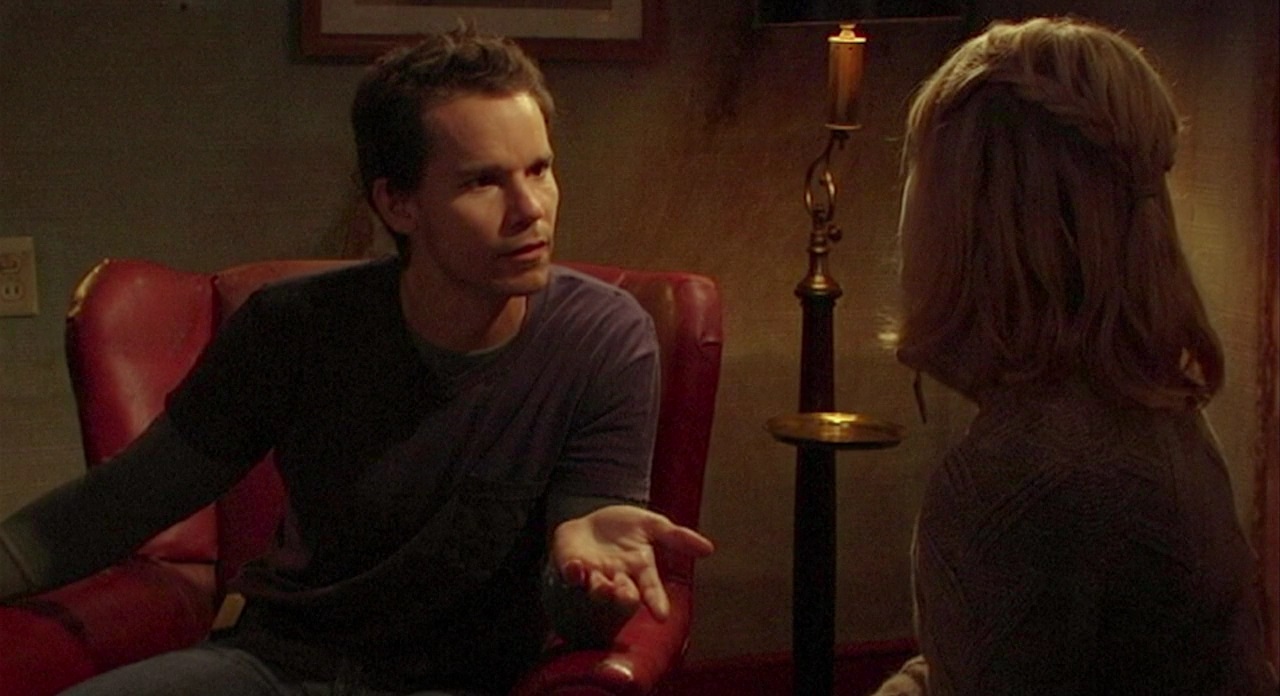
Nathan Baesel portrays the controversial Leslie Vernon in 2006’s Behind the Mask: The Rise of Leslie Vernon. I say controversial because he has all the hallmarks of a savage killer. Vernon is dedicated, well organized, and ready to add his name to the top of the slasher ranks. However, he is also a quirky and likable. He is the type of guy you wouldn’t mind sitting down and having some beers with.
We at iHorror had the chance to catch up with Nathan during his busy schedule of conventions and promotion for the long anticipated sequel, Behind the Mask 2: The Return of Leslie Vernon.
Amongst news of the sequel, he talks with us about his interest in horror, his undying appreciation for his fans, and working with veteran Robert Englund.
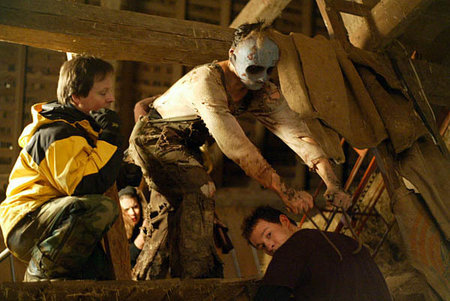
iHorror: Thank you Nathan for talking to us at iHorror.com! Fans are so excited knowing Behind the Mask 2: The Rise of Leslie Vernon is FINALLY being made! Many of us have been waiting a very long time. Certainly no longer than you, director Scott Glosserman, and writer David J. Stieve!
Nathan Baesel: Thank YOU! It’s only happening because fans have been keeping it alive and part of the conversation all this time.
The Movie that Started it all
iHorror: The original is such a classic. The script, the execution, the balance of horror, comedy, and the respect and understanding of the genre; it all makes a movie like no other.
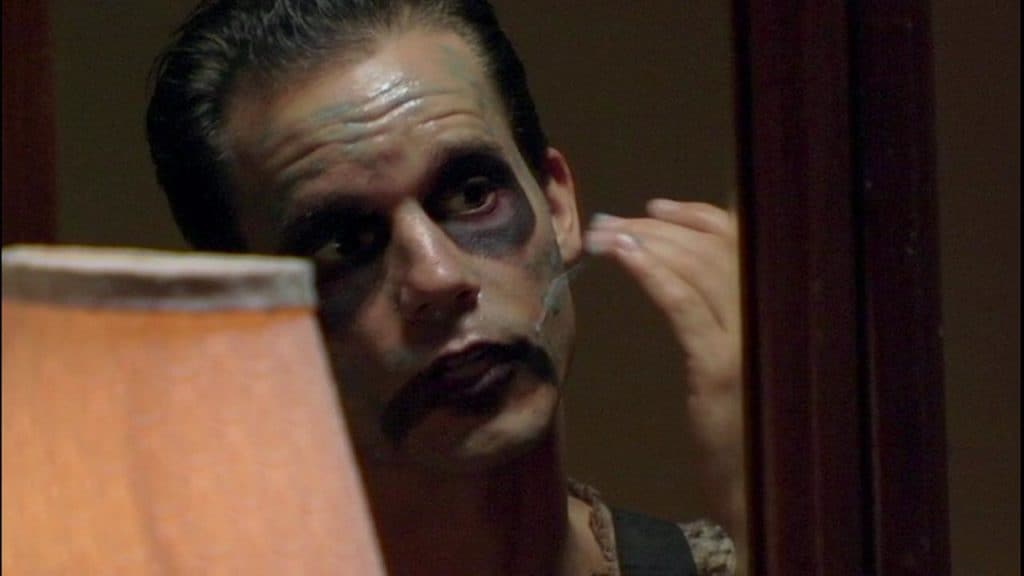
Are you a fan of the horror movies referenced in the original? Or did you have to dive into research mode when preparing for the role?
Nathan Baesel: Summer 1986 I watched A Nightmare on Elm Street which taught me a healthy respect for the genre, like nearly drowning teaches a healthy respect for the ocean. Child’s Play and a few others topped off my education, but after we made BTM I discovered Svengoolie and was able to introduce my sons (and myself) to the classics. I’ve been a student of the genre ever since.
iHorror: What were your original thoughts while reading the script?
Nathan Baesel: It was so clean. It was informative without being too wordy, it was funny and scary, everything planted at the beginning paid off at the end and I understood everyone’s motivations throughout. I knew instinctually how to play that script and, besides needing an acting job, I was especially hungry to do BTM because I didn’t know if I’d ever come across a script that good again.
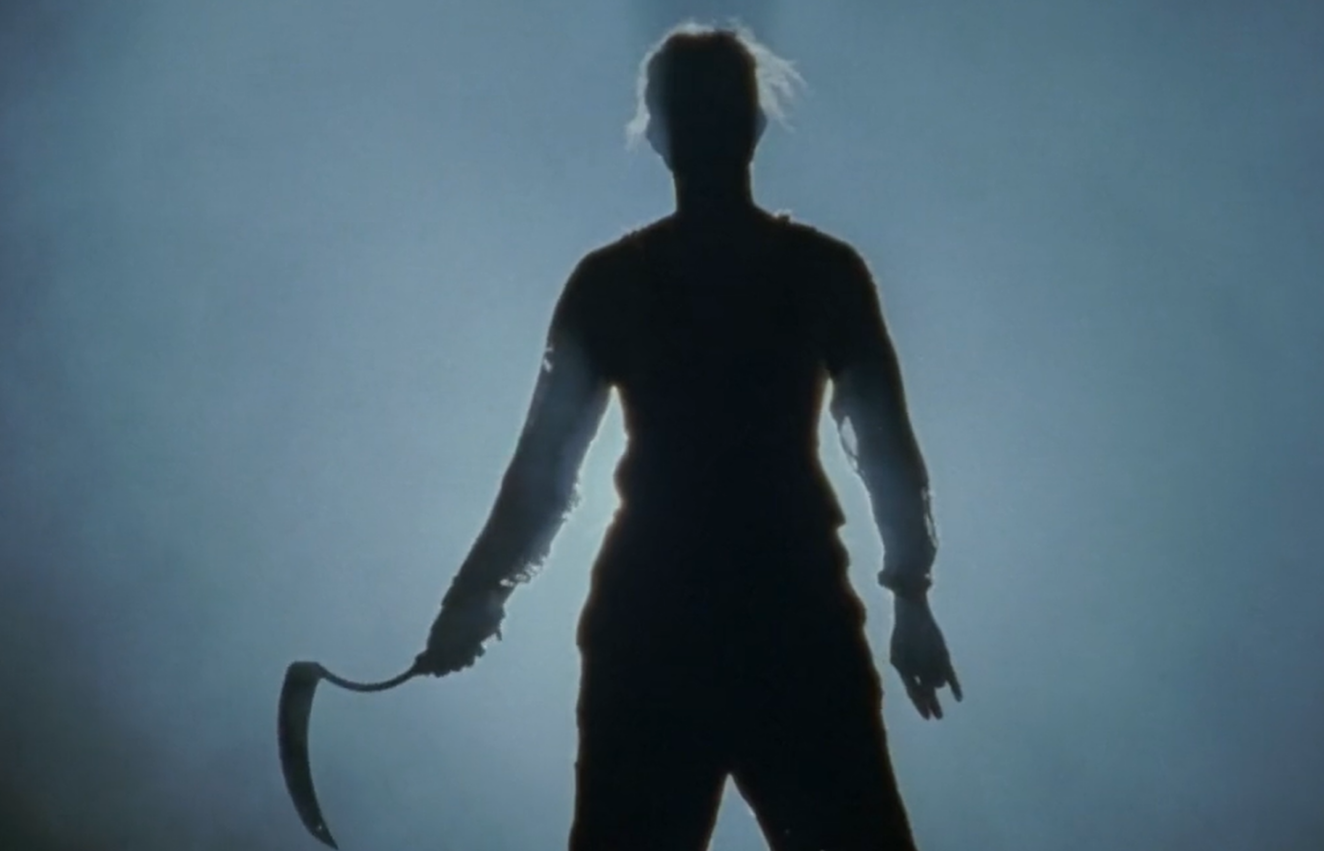
iHorror: I never thought I’d describe a slasher killer as lovable, but Leslie Vernon truly is! Where did you find your inspiration for his unique personality and quirky behavior?
Nathan Baesel: My inspiration was all the guys auditioning before me that I could hear on the other side of the casting office’s paper-thin walls. Their choices were “angry” and “menacing” and “evil” and they sounded silly and unbelievable from the waiting room. On my turn, the contrarian in me tried to steer things in the opposite direction and see if there was anything to be mined. It turned out all gems.
iHorror: What is one particular scene you feel captures the character of Leslie Vernon?
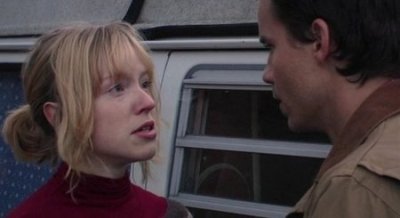
Nathan Baesel: One of the scenes Angela and I auditioned with was the scene next to the van where we catch a glimpse of the man behind the mask. The sudden turn from playful to violent is undeniably menacing but it’s earned and not posturing simply for effect. I was so lucky that Angela was selected to be my playmate because that scene set the high quality of our play for the entire shoot.
Powered by the Fans
iHorror: The movie really found its place among the hearts of horror fans when it was released for home viewing.
You are attending Crypticon in Seattle this upcoming weekend, May 1-3. What has meeting fans at conventions been like for you?
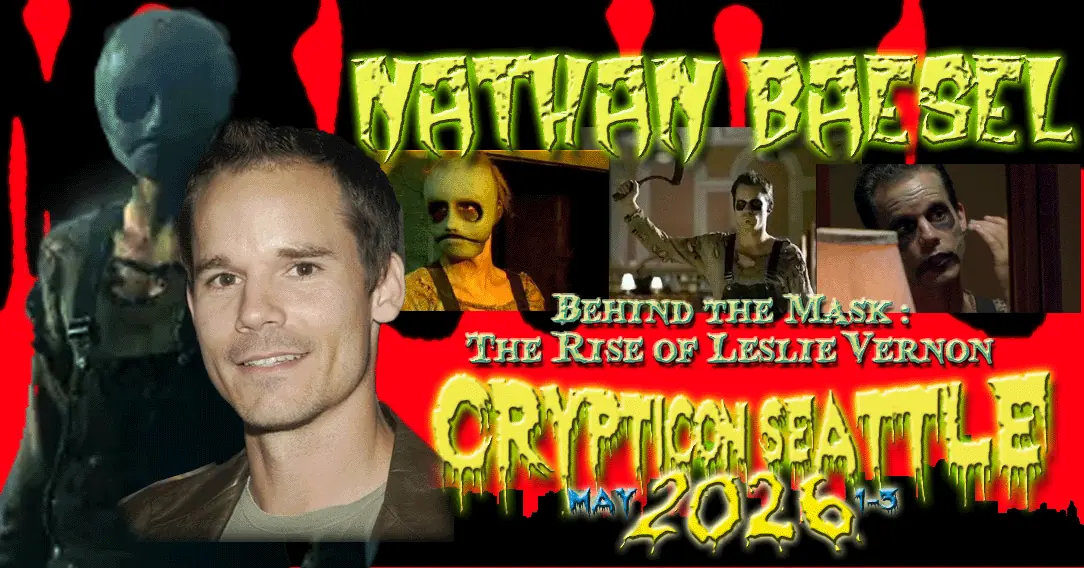
Nathan Baesel: I’m impressed every time by my fortune at having been a valued collaborator on a project that has stayed with people and only gets more attention, more affection. I see all of my appearances as an opportunity to try to give back to folks who have kept us relevant all these years.
iHorror: Have you seen anyone dressed up as Leslie Vernon yet?
Nathan Baesel: Oh yes, I get pics all the time on social media. We had a 20th anniversary screening last week and my buddy Zoran from Kill Count asked if I would mind him attending in costume. I was delighted by the idea and for all the folks taking photos that night, he was far more popular than me.
The Sequel that Will Not Die
iHorror: The internet horror fanbase exploded when the news was announced that the making of Behind the Mask 2: The Return of Leslie Vernon is in development. When did talks about a sequel begin?
Nathan Baesel: Talks have been in varying degrees of seriousness since 2008! So many things needed to be in place to make the massive machine of a production realistic, not the least of which was lots of money. David Stieve wrote countless scripts to accommodate changing times and creative interests. And they were all great scripts! But it wasn’t until the end of last year with the current draft completed that the sequel machine really started back up.
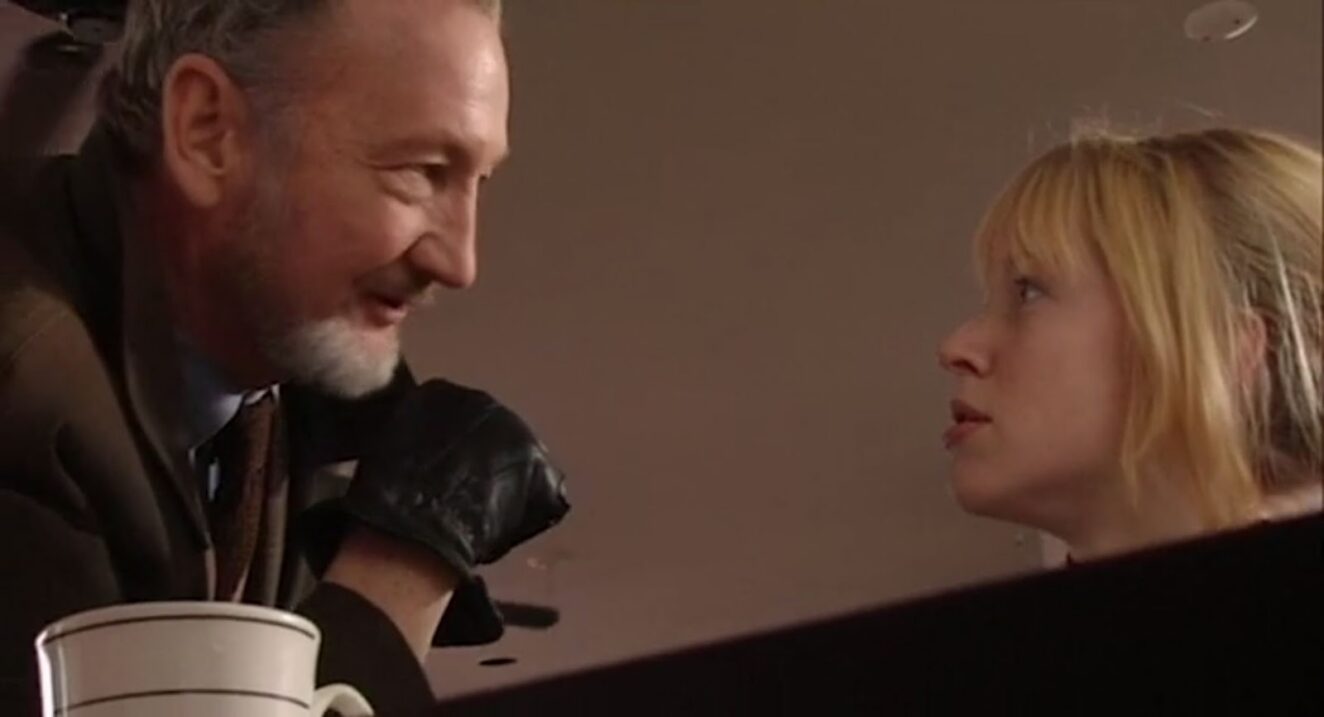
iHorror: Robert Englund has been announced to return to the sequel as Doc Halloran. Furthermore, director Scott Glosserman said Robert will have a much meatier role this time around. What do you hope to see in the development of Doc Halloran’s character?
Nathan Baesel: Robert is such a special presence and utilizing him to the max is what fans want from us and it’s exactly what they’ll get. Halloran gets a lot of light moments which are such a delight with Robert’s expert delivery but Halloran is a harbinger of doom and he’s back to make sure everyone knows something wicked this way comes.
iHorror: When you were filming the original, was there anything you wished you knew about your character that will possibly be revealed in the sequel?
Nathan Baesel: I suppose I wish that I knew how to be truly present and appreciative of the good thing we had. But I’ve needed every one of those 20 years since to learn how to do that and now I’m getting the gift of a second chance.
Full Steam Ahead
iHorror: Where can we keep up to date with news of the sequel as well as your future projects besides the Facebook group for Behind the Mask 2: The Return of Leslie Vernon.
Nathan Baesel: I try to keep my Instagram and Facebook pages current but you can jump on our Kickstarter to help make this magic.
iHorror: Thank you so much for taking time to talk to us at iHorror, and we cannot wait to see Behind the Mask 2: The Return of Leslie Vernon!
Nathan Baesel: We are all massively appreciative of you and everyone helping to keep the Leslie love alive. Thank you and we’ll see you on the big screen!
Interviews
‘The Serpent’s Skin’ and Who Gets to Hold the Camera

Alice Maio Mackay, Alexandra McVicker, and Avalon Fast on what it means to be trans in horror, and why The Serpent’s Skin is arriving right now
Horror has a long, complicated history with trans bodies. Most of it is exploitative. Some of it is genuinely interesting. Almost none of it has been made by trans people. The genre built its mythology around certain kinds of transgression, and trans bodies got folded into that mythology in ways that ranged from lazy to actively harmful. The killer in drag, the twist reveal, the monster whose horror is rooted in a body that doesn’t match expectations.
That history sits in the background of every conversation about trans filmmakers working in horror right now, whether anyone mentions it or not.
Alice Maio Mackay is twenty-one years old and has made six feature films. Her latest, The Serpent’s Skin, opens in theaters across New York, Los Angeles, and a run of cities that surprised even her. Alexandra McVicker, who plays the film’s lead, is a trans actress known from Vice Principals who came out publicly after that role and stepped in front of the camera again for the first time here. Avalon Fast, who plays the other half of the film’s central relationship, is a filmmaker in her own right and found the production arriving at a personally significant moment.
I talked to all three of them before the theatrical run. What follows is about the film, but more than that it’s about what it looks like when trans people are the ones deciding how trans stories get told.
The Demon Comes From Inside
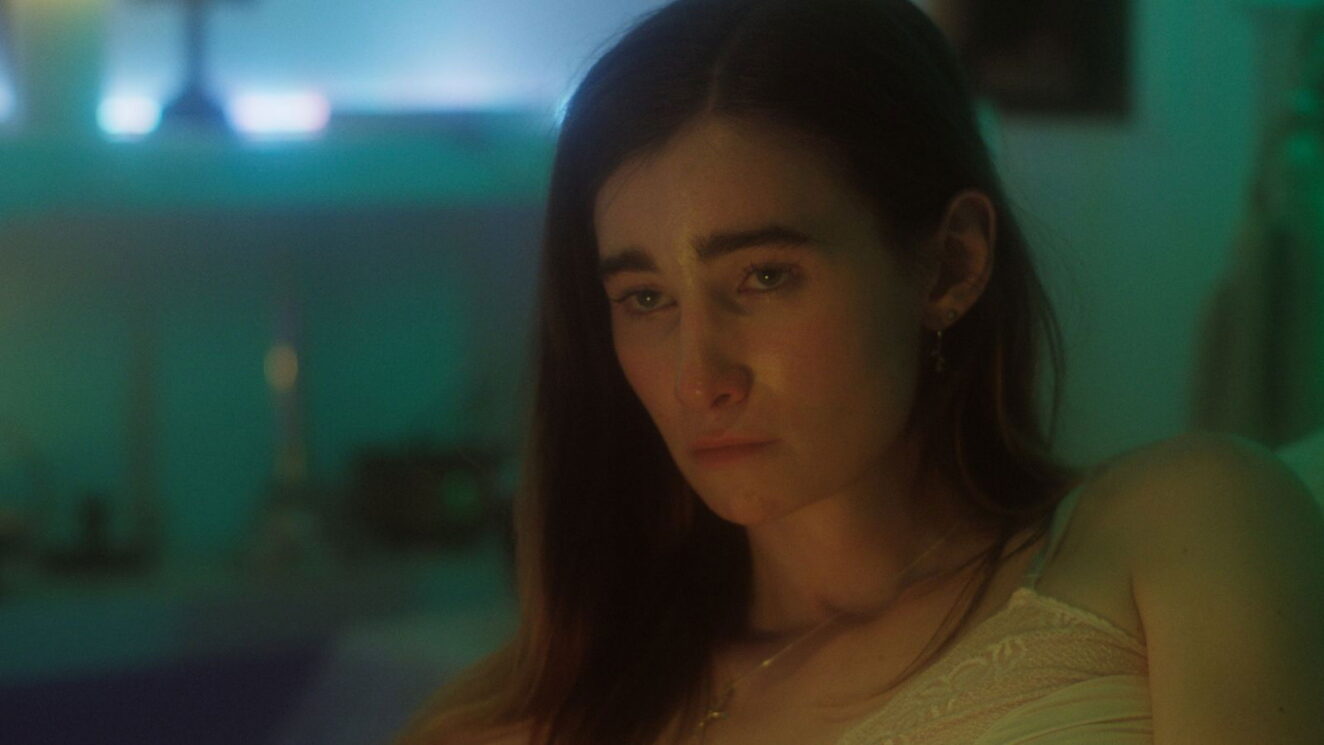
Mackay’s earlier films locate the threat externally. Transphobia becomes a vampire in So Vam, an alien body-horror invasion in T Blockers. The monster is always something coming for the trans characters from outside. In The Serpent’s Skin, for the first time, the demon is summoned from within. It rises from the unresolved insecurities the central characters are carrying into their relationship. I asked her why she made that shift.
“I think it was just time to part from my usual thing. The last few films it’s kind of been like the political landscape, the outside being the evil and the villainous thing, and the characters have to defeat that. This time I wanted to take it inwards. It’s still a political movie, but I wanted the queer characters to look inwards and defeat their own traumas and personal demons, and how those might transpose onto others around them.”
That’s a more exposed kind of filmmaking than locating the danger in the world. The world being the enemy is legible and satisfying. Your own unhealed wounds being the thing that summons the danger is something else.
The film is also consciously in dialogue with the late-90s supernatural girl-power television Mackay grew up watching. Buffy, The Craft, Charmed. Those shows had queerness present but rarely named, power that read feminist without ever quite committing to the word. I asked what she took from them and what she wanted to correct.
“There are issues with some of those shows. Often you look at Buffy and like, Joss Whedon was the creator, there are those kinds of things. But for me I wanted to make the film through the lens of those shows, taking the tropes and sometimes the hidden queerness, and just make that the text. Make it as explicit as possible rather than hiding anything or keeping it to metaphors, which those early shows did with their queer themes.”
That’s the project in a sentence. She takes the nostalgic framework and finishes the sentences those shows left open. The queerness is text, not subtext. The trans identity is the weather the story lives in, not the twist at the end.
The Room That Gets Built

Mackay is public about her commitment to queer and gender-diverse cast and crew on every production. Most interviewers ask her why. The more revealing question is what it actually changes in practice.
“I’ve been on sets that haven’t had those environments and you can still make something great, but you still have to explain why you’re doing something, what this means. Whereas if you have a predominantly trans or queer cast and crew, it kind of eases off the pressure. You all believe in the story, you all understand the themes and elements, no one’s having to stop at a scene and be like: what does this mean.”
Fast, coming to the film as a director herself, described something similar from the other side. Her director brain essentially switched off once she was on set, which she credited to the environment Mackay built.
“I went into this just purely as an actor and that is what I wanted to do, and I really found as soon as I was on set the background of production had nothing to do with me. I didn’t feel any responsibility for it and I was able to just completely be in the world of being an actor. Alex and I were big divas on set. We definitely didn’t have any role in the directing side of things.”
The Weight of Being a Corrective
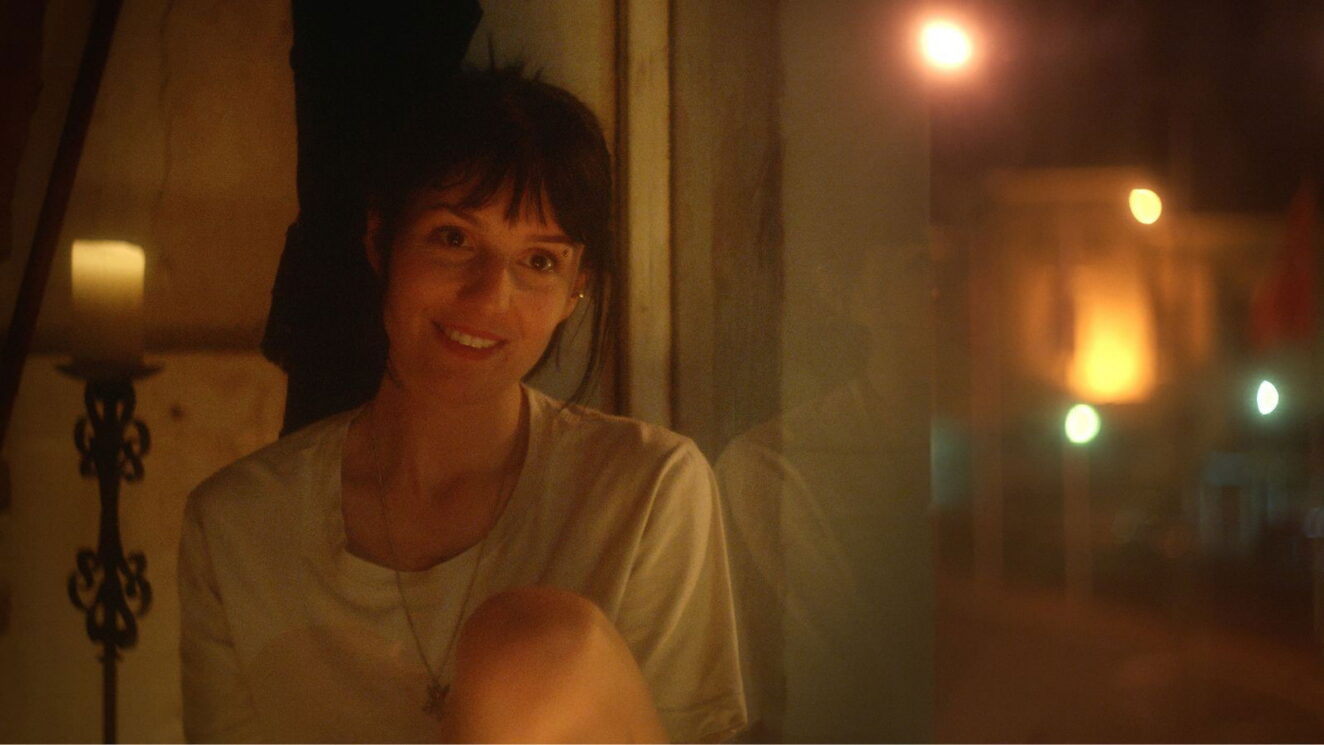
The harder version of this question: horror has a long history of using trans bodies badly. Mackay is part of a generation of trans filmmakers shifting who actually holds the camera. Does she feel that weight?
“I don’t know. I’ve never really felt that pressure, or a pressure in that sense. For me, ever since I was a child I’ve always just wanted to be a storyteller and tell stories. From my first feature to this one, I’ve kind of just wanted to write what I wanted to see reflected on the screen and haven’t really worried too much about outside voices or pressure.”
She didn’t start making films to correct the record. She started making films because she wanted to make films, and the trans experience happened to be her experience, so that’s what ended up on screen. The politics arrived as a consequence of the authenticity, not the other way around.
There’s a follow-up worth pushing on. If the audience is primarily queer people who already agree, is there a risk that the monster-as-transphobia metaphor works too smoothly? That someone can enjoy it without ever having to sit with what it’s actually about?
“I feel like it means a lot, it’s really special, when a trans or queer person has a connection to the films. But my work has played at genre festivals that aren’t queer-specific, and a lot of the audiences range from young to middle-aged men who just love horror. With T Blockers, them coming and being like: I never thought about a trans person in general, seeing them and what they have to deal with. I think that is equally special. I’m not making something educational, but it’s kind of nice having two ends of the spectrum seeing different things and picking up on different parts of the stories.”
She’s not claiming the films convert anyone. She’s saying they work on multiple frequencies, and different audiences catch different signals from the same film.
The First Time on Camera as Yourself
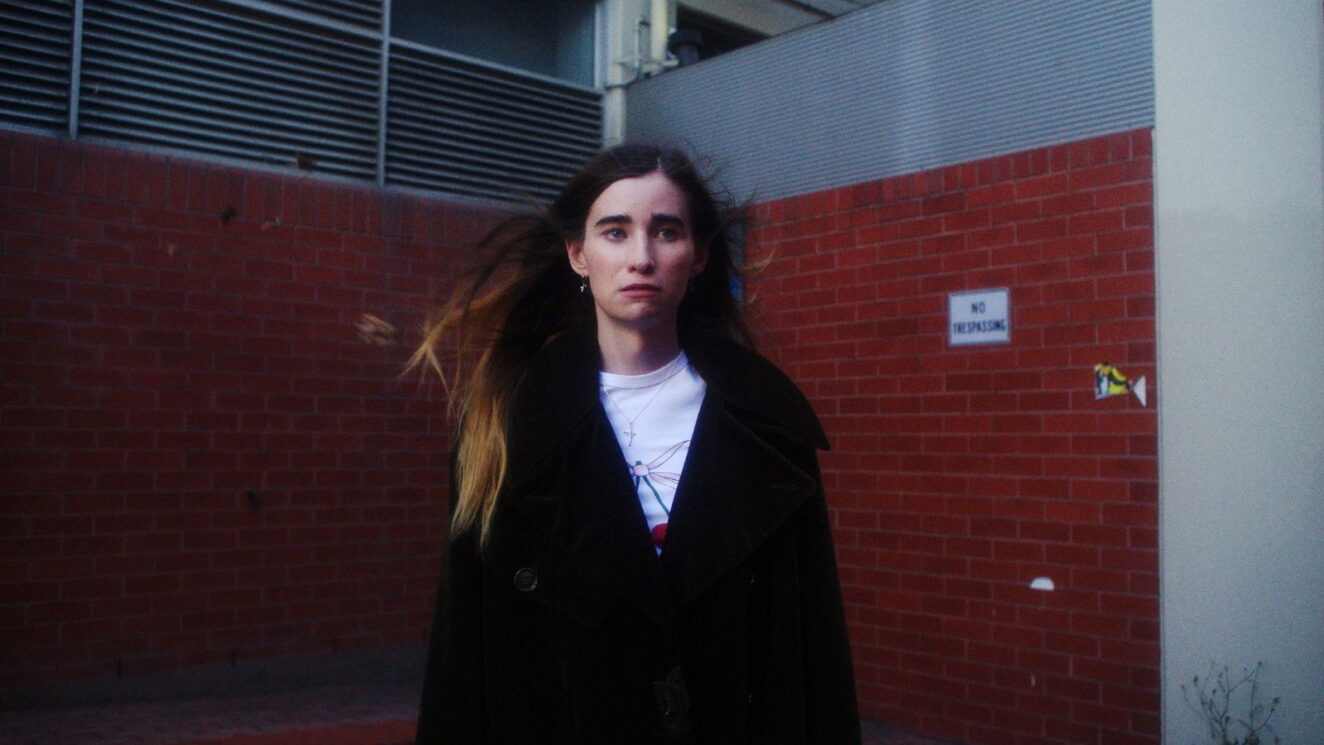
Alexandra McVicker played Robin Shandrell on Vice Principals. She came out as a trans woman after that. The Serpent’s Skin is the first feature she’s made since.
Anna’s story begins with an act of leaving: she gets out of her transphobic hometown and doesn’t look back. There’s an obvious parallel in McVicker’s own life, and she spoke to it directly.
“The theme of leaving an environment that restricted you is very true for me. I was able to explore and understand myself more when I left home, when I wasn’t around my family and the area I grew up in. That was a theme I could relate to for sure.”
On what it was like to step back in front of the camera as herself:
“Acting was such a huge part of my life, and I buried myself in it so deeply before because I felt like it was the only thing I had to explore and feel, to get away from myself a little bit. Outside of acting I didn’t care about life in a lot of ways, because I was so uncomfortable in myself. Now stepping back into acting has been really strange. My life feels so much more full in other ways that sometimes I feel really distracted, and that intense drive that I had before is still there, but it’s not the same.”
What the performance actually does is specific and difficult: she’s playing someone who is hiding, from the inside, while not hiding herself. That distinction carries the film.
Divinely Timed
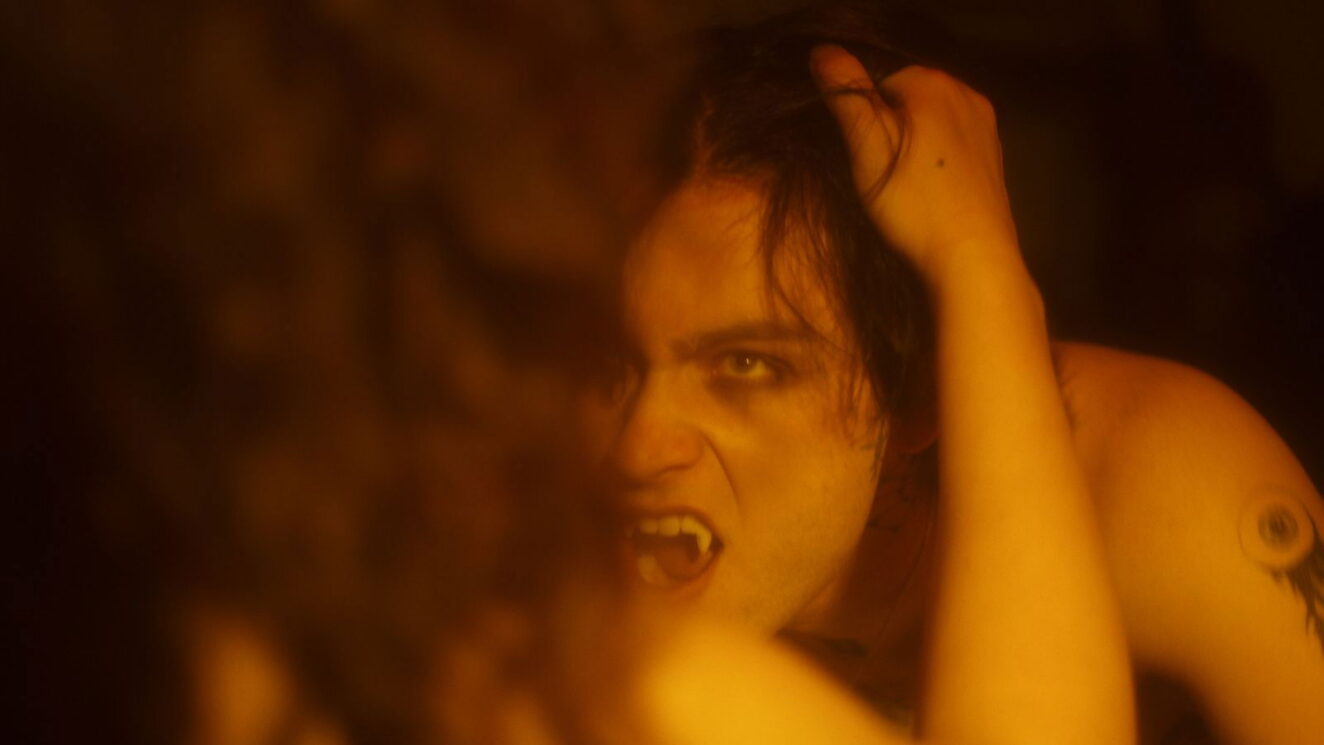
Avalon Fast directed Honeycomb at nineteen and Camp in 2025, both award-recognized. She came to The Serpent’s Skin as a peer of Mackay’s, not just as a cast member.
On what the film meant to her outside of the craft:
“It came at a really important time for me. I wasn’t necessarily closeted before, but I definitely wasn’t open as a queer person. Finding this role and having the opportunity to work with Alice and Alex felt really important to that time, completely removed from being an actor or a director. Just personally, it felt really important, and kind of divinely timed.”
On keeping Gen from going flat, since a grounded and confident character can read as inert without something real underneath:
“There was such a conflict that came up early, and it didn’t have to do with our relationship. It was something inside of me that I’d put onto somebody else, which becomes a deep conflict within the story. I think when you try to be interesting it can come off a little strange. I just tried to be really honest with her character. I resonated with this feeling of having something like evil inside of you. I think it’s a common female, or maybe just a human experience, to feel fundamentally wrong, to have this thing inside of you that you can’t understand.”
Playing Outside New York and LA
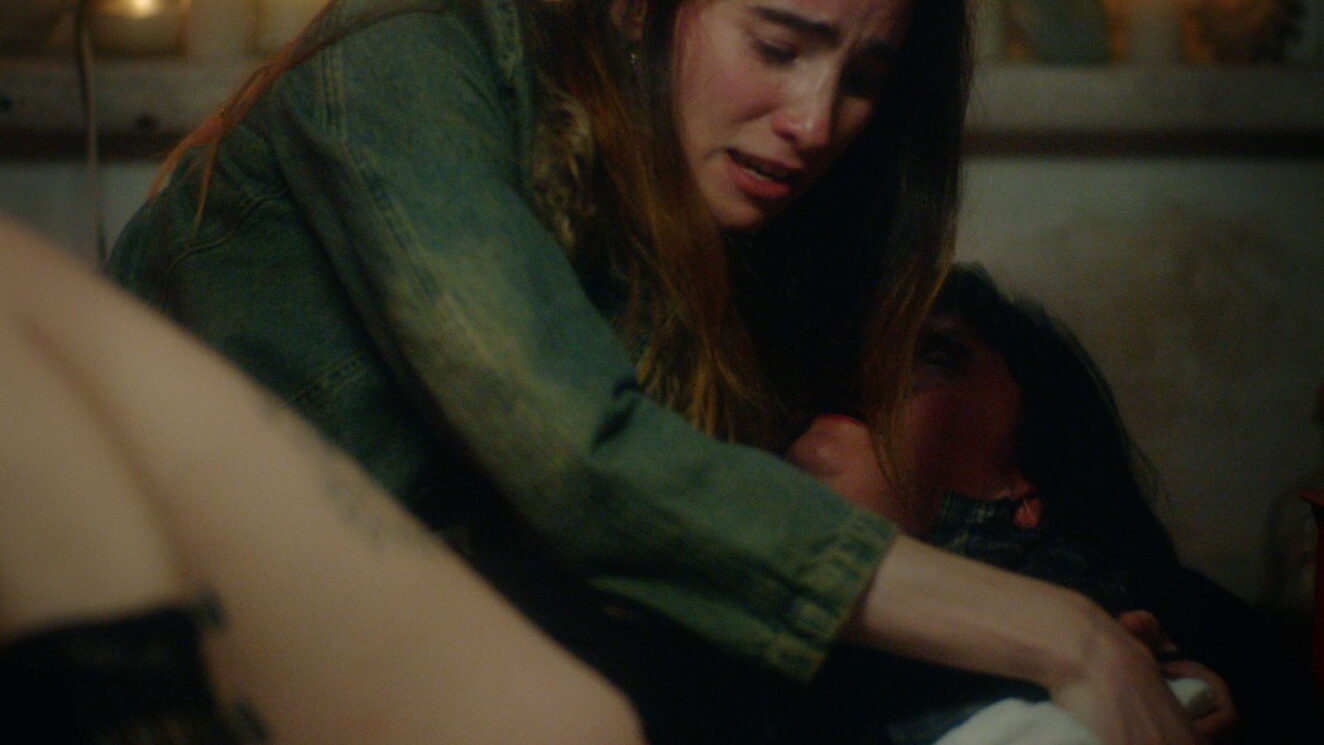
The Serpent’s Skin is opening wider than Mackay expected. It’s playing in Texas. It’s playing in cities that weren’t on the original list. Mackay called it surreal.
“It’s my largest release, and the film is playing in places I wouldn’t expect it to. There’s something really special to me that my film is playing outside of the New York and LA areas. Having that broader reach, I hope outside of queer audiences, cis straight men see the film and find it something different as well.”
Across six features, made between the ages of sixteen and twenty-one, Mackay has built a body of work where the trans experience is never the tragedy, never the twist, never the thing the film is secretly really about beneath the supernatural scaffolding. It is just the story. The horror is horror. The love story is a love story. The monster is a monster.
That sounds simple. It is not simple. Almost no one in the history of the genre has done it.
When McVicker and Fast were each asked what they want someone to carry out of the theater if they saw themselves in the film, they gave answers that rhymed with each other without having coordinated.
McVicker said: stop blocking yourself. Believe that someone else might be able to see you in a light you can’t see yourself in.
Fast said: the possibility of finding a love that feels safe and comfortable, and lets you see parts of yourself you couldn’t see before.
Both were talking about the film. Both were also talking about something else.
—The Serpent’s Skin is now playing in New York and Los Angeles.
Here’s the rundown of the theatrical dates:
3/27 – 4/2 — Brooklyn, NY – Alamo Drafthouse Downtown Brooklyn
As part of Fantastic Fest Presents showcase
** Opening night Q&A w/ Maio Mackay, McVicker, and Fast moderated by Jack Haven (I Saw the TV Glow)
3/28 — Catskill, NY – Community Theater
** Q&A with Maio Mackay moderated by Jane Schoenbrun (I Saw the TV Glow)
4/2 — San Francisco, CA — Roxie Theater
** Q&A with Maio Mackay moderated by Frameline Executive Director Allegra Madsen
4/3 – 4/9 — Los Angeles, CA – Alamo Drafthouse Cinema DTL
** Opening night Q&A with Maio Mackay moderated by Misha Osherovich (Freaky, She’s the He)
4/4 — Los Angeles, CA – Vidiots
** Q&A with Maio Mackay and Vera Drew moderated by comedian Roz Hernandez
4/10, 4/11 — Denver, CO – Sie FilmCenter
4/11 — Boston, MA – Alamo Drafthouse Cinema Boston Seaport
4/11 — Chicago, IL – Alamo Drafthouse Cinema Wrigleyville
4/11 — Dallas, TX – Alamo Drafthouse Cinema Cedars
4/11 — Denton, TX – Alamo Drafthouse Cinema Denton
4/11 — New York, NY – Alamo Drafthouse Cinema Lower Manhattan
4/11 — Yonkers, NY – Alamo Drafthouse Cinema Yonkers
4/11 — Raleigh, NC – Alamo Drafthouse Cinema Raleigh
4/11 — San Antonio, TX – Alamo Drafthouse Cinema Park North
4/11 — San Francisco, CA – Alamo Drafthouse Cinema New Mission
4/11 — Santa Clara, CA – Alamo Drafthouse Cinema Valley Fair
4/11 — Woodbury, MN – Alamo Drafthouse Cinema Woodbury
4/11 — Naples, FL – Alamo Drafthouse Cinema Naples
4/11, 4/13 — Denver, CO – Alamo Drafthouse Cinema Sloans Lake
4/11, 4/14 — Austin, TX – Alamo Drafthouse South Lamar
4/25 — Sacramento, CA – The Dreamland Cinema
5/14 — Sebastopol, CA – Rialto Cinema
6/8 — Portland, OR – Clinton Street Theater
Interviews
[Interview] The Man Behind the Monsters: Javier Botet Steps Into ‘Do Not Enter’
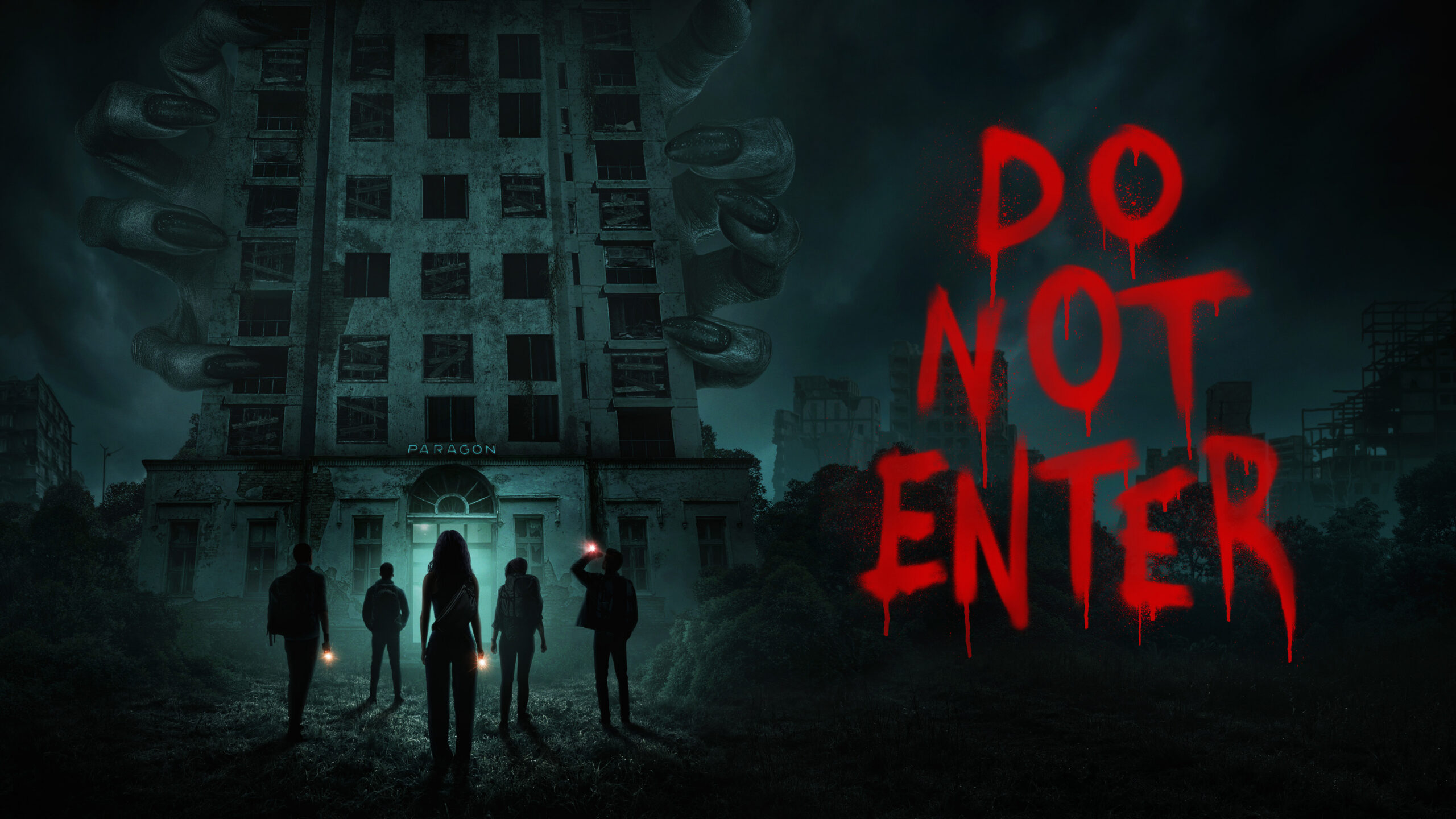
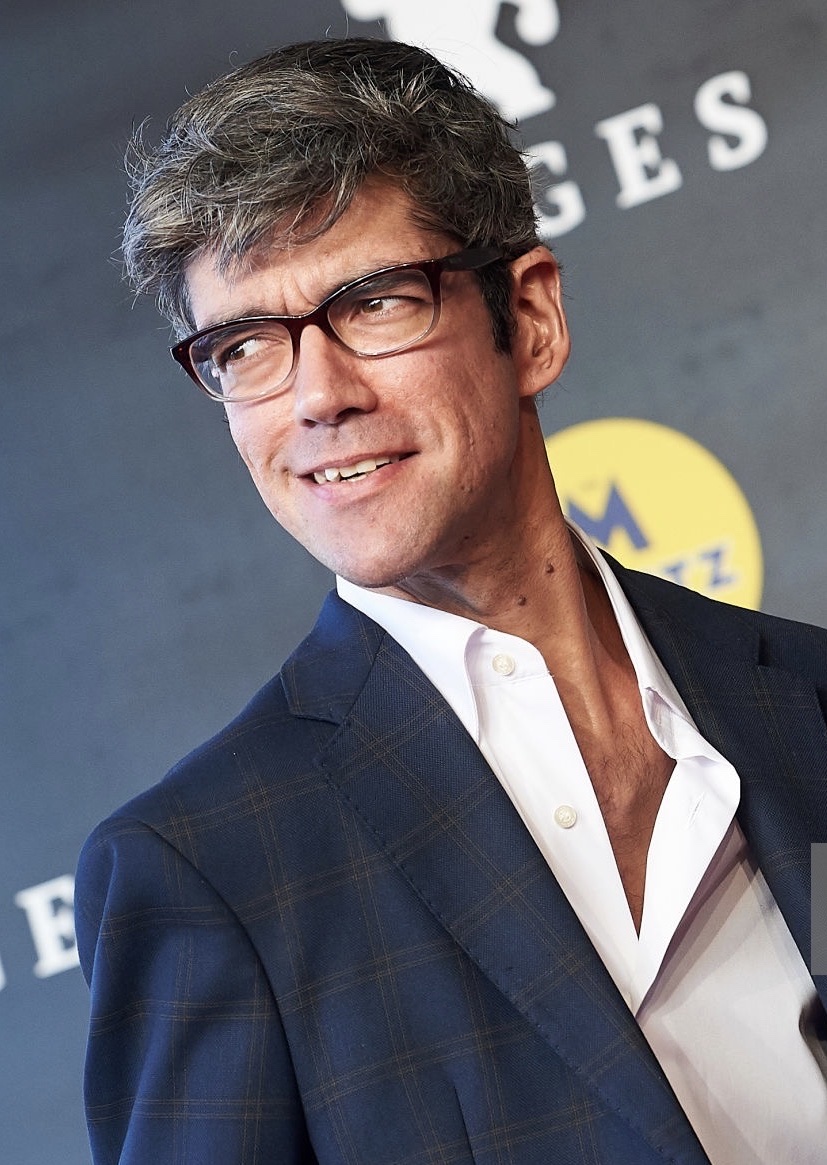
Horror has always thrived on what lingers just out of view; the figures that feel almost human, yet deeply unnatural. Few performers have captured that fear as effectively as Javier Botet, a master of physical horror whose work has helped define modern creature performances.
Known for his uniquely unsettling movement, Botet has built a career transforming the human body into something otherworldly. Living with Marfan syndrome, his elongated frame and flexibility have allowed him to portray some of the genre’s most memorable figures. From [REC] to The Conjuring 2, Mama, Crimson Peak, and IT, his performances go beyond makeup and effects—his creatures feel alive, driven by a physical language that taps into something primal.
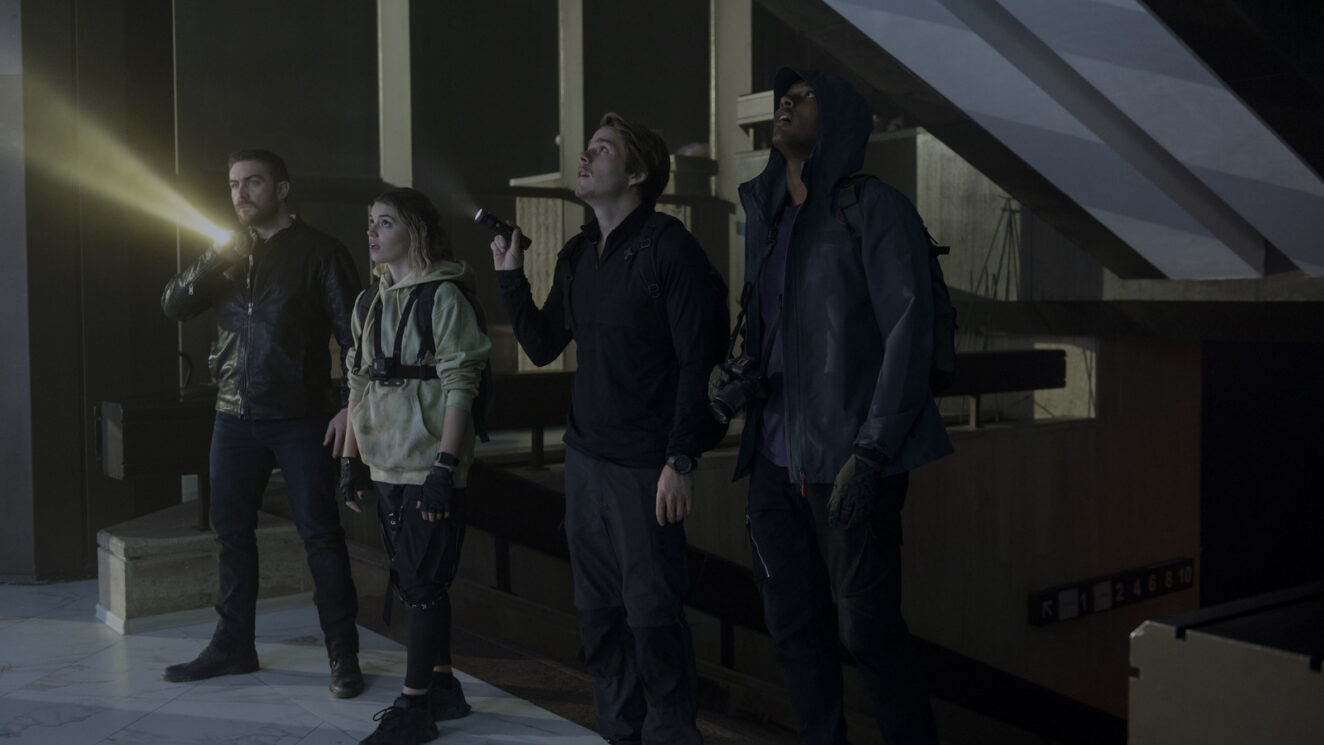
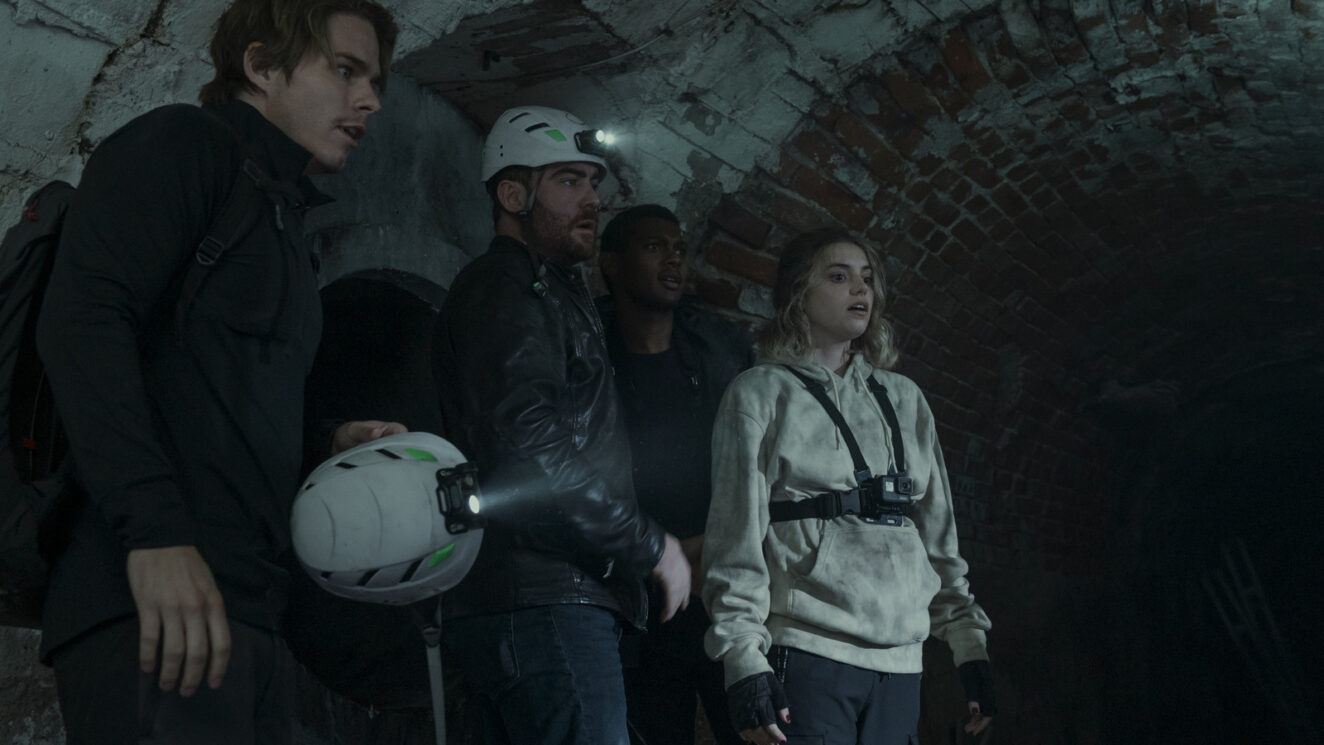
Botet brings that same presence to Do Not Enter, a high-concept horror thriller centered on a group of thrill-seeking urban explorers known as the Creepers. Hoping to grow their following, they livestream their most dangerous stunt yet inside New Jersey’s abandoned Paragon Hotel—a location steeped in mob history, ghost stories, and rumors of a hidden $300 million fortune. But once inside, the stakes escalate quickly. As they fend off deadly rivals, something far more sinister begins to emerge from the shadows—supernatural creatures that test not only their survival, but their sanity and their willingness to pay the ultimate price for fame.
Blending creature horror with modern livestream culture, Do Not Enter leans into tension, isolation, and the consequences of pushing boundaries too far. It’s a natural fit for Botet, whose performances rely on presence, movement, and restraint to create unease long before the terror fully reveals itself.
In an era dominated by digital effects, Botet remains a powerful reminder of the impact of practical performance. His ability to convey fear through the smallest physical details continues to elevate the films he inhabits, grounding even the most supernatural concepts in something tangible.
With Do Not Enter, Botet once again steps into the shadows—bringing a new nightmare to life through movement, precision, and pure physical storytelling.
In the following interview, Botet reflects on his approach to creature work, the demands of his roles, and what drew him to the world of Do Not Enter.


Horror Coming to Streaming in May 2026: Shudder Is Doing the Most and Netflix Finally Showed Up

Evil Dead Burn Looks Like the Most Violent Family Reunion You’ll Ever Attend

_CIVILIAN Is the Micro-Series That Proves You Don’t Need Much to Make Something That Matters

Breaking Down the First Minute of ‘The Vampire Lestat’ Official Trailer: What It Reveals About Season 3

Jessica T Deveraux Got Possessed At Her Own Bar In New Film ‘Key of Bones’

The Cape Fear Trailer Is Here. Javier Bardem Built It.

iHorror Exclusive Clip: ‘Obsession’ in theaters May 15th

This Week in Horror: The Genre Says Goodbye to Jonathan Tiersten

Panic Fest 2026 Review: ‘Creature Of The Pines’ Is An Interesting Found Footage Horror That Walks A Beaten Path

Sleepaway Camp Knew Before I Did: The Legacy Johnathan Tiersten Left on Queer Media

Koji Suzuki Built the Well. The Author of ‘Ring’ Trilogy Dies at 68

Universal’s Horror Make-Up Show Ends 36 Year Run

Self Driver Runs Out of Road

10 J-Horror Films to Watch After Losing Koji Suzuki
Sleepaway Camp Knew Before I Did: The Legacy Johnathan Tiersten Left on Queer Media
Koji Suzuki Built the Well. The Author of ‘Ring’ Trilogy Dies at 68
This Week in Horror: The Genre Says Goodbye to Jonathan Tiersten

Panic Fest 2026 Review: ‘Jump Scare’ Is A Metal As Hell Kick To The Skull!
Jessica T Deveraux Got Possessed At Her Own Bar In New Film ‘Key of Bones’
The Cape Fear Trailer Is Here. Javier Bardem Built It.

Panic Fest 2026 Review: ‘Frogman Returns’ Is A Thrilling Sequel That Goes For The Croak!
iHorror Exclusive Clip: ‘Obsession’ in theaters May 15th
-
 News6 days ago
Jessica T Deveraux Got Possessed At Her Own Bar In New Film ‘Key of Bones’
-
 News6 days ago
The Cape Fear Trailer Is Here. Javier Bardem Built It.
-
 News7 days ago
iHorror Exclusive Clip: ‘Obsession’ in theaters May 15th
-
 News5 days ago
This Week in Horror: The Genre Says Goodbye to Jonathan Tiersten
-
 Editorial4 days ago
Sleepaway Camp Knew Before I Did: The Legacy Johnathan Tiersten Left on Queer Media
-
 News4 days ago
Koji Suzuki Built the Well. The Author of ‘Ring’ Trilogy Dies at 68
-
 Indie Horror6 days ago
Panic Fest 2026 Review: ‘Frogman Returns’ Is A Thrilling Sequel That Goes For The Croak!
-
 News5 days ago
Panic Fest 2026 Review: ‘Jump Scare’ Is A Metal As Hell Kick To The Skull!
You must be logged in to post a comment Login