News
Maggie Gyllenhaal’s ‘Bride of Frankenstein’ Directorial Gains Another Academy Award-Winning Actor

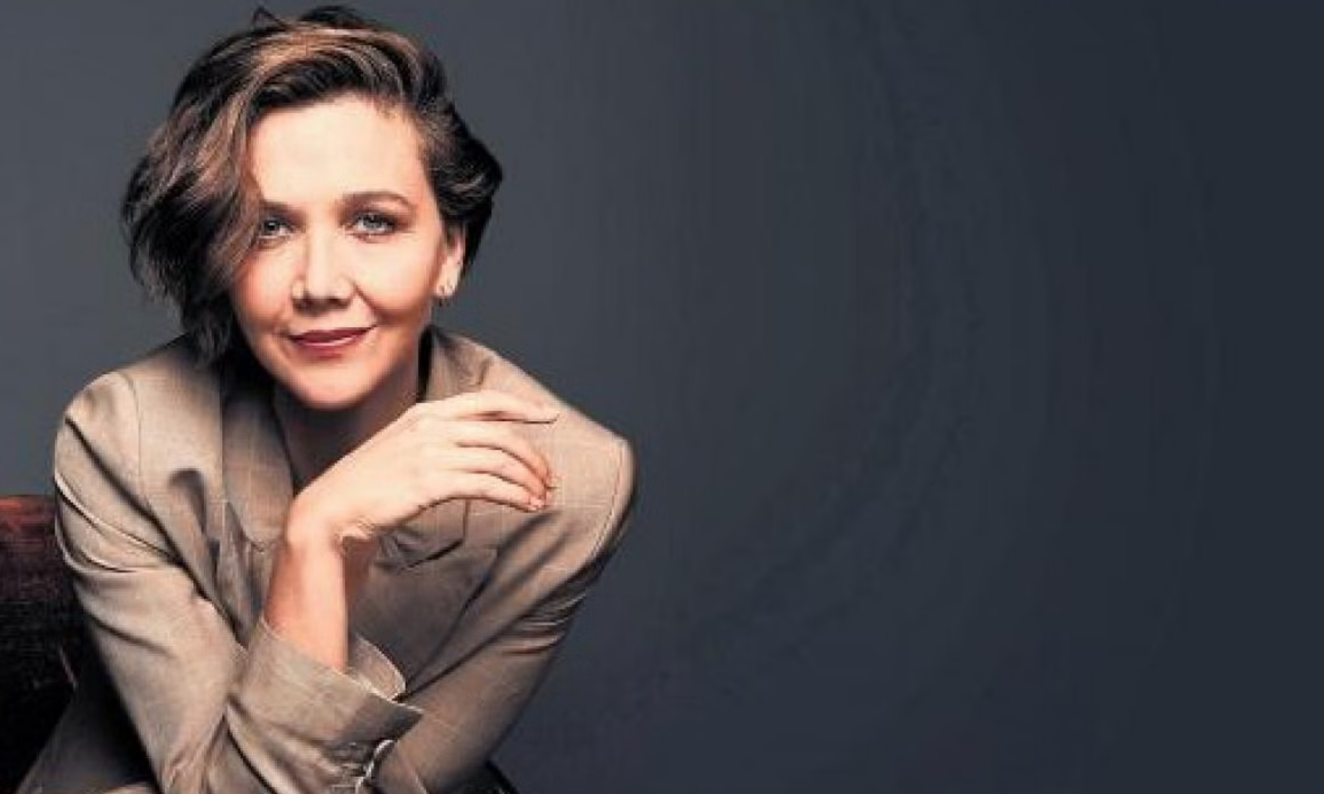
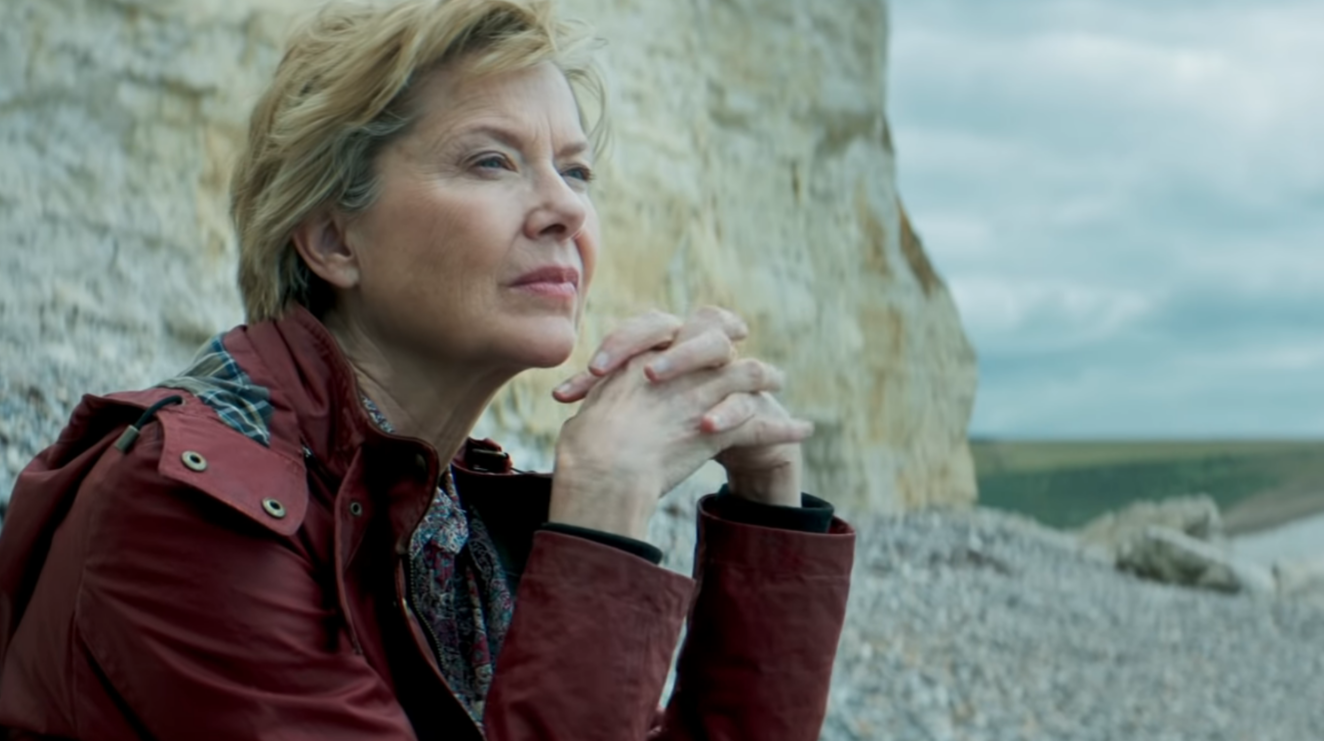
Earlier this year we announced that Maggie Gyllenhaal would direct Bride of Frankenstein. The film has brought in a whole lot of really great talent to work on the film. The latest actor to join an already outstanding cast is Academy Award-winning Annette Bening. She joins Jessie Buckley, Christian Bale, Penélope Cruz, and Peter Sarsgaard.
The logline for Bride of Frankenstein goes like this:
Logline: A lonely Frankenstein travels to 1930s Chicago to seek the aide of a Dr. Euphronius in creating a companion for himself. The two reinvigorate a murdered young woman and the Bride is born. She is beyond what either of them intended, igniting a combustible romance, the attention of the police and a wild and radical social movement.
Deadline reports that Bride of Frankenstein has a full slate of Producers and Executive Producers who have tremendous films of their own, respectively. The lineup includes Emma Tillinger Koskoff (Academy Award-nominee The Joker, The Irishman, The Wolf of Wall Street), Gyllenhaal, Talia Kleinhendler (The Lost Daughter), and Osnat Handelsman-Keren (The Lost Daughter). Executive Producers onoard are Courtney Kivowitz (The Lost Daughter) and Carla Raij (Maestro, The Fablemans).
Gyllenhaal‘s Bride of Frankenstein gears up for the next move into production in Q1. WB made it known that they wanted to create a shift that focuses on female filmmakers and their work at the start of 2024.
James Whale’s Bride of Frankenstein was brilliant on its own accord and will always remain a part of horror history, but to be given over to Gyllenhaal’s voice actively confronting the Bride’s narrative is going to be special.
Bride of Frankenstein has not begun filming yet, but when we get more news we’ll be sure to tell you how what it is.
Are you excited about this team’s Bride of Frankenstein? Let us know in the comments section.





News
This Week in Horror: DC Goes Full Body Horror, A24 Has Its Chainsaw Man, and The Bone Temple Is Finally Yours
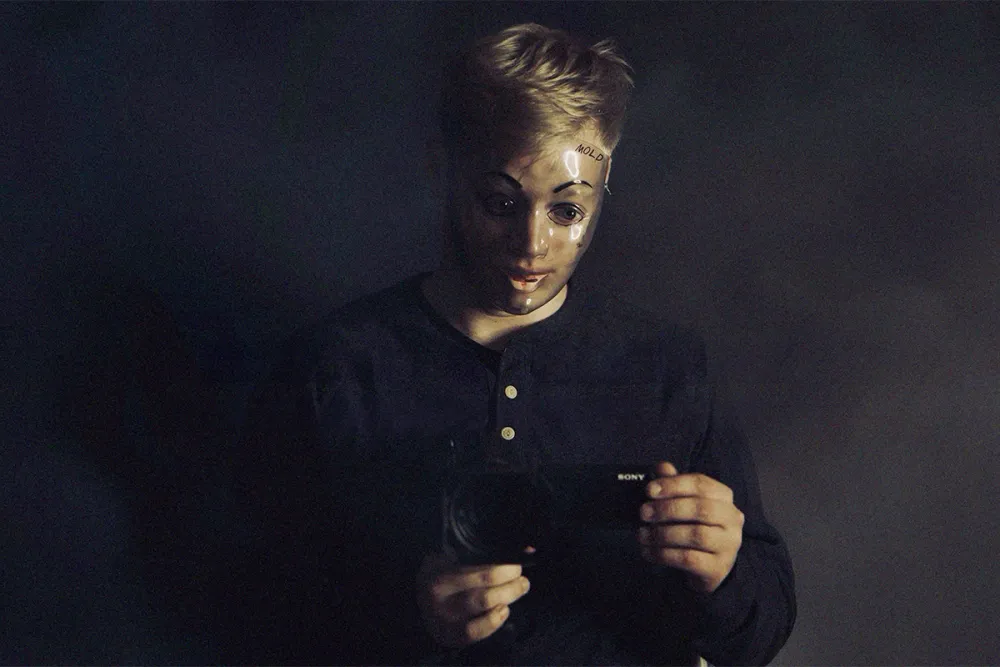
Good week. The Clayface trailer dropped and made DC relevant to this website for the first time in a while, A24 put a director on the Texas Chainsaw Massacre reimagining, and we got some interviews worth reading. Here is all of it.
Clayface Has a Trailer, and It Is Exactly What You Want
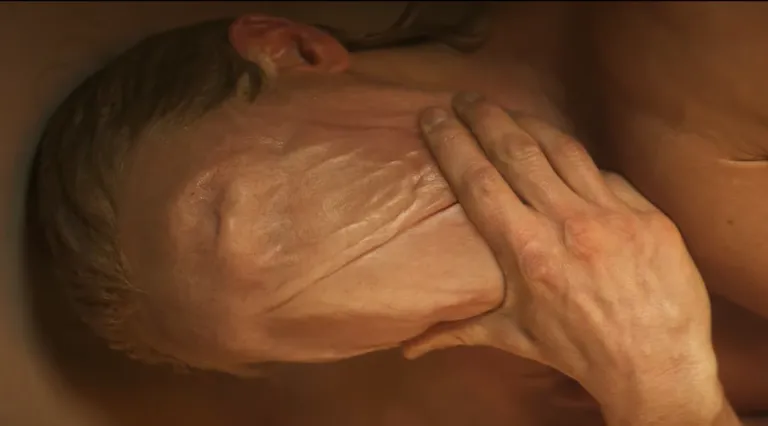
The Clayface trailer landed Wednesday, and it is DC’s first real horror film. Not horror adjacent. Not dark. Horror. Tom Rhys Harries plays Matt Hagen, an actor whose face gets disfigured by a gangster. He turns to a scientist, played by Naomi Ackie, who transforms his body into clay. Then the body horror starts.
James Watkins directed, which is the right choice. He made Speak No Evil and before that The Woman in Black, and he understands how to make dread feel physical. The screenplay is by Mike Flanagan and Hossein Amini. That combination should tell you everything about the tone they are going for.
A24 Has a Director for Texas Chainsaw Massacre and His Last Film Cost Under a Million Dollars
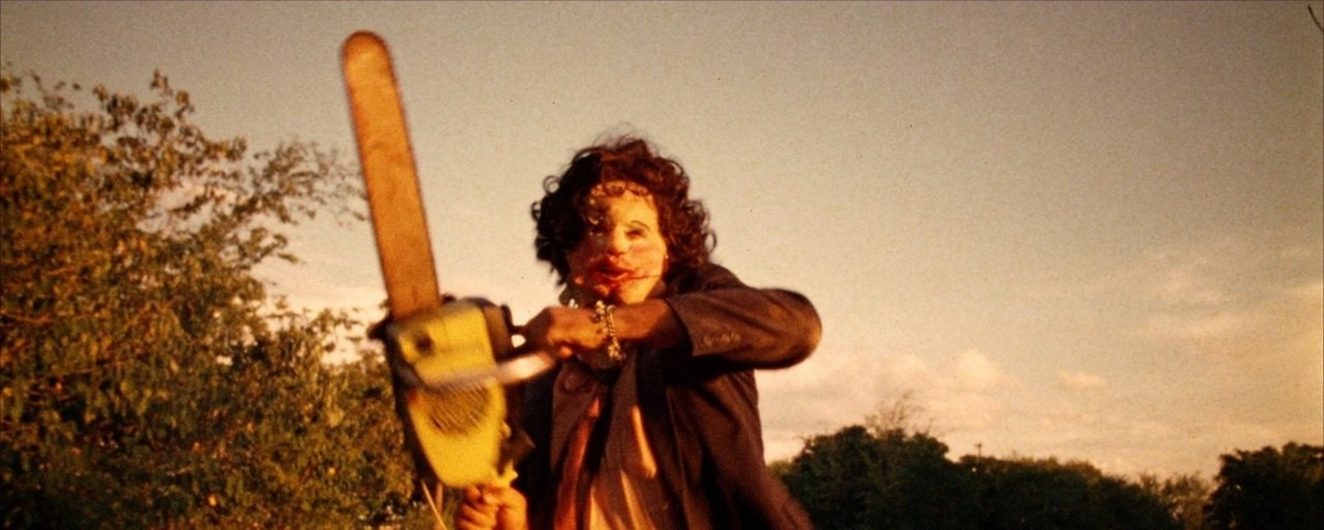
Deadline confirmed that Curry Barker is writing and directing A24’s reimagining of the 1974 original. Barker made Obsession for under a million dollars. Focus Features paid north of fifteen million to distribute it. It sits at 96% on Rotten Tomatoes. A24 hired him before it even opens, which opens May 15.
Kim Henkel, who co-created the original with Tobe Hooper, is executive producing his own creation’s reimagining. That is either a blessing or a haunting. Probably both.
Astrolatry Is Going to Cannes and We Talked to the Actor Who Faced the Creature
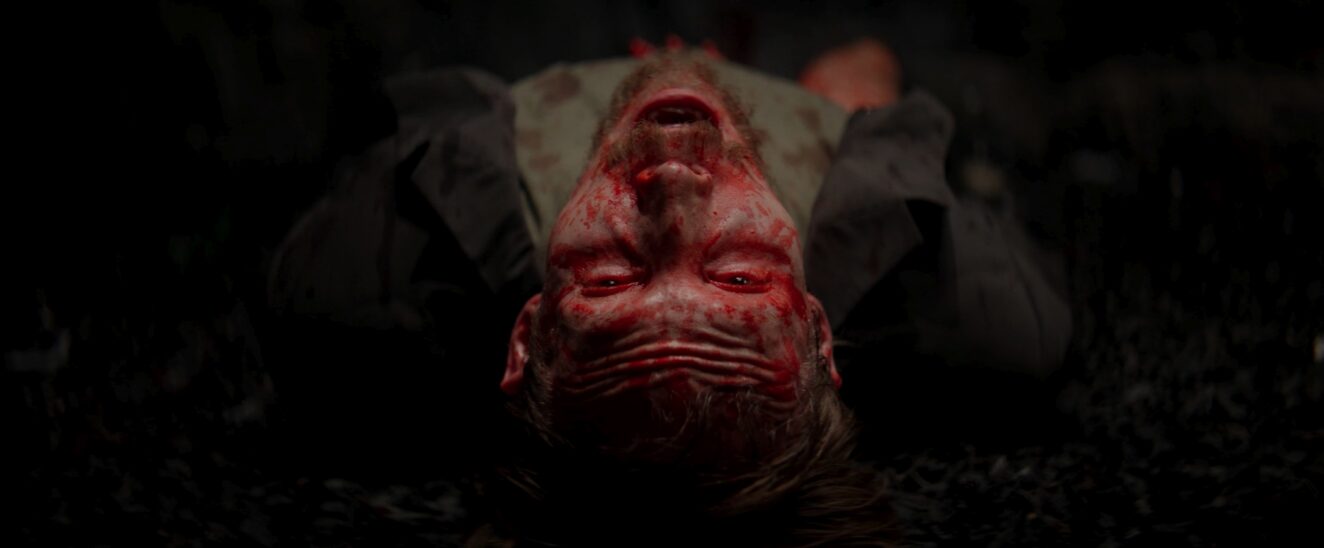
Astrolatry is heading to the Frontières Buyers Showcase on May 16-17. The film has a sentient severed penis that grows into a ten-foot practical creature with spiky teeth. We interviewed star Ethan Daniel Corbett about what it was actually like to act against it. Short answer: genuinely terrifying. Long answer is on the site.
The Bone Temple Is Home
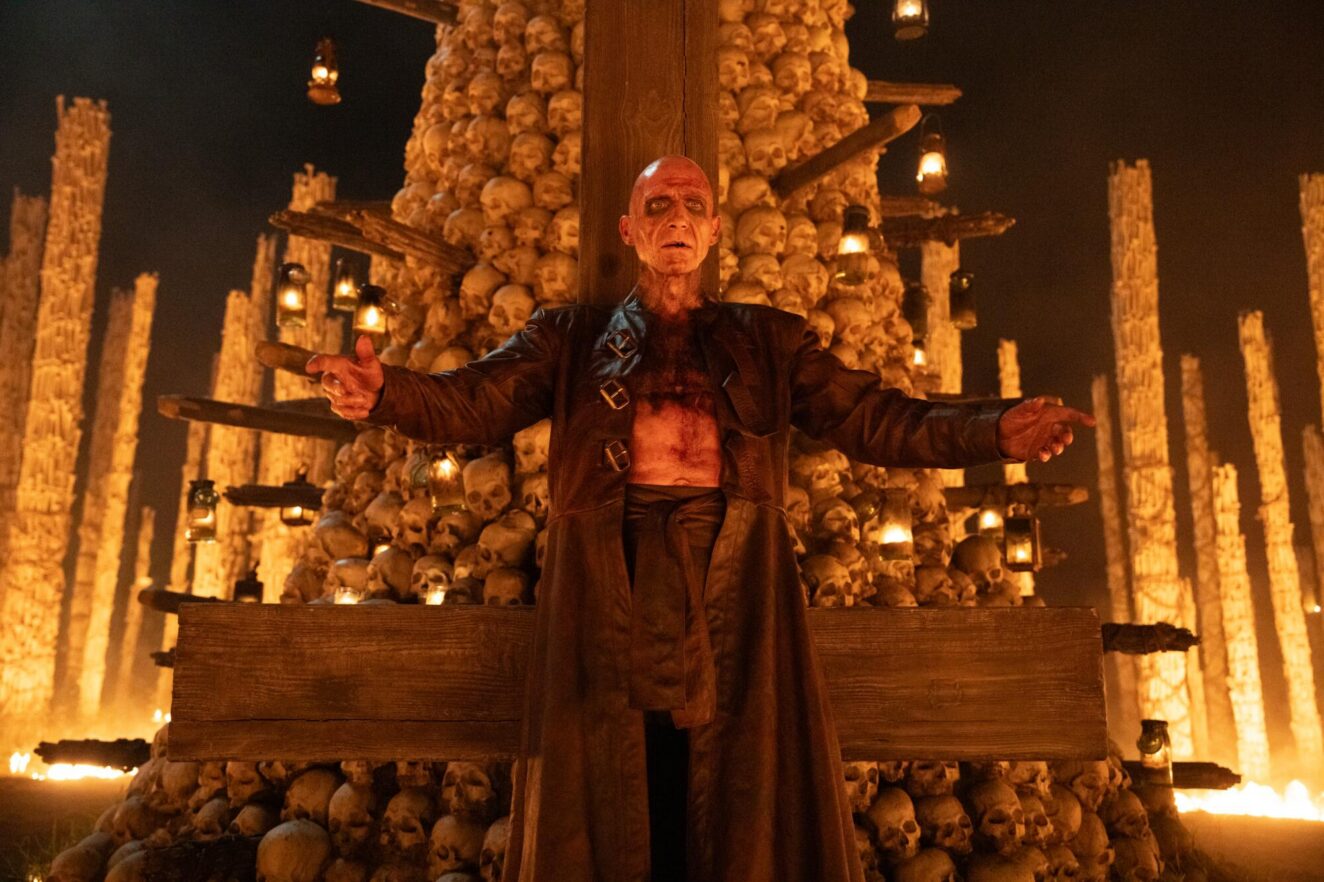
28 Years Later: The Bone Temple hit 4K UHD, Blu-ray, and DVD on Tuesday. If you held out from the digital release in February, now is the time. The 4K presentation is supposed to be great. Extras include audio commentary and a deleted scene. If your gonna watch The Bone Temple, why not watch it where the snacks are better.
News
Astrolatry Built a Ten-Foot Practical Penis Scorpion
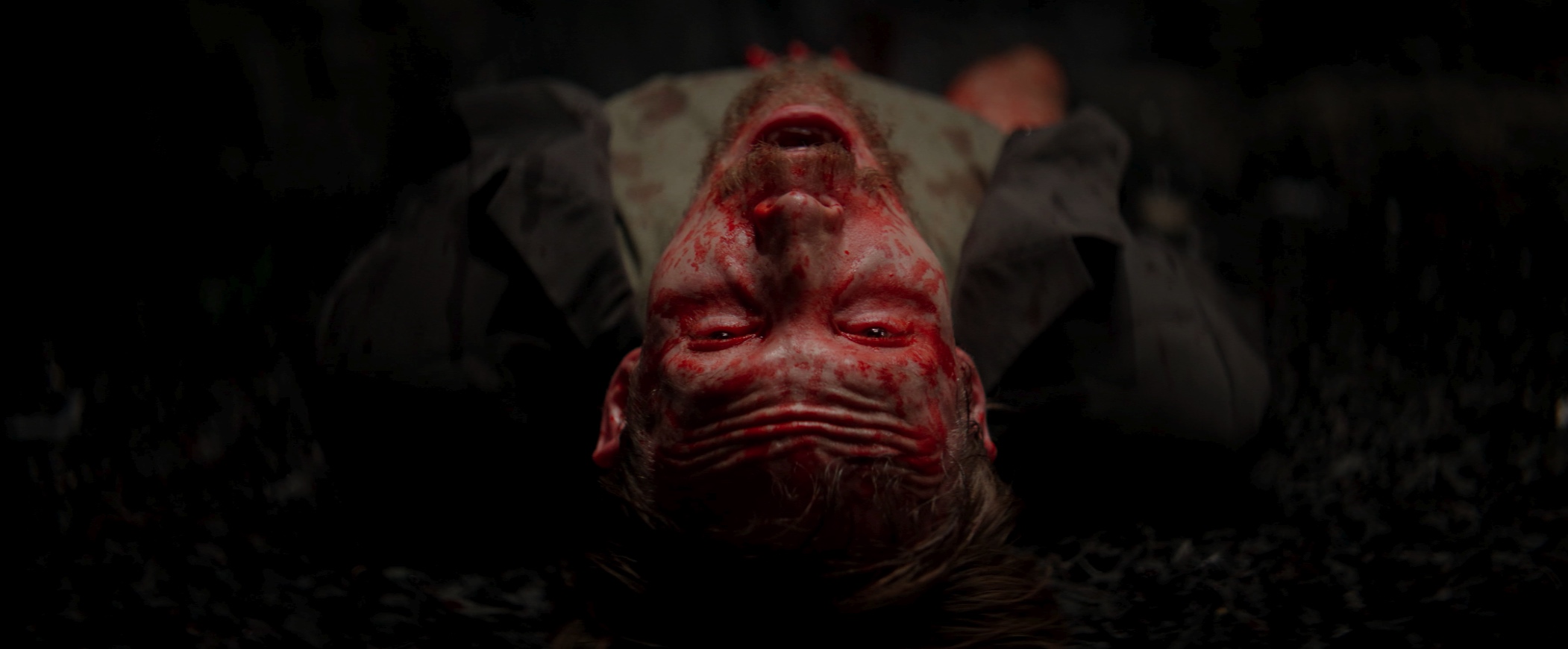
A sentient severed penis grows into a ten-foot creature with spiky teeth. Genre cinema is doing fine.
Astrolatry follows Elliot, played by Ethan Daniel Corbett, who is every ingredient for quiet catastrophe assembled in one man. Socially isolated. Physically isolated. Craving dopamine and finding it in the wrong places. The romance guru pipeline, followed to its logical conclusion. Elliot does not just spiral. He loses a piece of himself, literally, and that piece does not cooperate.
Corbett described it as “a horror satire, a trippy mind-fuck roller coaster” and “a modern retelling of Maniac,” both of which are accurate and neither of which adequately prepares you. Director David Gordon is making his feature debut after shooting 14 films as a cinematographer and he is swinging for the fences.
The Creature
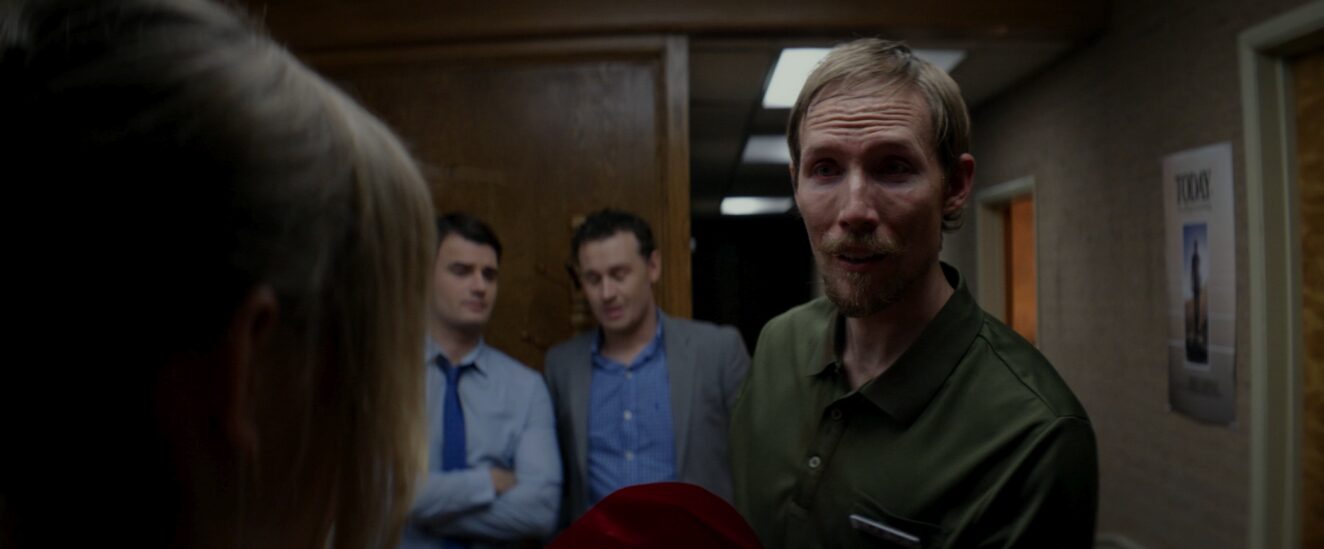
The effects company behind the creature has festival circuit work Corbett had already seen before signing on. He knew what they could do but he was not ready. “When I saw it in person it was kind of mind-blowing,” he said. “Everything that you see in this movie is practical. Very, very little else. It was genuinely terrifying to have a ten-foot creature coming at you with a big mouth and spiky teeth.”
A CG creature asks an actor to imagine something. A ten-foot physical creature on a set asks nothing. It just arrives. The fear on Corbett’s face in those scenes is not a performance. It is the normal reaction to a scorpion dick with sharp teeth.
Elliot
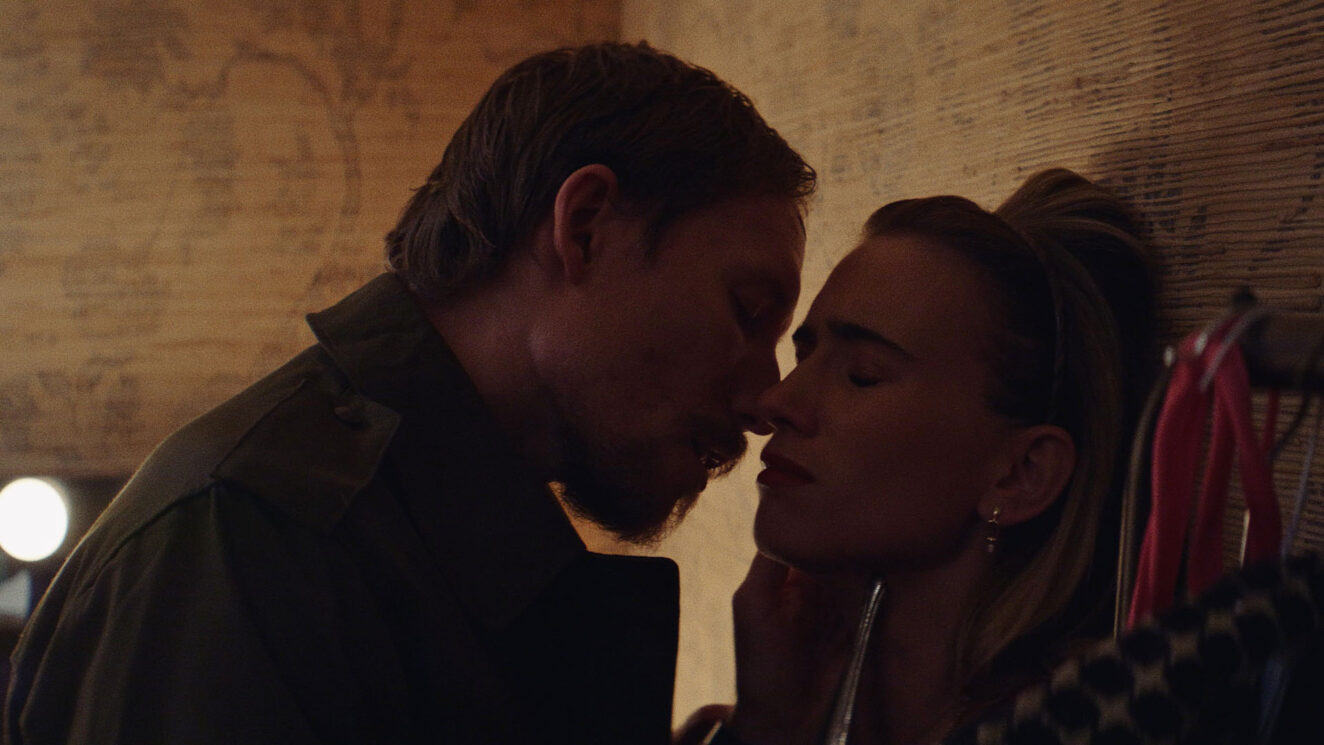
Corbett went into the character through the body. “I mainly focus on the physicality of it. Who this character is and who he is wholly. I strive in those kinds of moments as an actor.”
Gordon was explicit about the concept, the “nice guy” archetype and the overtly toxic one are the same problem, both aimed at the same object. That reading lands because Corbett does not play it as a reading. Elliot is not a symbol. He is a person.
Where It Is Going
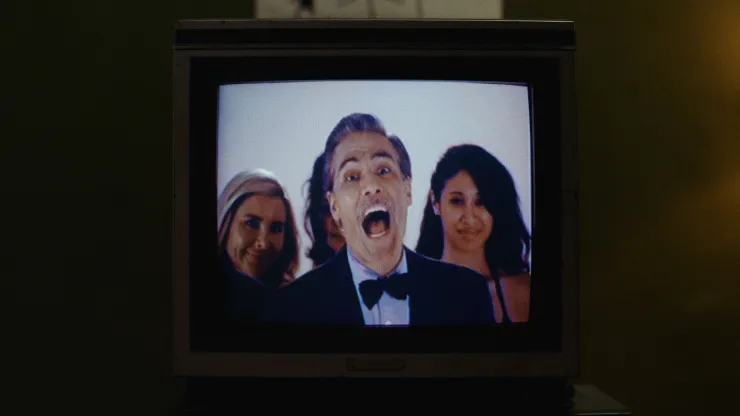
Astrolatry is heading to the Frontières Buyers Showcase at Cannes on May 16-17. “To be able to get into that kind of room on David’s first feature is incredible,” Corbett said. “To be in front of buyers and to showcase the film and potentially get distribution through that.” Frontières is the correct room. It is full of people who understand that the most extreme premise, executed with precision, is not a punchline. It is an argument.
News
ShoStak Opens the Door for Filmmakers to Build and Own Their Stories
A new player is stepping into the space, but ShoStak is making one thing clear right away.
It is not trying to be the next Netflix. It is not chasing TikTok.
“Cinema does not need another platform. It needs a new model.”
That idea sits at the core of what ShoStak is building. Not just a place to watch content, but a system where creators and audiences connect in a way that feels very different from what we are used to.

The First 150 Competition Is Already Underway
ShoStak is kicking things off with its First 150 Competition, giving filmmakers a chance to present their story worlds and compete for the opportunity to move into production.
Projects are introduced as series concepts or pilots, then advance through multiple stages. Audience voting plays a role, but it is only part of the process.
Selections are ultimately shaped by a mix of audience engagement, creative execution, and overall project readiness. It is not just about popularity. It is about building something that can actually move forward.
For creators, it is a rare chance to get in front of both an audience and a structured development path at the same time.
One Platform, Built Around a New Model
Everything now lives under ShoStak.tv, where both creators and audiences come together.
Creators can sign up, develop their projects, and begin building their audience. Viewers can discover new series, follow story worlds, and engage with projects as they evolve.
ShoStak describes this as a cinematic ecosystem. Stories are not treated as disposable content designed to spike and disappear. They are built to grow over time.
And that growth happens in public.

Ownership Without Losing Structure
One of ShoStak’s core ideas is giving creators more control over what they build.
Filmmakers are positioned to:
- Retain ownership of their intellectual property
- Build direct relationships with their audience
- Grow projects based on real engagement
At the same time, this is not a free-for-all.
There is still structure. Projects are evaluated, developed, and refined through a process that blends audience input with creative and strategic decision-making.
Instead of removing the system entirely, ShoStak is reshaping how creators move through it.
Development Happens in Public
This is where things start to separate from the traditional model.
Instead of developing behind closed doors, ShoStak allows projects to evolve in front of an audience.
Creators introduce their ideas, build a following, and expand their worlds over time. As engagement grows, so does the project.
It is less about waiting for approval and more about proving momentum.
Over time, that turns the platform into something larger than a development program. It becomes an open ecosystem where creators and audiences push stories forward together.

More Than Just Testing Ideas
Micro-series are a big part of ShoStak’s approach, but they are not just a testing ground.
They can be the final product.
The format allows creators to:
- Tell complete stories in shorter form
- Build long-term story worlds
- Expand into larger projects when it makes sense
It is not about proving an idea and moving on. It is about giving that idea room to grow in whatever direction fits.
Why This Matters for Horror
Horror has always thrived outside the system.
Some of the most memorable films in the genre came from creators taking risks, working with limited resources, and finding their audience without waiting for permission.
ShoStak’s model fits naturally into that mindset.
It gives horror creators a space to:
- Build original story worlds
- Connect directly with fans
- Grow projects without losing control
And with early content like Civilian and Liminal already rolling out, it is clear the platform is aiming for more than just quick-hit content.
A Different Path Forward
ShoStak is not trying to compete by doing the same thing better.
It is trying to change how stories are created, developed, and sustained.
By combining creator ownership, audience engagement, and a structured development path, it offers something that feels closer to a creative ecosystem than a traditional platform.
Whether it works long-term is still unknown.
But for filmmakers looking for a new way in, it is opening a door that has been closed for a long time.

The Evil Dead Burn Trailer Is Here and It Is Everything

This Week in Horror: CinemaCon Delivered, Nicolas Cage Is Coming Back, and Someone Let Ti West Near a Christmas Story

Chucky Is Going Back to Theaters, and Don Mancini Says It’s Going to Be Scary Again

The Evil Dead Universe Now Includes a Mummy Film

The Practical Magic 2 Teaser Trailer Is Finally Here

10 Horror, Thriller, and True Crime Series to Watch This Spring

7 Horror and Mystery Films That Explore Jack the Ripper

Sacrificios Review: Some Miracles Have a Price Tag

“It’s My Era. I’m a Rockstar Now.” The Official ‘The Vampire Lestat’ Trailer Is Here

The HUNGRY Red Band Trailer Is Here and We Need to Stop Laughing at the Hippo

‘Speed Demon’ Acquired by Maverick Film & Complex Corp Ahead of May Release

This Week in Horror: DC Goes Full Body Horror, A24 Has Its Chainsaw Man, and The Bone Temple Is Finally Yours

The Vampire Lestat Releases Cover of Billy Idol’s “Dancing With Myself”

Astrolatry Built a Ten-Foot Practical Penis Scorpion

Samara Weaving and Kyle Gallner Star in Romantic Crime Thriller ‘Carolina Caroline’ [Trailer]

ShoStak Opens the Door for Filmmakers to Build and Own Their Stories

The Clayface Teaser Just Made October Feel Very Far Away

‘Behind the Mask 2’ Slays Kickstarter

The Best Possible Person Is Directing A24’s Texas Chainsaw Massacre
“It’s My Era. I’m a Rockstar Now.” The Official ‘The Vampire Lestat’ Trailer Is Here

ITCH Is the Outbreak Film That Actually Gets Under Your Skin
The Evil Dead Burn Trailer Is Here and It Is Everything
-
News3 days ago
The Evil Dead Burn Trailer Is Here and It Is Everything
-
 News3 days ago
The Evil Dead Universe Now Includes a Mummy Film
-
 News4 days ago
The Practical Magic 2 Teaser Trailer Is Finally Here
-
 Lists5 days ago
10 Horror, Thriller, and True Crime Series to Watch This Spring
-
 Trailers2 days ago
“It’s My Era. I’m a Rockstar Now.” The Official ‘The Vampire Lestat’ Trailer Is Here
-
 News4 days ago
The HUNGRY Red Band Trailer Is Here and We Need to Stop Laughing at the Hippo
-
 News2 days ago
ITCH Is the Outbreak Film That Actually Gets Under Your Skin
-
 News1 day ago
ShoStak Opens the Door for Filmmakers to Build and Own Their Stories
You must be logged in to post a comment Login