Movie Reviews
Evil Finds A New Home: ‘Amityville Apt.’ [Review]

The term Amityville attracts horror enthusiasts because it combines historical true crime elements with supernatural myths and campy cult movie moments. The term Amityville brings to mind haunted homes and demonic possession stories alongside memories of 112 Ocean Avenue where the DeFeo murders took place in 1974. The saga stands as a significant early example of “based on a true story” horror film that merged true crime events with paranormal elements and transformed the genre. The 1979 film gives it nostalgic significance while its subsequent adaptations represent unconventional low-budget horror productions. Even with the inconsistent quality of its numerous films Amityville has gained unique recognition as a testament to horror’s enduring influence and its capacity to continually retell the same story. Die-hard genre enthusiasts find Amityville embodies unpredictability and a celebration of lore while offering the excitement of exploring both its good and bad elements along with its gloriously weird traits.

The 2025 release of Amityville Apt. distinguishes itself from the sprawling Amityville franchise by presenting a novel interpretation of the haunted house story. The film takes place forty years after the destruction of the infamous 112 Ocean Avenue house (Amityville 3D) and transforms the cursed site into a modern apartment complex while bringing new horror elements to the known location.

The film immediately engages audiences through its opening sequence, which presents actual footage of the Amityville village. The reality-based opening sequence establishes the film’s story firmly within the real world while also intensifying the horror atmosphere and creating a sharp distinction between the real and supernatural elements. By presenting the apartment complex through an anthology format that examines different residents in separate segments, the film achieves a wide-ranging exploration of horror themes.

Pat Kusnadi’s direction of “I’m The Closer” stands out as the segment worthy of special recognition. Pat Kusnadi excels at creating suspense which makes his chilling narrative persist in the audience’s mind after the film ends. Through his direction, Kusnadi delivers exceptional suspense and character depth, which raises his segment above conventional horror pieces.

The film gains additional authenticity and a touch of nostalgia through the notable cameos of genre veterans Brinke Stevens and Alan Maxson. The film uses a character who watches Amityville in the Hood to create meta-commentary that merges fiction with reality inside the franchise’s world.

While Amityville Apt. has its strengths, it’s not without flaws. Different parts of the film display uneven pacing, while the quality of acting fluctuates throughout. The film’s imaginative boldness outweighs its narrative and performance flaws. The simple, practical effects work well to produce disturbing visuals that amplify the horror element.

The Amityville franchise produces both successful and disappointing entries, but Amityville Apt. stands out as a solid addition and emerges as a commendable entry. The movie presents a new viewpoint while respecting the franchise history, which results in an intriguing experience for dedicated followers and those who want to discover something distinctive in horror anthologies.
Click here to rent or purchase on Prime Video!





Movie Reviews
The Devil’s Candy 4K Box Set Review: The Best Heavy Metal Horror Film Gets Its Due
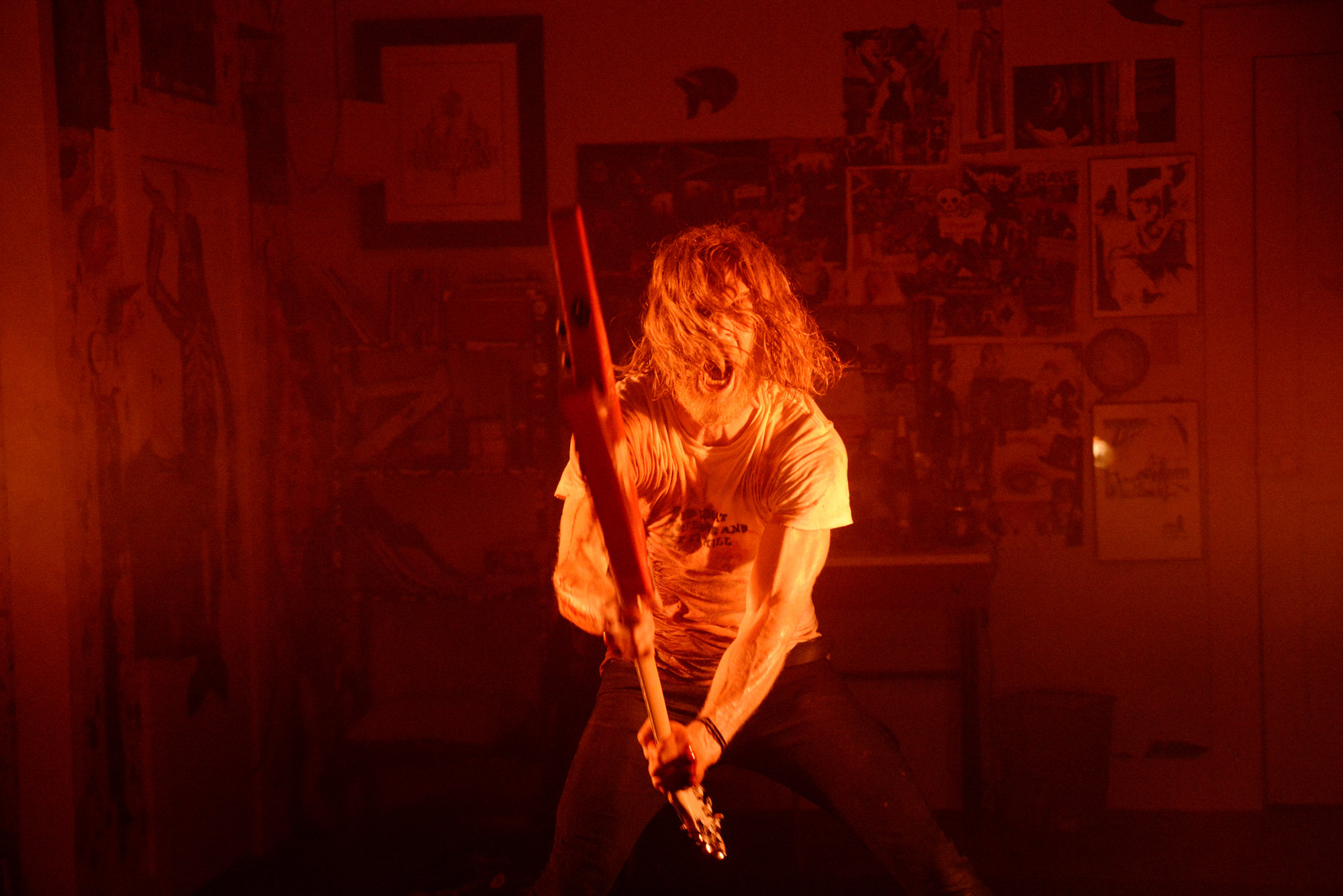
There is a short list of horror films that use music the way The Devil’s Candy does. Not as atmosphere. Not as a needle drop to signal a mood. As a transmission. As something the characters receive and cannot control, the way other films use possession. Sean Byrne understood that heavy metal is not just loud. It is devotional. It is the sound of something bigger than you trying to get through. He built an entire film around that idea, and it is, still, the best heavy metal horror film ever made.
Second Sight Films has given it the release it has been owed since 2017. The Limited Edition 4K UHD/Blu-ray Box Set lands May 25, 2026, and it is worth every penny of whatever you are about to spend on it.
What This Film Actually Is
The setup is familiar enough. A family moves into a house with a bad history. The father starts to lose himself. Something is hunting the daughter. Byrne is not interested in pretending the architecture is original. What he is interested in is the specific texture of a family that actually loves each other, dropped into a situation that threatens to destroy that from the inside.
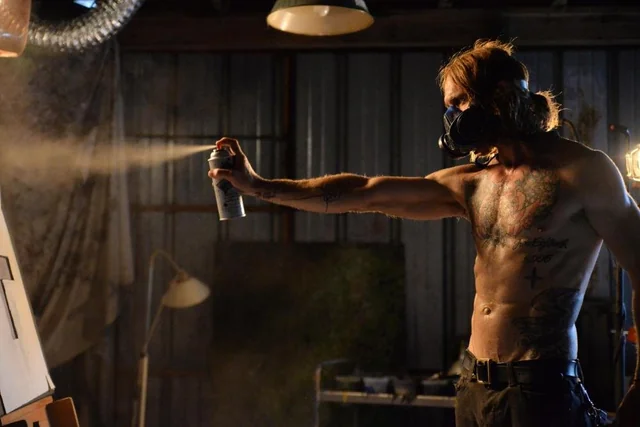
Ethan Embry plays Jesse, a struggling painter who loves two things with the same intensity, his family and heavy metal. Shiri Appleby as Astrid is not a horror wife, she is a full person, and the relationship between her and Jesse reads as genuinely lived-in in a way that horror rarely bothers with. When things start to go wrong, you feel the stakes because Byrne spent the first act making you care about what is going to be lost.
The horror creeps in the way it should. Slowly, then all at once.
Ethan Embry’s Eyes in 4K
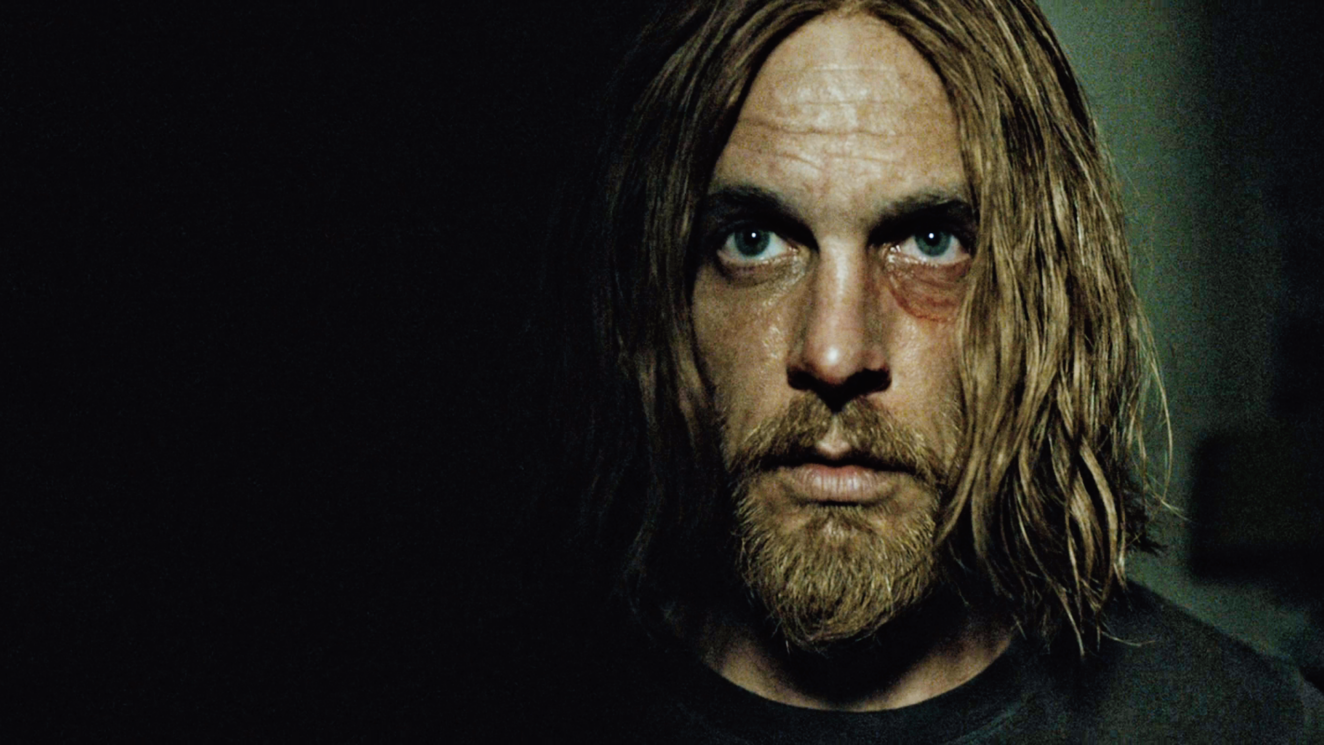
Jesse’s descent into whatever is claiming him happens primarily through Embry’s face. His eyes do most of the work. There is a specific quality to what happens in them when Jesse stops being Jesse and starts being a vessel for something else, a fire that does not match the rest of the expression, a wrongness that the camera can only catch if the image has enough resolution to show you what is actually there.
The 4K UHD producer restoration with HDR and Dolby Vision has enough resolution. It shows you what is actually there.
I have seen this film on every format it has lived on up to now. The jump from standard Blu-ray to this transfer is not subtle. The paintings Jesse produces under the influence have a depth and color saturation that makes them feel like they are vibrating off the screen. The Texas exteriors breathe differently. And Embry’s eyes, those scorching, burning, wrong eyes in the sequences where Jesse is fully under, are rendered with a clarity that makes the film genuinely more frightening than it was before. You are not watching someone act possessed. You are watching something that should not be behind those eyes looking directly at you.
Buy the 4K for the transfer. Stay for everything else.
Pruitt Taylor Vince Is Doing Something No One Else Can Do
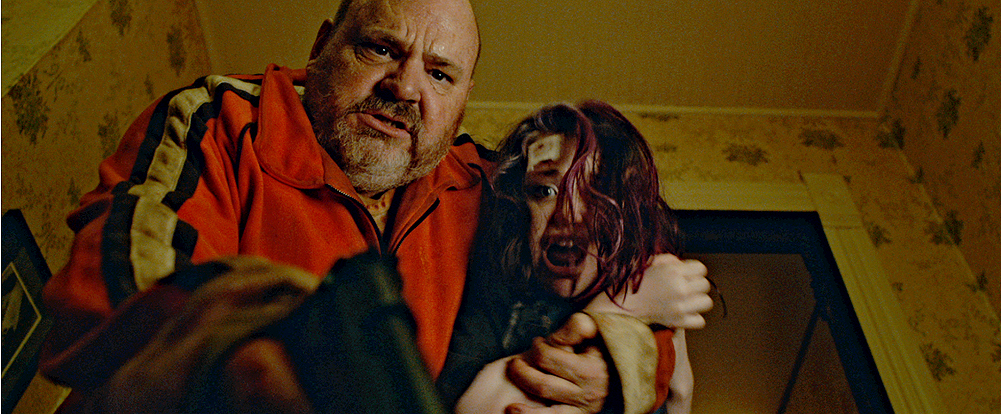
He plays the hulking, unbalanced son of the house’s previous owners, the man who comes back for Zooey because something has told him to. On paper Ray is the monster. The threat you can point at. The body that shows up at the door. What Vince does with that is not what you expect and it is not what the script alone accounts for.
Ray is sweet. Genuinely, achingly sweet. He does not want to hurt anyone. The man is not cruel. He is broken in the specific way of someone who has never been given the tools to survive what is inside him, someone who loves something deeply wrong with the same uncomplicated openness a child loves a dog. Vince carries both things at exactly the same time, the sweetness and the devastation of it, the warmth and the bottomless wrongness underneath. He is not performing a character who is dangerous. He is performing a character who is tragic, and the danger is a consequence of the tragedy.
No one else can do this. I have watched enough of his work to say that with confidence. There is something about the way Vince occupies a role like this, something that lives in the physicality of his stillness and the particular quality of his attention, that makes Ray impossible to look away from and impossible to feel entirely safe around, even in the scenes where he is being gentle. That combination is rare. It is probably not teachable. It is certainly not replicable.
What Is in the Box and Why the Book Matters
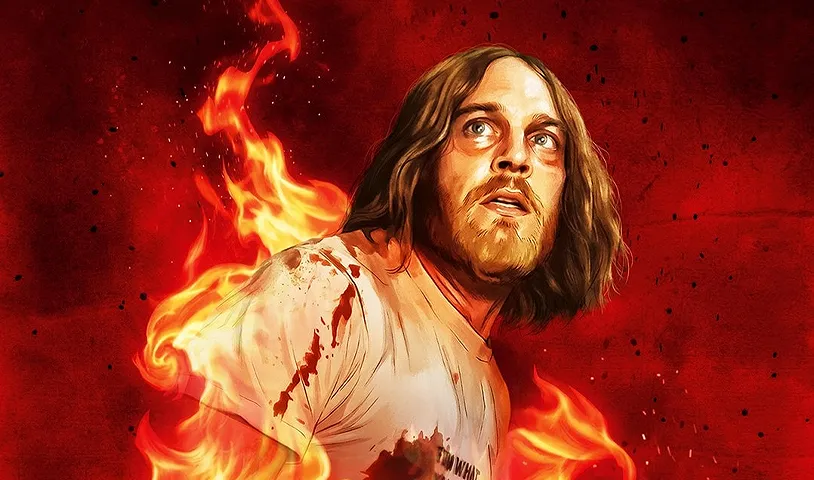
Second Sight has loaded this release correctly.
The interview series is genuinely substantive. Those Fragile Things with Embry, Into the Fire with Byrne, Devil in the Details with director of photography Simon Chapman, The Cutting Room with editor Andy Canny, and A Big Step Forward with production designer Tom Hammock give you the full picture of how a film this precise gets made on the resources it had.
The 120-page book is the thing that justifies the Limited Edition price tag on its own. Essays from Anton Bitel, Reyna Cervantes, Becca Johnson, Joe Lipsett, Mary Beth McAndrews, and Zoe Rose Smith covering a single film this rigorously is a commitment to taking it seriously as a work of art. That is what Second Sight does. That is what this film deserves.
The rigid slipcase with new artwork by Huan Do and six collector’s art cards round out the physical package. It is built to sit on a shelf and announce itself. It earns that.
The Limited Edition 4K UHD/Blu-ray Box Set arrives May 25 from Second Sight Films. Standard editions in 4K UHD and Blu-ray are also available on the same date. Pre-order the Limited Edition here, the standard Blu-ray here, and the standard 4K UHD here.
This is the best heavy metal horror film ever made. It is the only release of this film that gives the image what it needs to show you everything it has. Buy it.
Movie Reviews
Ready or Not 2: Here I Come Blu-ray Review: Buy It for Samara Weaving
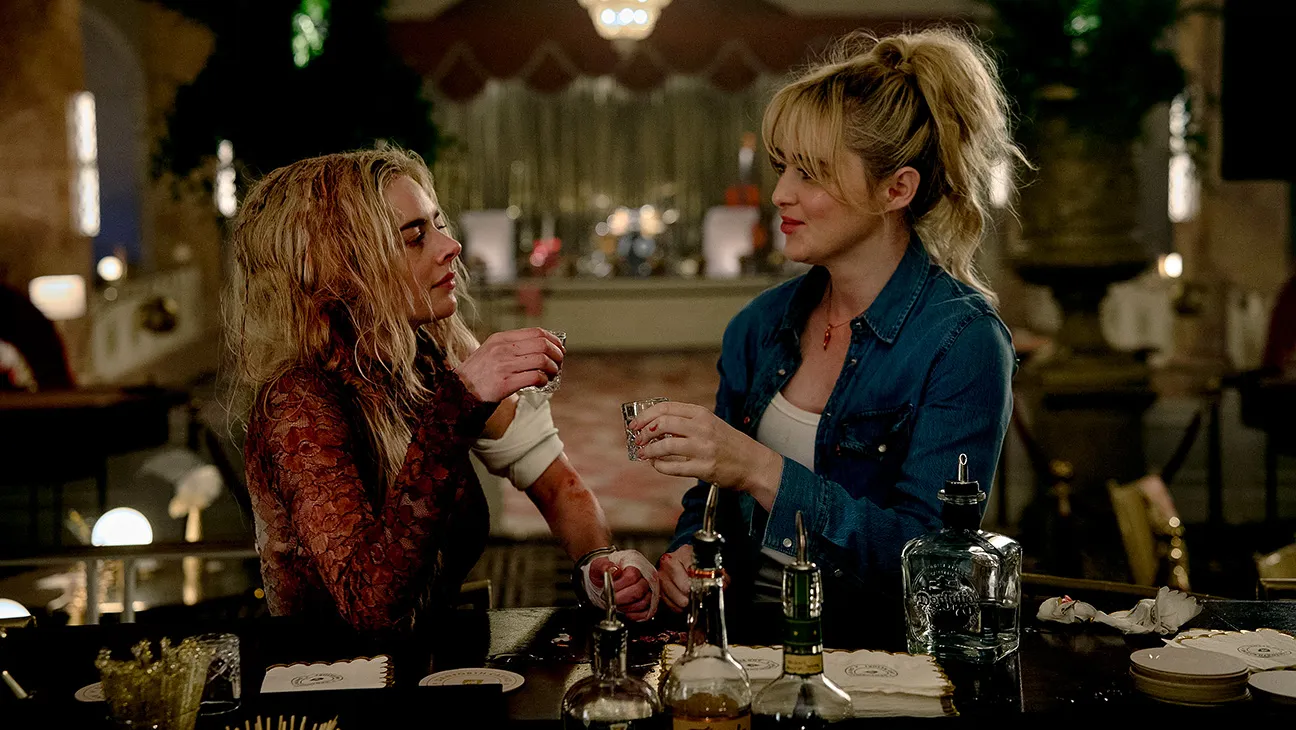
The original Ready or Not ended exactly the way it needed to. Grace standing in the smoking wreckage, covered in blood, finally free, and then the credits roll before you can breathe. It is one of the cleanest endings in modern horror comedy. I have recommended that film to everyone I know who will sit still long enough to watch it, and I will keep doing that until I run out of people.
That ending is also the reason every sequel to a film like that walks into a wall before it even starts. You cannot top it. You can only try to justify the next chapter. The question with Ready or Not 2: Here I Come is not whether it is as good as the first film. It is not. The question is whether it earns its own place in the room.
The Game Gets Bigger. Messier. Longer.
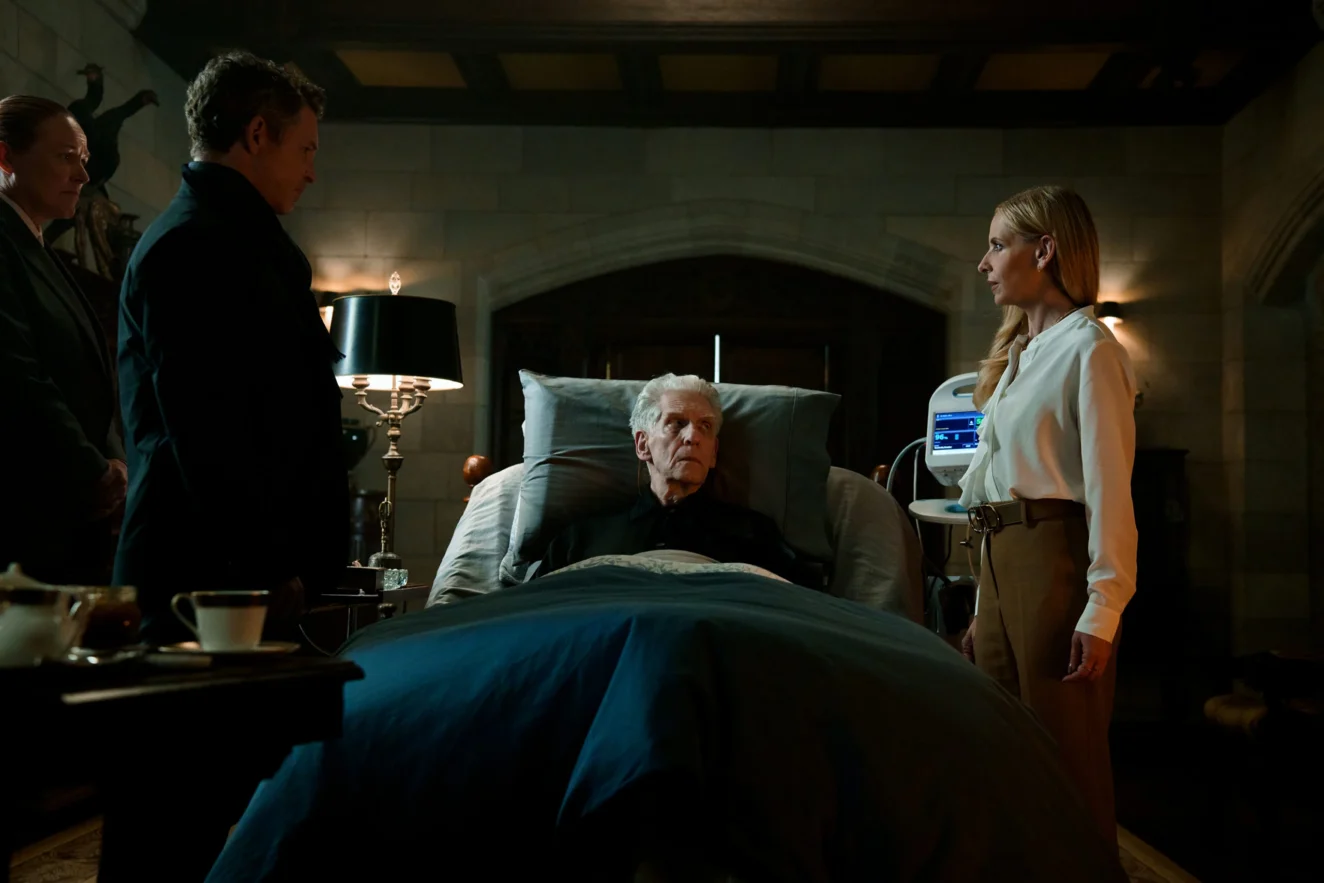
Matt Bettinelli-Olpin and Tyler Gillett pick up exactly where they left off. Grace is still reeling. She is also, almost immediately, back in a game she never asked to play. This time with her estranged sister Kathryn Newton at her side and four rival families hunting them both for the High Seat of the Council. The stakes are bigger, the mythology is expanded, and the body count climbs accordingly.
What the duo does well, they have always done well. They understand that the engine of this kind of film is tension, and that tension and comedy run on the same fuel. Bettinelli-Olpin has said that the goal was always for the audience to not know where a scene is going, whether it is about to be emotional, scary, funny, or all three at once. That instinct is alive and working in the best stretches of this film. There are sequences here that are genuinely, painfully funny in the way the first film was funny, dark and mean.
The problem is the size of it. This film is roughly twenty minutes longer than it needs to be and the extra weight shows in the second half. The first Ready or Not worked in part because it was tight. One house. One night, one terrible house rule. Here I Come stretches the mythology outward and some of it holds and some of it does not. By the time the finale arrives, a few of the threads the film introduced have been quietly abandoned. This is a film that wanted to say more than it had time to finish saying.
It is still fun. I want to be clear about that. It is loud and bloody, and it commits to its own absurdity with the confidence of a film that knows what it is. That counts for something. I just wanted a little more of what the first one was.
You Cast Sarah Michelle Gellar. You Use Her.

Sarah Michelle Gellar is in this movie. She plays Ursula Danforth, a member of the rival coalition hunting Grace down. It is a role with real potential, the right kind of villain for a film like this, the kind that should crackle with energy every time she is on screen.
It does not crackle. This is not Gellar’s fault. She does what the script gives her, and she does it with commitment, but what the script gives her is not enough. You do not cast Sarah Michelle Gellar in a horror comedy and then leave her at the edges of it. Her whole career has been about anchoring exactly this kind of material.
Buffy exists because of what she does with a role like this. The fact that Here I Come does not fully deploy that resource is probably the most frustrating thing about the film. Someone in a future project is going to cast her correctly and the rest of us are going to feel it.
Samara Weaving Is Holding This Together

There is one non-negotiable reason to watch this film and her name is Samara Weaving.
She is carrying this movie. Not in the way that lead actors carry a film by anchoring the narrative, she is doing that too, but in the specific way of a performer who refuses to let the material drop below the level her commitment sets. Every scene she is in has a floor. Nothing sags when she is present because she will not let it. Watch how the other actors respond to her in the scenes they share. They step up. She does that to a room.
Her scream in this film is the best single moment in either movie. I will not tell you where it lands or what triggers it. You will know it when you hear it. It does not sound like acting. There is something genuinely dark buried inside of Samara Weaving that the camera catches when she is not thinking about it, something that lives right at the surface of Grace and occasionally breaks through completely. She is the best final girl of this generation and I do not believe that is a close call. Not Jennifer, not Sydney, not any of them. Weaving.
Whatever is living underneath that performance, she keeps it just barely in check. God help the franchise that finally lets it out completely.
Two Audio Commentaries and Why That Matters
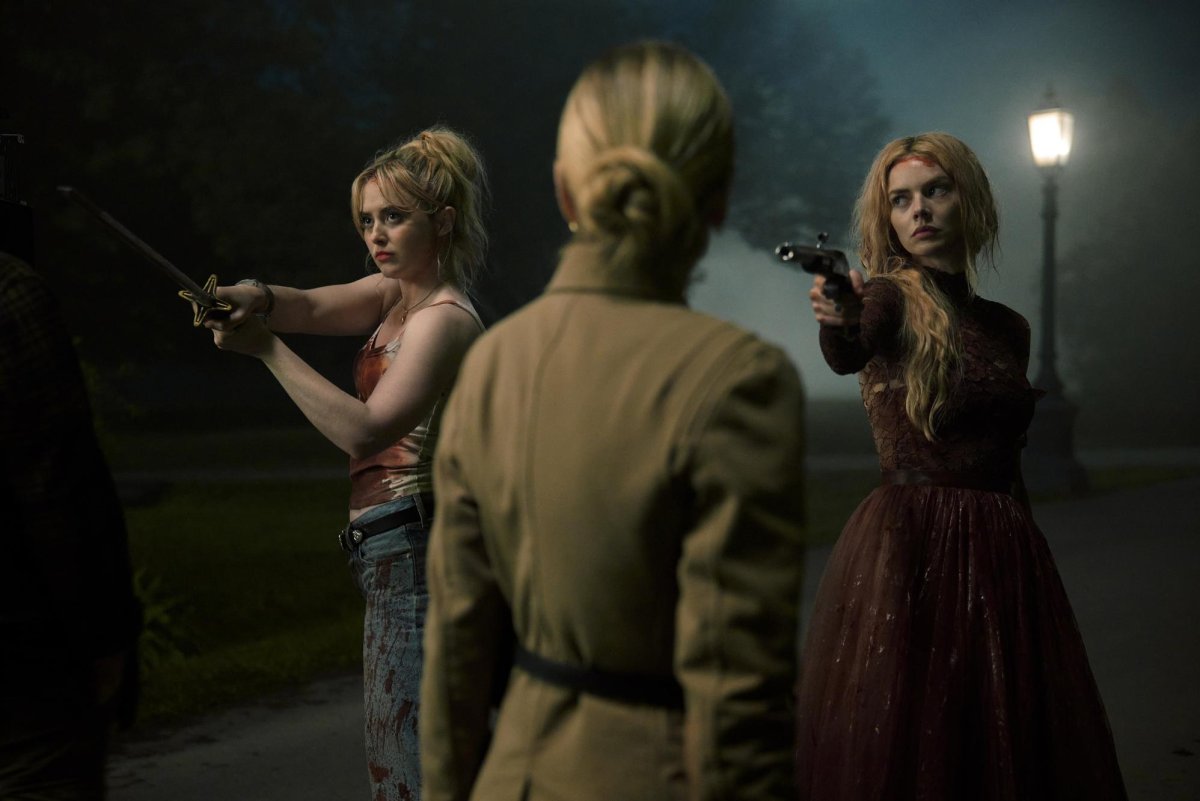
Most disc releases give you one commentary track if you are lucky, and it is usually the director talking over their own film for an hour and a half in a way that confirms they made all the choices they made. Here I Come gives you two, and they are genuinely different products.
The first pairs Bettinelli-Olpin and Gillett with Weaving and Newton, the talent track, the one that gives you the room energy of the production. The second is the craft track: directors, writers Guy Busick and R. Christopher Murphy, producers James Vanderbilt and Tripp Vinson, and editor Jay Prychidny sitting down to walk through how the film was actually built. Those are two different experiences and both of them are worth your time.
Ready or Not 2: Here I Come is now on digital via Amazon Prime Video, Apple TV, and Fandango at Home. Blu-ray and DVD arrive on June 16 from Searchlight Pictures. It is a bigger, messier, slightly overstuffed version of the first film, and it is still fun, and Samara Weaving is still the best in the business at this. The bonuses make this one worth owning. Buy it for her. Stay for the extras.
About the Release
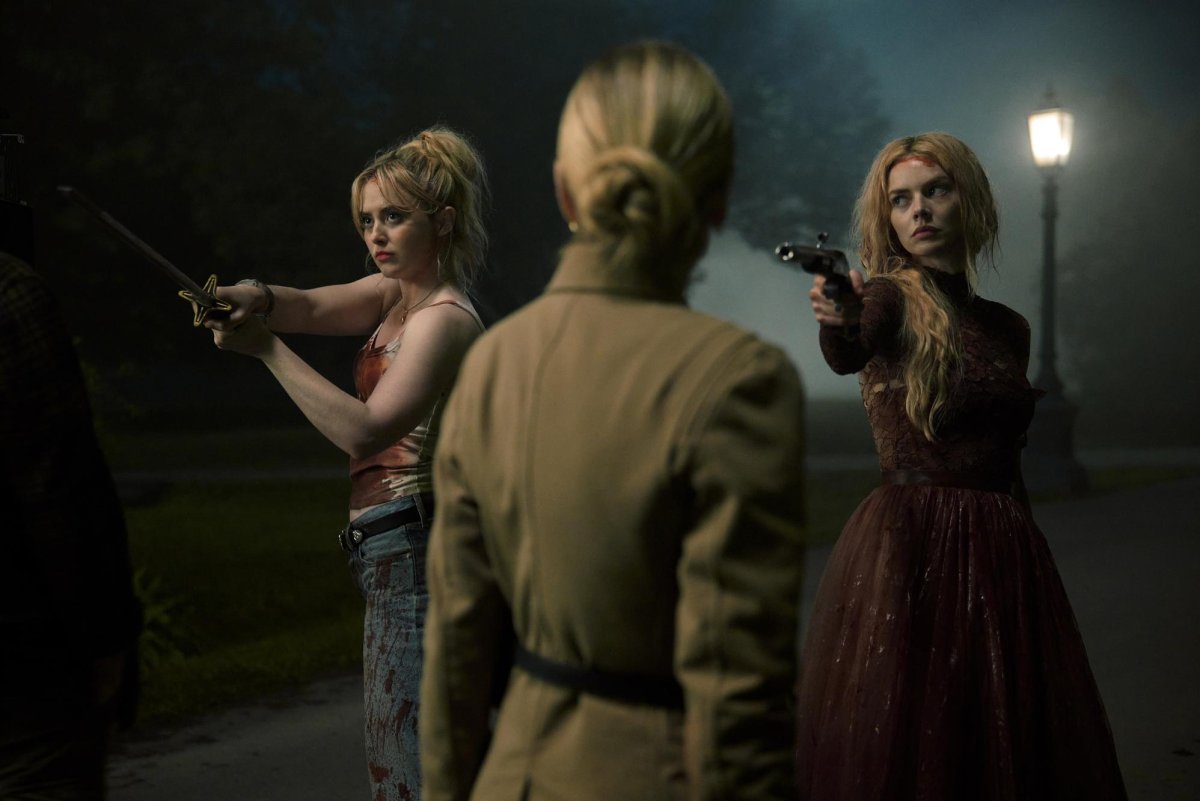
Ready or Not 2: Here I Come is directed by Matt Bettinelli-Olpin and Tyler Gillett (Radio Silence) and written by Guy Busick and R. Christopher Murphy. The film stars Samara Weaving, Kathryn Newton, Sarah Michelle Gellar, Shawn Hatosy, Nestor Carbonell, David Cronenberg, and Elijah Wood. Distributed by Searchlight Pictures. Verified Hot on Rotten Tomatoes with a 90% Popcornmeter score.
The Game Goes On: The Making of Ready or Not 2 (4-part featurette) — Part 1: Written in Blood / Part 2: Casting the Chaos / Part 3: Designed for Destruction / Part 4: Blood, Guts, and Practical Mayhem. Rules of the Game. Gag Reel. Audio Commentary by the directors with Samara Weaving and Kathryn Newton. Audio Commentary by the directors with writers Guy Busick and R. Christopher Murphy, producers James Vanderbilt and Tripp Vinson, and editor Jay Prychidny.
Available now on digital. Blu-ray and DVD June 16 from Searchlight Pictures.
Movie Reviews
Self Driver Runs Out of Road
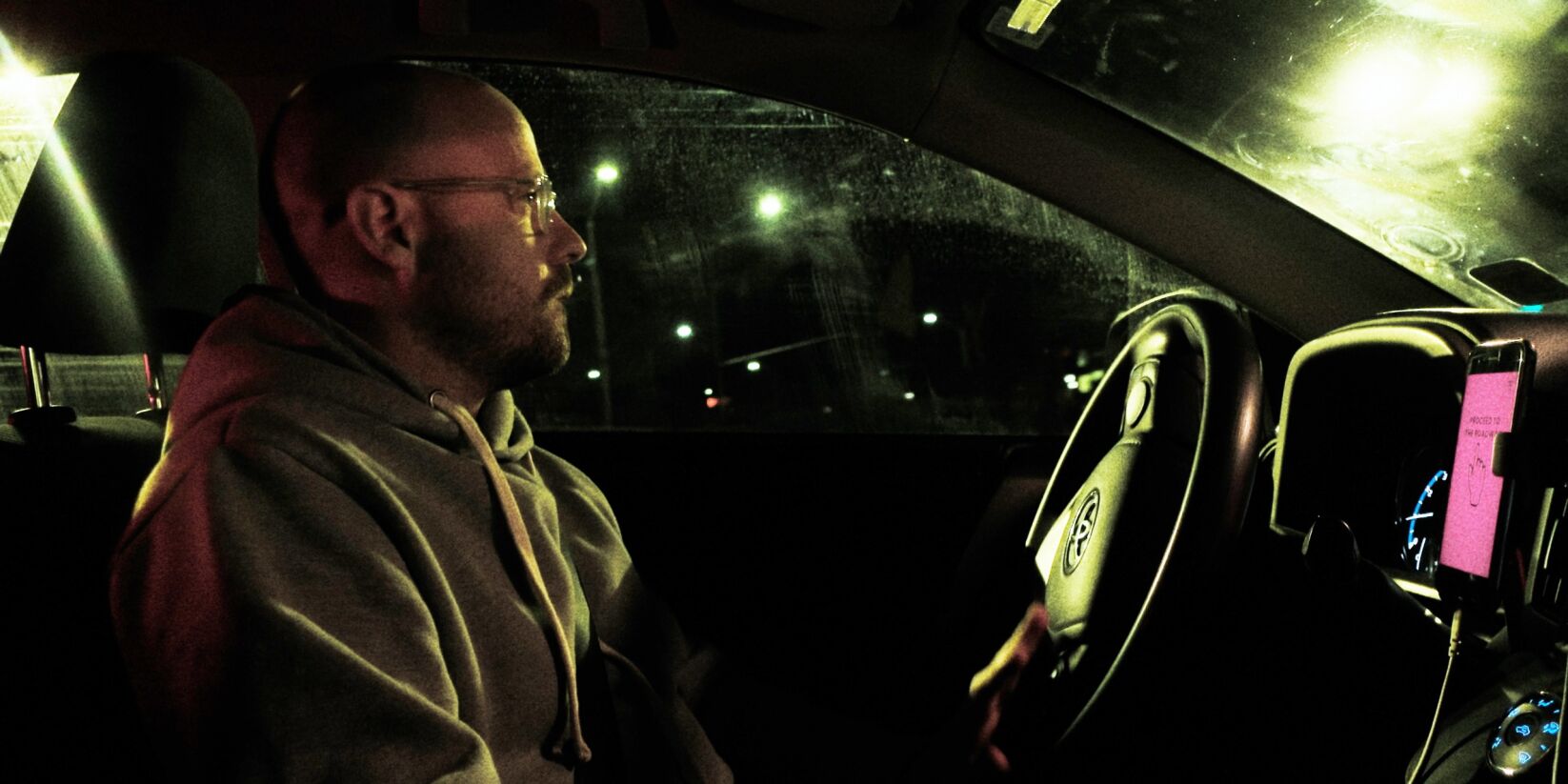
Every few years someone makes a movie where a desperate person takes the money and watches his conscience become negotiable. I am always there for it. Cheap Thrills. Would You Rather. The whole subgenre of moral erosion for cash that does not have a name but absolutely should. Self Driver walks directly into that territory and for the first half of its runtime, it delivers.
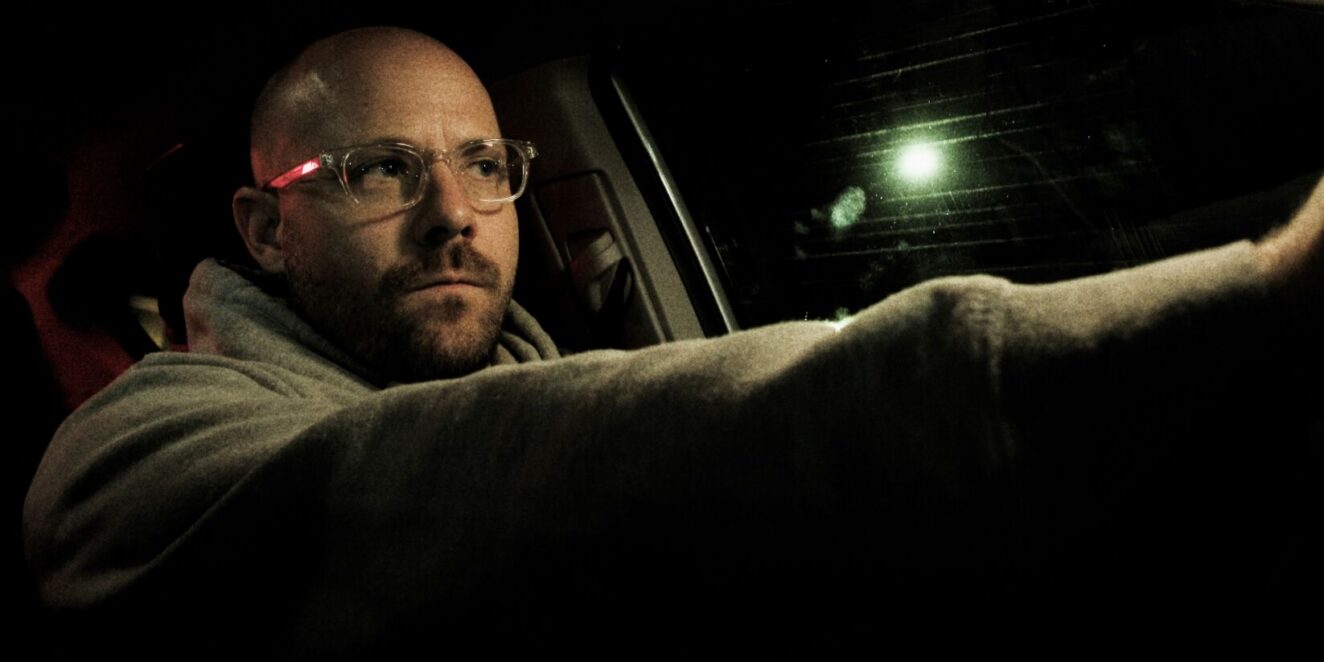
Nathanael Chadwick plays D, a cab driver trying to keep his head above water, who gets recruited onto a mysterious new rideshare app that promises fast money and asks for increasingly terrible things in return.
Writer-director Michael Pierro shot this on cellphones with a skeleton crew. That constraint should work against the film. For the first act, it does not. Chadwick earns your sympathy without doing anything obvious to ask for it, and Pierro keeps things tense enough that the premise does exactly what it is supposed to do.
Then the psychedelic angle shows up.
I want to be fair about this. I understand the intention. But it lands the way a plot fix lands. You feel the seam. By the halfway point the script has accumulated a lot of threads, and the psychedelic detour is where those threads stop being pulled. They do not resolve. They just stop mattering.
That is the consistent frustration with Self Driver. It is not short on ideas. It is short on follow-through. Almost every interesting thing Pierro introduces gets picked up, examined, and set back down before it earns its place in the film. The bones of something genuinely great are visible throughout. The second half just never shows up to finish the job.
Chadwick won Best Actor at Grimmfest for this role, and it is not hard to understand why. He is doing real work here. He makes D worth following even when the film is not fully following through on its own premise. That is harder than it looks.
Self Driver is out now on UK digital via GrimmVision. At 2.5 out of 5, it is worth your time if you have patience for low-budget genre work and can make peace with a film that is better than it finishes. Pierro has instincts. Watch for his next one.


Horror Coming to Streaming in May 2026: Shudder Is Doing the Most and Netflix Finally Showed Up

Evil Dead Burn Looks Like the Most Violent Family Reunion You’ll Ever Attend

Breaking Down the First Minute of ‘The Vampire Lestat’ Official Trailer: What It Reveals About Season 3

Jessica T Deveraux Got Possessed At Her Own Bar In New Film ‘Key of Bones’

The Cape Fear Trailer Is Here. Javier Bardem Built It.

iHorror Exclusive Clip: ‘Obsession’ in theaters May 15th

This Week in Horror: The Genre Says Goodbye to Jonathan Tiersten

Koji Suzuki Built the Well. The Author of ‘Ring’ Trilogy Dies at 68

Sleepaway Camp Knew Before I Did: The Legacy Johnathan Tiersten Left on Queer Media

Panic Fest 2026 Review: ‘Creature Of The Pines’ Is An Interesting Found Footage Horror That Walks A Beaten Path

10 J-Horror Films to Watch After Losing Koji Suzuki

Exclusive: ‘Key of Bones’ Reveals New Poster and Cannes Fantastic Pavilion Gala Screening

The Devil’s Candy 4K Box Set Review: The Best Heavy Metal Horror Film Gets Its Due

Jonathan Tiersten’s Greatest Role, and it isn’t Sleepaway Camp

Ready or Not 2: Here I Come Blu-ray Review: Buy It for Samara Weaving

Universal’s Horror Make-Up Show Ends 36 Year Run

Self Driver Runs Out of Road
10 J-Horror Films to Watch After Losing Koji Suzuki
Sleepaway Camp Knew Before I Did: The Legacy Johnathan Tiersten Left on Queer Media
Koji Suzuki Built the Well. The Author of ‘Ring’ Trilogy Dies at 68
This Week in Horror: The Genre Says Goodbye to Jonathan Tiersten

Panic Fest 2026 Review: ‘Jump Scare’ Is A Metal As Hell Kick To The Skull!
-
 News7 days ago
This Week in Horror: The Genre Says Goodbye to Jonathan Tiersten
-
 News6 days ago
Koji Suzuki Built the Well. The Author of ‘Ring’ Trilogy Dies at 68
-
 Editorial6 days ago
Sleepaway Camp Knew Before I Did: The Legacy Johnathan Tiersten Left on Queer Media
-
 Lists4 days ago
10 J-Horror Films to Watch After Losing Koji Suzuki
-
 News3 days ago
Universal’s Horror Make-Up Show Ends 36 Year Run
-
 Movie Reviews3 days ago
Self Driver Runs Out of Road
-
 Movie Reviews2 days ago
Ready or Not 2: Here I Come Blu-ray Review: Buy It for Samara Weaving
-
 News16 hours ago
Exclusive: ‘Key of Bones’ Reveals New Poster and Cannes Fantastic Pavilion Gala Screening
You must be logged in to post a comment Login