Movie Reviews
‘Censor’: This Video Nasty Is A Love Letter To The Genre [Sundance Review]
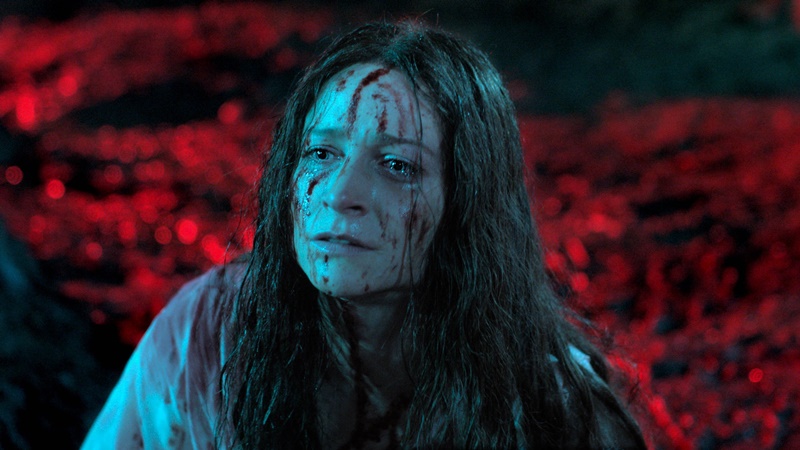
Using the “video nasty” United Kingdom censorship movement of the 80s as a backdrop, the film Censor, which premiered at Sundance this week, makes one nostalgic for the days of bootleg VHS tapes. Back then, low budget direct-to-video movies were churned out one-after-another in video rental chains. The only problem was the person who rented it before you decided to keep it and pass it around to their friends, therefore, limiting the in-store supply.
It was different in the United Kingdom which was taking a different approach; deciding to censor these films. In other words, cutting out the “good stuff.” That is the story director Prano Bailey-Bond tells in her feature-length debut. Censor is a period piece starring the hypnotic Niamh Algar as a mousy editor in charge of clipping out the “nasty” stuff to protect the children (and society), not your freedom of artistic speech.
Enid (Algar) is deemed “Miss Perfect” among her fellow censors because she doesn’t “see” the film she’s viewing, she simply watches it and makes her cuts. That is until she watches a movie by a director that seemingly depicts a past trauma in her life. This sets her on a course of research that ultimately tests her sanity.
Leaning into artistic style and stylized lighting Bailey-Bond has captured some of the nuance associated with 80s horror. Drawing inspiration from splatter films such as The Evil Dead and the comic book art style of Creepshow, her eye is definitely focused on nostalgia. Combined with an impeccable soundtrack by Emilie Levienaise-Farrouch, Censor provides you with 84 minutes in the Wayback VHS Machine.
That time is mostly used for Enid to find the elusive director of Don’t Go in the Church, a fictional splatter movie she feels holds a key to her sister’s childhood vanishing. Ironically, she must endure the uncut versions of her work in order to get some answers.
Censor isn’t a politically deep study into the arguments over free speech. Bailey-Bond only hints at the correlation between real violence and gore in films. Instead, this is a study of mental illness as a result of extreme grief and guilt. Niamh Algar’s performance is vulnerable yet, at times, impetuous. She keeps steady control of her character as she transforms from an up-tight proxy editor into a hellbent vigilante.
Although it’s filled with buckets of blood, the carnage in Censor isn’t as extreme as they would like you to believe. Gore in quick turnaround, extremely low-budget 80’s horror films, was cartoony and a bit exaggerated, and in keeping with that essence, Censor uses the same technique.
As in the recent movie Saint Maud, Censor is purely a one-woman show. In both films, the lead is given freedom of range, and in both films, the actresses give stellar performances, although Algar, in this film, is more snap than scorn.
A visual and visceral delight, Censor is a must-see for 80s horror fans. The story pulsates with a comic book color palette by cinematographer Annika Summerson (ambient light isn’t soft in this film, it’s all color theory).
With nods to everything from American slasher films to Giallo, Censor is a symphony of seduction to every person who lived through the 80s and cleaned their VHS head rollers with a string of Q-Tips taped together and some alcohol. There’s even a twist ending that will have you talking to friends about what it all means.
Bold and beautiful, Censor is a love letter to horror aficionados who have a special room in their house dedicated to the genre with multiple copies of the same old movie but on different platforms.
Censor premiered at the Sundance Film Festival on Jan. 28, 2021


Movie Reviews
The Vord Review: The Mythology Is Free. Everything Else Costs Something.
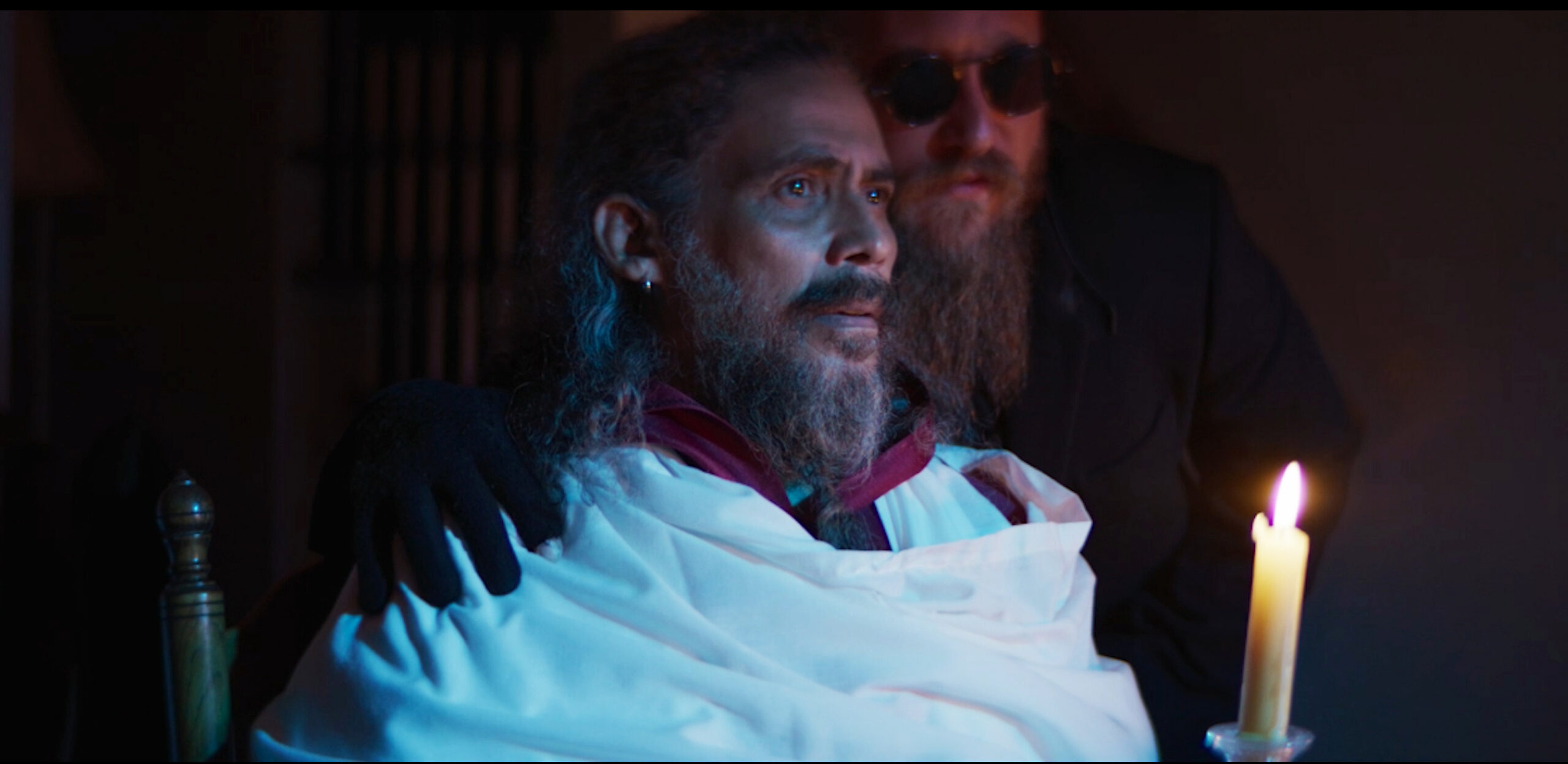
Here is what drew me to The Vord: the premise is the kind of thing that only works if someone actually takes it seriously. An ancient Nordic entity bound to a corrupt priest, sent to claim a woman’s soul as an offering to something older and worse, while that same entity is also her spiritual guardian. I wanted this film to work.
It does not fully work. But it is trying to do something interesting, and that makes it worth watching.
Writer-director M.T. Maliha’s feature debut arrives on UK digital May 4 via Miracle Media.
What Maliha Is Going For

The setup puts Jillian between two competing forces pulling at her from opposite directions: the Catholic Church, which has colonized her spiritual life and now turns out to harbor a priest who has sold himself to something ancient, and her pagan roots, which the film treats as something alive rather than something historical.
The entity called The Vord sits above both of these, watching, bound to the priest by a deal that requires it to deliver Jillian’s soul to the Old One in exchange for its own redemption. The theological architecture here is actually interesting. Can something that exists outside human moral categories be held accountable to them? Can an entity that has survived centuries of watching humanity be moved by one woman’s particular situation?
Maliha has said the horror she was after was psychological, the confusion of faith and will rather than gore or jump scares. Midsommar works because it treats pagan tradition as something that believes in itself. The Witch works because its supernatural architecture is airtight. The Vord is reaching for that register but never sticks the landing.
Where the Film Breathes
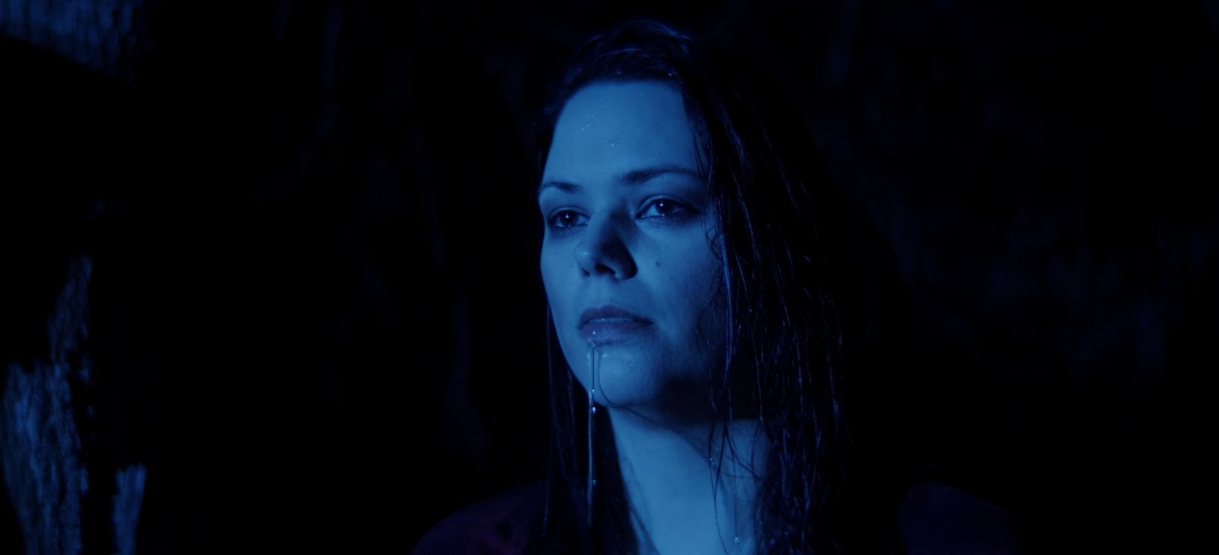
There are moments here that find what they are looking for. The film understands that dread does not need noise to work, and in its quieter stretches, something is present in the frame that earns the atmosphere.
The mythological framework, pagan tradition framed not as superstition but as a parallel system of real spiritual authority that the Church has spent centuries trying to bury, gives the film a tension that does not depend on the effects budget to land. That part works without costing anything extra. Maliha clearly did her research and cares about this material.
The Part That Is Hard to Get Past
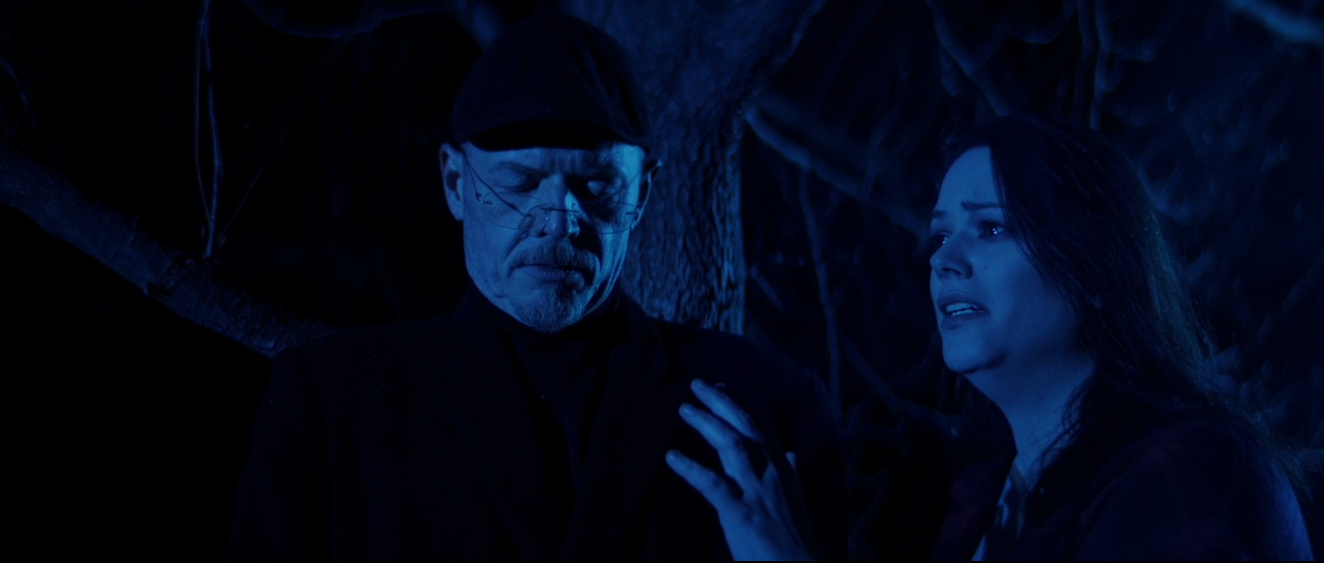
The cast is committed. That is what I want to say first, because it is true. The cast is fully committed to this material, and commitment matters. The problem is that the script does not always give them the footing they need to stand on, and when it does not, the gaps are visible.
The scenes that depend most heavily on dialogue to build tension are the ones that struggle the most. The Vord is a film where the horror is supposed to live in what people say to each other, in revelation and betrayal and spiritual crisis, and those scenes require a level of precision in both writing and performance that is not consistent here. Some of the more ambitious emotional confrontations in the second half land somewhere between affecting and slightly stiff. There is nothing cruel to say about that. It is a hard thing to execute, and first films do not always execute the hardest things.
The storytelling also has structural issues that make the mythology harder to follow than it needs to be. The film would benefit from a more disciplined approach to when it reveals information. The narrative shifts do not always land with the weight they are reaching for, and the audience ends up doing more work than they should to stay oriented inside the mythology.
The Budget Is a Real Factor
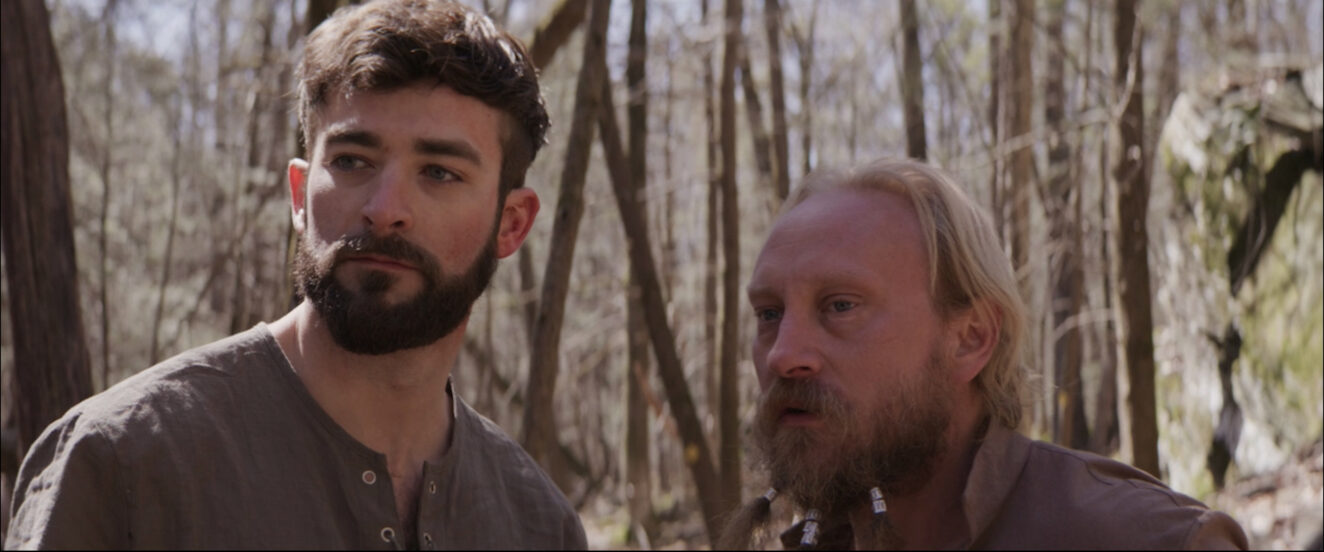
Psychological horror is one of the most budget-sensitive genres there is. It needs control of every element, the sound, the light, the silence, the space between what is shown and what is not. These things are expensive, and the gap between what The Vord wants to do atmospherically and what the production can fully deliver is visible throughout. This is not a criticism so much as a description. Maliha is attempting a film whose entire emotional register depends on precise atmospheric control, and she does not always have the resources that precision requires.
Working within budget constraints while making folk horror is genuinely one of the harder problems in low-budget filmmaking. Caveat pulled it off on a shoestring because it found the specific visual grammar its story needed and stayed inside it. The Vord has not fully found that grammar yet.
Worth Seeing Anyway
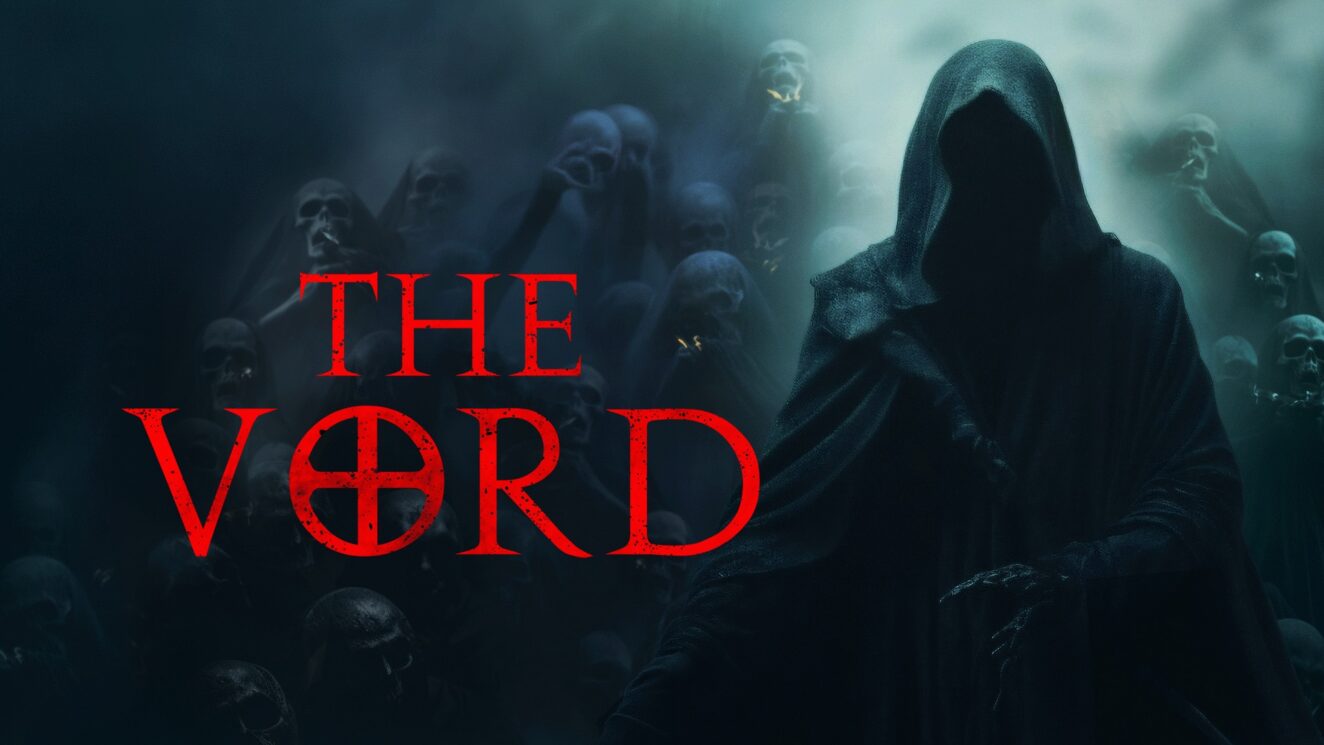
The Vord is not the film it wants to be. But the film it wants to be is more interesting than most of what is on offer in this corner of horror right now, and Maliha is worth watching as she figures out how to make it. The mythology she is drawing from, the premise she has built around it, the question of whether the thing guarding you and the thing hunting you can be the same entity, these are good materials. Good materials in imperfect hands are still good materials.
This is a debut. Give it the weight that deserves.
The Vord is streaming on UK digital from May 4 via Miracle Media.
Movie Reviews
‘ZombieCON Vol. 1’ Gets the Con Right. The Zombies Arrive When They Want To.
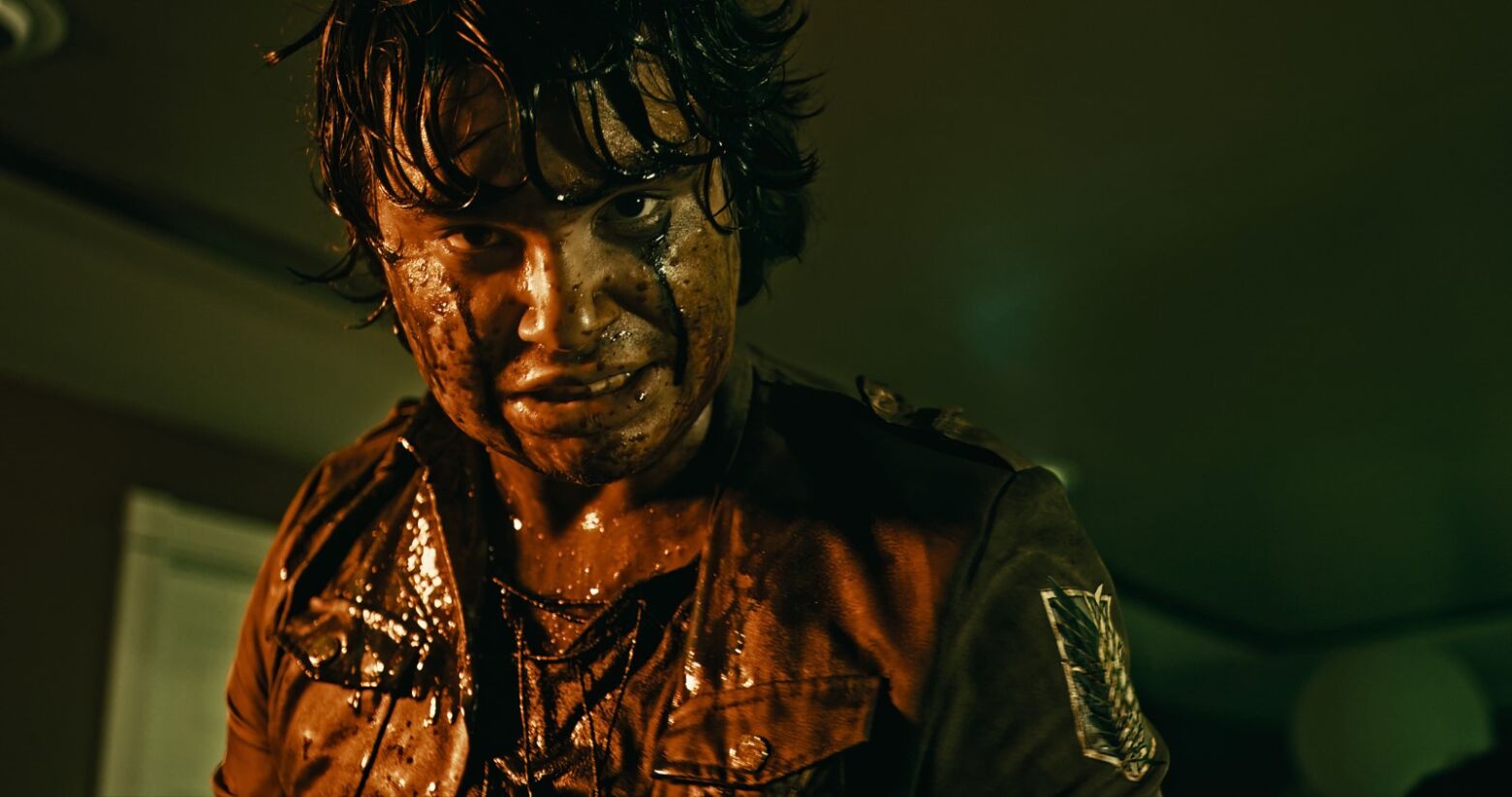
ZombieCON Vol. 1 follows Rocket’s Rockets, a cosplay crew who are three-time regional anime convention champions, two of whom also wrote the film alongside their director, and it delivers a genuinely heartfelt love letter to nerd culture.
Just think Knights of Badassdom, a horror film that needs you to understand why these people care about what they care about before it can ask you to care about them. Although, I think the whole “Cosplay is lame”! Thing died out a long time ago.
The Comedy
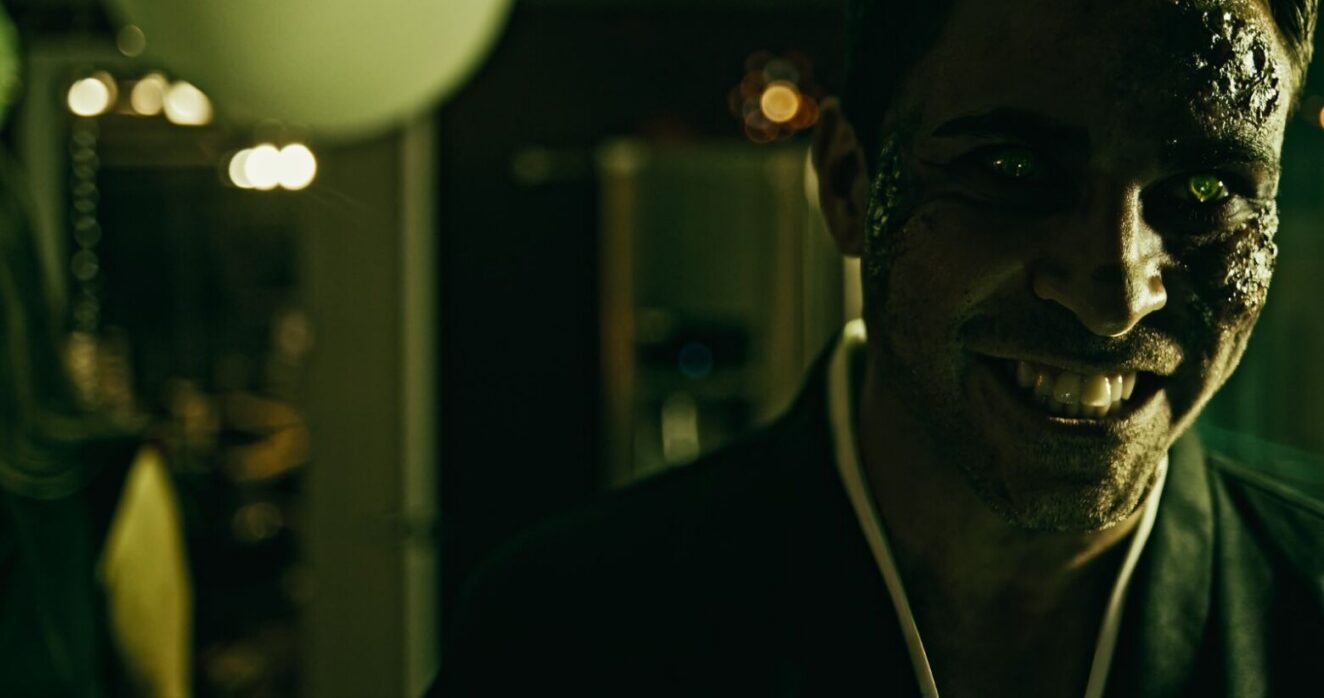
The practical makeup effects look like the work of actual cosplayers competing, not Hollywood’s approximation of cosplayers competing, and the distinction is the difference between a film that is looking at this world from the outside and one that has been living in it.
The characters carry the specific mixture of expertise and softness that comes from living inside a somewhat shunned culture. However, ZombieCON Vol. 1 leans into that culture in a loving, non judgemental way.
The Scott Pilgrim energy in the fight staging earns its references rather than just pointing at them. The anime visual grammar is sincere, not ironic, which is the only register in which this kind of thing is actually funny. The film borrows inspiration from just about everyone but somehow manages to do it respectfully.
The Cast
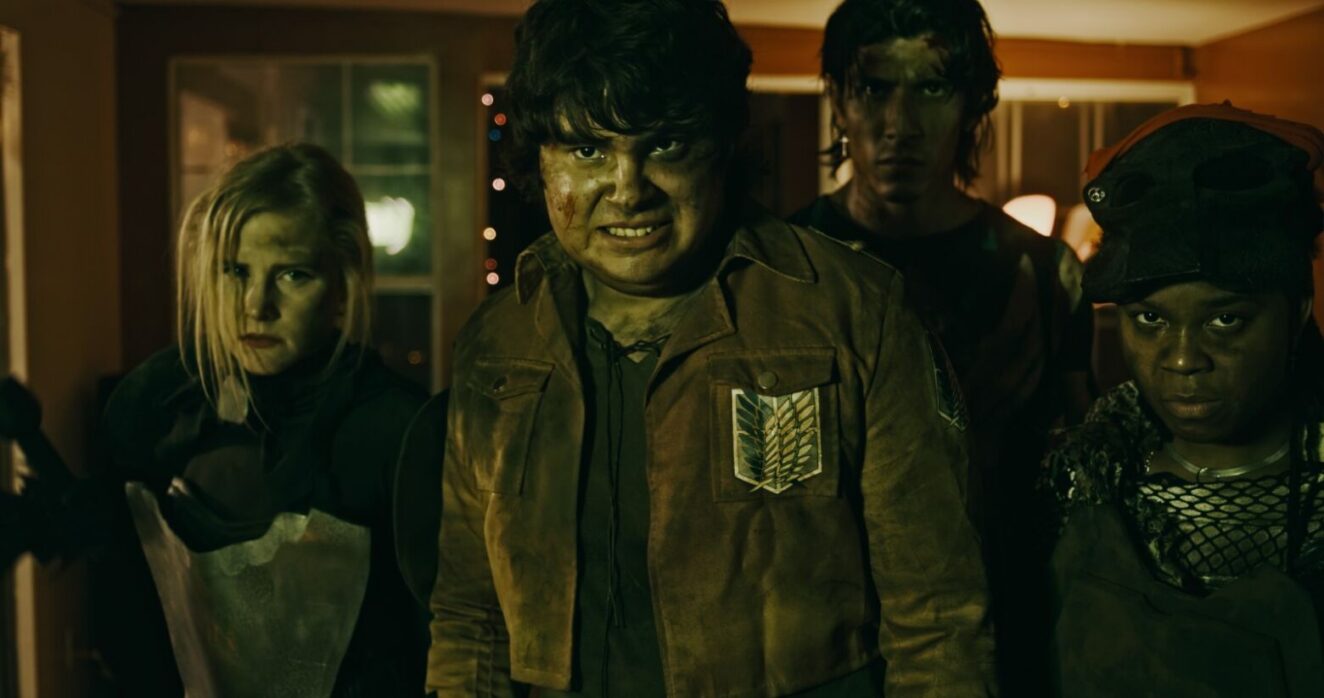
Punkie Johnson came to this from Saturday Night Live, and the gap between her and the rest of the ensemble is perceptible in every scene they share. She finds the timing on lines that are still looking for their timing, lands the joke at the exact moment before the scene needs to move on, and the effect is that everything around her becomes more controlled in her presence.
Erin Áine as Claire carries the film’s stranger turns without explaining them. The character is asked to move from one kind of story into another, several times, in ways the film does not prepare you for, and Áine moves with it without telegraphing the transition or breaking register. Manny Luke’s Rocket is calibrated to produce friction from the opening scene, and Luke commits to it without softening it or winking at the audience about it.
What It Is
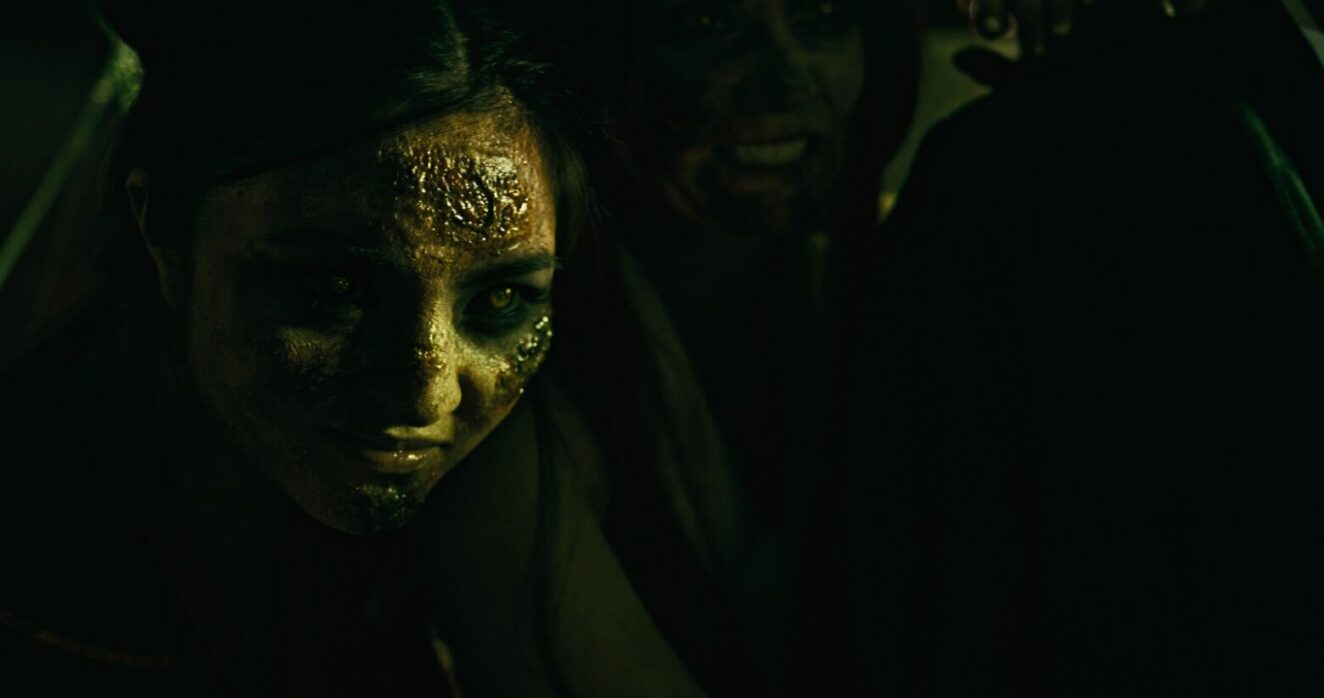
ZombieCON Vol. 1 has a first act that takes thirty-one minutes to produce its first zombie, a budget that shapes what the horror can do once the horror arrives, and a cast that makes both of those things survivable.
The audience for this kind of film has been burned before by entries that treat cosplay culture as the setup for a punchline. This one does not do that. It lives inside the culture rather than observing it, and the result is a horror comedy that earns the affection it is asking for even when the seams are showing.
ZombieCON Vol. 1 is free on Tubi.
Movie Reviews
‘Don’t Die’ Is a Good Friday Night Horror Film And That Is Enough.
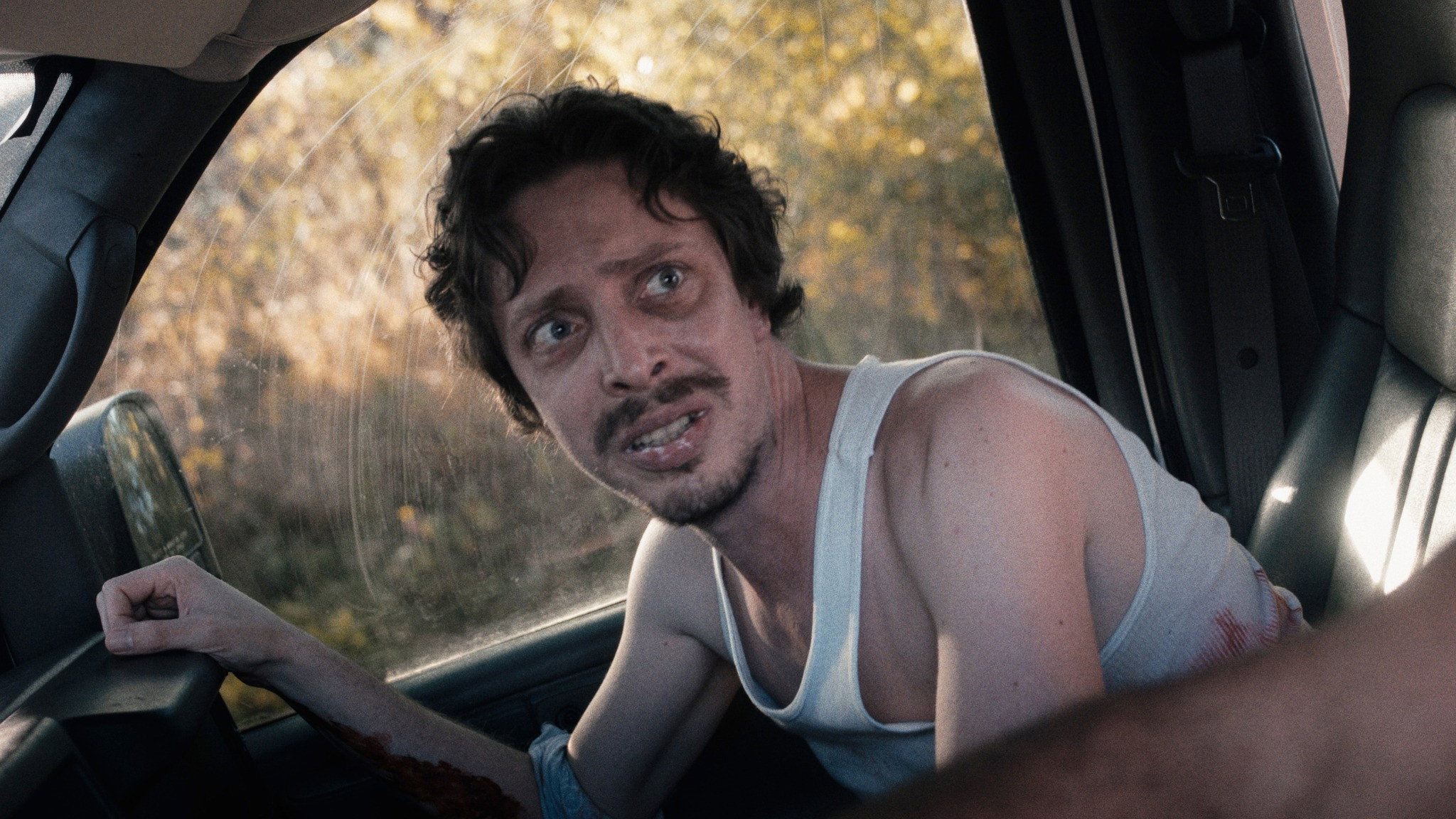
Don’t Die hits UK digital April 27 via Miracle Media. Benjamin Stark wrote and directed it. It played Panic Fest 2024 and spent the better part of two years making the quiet festival rounds, waiting for the right audience to find it. That audience is you.
What Happens
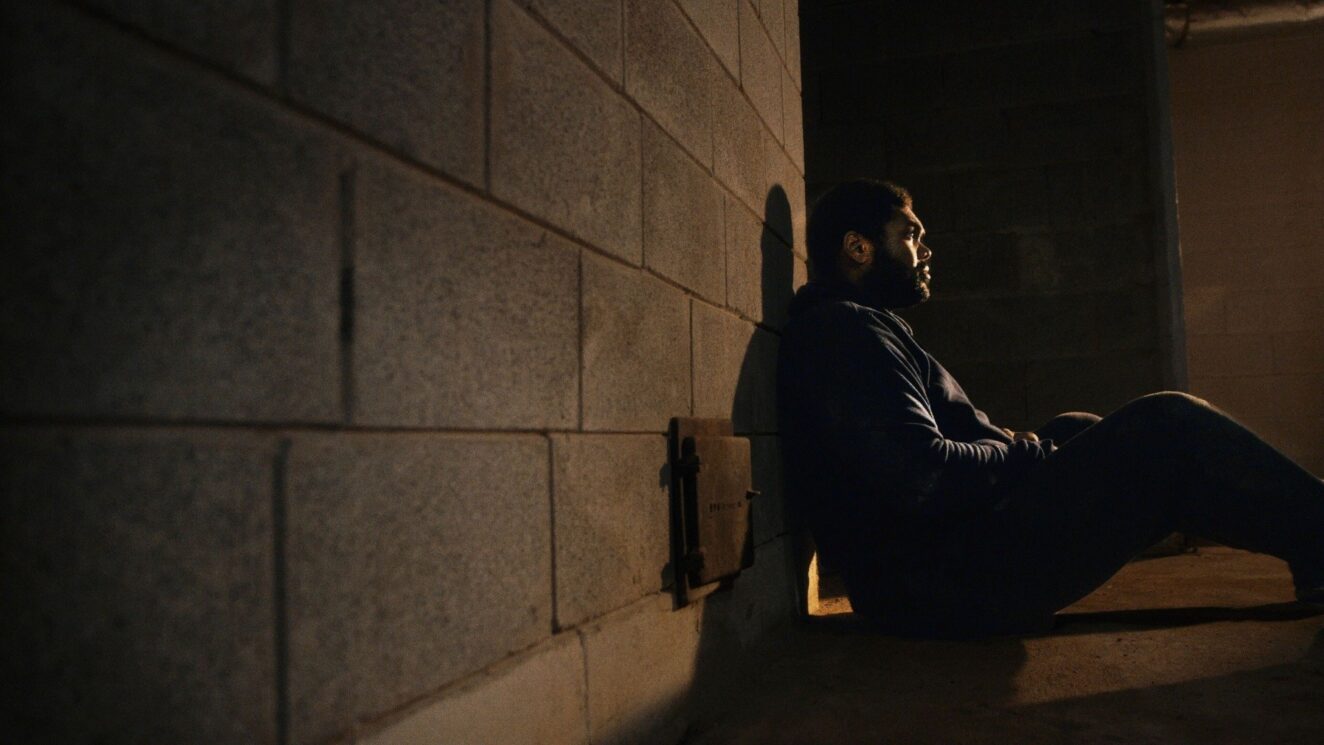
Jenks, played by Theodus Crane, needs medication he cannot afford. He breaks into a small-town pharmacy after hours. This was supposed to be clean. Nobody was supposed to be there. The pharmacist, Julia, played by Virginia Newcomb, was working late. She gets shot. Not knowing what else to do, Jenks takes her exactly where she tells him to take her.
This turns out to be a remote cabin run by a small collective quietly distributing medication to people who cannot access it through legal channels. The Robin Hood framing is warm, and the film offers it genuinely before slowly removing the warmth.
The Turn
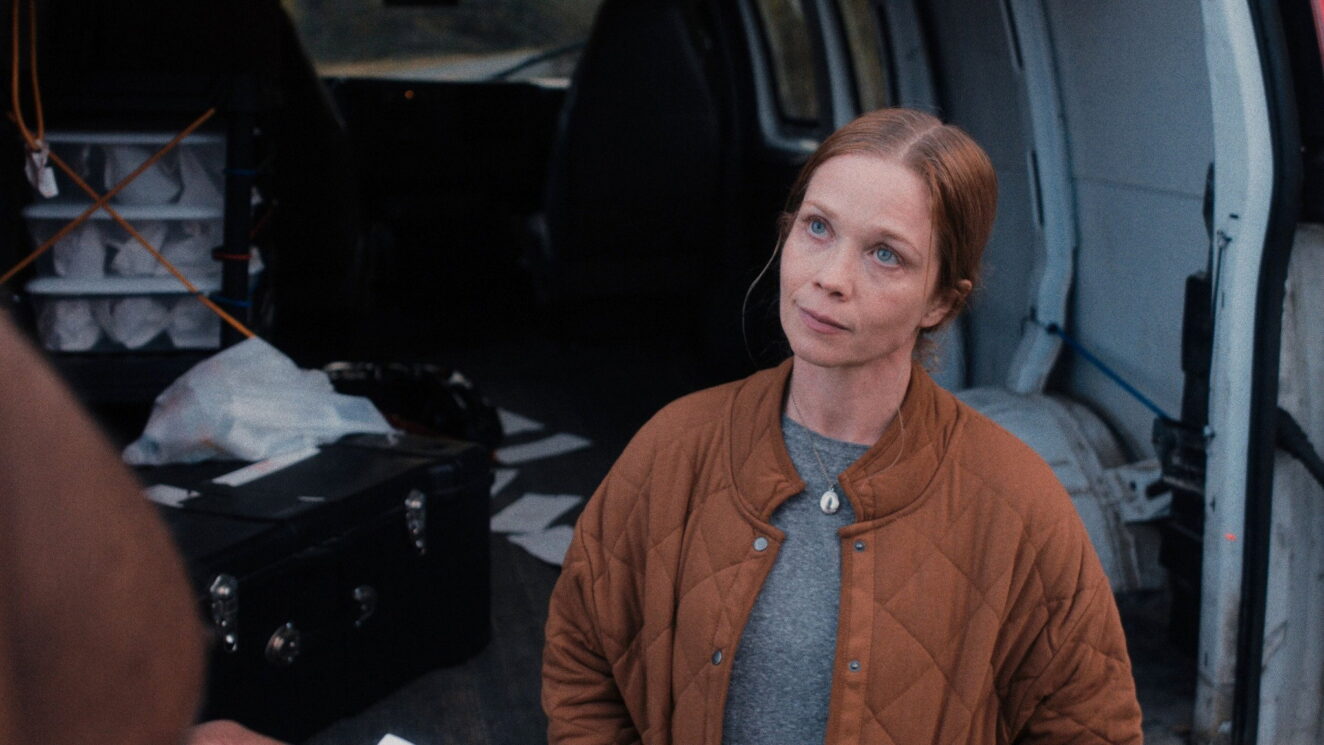
The group running the cabin is not irrational. They believe what they are doing matters. They believe the math is simple. People need blood and organs, medication costs money, two strangers showed up and nobody outside knows where they are. Jenks figures out what that math adds up to about two minutes before the film shows it explicitly, and Crane plays the moment of comprehension exactly right. Quiet. Still. The kind of fear that does not move.
Stark earns the horror here because the people doing terrible things are not doing them out of cruelty. They have a system. They have a purpose. No villain monologue. No sadistic speech. They are calm and businesslike about it. That calm is what makes the third act work. Horror is rarely as effective as when the threat makes a kind of sense.
The Cast
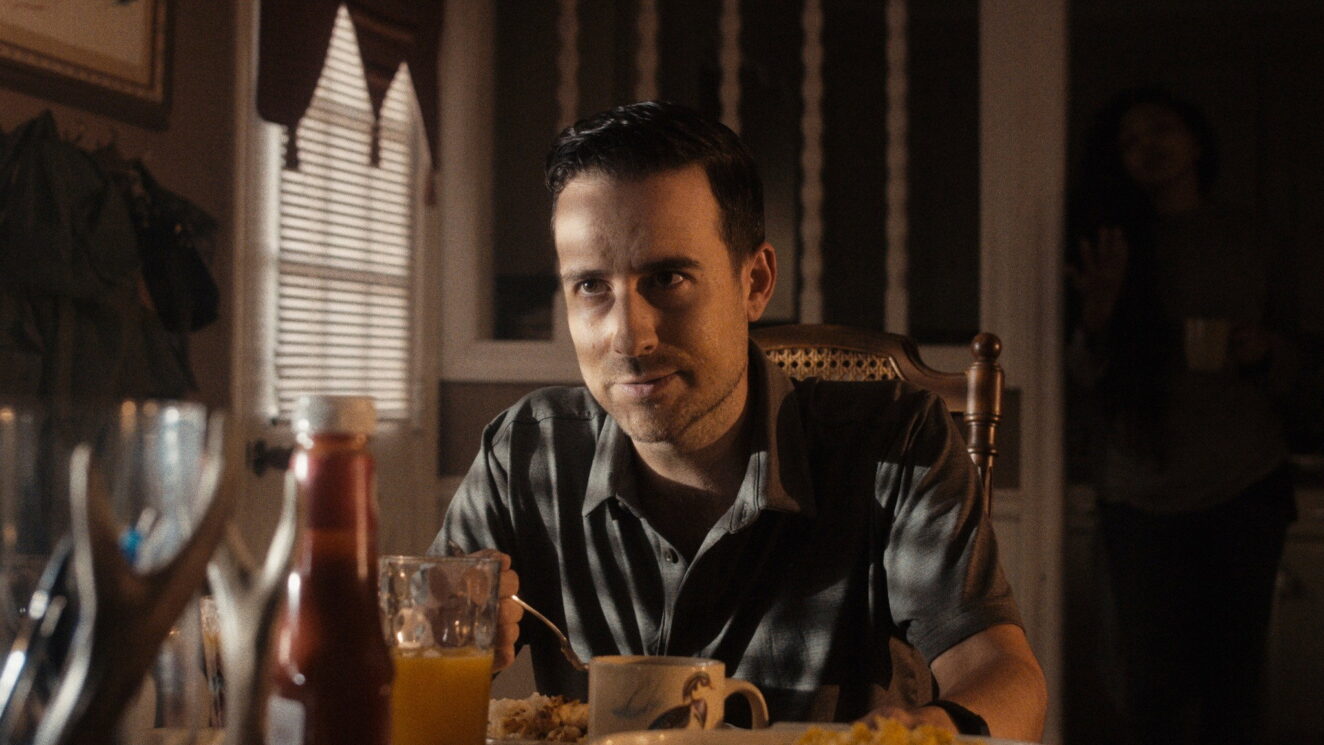
Crane carries it. He plays Jenks as a man who keeps choosing decency as the available options narrow, and that consistency is what makes the back half hit as hard as it does. The performance never reaches for sympathy. It does not need to.
Newcomb as Julia is the other weight-bearing wall. She has the harder job. Her character moves from victim to something more complicated without the script telegraphing the shift. She handles it without calling attention to the handling.
Joshua Burge rounds out the central trio as Randy, the friend who shows up when needed and clocks the situation faster than any reasonable person should. If you don’t have a Randy in your life, make sure to get one.
What It Is and Is Not
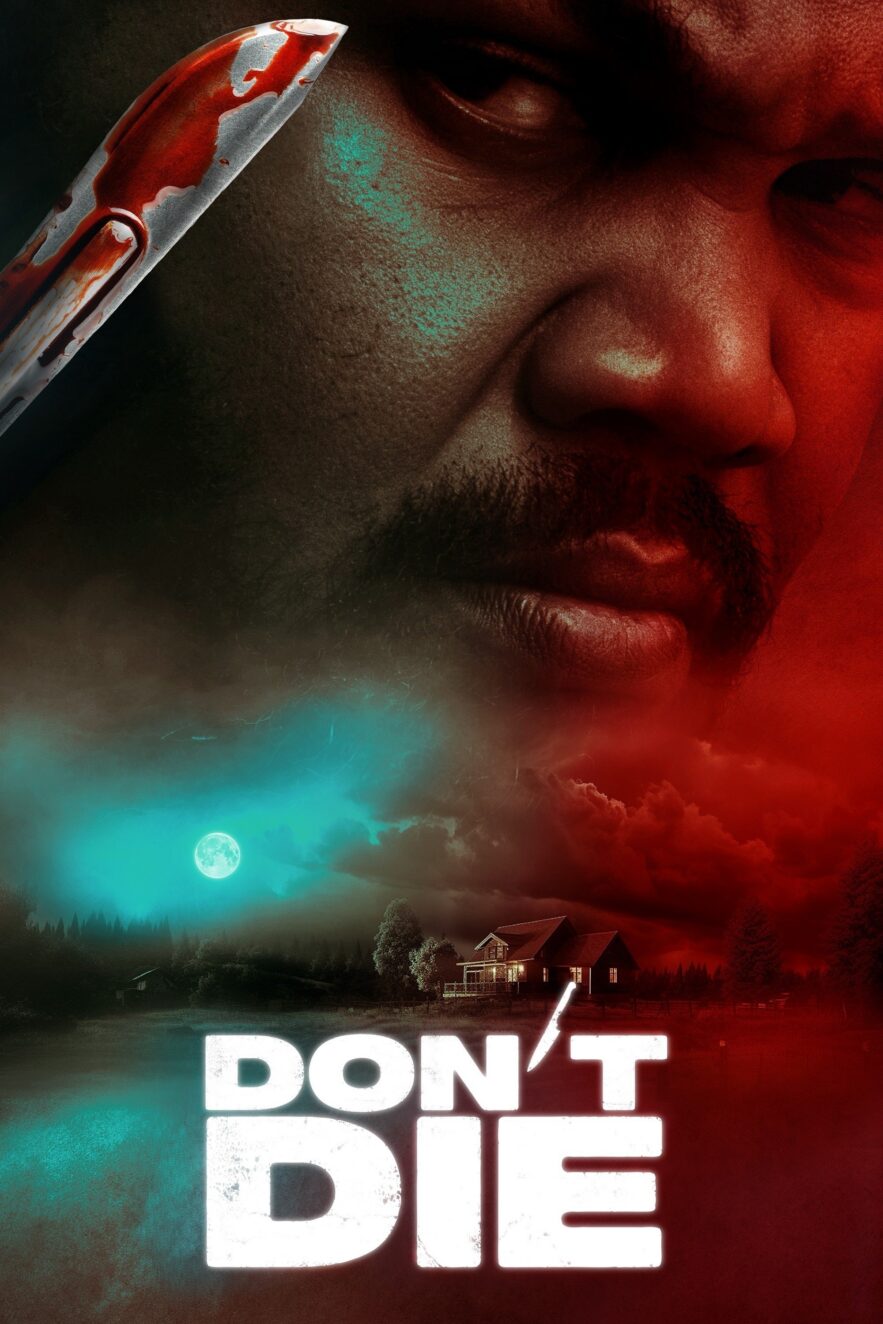
Don’t Die was marketed as horror. It earns the label by the end, but it arrives there through crime thriller territory, and the patience of the first two acts is deliberate and correct. The tension builds quietly. When the horror finally arrives it lands harder because of the time spent getting there.
The budget limitations are present and real. Small locations, a tight cast, minimal spectacle. Stark works within them rather than against them, and for the most part it does not show. The pacing stumbles in the back half, running about five minutes longer than it should in the wrong places. There are moments where the momentum stalls. Neither is fatal.
It does not have much to say about healthcare beyond using it as a mechanism for the plot. That is fine. Not every film needs a thesis. This one tells a good story, maintains tension across most of its runtime, delivers a few genuine scares, and knows exactly what it is. Most low-budget horror manages one of those things.
Don’t Die is on UK digital now. Good Friday night film.



Shudder’s May Is the Best Month They’ve Had in a While.

This Week in Horror: DC Goes Full Body Horror, A24 Has Its Chainsaw Man, and The Bone Temple Is Finally Yours

‘The Vampire Lestat’ Trailer: What “Dancing With Myself” Reveals About Lestat

Resident Evil Drops First Teaser Trailer

The Vampire Lestat Is Playing a Real Concert in NYC — And Yes, It’s Exactly as Wild as It Sounds

‘Don’t Die’ Is a Good Friday Night Horror Film And That Is Enough.

[Exclusive Clip] ‘From the Beyond: High Strangeness in the Bennington Triangle’

‘Behind the Mask’: Nathan Baesel Exclusive Interview!

Content Is Now on Digital. Watch It Twice.

‘ZombieCON Vol. 1’ Gets the Con Right. The Zombies Arrive When They Want To.

The History of Deals with the Devil: From Faust to The Witch

The Vord Review: The Mythology Is Free. Everything Else Costs Something.

‘Wait For It’: A Film Set in the ‘Leslie Vernon’ Universe!

This Week in Horror: The ‘Resident Evil’ Trailer, a ‘Weapons’ Prequel, and Nicolas Cage Has Unfinished Business

HHN35, Jack vs Oddfellow: Place Your Bets!

The Severance Writer Found a New Building to Lock People In
Resident Evil Drops First Teaser Trailer
The Vampire Lestat Is Playing a Real Concert in NYC — And Yes, It’s Exactly as Wild as It Sounds
The History of Deals with the Devil: From Faust to The Witch
‘ZombieCON Vol. 1’ Gets the Con Right. The Zombies Arrive When They Want To.
Shudder’s May Is the Best Month They’ve Had in a While.
‘Don’t Die’ Is a Good Friday Night Horror Film And That Is Enough.
-
 News7 days ago
Shudder’s May Is the Best Month They’ve Had in a While.
-
 News4 days ago
Resident Evil Drops First Teaser Trailer
-
 News5 days ago
The Vampire Lestat Is Playing a Real Concert in NYC — And Yes, It’s Exactly as Wild as It Sounds
-
 Movie Reviews6 days ago
‘ZombieCON Vol. 1’ Gets the Con Right. The Zombies Arrive When They Want To.
-
 News5 days ago
The History of Deals with the Devil: From Faust to The Witch
-
 News3 days ago
This Week in Horror: The ‘Resident Evil’ Trailer, a ‘Weapons’ Prequel, and Nicolas Cage Has Unfinished Business
-
 News3 days ago
The Severance Writer Found a New Building to Lock People In
-
 Editorial3 days ago
HHN35, Jack vs Oddfellow: Place Your Bets!
You must be logged in to post a comment Login