News
Why Trap Is The Worst Version Of Deus Ex Machina
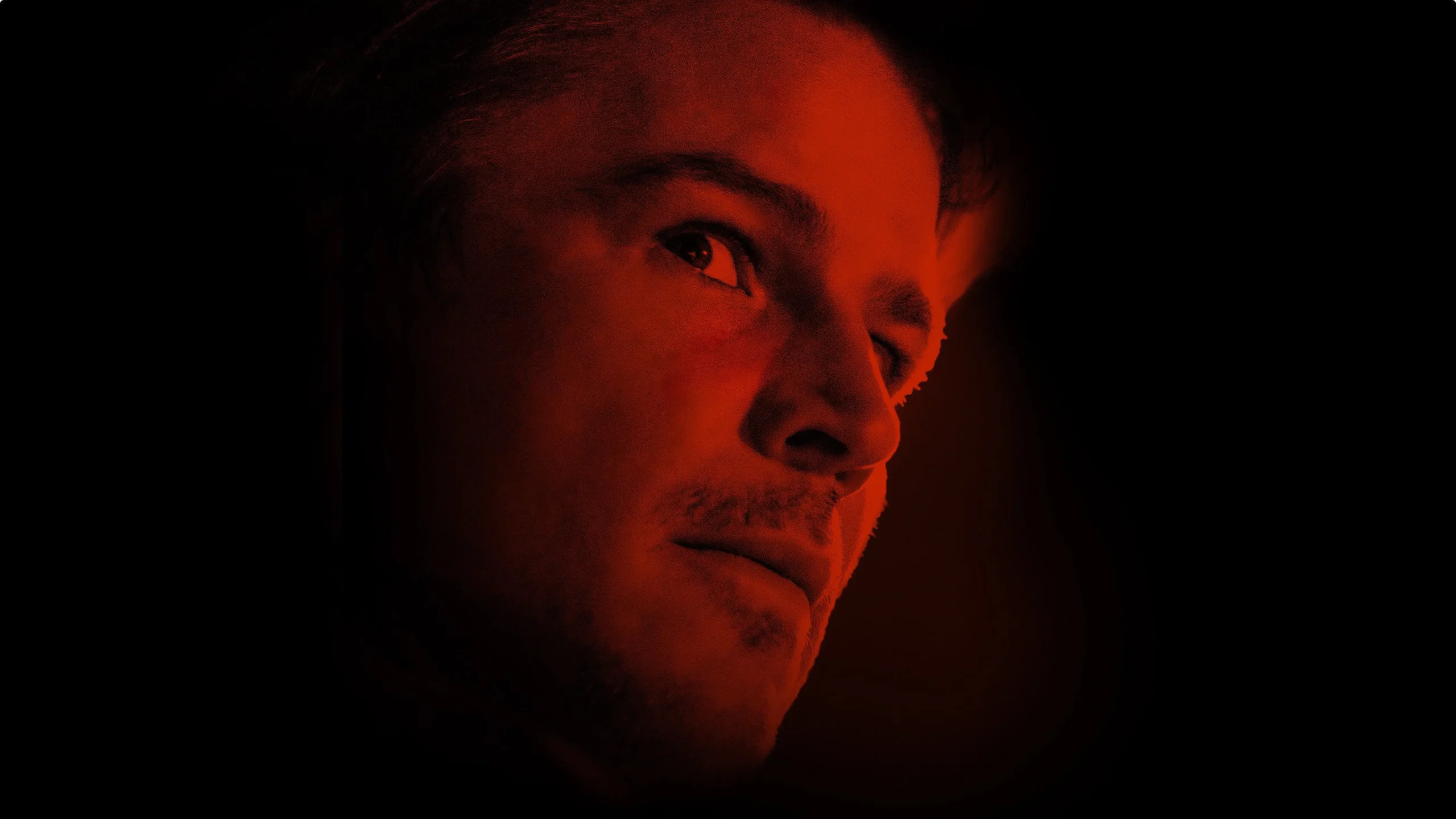
Some stories build tension only to yank it away with an answer that feels like a reset button. Trap is one of those movies that feels like it invented a plot complication just to solve it with an awkward trick at the last second. That device is called deus ex machina when a problem is solved by something out of nowhere, and nothing in the story prepared you for it. In a genre that thrives on rules, logic, and looming dread, the last thing you want is a plot twist pulled from thin air.
Deus ex machina can be fun and campy when it leans into the absurd. It can also feel cheap and disappointing when the story stops making sense. Trap, unfortunately, lands in the category where the resolution feels more like an excuse than a conclusion. For all the atmosphere and effort that comes before it, the ending leaves you shrugging at the screen, wondering how you just wasted ninety minutes of good tension.
Set up Without Payoff

Trap spends a lot of time building up mystery and dread with careful pacing and ominous clues. The story lures you into its world by promising a puzzle worth solving and stakes worth caring about. Every turn in the plot seems to lead you deeper into a maze that begs to be unraveled. That is great when the payoff makes sense.
The trouble comes at the moment of release when the answer arrives like a text message from someone you barely know. It feels random and unearned instead of a revelation. The big twist is not rooted in anything the characters learned or uncovered. That kind of device avoids responsibility just as easily as it manufactures conflict.
Characters Lose Agency

In the best horror stories, the protagonists learn something along the way. They react, adapt, and grow with every twist and turn they face. That is what makes the payoff feel earned and satisfying. You want to believe that their choices mattered.
In Trap, characters get swept along by plot turns instead of shaping them. The ending arrives not because anyone solved the puzzle but because the story says so. That robs the characters of agency and leaves us wondering why we should care about any of it. When a story gives up on its own logic, it takes the audience with it.
False Complexity

Trap appears complex on the surface with its cryptic clues, subtle foreshadowing, and layered visuals. It tries to convince you there is depth hidden beneath the surface. That kind of storytelling can be rewarding when everything connects in a way that feels clever. Complexity should feel like a promise, not a tease.
Instead, the film stacks mystery upon mystery only to collapse them into a moment that feels unrelated to what came before. You spend most of the film thinking you are piecing things together, only to realize there was nothing to piece. That kind of false complexity feels like a tease instead of a treat. It makes the end feel like an escape hatch rather than a climax.
When Plot Armor Becomes A Crutch

One of the most frustrating things about Trap is how often it leans on contrivances that only exist to complicate the plot. Characters make choices not because they make sense but because the plot requires them to be in a bad situation. That kind of manufactured peril might work for a campy B movie. But for a story that wants to feel intelligent and suspenseful, it feels lazy.
Deus ex machina arrives not as a twist but as a blanket that smothers all logic. When the writers pull a solution out of nowhere, it feels like they ran out of ideas rather than subvert expectations. That kills tension instead of maintaining it. Ending a story with a borrowed answer feels more like a cheat than a creative choice.
Why The Ending Undermines Everything

So why does Trap feel like the worst version of deus ex machina? Because the payoff is not a revelation, it is an excuse. It untangles the mystery with something that was never hinted at and then pats the audience on the back like we should be satisfied. That breeds disappointment, not delight.
Horror thrives on escalation consequences and coherence, and when a story abandons those things, it becomes harder to invest in again. A great twist, surprise, or revelation should feel inevitable in hindsight, not arbitrary without context. When a film gives you a resolution that feels like a polite lie, the entire journey loses its meaning. That is why Trap feels like a missed opportunity rather than a memorable scare.


News
ITCH Is the Outbreak Film That Actually Gets Under Your Skin
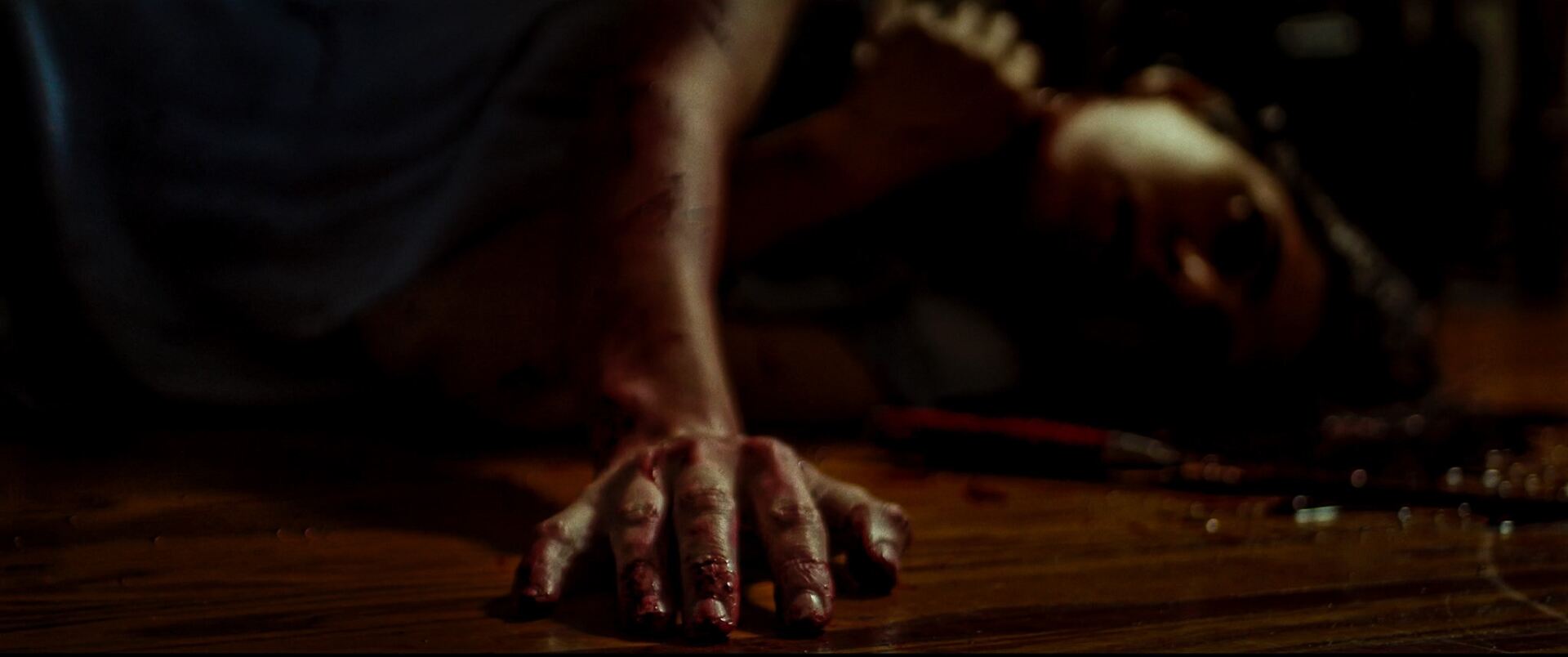
No one would blame you for looking at ITCH and filing it under zombie film. Because it is. The outbreak spreads person to person. People stop being people. The world ends a little bit. You know how it goes.
What Bari Kang actually made is something with a different mechanism at its center. The contagion does not spread through biting. It spreads through scratching. You scratch yourself. This makes you sick while it is happening. You scratch because someone near you scratched and something in your brain said that looks right.
I talked to Kang about it. Turns out it was not a deliberate subversion. “It was never meant to be a zombie film,” he told me. “That happened along the way.” The idea came during COVID. He watched someone scratching in a store and could not stop thinking about it. “What if that’s how something spreads?” He started writing from there and somewhere in the process the zombies arrived. “All of a sudden I had these zombies running around.” He went that route without going that route.
Why the Scratch Works
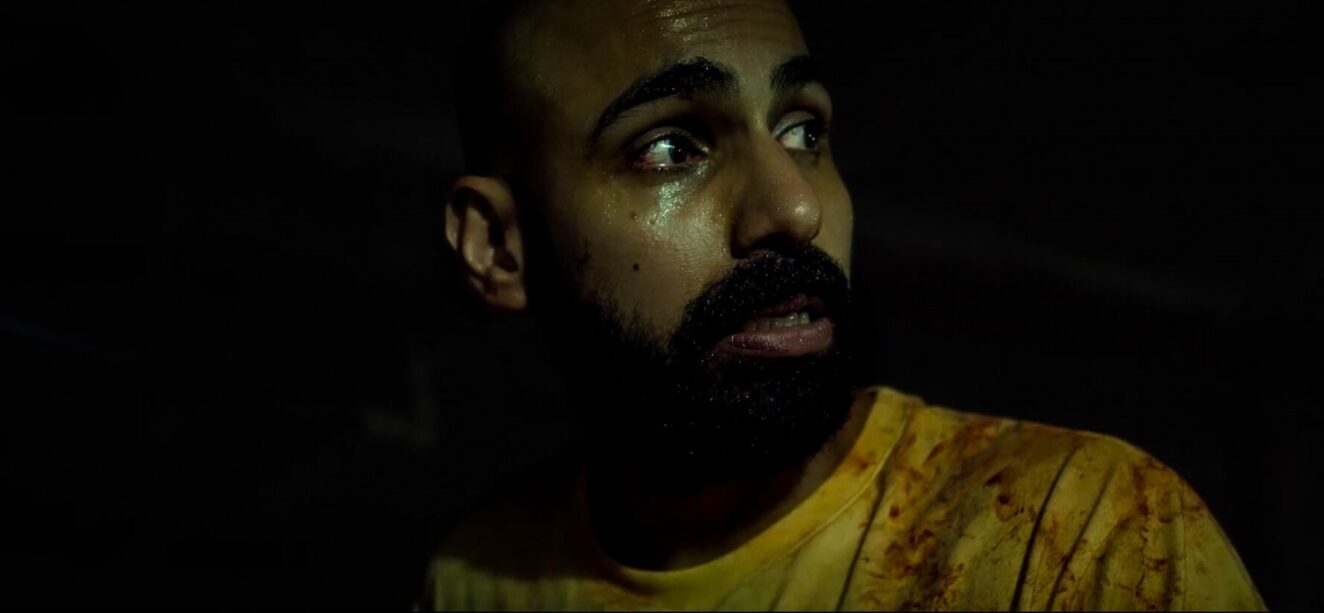
We all get how zombies work. They bite, someone hides their bite, sometime later everyone is dead. Kang’s instinct was that the scratch would do something different. “It’s really visceral and contagious,” he said. “I figured if I could lean into that, that might work well.” He was right.
There is something about watching someone scratch that is harder to look away from than watching someone get bitten. You feel it on your own skin. The sympathy itch is real and ITCH knows it and uses it without being cute about it. That is craft. For a film Kang wrote, directed, produced, and starred in himself, that is not a small thing.
Who Is Bari Kang
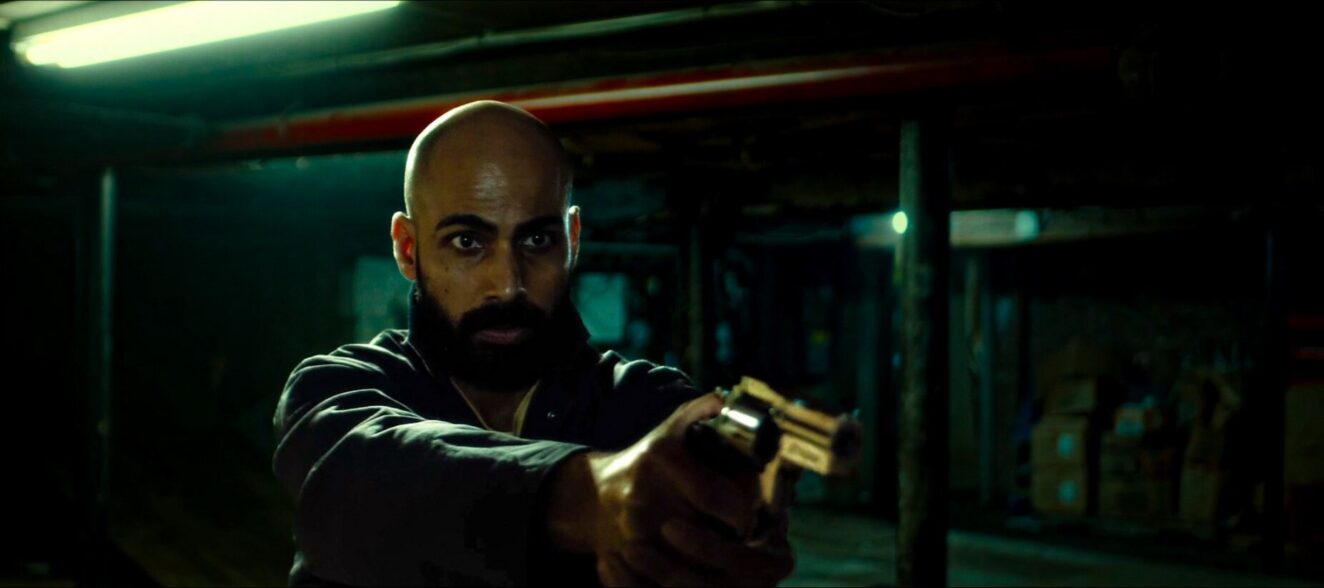
The short version: he decided he wanted to be an actor, spent a year auditioning and booking nothing, and then casting director Judy Henderson, who was in the middle of casting Homeland at the time, told him to go write his own stuff. “I was like, oh, you can do that,” he told me.
He said: “Nobody’s coming to give you a hand. There’s no handouts. It seems like we need permission or something to do it, but you just gotta get out there.” Yeah. That.
The Rule About Lore
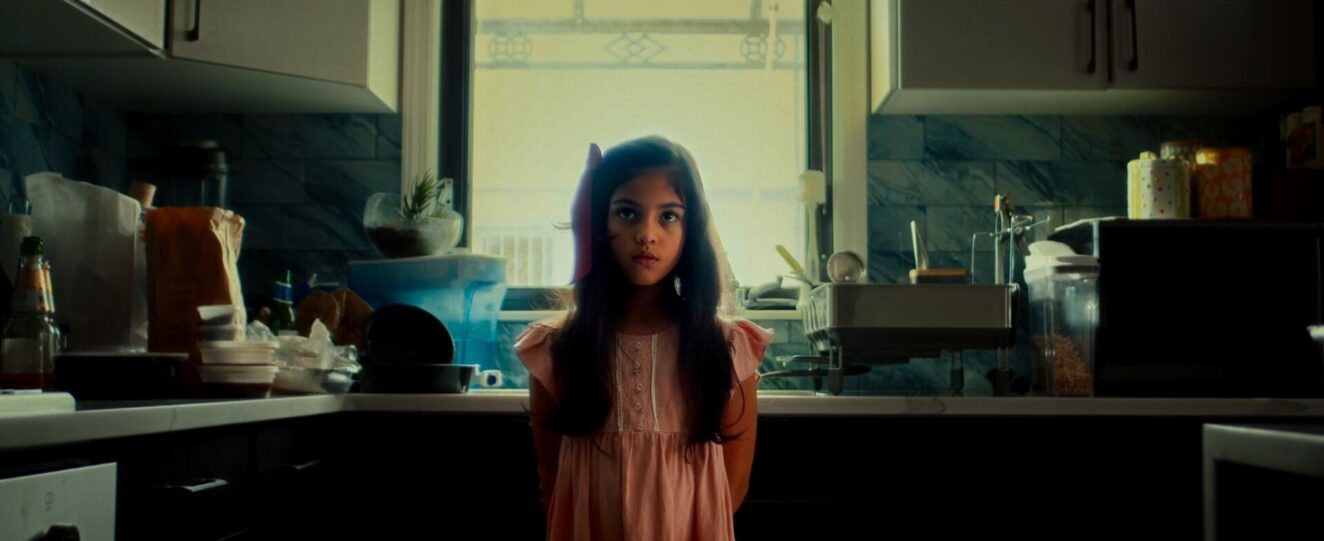
There were versions of ITCH that explained what the itch was, where it came from, who started it. Kang cut all of it. The less he showed, the more the film asked audiences to do the work themselves. And audiences who do the work are more scared than audiences who are shown everything.
ITCH does not explain itself and it does not need to. A film about a contagion that spreads through something you cannot stop yourself from doing, made in the aftermath of a pandemic everyone lived through, does not require a mythology breakdown. It requires you to sit with what it is suggesting. Which is worse.
ITCH is available now.
News
ShoStak Opens the Door for Filmmakers to Build and Own Their Stories
A new platform is stepping into the streaming space, but instead of trying to become the next Netflix or TikTok, ShoStak is built around a much bigger idea.
“Cinema does not need another platform. It needs a new model.”
ShoStak operates across two sides of its ecosystem. ShoStak.tv is the viewer-facing platform where audiences can watch content and discover new series. ShoStak.world serves as the creator hub, where filmmakers can develop projects, submit ideas, and take part in programs designed to help bring those stories to life.
Together, they form what ShoStak describes as a cinematic ecosystem. A space where stories are not treated as disposable content, but as worlds that can grow, evolve, and sustain themselves over time.
Instead of chasing algorithms or studio approval, the platform is built around a simple but ambitious goal. Give creators ownership of their work, their audience, and the revenue they generate from it.
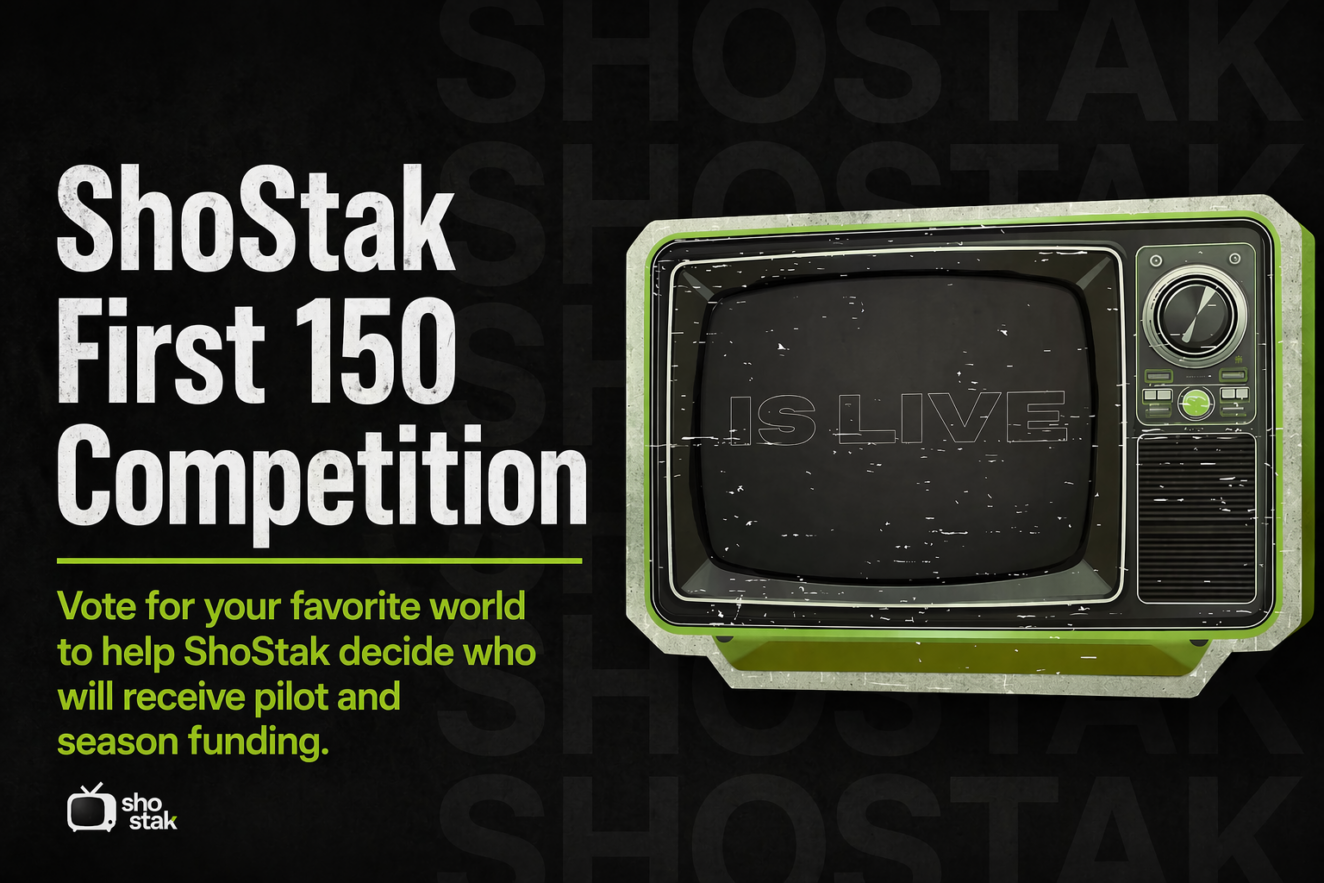
The Competition Offering a First Look
As part of its early rollout, ShoStak is hosting a creator competition where audiences can vote on which projects move forward, giving fans a rare shot at directly influencing what actually gets made.
Projects are introduced as series concepts or pilots, with creators competing across multiple rounds. Audience participation helps determine which entries gain traction and continue developing.
Ownership at the Center
One of the platform’s defining ideas is simple but powerful. Creators should own what they create.
ShoStak emphasizes a model where filmmakers:
- Retain ownership of their intellectual property
- Build and grow their own audience directly
- Earn revenue tied to engagement and support from that audience
This removes a layer that has traditionally stood between creators and success. Instead of relying on studio approval or algorithmic luck, filmmakers have a clearer path to building something of their own.
It’s a shift that could be especially meaningful for independent creators who are used to giving up control just to get their work seen.
Building a New Kind of Pipeline
ShoStak is not just focused on hosting content. It’s working toward building a system where ideas can grow from concept to fully realized projects.
Through its creator hub and development programs, filmmakers can:
- Introduce new story worlds directly to audiences
- Build a following around those stories
- Expand their projects over time without losing ownership
It creates a pipeline that feels more open than traditional systems. Instead of waiting for approval behind closed doors, creators can develop their work in front of an audience and grow it organically.
Why This Matters for Horror
Horror has always lived a little outside the system.
Some of the most memorable films in the genre came from creators taking risks, working with limited resources, and finding ways to connect with audiences on their own terms.
ShoStak’s approach could give horror filmmakers a new kind of playground:
- Test ideas as short-form series
- Build loyal fanbases around original concepts
- Expand those concepts into larger projects over time
For a genre that thrives on originality and experimentation, having more control over both the creative process and the outcome could make a real difference.
ShoStak is not just trying to launch another streaming service. It’s trying to rethink how stories are created, shared, and sustained.
By focusing on ownership, long-term world-building, and direct connection between creators and audiences, it’s offering a different path forward.
Whether that model succeeds remains to be seen.
But if it does, it could give filmmakers something that has been increasingly difficult to hold onto.
Control.
News
The Evil Dead Burn Trailer Is Here and It Is Everything
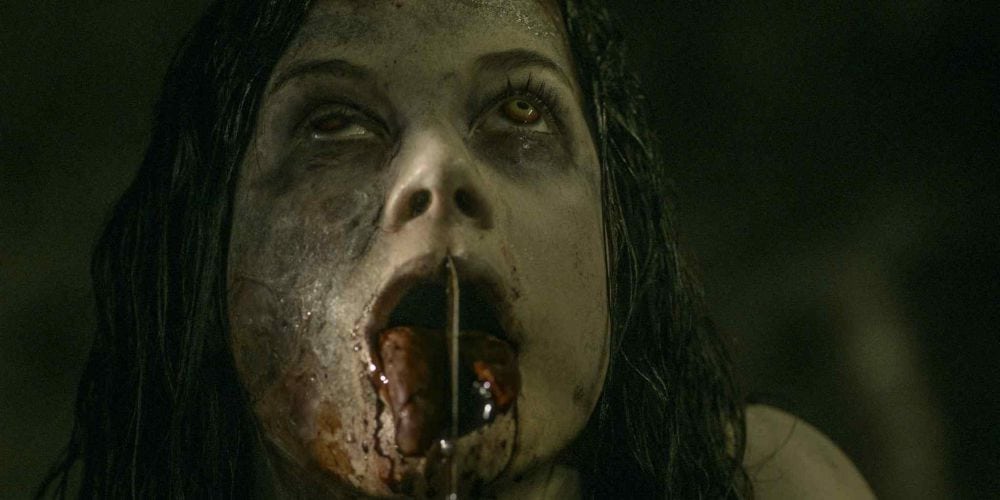
The teaser for Evil Dead Burn is attached to Lee Cronin’s The Mummy in theaters right now, which means you have to earn it. Go see The Mummy. You will probably enjoy that too.
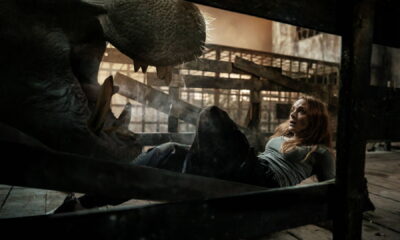
Here is what we got. A young girl crawling across an apartment floor desperately trying to stay alive in a room with a Deadite. It is hard to tell, but the whole thing may be one continuous shot of her trying to get away from all of it. It is action packed, and it is gory, and ultraviolent in a way we have never seen in the franchise. For a teaser. That is a thesis statement. That is Sébastien Vaniček telling you exactly what kind of film this is going to be.
Evil Dead Burn opens July 10.
Why Vaniček Was the Right Call
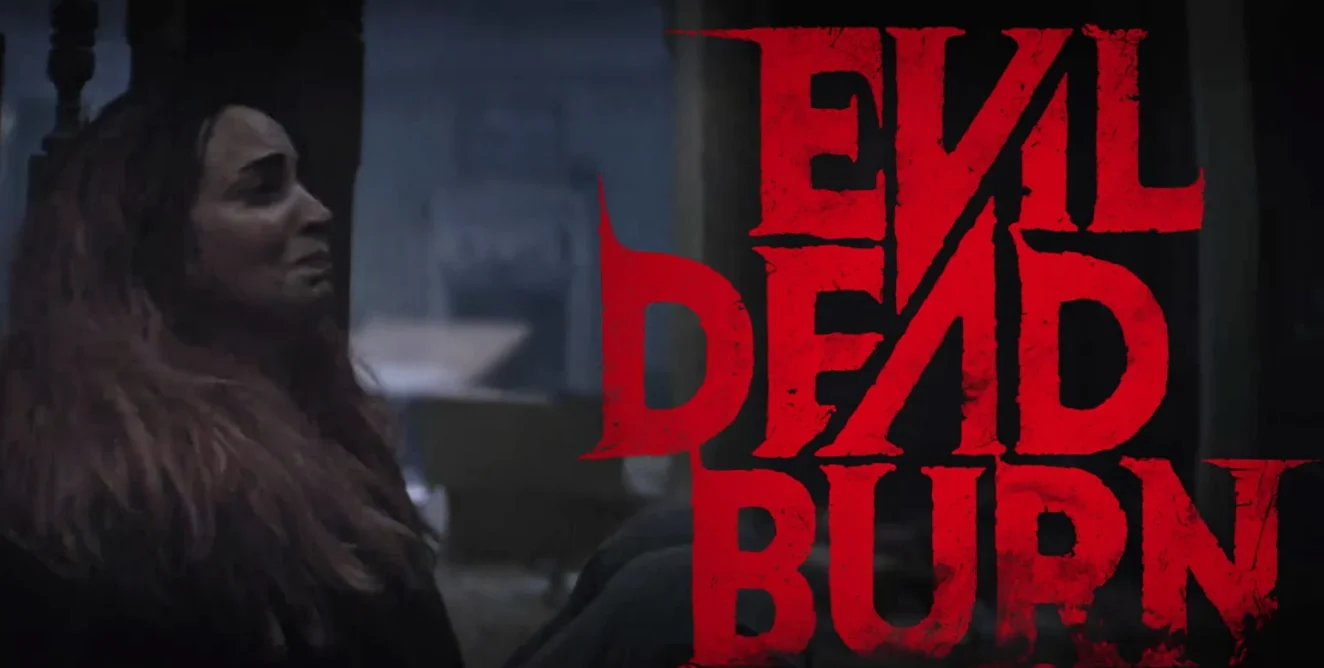
The director is Sébastien Vaniček, who made Infested in 2023. Infested is a French spider horror film set entirely in a crumbling apartment building, and it is one of the better creature features of the last decade. It is relentless.
A single girl crawling across a dirty apartment floor with Deadites closing in is exactly the kind of scene Vaniček was built for. He does not need big spaces or big budgets. He needs a person, a threat, and no way out. That is Evil Dead. That has always been Evil Dead.
He co-wrote the script with Florent Bernard, his Infested collaborator. Sam Raimi and Rob Tapert produce through Ghost House Pictures. Bruce Campbell and Lee Cronin are executive producers. The whole institution showed up for this one.
What the Film Is About
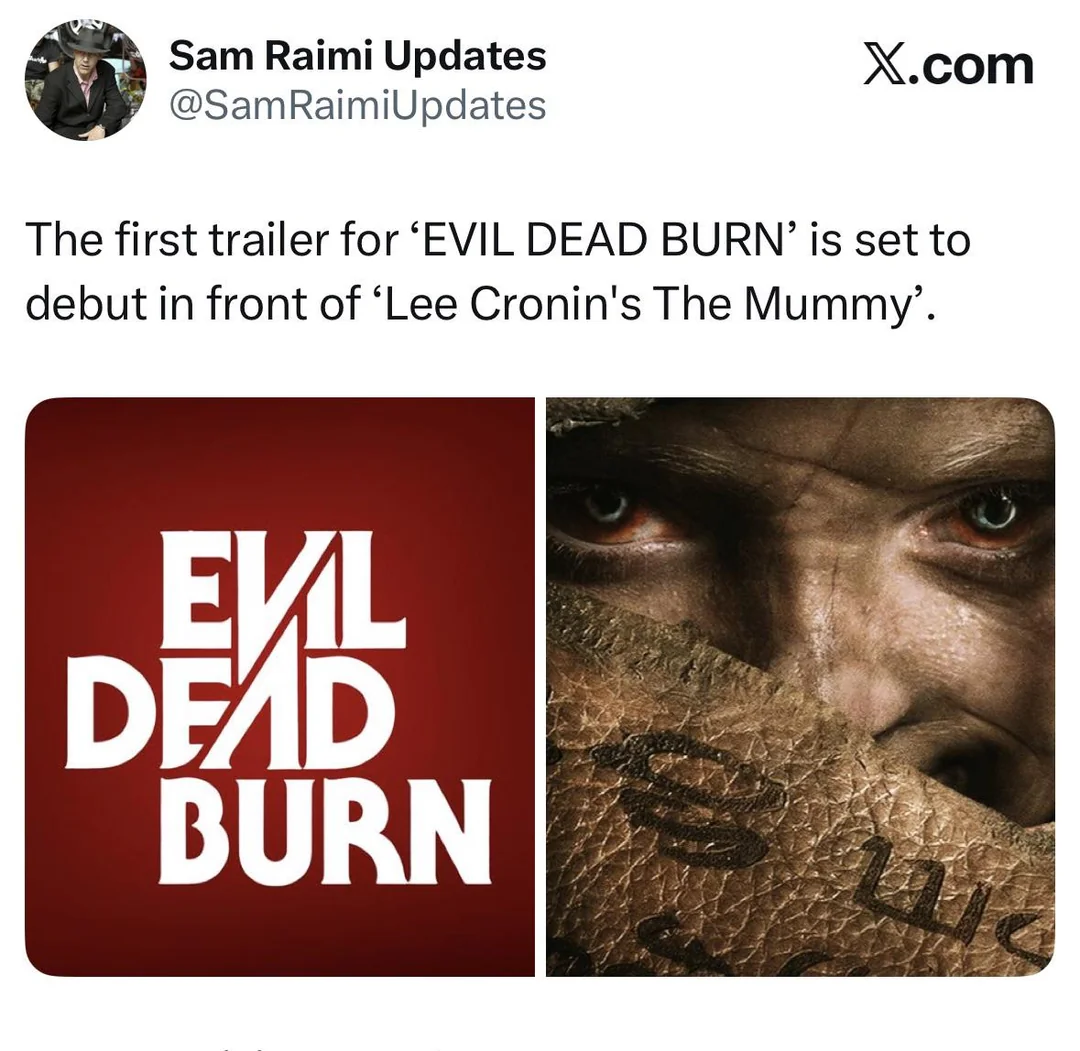
A woman loses her husband in a car accident and goes to stay with her in-laws at their remote house. The in-laws find the Book of the Dead. You already know what happens after that. You have always known.
Souheila Yacoub leads the cast, joined by Hunter Doohan, Luciane Buchanan, Tandi Wright, and George Pullar. The film shot in New Zealand between July and October 2025 and is the sixth installment in the Evil Dead series.
Evil Dead Rise proved the standalone approach works. It did not need you to have seen anything. Burn looks like it is doing the same thing and doing it in a filthier, more confined space, which is exactly where this franchise lives best. If the teaser is any indication, Vaniček understood the assignment from the first frame.
Evil Dead Wrath follows in 2028, directed by Francis Galluppi. The pipeline is full. I am not complaining.


‘Colony’ Trailer Reveals New Zombie Film from ‘Train to Busan’ Director as Original Returns to Theaters

Chucky Is Going Back to Theaters, and Don Mancini Says It’s Going to Be Scary Again

The Crypt Keeper Is Coming Home. Tales From the Crypt Begins Streaming On Shudder

This Week in Horror: CinemaCon Delivered, Nicolas Cage Is Coming Back, and Someone Let Ti West Near a Christmas Story

EXCLUSIVE: The ‘Live! with the Other Side’ Trailer Dropped and the Dead Have a Lot to Say

7 Horror and Mystery Films That Explore Jack the Ripper

5 Horror & Thriller Films Premiering at Cannes 2026

Sacrificios Review: Some Miracles Have a Price Tag

The Book That Wouldn’t Let Me Go: ‘Interview with the Vampire’ Turns 50

7 Horror Movies That Are ‘Elm Street’ Adjacent

Universal Fan Fest Nights Brings New Fandom Experiences to Universal Studios Hollywood!

ITCH Is the Outbreak Film That Actually Gets Under Your Skin

ShoStak Opens the Door for Filmmakers to Build and Own Their Stories
The Evil Dead Burn Trailer Is Here and It Is Everything

The Evil Dead Universe Now Includes a Mummy Film

The Practical Magic 2 Teaser Trailer Is Finally Here

The HUNGRY Red Band Trailer Is Here and We Need to Stop Laughing at the Hippo

10 Horror, Thriller, and True Crime Series to Watch This Spring
This Week in Horror: CinemaCon Delivered, Nicolas Cage Is Coming Back, and Someone Let Ti West Near a Christmas Story

‘Behind The Mask’ is a Love Letter to Slashers

The Dark Side of Paradise: Why Tropical Horror Hits Different

Thinestra Review: Almost as Sharp as It Thinks It Is
-
 News5 days ago
This Week in Horror: CinemaCon Delivered, Nicolas Cage Is Coming Back, and Someone Let Ti West Near a Christmas Story
-
 Lists7 days ago
7 Horror and Mystery Films That Explore Jack the Ripper
-
 News7 days ago
Sacrificios Review: Some Miracles Have a Price Tag
-
 News2 days ago
The Practical Magic 2 Teaser Trailer Is Finally Here
-
 News6 days ago
Thinestra Review: Almost as Sharp as It Thinks It Is
-
News21 hours ago
The Evil Dead Burn Trailer Is Here and It Is Everything
-
 Lists2 days ago
10 Horror, Thriller, and True Crime Series to Watch This Spring
-
 News2 days ago
The HUNGRY Red Band Trailer Is Here and We Need to Stop Laughing at the Hippo
You must be logged in to post a comment Login