News
‘The Sandman’ Shares a New Trailer Focusing on the Death of Dreams
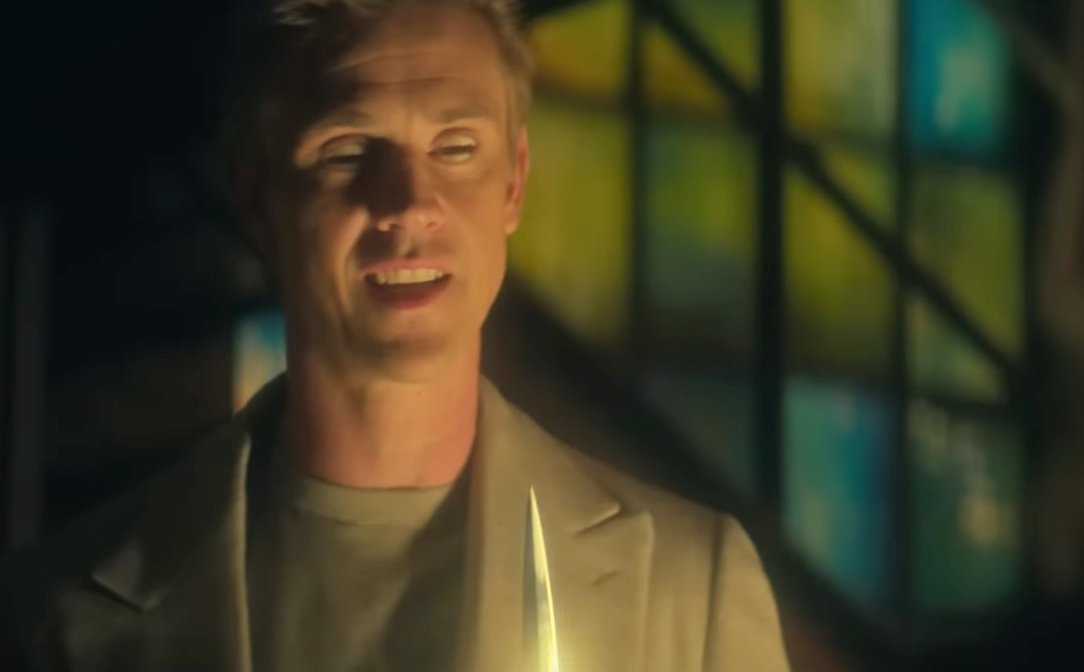
The most epic of epic stories is about to be brought to Netflix as an all-new series. It looks good, but how good can an unfilmable series actually look? I suppose it looks as good as it can. So, even if the series ends up being brilliant, it will only be half as good as the comics it is based on. During Comic-Con the team behind Sandman shared another glimpse of the series and once again it looks fantastic.
This trailer focuses in on nightmares being made into real flesh in the waking world and the very real question of their mortality. Best of all it finally gives us a look at the eyes/mouths of the Corinthian.
The synopsis for The Sandman goes like this:
“There is another world that waits for all of us when we close our eyes and sleep — a place called the Dreaming, where The Sandman, Master of Dreams (Tom Sturridge), gives shape to all of our deepest fears and fantasies. But when Dream is unexpectedly captured and held prisoner for a century, his absence sets off a series of events that will change both the dreaming and waking worlds forever. To restore order, Dream must journey across different worlds and timelines to mend the mistakes he’s made during his vast existence, revisiting old friends and foes, and meeting new entities — both cosmic and human — along the way.”
The Sandman arrives on Netflix beginning August 5.

News
Astrolatry Built a Ten-Foot Practical Penis Scorpion
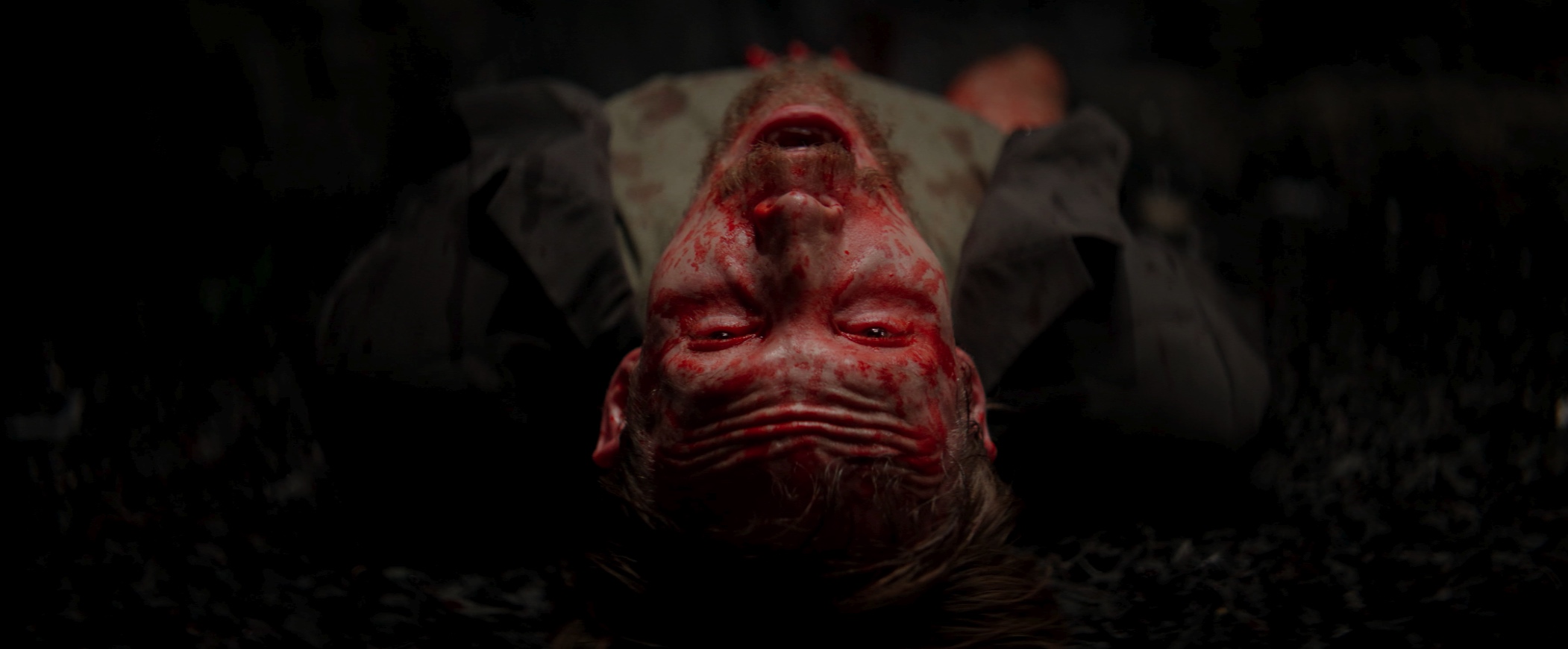
A sentient severed penis grows into a ten-foot creature with spiky teeth. Genre cinema is doing fine.
Astrolatry follows Elliot, played by Ethan Daniel Corbett, who is every ingredient for quiet catastrophe assembled in one man. Socially isolated. Physically isolated. Craving dopamine and finding it in the wrong places. The romance guru pipeline, followed to its logical conclusion. Elliot does not just spiral. He loses a piece of himself, literally, and that piece does not cooperate.
Corbett described it as “a horror satire, a trippy mind-fuck roller coaster” and “a modern retelling of Maniac,” both of which are accurate and neither of which adequately prepares you. Director David Gordon is making his feature debut after shooting 14 films as a cinematographer and he is swinging for the fences.
The Creature
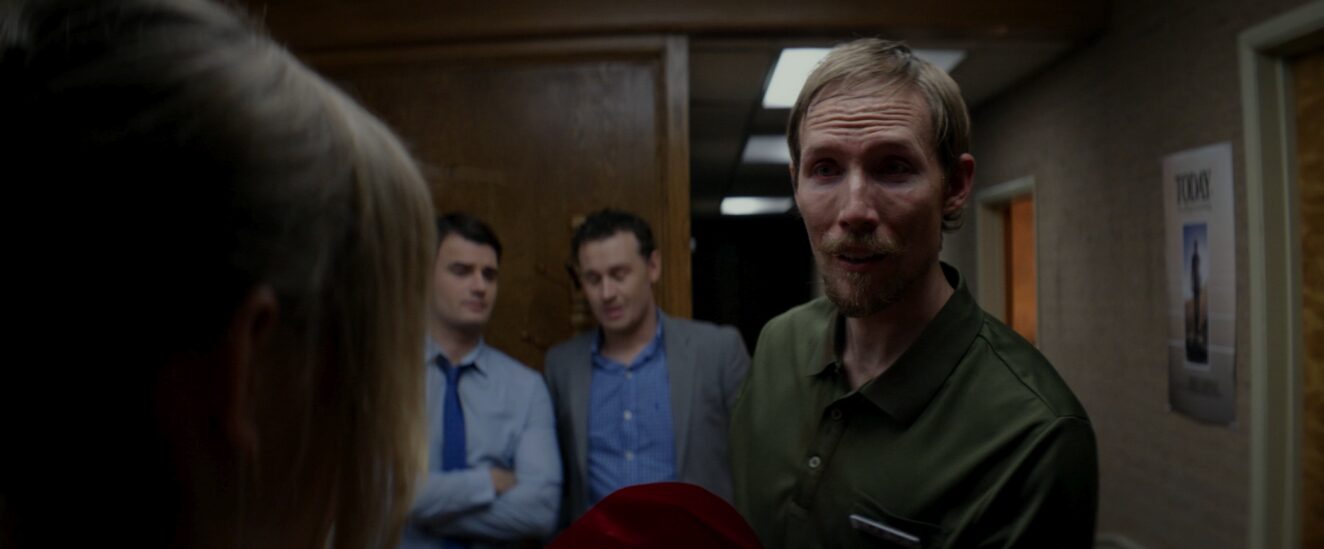
The effects company behind the creature has festival circuit work Corbett had already seen before signing on. He knew what they could do but he was not ready. “When I saw it in person it was kind of mind-blowing,” he said. “Everything that you see in this movie is practical. Very, very little else. It was genuinely terrifying to have a ten-foot creature coming at you with a big mouth and spiky teeth.”
A CG creature asks an actor to imagine something. A ten-foot physical creature on a set asks nothing. It just arrives. The fear on Corbett’s face in those scenes is not a performance. It is the normal reaction to a scorpion dick with sharp teeth.
Elliot
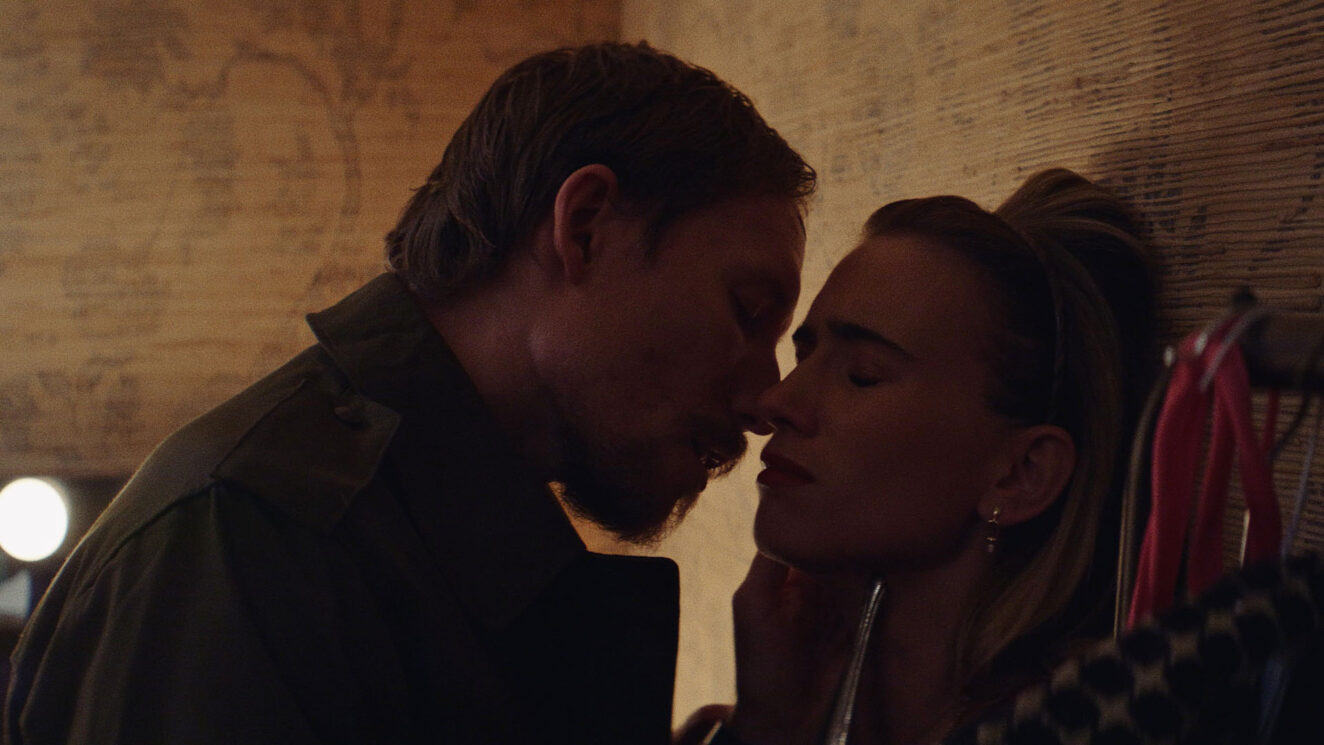
Corbett went into the character through the body. “I mainly focus on the physicality of it. Who this character is and who he is wholly. I strive in those kinds of moments as an actor.”
Gordon was explicit about the concept, the “nice guy” archetype and the overtly toxic one are the same problem, both aimed at the same object. That reading lands because Corbett does not play it as a reading. Elliot is not a symbol. He is a person.
Where It Is Going

Astrolatry is heading to the Frontières Buyers Showcase at Cannes on May 16-17. “To be able to get into that kind of room on David’s first feature is incredible,” Corbett said. “To be in front of buyers and to showcase the film and potentially get distribution through that.” Frontières is the correct room. It is full of people who understand that the most extreme premise, executed with precision, is not a punchline. It is an argument.
News
ShoStak Opens the Door for Filmmakers to Build and Own Their Stories
A new player is stepping into the space, but ShoStak is making one thing clear right away.
It is not trying to be the next Netflix. It is not chasing TikTok.
“Cinema does not need another platform. It needs a new model.”
That idea sits at the core of what ShoStak is building. Not just a place to watch content, but a system where creators and audiences connect in a way that feels very different from what we are used to.

The First 150 Competition Is Already Underway
ShoStak is kicking things off with its First 150 Competition, giving filmmakers a chance to present their story worlds and compete for the opportunity to move into production.
Projects are introduced as series concepts or pilots, then advance through multiple stages. Audience voting plays a role, but it is only part of the process.
Selections are ultimately shaped by a mix of audience engagement, creative execution, and overall project readiness. It is not just about popularity. It is about building something that can actually move forward.
For creators, it is a rare chance to get in front of both an audience and a structured development path at the same time.
One Platform, Built Around a New Model
Everything now lives under ShoStak.tv, where both creators and audiences come together.
Creators can sign up, develop their projects, and begin building their audience. Viewers can discover new series, follow story worlds, and engage with projects as they evolve.
ShoStak describes this as a cinematic ecosystem. Stories are not treated as disposable content designed to spike and disappear. They are built to grow over time.
And that growth happens in public.

Ownership Without Losing Structure
One of ShoStak’s core ideas is giving creators more control over what they build.
Filmmakers are positioned to:
- Retain ownership of their intellectual property
- Build direct relationships with their audience
- Grow projects based on real engagement
At the same time, this is not a free-for-all.
There is still structure. Projects are evaluated, developed, and refined through a process that blends audience input with creative and strategic decision-making.
Instead of removing the system entirely, ShoStak is reshaping how creators move through it.
Development Happens in Public
This is where things start to separate from the traditional model.
Instead of developing behind closed doors, ShoStak allows projects to evolve in front of an audience.
Creators introduce their ideas, build a following, and expand their worlds over time. As engagement grows, so does the project.
It is less about waiting for approval and more about proving momentum.
Over time, that turns the platform into something larger than a development program. It becomes an open ecosystem where creators and audiences push stories forward together.

More Than Just Testing Ideas
Micro-series are a big part of ShoStak’s approach, but they are not just a testing ground.
They can be the final product.
The format allows creators to:
- Tell complete stories in shorter form
- Build long-term story worlds
- Expand into larger projects when it makes sense
It is not about proving an idea and moving on. It is about giving that idea room to grow in whatever direction fits.
Why This Matters for Horror
Horror has always thrived outside the system.
Some of the most memorable films in the genre came from creators taking risks, working with limited resources, and finding their audience without waiting for permission.
ShoStak’s model fits naturally into that mindset.
It gives horror creators a space to:
- Build original story worlds
- Connect directly with fans
- Grow projects without losing control
And with early content like Civilian and Liminal already rolling out, it is clear the platform is aiming for more than just quick-hit content.
A Different Path Forward
ShoStak is not trying to compete by doing the same thing better.
It is trying to change how stories are created, developed, and sustained.
By combining creator ownership, audience engagement, and a structured development path, it offers something that feels closer to a creative ecosystem than a traditional platform.
Whether it works long-term is still unknown.
But for filmmakers looking for a new way in, it is opening a door that has been closed for a long time.
News
The Clayface Teaser Just Made October Feel Very Far Away
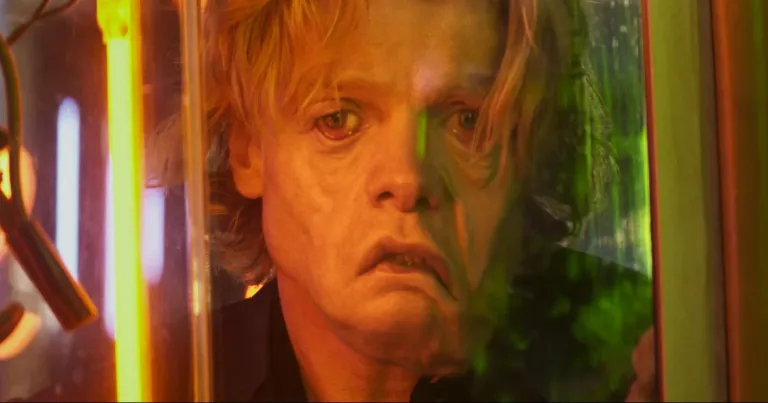
Clayface is a character whose face changes. Or rather, he is a man whose body can transform into whatever is required in the moment. He primarily uses this skill to land acting jobs and murder people. Fun Guy.
Tom Rhys Harries plays Matt Hagen, an actor whose face gets destroyed in a gangster attack. Naomi Ackie is the scientist who hands him something that fixes the problem by making it considerably worse. Bandages. Blood. Then a face that begins to melt. You know where this ends.
Who Made This
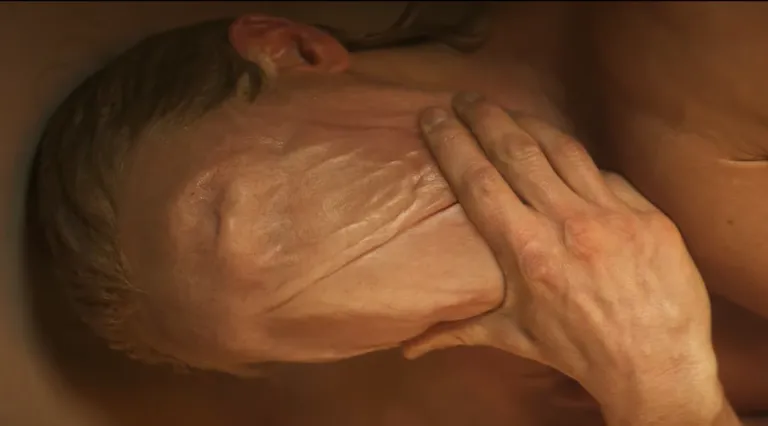
The director is James Watkins, who made Speak No Evil in 2024 and before that Eden Lake, which is one of the more quietly devastating horror films of the last twenty years. Watkins does not make comfortable films. He makes films that stay in the room with you after you leave the theater and this one is about a DC villain whose body does not hold its shape anymore.
The script is from Mike Flanagan and Hossein Amini. Flanagan built the language of prestige horror television with The Haunting of Hill House and Midnight Mass before moving back into features with The Life of Chuck. He writes characters who are being destroyed from the inside and the outside simultaneously.
The October Play
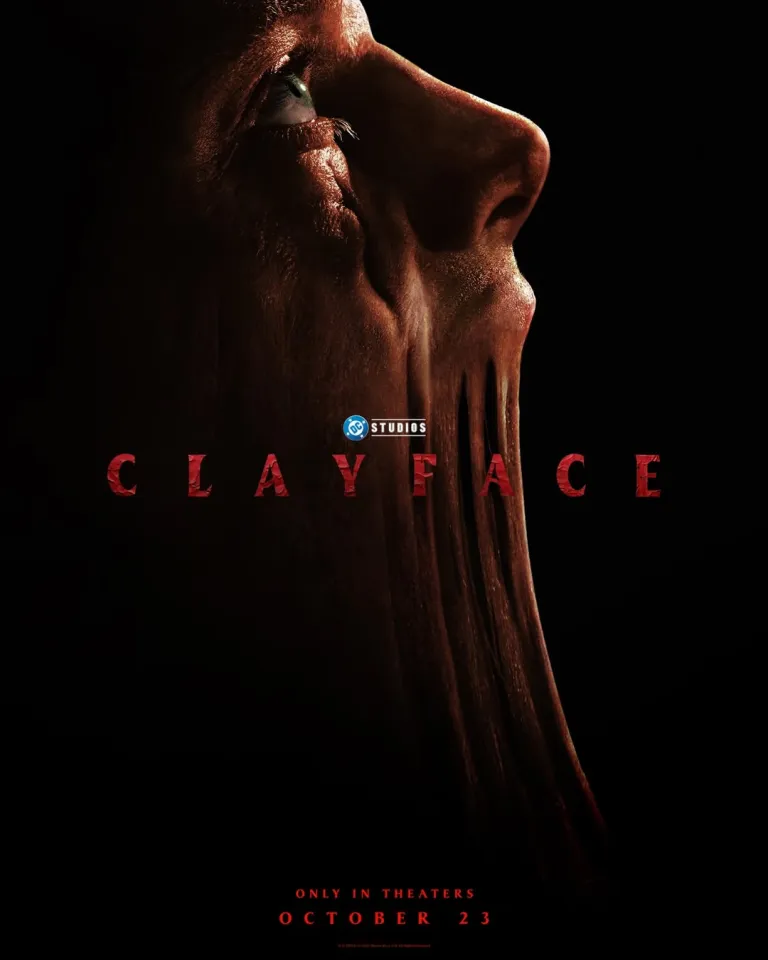
Clayface opens October 23, which puts it squarely in Halloween season and makes it the first DC film that actually belongs there. The project is likely rated R. The trailer confirms why.
There is a face melting off.
Watch the teaser. Then clear your calendar for October 23.


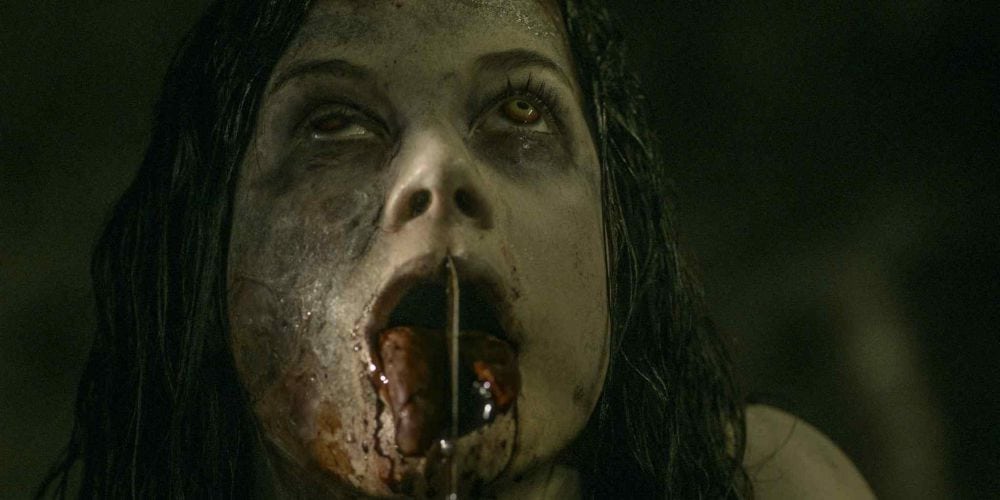
The Evil Dead Burn Trailer Is Here and It Is Everything

This Week in Horror: CinemaCon Delivered, Nicolas Cage Is Coming Back, and Someone Let Ti West Near a Christmas Story

Chucky Is Going Back to Theaters, and Don Mancini Says It’s Going to Be Scary Again

The Evil Dead Universe Now Includes a Mummy Film

EXCLUSIVE: The ‘Live! with the Other Side’ Trailer Dropped and the Dead Have a Lot to Say

The Practical Magic 2 Teaser Trailer Is Finally Here

7 Horror and Mystery Films That Explore Jack the Ripper

5 Horror & Thriller Films Premiering at Cannes 2026

10 Horror, Thriller, and True Crime Series to Watch This Spring

Sacrificios Review: Some Miracles Have a Price Tag

Universal Fan Fest Nights Brings New Fandom Experiences to Universal Studios Hollywood!

The Vampire Lestat Releases Cover of Billy Idol’s “Dancing With Myself”

Astrolatry Built a Ten-Foot Practical Penis Scorpion

Samara Weaving and Kyle Gallner Star in Romantic Crime Thriller ‘Carolina Caroline’ [Trailer]

ShoStak Opens the Door for Filmmakers to Build and Own Their Stories

The Clayface Teaser Just Made October Feel Very Far Away

‘Behind the Mask 2’ Slays Kickstarter

The Best Possible Person Is Directing A24’s Texas Chainsaw Massacre

“It’s My Era. I’m a Rockstar Now.” The Official ‘The Vampire Lestat’ Trailer Is Here

ITCH Is the Outbreak Film That Actually Gets Under Your Skin
The Evil Dead Burn Trailer Is Here and It Is Everything
The Evil Dead Universe Now Includes a Mummy Film
-
News3 days ago
The Evil Dead Burn Trailer Is Here and It Is Everything
-
 News7 days ago
This Week in Horror: CinemaCon Delivered, Nicolas Cage Is Coming Back, and Someone Let Ti West Near a Christmas Story
-
 News3 days ago
The Evil Dead Universe Now Includes a Mummy Film
-
 News4 days ago
The Practical Magic 2 Teaser Trailer Is Finally Here
-
 Lists4 days ago
10 Horror, Thriller, and True Crime Series to Watch This Spring
-

 News4 days ago
The HUNGRY Red Band Trailer Is Here and We Need to Stop Laughing at the Hippo
-
 Trailers2 days ago
“It’s My Era. I’m a Rockstar Now.” The Official ‘The Vampire Lestat’ Trailer Is Here
-
 Editorial7 days ago
‘Behind The Mask’ is a Love Letter to Slashers
You must be logged in to post a comment Login