News
The Faces of Death Remake Is Already Getting Its Posters Banned

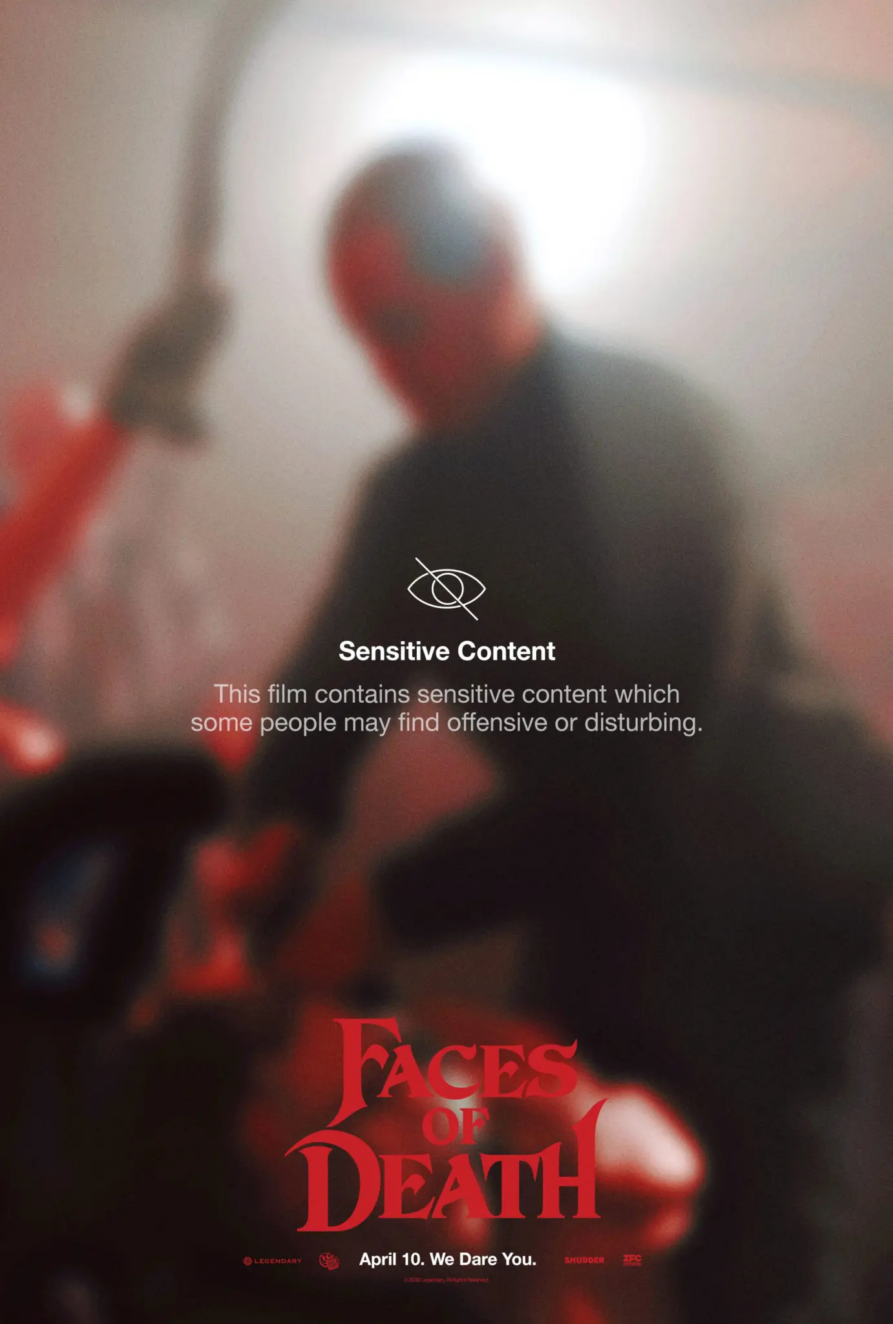
Here is a thing that happened: the marketing campaign for the Faces of Death remake has been deemed too disturbing to display in public.
The posters. Not the film. The posters advertising the film. Cannot go up. Too much. The official artwork has been flagged as sensitive content, the trailers keep getting pulled from platforms before enough people have watched them, and Fangoria ran a subscriber cover for the film that they openly acknowledged could not be shown on newsstands or social media without safeguards — calling it, with barely contained delight, a “secret handshake” for the people already subscribed.
The Faces of Death remake is doing the one thing a Faces of Death remake absolutely needed to do, which is make its marketing campaign indistinguishable from the original film’s entire identity. We are three weeks from release and the conversation is already “is this real or is this a stunt?” which is, and I want to be precise here, the exact conversation the 1978 original started and never fully resolved.
These people are not messing around.
A Brief History of the Most Infamous VHS in Any Horror Fan’s Childhood
If you grew up in a house with a video store membership and slightly inattentive parents, you know the Faces of Death VHS box. You might not have watched it. You might have only touched it once, quickly, the way you’d touch something you weren’t sure was alive. But you knew it was there, on a shelf somewhere between the action movies and the foreign films, and its existence changed the atmosphere of the rental section it occupied.
The original 1978 film was a mondo documentary, or presented itself as one, in which a pathologist narrated footage of human and animal deaths from sources around the world. The marketing claimed it was banned in 46 countries, which was an exaggeration deployed with the confidence of a franchise that had already figured out that the line between “banned” and “enormously popular” was thinner than anyone wanted to admit. Some of the footage was real, sourced from news stations and medical archives. Most of it was staged. The film was good enough at blurring that line that entire generations of horror fans watched it and genuinely weren’t sure which was which.
The film spawned sequels. It was added to the UK’s video nasty list. It was refused classification in Australia. A mathematics teacher in California showed it to his class in 1985 and the school district was sued. The Faces of Death franchise managed, across its entire run, to cause exactly the kind of cultural disruption it advertised, which is more than most horror franchises can claim.
What the Remake Is Actually Doing

Daniel Goldhaber and Isa Mazzei are directing and writing, which is the casting choice that makes this project make sense. Their 2018 film Cam , about a camgirl who discovers a doppelganger has taken over her account, is a 93% on Rotten Tomatoes and one of the more genuinely unsettling explorations of identity and the internet that the genre has produced. Goldhaber followed it with How to Blow Up a Pipeline, which is a 95% on RT. This is a filmmaker with a very specific interest in what technology does to the line between performance and reality, which is precisely the question Faces of Death has always been asking.
Barbie Ferreira stars as a content moderator for a major video platform who discovers what appear to be reenactments of murders from the original Faces of Death. The question she has to answer, and the question the film is asking the audience alongside her, is whether what she’s watching is fiction or happening in real time. In 1978, that question required some effort to construct. In 2026, where AI can generate convincing footage of anything and the algorithm serves you progressively darker content until you aren’t sure what you’ve been looking at or how you got there, the question is ambient. It’s already in the air before the movie starts.
The cast also includes Dacre Montgomery, Josie Totah, Jermaine Fowler, Aaron Holliday, and Charli XCX, who apparently looked at her current cultural moment, everywhere, inescapable, the year’s defining pop presence, and thought: yes, now is the time to appear in a movie about snuff films. Correct.
The Marketing Is the Movie’s First Scene

This is the part that I find genuinely interesting from a craft standpoint, so bear with me for a moment while I have a brief thought.
The original Faces of Death worked because its marketing was indistinguishable from its content. The VHS box was disturbing. The premise was disturbing. The claim that it was banned in dozens of countries was disturbing. You hadn’t watched a single frame, and it had already done something to you.
What Goldhaber and Mazzei have engineered here ,whether deliberately or by necessity, is a marketing campaign that operates the same way. The posters can’t go up publicly. The trailers keep disappearing. The Fangoria cover is behind a content warning. You’re already navigating access restrictions before you’ve bought a ticket, which is exactly what the film is going to be about. A woman hitting content moderation walls while trying to determine what she’s actually looking at.
The movie is about the architecture of restricted access. The campaign is an exercise in restricted access. Either this is the most coherent piece of film marketing in recent memory or it is a series of coincidences that landed perfectly. Either way, it is working, and April 10th feels further away than it should.
Should You Be Excited
Yes. Conditionally. With the acknowledgment that Faces of Death carries a specific legacy that cuts in multiple directions and not all of them are comfortable. The original film included real footage of real deaths and the line between transgressive art and exploitation of actual human suffering is a line the franchise has always sat directly on top of, deliberately, and refused to move off.
Whether Goldhaber’s version handles that with the intelligence his previous work suggests it will, or whether it slips into the kind of nihilistic shock-for-shock’s-sake territory the original sometimes inhabited, is genuinely unknown. What is known is that the people making it have thought seriously about these questions before, that the cast is good, that the premise is sharply constructed for the current moment, and that the campaign has already demonstrated they understand what they’re doing.
April 10th. Theaters and Shudder. You weren’t supposed to see this. You already have.
News
This Week in Horror: The ‘Resident Evil’ Trailer, a ‘Weapons’ Prequel, and Nicolas Cage Has Unfinished Business

This was the week Zach Cregger stopped being a horror director and started being a horror studio. That is not the only thing that happened, but it feels like it isn’t being stated enough.
The Resident Evil Teaser Is Here
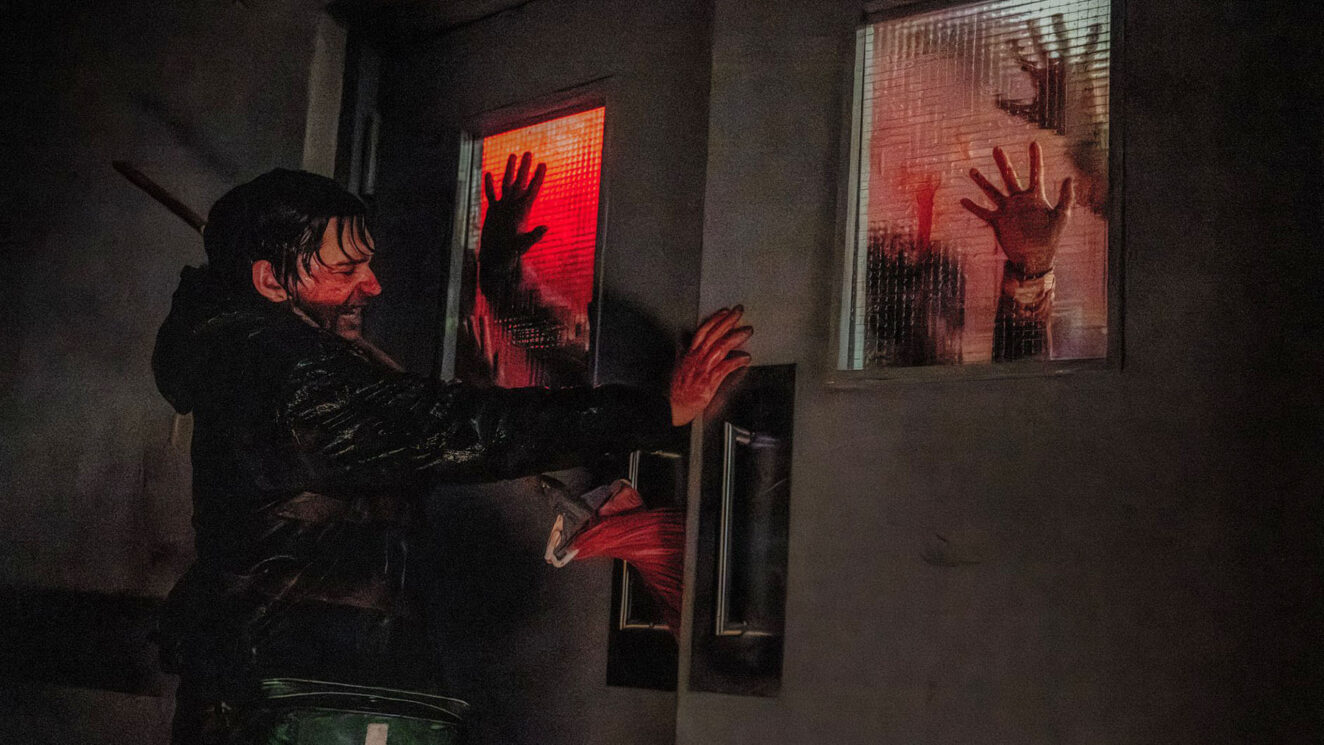
The first footage from Zach Cregger‘s Resident Evil dropped Wednesday, and it does not look like anything this franchise has produced before. Austin Abrams plays Bryan, a medical courier who arrives at an empty house in the middle of a snowy night and spends the rest of the teaser discovering what he is actually surrounded by.
The footage is dark and still and operates as if something has already gone wrong before anything technically has, which is the same register Barbarian and Weapons lived in and that the games, at their best, have always understood.
Cregger Is Also Making a Weapons Prequel

While everyone was watching the Resident Evil teaser, Variety reported that Gladys, the prequel to Weapons, is moving forward at Warner Bros. with Cregger co-writing alongside Zach Shields. Weapons grossed $270 million worldwide and earned Amy Madigan a best supporting actress Oscar.
Gladys is set for September 2028. Cregger is currently writing a Resident Evil reboot and a Weapons prequel at the same time, which is either the most productive stretch a horror director has had in recent memory or the setup for a very good documentary.
Nicolas Cage Has Unfinished Business
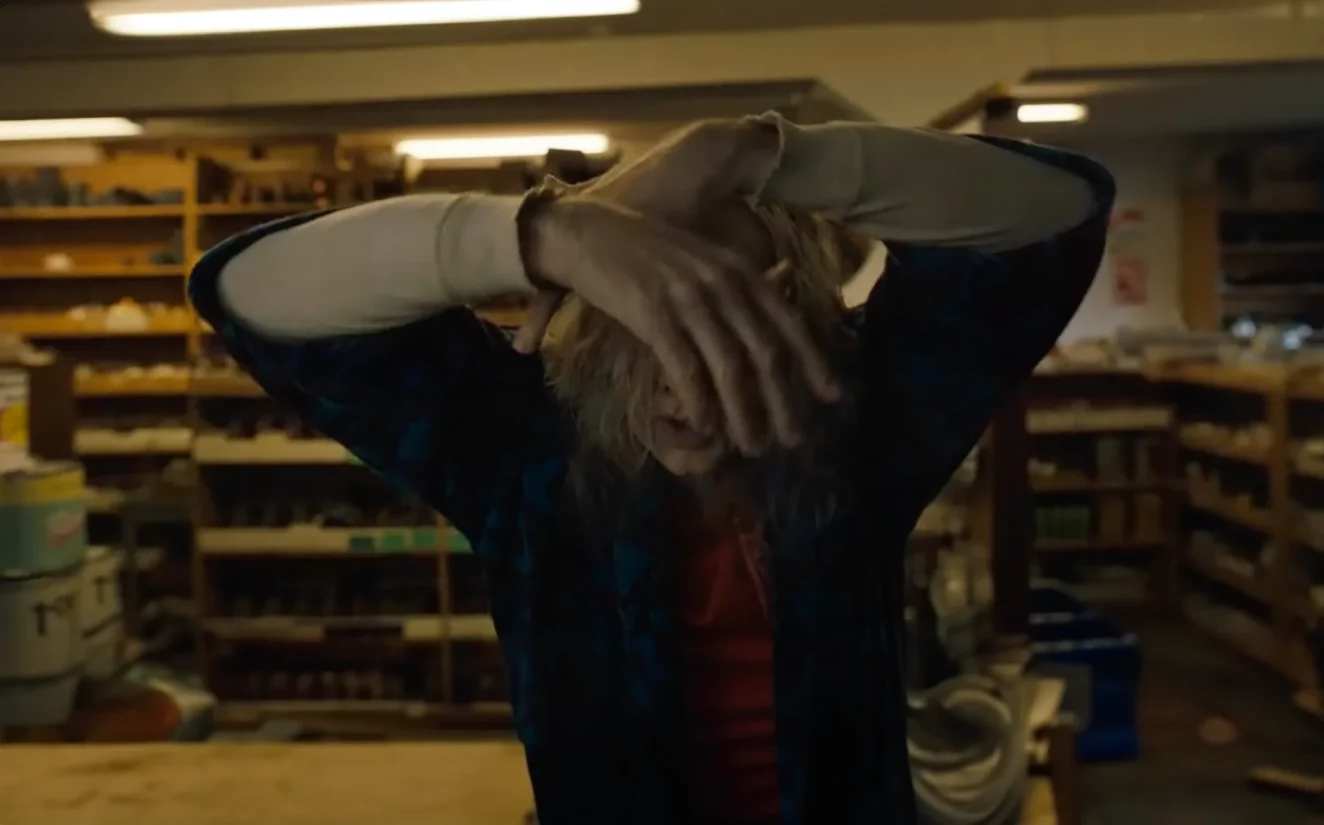
Variety confirmed that Nicolas Cage and Osgood Perkins are making a new Longlegs film at Paramount. Not a sequel, but something set in the Longlegs universe, which is a distinction that raises more questions than it answers and is therefore exactly the right way to announce it. The original made $128 million on a $10 million budget. No release date has been set.
Hokum Opens Today
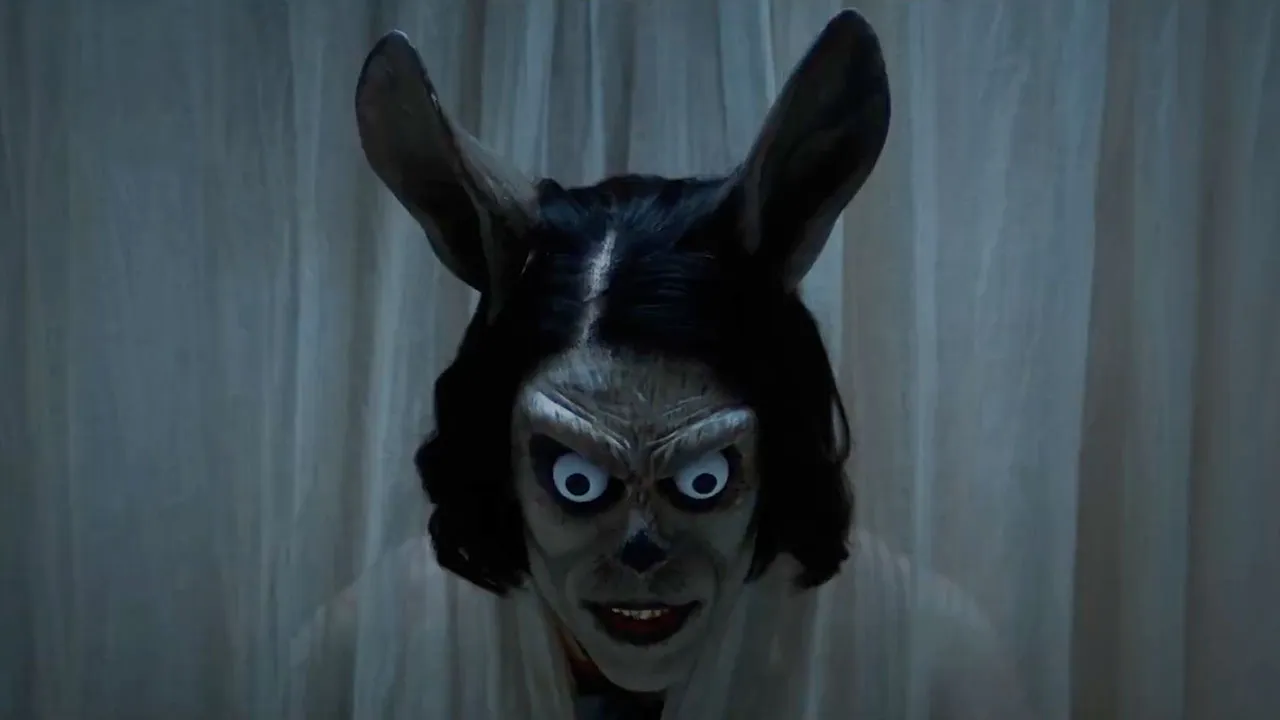
Hokum, the new film from Damian McCarthy, is in theaters today via Neon. Adam Scott plays a novelist who retreats to a remote Irish inn to scatter his parents’ ashes and finds that an ancient witch has opinions about that.
The film premiered at SXSW in March and sits at 89% on Rotten Tomatoes. McCarthy made Caveat in 2020, which was underseen and excellent. Hokum is his argument that the haunted house film still has architecture left to explore.
Shudder Is Having a Moment
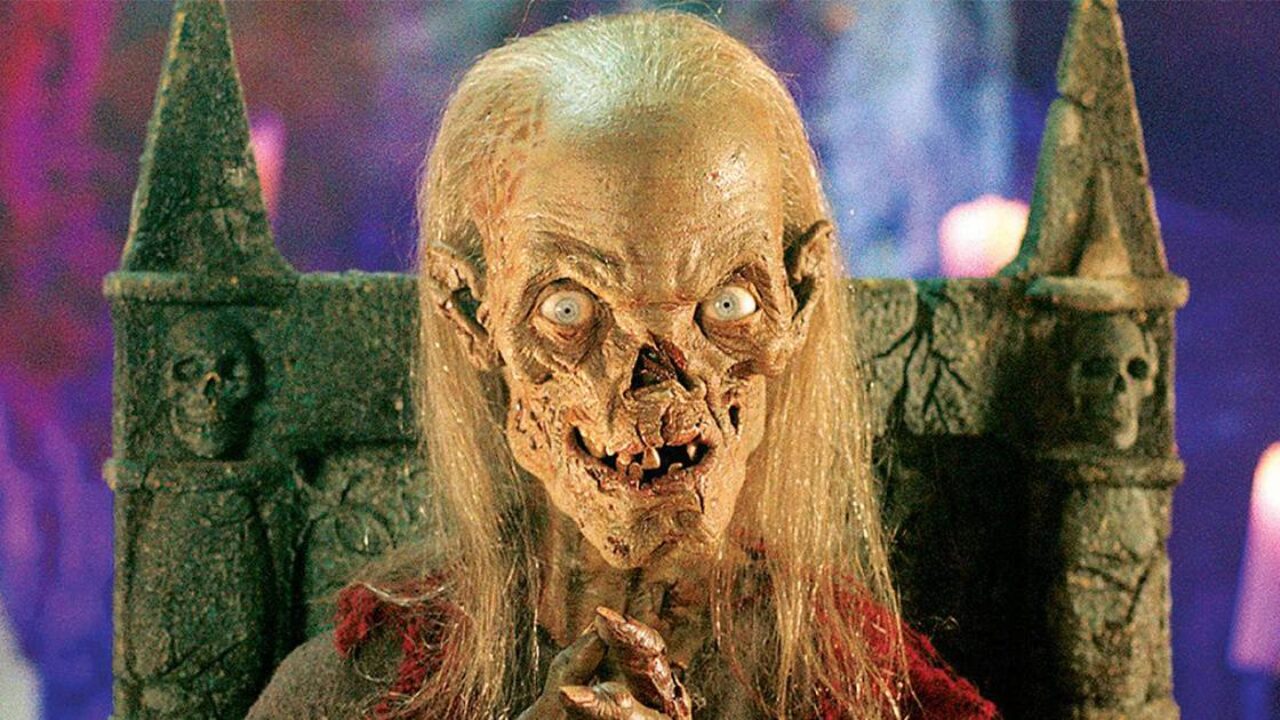
The full May lineup breakdown is here, but the essentials are: Tales from the Crypt, all seven seasons, begins streaming today after years off the market. The Terror: Devil in Silver, the third installment of AMC’s horror anthology series, premieres May 7 with Dan Stevens. Heresy, a folk horror set in a medieval Dutch village, also drops today as a Shudder exclusive. It is the strongest programming month they have announced in a while, and May is only one day old. What a week.
Someone Let Ti West Near a Christmas Carol
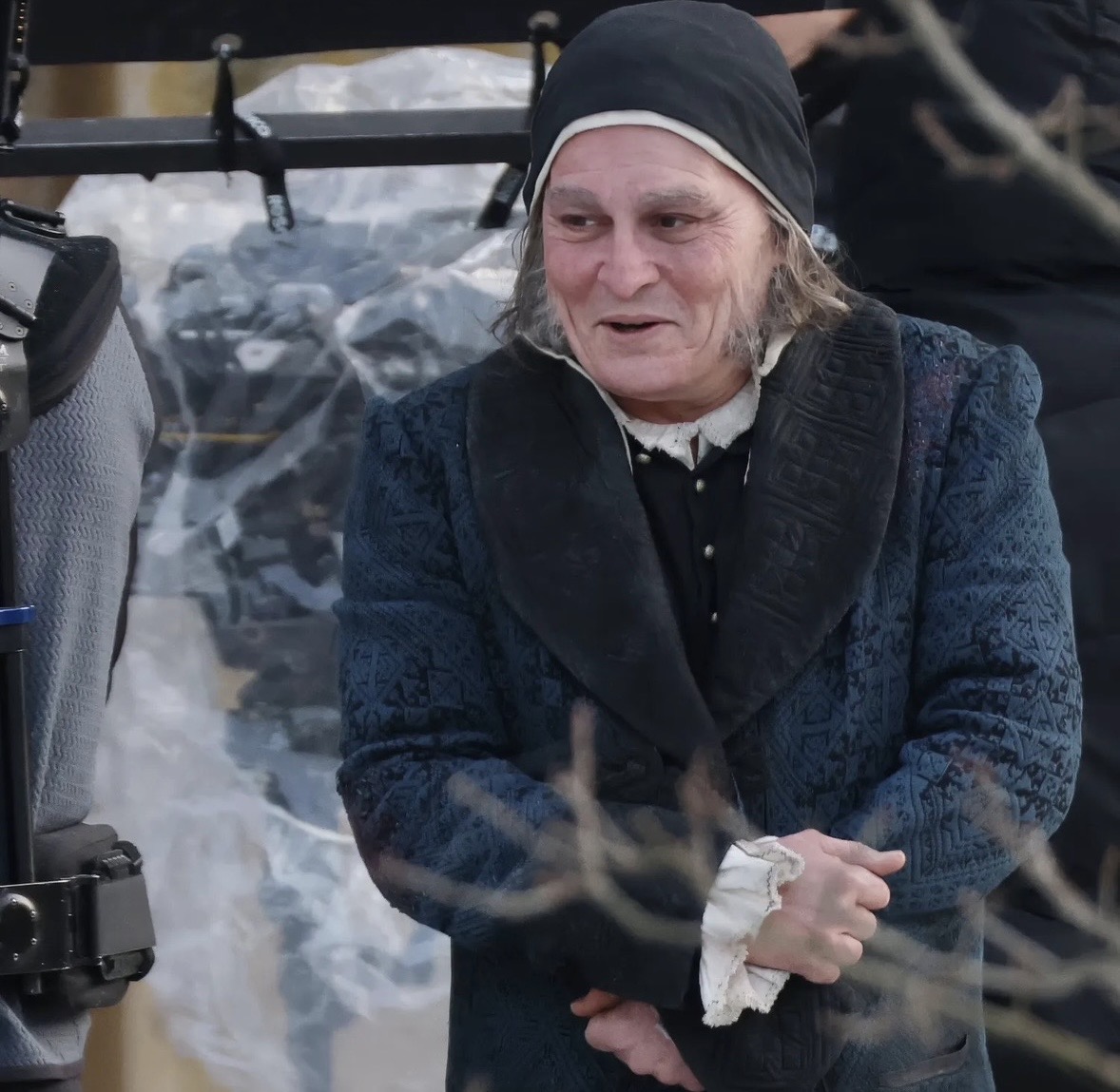
Ebenezer: A Christmas Carol, written by Nathaniel Halpern, directed by Ti West, and starring Johnny Depp as Scrooge, has a release date: November 13, 2026 from Paramount. Robert Eggers is also developing a Christmas Carol adaptation. Two of the most formally precise horror directors working today have independently decided this is the assignment. There is no version of that sentence that is not exciting.
That is the week. May is already delivering.
Editorial
HHN35, Jack vs Oddfellow: Place Your Bets!
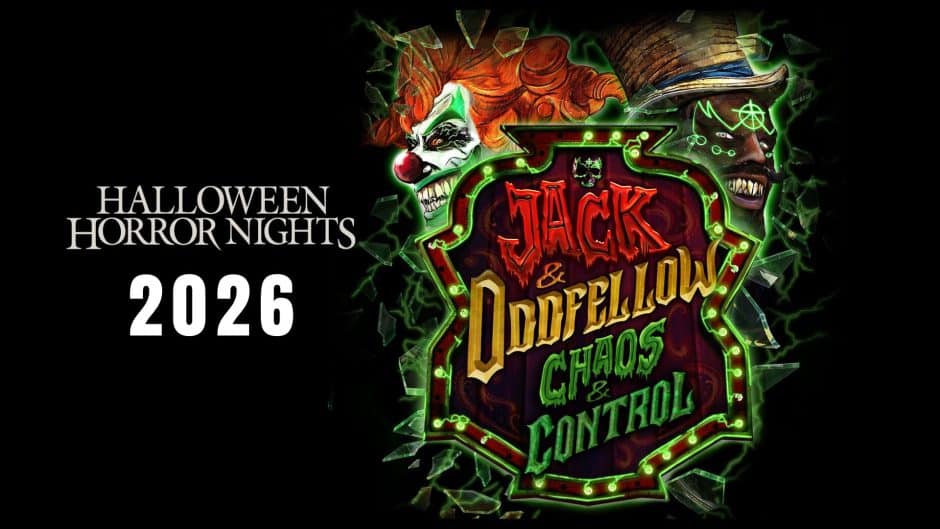
Halloween Horror Nights is back for its 35th installment at Universal Studios in Orlando, Florida as the Infernal Carnival of Nightmares!
Over the years HHN has proven original houses draw as much of a crowd, if not more, as the intellectual property (IP) houses based off of established horror movies.
Leading each year of fear and headlining some of these original houses includes some of the most beloved and iconic characters. These icons include; Jack the Clown, The Caretaker, The Director, Chance, Dr. Oddfellow, The Usher, Lady Luck, and The Storyteller.
This year Orlando’s convention MegaCon had a highly anticipated and attended panel focused on Universal Studio’s Halloween Horror Nights 35. The masterminds speaking of the 35th year celebration included Michael Aiello, Lora Sauls, and Charles Gray. The creators teased the landmark year to salivating fans.
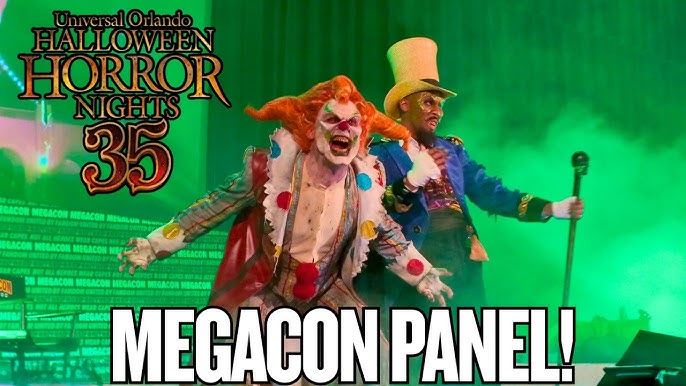
Gaged by the audience’s reaction as each icon was reminisced about and displayed on the panel’s screen were Jack and Oddfellow. Here it was announced to the fanatical audience that these two icons will be returning to lead Halloween Horror Nights into its upcoming year!
Bring in the Clown!
Jack the Clown, born Jack Schmidt, is an icon created by Universal Studios for Halloween Horror Nights. Jack made his debut during the Halloween event’s tenth year in 2000. He immediately won over attendees and became a fan favorite. His popularity grew so much that he has reappeared again and again in many of the Halloween Horror Nights events.
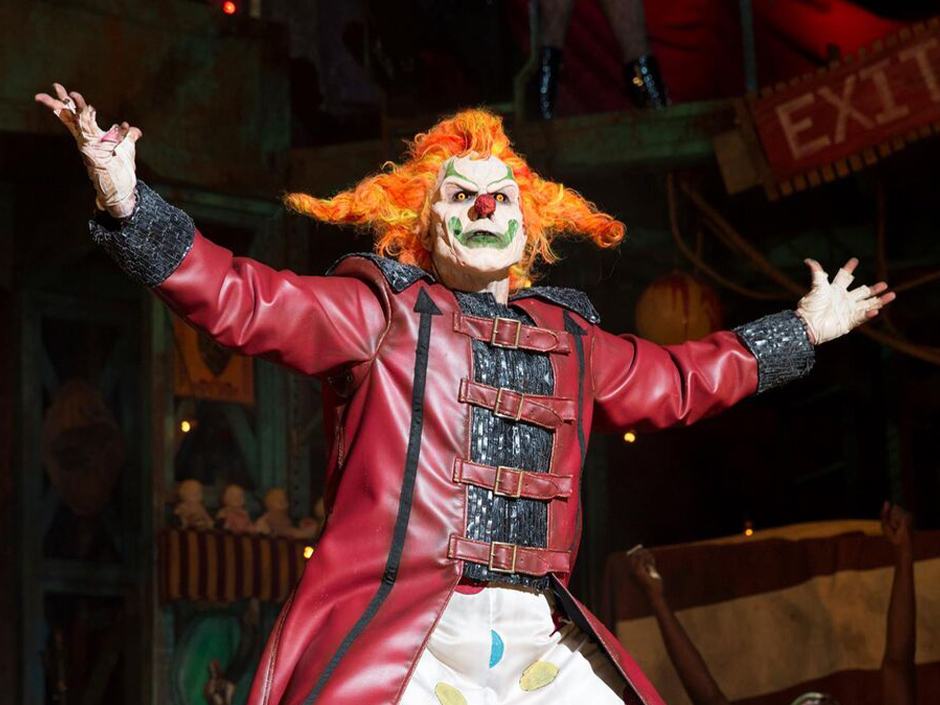
Jack has been featured in three of the five Universal parks that have hosted HHN; Orlando, Hollywood, and Singapore. He has even claimed a spot in Universal Horror Unleashed.
Unleashed is a haunted attraction residing in Las Vegas that offers a fully immersive experience for guests. Unlike Halloween Horror Nights, this attraction is open year round! Universal Horror Unleashed features haunted houses, live entertainment, and themed bars and dining.
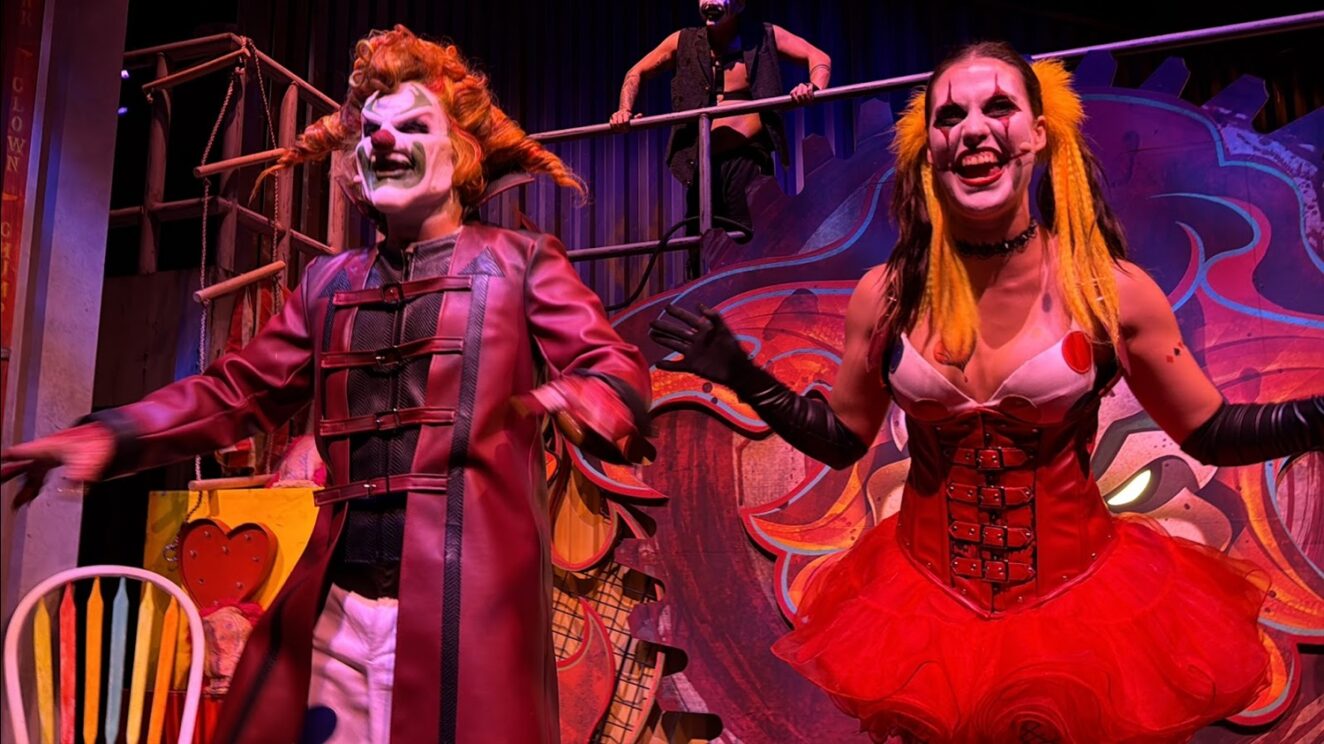
Here Jack stalks guests year round with his mistress in mayhem, Chance.
Jack’s History
In the late 1800s Jack was born with his brother Eddie inside the walls of Shady Brook Rest Home and Sanitarium. Jack escaped and ran away with the circus, leaving his poor and abusive family behind.
However, it was soon apparent he was not the jolly, entertaining clown he convinced his carnival spectators of.
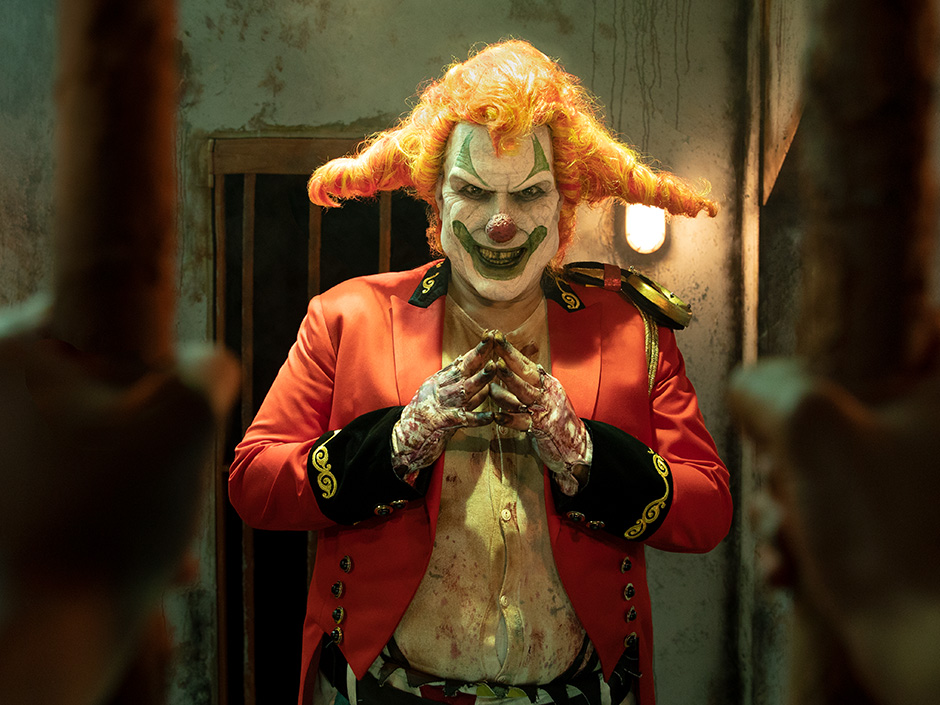
Jack was a child murderer. As the traveling sideshow made its way through the southern states, a trail of abductions and disappearances followed. This attracted unwanted attention from federal authorities.
As the feds closed in, the clown disclosed his murderous ways to his employer, carnival owner Dr. Oddfellow. As the star attraction of the circus he hoped Oddfellow would hide him. However, the doctor was a man with his own sordid past with the law. He decided the best plan of action would be to cut ties with Jack, for good.
The circus owner had Jack Schmidt murdered, but not before the clown gave Oddfellow his trademark facial scar. A scar none of Oddfellow’s dark magic could erase.
Always the showman, Oddfellow decided Jack’s time in his show had not yet come to an end. Not even in death. The carnival owner hid Jack’s body, in addition to the thirteen children the clown had killed, inside his House of Horrors.
The Doctor is In!
Just like Jack “The Clown” Schmidt, Dr. Rich Oddfellow has a very long and evil history. He was introduced to Halloween Horror Nights in 2000, the same year as Jack. However, unlike the menacing clown, the doctor did not rise to instant fame.
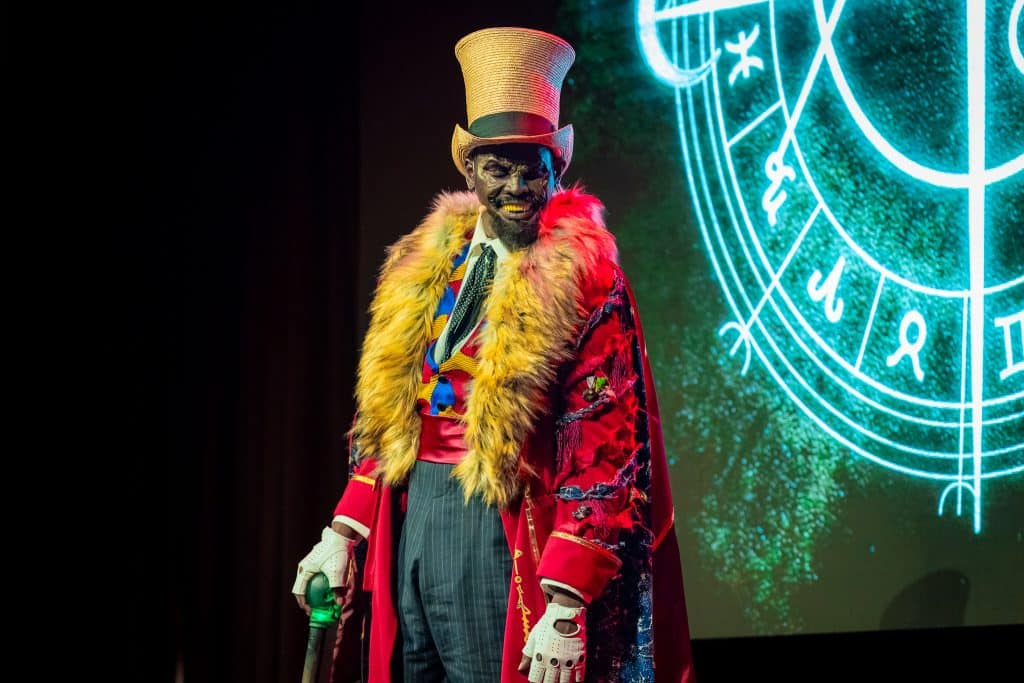
Finally the Doctor found his time in the fog and in 2023 he was established as an icon of HHN.
Oddfellow’s History
Dr. Oddfellow is the notorious, darkly charismatic sideshow owner of Dr. Oddfellow’s Carnival of Thrills. He employed Jack Schmidt, the murderous clown who claimed the lives of at least 13 children. However, the clown was not the only member of the circus who had evil intentions.
Oddfellow was an evil sorcerer, and preyed upon his unsuspecting spectators from town to town. Using the souls of his victims, Oddfellow hoped to gain immortality as well as harness the power of the Dark Zodiac for himself. With this power he would have undying power at his fingertips all harnessed in the skull sitting on top of his trademark cane.
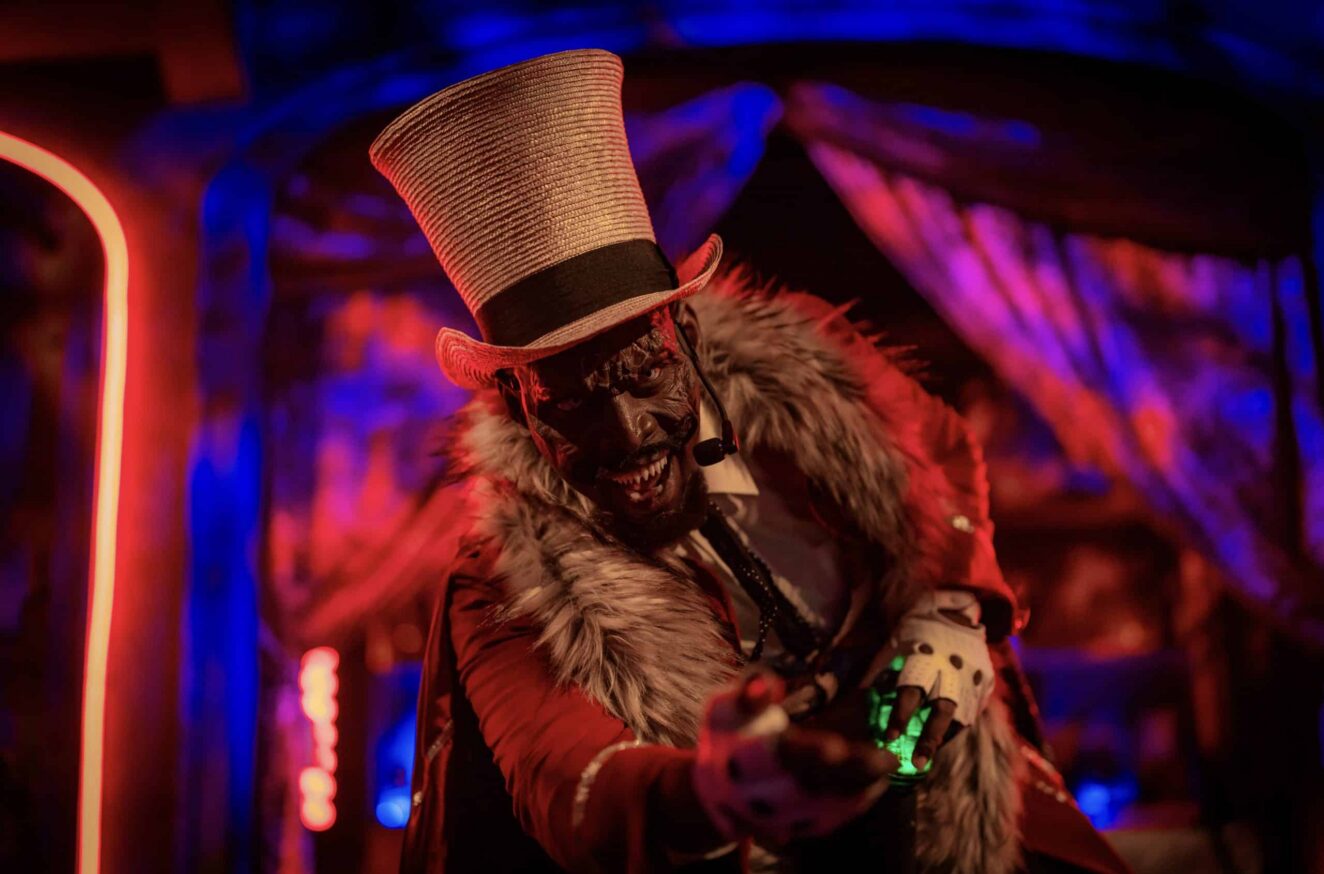
Dr. Oddfellow always left his mark of chaos, destruction and death. From the Jungle of Doom, to the 1939 Dustbowl, and an infamous 1969 Music Festival in upstate New York, Oddfellow reigned down his evil upon the innocent.
A Glimpse of HHN35
Not much has been revealed about how these icons of horror will be intertwined in the upcoming Halloween Horror Nights. However, we do know that despite how much these two despise each other, they will be sharing the spotlight as co-hosts for the much anticipated HHN35.
One of the ten haunted houses will feature the returning duo together. The house is called; Jack and Oddfellow: Chaos and Control.

As you travel through the house the stories of each icon of horror will be unraveled. You’ll wind your way through their evil dimension and see the two battle each other in a deathmatch that has been brewing for decades. However, as you near the end of the house Jack and Oddfellow come to realize that their power is much stronger together than separate. Will the souls of the guests be the fuel to their ultimate evil plan?
Tell us at iHorror who your favorite icon of horror is in the comments! If the two were to face off, who would win?
News
The Severance Writer Found a New Building to Lock People In
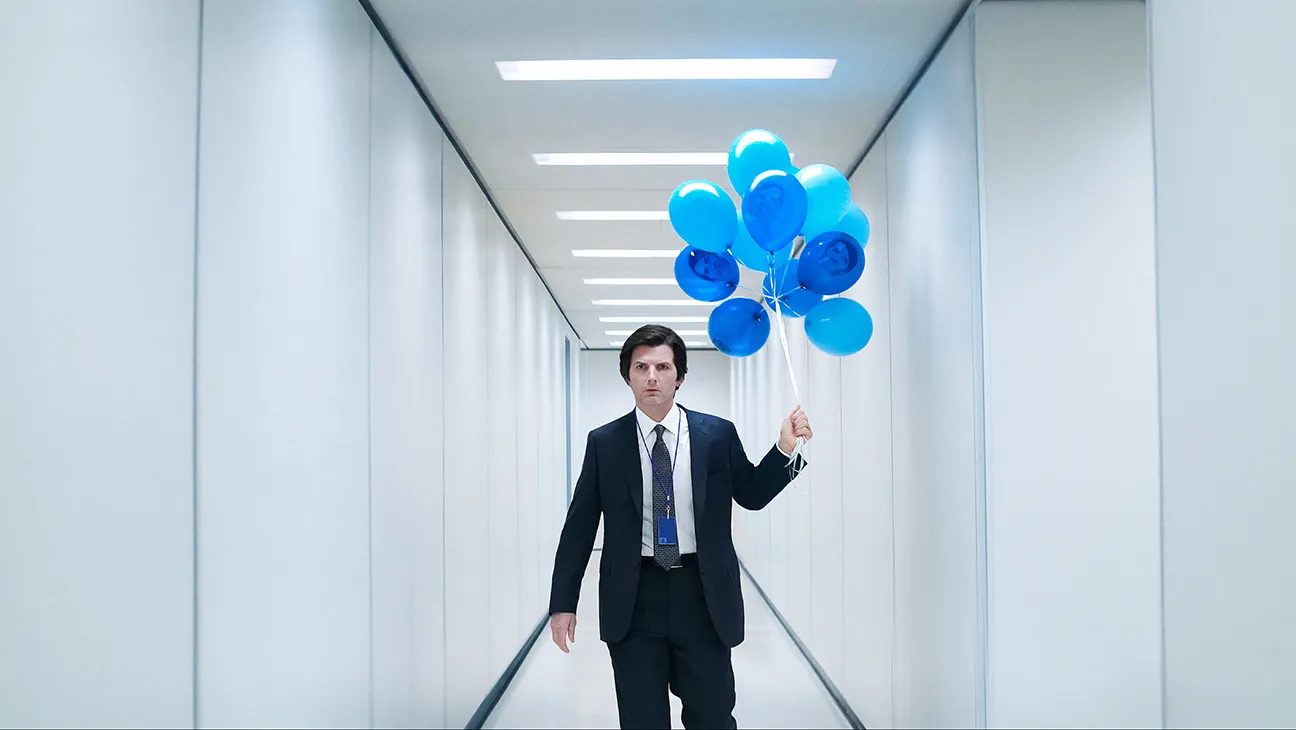
Aiyana K. White spent two seasons on Severance working out what happens when a building decides it is done letting people go. Her next project is set in a high school during a zombie outbreak. The architecture is different, but the logic is basically the same. Welcome to ShootAround.

Lion Forge Entertainment and WEBTOON Productions are teaming up for a live-action YA film adaptation of Shoot Around, the zombie horror-comedy webcomic by Suspu (Susanna Nousiainen) with 28 million views on WEBTOON. White, who also served as executive story editor on The Night Agent for Netflix and got her start on Showtime’s Superpumped, is writing the screenplay.
The Premise
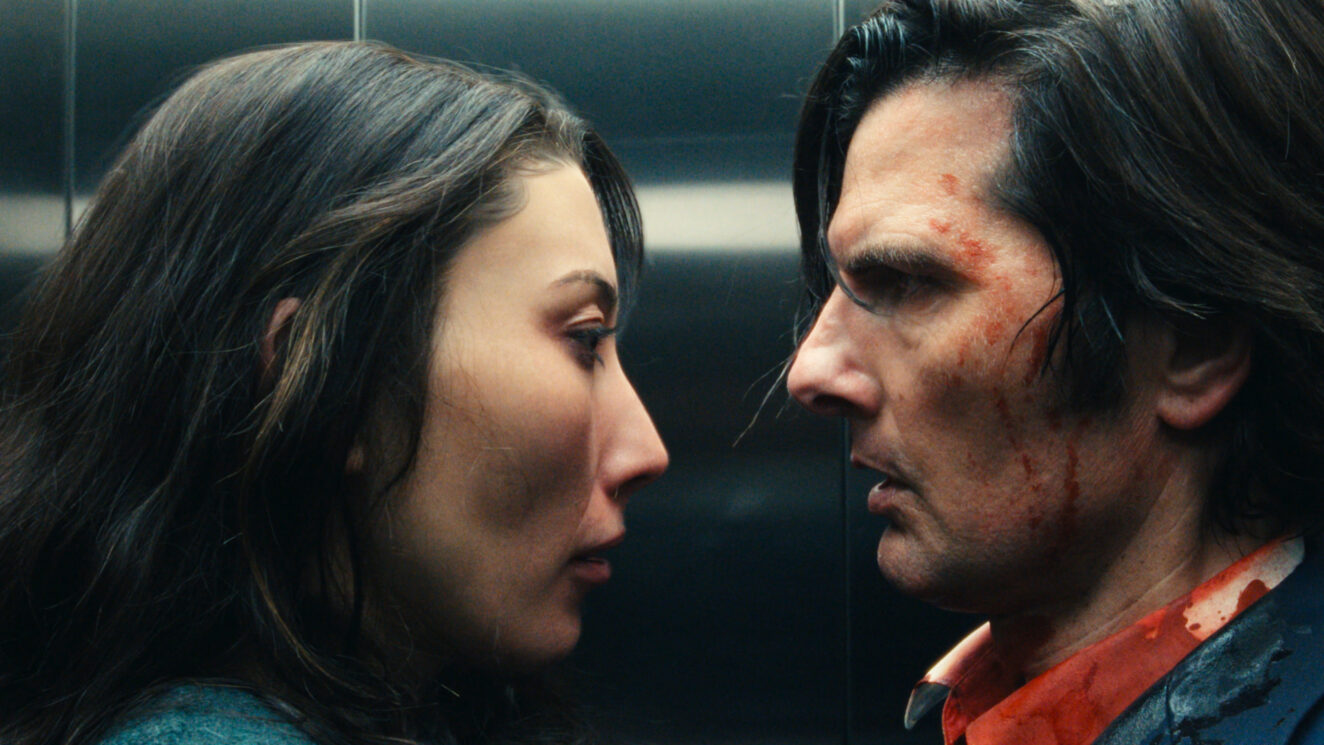
When the zombie apocalypse hits Penny Hall High, the state’s best girls’ basketball team is forced to join forces with the boys they cannot stand for 24 hours locked inside their school. You dont even need the zombies, that sounds miserable.
The official description is Zombieland meets Bring It On, which is either the most accurate logline of the year or an extremely specific promise to have to keep. Lets hope ther PR team knew what they were doing when they through that one out there.
The Source Material
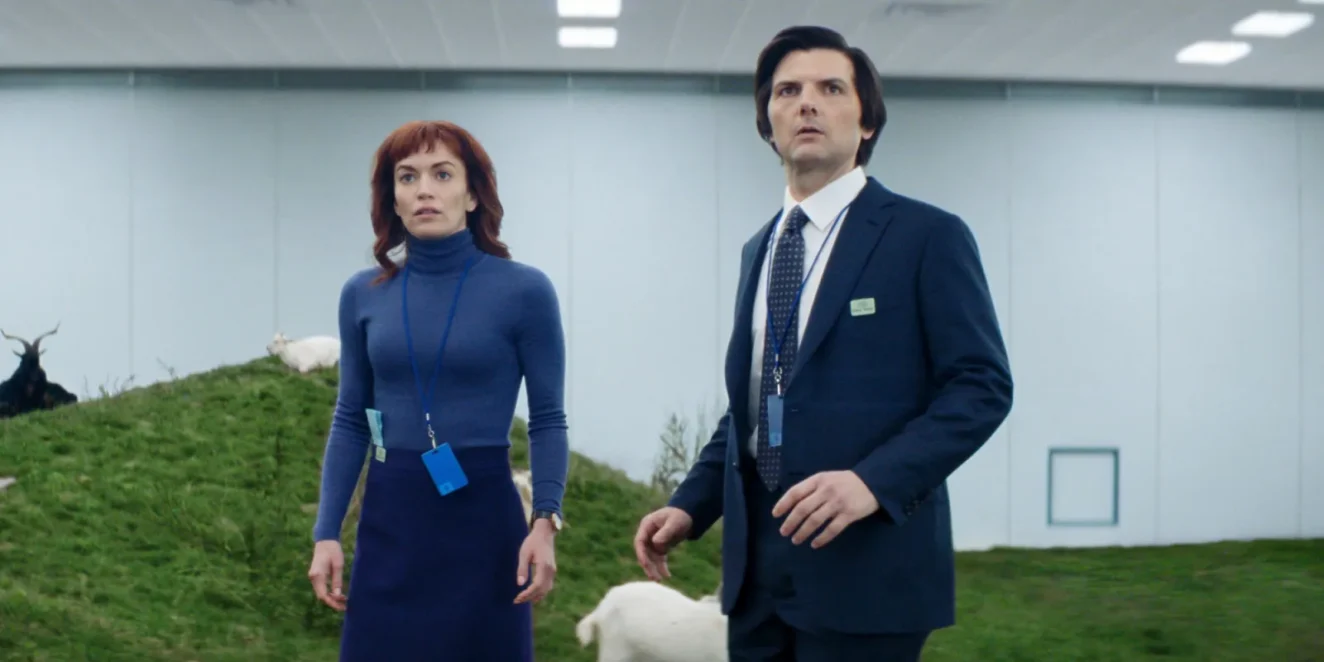
The ShootAround webcomic ran 70 chapters across its first season. White has said she devoured all of them in one sitting, which is a better endorsement than anything the studio put in the press release.
Creator Suspu has a decade of comics experience, including WEBTOON Originals Heir’s Game, The Tattletale Fool, and Bad Plan Man. The fanbase already exists, now they just have to know how to use it.
White is rewriting the script from an earlier draft by Mike Dow and Devon Kelly.
The Production
Lion Forge Entertainment, the Oscar-winning studio behind Hair Love, is producing and financing alongside WEBTOON Productions. Founder David Steward II and president Stephanie Sperber are producing for Lion Forge. President David Madden and head of global film Jason Goldberg will executive produce for WEBTOON Productions.


Shudder’s May Is the Best Month They’ve Had in a While.

This Week in Horror: DC Goes Full Body Horror, A24 Has Its Chainsaw Man, and The Bone Temple Is Finally Yours

The Vampire Lestat Releases Cover of Billy Idol’s “Dancing With Myself”

‘The Vampire Lestat’ Trailer: What “Dancing With Myself” Reveals About Lestat

Samara Weaving and Kyle Gallner Star in Romantic Crime Thriller ‘Carolina Caroline’ [Trailer]

Resident Evil Drops First Teaser Trailer

‘Don’t Die’ Is a Good Friday Night Horror Film And That Is Enough.

The Vampire Lestat Is Playing a Real Concert in NYC — And Yes, It’s Exactly as Wild as It Sounds

ShoStak Opens the Door for Filmmakers to Build and Own Their Stories

[Exclusive Clip] ‘From the Beyond: High Strangeness in the Bennington Triangle’

Astrolatry Built a Ten-Foot Practical Penis Scorpion

‘Wait For It’: A Film Set in the ‘Leslie Vernon’ Universe!

This Week in Horror: The ‘Resident Evil’ Trailer, a ‘Weapons’ Prequel, and Nicolas Cage Has Unfinished Business

HHN35, Jack vs Oddfellow: Place Your Bets!

The Severance Writer Found a New Building to Lock People In
Resident Evil Drops First Teaser Trailer
The Vampire Lestat Is Playing a Real Concert in NYC — And Yes, It’s Exactly as Wild as It Sounds

The History of Deals with the Devil: From Faust to The Witch

‘ZombieCON Vol. 1’ Gets the Con Right. The Zombies Arrive When They Want To.
Shudder’s May Is the Best Month They’ve Had in a While.
‘Don’t Die’ Is a Good Friday Night Horror Film And That Is Enough.

Content Is Now on Digital. Watch It Twice.
-
 News6 days ago
Shudder’s May Is the Best Month They’ve Had in a While.
-
 News3 days ago
Resident Evil Drops First Teaser Trailer
-
 Movie Reviews6 days ago
‘Don’t Die’ Is a Good Friday Night Horror Film And That Is Enough.
-
 News3 days ago
The Vampire Lestat Is Playing a Real Concert in NYC — And Yes, It’s Exactly as Wild as It Sounds
-
 Movie Reviews6 days ago
Content Is Now on Digital. Watch It Twice.
-
 Movie Reviews5 days ago
‘ZombieCON Vol. 1’ Gets the Con Right. The Zombies Arrive When They Want To.
-
 News4 days ago
The History of Deals with the Devil: From Faust to The Witch
-
 News2 days ago
This Week in Horror: The ‘Resident Evil’ Trailer, a ‘Weapons’ Prequel, and Nicolas Cage Has Unfinished Business
You must be logged in to post a comment Login