News
Shyamalan Hires Gyllenhaal for a “Supernatural Love Story”

Nicholas Sparks and M. Night Shyamalan have collaborated on a book together which will become the inspiration for Shyamalan’s next project called Remain. It’s described by People as a “supernatural love story.”
Shyamalan has been a little hit or miss at the cinema lately. Hit (critically): A Knock at the Cabin; miss (ctitically): Trap. But the director probably couldn’t care less since he is financing his own movies through his production company.
Many people know Sparks for his romance novels such as A Walk to Remember, Nights in Rodanthe, and The Notebook.
“Collaborating with M. Night Shyamalan has been one of the highlights of my career,” Sparks told People. “We are excited to share the next stage in this process: the beautiful book cover, designed by my longtime cover designer Flamur Tonuzi.”
For Remain, Shyamalan has hired Jake Gyllenhaal to play the lead, in a story that is summarized as:
“Remain follows New York architect Tate Donovan as he arrives in Cape Cod to design his best friend’s summer home. Donovan is looking for a fresh start after his recent discharge from a psychiatric facility where he was treated for acute depression. Still grappling with the loss of his beloved sister, Donovan meets Wren, a young woman who makes him challenge everything he knows about his logical and controlled world. “
The novel, Remain, comes out on Oct. 7 and you can preorder it now wherever you buy your books. No word yet on when the movie will go into production.



News
Universal’s Horror Make-Up Show Ends 36 Year Run
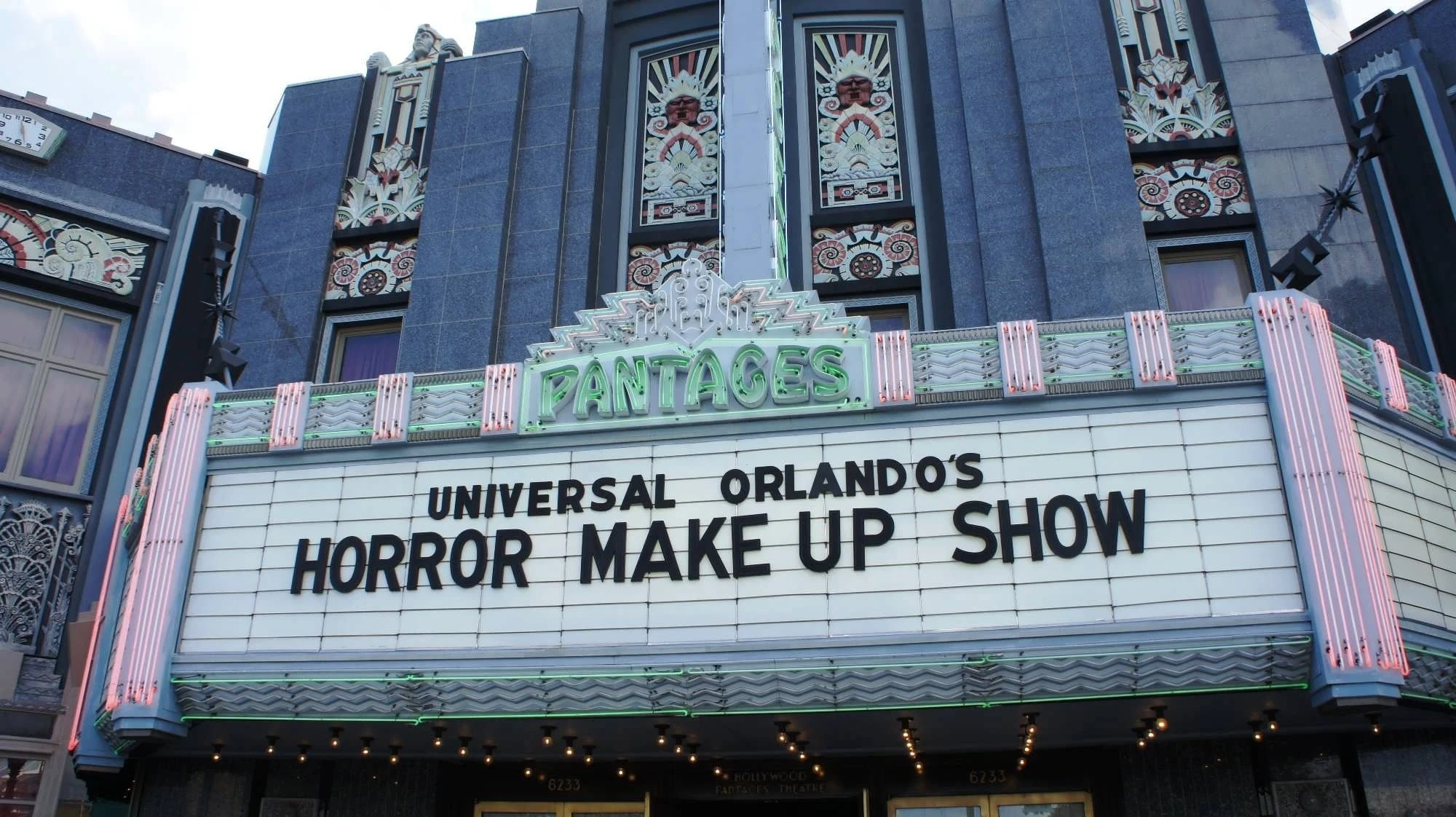
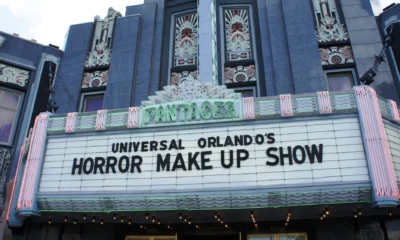
The Horror Make-Up Show at Universal Studios Orlando has closed its doors after 36 years of entertainment. But not permanently.
The long running show that combines horror, comedy, and interactive demonstrations is next in line for a makeover at the Florida theme park. Besides the E.T. Adventure, The Horror Make-Up Show is the only other remaining attractions at Universal Orlando from its opening day.
A Brief History of the Make-Up Show
The idea for the show originated from an attraction at Universal Hollywood called The Land of A Thousand Faces. Land ran from 1975-1979. The twenty minute show entertained an audience of up to 1,700 visitors in an open air venue. The show taught the audience about movie makeup. Additionally, two volunteers were chosen to be transformed into the Frankenstein monster and his bride.
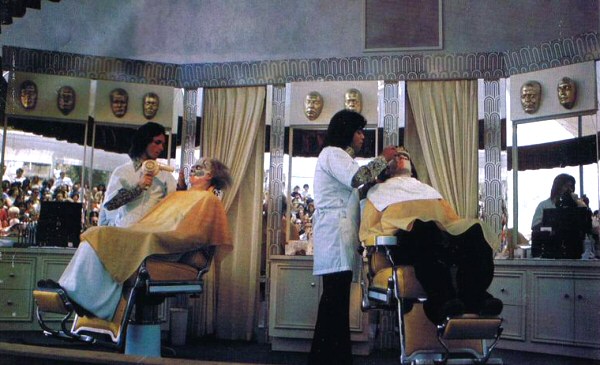
Despite the show’s popularity, The Land of A Thousand Faces was closed to make room for a new experience at Universal Studios Hollywood.
An Era of Gods and Monsters
Lon Chaney
Explained with movie clips, Universal’s Horror Make-Up Show explains the humble beginnings of makeup and special effects in horror movies. Starting with the classic Universal monsters such as Frankenstein’s Monster, The Hunchback of Notre Dame, and The Phantom of the Opera, this era heavily features the work of Lon Chaney.
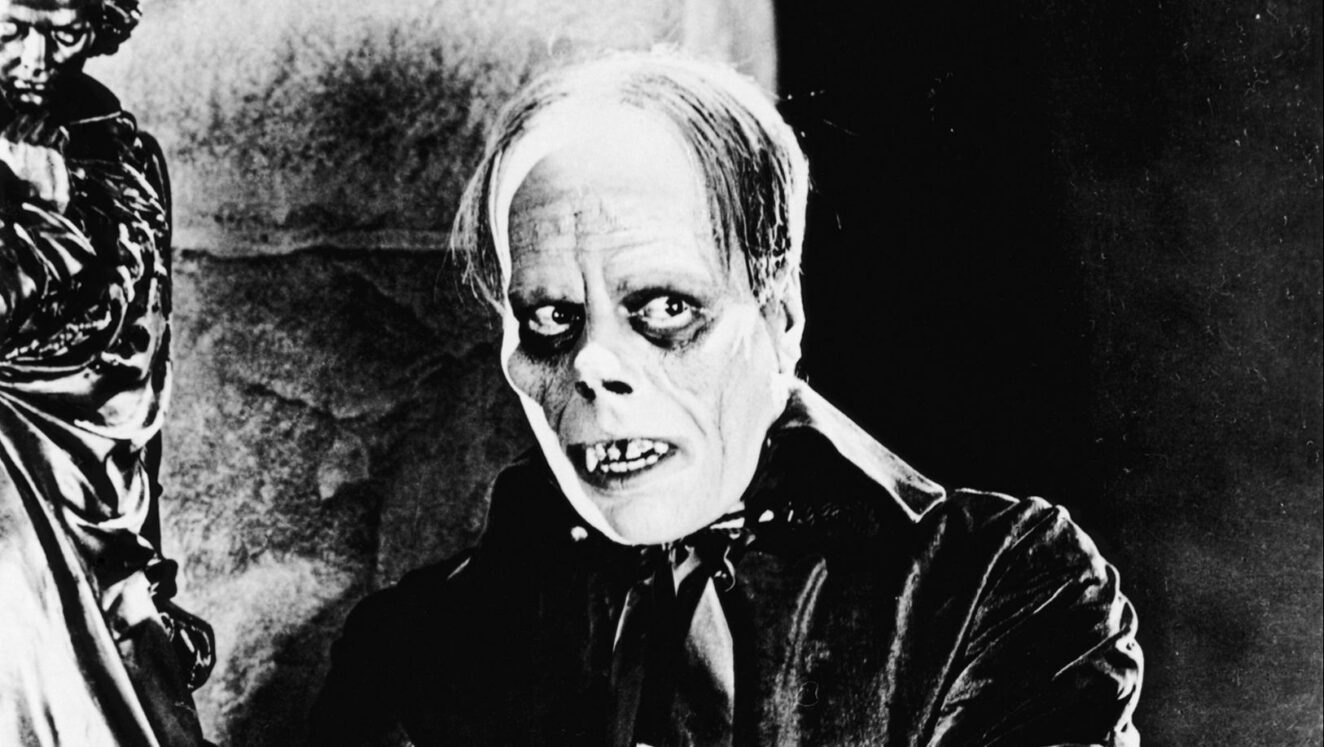
Lon Chaney’s contribution to the world of horror makeup greatly impacted the industry for decades to come. Many of his creations were the results of self experimentation. In fact, his extreme dedication to his craft earned him the nickname “The Man of 1,000 Faces”.
While we do know how he did some of his makeup effects, Chaney took many of these secrets with him to the grave when he died in 1930.
Rick Baker
Another important name in the industry that Horror Make-Up mentions is Rick Baker. Baker created the incredible werewolf transformation in An American Werewolf in London (1981). It was his work in this movie that earned him his first Academy Award for Best Make-up in 1982. This would be the first win for the make-up artist in a long line of achievements.
Perhaps Baker’s second highest achievement was his work in Michael Jackson’s music video Thriller. Baker’s make-up transforms the pop singer into a werewolf among a hoard of zombies. The makeup artist even makes a cameo in the video as one of the undead.
Other movies Baker helped bring to life with his craft include; The Howling, Men in Black, and The Wolfman (2010).
A Blending of Technologies
As seen in An American Werewolf in London, Rick Baker did not only use prosthetics to create horror movie magic. Baker and his team designed the animatronics and “change-o” heads, limbs, and other props to create the groundbreaking transformation from man to werewolf.
The combination of prosthetics placed directly onto the actor in combination with robotics began the blending of technologies used to create the next generation of monsters.
The Horror Make-Up Show continues its education of the genre as technology expanded into the computer era. The final clips shown on screen demonstrates the latest evolution of horror make-up in Universal’s The Mummy (2017).
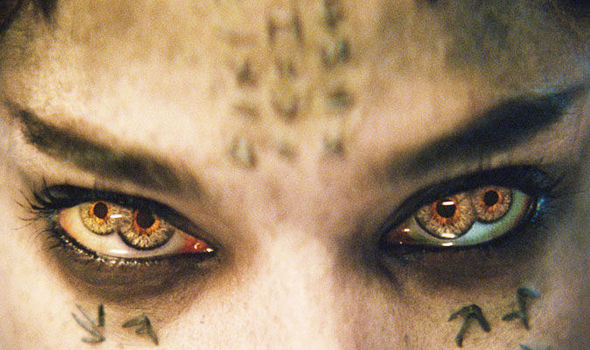
Computer generated imagery is layered over physical practical effects to create the amazing hieroglyphics covering the character of Ahmanet, played by Sofia Boutella. It is the partnering of these two technologies that the host of the show claims creates the best and most convincing effects in modern day horror.
Moving Forward
Hardcore horror movie fans of the Horror Make-Up Show will be some of the first to say while entertaining, the show is indeed outdated. The names Lon Chaney, Rick Baker, Dick Smith, and Tom Savini certainly deserve to be immortalized in horror history. However, there is so much new blood that should be acknowledged for their contributions to the genre that continues to propel it forward.
Artists such as Damien Leone (Terrifier), Greg Nicotero (The Walking Dead), Todd Masters (Final Destination), and Eryn Krueger Mekash (American Horror Story) are all examples that have continued the evolution of visuals in the genre.
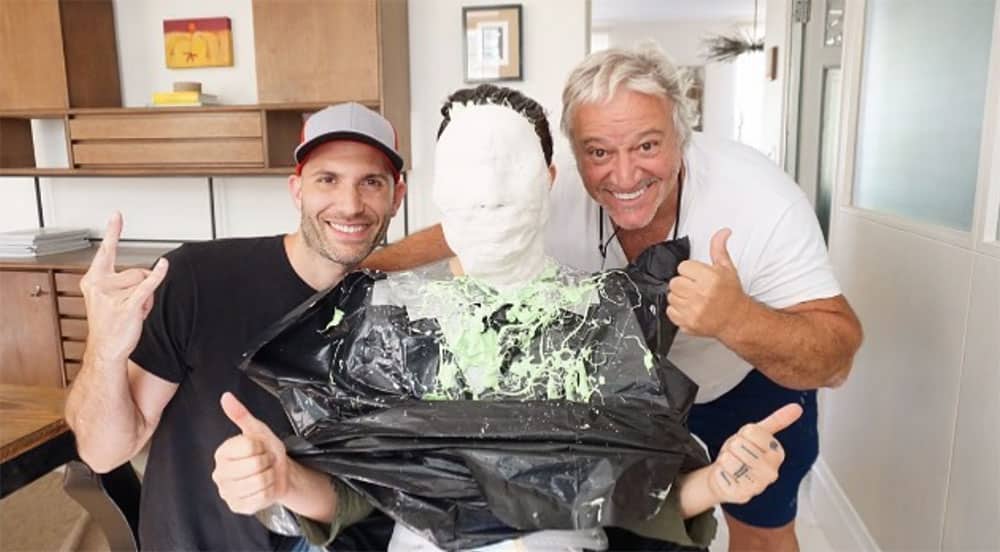
As touched upon in the original Make-Up Show, the best results in movies is when practical effects are blended with computer generated effects. Using just one style versus the other runs the risk of looking “too fake.” Using both techniques can also be more budget friendly and less time consuming for the actor in the make-up chair during the creation process.
The Future of the Horror Make-Up Show
Universal Studios Orlando is expecting to re-open their doors to the new Horror Make-Up Show during the winter of 2026. However, they have not yet announced what changes will be made, or what the future show will look like. The most the theme park has announced is the show will be:
“featuring classic and modern horror properties along with shockingly fun surprises – all while staying true to the comedic and irreverent vibe that guests love.”
What were your favorite moments of Universal Orlando’s original Horror Make-Up Show, and what do you hope they bring to the table when they reopen? Let us know in the comments!
News
Koji Suzuki Built the Well. The Author of ‘Ring’ Trilogy Dies at 68
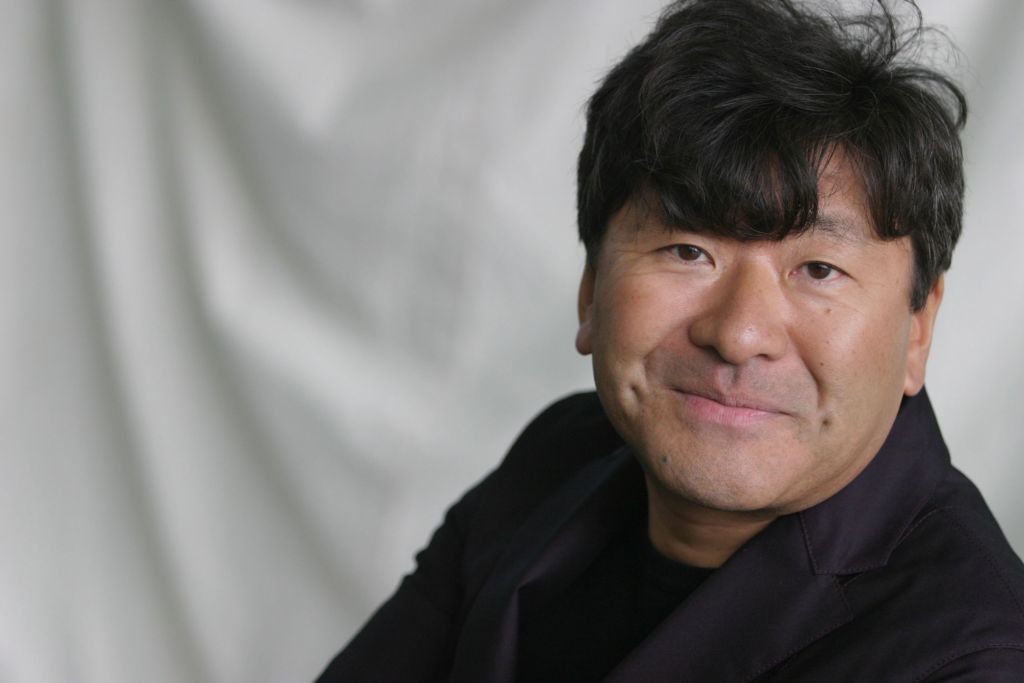
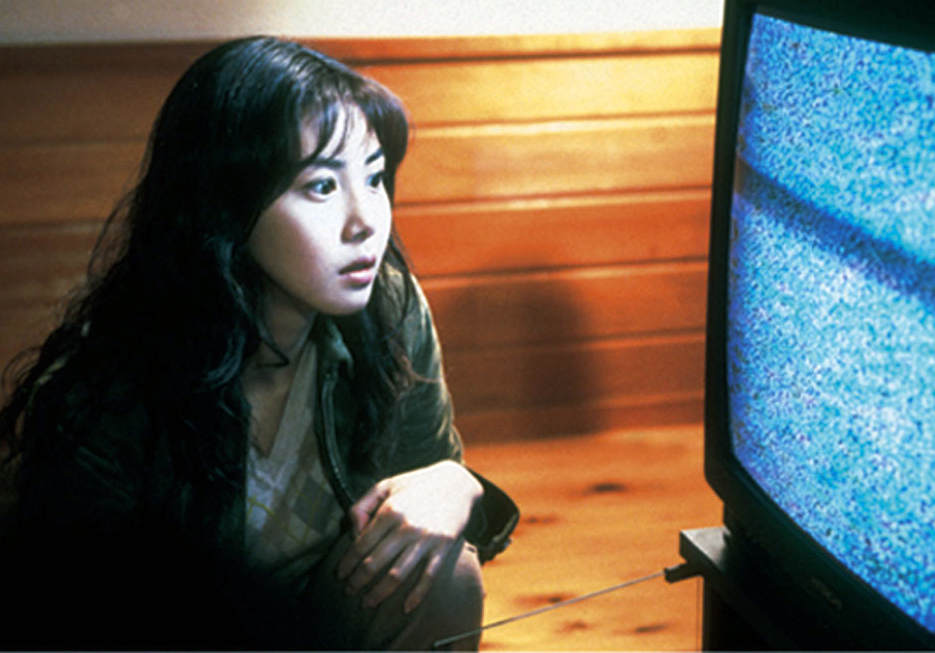
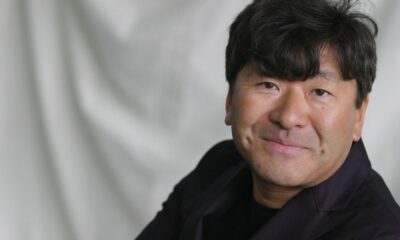
There is a specific kind of damage Ringu does to you, and it is entirely the phone call’s fault. You get through the whole movie thinking you are watching it from outside, and then Sadako’s voice comes through the receiver, and you realize you were inside it the whole time. Koji Suzuki, who wrote the 1991 novel that started all of this, died May 8 at a hospital in Tokyo. He was 68.
The premise fits on a napkin. There is a cursed videotape, you watch it, a phone call tells you that you have seven days. What Suzuki actually built inside that premise is harder to shake than the premise itself. Sadako is not a slasher villain. She is not hunting you because you wronged her. She is the embodiment of a child who was dropped into a well and has been there ever since, and the curse moving out from her is not really about revenge. It is about the impossibility of forgetting that something terrible happened and nobody came. You cannot outrun a concept like that. You can only try to understand it before the seven days are up.
What He Built
Ring came out in Japan in 1991. Spiral followed in 1995 and immediately went somewhere people who thought they had the series figured out were not expecting, pushing the mythology into science fiction territory that still catches readers off guard. It won the Yoshikawa Eiji Prize for New Writers. Loop completed the trilogy by becoming a meditation on simulation, biology, and what memory actually is, none of which you would expect from a book that started with a videotape.
Suzuki was not a writer who wanted to do the same thing twice. His 1996 collection Dark Water was adapted into a well-regarded Japanese horror film in 2002 and an American remake with Jennifer Connelly in 2005. The story in that collection about the water tank on the roof of the apartment building is one of the most quietly devastating things in his bibliography. The man knew how to use one small wrong detail.
What It Became
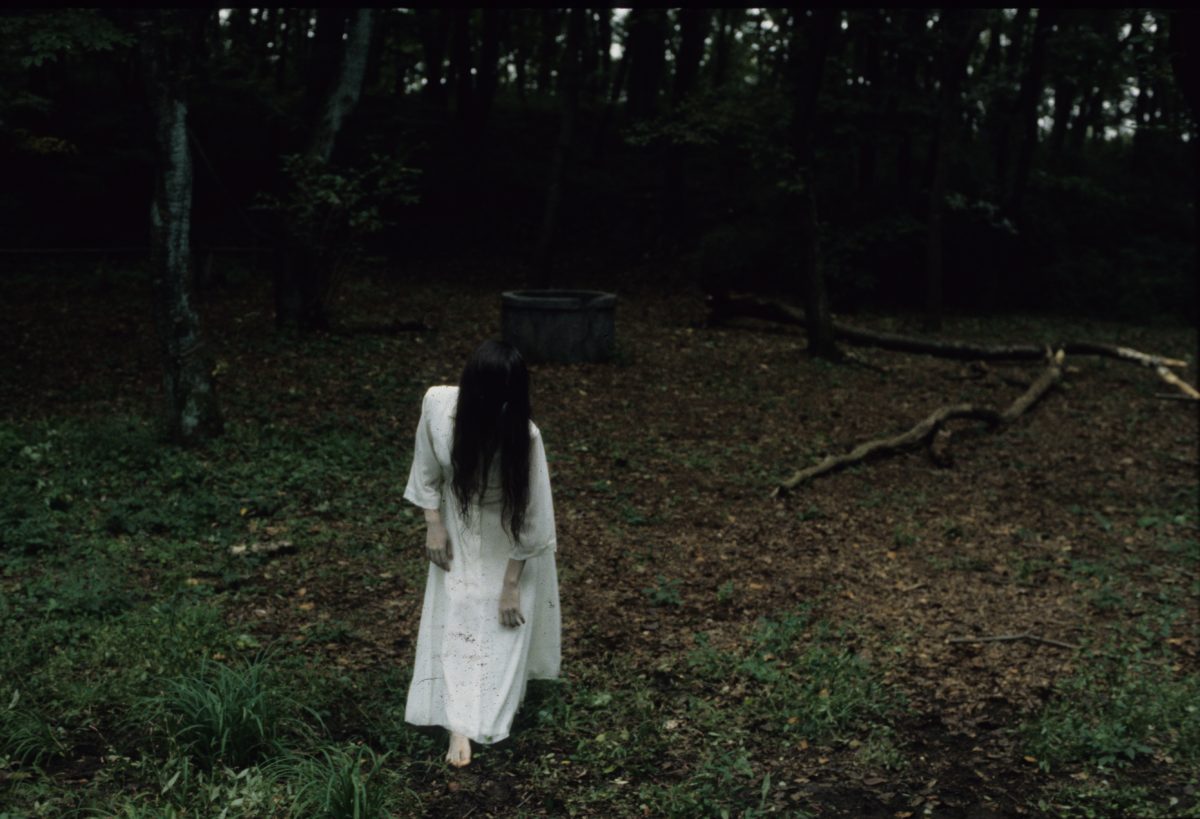
Hideo Nakata turned Ring into Ringu in 1998 and something got loose. American horror had spent the 1990s being very clever about how clever it was, doing the Scream thing, making sure you knew it knew the rules. J-Horror walked in from a completely different direction and did not know what a knowing wink was. It was slow and sincere and interested in grief and possession and the residue violence leaves in physical spaces long after the people involved are gone.
Kiyoshi Kurosawa’s Pulse, Takashi Shimizu’s The Grudge, Higuchinsky’s Uzumaki: the entire movement traces back to the ground Suzuki’s novel prepared, and Sadako crawling out of that television became one of the most recognizable images in horror’s last fifty years.
Gore Verbinski made The Ring in 2002 and ensured that anyone who had somehow missed the Japanese original was now on board. Two separate horror renaissances on two different continents inside a decade is not a record that gets broken easily.
What He Meant
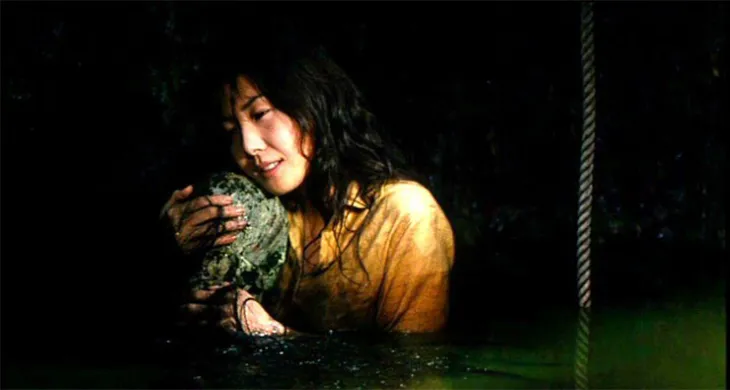
Horror has a short list of writers who actually changed what the genre thought it was allowed to do. Suzuki is on that list. Every cursed-content story since, every found footage premise, every creepypasta, every haunted stream, every piece of internet horror built on the idea that something terrible is already moving through the medium you are currently inside: all of it lives downstream from what he started. He wrote a novel about a videotape and it turned out to be about something much harder to shake than a videotape.
He received the Shirley Jackson Award for Best Novel in 2012 for Edge. The Horror Writers Association gave him the Bram Stoker Lifetime Achievement Award in 2022.
Sadako is still in the well.
News
This Week in Horror: The Genre Says Goodbye to Jonathan Tiersten
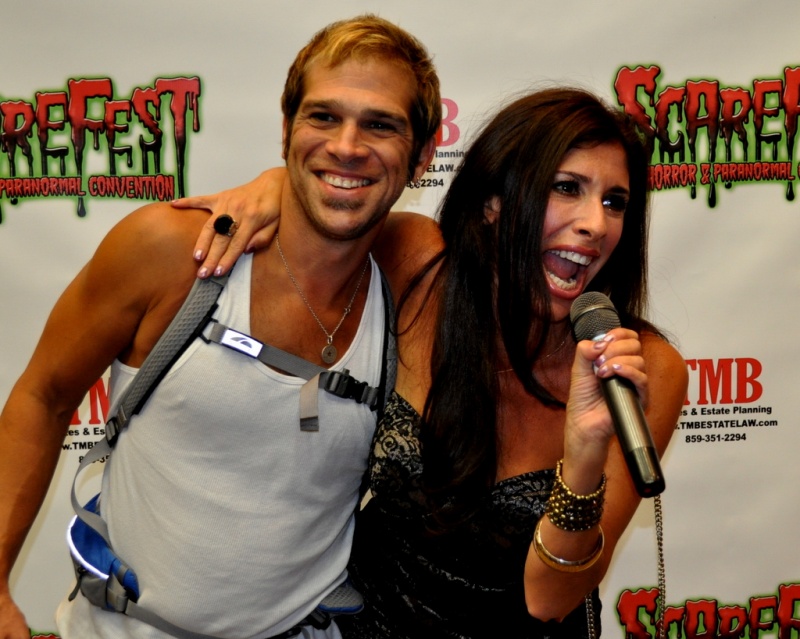
Not the lightest week the genre has had. Jonathan Tiersten is gone. Zach Cregger just showed what he did with Resident Evil. Cape Fear dropped its full trailer, Dev Patel got to stream for free, and a Japanese liminal horror adaptation quietly landed on digital. A lot happened. Here is all of it.
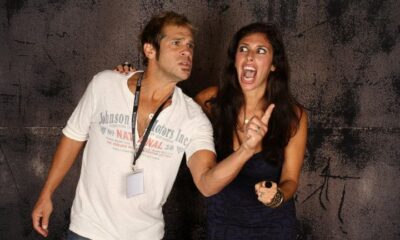
Jonathan Tiersten, 1965-2026
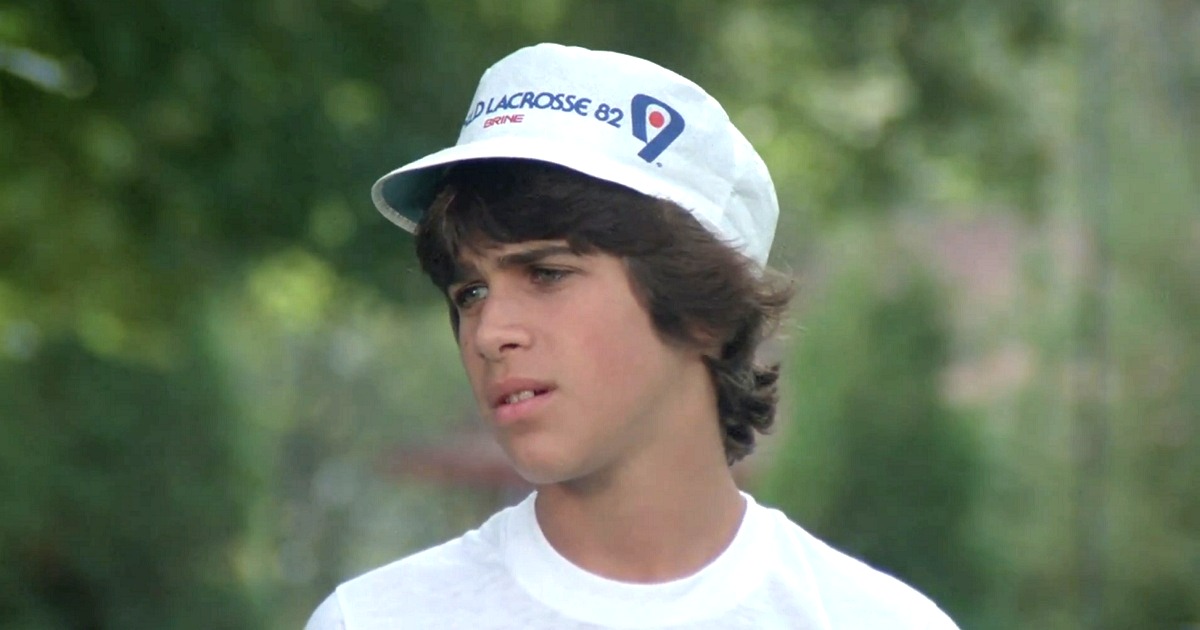
Jonathan Tiersten, who played Ricky Thomas in the 1983 cult slasher Sleepaway Camp, died at 60 at his New Jersey home. The announcement came May 5. The cause of death has not been officially confirmed.
Sleepaway Camp is one of those films the genre holds in a very specific kind of regard. Low budget, summer camp, standard slasher setup, and then a finale that has been showing up in “best horror endings” conversations for over forty years. Tiersten’s Ricky is the emotional spine of the film.
He is the cousin trying to protect Angela while the camp turns dangerous around them, and he played it with genuine investment in a way that a lot of low budget horror of that era did not bother to require of its performers.
The horror community is not small, and it does not forget the people who were part of something it loves. Sleepaway Camp is one of those films that impacts conversations about gender and autonomy in a way the original creators would have never imagined. Tiersten will always be remembered, not only for his acting, but also for being a part of something so much bigger than himself.
Zach Cregger Shows What He Did with Resident Evil
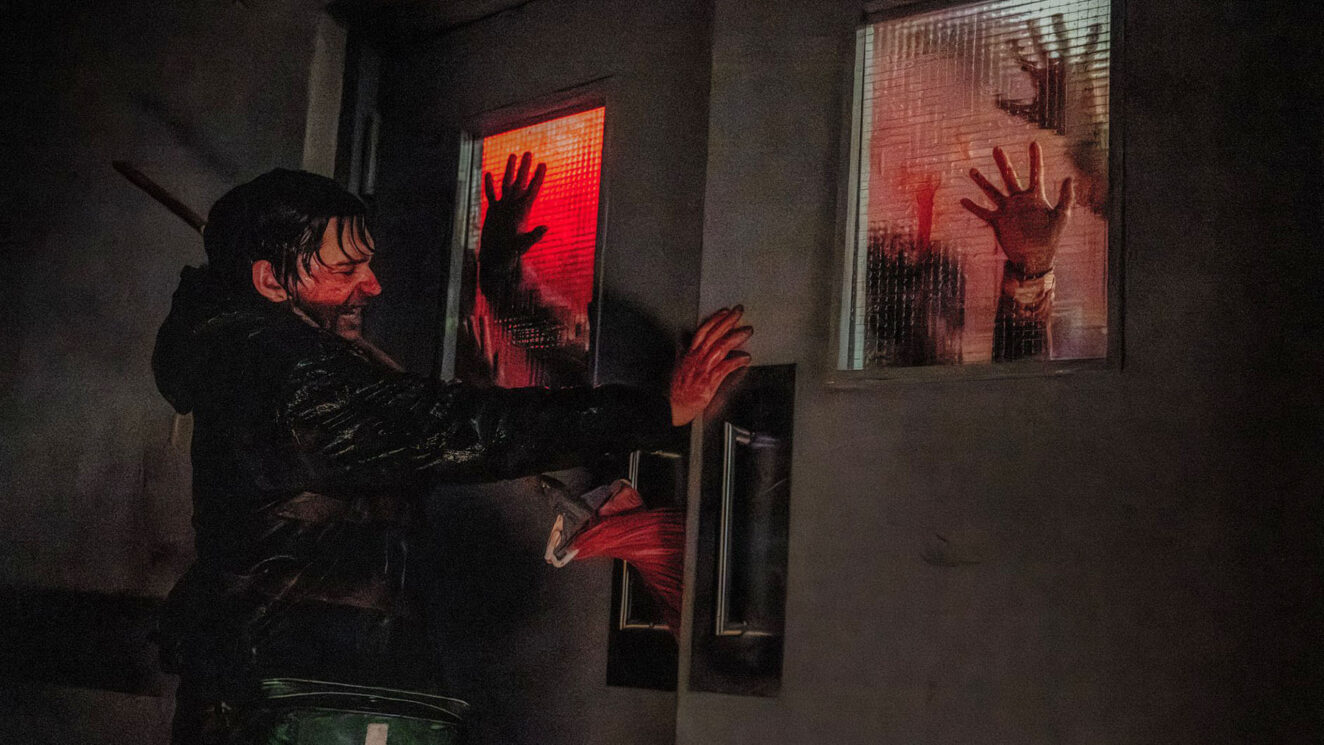
The trailer for Zach Cregger’s Resident Evil is out, and it has his fingerprints all over it.
Cregger directed Barbarian, a film that works in all the ways it probably should not have, and Sony gave him the next major Resident Evil adaptation. The film stars Austin Abrams as a medical courier who arrives in Raccoon City during the outbreak and does not yet know how screwed he really is.
Resident Evil opens September 18 in theaters and IMAX.
The Cape Fear Trailer
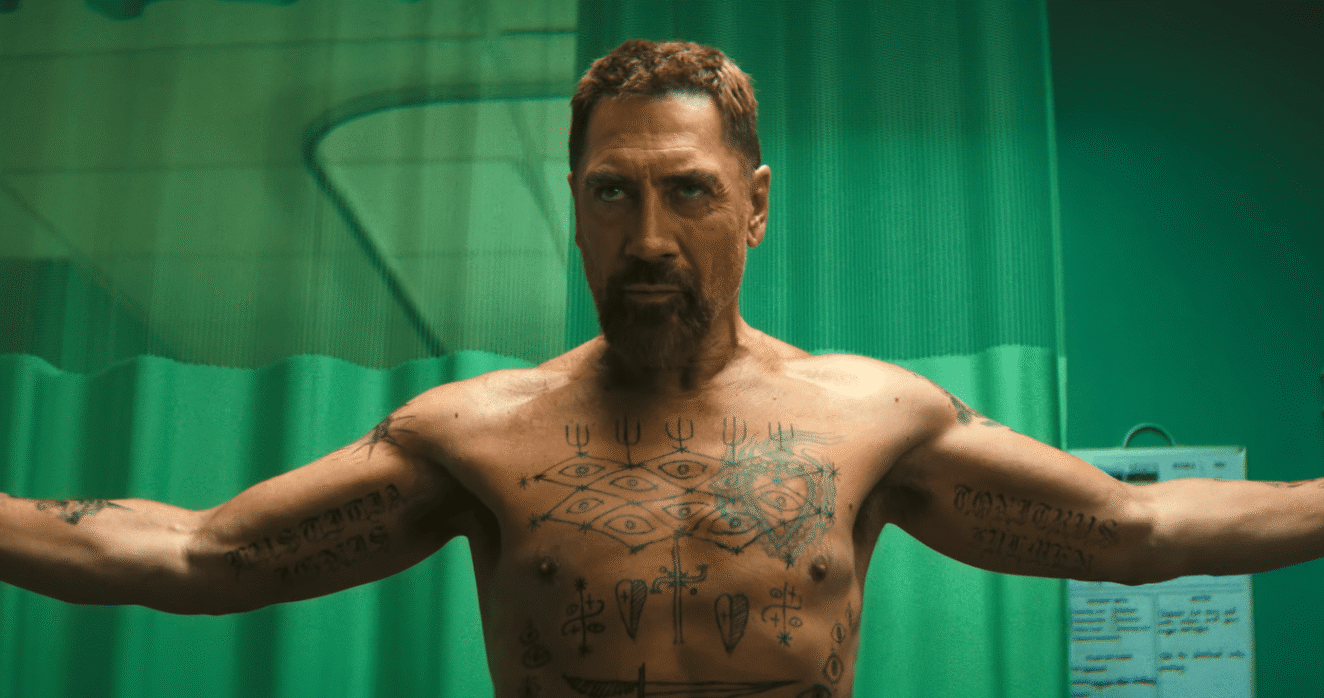
Apple TV+ dropped the full Cape Fear trailer on May 7. Ten episodes. Amy Adams and Patrick Wilson as the Bowden attorneys. Javier Bardem as Max Cady, the killer they helped put away who is now out of prison and looking for them specifically. Bardem is also an executive producer on the series, which means the version of Max Cady on screen is one he had a hand in shaping before cameras rolled.
First two episodes June 5 on Apple TV+, then weekly through July 31.
Rabbit Trap Is Free on Pluto TV
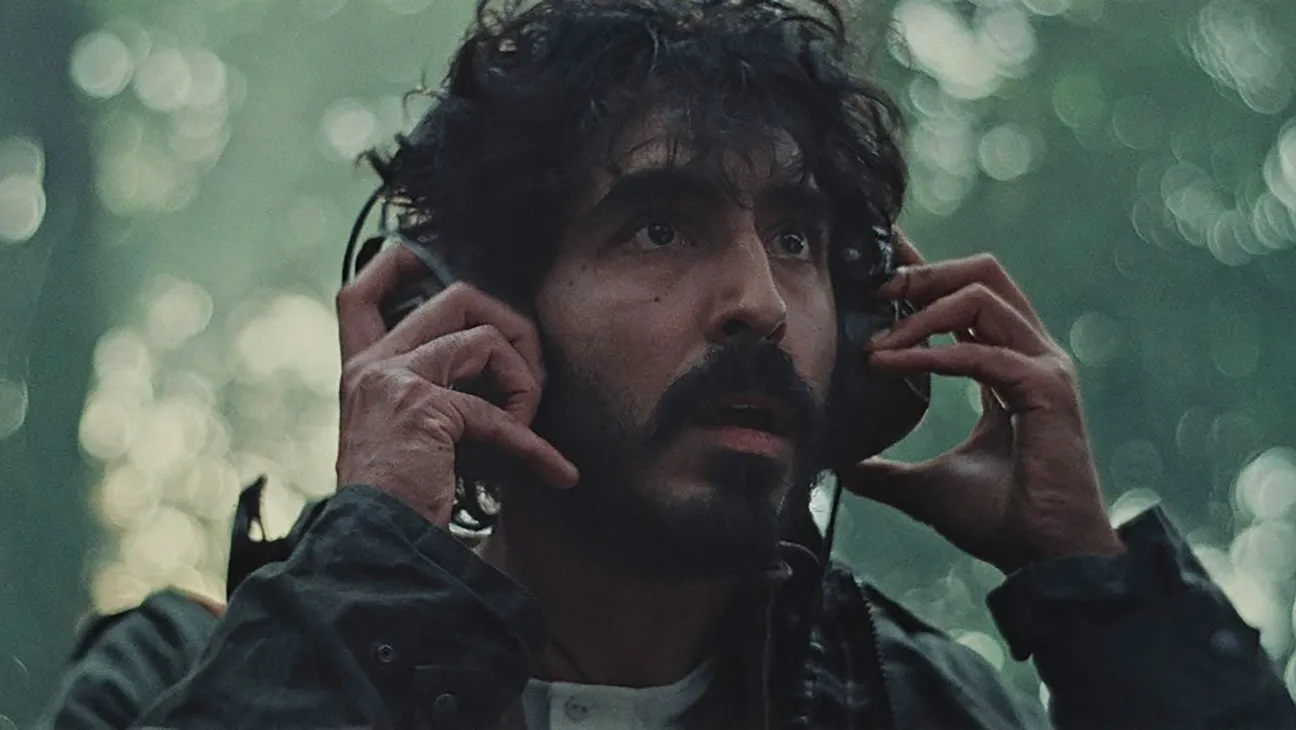
Dev Patel’s Welsh folk horror Rabbit Trap is streaming free on Pluto TV until May 31. Written and directed by Bryn Chainey, produced by Elijah Wood’s SpectreVision, the film is set in 1976 and follows a couple who relocate to an isolated cabin in Wales, disturb a fairy ring, and are visited by a mysterious child who does not have good intentions. Rosy McEwen and Jade Croot co-star with Patel. It is free on Pluto TV until May 31.
Exit 8 Hits Digital
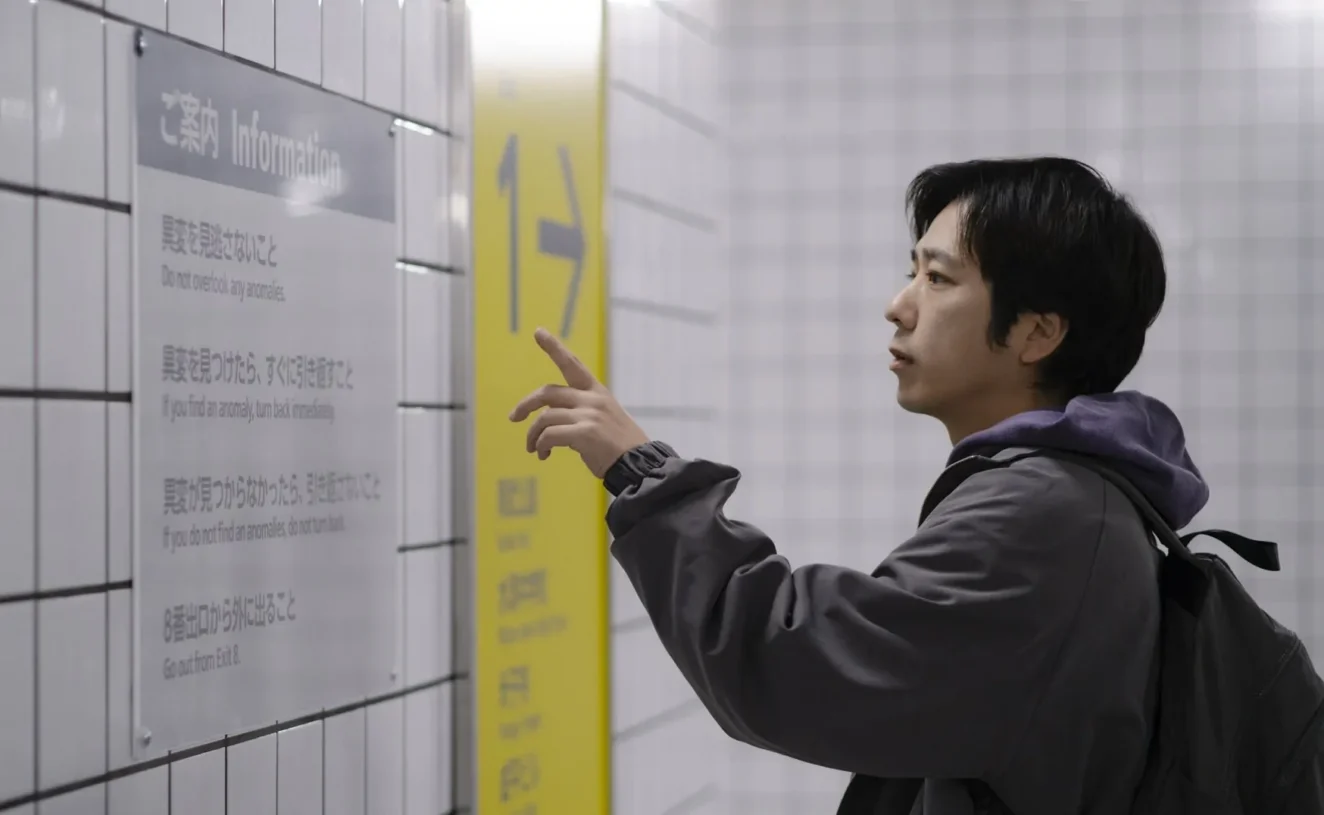
Exit 8 is on digital now via Neon. Directed by Genki Kawamura and based on the liminal horror video game by Kotake Create, it world-premiered in the Midnight section at Cannes 2025 to an eight-minute standing ovation. The film follows a man trapped in an endless sterile subway corridor searching for the exit. It holds a 92% on Rotten Tomatoes and is the cleanest possible encapsulation of a very specific internet-era dread.


Horror Coming to Streaming in May 2026: Shudder Is Doing the Most and Netflix Finally Showed Up

Evil Dead Burn Looks Like the Most Violent Family Reunion You’ll Ever Attend

_CIVILIAN Is the Micro-Series That Proves You Don’t Need Much to Make Something That Matters

Breaking Down the First Minute of ‘The Vampire Lestat’ Official Trailer: What It Reveals About Season 3

Jessica T Deveraux Got Possessed At Her Own Bar In New Film ‘Key of Bones’

The Cape Fear Trailer Is Here. Javier Bardem Built It.

iHorror Exclusive Clip: ‘Obsession’ in theaters May 15th

This Week in Horror: The Genre Says Goodbye to Jonathan Tiersten

Sleepaway Camp Knew Before I Did: The Legacy Johnathan Tiersten Left on Queer Media

Koji Suzuki Built the Well. The Author of ‘Ring’ Trilogy Dies at 68

Panic Fest 2026 Review: ‘Creature Of The Pines’ Is An Interesting Found Footage Horror That Walks A Beaten Path

Jonathan Tiersten’s Greatest Role, and it isn’t Sleepaway Camp

Ready or Not 2: Here I Come Blu-ray Review: Buy It for Samara Weaving

Universal’s Horror Make-Up Show Ends 36 Year Run

Self Driver Runs Out of Road

10 J-Horror Films to Watch After Losing Koji Suzuki
Sleepaway Camp Knew Before I Did: The Legacy Johnathan Tiersten Left on Queer Media
Koji Suzuki Built the Well. The Author of ‘Ring’ Trilogy Dies at 68
This Week in Horror: The Genre Says Goodbye to Jonathan Tiersten

Panic Fest 2026 Review: ‘Jump Scare’ Is A Metal As Hell Kick To The Skull!
Jessica T Deveraux Got Possessed At Her Own Bar In New Film ‘Key of Bones’
The Cape Fear Trailer Is Here. Javier Bardem Built It.
-
 News6 days ago
Jessica T Deveraux Got Possessed At Her Own Bar In New Film ‘Key of Bones’
-
 News6 days ago
The Cape Fear Trailer Is Here. Javier Bardem Built It.
-
 News6 days ago
This Week in Horror: The Genre Says Goodbye to Jonathan Tiersten
-
 Editorial4 days ago
Sleepaway Camp Knew Before I Did: The Legacy Johnathan Tiersten Left on Queer Media
-
 News4 days ago
Koji Suzuki Built the Well. The Author of ‘Ring’ Trilogy Dies at 68
-
 News6 days ago
Panic Fest 2026 Review: ‘Jump Scare’ Is A Metal As Hell Kick To The Skull!
-
 Lists3 days ago
10 J-Horror Films to Watch After Losing Koji Suzuki
-
 News1 day ago
Universal’s Horror Make-Up Show Ends 36 Year Run
You must be logged in to post a comment Login