Movie Reviews
Review: ‘Let Us In’ Is a Fun But Flawed Sci-Fi Horror For Younger Fans
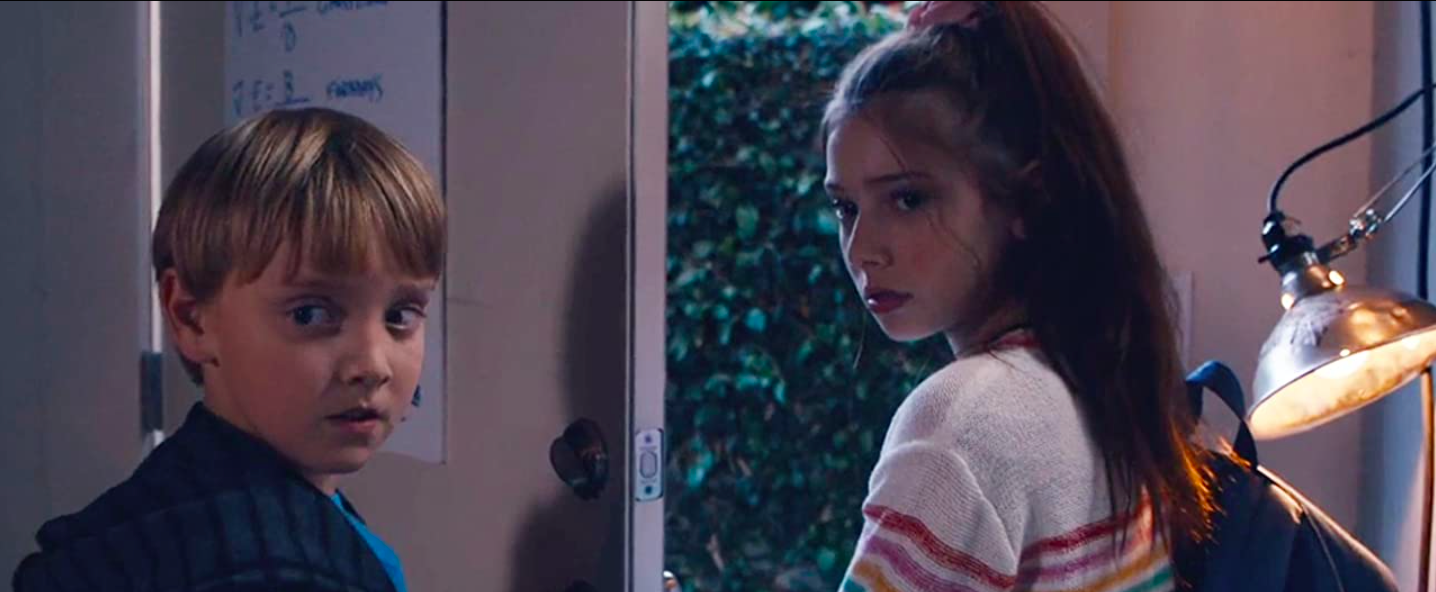
Every part of this country is crawling with local legends and folk monsters. You got Mothman in Virginia, The Lake Champlain Monster in Vermont, and Bigfoot is everywhere. In more esoteric circles and a bit more modern tales, there’s The Black Eyed Children. Allegedly, they’re groups of pale kids that usually look like teenagers and appear at night with hoodies and sunglasses. They’ve been known to harass people or invade homes and kidnap people. Needless to say, a fascinating and creepy modern nightmare creature is a good basis for a horror movie.
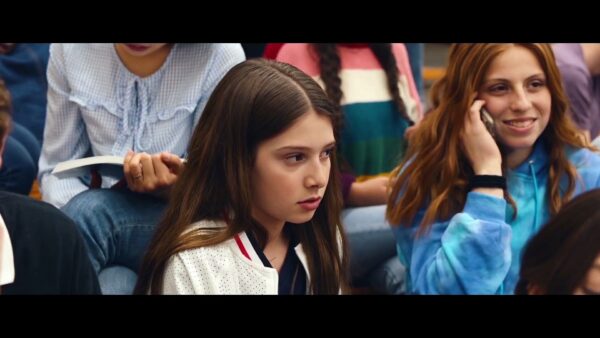
Image via IMDB
Let Us In takes place in a small town where Emily Sparks (Makenzie Moss, The Unicorn) is trying to readjust after the tragic death of a friend. She’s an outcast who is bullied by the popular kids and works hard on science experiments with the equally gifted Christopher (O’Neill Monahan, Killer In Law) to try and win a big prize and a trip to Cape Canaveral. But when she’s attacked by a gang of Black Eyed Kids demanding “Let Us In” and many of her friends and fellow students are getting abducted, she must put her skills to the test and try to find a way to stop them. The key possibly residing with local neighborhood boogeyman “Mean” Mr. Munch (Tobin Bell, SAW) and the town’s history.
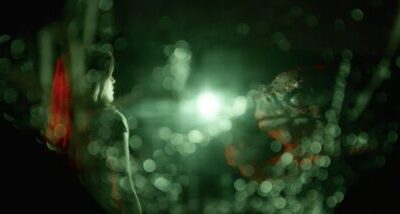
Going in, I wasn’t sure what to expect from a movie like this but it definitely skews toward a younger audience than I initially imagined. In terms of style, it’s like a feature length Goosebumps or Are You Afraid Of The Dark? episode and in-line with something like The Monster Squad. There is some violence including limbs getting broken by the nefarious Black Eyed Children, but bloodless for the most part and with no overt gore. Which is not to say there are no scares, some of the sequences of the assaulting BECs and home invasions including one by ceiling window were good shocking moments. Unfortunately, the plot lines between Emily’s every day life and the overarching mystery don’t mesh quite as well. They don’t connect for a large chunk of the movie and interest in the Black Eyed Children is far bigger than seeing Emily and her friends go about their day. Especially when the dialogue is oversaturated with slang and catchphrases, making things a little awkwardly paced.
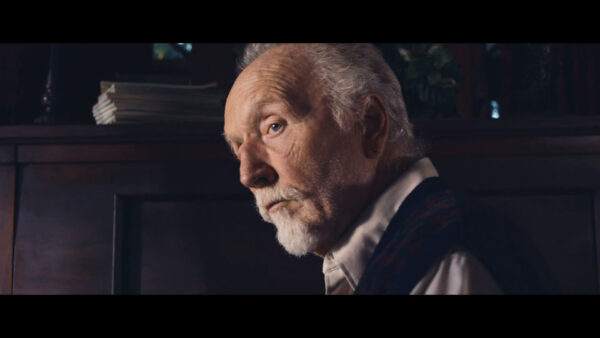
Image via IMDB
Tobin Bell is highlighted as a member of the cast, but like many independent projects he’s been attached to, his screen time is sadly minimal. But what scenes they are! Without going too deep into it, Bell as Mr. Munch has an incredible scene involving him playing piano. His character is the typical ‘old guy who knows what’s really going on’ in a horror movie, but it’s a role he plays well and one of the most engaging scenes in the movie. When he’s not ominously on his porch or tending his line.
The rest of the cast are decent and help fill out the story. Moss and Monahan have a good dynamic as best friends Emily and Christopher and do a great job of displaying genuine terror when stalked by the insidious Black Eyed Children. The BEC themselves are kind of eerie though undercut by their stiff performances and whenever they’re supposed to have ‘funny’ dialogue with the other kids.
Overall, Let Us In is an indie young adult horror effort that probably won’t go over as well with older audiences and especially more veteran horror fans, but it does seem like the kind of movie that would be a good start for younger viewers wanting to dip their toes into tales of terror.

Let Us In is available for rental/purchase VOD and Digitally.
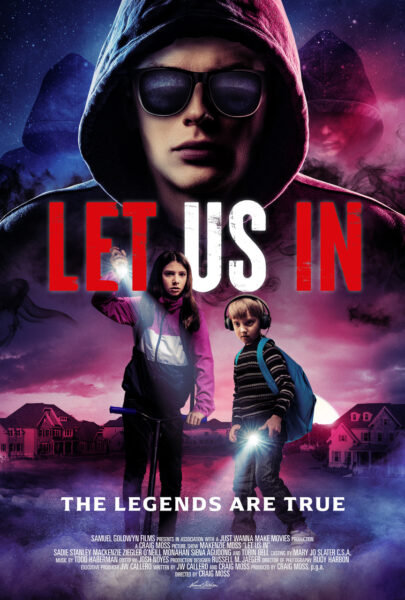
Image via IMDB




Movie Reviews
Ready or Not 2: Here I Come Blu-ray Review: Buy It for Samara Weaving
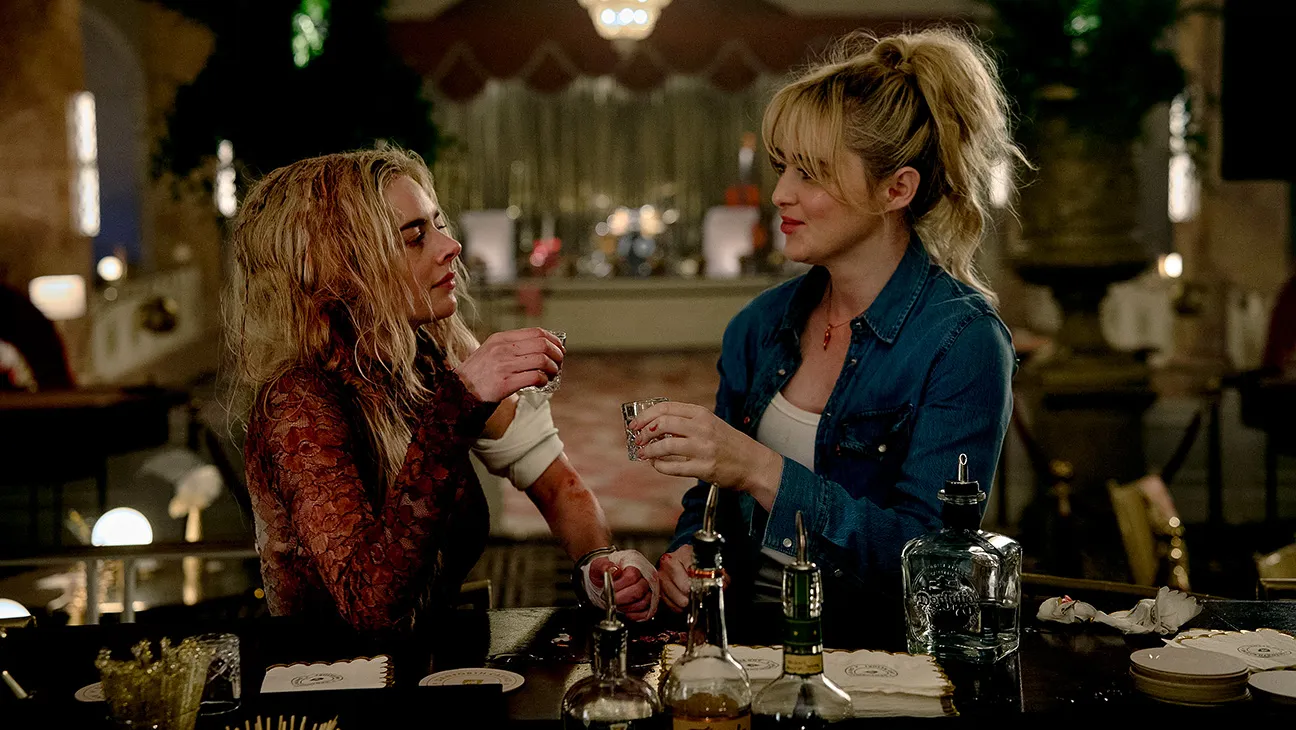
The original Ready or Not ended exactly the way it needed to. Grace standing in the smoking wreckage, covered in blood, finally free, and then the credits roll before you can breathe. It is one of the cleanest endings in modern horror comedy. I have recommended that film to everyone I know who will sit still long enough to watch it, and I will keep doing that until I run out of people.
That ending is also the reason every sequel to a film like that walks into a wall before it even starts. You cannot top it. You can only try to justify the next chapter. The question with Ready or Not 2: Here I Come is not whether it is as good as the first film. It is not. The question is whether it earns its own place in the room.
The Game Gets Bigger. Messier. Longer.
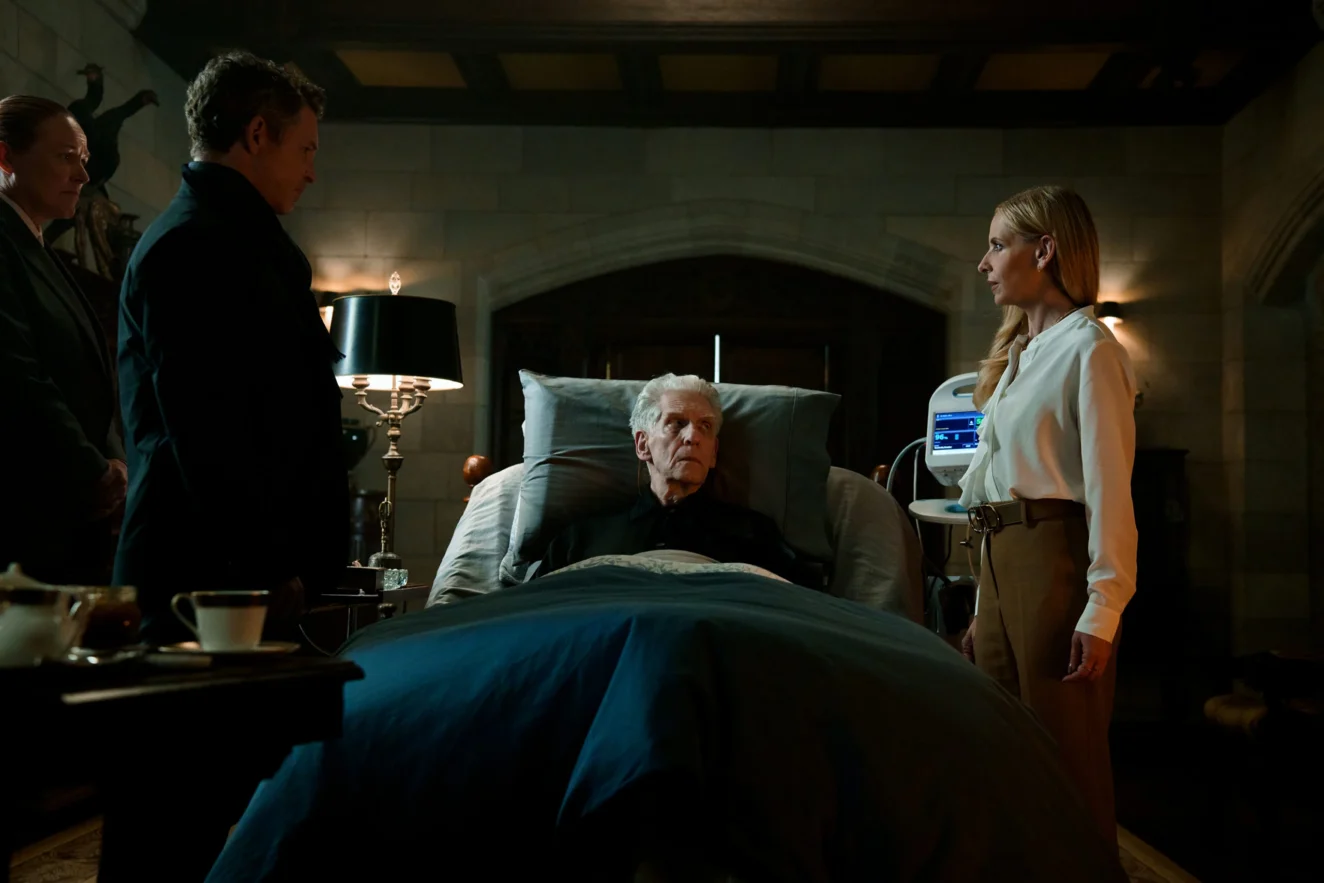
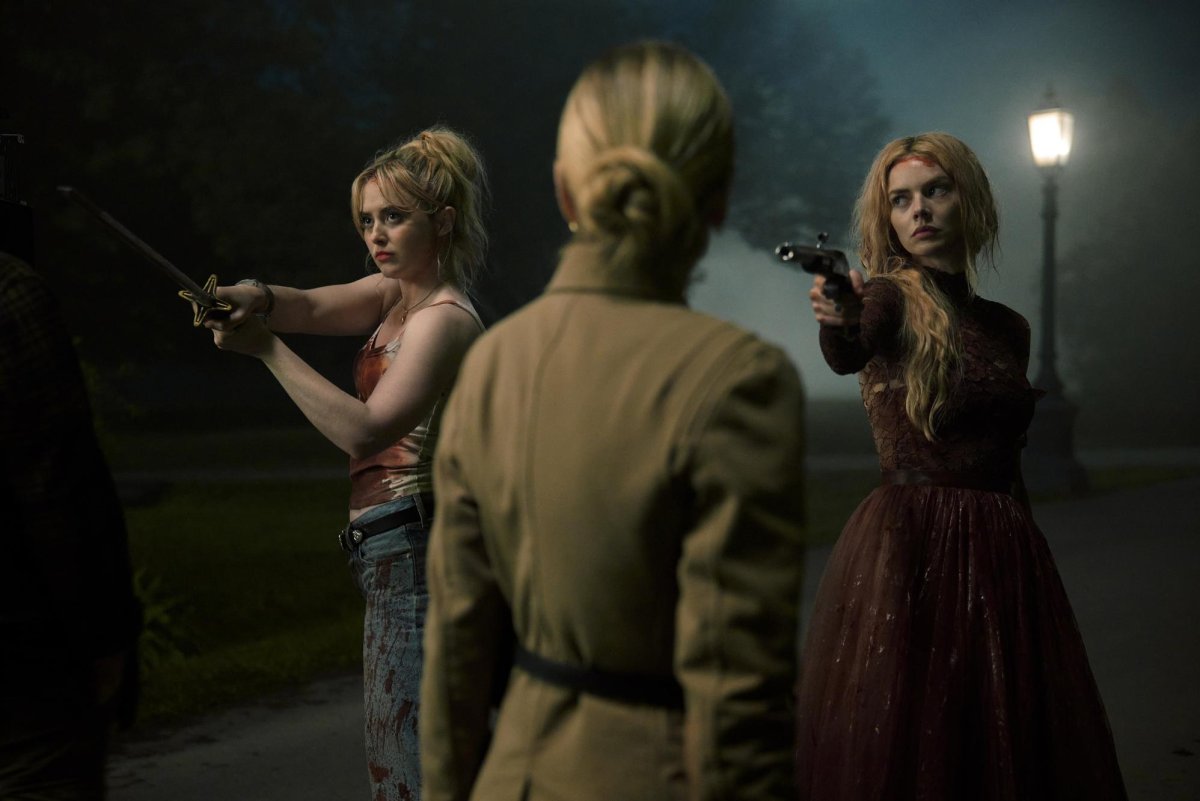
Matt Bettinelli-Olpin and Tyler Gillett pick up exactly where they left off. Grace is still reeling. She is also, almost immediately, back in a game she never asked to play. This time with her estranged sister Kathryn Newton at her side and four rival families hunting them both for the High Seat of the Council. The stakes are bigger, the mythology is expanded, and the body count climbs accordingly.
What the duo does well, they have always done well. They understand that the engine of this kind of film is tension, and that tension and comedy run on the same fuel. Bettinelli-Olpin has said that the goal was always for the audience to not know where a scene is going, whether it is about to be emotional, scary, funny, or all three at once. That instinct is alive and working in the best stretches of this film. There are sequences here that are genuinely, painfully funny in the way the first film was funny, dark and mean.
The problem is the size of it. This film is roughly twenty minutes longer than it needs to be and the extra weight shows in the second half. The first Ready or Not worked in part because it was tight. One house. One night, one terrible house rule. Here I Come stretches the mythology outward and some of it holds and some of it does not. By the time the finale arrives, a few of the threads the film introduced have been quietly abandoned. This is a film that wanted to say more than it had time to finish saying.
It is still fun. I want to be clear about that. It is loud and bloody, and it commits to its own absurdity with the confidence of a film that knows what it is. That counts for something. I just wanted a little more of what the first one was.
You Cast Sarah Michelle Gellar. You Use Her.

Sarah Michelle Gellar is in this movie. She plays Ursula Danforth, a member of the rival coalition hunting Grace down. It is a role with real potential, the right kind of villain for a film like this, the kind that should crackle with energy every time she is on screen.
It does not crackle. This is not Gellar’s fault. She does what the script gives her, and she does it with commitment, but what the script gives her is not enough. You do not cast Sarah Michelle Gellar in a horror comedy and then leave her at the edges of it. Her whole career has been about anchoring exactly this kind of material.
Buffy exists because of what she does with a role like this. The fact that Here I Come does not fully deploy that resource is probably the most frustrating thing about the film. Someone in a future project is going to cast her correctly and the rest of us are going to feel it.
Samara Weaving Is Holding This Together
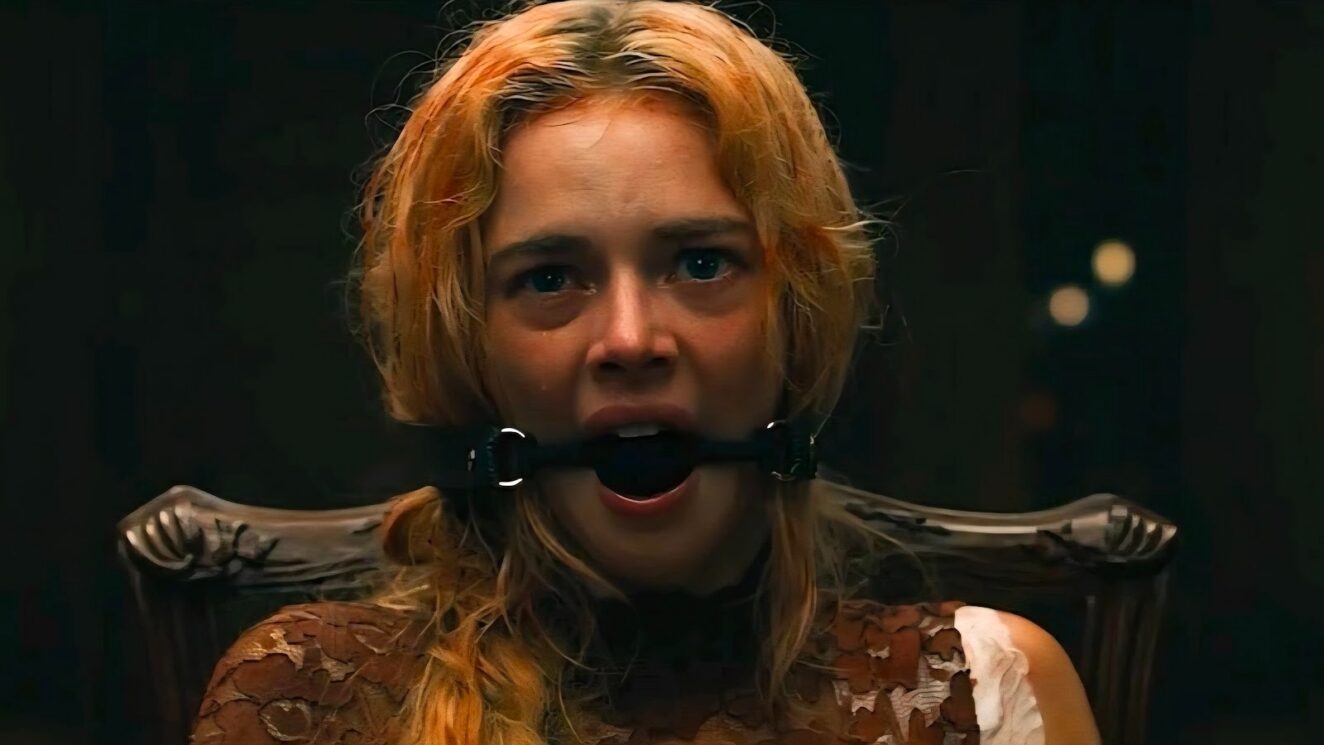
There is one non-negotiable reason to watch this film and her name is Samara Weaving.
She is carrying this movie. Not in the way that lead actors carry a film by anchoring the narrative, she is doing that too, but in the specific way of a performer who refuses to let the material drop below the level her commitment sets. Every scene she is in has a floor. Nothing sags when she is present because she will not let it. Watch how the other actors respond to her in the scenes they share. They step up. She does that to a room.
Her scream in this film is the best single moment in either movie. I will not tell you where it lands or what triggers it. You will know it when you hear it. It does not sound like acting. There is something genuinely dark buried inside of Samara Weaving that the camera catches when she is not thinking about it, something that lives right at the surface of Grace and occasionally breaks through completely. She is the best final girl of this generation and I do not believe that is a close call. Not Jennifer, not Sydney, not any of them. Weaving.
Whatever is living underneath that performance, she keeps it just barely in check. God help the franchise that finally lets it out completely.
Two Audio Commentaries and Why That Matters
Most disc releases give you one commentary track if you are lucky, and it is usually the director talking over their own film for an hour and a half in a way that confirms they made all the choices they made. Here I Come gives you two, and they are genuinely different products.
The first pairs Bettinelli-Olpin and Gillett with Weaving and Newton, the talent track, the one that gives you the room energy of the production. The second is the craft track: directors, writers Guy Busick and R. Christopher Murphy, producers James Vanderbilt and Tripp Vinson, and editor Jay Prychidny sitting down to walk through how the film was actually built. Those are two different experiences and both of them are worth your time.
Ready or Not 2: Here I Come is now on digital via Amazon Prime Video, Apple TV, and Fandango at Home. Blu-ray and DVD arrive on June 16 from Searchlight Pictures. It is a bigger, messier, slightly overstuffed version of the first film, and it is still fun, and Samara Weaving is still the best in the business at this. The bonuses make this one worth owning. Buy it for her. Stay for the extras.
About the Release
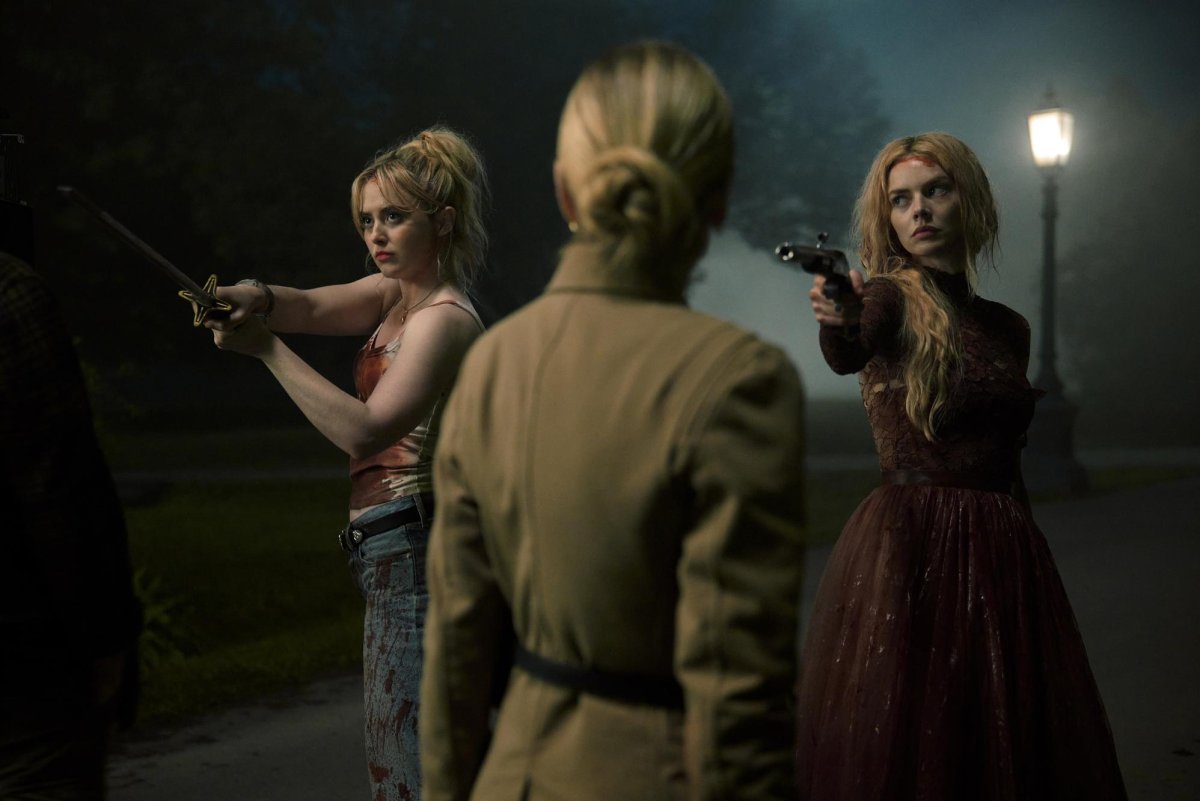
Ready or Not 2: Here I Come is directed by Matt Bettinelli-Olpin and Tyler Gillett (Radio Silence) and written by Guy Busick and R. Christopher Murphy. The film stars Samara Weaving, Kathryn Newton, Sarah Michelle Gellar, Shawn Hatosy, Nestor Carbonell, David Cronenberg, and Elijah Wood. Distributed by Searchlight Pictures. Verified Hot on Rotten Tomatoes with a 90% Popcornmeter score.
The Game Goes On: The Making of Ready or Not 2 (4-part featurette) — Part 1: Written in Blood / Part 2: Casting the Chaos / Part 3: Designed for Destruction / Part 4: Blood, Guts, and Practical Mayhem. Rules of the Game. Gag Reel. Audio Commentary by the directors with Samara Weaving and Kathryn Newton. Audio Commentary by the directors with writers Guy Busick and R. Christopher Murphy, producers James Vanderbilt and Tripp Vinson, and editor Jay Prychidny.
Available now on digital. Blu-ray and DVD June 16 from Searchlight Pictures.
Movie Reviews
Self Driver Runs Out of Road
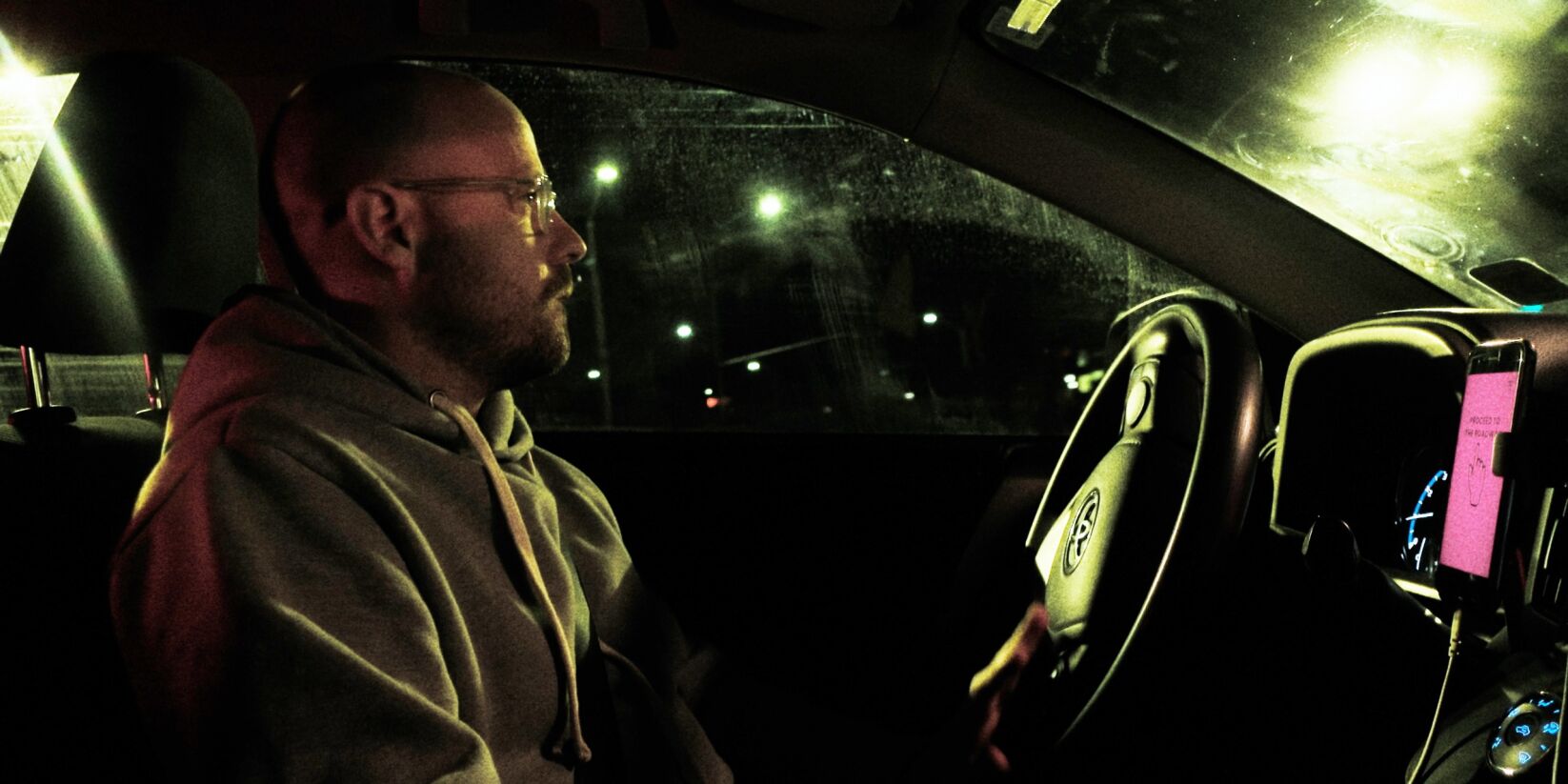
Every few years someone makes a movie where a desperate person takes the money and watches his conscience become negotiable. I am always there for it. Cheap Thrills. Would You Rather. The whole subgenre of moral erosion for cash that does not have a name but absolutely should. Self Driver walks directly into that territory and for the first half of its runtime, it delivers.
Nathanael Chadwick plays D, a cab driver trying to keep his head above water, who gets recruited onto a mysterious new rideshare app that promises fast money and asks for increasingly terrible things in return.
Writer-director Michael Pierro shot this on cellphones with a skeleton crew. That constraint should work against the film. For the first act, it does not. Chadwick earns your sympathy without doing anything obvious to ask for it, and Pierro keeps things tense enough that the premise does exactly what it is supposed to do.
Then the psychedelic angle shows up.
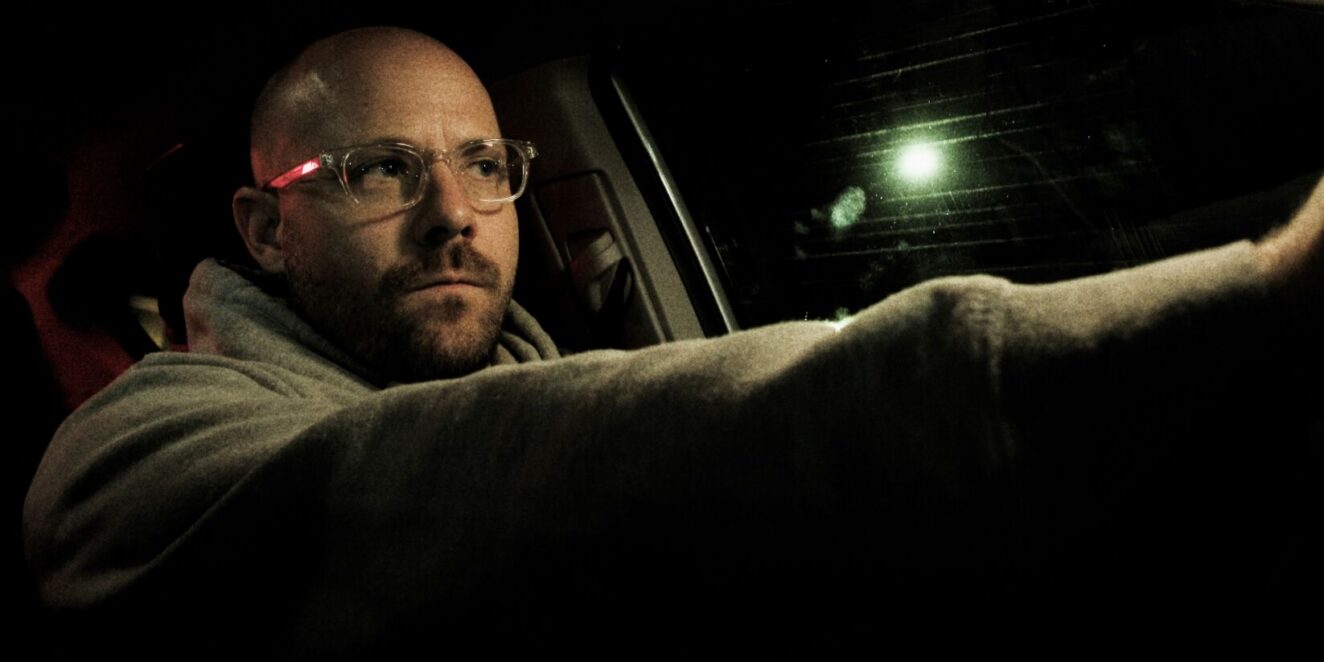
I want to be fair about this. I understand the intention. But it lands the way a plot fix lands. You feel the seam. By the halfway point the script has accumulated a lot of threads, and the psychedelic detour is where those threads stop being pulled. They do not resolve. They just stop mattering.
That is the consistent frustration with Self Driver. It is not short on ideas. It is short on follow-through. Almost every interesting thing Pierro introduces gets picked up, examined, and set back down before it earns its place in the film. The bones of something genuinely great are visible throughout. The second half just never shows up to finish the job.
Chadwick won Best Actor at Grimmfest for this role, and it is not hard to understand why. He is doing real work here. He makes D worth following even when the film is not fully following through on its own premise. That is harder than it looks.
Self Driver is out now on UK digital via GrimmVision. At 2.5 out of 5, it is worth your time if you have patience for low-budget genre work and can make peace with a film that is better than it finishes. Pierro has instincts. Watch for his next one.
Indie Horror
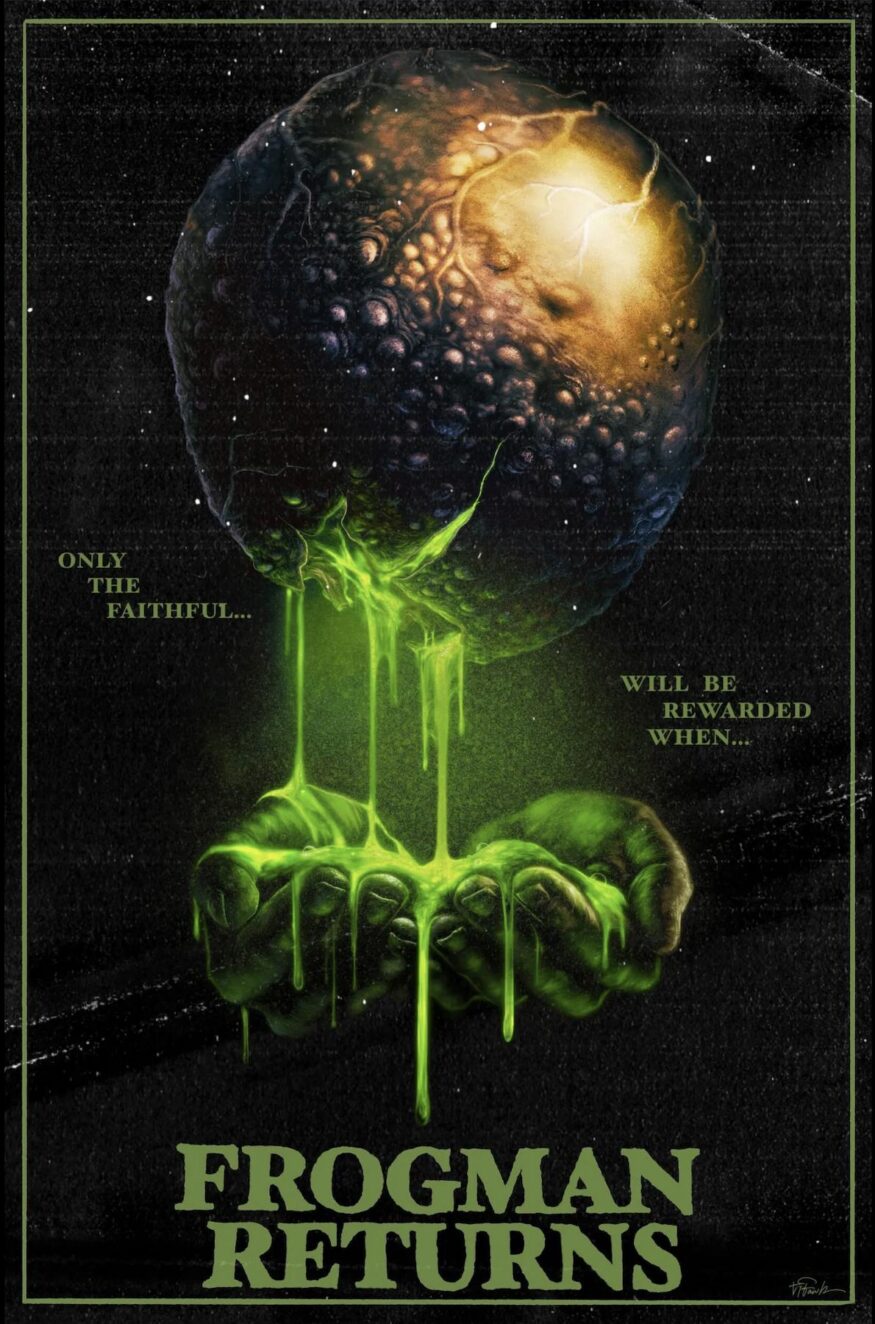
Panic Fest 2026 Review: ‘Frogman Returns’ Is A Thrilling Sequel That Goes For The Croak!
Horror as a genre has a greater propensity for sequels than almost anything else in the world of cinema. There have been scores of slasher sequels from the likes of Friday The 13th to A Nightmare on Elm Street to even sequels to seemingly stand-alone affairs like The Exorcist and The Blair Witch Project. While some may be seen as cash grabs or of diminishing returns, it cannot be argued that there have been some phenomenal sequels to horror films such as Aliens and Evil Dead 2 among many others. So imagine my pleasant surprise to see that 2023’s Frogman is back in the aptly named Frogman Returns!
The sequel picks up not too long after the original’s cryptid catastrophe. The Loveland, Ohio Frogman and surrounding cult that was exposed by amateur filmmaker Dallas (Nathan Tymoshuk) has since disappeared and the terror of the magic wand wielding amphibian seemingly ended. Having lost his friend Scotty (Benny Barrett) and a falling out with Amy (Chelsey Grant), Dallas has found a new life heading a cryptid reality web show. But when strange forces call him and his team back to Loveland, will he have to face the Frogman for a final battle?
I was a big fan of the original Frogman upon release, and was interested in seeing where director Anthony Cousins was going to take the story. I’m happy to report that he did the best kind of thing you can do for a sequel like this: made it weirder and wilder! Not only is there Frogman, but a number of classic cryptids have encounters as the genie is out of the bottle and Dallas irrevocably proved that there are truly monsters among us. There is a pretty memorable scene involving a run-in with the living pants-like Fresno Nightcrawler creature that establishes what a brave and bizarre new world things have become since the previous film. Monsters are basically a fact of life now. So, of course, people are finding ways to profit from it.
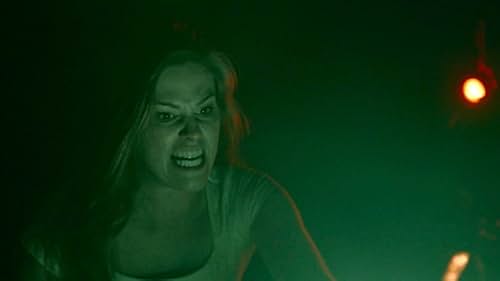
Dallas’ arc continues from the first film and I do like how he carries the weight and guilt of Scotty’s disappearance and his disconnection with Amy. There are real consequences to the ways things went wrong previously and Dallas is haunted by the consequences of his obsession. Now he attempts to make things right in some form as his adventures bring him back to where it all began. And for those here for Frogman… without spoiling too much, everyone’s favorite amphibious cryptid does make a triumphant return. With a neon explosive finale that left me craving even more.
Frogman Returns does a fine job of documenting the new adventure in the traditional found footage format, with the foundation of Dallas’ new reality web show keeping the cameras rolling. Combining that with ample and memorable practical fx for all manner of beasts and gore to see. Exploding heads, zapped limbs, and so much more get captured on camera in all their visceral glory.
Overall, if you were a fan of the first Frogman, then Frogman Returns is a more than worthwhile follow up to digest.



Horror Coming to Streaming in May 2026: Shudder Is Doing the Most and Netflix Finally Showed Up

Evil Dead Burn Looks Like the Most Violent Family Reunion You’ll Ever Attend

_CIVILIAN Is the Micro-Series That Proves You Don’t Need Much to Make Something That Matters

Breaking Down the First Minute of ‘The Vampire Lestat’ Official Trailer: What It Reveals About Season 3

Jessica T Deveraux Got Possessed At Her Own Bar In New Film ‘Key of Bones’

The Cape Fear Trailer Is Here. Javier Bardem Built It.

iHorror Exclusive Clip: ‘Obsession’ in theaters May 15th

This Week in Horror: The Genre Says Goodbye to Jonathan Tiersten

Sleepaway Camp Knew Before I Did: The Legacy Johnathan Tiersten Left on Queer Media

Koji Suzuki Built the Well. The Author of ‘Ring’ Trilogy Dies at 68

Panic Fest 2026 Review: ‘Creature Of The Pines’ Is An Interesting Found Footage Horror That Walks A Beaten Path

Jonathan Tiersten’s Greatest Role, and it isn’t Sleepaway Camp

Ready or Not 2: Here I Come Blu-ray Review: Buy It for Samara Weaving

Universal’s Horror Make-Up Show Ends 36 Year Run

Self Driver Runs Out of Road

10 J-Horror Films to Watch After Losing Koji Suzuki
Sleepaway Camp Knew Before I Did: The Legacy Johnathan Tiersten Left on Queer Media
Koji Suzuki Built the Well. The Author of ‘Ring’ Trilogy Dies at 68
This Week in Horror: The Genre Says Goodbye to Jonathan Tiersten

Panic Fest 2026 Review: ‘Jump Scare’ Is A Metal As Hell Kick To The Skull!
Jessica T Deveraux Got Possessed At Her Own Bar In New Film ‘Key of Bones’
The Cape Fear Trailer Is Here. Javier Bardem Built It.
-
 News7 days ago
Jessica T Deveraux Got Possessed At Her Own Bar In New Film ‘Key of Bones’
-
 News7 days ago
The Cape Fear Trailer Is Here. Javier Bardem Built It.
-
 News6 days ago
This Week in Horror: The Genre Says Goodbye to Jonathan Tiersten
-
 Editorial5 days ago
Sleepaway Camp Knew Before I Did: The Legacy Johnathan Tiersten Left on Queer Media
-
 News5 days ago
Koji Suzuki Built the Well. The Author of ‘Ring’ Trilogy Dies at 68
-
 News7 days ago
Panic Fest 2026 Review: ‘Jump Scare’ Is A Metal As Hell Kick To The Skull!
-
 Lists3 days ago
10 J-Horror Films to Watch After Losing Koji Suzuki
-
 News2 days ago
Universal’s Horror Make-Up Show Ends 36 Year Run
You must be logged in to post a comment Login