Editorial
Resident Evil Was Always a Horror Film. Nobody Making the Movies Seemed to Notice.

Here is something worth saying out loud before Zach Cregger’s Resident Evil hits theaters in September: the original game was never really a game about shooting things. It was a game about being scared in a house. A game built by people who had spent their careers watching horror films and wanted to build something you could walk around inside. The shooting came later. The horror came first.
I bring this up because every film adaptation of this franchise, across more than two decades and eleven films, has managed to get that backwards. And understanding why they got it wrong might be the most useful thing we can do right now, while we’re still waiting to find out if Cregger got it right.
The Game That Was Always a Movie
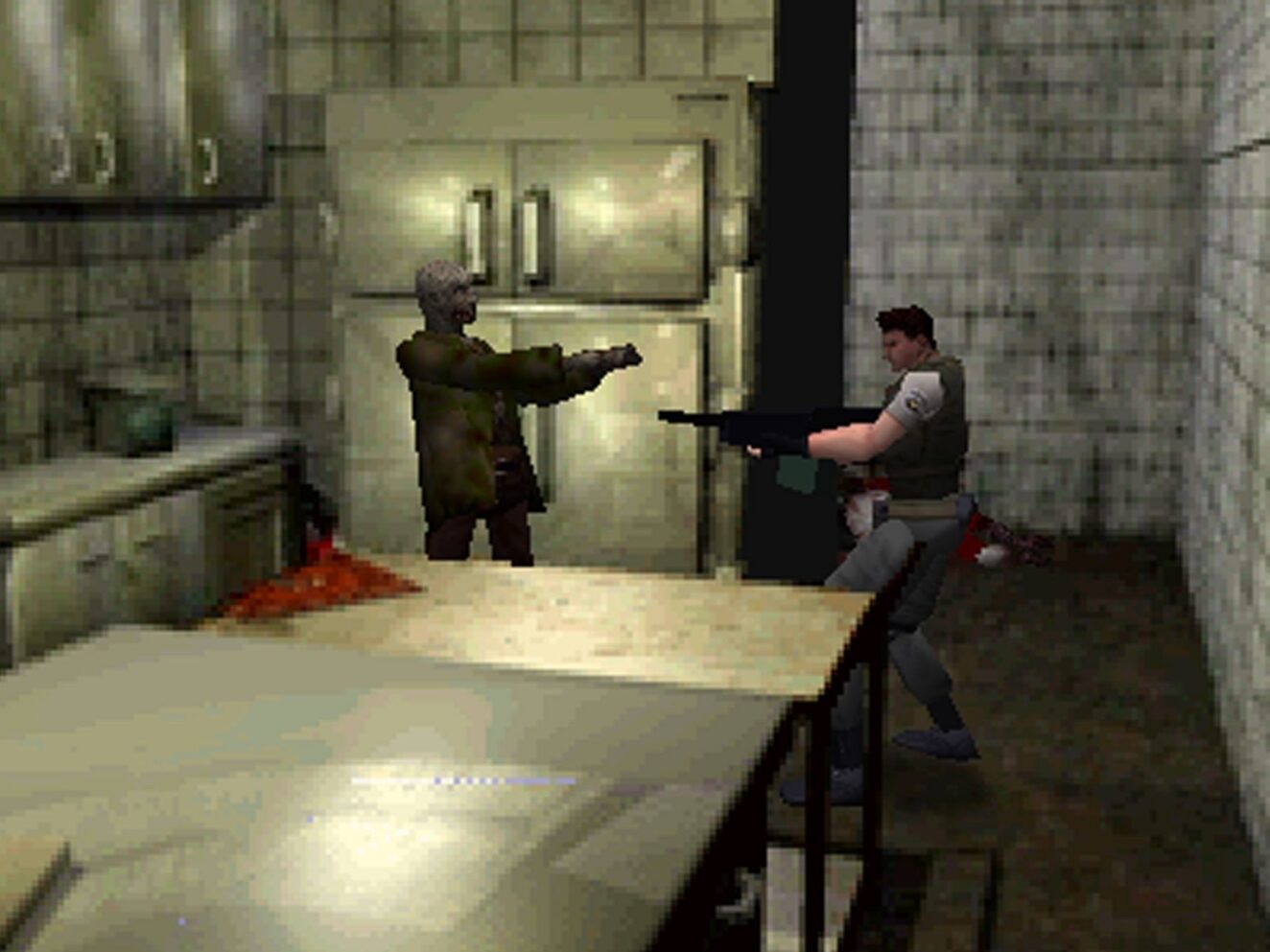
Shinji Mikami started developing what would become Resident Evil in 1993. He’d been handed the project by his boss at Capcom, Tokuro Fujiwara, who wanted a horror game built around the systems from an older Capcom title called Sweet Home. It just so happened to be an adaptation of a Japanese horror film. So right from the beginning, this franchise had cinema in its bones. The seeds of it came from a movie.
Mikami pulled from horror films he loved and ones that frustrated him. The pre-rendered hallways of the Spencer Mansion were modeled after the Overlook Hotel from The Shining. The zombies were built on George Romero’s Dead films. Lucio Fulci’s Zombi 2 made him angry enough that he used that anger as fuel, he wanted to make something that actually delivered the dread that film kept promising and then squandering.
What came out the other side was a game that moved like a horror movie. Fixed camera angles that hid things from you on purpose. Ink ribbons as the only way to save, which meant every choice carried real weight. An inventory system that forced you to leave things behind, to make the wrong call, to feel the specific sick feeling of being underprepared in a bad place. These weren’t just mechanics. They were the architecture of fear.
The Spencer Mansion wasn’t a game level. It was a set. Every corridor was designed the way a horror director designs a corridor, with sightlines built to unsettle, corners that swallowed sound, and rooms that felt wrong before anything in them had moved.
So Then the Movies Showed Up
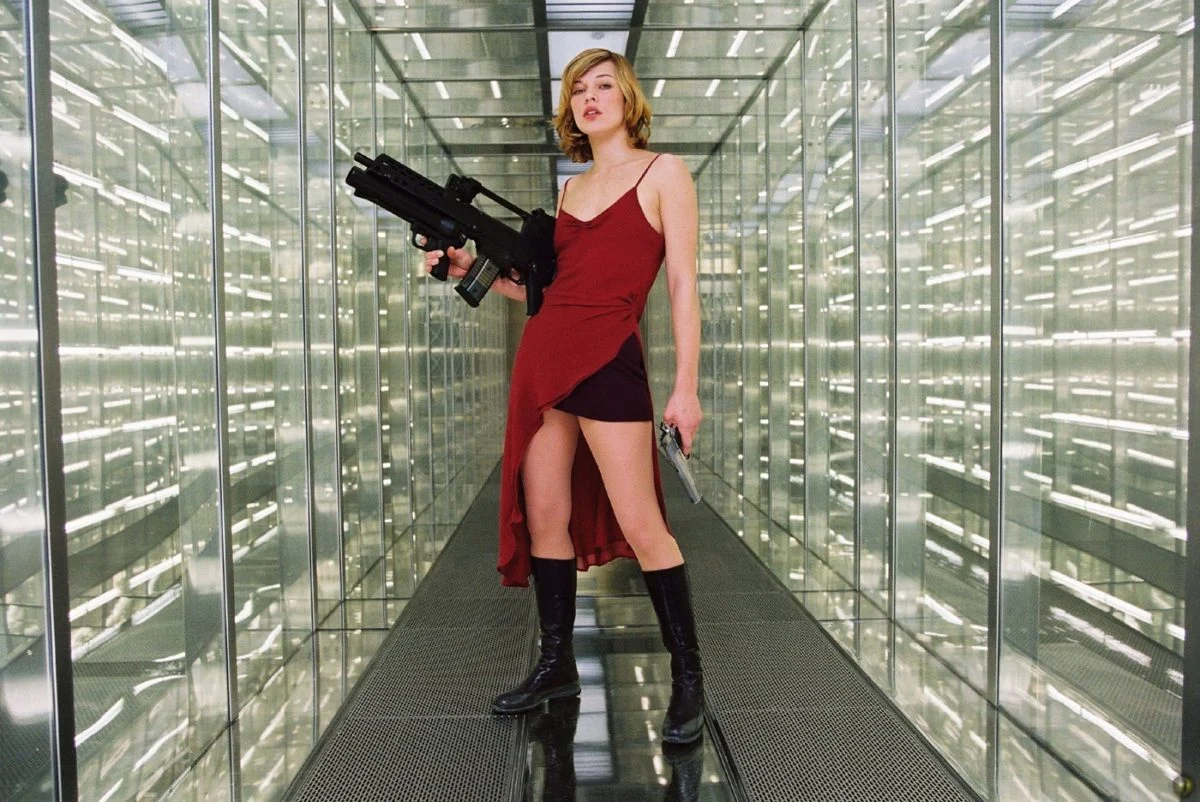
Paul W.S. Anderson came to Resident Evil as a genuine fan. He played the games. He understood what they were. And then he made a movie that had almost nothing to do with them.
The 2002 film invented a protagonist named Alice who doesn’t exist anywhere in the games, set her loose in an underground corporate lab, and built the whole thing around action sequences and a twist-heavy plot. It made over a hundred million dollars worldwide on a thirty-three million dollar budget, which means it worked commercially.
It was a sci-fi action film with zombie window dressing, and the six-movie franchise it spawned traveled further from Spencer Mansion with every sequel. By the end of the era, Alice had superpowers and the world had ended and the game that started all of this, the one about being alone in a house with limited ammunition and nowhere safe to sit down, might as well have been set on another planet.
Johannes Roberts tried to course-correct with Welcome to Raccoon City in 2021. He used the real characters. He understood, at least structurally, that the original game was a haunted house story. Some of it worked. The Spencer Mansion sequences had actual tension. Sadly, this one never found its audience.
Then came the Netflix series, which we covered as it launched in 2022. The show jumped fourteen years into a post-apocalyptic future and followed a new character named Jade Wesker through a world already overrun. One season. Cancelled. At that point the franchise had drifted so far from its origin that the name Resident Evil on the poster was functioning mostly as brand recognition rather than any kind of creative statement.
What Makes Cregger Different
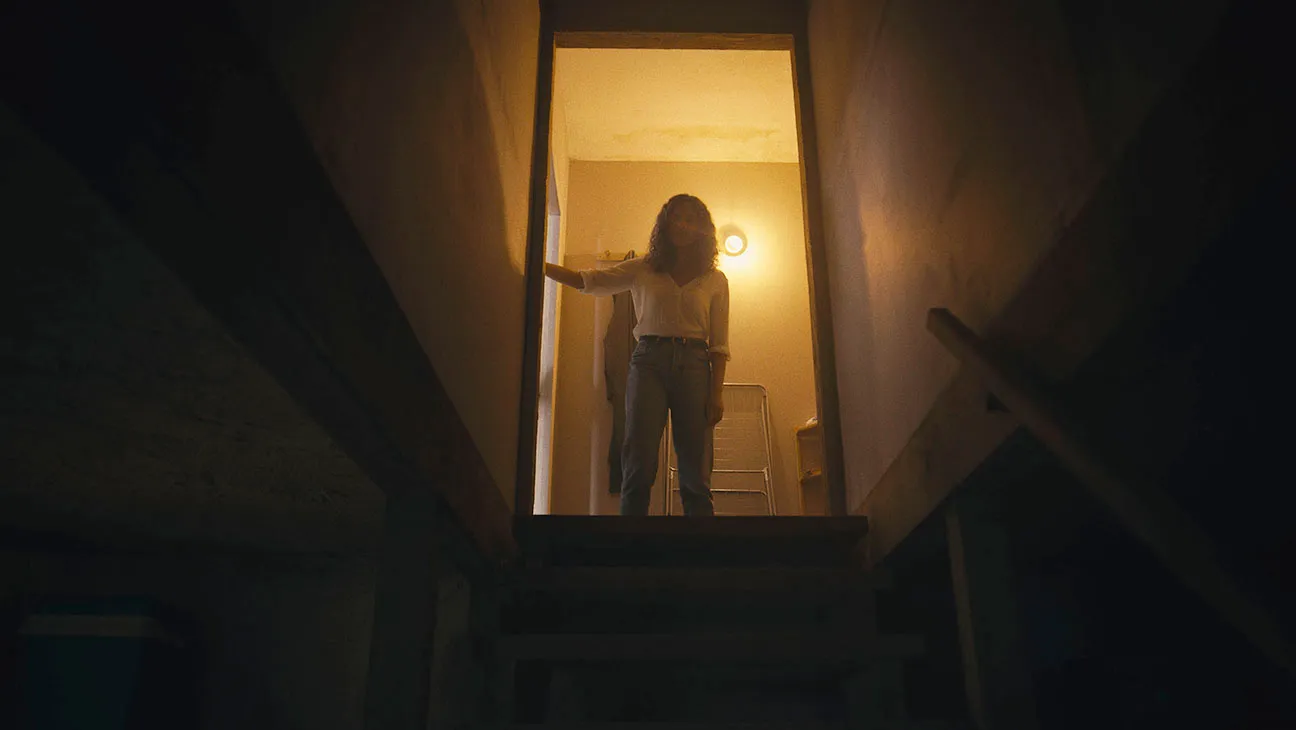
Zach Cregger made Barbarian. If you’ve seen it, you already see where this is going. If you haven’t, here’s the short version: it’s a movie about a woman who finds herself in a house with something terrible underneath it, and the horror is almost entirely architectural.
It’s about space. About rooms that shouldn’t exist. About the feeling that the place you’re standing in has a logic you don’t understand, and that logic is not interested in keeping you alive. It traps you and restricts your information and makes the building itself into the threat.
That is the Spencer Mansion. That is the exact feeling Mikami spent three years trying to build into a PlayStation game in 1996. And Cregger got there without ever having seen a single Resident Evil film. When Newsweek asked him about the previous movies, his answer was simple: “I’ve never seen a Resident Evil movie.” He came to this thing through the games alone. Through the source. Through the actual horror.
“I am the biggest worshiper of the games, so I’m telling a story that is a love letter to the games and follows the rules of the games.”Zach Cregger, via Inverse
And when fans pushed back on the fact that he wasn’t adapting Leon Kennedy’s story, or Claire’s, or anyone the games’ fanbase has spent decades with, he told Inverse directly: “I’m not going to tell Leon’s story, because Leon’s story is told in the games. [Fans] already have that. They can play the game.”
That sounds like a brush-off. It isn’t. It’s the most respectful thing anyone has said about this franchise in years. He’s not trying to replace the games. He’s trying to do what film can do that games can’t, build a situation inside this world that you experience differently because you’re watching it instead of playing it.
What We’re Actually Hoping For
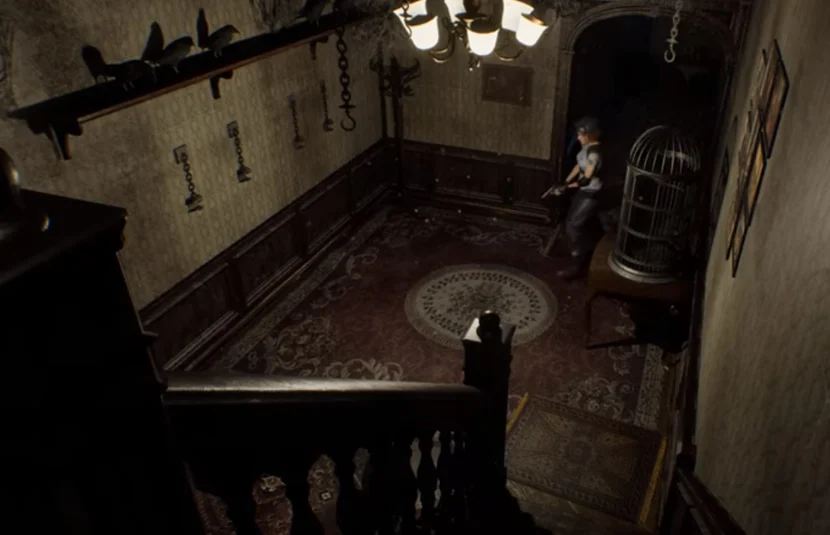
We don’t need Leon on screen. We don’t need the Spencer Mansion, or the Arklay Mountains, or any of the specific set dressing from games we’ve spent hundreds of hours inside. What we need is for someone to remember that Shinji Mikami built this franchise out of horror films, and that the reason every movie version has fallen short is that they all treated it like an action property with horror elements instead of a horror property with action elements.
Cregger has never seen the films. He’s played the games. He makes movies about houses that want to kill you. Hopefully soon, we find out if that’s enough. I think it might be. And honestly, after twenty-four years of watching this franchise miss itself on screen, just having real reason to hope feels pretty good.



Editorial
Jonathan Tiersten’s Greatest Role, and it isn’t Sleepaway Camp
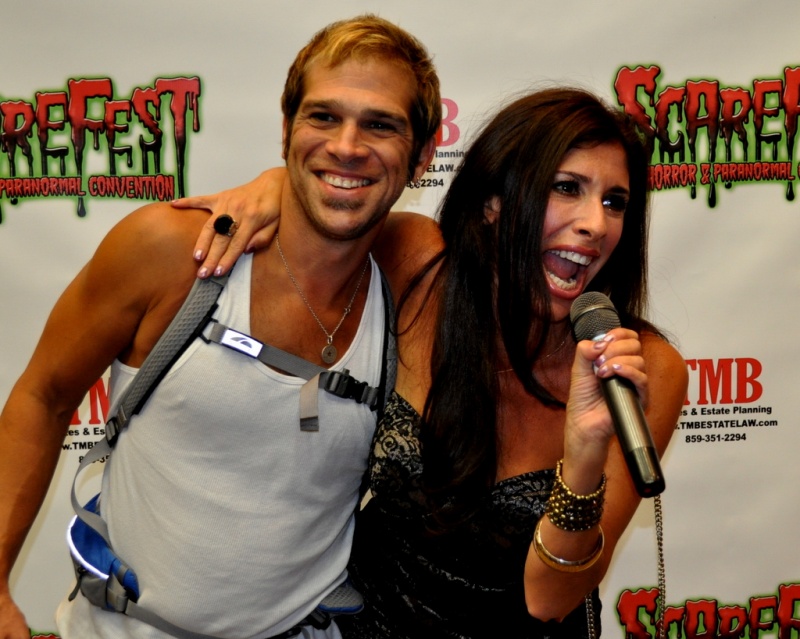
Horror actor and musician Jonathan Tiersten passed away May 4, 2026 at 60 years old. To many in the horror community, Tiersten will forever be Ricky Thomas from 1983’s Sleepaway Camp. The actor later reprised his role in 2008’s Return to Sleepaway Camp. In the summer camp slashers, Tiersten plays Angel Baker’s (Felissa Rose) protective older cousin; and boy does he have a mouth that would make a sailor blush!
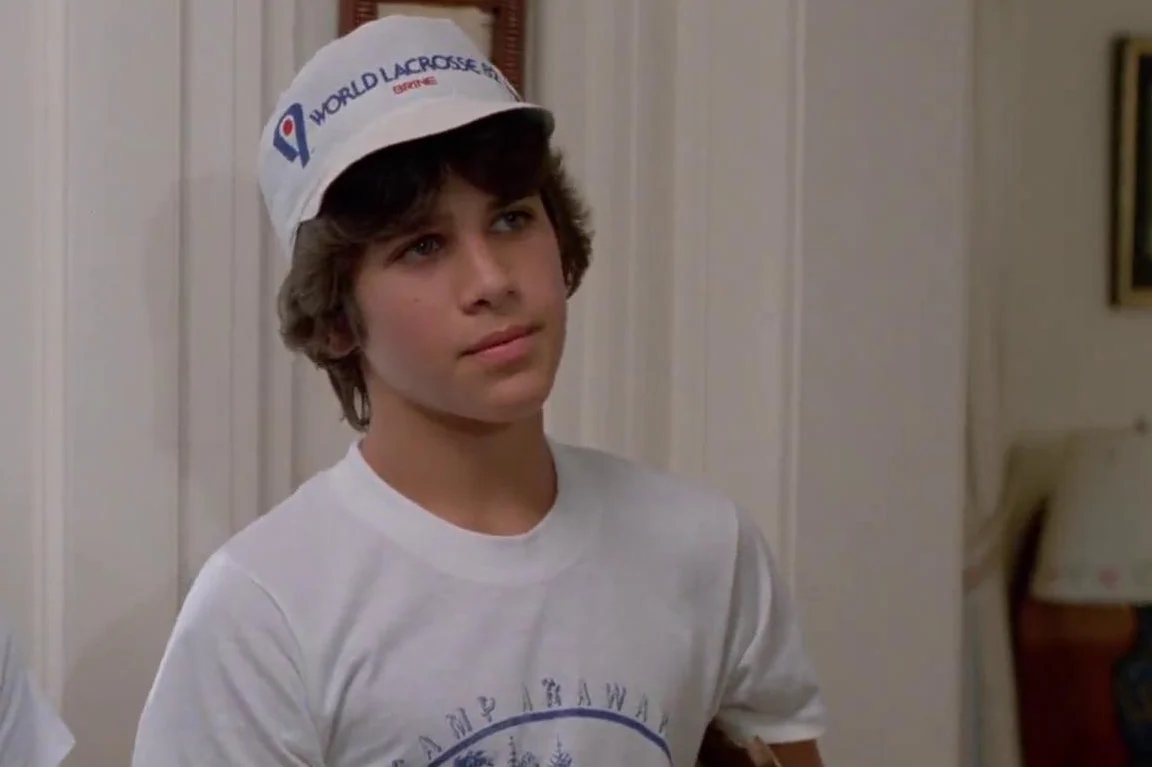
While Sleepaway Camp is certainly the most popular horror movie Jonathan Tiersten is known for, it is arguably not the best.
The Perfect House
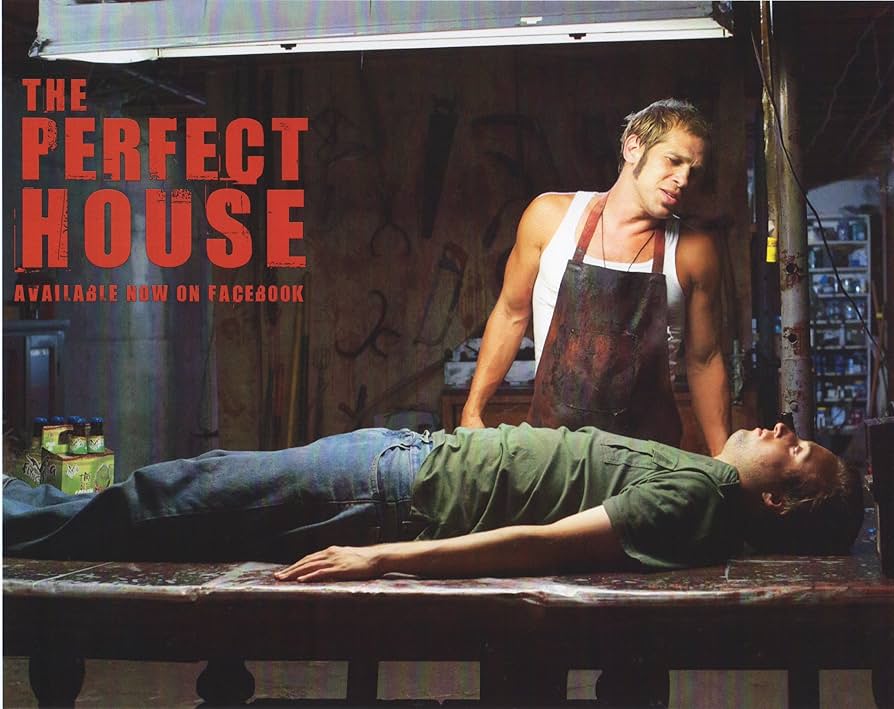
In 2011 Tiersten participated in a horror anthology titled The Perfect House. The movie was written and directed by Kris Hulbert, and co-directed by Randy Kent. While they did not share the screentime together on this project, Felissa Rose also participated in this anthology.
The premise of The Perfect House consists of a young couple who think they have found their dream house. Little do they know the foundation holds many secrets from the prior inhabitants who once resided within the walls. As the real estate agent takes them from room to room, stories of the past resident’s atrocities unfold.
Tiersten Gives of Killer Vibes
Tiersten’s short story in the anthology is entitled Chic-ken. His portrayal of a serial killer in collaboration with Hulbert’s script is pure horror gold. Known as Angela Baker’s savior time and time again in Sleepaway Camp, serial killer John Doesy in The Perfect House is anything but sympathetic to the men and women who are unfortunate enough to cross his path.
In this segment he plays a killer who keeps a female victim permanently imprisoned in his basement. Every week he brings new victims to torture and kill in front of her. In his twisted mind he affectionately calls her his muse. As he tortures and kills his new victims from week to week, he also tortures, rapes, and taunts his “muse”. He forces her to watch his “performance” and is fueled by her witnessing the pain he inflicts on those he deems as useless members of society.
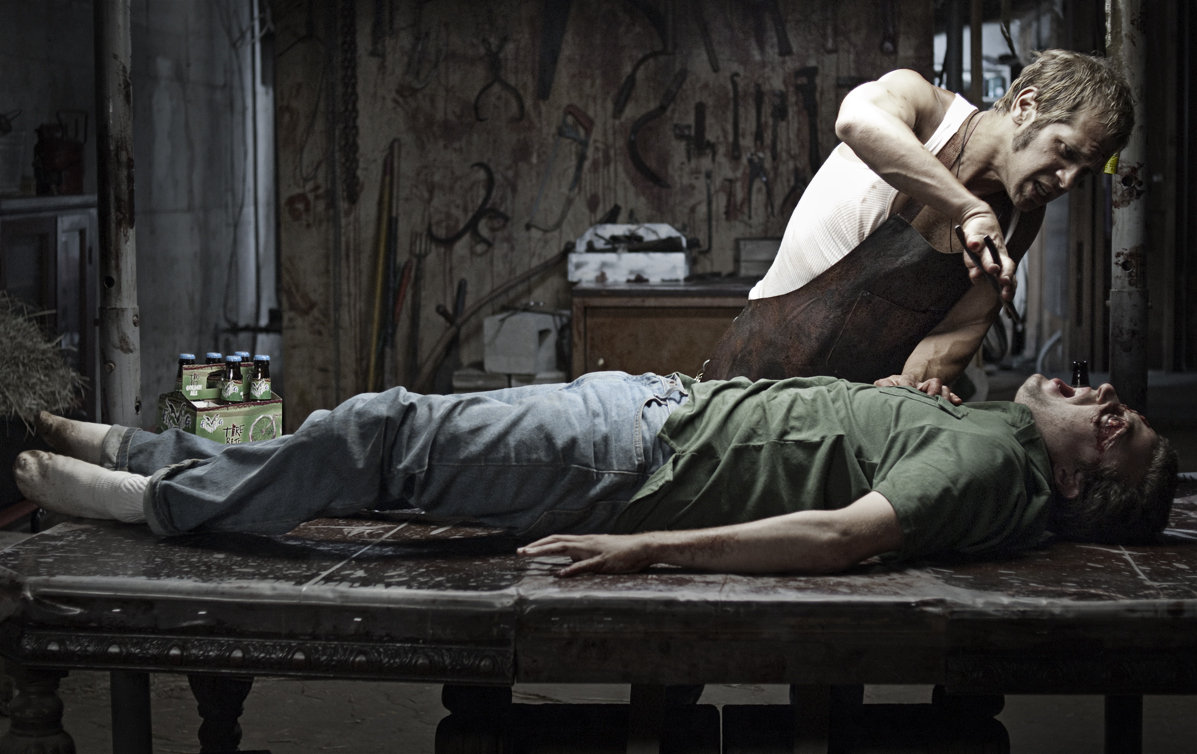
Tiersten’s effortless delivery as a self righteous maniac surpasses many others who have tried to conquer similar roles both before and since. The fact Tiersten does all of this without hiding behind a mask adds an extra level of fear. Let’s face it, Tiersten is very easy on the eyes with his blonde hair, blue eyes, and muscular arms, which would initially lower anyone’s guard. To know someone who not only appears “normal,” but attractive, is capable of such atrocities is extra unnerving.
The confidence Tiersten exudes in his voice and postures, as well as how he carries himself throughout the scenes, sells his character’s excessive ego. He completely sells the fact his character full heartedly believes in the demented behaviors and murders he is carrying out.
Where to Watch
While The Perfect House did not have a theater release, it was the first feature film to premiere on Facebook. The creators released the movie on the social networking site with a seven day rental period. In 2014 the movie was released for home distribution on DVD.
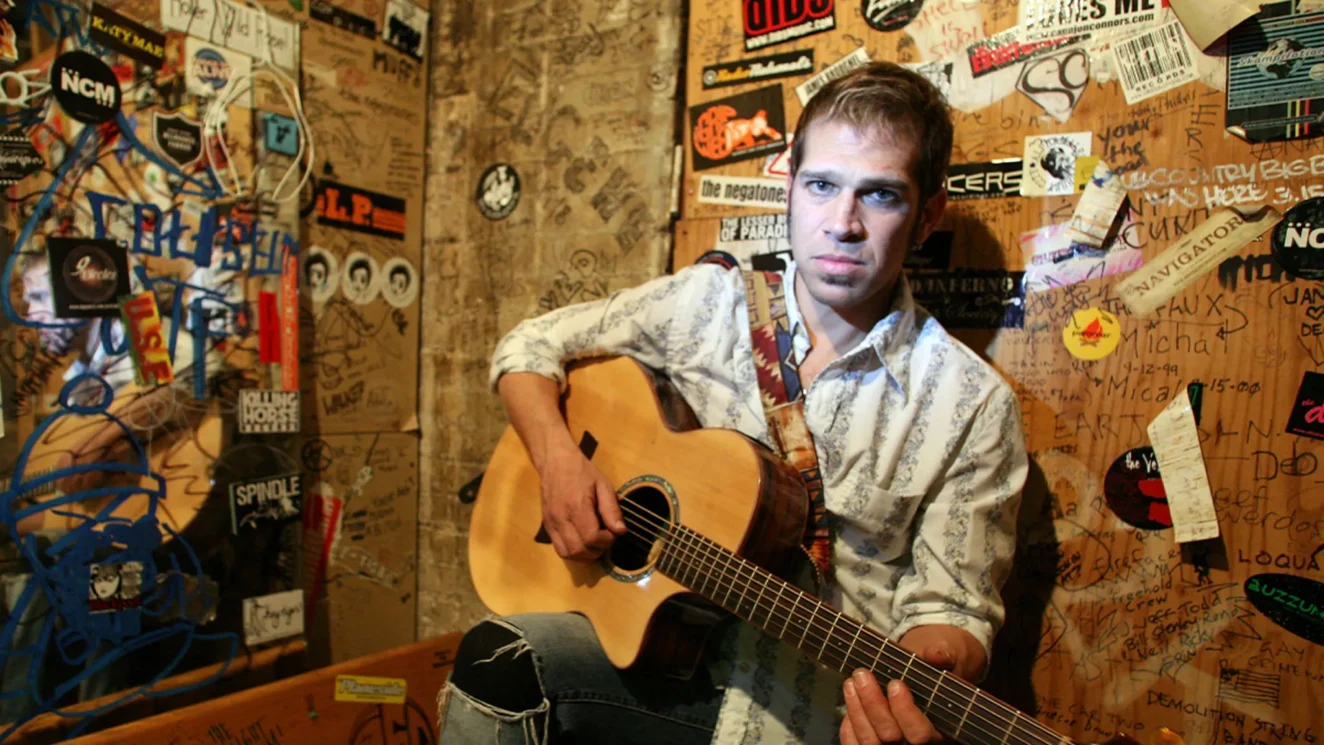
Unfortunately, many horror fans still do not know of this movie’s existence. Hopefully now they will search for it on Amazon, Ebay, and streaming services such as Roku, Tubi, and Google Play, and Plex to continue Jonathan Tiersten’s legacy.
Editorial
Sleepaway Camp Knew Before I Did: The Legacy Johnathan Tiersten Left on Queer Media
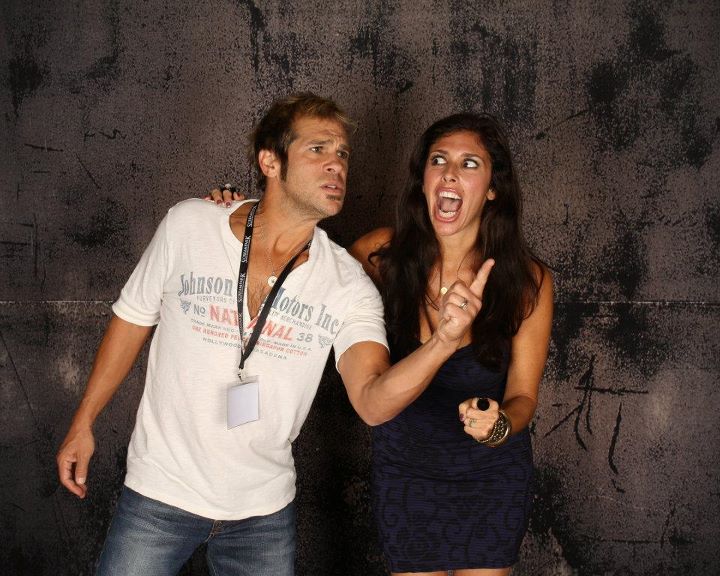
Jonathan Tiersten died May 5 at his home in New Jersey. He was 60. He played Ricky Thomas in Sleepaway Camp, and I want to explain why a very specific group of people is taking this one harder than a 1983 summer camp slasher would usually warrant.
What The Film Means To Me
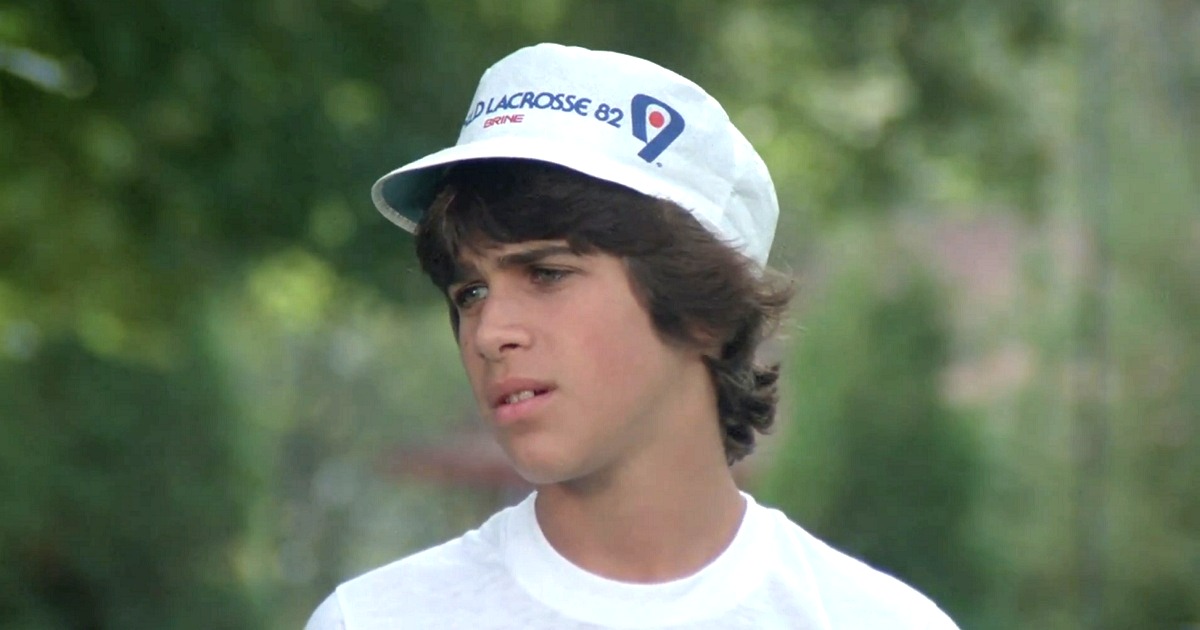
I am trans. That goes on the table first because nothing else I am about to say makes any sense without it.
I have been showing Sleepaway Camp to people since I was eleven years old. Everyone who mattered to me has sat through it. Friends who thought slashers were beneath them, partners who loved me enough to watch things they would never have chosen, my teenagers.
I give the same speech before every single viewing. Something is going to happen in the last few minutes, I tell them, and whatever your first reaction is, please sit with it for a moment before you say it out loud. Not because the reaction is wrong. Because there is almost always a second reaction underneath it and that is the one I am actually interested in.
What The Film Actually Is
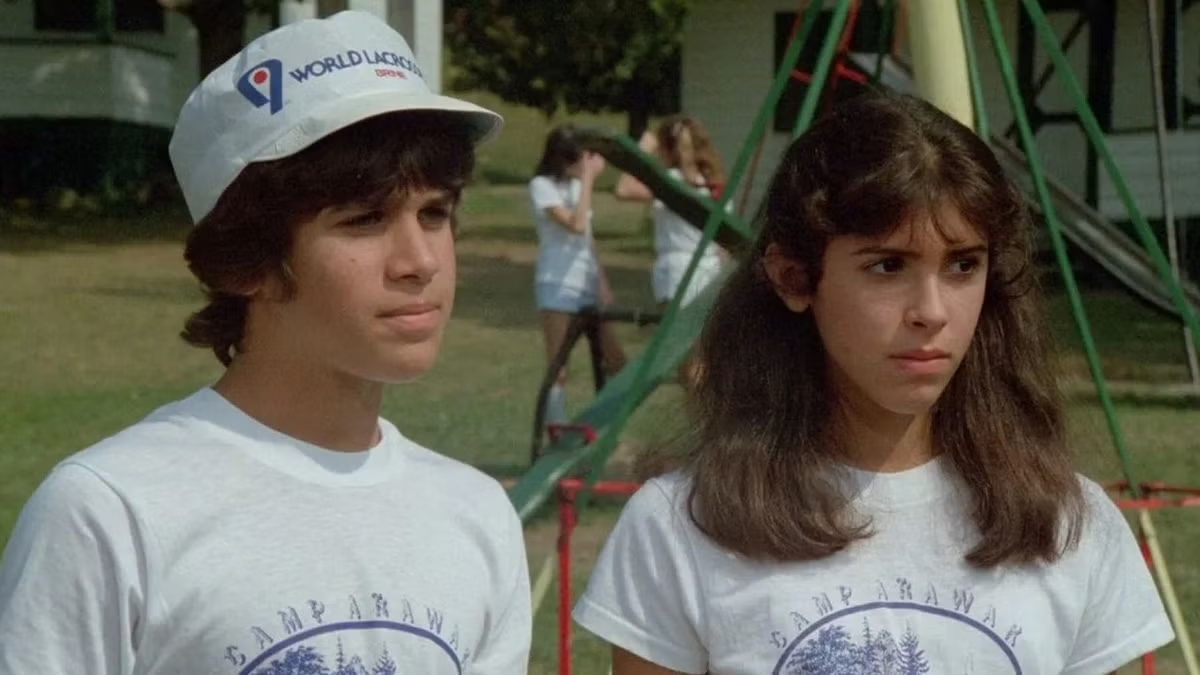
Robert Hiltzik made a low-budget slasher set at a summer camp. Angela Baker is strange and barely verbal and is tormented by basically everyone around her while her cousin Ricky tries to run interference. The ending reveals that Angela was born Peter, that her father died when she was small, and that the aunt who took her in had always wanted a girl and simply decided Peter would become one.
Angela did not choose any of this. Not her name, not her clothes, not the gender she was made to perform in front of every single person she encountered every single day. And after years of living inside something she never chose, the pressure found somewhere to go.
That Ending
The transness is framed as the horror, as the explanation for the violence, and there is nothing there any trans person would hold up as a victory for representation. I understand all of that.
But I was eleven when I first watched it, and what I heard underneath everything it was trying to do was something nobody was trying to say. If you force someone to live as the wrong thing long enough, they will eventually stop being able to contain what that costs them. The film turned that into a monster story. I recognized it as a thing I had been trying to explain to myself without having the words for it yet.
Trans Representation In Pop Culture
For context, consider what came the year after. Ace Ventura: Pet Detective came out in 1994 and its treatment of a trans character is a two-minute sequence of Jim Carrey vomiting, using a plunger on his own face, burning his clothes, and sobbing under running water upon learning he had kissed her. The joke is that she is contamination.
My classmates quoted this film back at me for years. That was what mainstream culture had decided trans people were good for, and it went more or less unchallenged for a long time. Angela Baker, for all of Sleepaway Camp’s genuine limitations, is the protagonist of her entire film. Her history is the engine of the whole story. She is not a punchline. She is why the movie exists.
Trans representation in horror has never been particularly good, and I am not about to argue Sleepaway Camp is the exception. What I will say is that it accidentally told the truth in the middle of trying to do something else entirely, and horror films that stumble into the truth are still telling the truth. I have built twenty-five years of love for this movie on that.
Ricky
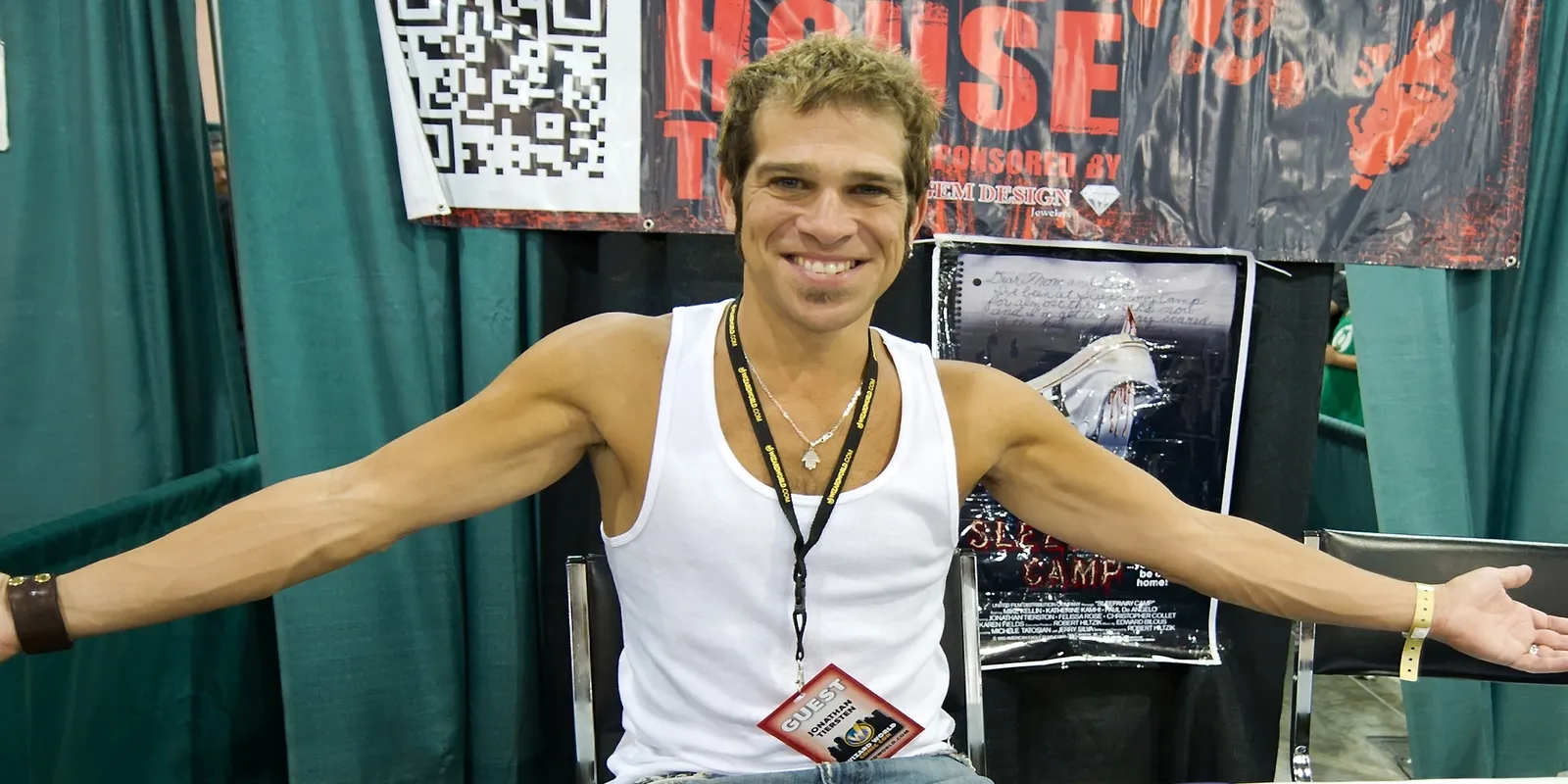
Ricky is most of the reason I keep coming back, which brings us to Jonathan Tiersten. He played Ricky as someone who never needed to understand Angela in order to be fully in her corner. He does not study her. He does not puzzle her out, he just shows up every time with the kind of furious loyalty that does not require an explanation because the explanation is right there. He loves his cousin, and he is not going to stand there while the world is unkind to her. That is not a complicated thing to put on screen. It is also rarer on screen than it should be.
Tiersten reprised the role in Return to Sleepaway Camp in 2008 and kept working in independent horror until the end. His most famous performance is forty-five minutes of a teenager planting himself between his cousin and everything the world wanted to do to her, and for some of us who grew up watching this film, that was the first time we saw someone treat that as simply the obvious right thing to do.
It was an answer to a question I had not yet figured out how to ask.
Editorial
HHN35, Jack vs Oddfellow: Place Your Bets!
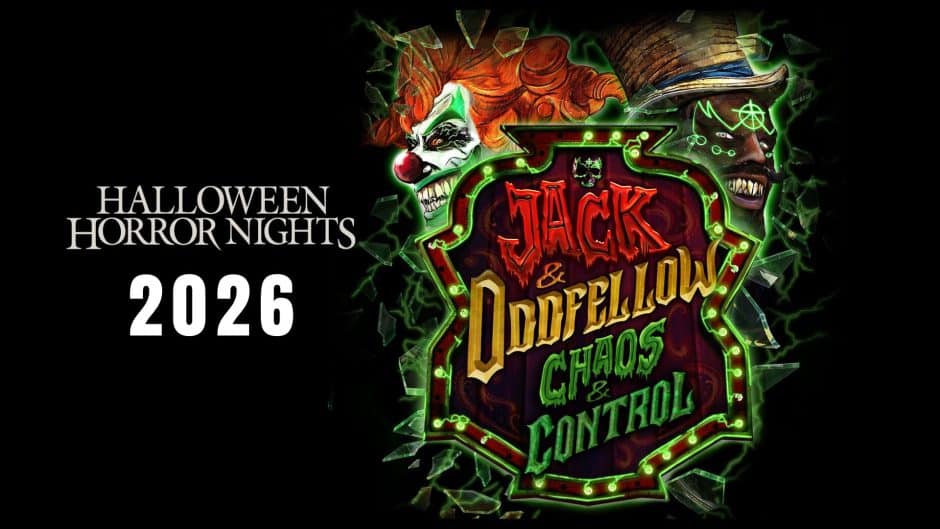
Halloween Horror Nights is back for its 35th installment at Universal Studios in Orlando, Florida as the Infernal Carnival of Nightmares!
Over the years HHN has proven original houses draw as much of a crowd, if not more, as the intellectual property (IP) houses based off of established horror movies.
Leading each year of fear and headlining some of these original houses includes some of the most beloved and iconic characters. These icons include; Jack the Clown, The Caretaker, The Director, Chance, Dr. Oddfellow, The Usher, Lady Luck, and The Storyteller.
This year Orlando’s convention MegaCon had a highly anticipated and attended panel focused on Universal Studio’s Halloween Horror Nights 35. The masterminds speaking of the 35th year celebration included Michael Aiello, Lora Sauls, and Charles Gray. The creators teased the landmark year to salivating fans.
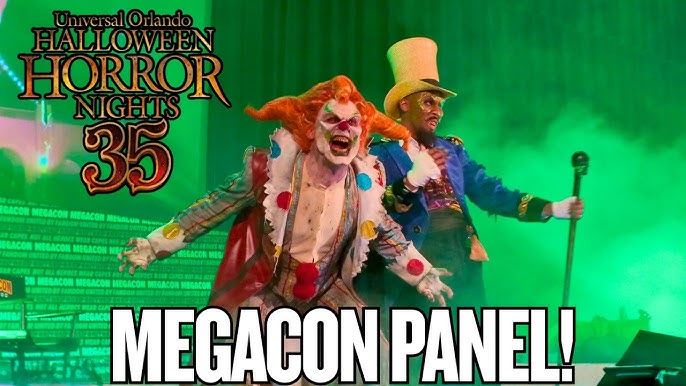
Gaged by the audience’s reaction as each icon was reminisced about and displayed on the panel’s screen were Jack and Oddfellow. Here it was announced to the fanatical audience that these two icons will be returning to lead Halloween Horror Nights into its upcoming year!
Bring in the Clown!
Jack the Clown, born Jack Schmidt, is an icon created by Universal Studios for Halloween Horror Nights. Jack made his debut during the Halloween event’s tenth year in 2000. He immediately won over attendees and became a fan favorite. His popularity grew so much that he has reappeared again and again in many of the Halloween Horror Nights events.
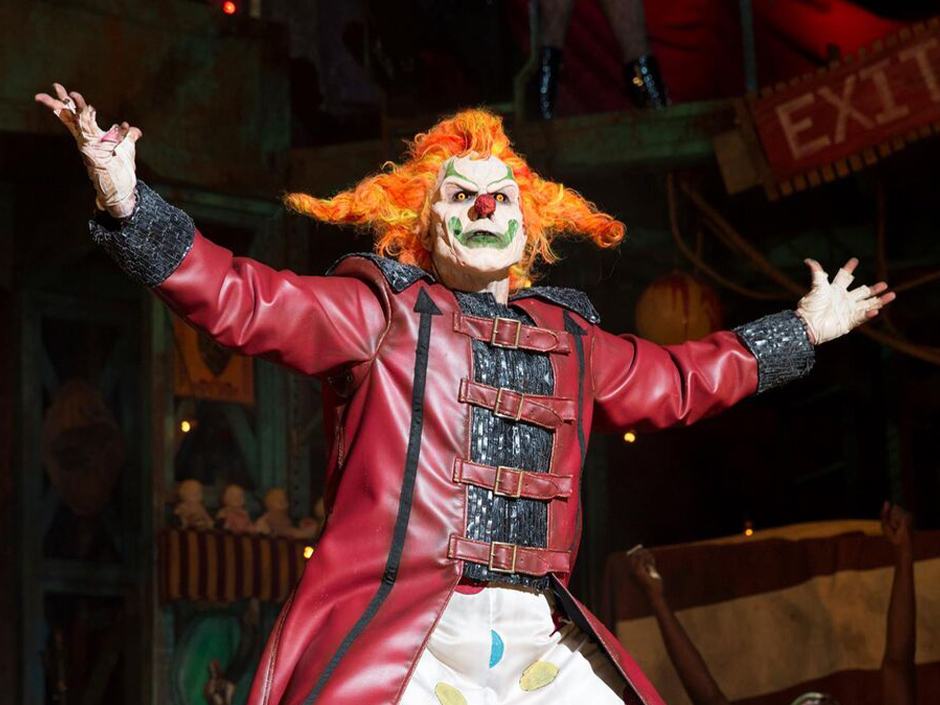
Jack has been featured in three of the five Universal parks that have hosted HHN; Orlando, Hollywood, and Singapore. He has even claimed a spot in Universal Horror Unleashed.
Unleashed is a haunted attraction residing in Las Vegas that offers a fully immersive experience for guests. Unlike Halloween Horror Nights, this attraction is open year round! Universal Horror Unleashed features haunted houses, live entertainment, and themed bars and dining.
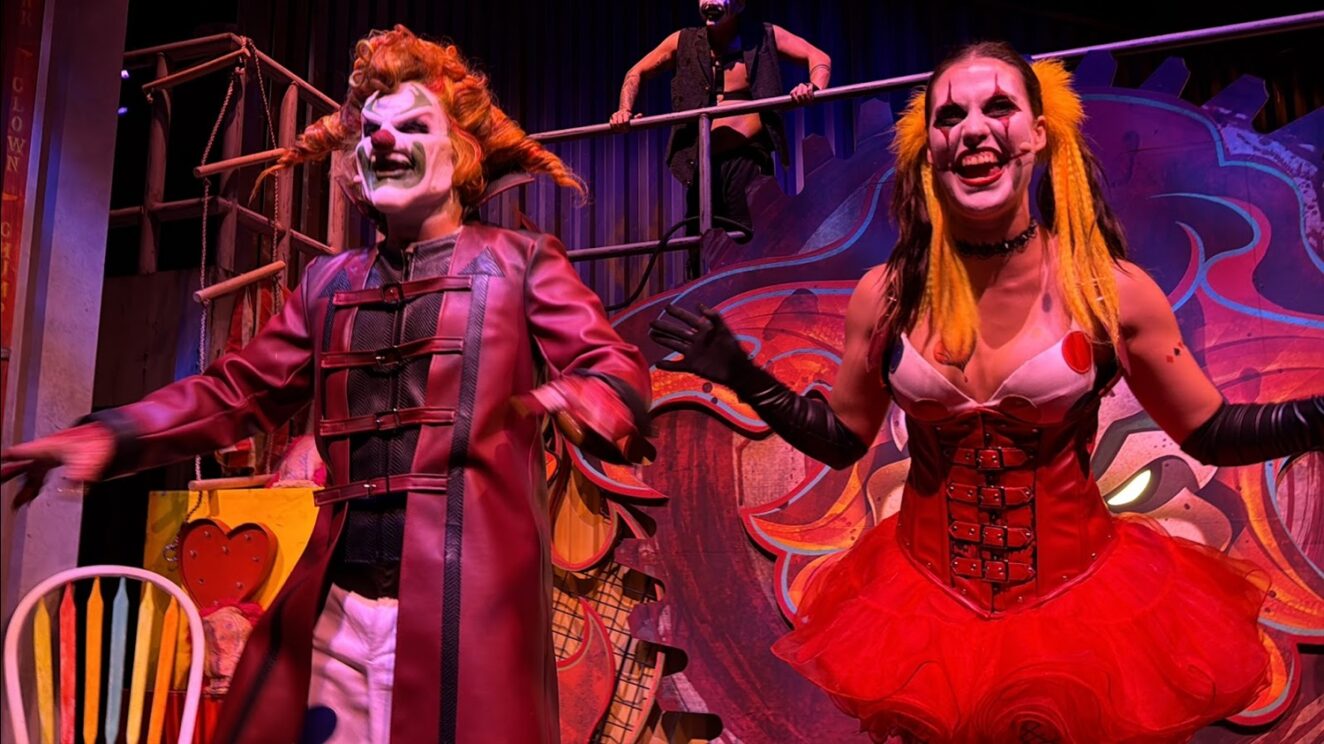
Here Jack stalks guests year round with his mistress in mayhem, Chance.
Jack’s History
In the late 1800s Jack was born with his brother Eddie inside the walls of Shady Brook Rest Home and Sanitarium. Jack escaped and ran away with the circus, leaving his poor and abusive family behind.
However, it was soon apparent he was not the jolly, entertaining clown he convinced his carnival spectators of.
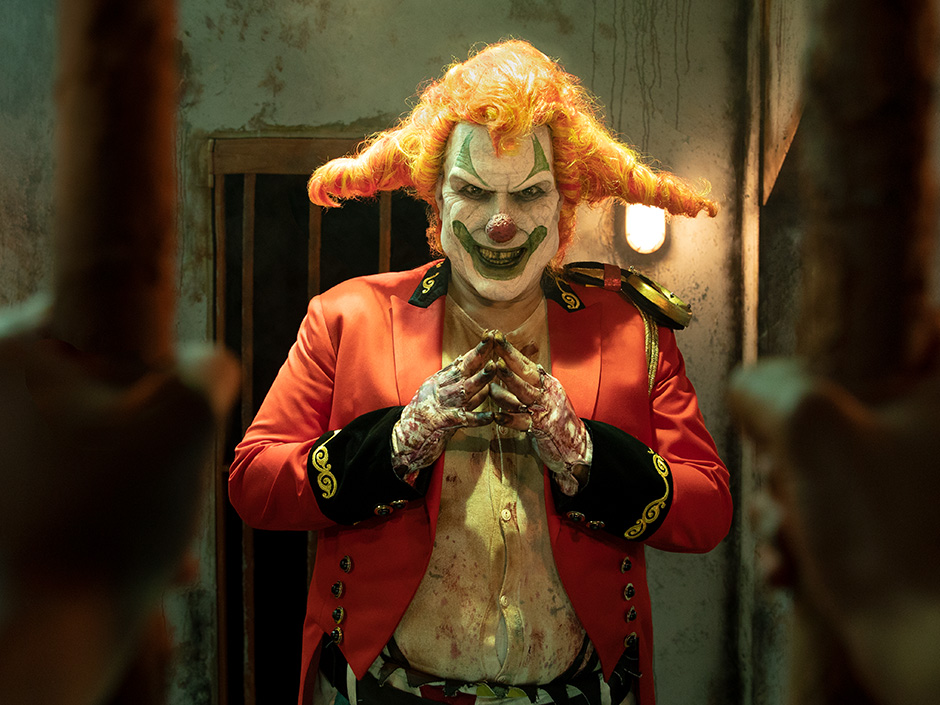
Jack was a child murderer. As the traveling sideshow made its way through the southern states, a trail of abductions and disappearances followed. This attracted unwanted attention from federal authorities.
As the feds closed in, the clown disclosed his murderous ways to his employer, carnival owner Dr. Oddfellow. As the star attraction of the circus he hoped Oddfellow would hide him. However, the doctor was a man with his own sordid past with the law. He decided the best plan of action would be to cut ties with Jack, for good.
The circus owner had Jack Schmidt murdered, but not before the clown gave Oddfellow his trademark facial scar. A scar none of Oddfellow’s dark magic could erase.
Always the showman, Oddfellow decided Jack’s time in his show had not yet come to an end. Not even in death. The carnival owner hid Jack’s body, in addition to the thirteen children the clown had killed, inside his House of Horrors.
The Doctor is In!
Just like Jack “The Clown” Schmidt, Dr. Rich Oddfellow has a very long and evil history. He was introduced to Halloween Horror Nights in 2000, the same year as Jack. However, unlike the menacing clown, the doctor did not rise to instant fame.
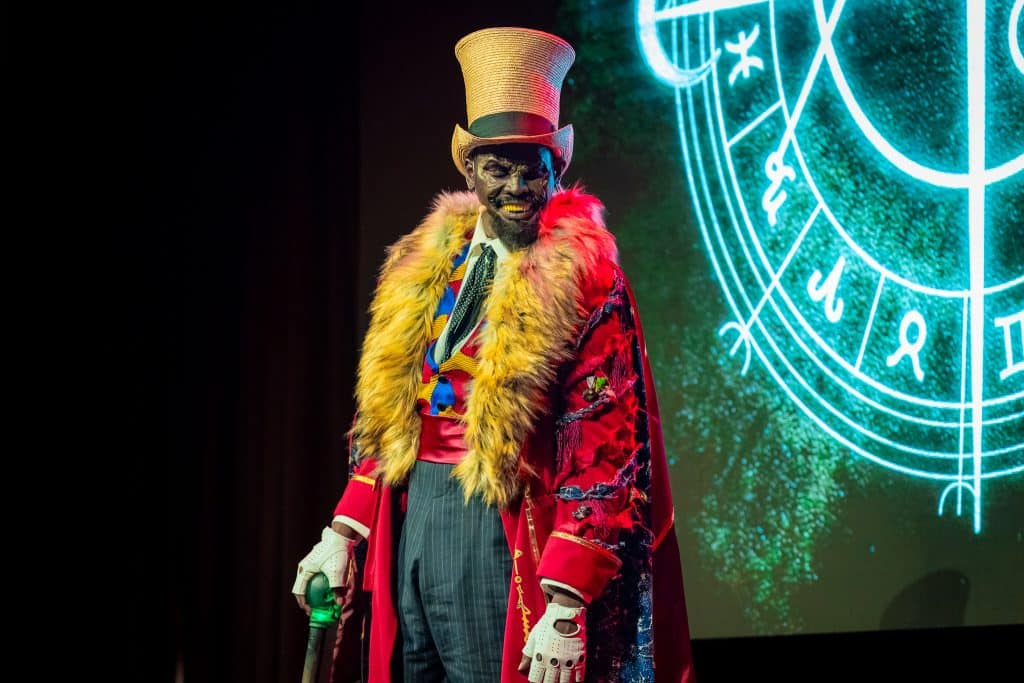
Finally the Doctor found his time in the fog and in 2023 he was established as an icon of HHN.
Oddfellow’s History
Dr. Oddfellow is the notorious, darkly charismatic sideshow owner of Dr. Oddfellow’s Carnival of Thrills. He employed Jack Schmidt, the murderous clown who claimed the lives of at least 13 children. However, the clown was not the only member of the circus who had evil intentions.
Oddfellow was an evil sorcerer, and preyed upon his unsuspecting spectators from town to town. Using the souls of his victims, Oddfellow hoped to gain immortality as well as harness the power of the Dark Zodiac for himself. With this power he would have undying power at his fingertips all harnessed in the skull sitting on top of his trademark cane.
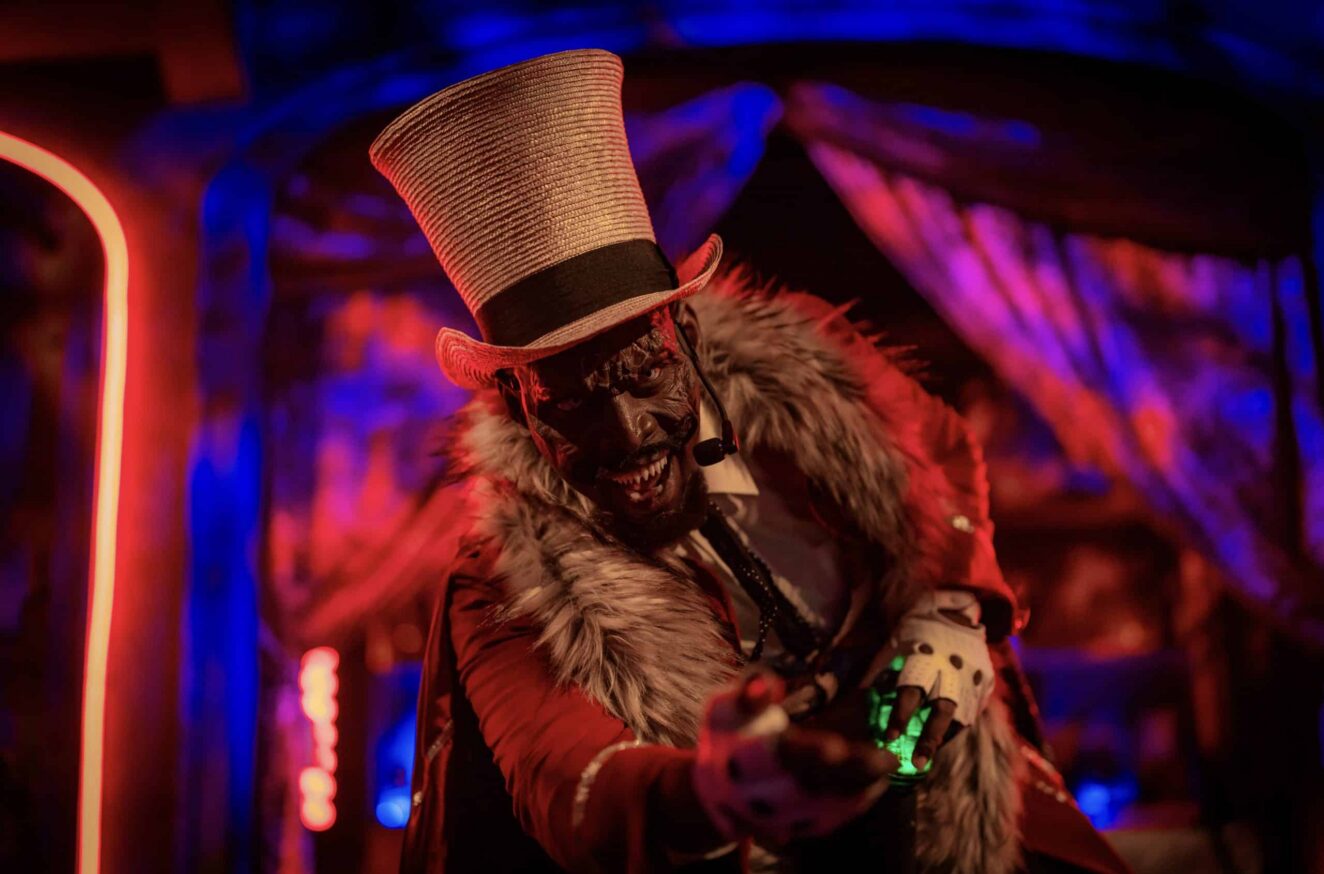
Dr. Oddfellow always left his mark of chaos, destruction and death. From the Jungle of Doom, to the 1939 Dustbowl, and an infamous 1969 Music Festival in upstate New York, Oddfellow reigned down his evil upon the innocent.
A Glimpse of HHN35
Not much has been revealed about how these icons of horror will be intertwined in the upcoming Halloween Horror Nights. However, we do know that despite how much these two despise each other, they will be sharing the spotlight as co-hosts for the much anticipated HHN35.
One of the ten haunted houses will feature the returning duo together. The house is called; Jack and Oddfellow: Chaos and Control.

As you travel through the house the stories of each icon of horror will be unraveled. You’ll wind your way through their evil dimension and see the two battle each other in a deathmatch that has been brewing for decades. However, as you near the end of the house Jack and Oddfellow come to realize that their power is much stronger together than separate. Will the souls of the guests be the fuel to their ultimate evil plan?
Tell us at iHorror who your favorite icon of horror is in the comments! If the two were to face off, who would win?



Horror Coming to Streaming in May 2026: Shudder Is Doing the Most and Netflix Finally Showed Up

Evil Dead Burn Looks Like the Most Violent Family Reunion You’ll Ever Attend

_CIVILIAN Is the Micro-Series That Proves You Don’t Need Much to Make Something That Matters

Breaking Down the First Minute of ‘The Vampire Lestat’ Official Trailer: What It Reveals About Season 3

Jessica T Deveraux Got Possessed At Her Own Bar In New Film ‘Key of Bones’

The Cape Fear Trailer Is Here. Javier Bardem Built It.

iHorror Exclusive Clip: ‘Obsession’ in theaters May 15th

This Week in Horror: The Genre Says Goodbye to Jonathan Tiersten

Sleepaway Camp Knew Before I Did: The Legacy Johnathan Tiersten Left on Queer Media

Koji Suzuki Built the Well. The Author of ‘Ring’ Trilogy Dies at 68

Panic Fest 2026 Review: ‘Creature Of The Pines’ Is An Interesting Found Footage Horror That Walks A Beaten Path

Jonathan Tiersten’s Greatest Role, and it isn’t Sleepaway Camp

Ready or Not 2: Here I Come Blu-ray Review: Buy It for Samara Weaving

Universal’s Horror Make-Up Show Ends 36 Year Run

Self Driver Runs Out of Road

10 J-Horror Films to Watch After Losing Koji Suzuki
Sleepaway Camp Knew Before I Did: The Legacy Johnathan Tiersten Left on Queer Media
Koji Suzuki Built the Well. The Author of ‘Ring’ Trilogy Dies at 68
This Week in Horror: The Genre Says Goodbye to Jonathan Tiersten

Panic Fest 2026 Review: ‘Jump Scare’ Is A Metal As Hell Kick To The Skull!
Jessica T Deveraux Got Possessed At Her Own Bar In New Film ‘Key of Bones’
The Cape Fear Trailer Is Here. Javier Bardem Built It.
-
 News7 days ago
Jessica T Deveraux Got Possessed At Her Own Bar In New Film ‘Key of Bones’
-
 News7 days ago
The Cape Fear Trailer Is Here. Javier Bardem Built It.
-
 News6 days ago
This Week in Horror: The Genre Says Goodbye to Jonathan Tiersten
-
 Editorial5 days ago
Sleepaway Camp Knew Before I Did: The Legacy Johnathan Tiersten Left on Queer Media
-
 News5 days ago
Koji Suzuki Built the Well. The Author of ‘Ring’ Trilogy Dies at 68
-
 News6 days ago
Panic Fest 2026 Review: ‘Jump Scare’ Is A Metal As Hell Kick To The Skull!
-
 Lists3 days ago
10 J-Horror Films to Watch After Losing Koji Suzuki
-
 News2 days ago
Universal’s Horror Make-Up Show Ends 36 Year Run
You must be logged in to post a comment Login