Movie Reviews
[Nightstream Review] ‘Name Above Title’ is a Giallo Serial Killer Fever Dream
In a year that brought us many throwback horror films — such as James Wan’s Malignant or V/H/S/94 — a small Portuguese film called Name Above Title (it’s original title is Um Fio De Baba Escarlate, translated as “A Scarlet Little Thread”) flew under the radar playing at horror film festivals, such as Nightstream where I was able to catch it.
Heavily inspired by 1970s giallo violence and eroticism, Name Above Title presents a retro look to a modern setting of the beautiful Lisbon, Portugal in a short runtime of only 59 minutes. It follows a charismatic serial killer around the city, crafting a bizarre and unsettling narrative entirely without dialogue, making it a particularly emotive silent film.
With its lack of dialogue, it’s definitely not going to appeal to every horror fan out there, but those who enjoy stylistic, arthouse horror films and violent, ‘70s exploitation films will swoon over this uniquely Portuguese foray into Giallo.
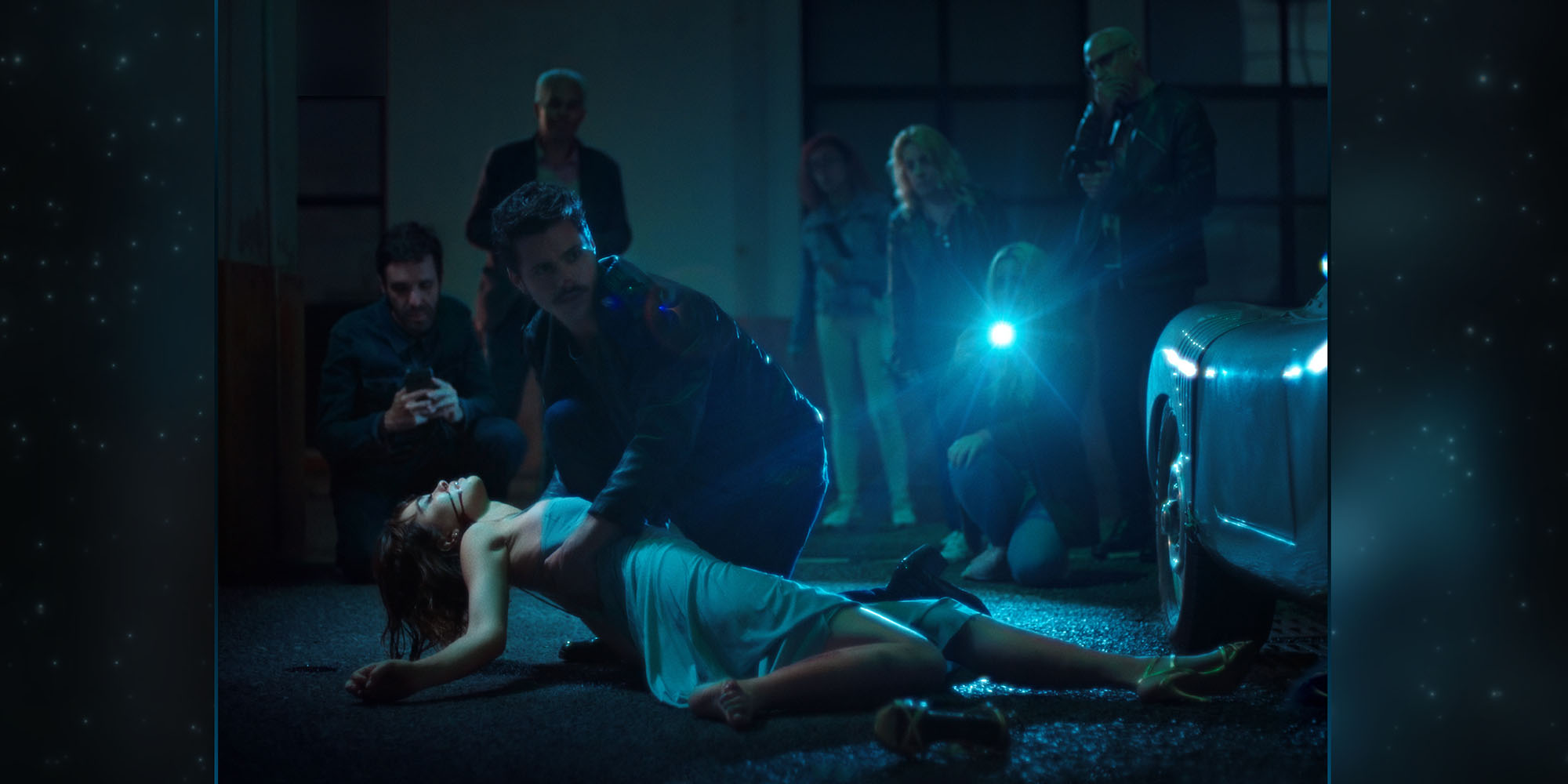
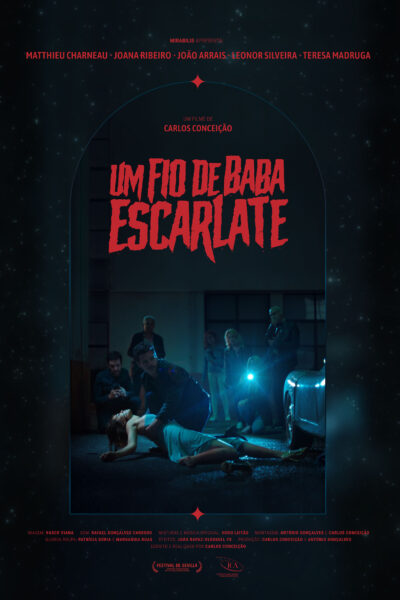
A handsome serial killer (played by Matthieu Charneau) seduces a woman in his car on a moonlit beach before strangling her with his phone charger and stuffing her corpse in his trunk. As he drives through the city, he stops on the road as a woman falls to her death from a roof above right next to him. People gather around them and record as he lifts her head as she whispers something in his ear then passionately kisses her as she dies in his arms. The footage of this encounter spreads and launches the mysterious serial killer into local fame. This is just how Name Above Title begins and goes to some unexpected places by the time it ends.

Image courtesy of Nightstream
Even without dialogue, the acting in this is so precise and purposeful that it’s always perfectly clear what the few characters in this film are trying to say. Charneau embodies the sensual, mysterious Gialli murderer, obsessed with his victims as well as himself as he grows in fame. Joana Ribeiro expertly plays all of the killed women in this film, changing her personality and look to almost trick you into thinking it’s different actresses.
The serial killer is seen as very attractive and objectified through the story, bringing to mind society’s fascination with serial killers. As it is, the film opens with a quote from Ted Bundy, often controversial for being perceived as attractive and lusted after despite his atrocities.
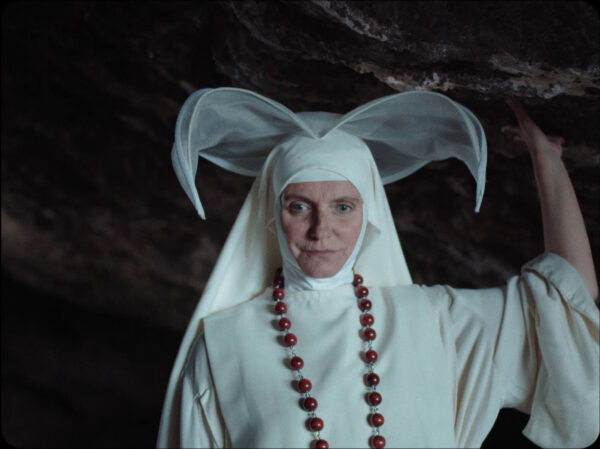
Image courtesy of Nightstream
The serial killer’s name, Candide, is most likely a reference to Voltaire’s Candide, a satirical story coincidentally inspired by the Lisbon earthquake of 1755, a cataclysmic natural disaster that killed 90% of the population of the city and led to a complete religious reversal in Portugal. A heavily Christian country suddenly found it hard to believe in a God that would allow such things to happen. Candide and Name Above Title both end up containing subtle Christian themes as well as satirizing the romantic adventure genre.
The choice to have all the victims played by the same actress also seems ripe for interpretation. Perhaps it comments on the lack of identity murdered women receive compared to their murderers, or simply that the serial killer sees women as all the same, disposable.
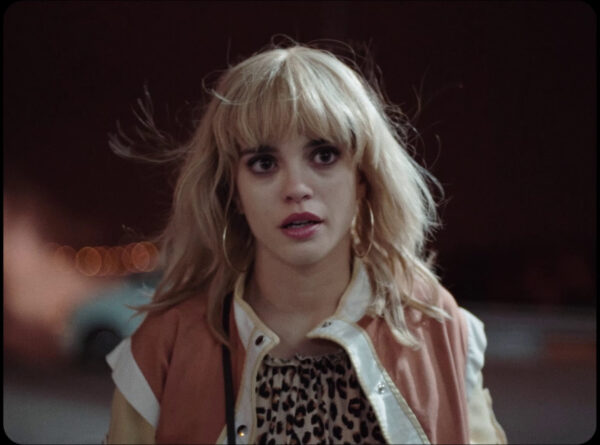
Image courtesy of Nightstream
Another interesting choice is to make the film dialogue-free, not silent. Combined with the gender dynamics hinted at, the lack of voice could indicate the voice being taken away from victimized women.
These modern issues almost seem out of place in this incredibly anachronistic film, with nods to 1960s Hitchcockian camera work, 1970s exploitation flicks, and a synthy 1980s score.
Perhaps the best part of this film is the look of it. Filmed in a 4:3 aspect ratio with mesmerizing cinematography from Vasco Viana, Lisbon becomes a nightmare dream that lends itself to the more abstract ending.
As the second feature of Carlos Conceição, this film stood out as particularly arresting to me and will easily be remembered as one, if not the best of the year personally.
Check out the poster and trailer below.



Movie Reviews
‘ZombieCON Vol. 1’ Gets the Con Right. The Zombies Arrive When They Want To.
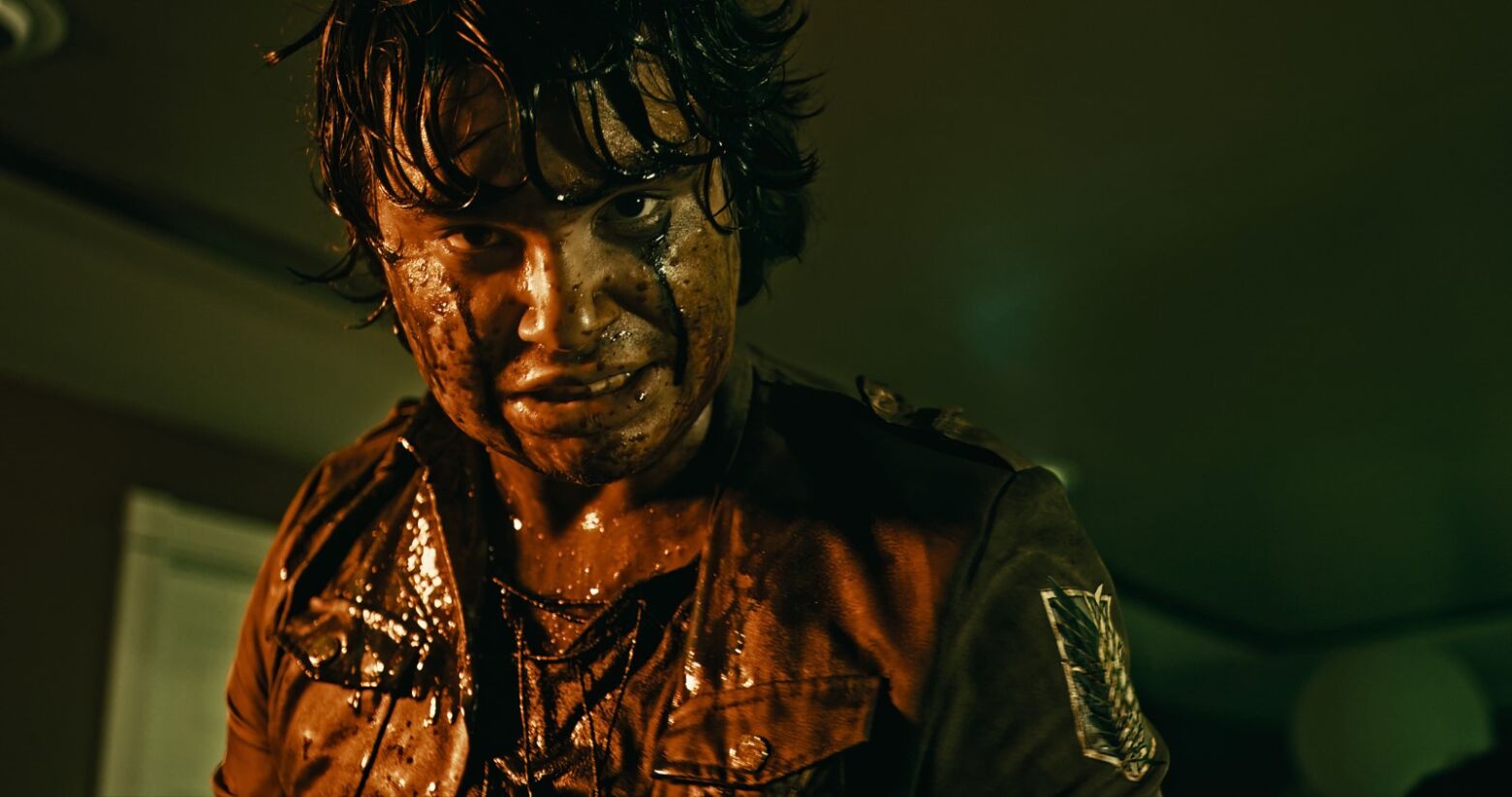
ZombieCON Vol. 1 follows Rocket’s Rockets, a cosplay crew who are three-time regional anime convention champions, two of whom also wrote the film alongside their director, and it delivers a genuinely heartfelt love letter to nerd culture.
Just think Knights of Badassdom, a horror film that needs you to understand why these people care about what they care about before it can ask you to care about them. Although, I think the whole “Cosplay is lame”! Thing died out a long time ago.
The Comedy
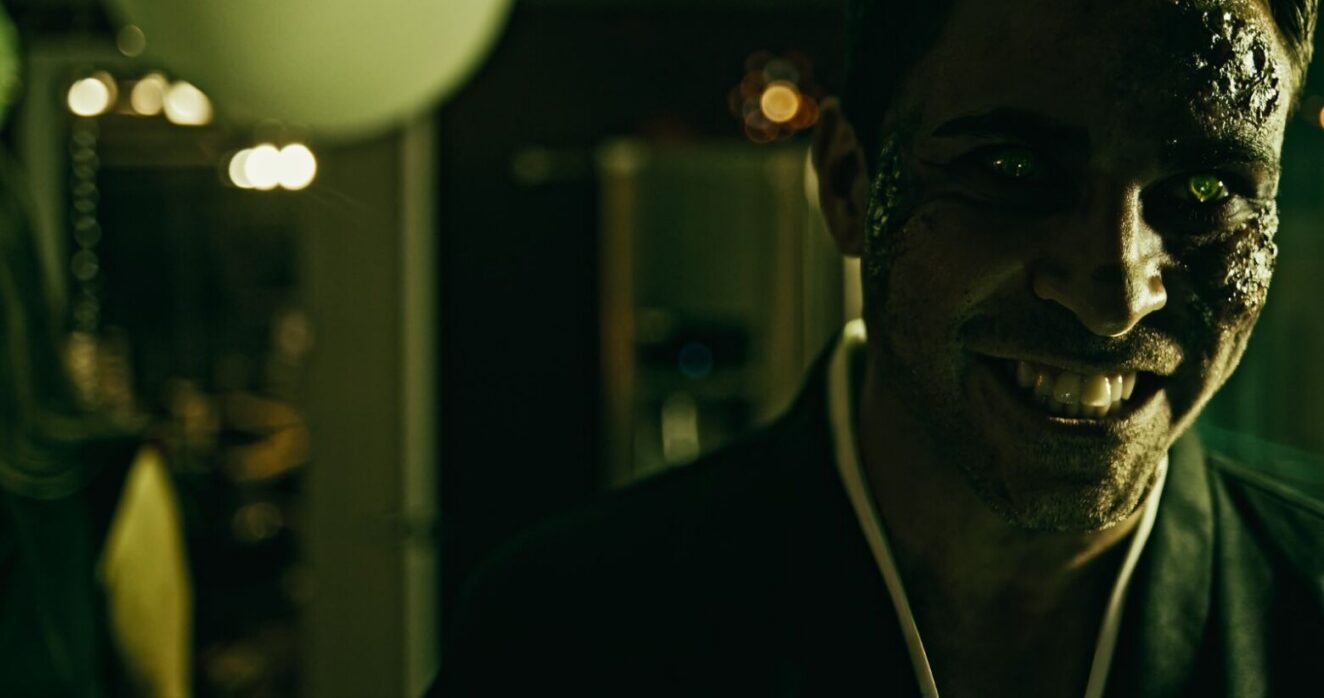
The practical makeup effects look like the work of actual cosplayers competing, not Hollywood’s approximation of cosplayers competing, and the distinction is the difference between a film that is looking at this world from the outside and one that has been living in it.
The characters carry the specific mixture of expertise and softness that comes from living inside a somewhat shunned culture. However, ZombieCON Vol. 1 leans into that culture in a loving, non judgemental way.
The Scott Pilgrim energy in the fight staging earns its references rather than just pointing at them. The anime visual grammar is sincere, not ironic, which is the only register in which this kind of thing is actually funny. The film borrows inspiration from just about everyone but somehow manages to do it respectfully.
The Cast
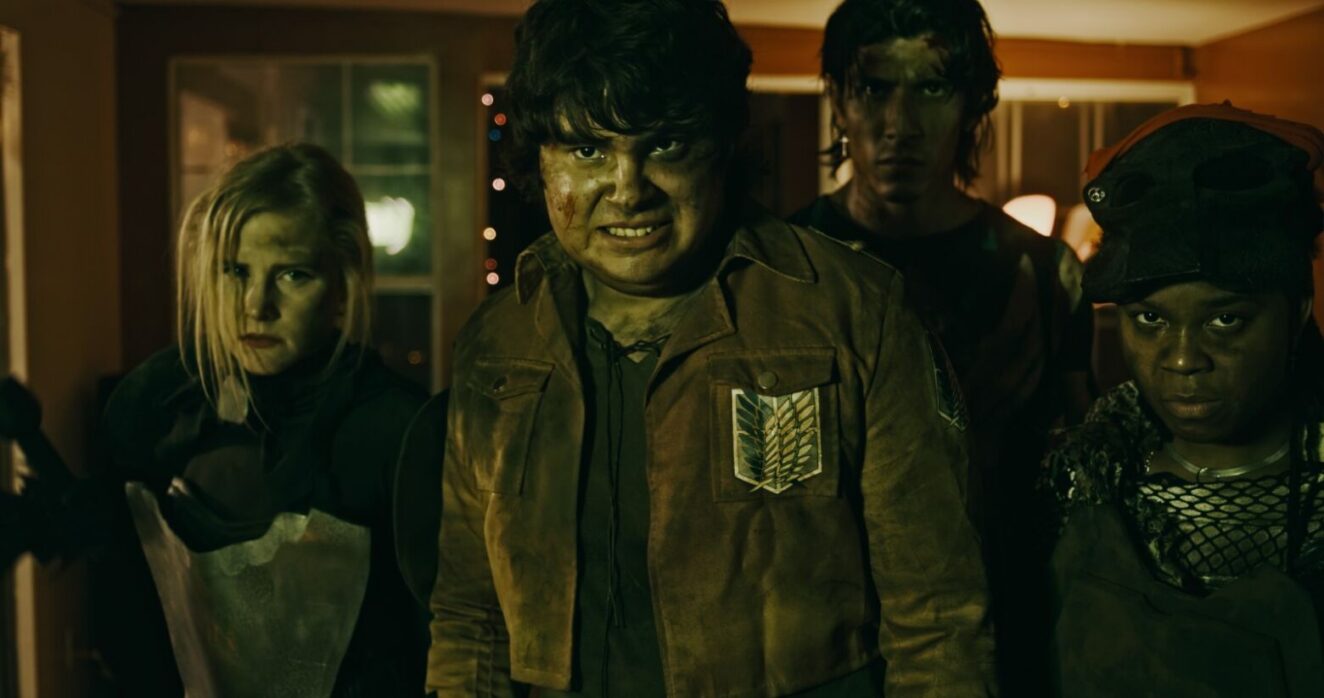
Punkie Johnson came to this from Saturday Night Live, and the gap between her and the rest of the ensemble is perceptible in every scene they share. She finds the timing on lines that are still looking for their timing, lands the joke at the exact moment before the scene needs to move on, and the effect is that everything around her becomes more controlled in her presence.
Erin Áine as Claire carries the film’s stranger turns without explaining them. The character is asked to move from one kind of story into another, several times, in ways the film does not prepare you for, and Áine moves with it without telegraphing the transition or breaking register. Manny Luke’s Rocket is calibrated to produce friction from the opening scene, and Luke commits to it without softening it or winking at the audience about it.
What It Is
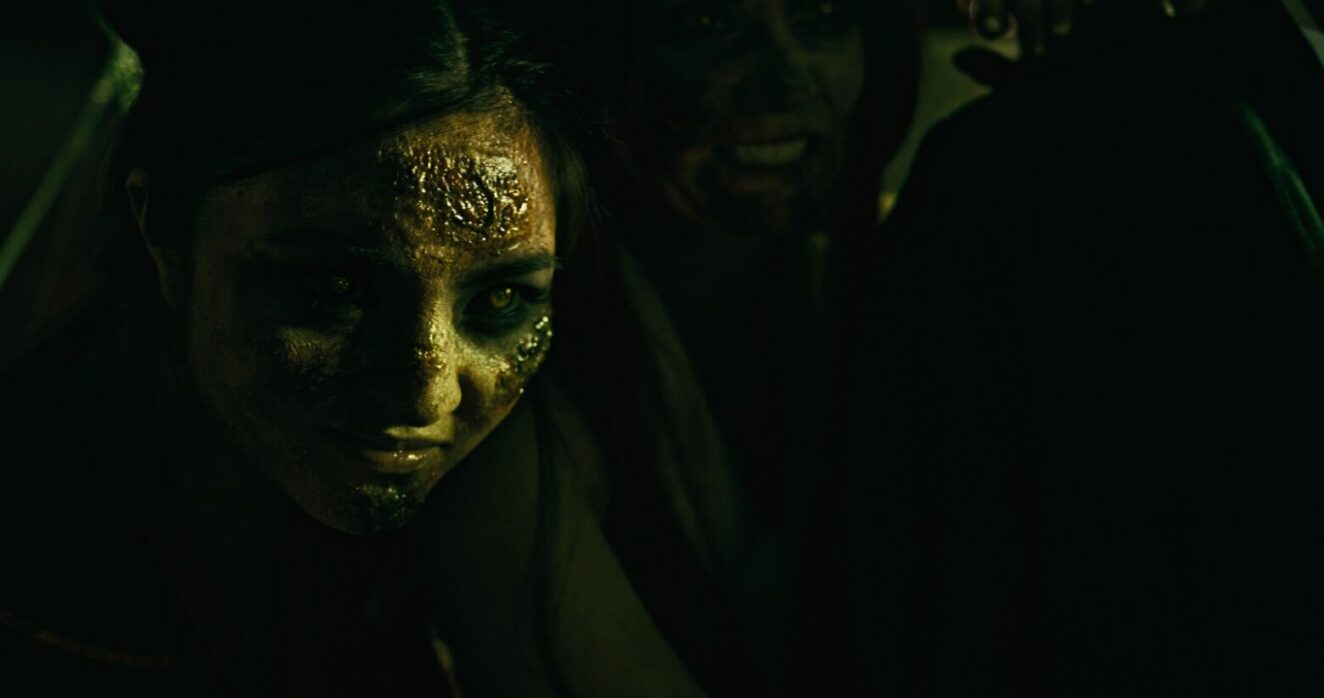
ZombieCON Vol. 1 has a first act that takes thirty-one minutes to produce its first zombie, a budget that shapes what the horror can do once the horror arrives, and a cast that makes both of those things survivable.
The audience for this kind of film has been burned before by entries that treat cosplay culture as the setup for a punchline. This one does not do that. It lives inside the culture rather than observing it, and the result is a horror comedy that earns the affection it is asking for even when the seams are showing.
ZombieCON Vol. 1 is free on Tubi.
Movie Reviews
‘Don’t Die’ Is a Good Friday Night Horror Film And That Is Enough.
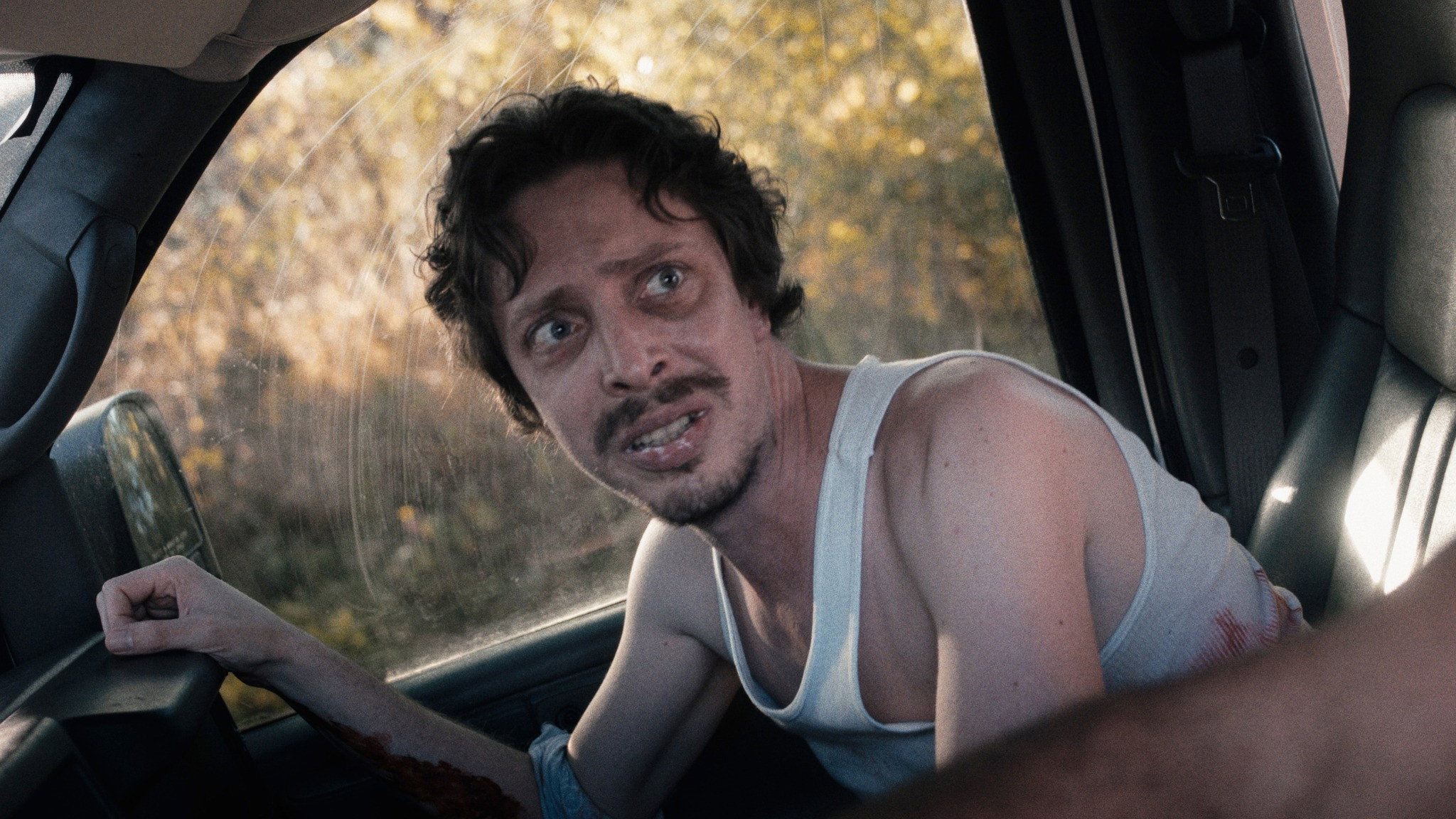
Don’t Die hits UK digital April 27 via Miracle Media. Benjamin Stark wrote and directed it. It played Panic Fest 2024 and spent the better part of two years making the quiet festival rounds, waiting for the right audience to find it. That audience is you.
What Happens
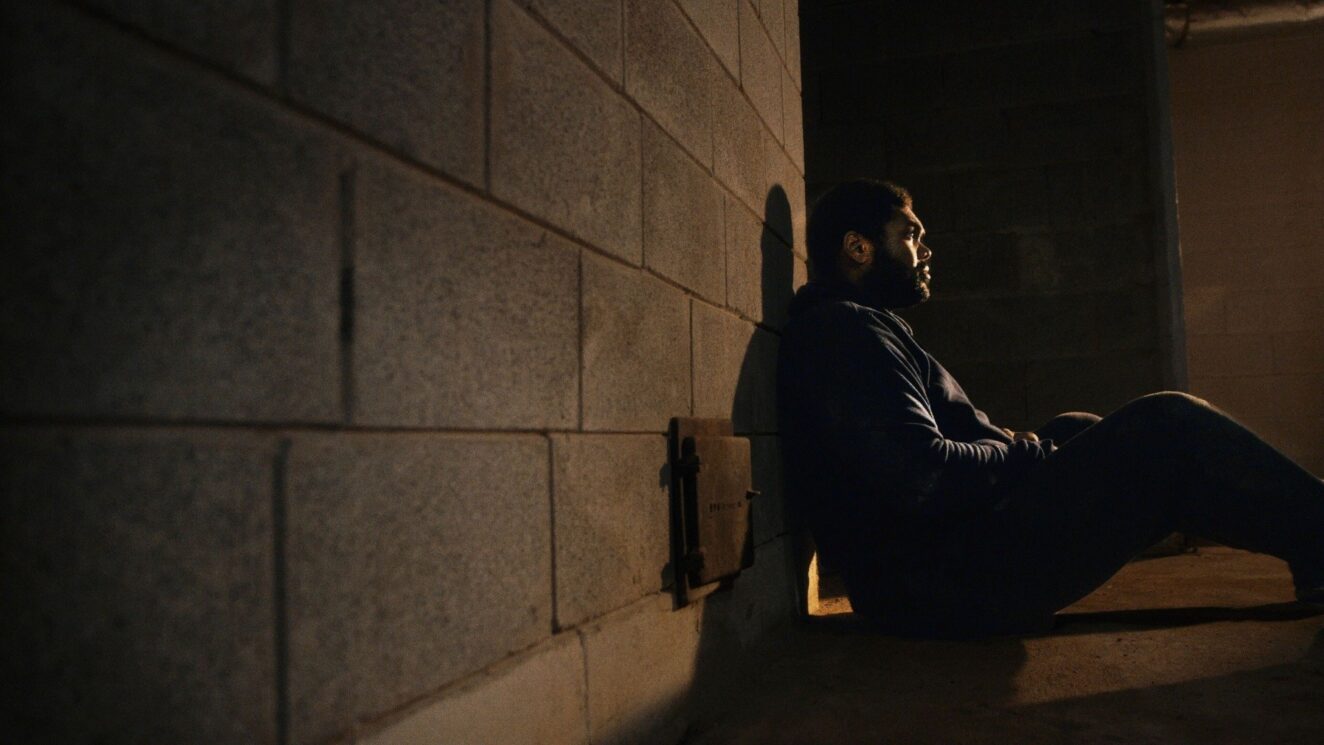
Jenks, played by Theodus Crane, needs medication he cannot afford. He breaks into a small-town pharmacy after hours. This was supposed to be clean. Nobody was supposed to be there. The pharmacist, Julia, played by Virginia Newcomb, was working late. She gets shot. Not knowing what else to do, Jenks takes her exactly where she tells him to take her.
This turns out to be a remote cabin run by a small collective quietly distributing medication to people who cannot access it through legal channels. The Robin Hood framing is warm, and the film offers it genuinely before slowly removing the warmth.
The Turn
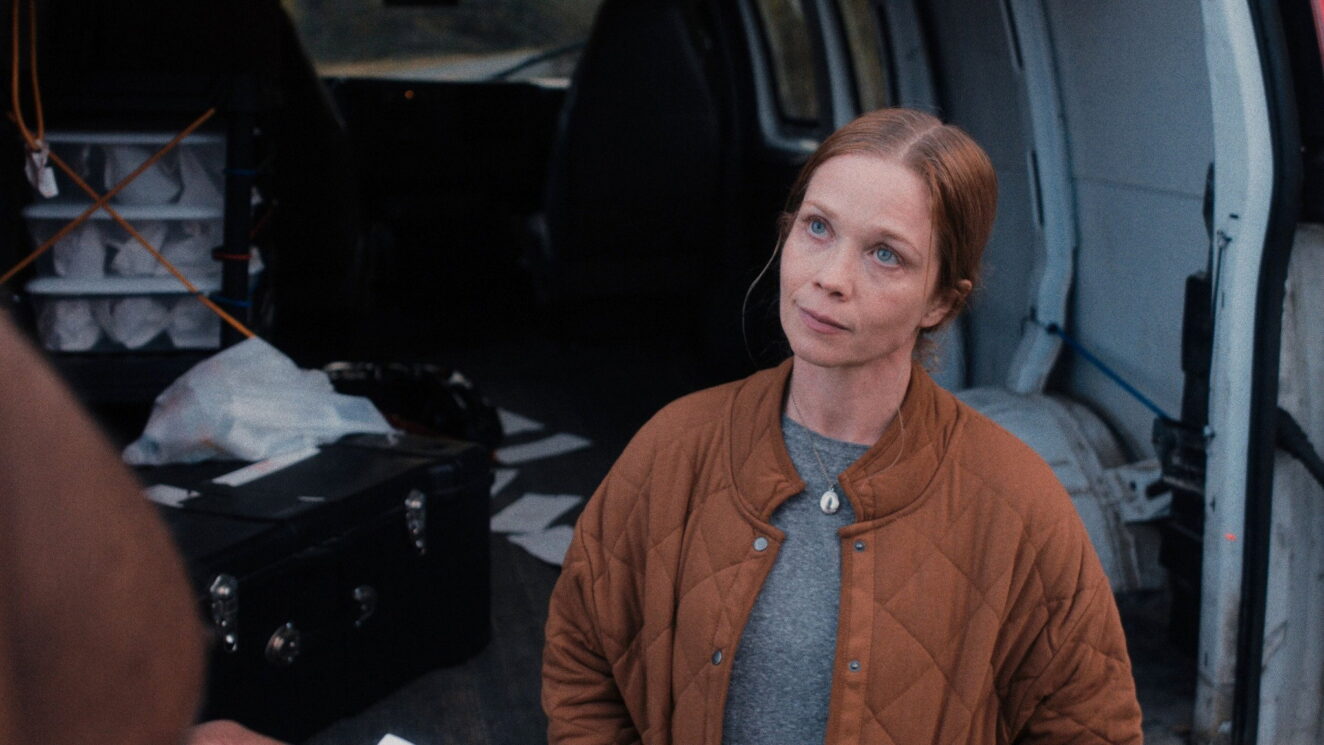
The group running the cabin is not irrational. They believe what they are doing matters. They believe the math is simple. People need blood and organs, medication costs money, two strangers showed up and nobody outside knows where they are. Jenks figures out what that math adds up to about two minutes before the film shows it explicitly, and Crane plays the moment of comprehension exactly right. Quiet. Still. The kind of fear that does not move.
Stark earns the horror here because the people doing terrible things are not doing them out of cruelty. They have a system. They have a purpose. No villain monologue. No sadistic speech. They are calm and businesslike about it. That calm is what makes the third act work. Horror is rarely as effective as when the threat makes a kind of sense.
The Cast
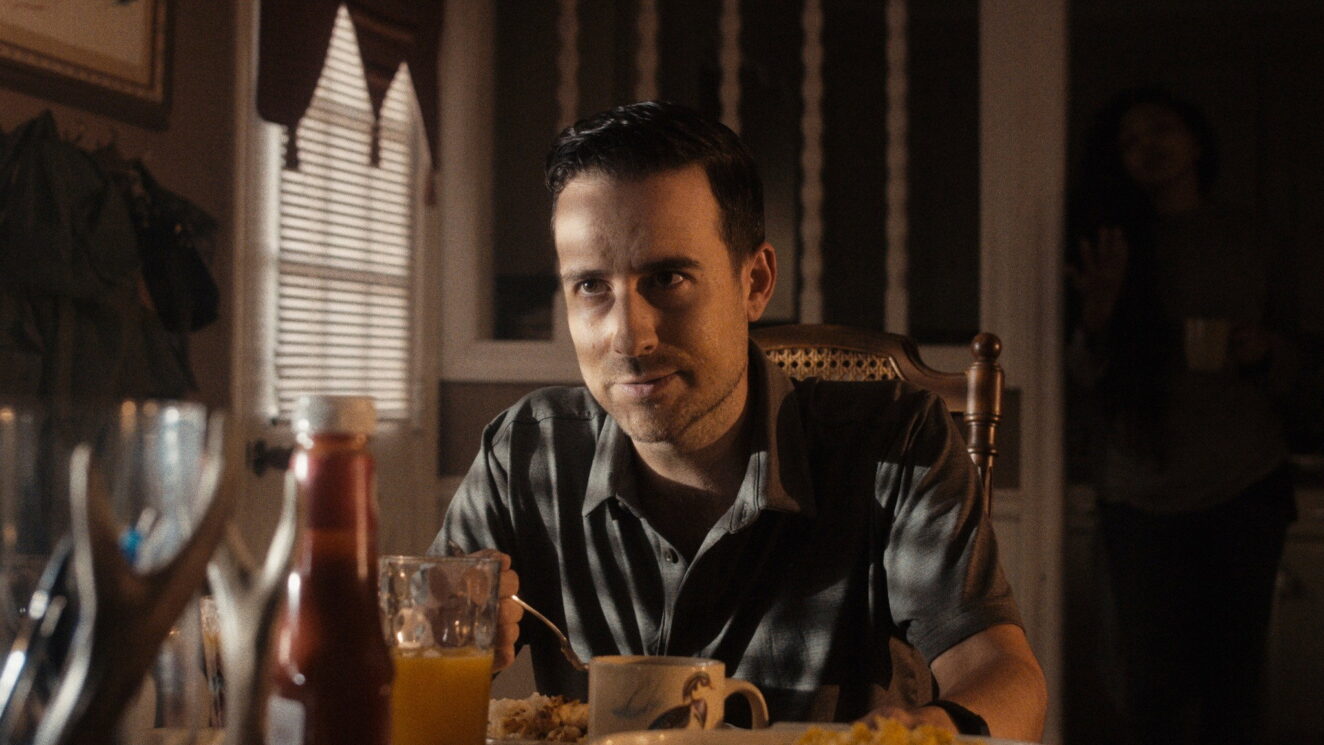
Crane carries it. He plays Jenks as a man who keeps choosing decency as the available options narrow, and that consistency is what makes the back half hit as hard as it does. The performance never reaches for sympathy. It does not need to.
Newcomb as Julia is the other weight-bearing wall. She has the harder job. Her character moves from victim to something more complicated without the script telegraphing the shift. She handles it without calling attention to the handling.
Joshua Burge rounds out the central trio as Randy, the friend who shows up when needed and clocks the situation faster than any reasonable person should. If you don’t have a Randy in your life, make sure to get one.
What It Is and Is Not
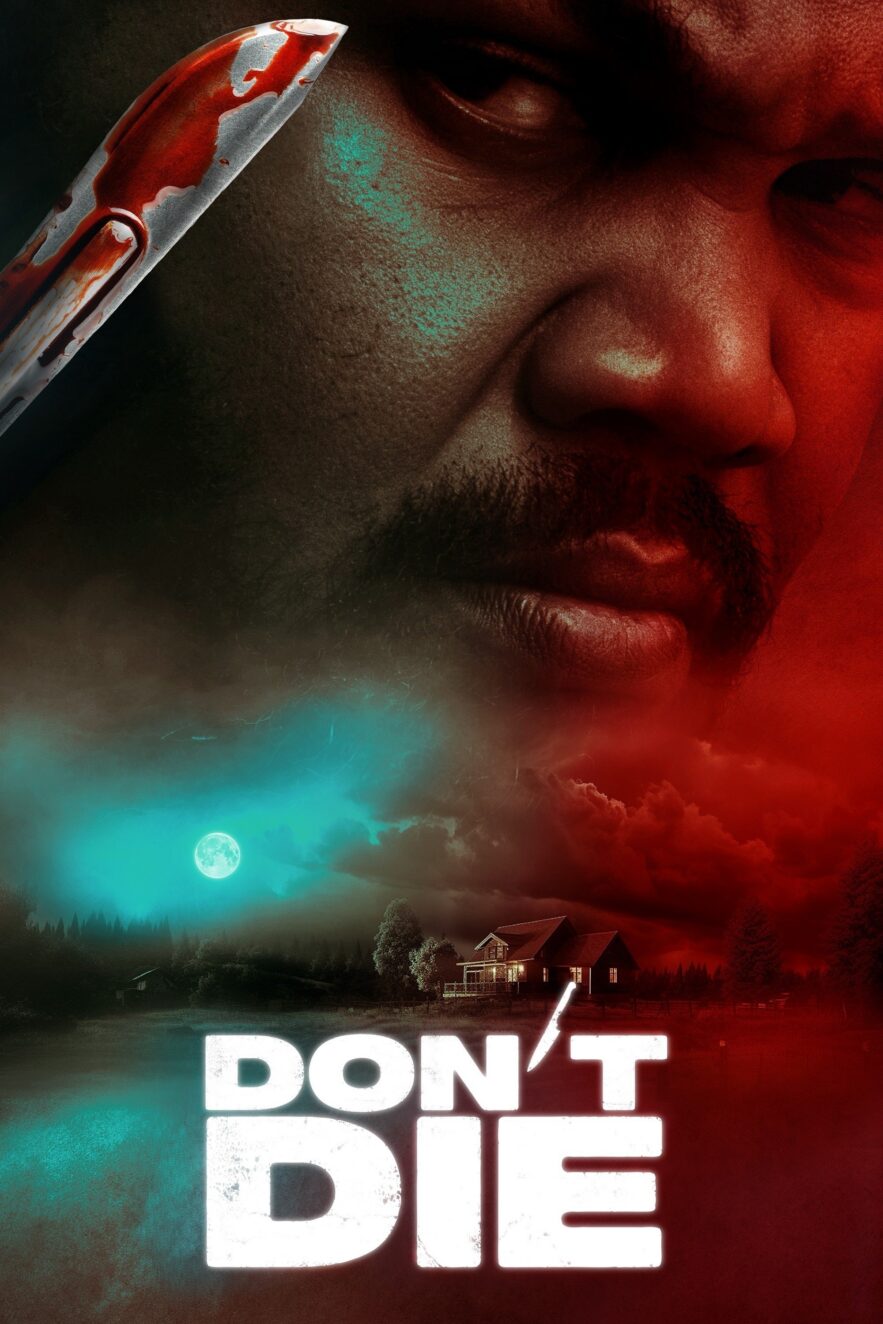
Don’t Die was marketed as horror. It earns the label by the end, but it arrives there through crime thriller territory, and the patience of the first two acts is deliberate and correct. The tension builds quietly. When the horror finally arrives it lands harder because of the time spent getting there.
The budget limitations are present and real. Small locations, a tight cast, minimal spectacle. Stark works within them rather than against them, and for the most part it does not show. The pacing stumbles in the back half, running about five minutes longer than it should in the wrong places. There are moments where the momentum stalls. Neither is fatal.
It does not have much to say about healthcare beyond using it as a mechanism for the plot. That is fine. Not every film needs a thesis. This one tells a good story, maintains tension across most of its runtime, delivers a few genuine scares, and knows exactly what it is. Most low-budget horror manages one of those things.
Don’t Die is on UK digital now. Good Friday night film.
Movie Reviews
Content Is Now on Digital. Watch It Twice.
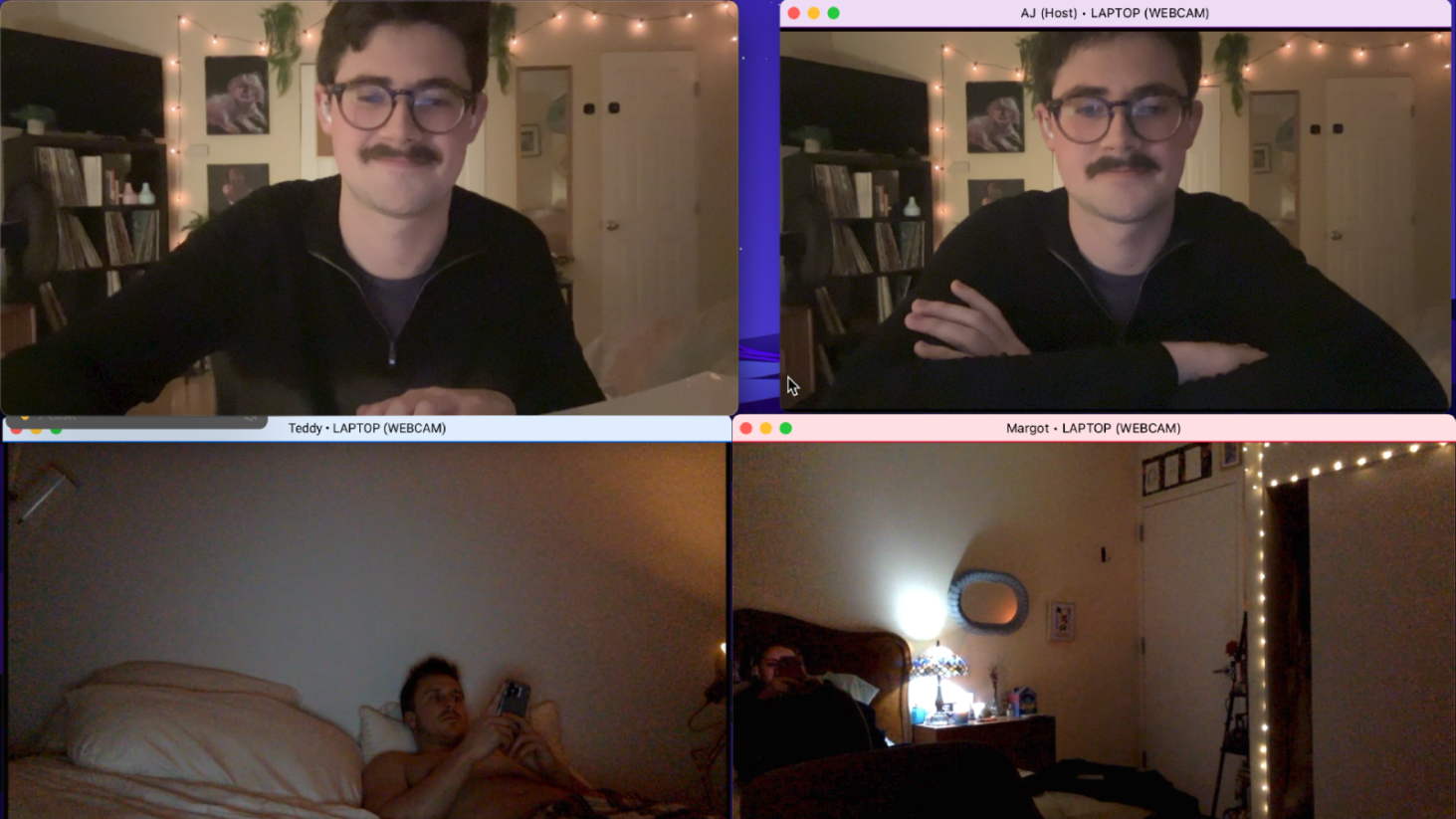
Content, Adam Meilech’s screenlife horror satire, arrives on UK digital April 27 via GrimmVision following a strong festival run that included Grimmfest 2025. The whole film plays out across phones and laptop screens. It opens on a sham. It ends somewhere you did not expect to go.
What It Is
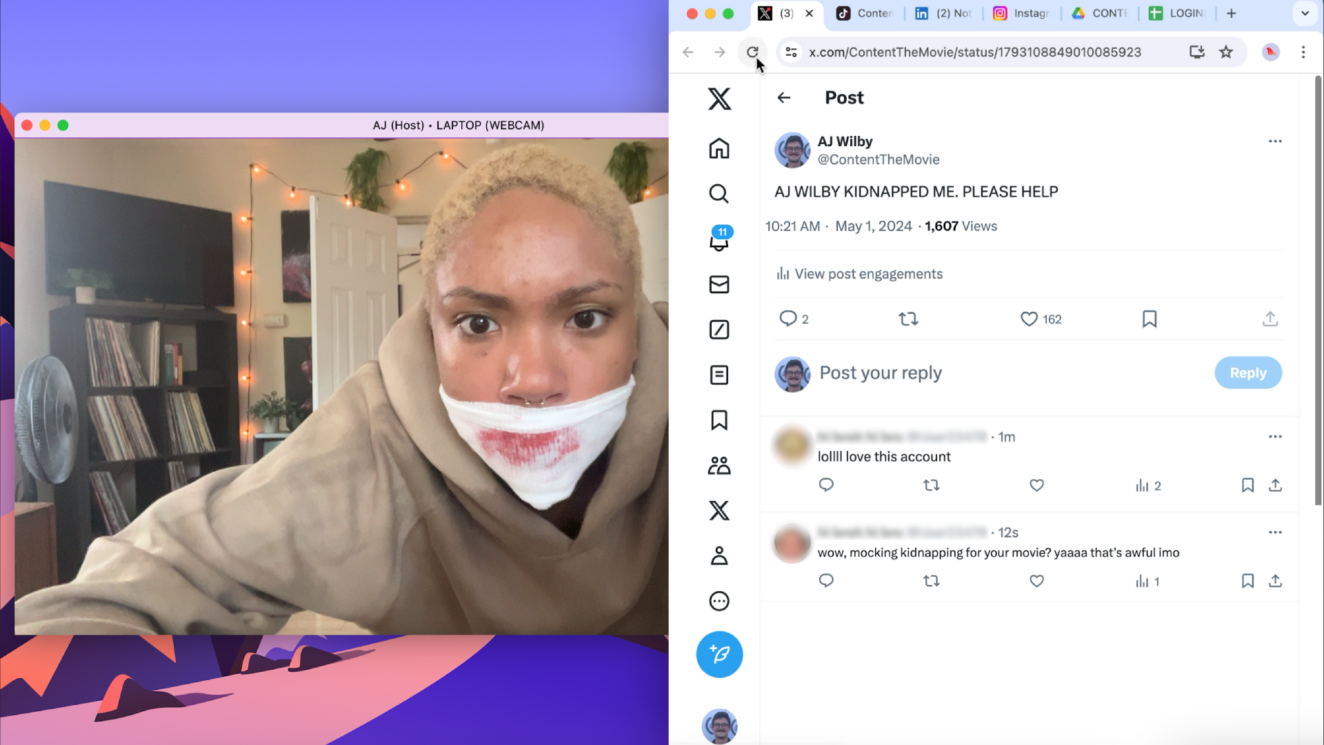
The opening scene drops you inside Therapals, a fake online therapy platform where the therapists are just untrained people trying to earn a paycheck. The first patient our protagonist connects with has the energy of an angry Ryan Reynolds and, with complete calm, tells her he is thinking about killing his neighbor.
From there Meilech begins stacking story on top of story in a way that will either lose you or thrill you, and which one depends entirely on your tolerance for the extremely meta. At the center is AJ, played by Meilech himself: actor, writer, director, stalker, kidnapper, psychopath.
While there is a clear line to be drawn from Content and Milk & Serial, Meilech provides a wonderful villain. His polite swagger and genuine enthusiasm make one of the most powerfuly wicked online personas I have seen in a while.
The Cast and the Method
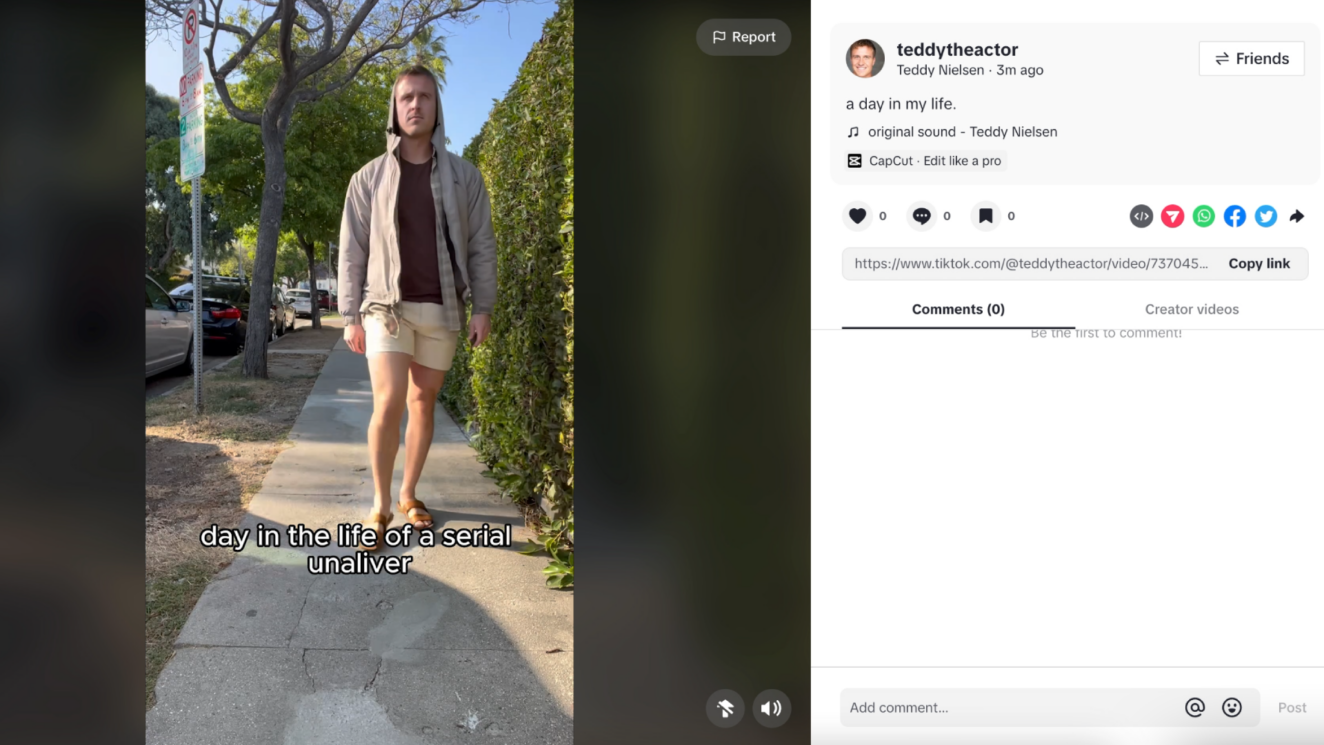
The cast is Megan Boehmcke, Alex Mills, and Vaune Suitt alongside Meilech, operating under conditions that range from unpleasant to genuinely alarming. AJ records himself playing therapist to himself and plays the recordings back. He pays a stranger to pose as a mentor figure for his male actor, who believes he is in on a bit the whole time. He performs takes over and over in the Kubrick tradition until he gets what he wants. Eventually he just moves his lead into his apartment.
To get a real reaction during a shoot, he shows up and actually hits the actor. The poor actor, still in the scene, asks if they can reshoot. This dude is so desperate for a part, he is willing to show he can make his pain more entertaining.
Where It Sits
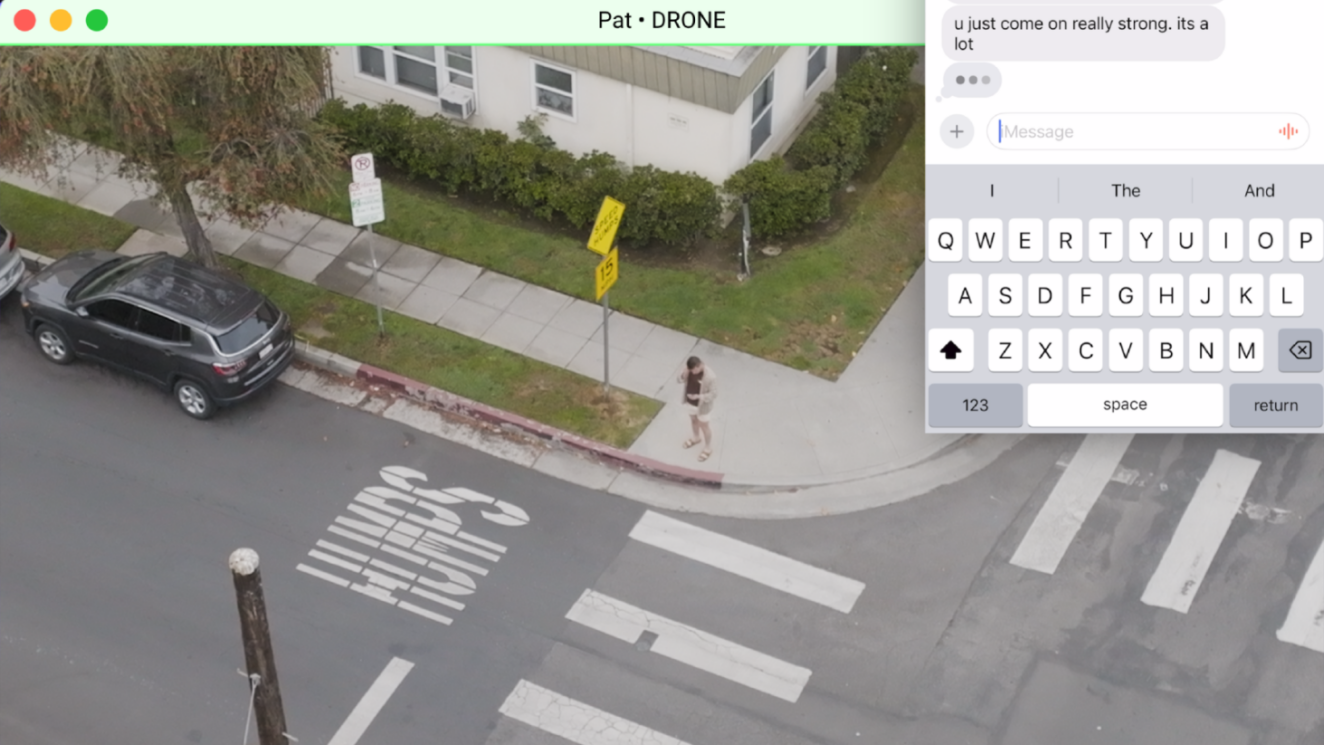
The several story arcs running at once can be genuinely hard to follow and Content is not interested in making things easier. That is a feature, not a flaw. The bad guy is normal looking. He lives in a shared apartment. He does not signal his intentions in any way that would help you see it coming. There is real secondhand cringe to watching private moments captured without the subjects knowing, which is the film’s most effective trick, and Meilech commits to it completely.
It lands somewhere between Milk and Serial and Creep in the first half, and ends up closer to Funny Games meets Better Watch Out by the final act. That is an unusual place to land. It is also exactly the right one. Content is available now on UK digital via GrimmVision.

The Evil Dead Burn Trailer Is Here and It Is Everything

The Evil Dead Universe Now Includes a Mummy Film

“It’s My Era. I’m a Rockstar Now.” The Official ‘The Vampire Lestat’ Trailer Is Here

10 Horror, Thriller, and True Crime Series to Watch This Spring

The Practical Magic 2 Teaser Trailer Is Finally Here

This Week in Horror: DC Goes Full Body Horror, A24 Has Its Chainsaw Man, and The Bone Temple Is Finally Yours

The Vampire Lestat Releases Cover of Billy Idol’s “Dancing With Myself”

The HUNGRY Red Band Trailer Is Here and We Need to Stop Laughing at the Hippo

Samara Weaving and Kyle Gallner Star in Romantic Crime Thriller ‘Carolina Caroline’ [Trailer]

ShoStak Opens the Door for Filmmakers to Build and Own Their Stories

‘Behind the Mask 2’ Slays Kickstarter

‘ZombieCON Vol. 1’ Gets the Con Right. The Zombies Arrive When They Want To.

Shudder’s May Is the Best Month They’ve Had in a While.

‘Don’t Die’ Is a Good Friday Night Horror Film And That Is Enough.

Content Is Now on Digital. Watch It Twice.

[Exclusive Clip] ‘From the Beyond: High Strangeness in the Bennington Triangle’

‘Behind the Mask’: Nathan Baesel Exclusive Interview!

‘The Vampire Lestat’ Trailer: What “Dancing With Myself” Reveals About Lestat
This Week in Horror: DC Goes Full Body Horror, A24 Has Its Chainsaw Man, and The Bone Temple Is Finally Yours
The Vampire Lestat Releases Cover of Billy Idol’s “Dancing With Myself”

Astrolatry Built a Ten-Foot Practical Penis Scorpion
Samara Weaving and Kyle Gallner Star in Romantic Crime Thriller ‘Carolina Caroline’ [Trailer]
-
 Trailers7 days ago
“It’s My Era. I’m a Rockstar Now.” The Official ‘The Vampire Lestat’ Trailer Is Here
-
 News5 days ago
This Week in Horror: DC Goes Full Body Horror, A24 Has Its Chainsaw Man, and The Bone Temple Is Finally Yours
-
 Music5 days ago
The Vampire Lestat Releases Cover of Billy Idol’s “Dancing With Myself”
-
 Trailers6 days ago
Samara Weaving and Kyle Gallner Star in Romantic Crime Thriller ‘Carolina Caroline’ [Trailer]
-
 News6 days ago
ShoStak Opens the Door for Filmmakers to Build and Own Their Stories
-
 News7 days ago
‘Behind the Mask 2’ Slays Kickstarter
-
 Editorial4 days ago
‘The Vampire Lestat’ Trailer: What “Dancing With Myself” Reveals About Lestat
-
 News7 days ago
The Best Possible Person Is Directing A24’s Texas Chainsaw Massacre
You must be logged in to post a comment Login