True Crime
Interview: Filmmaker Christina Fontana on Her ‘Relentless’ True Crime Docuseries


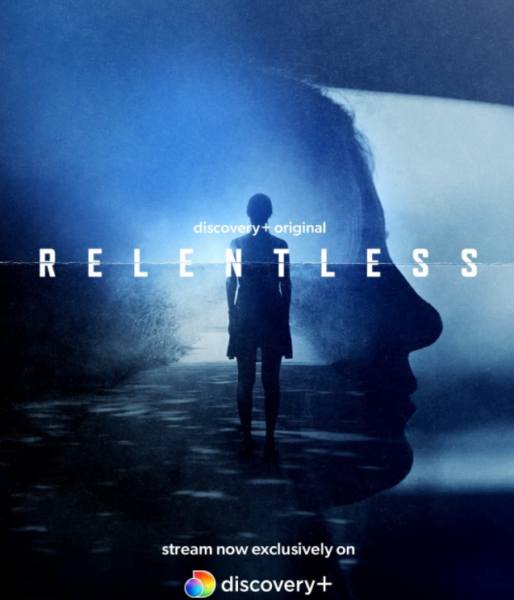
When 21-year-old Christina Whittaker disappeared in the small town of Hannibal, MO, a frantic search immediately ensued. Eight months later, filmmaker Christina Fontana met Whittaker’s mother when filming a documentary about the families of missing persons. Little did Fontana know, this one case would lead her down a dark path full of conspiracies, betrayals, suicide, and murder. Fontana documents her involvement in Whittaker’s case in the 6-part docuseries, Relentless.
Using more than 400 hours of footage from field investigations and video diaries filmed over 11 years, this docuseries follows not only a complex search for a missing person, but the journey of a filmmaker who becomes dangerously ensnared by the story she’s documenting.
I had the opportunity to sit down with Fontana to discuss Relentless, her decade-long involvement in the case, and the challenges of being so personally involved. Produced by Blumhouse Television in association with Stick Figure Entertainment and streaming on discovery+, Relentless is a twisting, turning, emotionally charged case full of danger and deceit.
Kelly McNeely: Hello! How are you?
Christina Fontana: I’m doing well. It’s been a surreal 24 hours now that Relentless has finally dropped. It’s been such a long journey for me. So finally, being able to share with audiences is thrilling. It’s very exciting to get it out there.
Kelly McNeely: I saw the first three episodes, and I cannot wait to watch the rest because it’s such an absolutely crazy, twisting case. Can you talk a little bit about your involvement and perhaps how it’s evolved over time, both personally and professionally?
Christina Fontana: Yeah, this story started out in 2007, I was doing a documentary on families of the missing. I was interested in what it was like for families who had to carry the weight of their own investigations, and what it was like for them to be able to go to work and also do that. And I met Christina’s parents in the summer of 2010 — at a retreat for families of the missing — and I was really taken by the dedication and tenacity of Christina’s mother, to look for her and the active leads that they had.
So originally, this was supposed to be a story among other stories, and all of a sudden, all of the focus shifted to Christina’s case, because Christina’s mom had leads, and they tracked her to this town 200 miles away from where they lived. And it kind of became a thrill thrill ride from there. And yeah, I mean, obviously, you’ve seen it develop to a degree in the first three episodes, and I’ll say that the last three episodes get pretty crazy. It’s really a thrill ride.
Kelly McNeely: You’ve spoken with a few people throughout this process that have been perhaps not entirely truthful with you during their interviews. As an interviewer, what runs through your head when you know someone’s lying to you, and how do you navigate those conversations?
Christina Fontana: It’s actually pretty difficult, because what’s interesting about this story, for me, is that I dove in headfirst in the beginning based solely on Christina’s mom’s tenacity to look for her. And, you know, she needed some help. And I wanted to be somebody that was there for her. And I realized that that was naive, and I wasn’t always being objective. So the reason why I do the diary cams in Relentless is because I wanted the audience to know what I was feeling during those moments, when I was getting information thrown at me that they may be lying to you, or hiding certain pieces of information, and how hard that was for me to grapple with. Because I went into this on their side.
And it was difficult to kind of push through that and say, okay, you really need to put all the information out there. Otherwise, you’re going to be trying to put a puzzle together without all the pieces. So it was difficult for me, because the more I uncover in Relentless, the more complicated my relationship with the family. And I always wanted to be kind in the way I approached them when I found, you know, certain pieces of information out. There’s a lot of rumors in this case, and there were a lot of rumors in this town. So I wasn’t always sure what was real and what wasn’t.
Kelly McNeely: I imagine that’d be a very difficult part, just because there’s so much hearsay back and forth between different friends and family members, and people that knew her and people that didn’t… could you talk a little bit about trying to do that detective work of digging through to try and find the facts through all the back and forth?
Christina Fontana: Yeah, you know, that’s why I realized that I needed help with investigators. And I actually bring on even more investigators in the final three episodes, because it was such a difficult case to navigate. And there are specific allegations of corruption that go on within Hannibal that was too big for me to handle, I needed professional help. So a lot of the detective work was thankfully, guided by the law enforcement officials that I brought on my team, because it was a lot of emotion for me, dealing with all of the lies and deceit, manipulation and danger. I mean, I kept putting myself in situations where I felt in danger. And navigating through all of that wouldn’t have happened if I did not have the team that I had. So they were a great help. They understood the town, and they understood the certain allegations that were going around.
Kelly McNeely: And I think that sort of makes a great segue to my next question, what do you think was the best decision that you made when investigating all of this? Whether it was bringing all the other team members, or was there a decision that you made that you’re like, I’m so glad I did this one particular thing because it’s really helped me along the process?
Christina Fontana: I have to say that I brought on a really amazing showrunner, George Moll, who comes from a journalism background. And I think that is one of the smartest decisions I’ve made, because even though I had investigators, having somebody on a day to day basis who was able to look at it from many different angles — particularly because I was so entrenched, I became a part of the story. So it was hard for me sometimes to take a step back and say, okay, how do we look at this objectively? Because some of the people that are lying to you are your friends, you think, so it was really nice for me to have George creatively and investigatively. He just brought a lot to the table.
Kelly McNeely: The whole thing seems like it was just an emotional roller coaster, was there ever a point that you wanted to just stop the investigation? To say, I have to step away from this?
Christina Fontana: Yeah. The end of episode 5 is a very emotional moment that you’ll see. And particularly when the case hit 10 years, I was at my wit’s end. And I kept asking myself, why am I doing this, despite everything that’s coming at me, and I kept remembering that the reason I joined the search was to find justice for Christina [Whittaker]. When I agreed to join the search, I didn’t agree with strings attached. I didn’t agree to help, you know, if no one lied to me, or if everybody wasn’t a really good person. It was about Christina, and helping her little girl find that closure, or get reunited with her mom. So that was the thing that kept driving me to continue.
Kelly McNeely: You had such a close connection with the family. And this may get answered in later episodes. But do you still keep in touch with anyone from the family? Has there been any follow up with [Whittaker’s] daughter at all?
Christina Fontana: Yeah, the family welcomed me with open arms in the beginning, and it gets complicated. And I think to a large degree, they understand the complications that arose from this journey. And I think one of the lessons that you’ll find in Relentless is that there are a lot of unintended consequences when a family has to take control of their own investigation.
Families are not objective, they have a natural tendency to want to protect each other, protect each other from judgment, and a natural fear of parents that if they do get judged that no one will want to help. So I know that there is a lot of raw emotion based on things that we uncover. But I had to remain true to the story. Anything that was relevant to the case, because that could be the thing that brings Christina home. So we we do keep in touch, and we’re trying to keep our focus on finding Christina.
Kelly McNeely: This is a bit of a long process that you’ve taken us on over so many years. Can you talk a little bit about the journey from beginning to end and how it feels to be done everything now? I guess the case is still ongoing, but to have this final project of Relentless completed?
Christina Fontana: Yeah, I mean, it’s such a surreal feeling. I had started the project again, on these other families and how it grew into Christina’s case, and the effect that it had on my life was pretty significant. Emotionally, and I get very raw about that. And again, in the in the final three episodes, it increases because everything that’s coming at me increases, and Christina Whittaker has become a part of me.
I’ve never met her, you know, but she has been in my thoughts, I get these leads, you know, at work, at the gym, at home, it’s just been a part of my life, and to see it and to be able to finally share the story with true crime audiences at discovery+ especially is exciting for me, because I know that they’re just as passionate and stubborn as I am, that we’re not going to give up until we get justice for Christina.
So on the one hand, I want to say it is a relief that I finally am able to get this out there. It’s exciting to say okay, what do you guys think? And you know, I’ve been getting leads even the first three episodes that drop, my phone has been ringing with people who are coming forward in the case. And that’s my hope. And my hope is that people with direct knowledge of what happened to Christina see the people who are brave enough who have come forward, and that’ll inspire them to say, okay, I’m not alone. It’s time, let’s do this. So it certainly gives it a lot more.
[Fontana’s phone rings, she quickly checks it]
That was a lead from Hannibal, by the way.
Kelly McNeely: That was Hannibal Missouri calling? Is it like all hours of the day?
Christina Fontana: They’re calling all hours of the day. That’s what happens. All day, I’ll get calls and messages from people in Hannibal that want to share information that they know, because they think it might help. And I welcome that.
Kelly McNeely: Has true crime always been an interest for you? Or did it really start with this case? How did you get this interest in the detective work that you’ve developed over the process of working on Relentless?
Christina Fontana: My favorite cartoon as a kid was Scooby Doo. So I don’t know if it started there. And I’ve always been very interested in mysteries. I think my passion was in documentaries because I just think there are certain stories in life that are just, like, life is crazier than fiction, right? It’s just incredible, the true stories that you can find out there. And I wanted to do this documentary, because I had a passion for if I could do something that at least could affect someone’s life in a positive way, and also use the medium that I love — which is film — that would be super cool. So that’s why I kind of got into this. But yeah, figuring things out, the mystery of it all, is something that has always interested me, I think.
Kelly McNeely: Is it something you want to continue to pursue, maybe with other stories now that you’ve sort of gotten your feet wet with this really crazy case?
Christina Fontana: Yeah, you know, I’ve been keeping up with a lot of the families of the missing that I was meeting in the very beginning of this process. And I’ve met a lot of incredible families since. And all of them are being relentless in their own cases, whether they’re trying to find justice for their murdered — missing or murdered — loved one, or missing person. And I’d like to share those stories. I think it’s really valuable to get all of their stories out there. So I am looking at things like that. And discovery+ is an amazing place to be, because they’re very interested in justice and also getting these stories out. So yeah, it’s my hope to share as many as I can.
The first three episodes of Relentless stream exclusively on discovery+ beginning June 28th, and subsequent episodes drop every Monday. For more true crime content, you can read my interview with producer Jacqueline Bynon on The Clown and the Candyman






News
‘Scream’ Murder Documentary Released on Hulu

The Scream Murder: A True Teen Horror Story is the latest true crime documentary released on Hulu. High school students Brian Lee Draper and Torey Adamcik’s murder of classmate Cassie Jo Stoddart is examined in the documentary.
Scream writer Kevin Williamson explained his inspiration for the movie came from real life serial killer Danny Rolling. Danny Rolling is also known as the Gainesville Ripper. When coupled with the writer’s own personal fear of home invasion, he found his inspiration for the script to his horror movie Scream.
Little did Williamson know, one decade later life in Pocatello, Idaho would imitate his creation.
The Night the Lights Went Out
In 2006, high school student Cassie Jo Stoddart was murdered by two of her fellow classmates. These two boys are Brian Lee Draper and Torey Michael Adamcik. Not only were they classmates, but they were friends of Stoddart and her boyfriend, Matt Beckham. In fact, it was Beckham who invited them over to Stoddart’s aunt’s house the night they killed her.

The four watched movies at the house until Draper and Adamcik left around 9:30p.m. to go to the movie theater. Little did the couple know, the two boys didn’t really leave the house at all.
Following their “departure”, the lights in the house kept flickering on and off. Furthermore, Beckham reported the two heard strange noises from the basement. He asked his mom if he could stay for the night to quiet Cassie’s fears of being alone. Unfortunately she said no. In addition, Cassie turned down Mrs. Beckham’s counteroffer to spend the night at her home instead. She wanted to stay faithful in her responsibility to watch the home as she promised her aunt.
Once Matt left for the night, the lights went out, and The Scream Killers executed their carefully thought out plan.

The next morning Cassie’s relatives returned home. Her 13 year old cousin found her in a pool of blood in the living room, deceased. The medical examiner later counted approximately 30 stab wounds focused around her upper torso. Twelve of those wounds were potentially fatal.
The Apprehension and Video Tapes
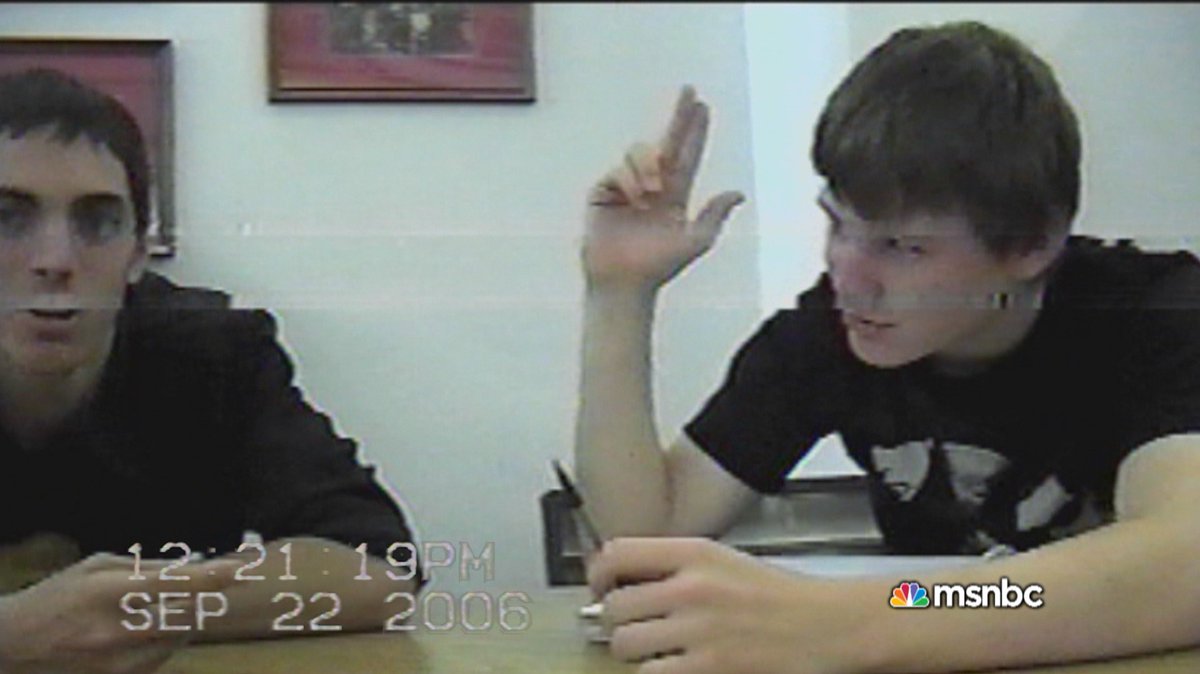
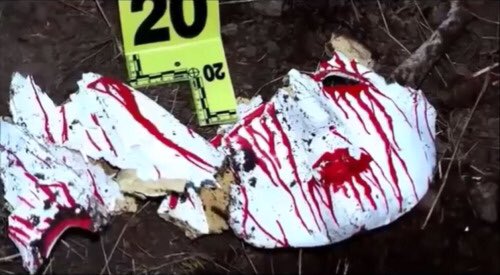
The 16 year old high school students were apprehended soon after the Scream inspired murder. It was when they were in custody when the extent of their sick obsession and plans were discovered. Brian Draper was first to confess to the killing. He led the police to the abandoned area where the two had buried their bloody clothing, masks, boots, and knives they used to kill Cassie.
There was one more thing the police had found. This was perhaps the most important and condemning piece of evidence in the cache; a video tape the two boys had made.
The high school juniors said on these videos how they wanted to recreate the opening Scream murders in real life. On their video they also spoke of their “Death List”. It some became apparent Stoddart was not their only intended victim. On their discovered “death list”, there were at least five names of other fellow students who they planned to kill.
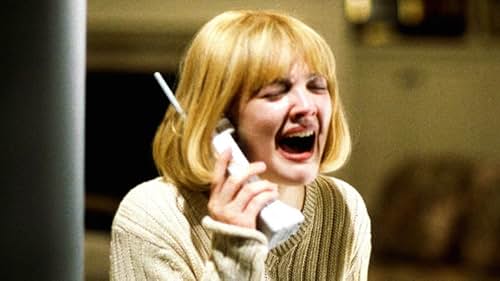
The video then cuts to footage from the night of the murder. The video picks up right after the two got into Torey’s car. The boys were clearly exhilarated from their kill. Draper boasted jubilantly;
“We just killed Cassie. We just left her house. This is not a fucking joke. …I stabbed her in the throat. I saw her lifeless body. It just disappeared. Dude. I just killed Cassie. Oh, oh fuck. That felt like it wasn’t even real. I mean it went by so fast.”
Draper and Adamcik’s goal was to start with Cassie’s murder, and then go out in a blaze of glory that would put the Columbine High School shootings to shame.
Consequences and Punishment
No longer was this like the horror movies they loved so much. These confessions sealed their fate, and the evidence was inescapable for the high school juniors.
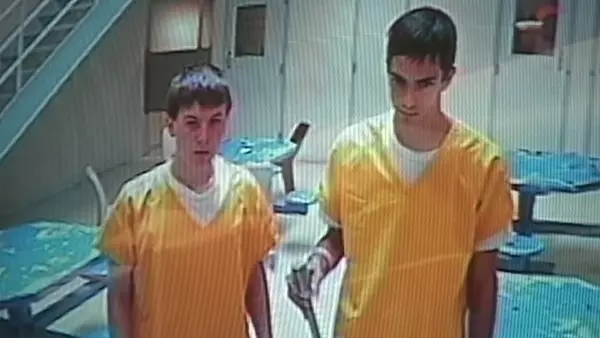
The judge who presided over both of their trials showed his humane side when he regretted the fact both Draper and Adamcik were so young when they committed their crime. Nevertheless, he had a job to do, and both received life sentences without parole. The judge followed up his sentence with “I’m convinced beyond a reasonable doubt that if you were released that you’d kill again.”
Currently Draper and Adamcik are serving their life sentences at Idaho State Correctional Institute in Ada County, Idaho.
True Crime
Killer Wade Wilson: Just Desserts
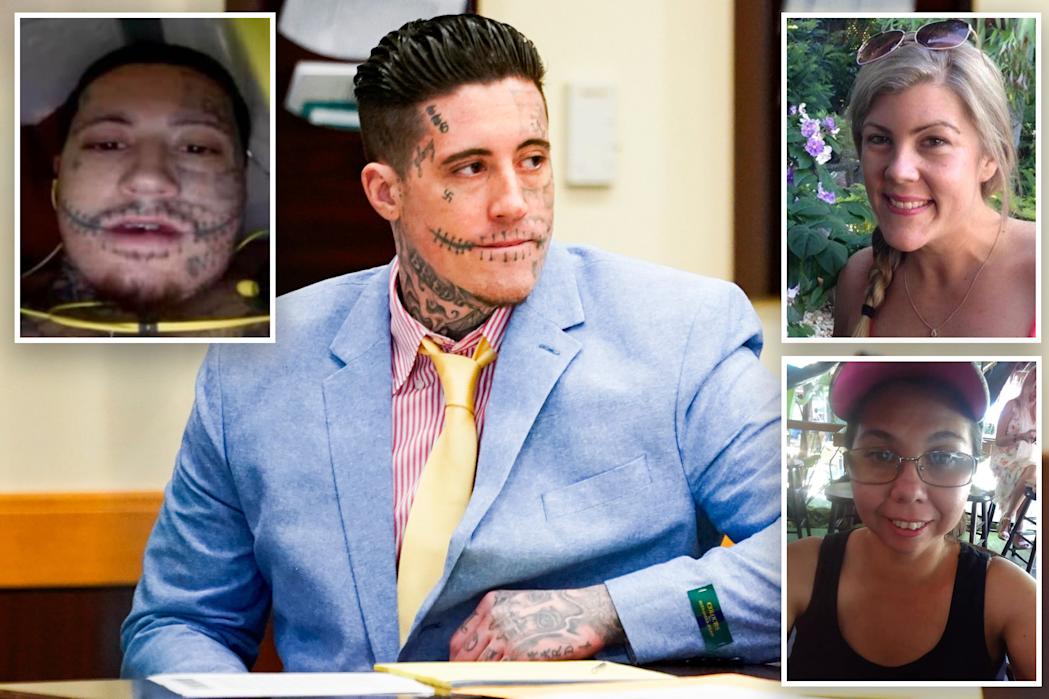
A majority of the world got to know Wade Wilson as the ‘Deadpool Killer’ when he went to court for the 2019 murders of Kristine Melton and Diane Ruiz. Wilson’s nickname was coined from the fact he shares the same name as the Marvel anti-hero.
Viewers avidly watched the courtroom circus unfold. Each day Wilson was dressed in stylish and attention grabbing suits provided to him from his previous girlfriend. He had a court approved fresh haircut slicked back, and had planned to use a tattoo cover-up cream now that the whole world was watching him. However, according to his attorney the ink was still visible beneath the makeup, so the morning of court his client decided to forgo the coverup attempt.
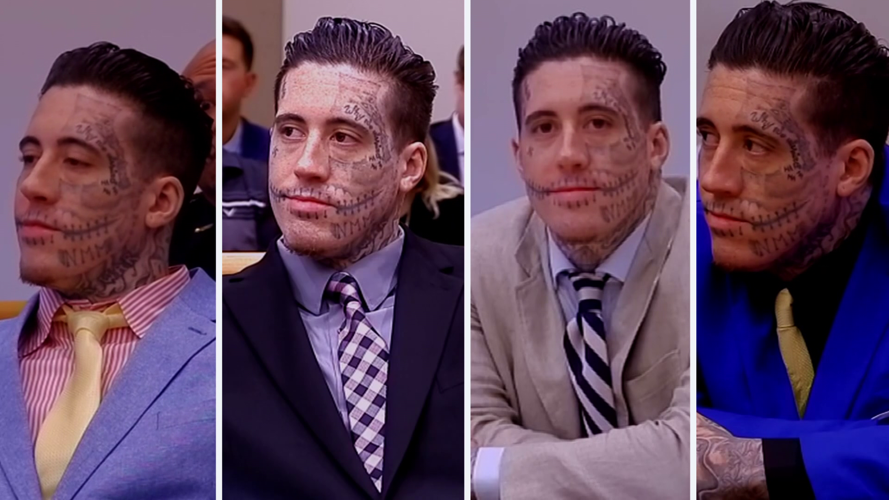
Despite the heinous crimes he committed, the overwhelming evidence against him, and even his own recorded confession to his biological father, women liked what they saw.
Wade’s Wives
After the media sensationalized Wilson’s handsome good looks, women responded in droves. They deemed themselves ‘Wade’s Wives’ and clamoured for the attention of death row’s newest inmate.
They occupied his time with racy and salacious video calls, sent him sexually charged letters, and filled his commissary account with more money than he could possibly spend behind bars.
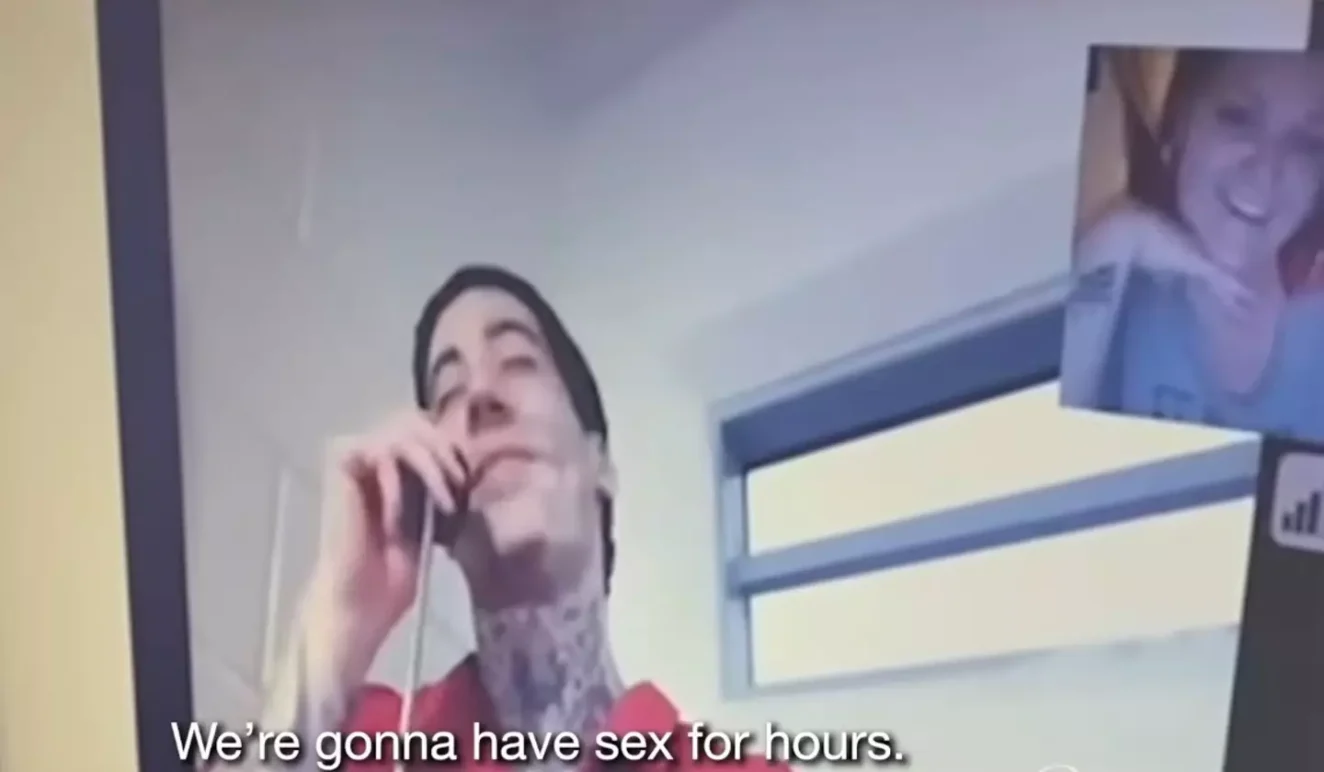
His wives then took their devotion for the killer outside of the prison walls.
Dedication Beyond Monetary Measure
Websites declaring Wilson’s innocence were established. TikTok videos edited his walks into the courtroom, slowing them down to a sexy saunter and putting them to music. Wade Wilson had become a killer thirst trap by the same gender he slaughtered. The good looks and charisma he used to lure in his victims were now helping him reel in hundreds more from around the world.

A GoFundMe campaign was started in Wade Wilson’s name, Save Wade Steven Wilson. One woman in particular donated a whopping $24,000 to save the convicted killer and afford him a new defense team.
When all said and done, the campaign raised more than $70,000!
As you scroll down the list of more than 370 donations you will see a strongly established pattern; those who donated were either “guest”, “anonymous” and women. Lots and lots of women.
“With Great Power Comes Great Responsibility.”
If it wasn’t for the tattoos Wilson acquired behind bars, the convicted murderer is nearly unrecognizable today. The inmate is missing teeth, his hair is unkempt, and his weight gain has dissolved his once chiseled good looks. The bad boy good looks that had women flocking to him have vanished.
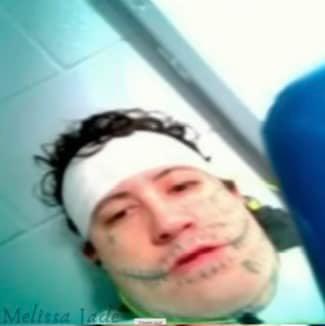
His commissary account is overflowing, and there is only so much you can buy in prison. Toiletry items, snacks, and phone calls is what a majority of inmates use their money on. In Wade’s case, it appears honey buns could be a favorite.
Ironically, it is the money showered upon Wilson that is at the root of his own undoing.
Make your own conclusions as you watch the new Paramount documentary; Handsome Devil: Charming Killer.
News
How a Horror Movie Helped Solve a Real-Life Murder
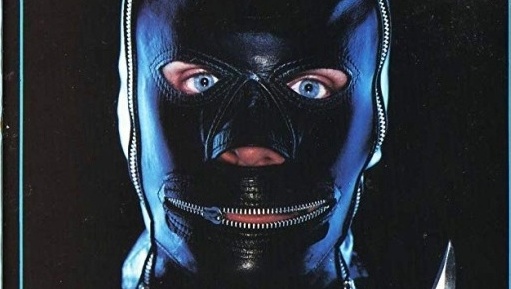
In 1985, a murder case rocked the small town of Niantic, Connecticut. A pregnant wife was found strangled in the bedroom while her husband was away on a sailing trip. The crime went unsolved until a witness came forward to give investigators a clue, in of all places, a VHS copy of a horror movie.
[Editor’s Note: This article is taken from our archives. It was originally published in 2022]
Ed and Ellen Sherman appeared to be a happy couple around town, both professionals; Ellen a publisher, Ed a teacher at the local community college. Although they appeared to be the epitome of community grace, their private lives told a different story. Ed was a philanderer who often partook in wife swapping and sex parties. Ellen seemed not to mind and often engaged in the activities herself.
Enter Nancy Prescott, Ed’s mistress, who became pregnant and had a child during their affair. Ellen, at her limi,t told Ed to leave Nancy so they could start afresh.

Ed agreed, and the couple tried to reignite their marriage, Ellen herself becoming pregnant.
But on a Sunday in August 1985, while Ed had gone on a sailing trip with four friends, he got a call from police on the boat’s radio, saying his pregnant wife was dead. She was discovered by a male family friend whom Ed had asked to look in on her that night.
At first glance, it indeed looked as if an intruder had come into their home and squeezed the life out of Ellen, then made a hasty retreat; in fact, the air conditioner was still turned on.
Ligatures around Ellen’s neck provided the medical examiner with enough proof to determine she had been strangled with her own underwear. But the further investigation would also show that she had been strangled before the panties had gone around her neck. Medical examiners determined that she had been killed earlier that Sunday.
The question remained: who would do this? And as is usually the case, investigators look first to the spouse as a suspect. But Ed had been away on a sailing trip on Sunday; he had a solid alibi, with four witnesses. He couldn’t have done it. How could he be in two places at once?
Ed had even spoken to his wife on the night of the murder at a friend’s house, and they all heard him on the phone.
Forensic scientists were baffled, especially Dr. Henry Lee of the Connecticut State Crime Lab. That i,s until someone came forward with a tip that would blow the lid off the case.
The witness said she had run into Ed at the local video store on the morning of his sailing trip. She says Ed recommended a horror movie called Blackout, a mystery about a disfigured man named Allen Devlin, who, early on, may have brutally killed his wife and children and then manipulated the crime scene to thwart investigators.
In the film, Richard Widmark, Detective Joe Steiner, is confounded and sets out to prove that Allen is, in fact, responsible for the brutal killings.
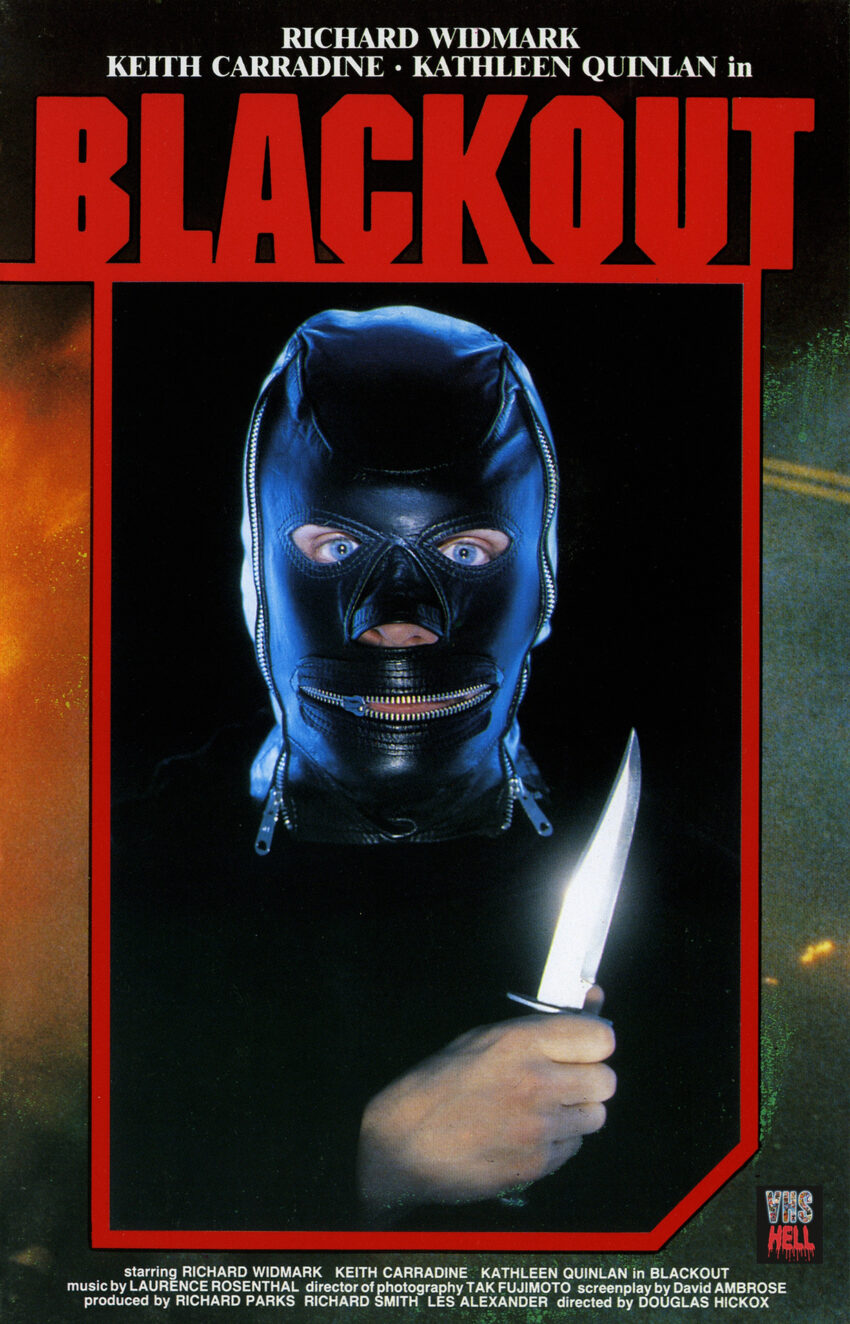
Spoiler: Remember the air conditioner? In “Blackout,” the killer uses a clever trick to throw investigators off. He turns up the appliance to its highest setting and leaves it running.
The extremely cold temperatures slow down the rigor mortis process and the body’s decomposition, which can cause investigators to inaccurately estimate the true time of death.
Both Widmark in the film and real-life investigators in the Sherman case discover this murderous hack. In the Sherman case, where the coroner determined the time of death to be Sunday, they surmised that with the air conditioner running, the time of death was actually two days prior, on Friday. This means Ed could have done it before leaving for his fishing trip.
Still, Ed had called his wife from miles away the night of the murder and his friends could attest to that. Except unbeknownst to Ed, there was someone else on the phone, one of the gentleman’s daughters who reported that she picked up the receiver to make a call and heard him talking, only he wasn’t talking to his wife, he was talking over the ringing on the other end: the call was a fake.
According to the show Forensic Files (full episode below), Ed strangled his wife to death with his bare hands after dinner on Friday. He then wrapped the underwear around her throat to try and mislead investigators into thinking it was a sex crime.
After that, and inspired by the movie Blackout, he then turned the air conditioner to high to slow down the decomposition process ultimately misdirecting the Coroner and the true time of death. He then left for his friend’s house for the fishing trip and mocked a call later that night all within earshot of his friends, but unaware someone else was listening.

Ultimately, thanks to the movie Blackout, investigators concluded that with the frigid temperatures, the actual time of death was not on Sunday, but two days earlier, when Ed was still at home.
Ed Sherman was arrested for murder. Prosecutors argued that Ellen had given up on their marriage and wanted a divorce. She, being the primary owner of the business, told Ed he could have his girlfriend and the sailboat, and nothing else.
During the trial, jurors were very interested in knowing more about Ellen’s time of death. Based on the forensic evidence, they determined that Ed had the time and the motive to commit the murder, and six years after the crime, he was found guilty of first-degree murder and sentenced to 50 years in prison.
Ed never admitted guilt, and three years after the conviction, he died in prison after suffering a heart attack.



The Evil Dead Burn Trailer Is Here and It Is Everything

This Week in Horror: CinemaCon Delivered, Nicolas Cage Is Coming Back, and Someone Let Ti West Near a Christmas Story

Chucky Is Going Back to Theaters, and Don Mancini Says It’s Going to Be Scary Again

The Evil Dead Universe Now Includes a Mummy Film

The Practical Magic 2 Teaser Trailer Is Finally Here

10 Horror, Thriller, and True Crime Series to Watch This Spring

7 Horror and Mystery Films That Explore Jack the Ripper

Sacrificios Review: Some Miracles Have a Price Tag

“It’s My Era. I’m a Rockstar Now.” The Official ‘The Vampire Lestat’ Trailer Is Here

The HUNGRY Red Band Trailer Is Here and We Need to Stop Laughing at the Hippo

Thinestra Review: Almost as Sharp as It Thinks It Is

This Week in Horror: DC Goes Full Body Horror, A24 Has Its Chainsaw Man, and The Bone Temple Is Finally Yours

The Vampire Lestat Releases Cover of Billy Idol’s “Dancing With Myself”

Astrolatry Built a Ten-Foot Practical Penis Scorpion

Samara Weaving and Kyle Gallner Star in Romantic Crime Thriller ‘Carolina Caroline’ [Trailer]

ShoStak Opens the Door for Filmmakers to Build and Own Their Stories

The Clayface Teaser Just Made October Feel Very Far Away

‘Behind the Mask 2’ Slays Kickstarter

The Best Possible Person Is Directing A24’s Texas Chainsaw Massacre
“It’s My Era. I’m a Rockstar Now.” The Official ‘The Vampire Lestat’ Trailer Is Here

ITCH Is the Outbreak Film That Actually Gets Under Your Skin
The Evil Dead Burn Trailer Is Here and It Is Everything
-
News3 days ago
The Evil Dead Burn Trailer Is Here and It Is Everything
-
 News4 days ago
The Evil Dead Universe Now Includes a Mummy Film
-
 News4 days ago
The Practical Magic 2 Teaser Trailer Is Finally Here
-
 Lists5 days ago
10 Horror, Thriller, and True Crime Series to Watch This Spring
-
 Trailers2 days ago
“It’s My Era. I’m a Rockstar Now.” The Official ‘The Vampire Lestat’ Trailer Is Here
-
 News4 days ago
The HUNGRY Red Band Trailer Is Here and We Need to Stop Laughing at the Hippo
-
 News1 day ago
ShoStak Opens the Door for Filmmakers to Build and Own Their Stories
-
 News3 days ago
ITCH Is the Outbreak Film That Actually Gets Under Your Skin
You must be logged in to post a comment Login