Books
Horror Pride Month: Author Mark Allan Gunnells
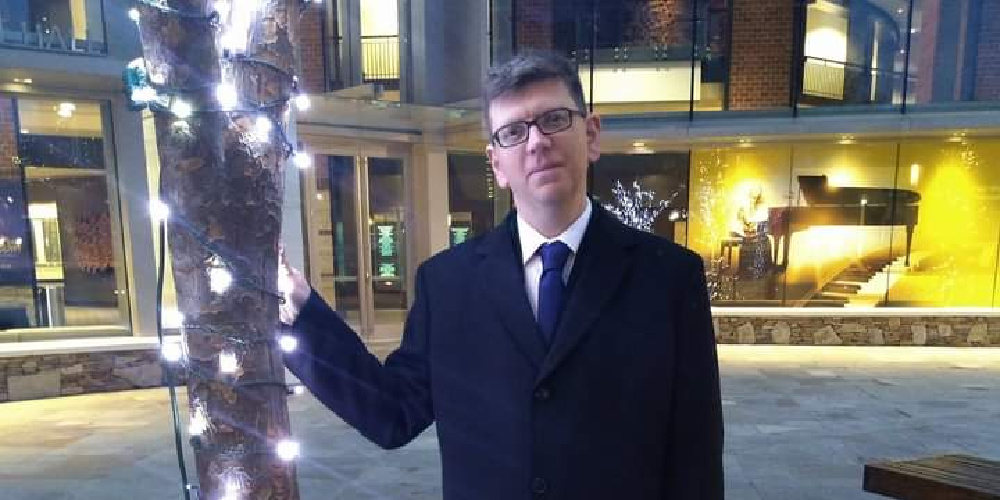
Author Mark Allan Gunnells grew up in a household that didn’t set too many boundaries when it came to movies. He was a wee lad of five when he first saw the television miniseries ‘Salem’s Lot, based on the novel by Stephen King. It was his first taste of fear in a horror film, but the defining moment–the one that created a horror fan for life–would come just a few years later.
“When I was around ten, my mother watched The Exorcist on television, and she let me watch with her,” he said as he sat down with iHorror for Horror Pride Month. “I only made it about halfway through before I started hiding behind the sofa and she sent me to bed. Nothing else that I watched at that age had that kind of profound effect on me. The fact that there were stories that could effect you so much that you would get up and go hide behind the sofa? From then on, I was just seeking out horror movies. When I started reading, I was seeking out horror novels. By the time I was ten years old, I was already a horror addict.”
As it happens, Stephen King continued to play a role in Gunnells’s life. Much like the rest of the world, he doesn’t remember a time in his life when he didn’t know who the author was, he explained. It was through King that he also came to understand adaptation after picking up a copy of Night Shift at his school library and reading the story “Children of the Corn.”
“I had seen the movie version of the story and it had a happy ending, but the actual story itself definitely did not,” Gunnells explained. “I don’t think I’d ever realized before that you could have just a really not happy ending and you could have characters who aren’t traditionally likeable but are still compelling. Then what really sealed it for me was the horror felt so relatable. It felt like it could be happening down the street from me.”
Shortly after, he picked up King’s novel, It. He says he remembered thinking he would never finish it, but it was just so compelling that it drew him in completely. King would remain, perhaps, the largest influence on the burgeoning writer’s horror life until he later discovered Clive Barker.
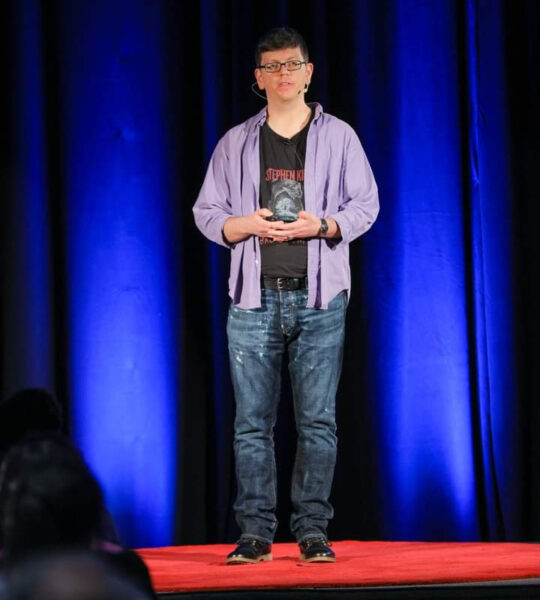
Mark Allan Gunnells giving a TED Talk. The subject? Horror, of course!
Horror novels and movies weren’t the only things the author was discovering at the time, however. It was also during this time that he began to understand that he just was not like the other boys his age, though he admits he did not have the understanding or the vocabulary to express that he was gay.
“I wouldn’t have called it that at the time, but I had crushes on guys,” the author said. “I had this huge crush on Luke Skywalker. This is going to sound ridiculous. I would imagine I was in Star Wars but I couldn’t walk for some reason so Luke Skywalker had to carry me everywhere. I would imagine him carrying me with my arms around his neck.”
Still, the concept of being gay was foreign to him. For a while, he pointed out, he even thought he might have been confused thinking he was a girl because he did not know yet that there were men who were attracted to other men. When he did realize what it was and what it meant, he went through a deeply religious phase where he tried to “pray the gay away.”
“That didn’t work obviously,” he said with a laugh. “So, by the time I was in high school, I really began to accept it, though I wasn’t in a place to be open about it with other people. That came when I was in college. From a very early age, I knew it was there, but I had to go through all that stuff that gay people go through before you can admit it and deal with all that shame that the rest of the world has put on you because of it.”
Growing up in the 80s and 90s, horror did not offer much for LGBTQ+ representation. Honestly, in 2021, it doesn’t either, though there is markedly more.
Sadly, this pressed down on the author as he first began to write. Even after accepting his identity as a gay man, it was difficult for him to put that into his writing. It felt as though he just wasn’t allowed to do that.
Then, Clive Barker came out.
“I know a lot of people have said that everyone in the industry knew, but I wasn’t in the industry. I was in Gaffney, SC,” Gunnells said. “I bought a copy of The Advocate magazine where he came out. Like, it was this huge thing for me because he was this really well-known name in horror. Then, he released this novel called Sacrament that had this gay main character published by a major publishing house. ”
Emboldened by this news, the author set out to find more and discovered the works of Poppy Z. Brite.
Somewhere between Barker and Brite, Gunnells found his own voice and his own objective. If others weren’t providing the representation he wanted to see, he would just have to write it himself. That’s exactly what he did.
His next hurdle was looming on the horizon, but by this time, the author had learned enough about himself that standing his ground was becoming second nature.
“When I first started publishing around 2005, I ran into publishers and editors who said, ‘Don’t be too openly gay online because it’s going to ruin your career,'” he said. “This was a time when it was mostly message boards. They told me making stories with gay main characters was going to alienate the heterosexual male fan base of horror. I had a publisher who told me that I should publish a few things with straight characters before I published with gay characters so that people wouldn’t associate me with writing books for gay people as if straight people can’t read books with gay characters. I had some publishers tell me that I needed to find a publisher that specifically targeted the gay audience because again, they just couldn’t conceive that straight audiences might read books with gay characters.”
It was the age-old idea that a straight person cannot identify or empathize with a gay story even though it is expected, in a heteronormative world, that LGBTQ+ people can and will empathize with those who are straight. What they fail to recognize is that we’ve been given no choice, and quite frankly, it wouldn’t hurt to put straight readers and watchers in the same position.
Though it was frustrating, Gunnells stuck to his path, writing his stories, and eventually finding publishers who would take the chance on him. He admits that these conversations don’t happen as often in 2021 as they did in 2005 but they do still happen.
“I have been told when I talk about issues of diversity and representation that I’m off-putting to people, but I don’t really care because it’s an important topic that needs to be talked about,” Gunnells pointed out. “You can acknowledge and recognize the steps that have been made and still acknowledge that there is still a ways to go. I’m very happy with where I am and with the publishers I have worked with but how many people can name five best-selling gay horror authors. How about five African American horror authors?”
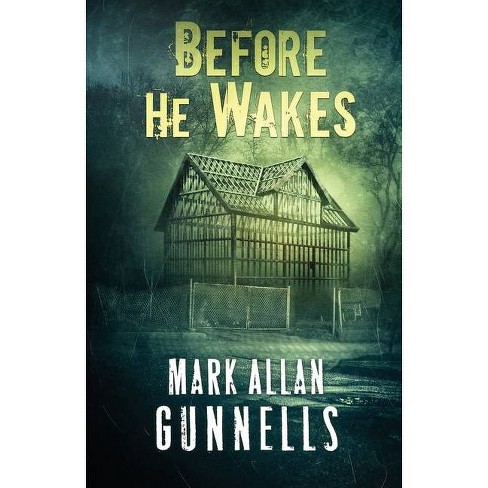
The latest novel from Mark Allan Gunnells
It’s a point well-made, and one that Gunnells continues to talk about as he continues his writing journey. His most recent novel, Before He Wakes, published just a couple of weeks ago. The suspense thriller centers on two young people who are kidnapped. When their captor leaves to get supplies, he’s injured in a car accident and unable to return, leaving them trapped with no food or water.
As for other authors whose work he admires and who craft authentic gay characters, he points to the work of Aaron Dries, Norman Prentiss, and J. Daniel Stone to name just a few.
As our interview came to its inevitable conclusion, Gunnells left me with one final thought.
“Them more diversely you read, the more you understand about the world. The more you understand people who aren’t necessarily just like you. I’ve had people say, ‘Well you don’t want someone to read you just because you’re gay.’ Actually, I’m okay with that. If that’s what brought them to me that’s fine. I only hope I provide them a story that keeps them coming back.”
To learn more about Mark Allan Gunnells and his catalog of books, check out his author page on Amazon.
Books
The Book That Wouldn’t Let Me Go: ‘Interview with the Vampire’ Turns 50
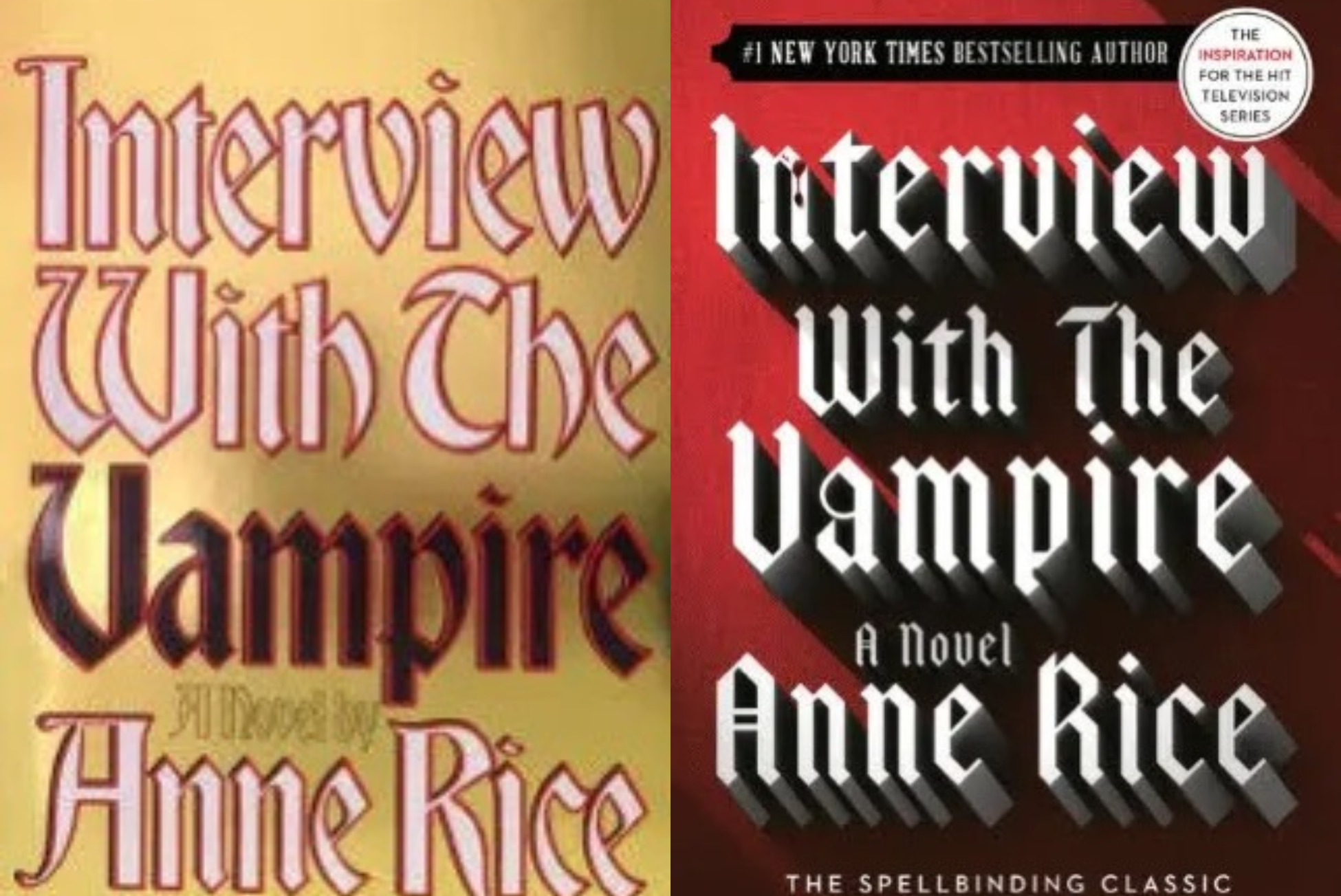
I was three weeks away from my sixteenth birthday when I first read Anne Rice’s novel, Interview with the Vampire.
That moment had been a long time coming; being named Kirsten after Kirsten Dunst in the film of the very same name meant that, in some way, Interview with the Vampire had been part of my life since it began.
I’d always been fascinated by vampires, though mine had been more of the cartoonish, not-actually-vampires variety (think the Hex Girls in Scooby-Doo and the Witch’s Ghost). Blood made me queasy, and the idea of real vampires — ones that killed, drank blood, lurked in the shadows, and seduced with their beauty — was genuinely horrifying to me. So, I avoided it for a long time, focusing instead on other age-inappropriate novels like Flowers in the Attic by V.C. Andrews (shoutout to the Dollanganger family!).
But something in that fall just before my sixteenth birthday compelled me to finally give these vampires — the very ones who had inadvertently given me my name — a chance. I got my hands on a well-used Ballantine Books copy from 1994, went to a local park, and read.
The intention had been to spend an hour or two there.
I ended up sitting there for six hours, finishing the novel in one sitting.
Did I understand everything — the themes, the language, the theological and philosophical conversations between the characters? Absolutely not. I was fifteen years old. But what I knew was that whatever I had just read had changed me irrevocably, and much like the boy reporter in the novel, I knew I wanted so much more.
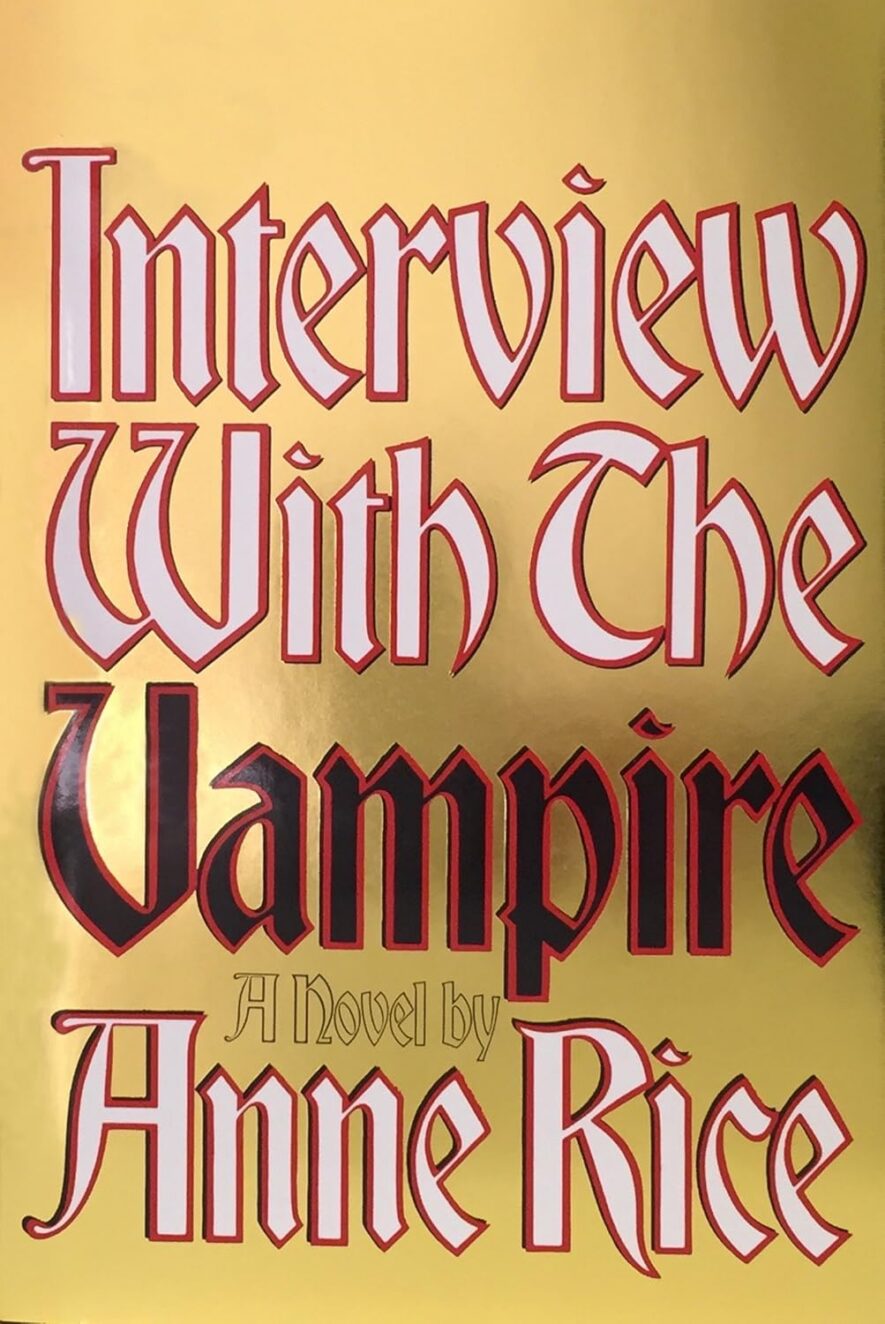
Today, April 12, 2026, marks fifty years since Interview with the Vampire was published.
To this day, the novel remains one of the most important pieces of literature in my life. After reading it in high school, I returned to it a handful of times before college, where I majored in English literature and writing. There, for the first time, I was able to study it academically in a vampire course, learning how to talk about a book I had once experienced so instinctively, so privately, as something structured, historical, and deliberate. It changed the way I read it, but it didn’t diminish it; if anything, it deepened it. I have since returned to it again and again throughout graduate school, where it continued to reveal new versions of itself depending on who I had become when I opened it.
And since then, I’ve revisited it several times a year, always around the same season I first read it, because, admittedly, vampires do feel more fitting in October.
Now, having Interview with the Vampire as your favorite of The Vampire Chronicles is not always the popular opinion, but there’s never been another book that’s remotely compared. It is such a singular novel. While works like The Vampire Lestat follow a more traditional narrative structure like a Hero’s Journey, Interview with the Vampire functions more like a kind of roman à clef intertwined with a Shakespearean tragedy, all wrapped in Gothic horror.
Not only that, but it is a novel that truly cannot be imitated, largely because of the weight of what inspired it.
For those new to the world of Anne Rice, Interview with the Vampire launched that universe in the wake of unimaginable loss. After the death of her daughter, Michele, from leukemia, Rice turned to writing, channeling her grief into what would become an “unholy family.” Through Louis, she gave voice to sorrow; through Lestat, she echoed her husband, Stan; and through Claudia, she immortalized the child she lost.

The novel is told in first person, framed as an interview between the vampire Louis de Pointe du Lac and a young, then-unnamed reporter. Louis recounts the death of his brother, his transformation at the hands of Lestat de Lioncourt, the creation of the child vampire Claudia, and her eventual death at the hands of the Théâtre des Vampires in Paris. What is meant as a warning becomes something else entirely, though, rendering the tragedy almost futile.
And still, for all its structure and tragedy, it is not the plot of the novel that lingers most strongly in me. It is its characters — their voices, their contradictions, the strange intimacy of their suffering.
Louis has been my favorite character since I first read the novel, which is, again, not always the popular opinion. But I loved him, wholeheartedly, from the very beginning. There was something in his restraint, his self-questioning, his endless interiority that felt immediately familiar to me. As I’ve gotten older, and as I’ve returned to this book, and the series that followed, that love has only deepened, becoming something even more understood. And yet, much like Anne herself, I find myself striving to incorporate more of Lestat into my life too, namely his refusal to live anything less than fully, and his capacity to take whatever situation he is given, recognize it for what it is, and still insist on making something of it, no matter the outcome.
As fifty years have passed since Louis, Lestat, Claudia, Armand, and Daniel Molloy were first brought into the world, I find myself overwhelmed with gratitude — not only that they exist, but that they continue to live on, to evolve, and to be loved.
AMC’s Interview with the Vampire brought this story to life in ways I never thought possible when I was fifteen. Jacob Anderson as Louis and Sam Reid as Lestat feel less like portrayals of these characters and more like living, breathing versions of them with performances drawn from the same dark, aching place that Anne Rice first wrote from fifty years ago.

There is a kind of poignant precision to the series that feels almost unsettling, one that brings me back to the overwhelming, unnamable emotions I felt when I first read the book. It understands the novel; its beats, its shifting meaning, its evolution over time, and, perhaps most importantly, its ability to endure. The longing that defines Louis is not softened, but deepened and given space to exist without apology: his grief, his guilt, his inability to reconcile what he is with what he believes he should be. Lestat reflects more of Lestat even beyond the pages of Interview with the Vampire, no longer confined to a single text but instead rounded and alive across time, his contradictions intact: his violence and his charm, his loneliness and his theatrical joy in being alive.
It feels as though we have always been waiting to see these characters this clearly. And in a way, we have been for fifty years. They are rendered with such care that they feel inevitable, as though they could not have been any other way. They are incomparably beautiful, just as they are in the text, and I am deeply grateful for them.
And in that recognition, something else becomes clear about what this story has always been.
At its core, Interview with the Vampire has always been an outward echo of grief, longing, and love that refuses to die.
When I first read it, I didn’t have the language for any of that. I only knew that something inside me had shifted as it had brushed up against a world so vast and beautiful and unbearable, and that I would spend the rest of my life trying to find it again.
Now, I return to it differently. Not as a girl afraid of blood, or of monsters lurking in the dark, but as someone who understands that the horror was never the point at all. The horror is simply the vessel. What lives inside it is far more human.
It’s Louis, aching for meaning in a life that will not end. It’s Claudia, furious at a world that made her and then trapped her. It’s Lestat, alive and desperate, refusing to let existence become anything less than extraordinary, no matter the cost.
And maybe that’s why I still come back. Not for the immortality, but for the reminder that to feel so deeply — to love, to grieve, to hunger for more — is its own kind of eternity.
I can’t return to that park, or to the girl I was when I first turned those pages, but I can return to this story.
I can sit with it, year after year, and let it change me again.
Happy anniversary, Interview with the Vampire! May you continue to inspire, devastate, and be loved. Always.
If you want more Interview with the Vampire, iHorror has been covering the television adaptation and will continue to do so as Season 3’s June 7th premiere date grows closer!
Books
Alfred A. Knopf and Christopher Rice Unveil ‘Interview with the Vampire’ 50th Anniversary Cover and Details
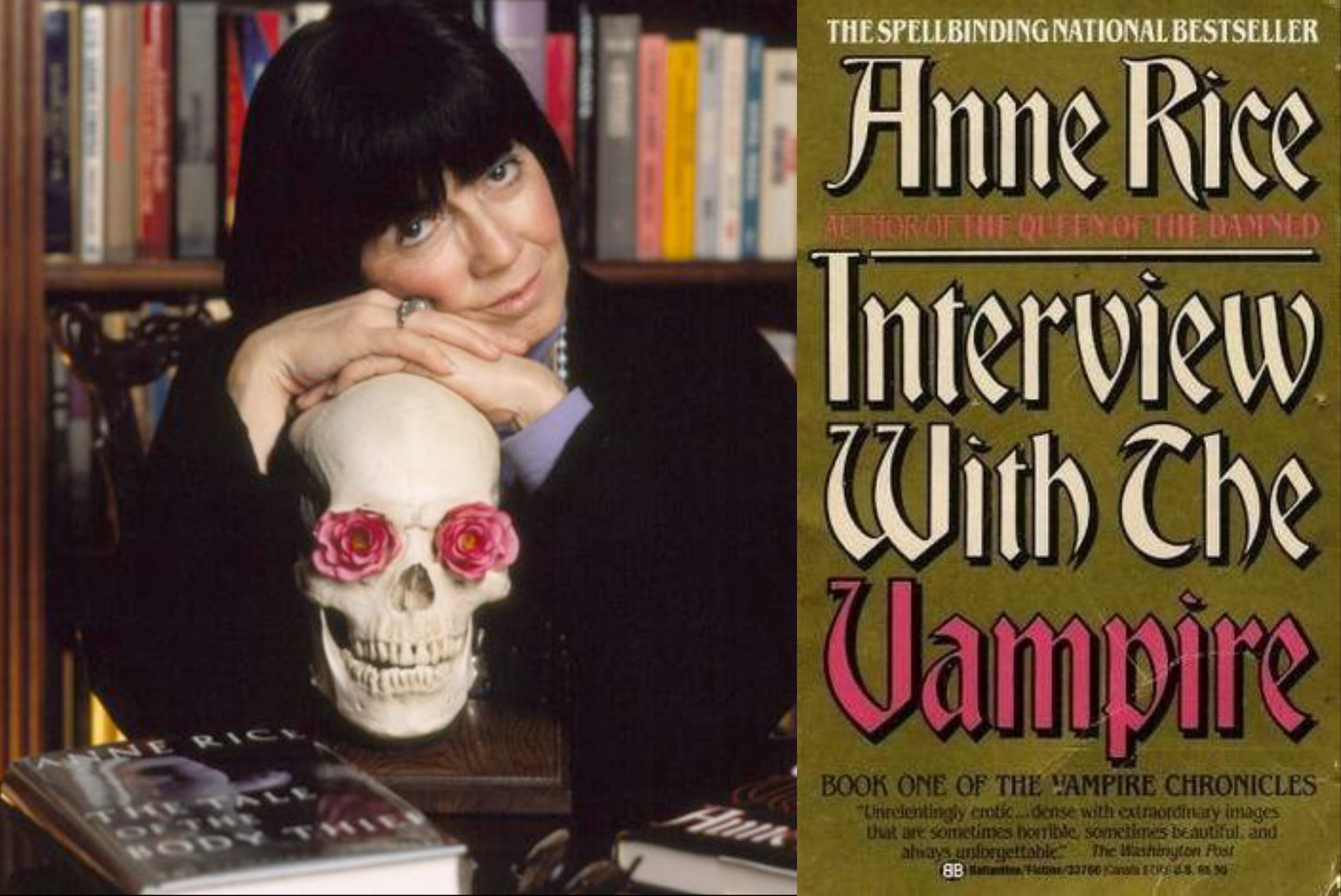
Louis and Lestat continue to captivate audiences, and this time they’re doing so in a form as immortal as they are.
To commemorate 50 years of Interview with the Vampire, publishing house Alfred A. Knopf and New York Times bestselling author (and son of Anne Rice) Christopher Rice have announced a lavish new hardcover edition of Anne Rice’s genre-defining classic.
This anniversary edition leans fully into the gothic decadence that has long defined the novel’s legacy. Featuring a foil-printed case, blood-red sprayed edges, marbled endpapers, and never-before-seen bonus pages from the original manuscript, the release is not only perfectly timed but created to fit perfectly in anyone’s collection. It also includes a new foreword by #1 New York Times bestselling author Leigh Bardugo and an afterword from Christopher Rice himself.
The cover itself, designed by Kevin Cantrell, pays homage to the original 1976 design. In discussing its creation on Instagram, Rice revealed that the font used on the first edition was entirely hand-drawn — a detail that was unknown until the birth of this new edition.
You can pre-order your copy here.
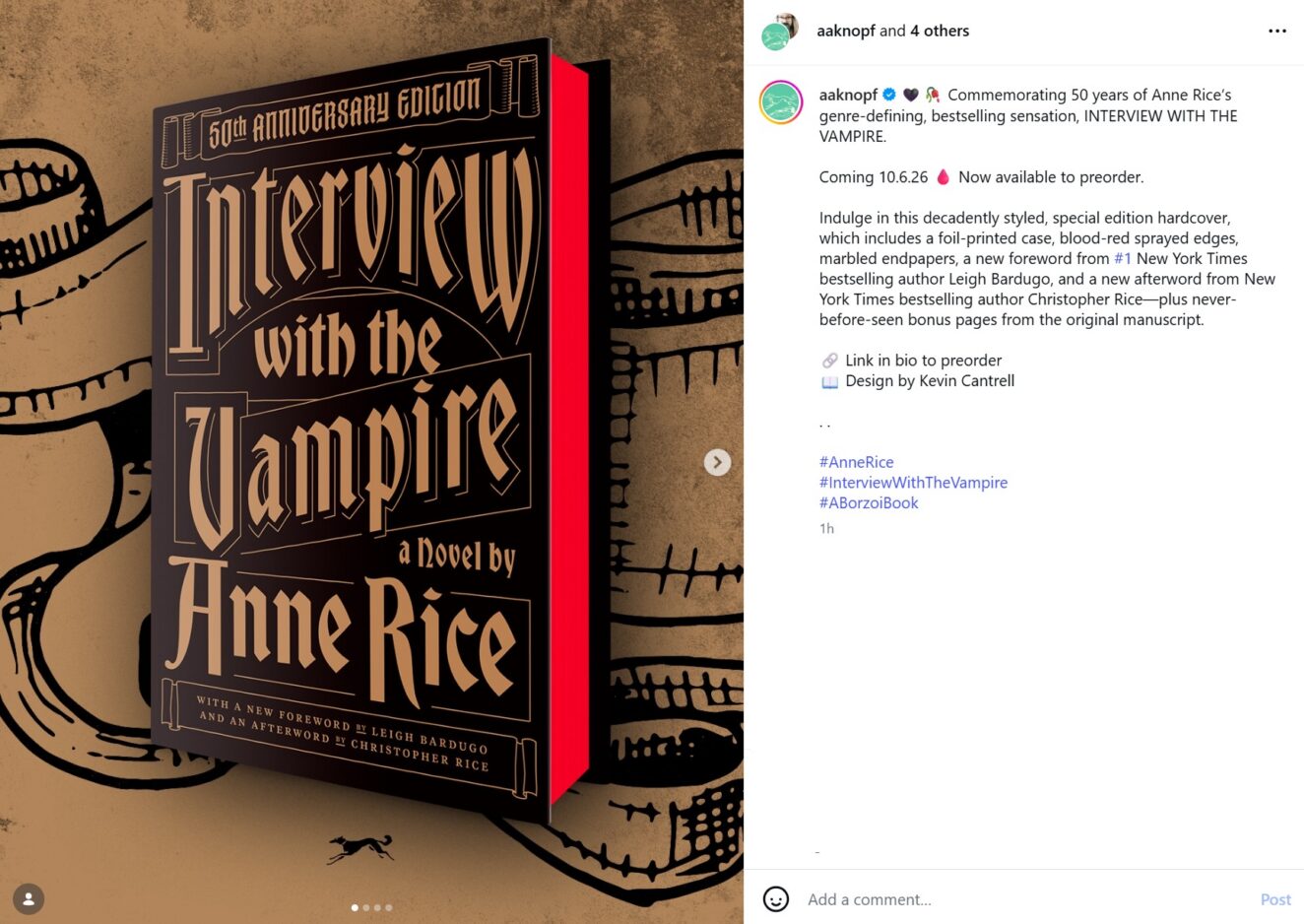
First published in April 1976, Interview with the Vampire reshaped the vampire genre, shifting it away from monstrous archetypes and toward deeply introspective, morally complex immortals. Told through the recollections of Louis de Pointe du Lac, the novel traces his transformation by the charismatic and cruel Lestat de Lioncourt, the creation of their daughter-vampire Claudia, and the unraveling of their “unholy family.”
The story’s emotional core is rooted in personal tragedy. Originally conceived as a short story in 1968, the novel evolved into something far more profound following the death of Anne Rice’s young daughter, Michele. The parallels are unmistakable — Louis, Lestat, and Claudia reflecting Anne, her husband Stan Rice, and Michele, respectively, in a haunting meditation on grief, love, loss, and continuing to live beyond said grief, love, and loss.
The book would go on to launch The Vampire Chronicles, one of the most influential horror series of all time, and inspire multiple adaptations. The 1994 film adaptation, directed by Neil Jordan and starring Brad Pitt, Tom Cruise, Kirsten Dunst, Antonio Banderas, and Christian Slater, remains a touchstone for fans. More recently, AMC’s critically acclaimed adaptation has introduced a new generation to Louis and Lestat, with performances by Jacob Anderson (Louis) and Sam Reid (Lestat) earning particular praise.
Following Anne Rice’s passing on December 11, 2021, at the age of 80, Christopher Rice has continued to honor her legacy. Among these efforts is Anne Rice: An All Saint’s Day Celebration, a documentary event held in New Orleans — the city that pulses through the veins of her most beloved work — where 1,500 fans gathered to celebrate her life and impact.
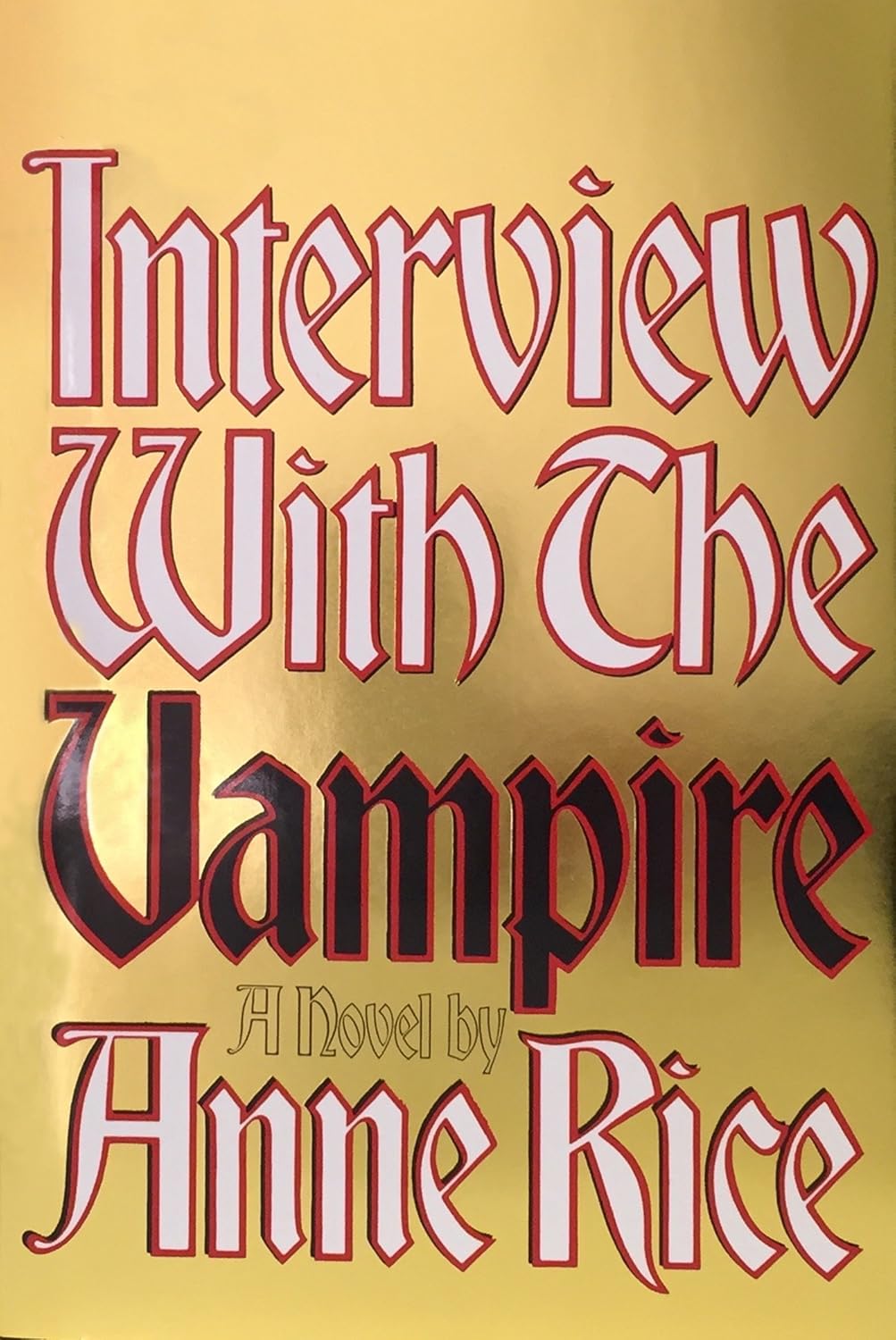
Fifty years later, Interview with the Vampire remains as seductive, tragic, and transformative as ever. Audiences continue to be drawn to its beautiful array of characters and the aching humanity that flows beneath their immortality as stories of love, loss, and longing feel just as immediate now as they did in 1976.
The special edition will be released on October 6, 2026, and is currently available for preorder.
And yes, some of us already have a copy reserved, ready to sit beside well-worn, hard-earned editions that started it all. (It’s me. I’ve already cleared the spot next to my 1976 first edition. No, it’s not coming out for six more months. It’s fine.)
Books
40 Years of ‘The Vampire Lestat’: How Anne Rice’s Immortal Vision Lives Again on Screen

It’s Halloween again, but this year the night feels different.
October 31, 2025 doesn’t just belong to ghosts and ghouls. It also marks forty years since the publication of Anne Rice’s The Vampire Lestat, the book that turned one vampire’s confession into an operatic declaration of life, death, and everything in between.
First published on October 31, 1985 (because of course it was), The Vampire Lestat wasn’t just a sequel. It was an act of resurrection. In its pages, Lestat de Lioncourt seized the microphone and rewrote his own legend. Interview with the Vampire gave us the heart — the ache and the poetry of immortality — while The Vampire Lestat provided the pulse and the audacity to live with it. Together, they form the spine of Anne Rice’s immortal mythology.
Forty years later, that same pulse is about to beat again, this time on screen, as AMC’s Interview with the Vampire transforms into The Vampire Lestat. Filming officially wrapped this month in Toronto, as iHorror previously reported in ‘Interview with the Vampire’ Season 3: ‘The Vampire Lestat’ Wraps Filming in Toronto, closing the coffin on one chapter of production and opening another on legacy.
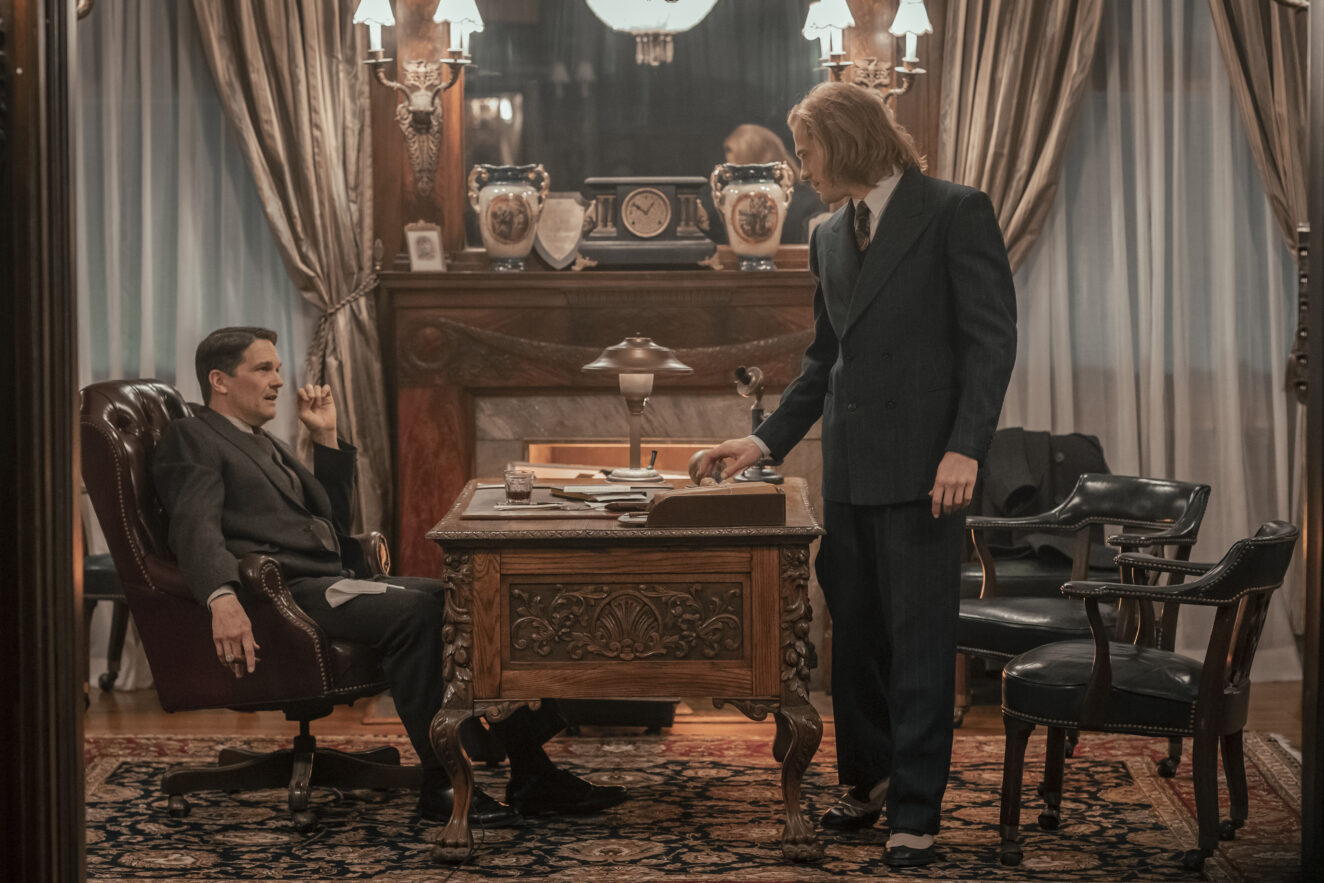
From Interview to Immortality
When Anne Rice published Interview with the Vampire in 1976, she cracked something open. The vampire, once a shadowed predator, became a philosopher, a lover, a witness to immeasurable grief. The novel’s frame narrative, a recorded confession between Louis and an ambitious interviewer (later discovered to be named Daniel Molloy), transformed horror into confession, destruction, and all-consuming love.
In Celebrating Season 2 of ‘Interview with the Vampire’: A Spoiler-Free Review, I wrote that AMC’s adaptation captures this exact combination — “…what makes Season 2 truly unforgettable is its emotional truth. This is a story about love. Not tidy, not safe, but all-consuming love, the only thing that cuts through eternity. It’s about hunger, survival, and memory; it’s about the way we are destroyed by love and the way we are remade by it.”
Louis’ pain gave the series its soul, but that impossible, ruinous love between him and Lestat gave it its heart.
Because Interview, for all its power, is a story about perspective. It’s about how memory distorts, and how love refuses to die, even when everything else does.
Rice herself once said she never planned for a sequel, but the character of Lestat wouldn’t rest. He demanded to be seen from within. And when The Vampire Lestat arrived, it didn’t just continue the story; it pulled the curtain back on the man behind the monster.

The Book That Changed Everything
The Vampire Lestat isn’t happy to simply be read. It was a story written to be seen. It’s an audacious act of reclamation, where the so-called villain takes the stage and dares readers to look again.
Lestat’s voice is theatrical, impulsive, and wildly human. He isn’t apologizing for his existence, but celebrating it. His story stretches from the rural gloom of 18th-century France to the rock stages of 1980s America, turning eternal life into an existential album.
The book deepened Rice’s ever-expanding universe, introducing Gabrielle de Lioncourt, Marius de Romanus, Akasha, and many others, and layered her world with something new. If Interview turned grief into art, then Lestat turned art into rebellion. Both were acts of creation, one born of loss and the other of defiance.
And forty years later, that same spirit seems to breathe in AMC’s adaptation.
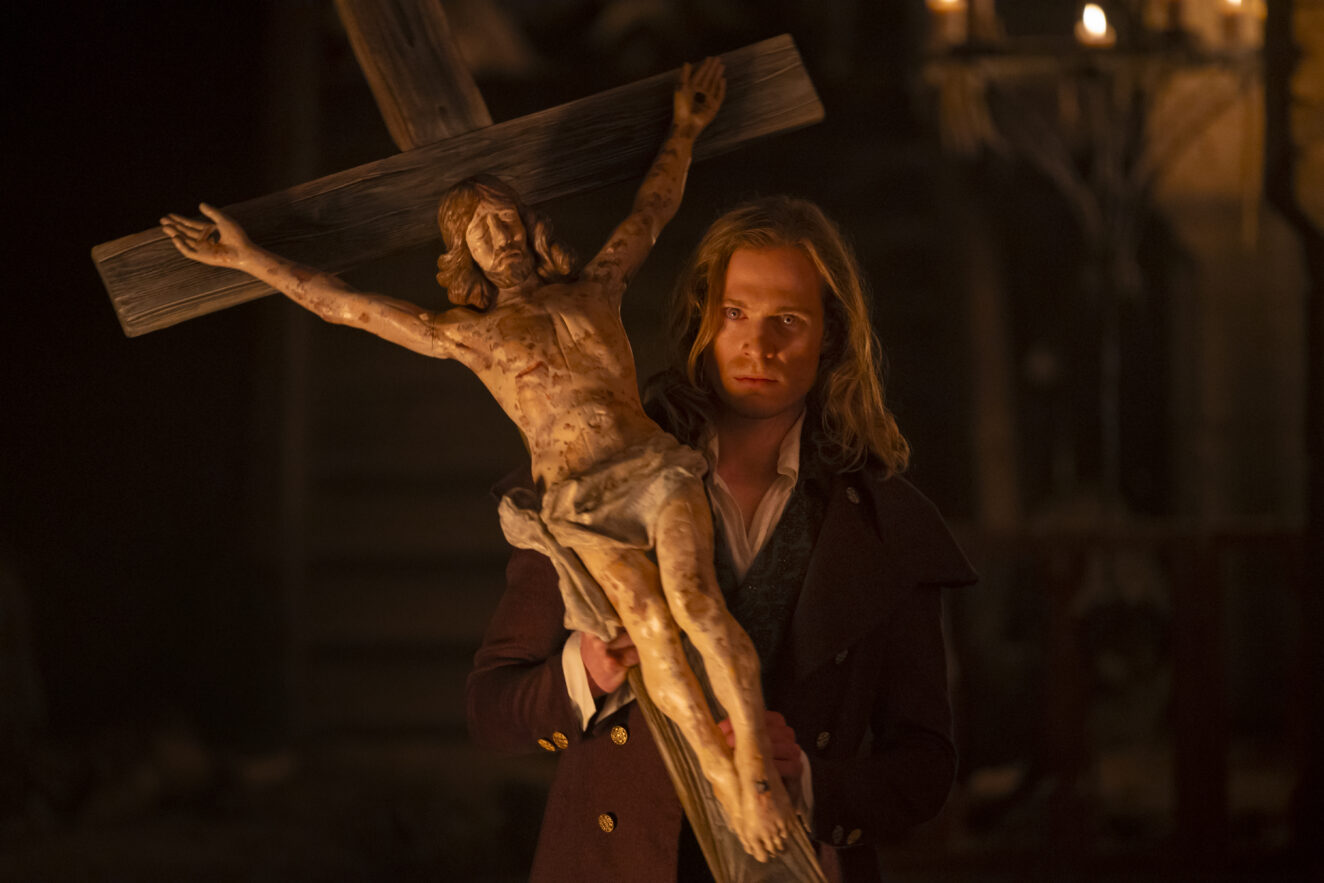
The Vampire Lestat Rises Again
When AMC announced at San Diego Comic-Con 2025 that its Interview with the Vampire series would officially rebrand as The Vampire Lestat, it felt like fate. As I wrote in AMC’s Vampire Epic Has a New Name and a Bloody Future: SDCC 2025 Recap, the decision was symbolic. It marked a passing of the torch, the moment when the story’s focus would shift from haunted memory to living icon.
Since then, fans have been treated to chaos, glamor, and ego all in delicious excess. The first extended trailer — debuted (sort of) at New York Comic Con — showed us the next phase in the Immortal Universe’s evolution. As I wrote in “Bang Bang”: First Extended Look at ‘The Vampire Lestat’ Blasts into Chaos at NYCC 2025, the footage promised a season that will be like “a fever dream of fame, guilt, immortality, and art,” filled with a story “bolder, stranger, and far more drug-fueled.”
It’s fitting, then, that The Vampire Lestat — both book and show — begins where the first story ends. In the AMC universe, Lestat is no longer a memory, but the storyteller now.
As the cast and creators told us earlier this month in “Keep Asking That Question”: ‘The Vampire Lestat’ Cast and Creators Reflect on Ego, Love, and Legacy, Season 3 is Lestat discovering exactly who and what he is — man and monster both. The line between human and monster has always haunted Rice’s world. It’s the heartbeat of Interview with the Vampire, and it bleeds just as fiercely into this new chapter.
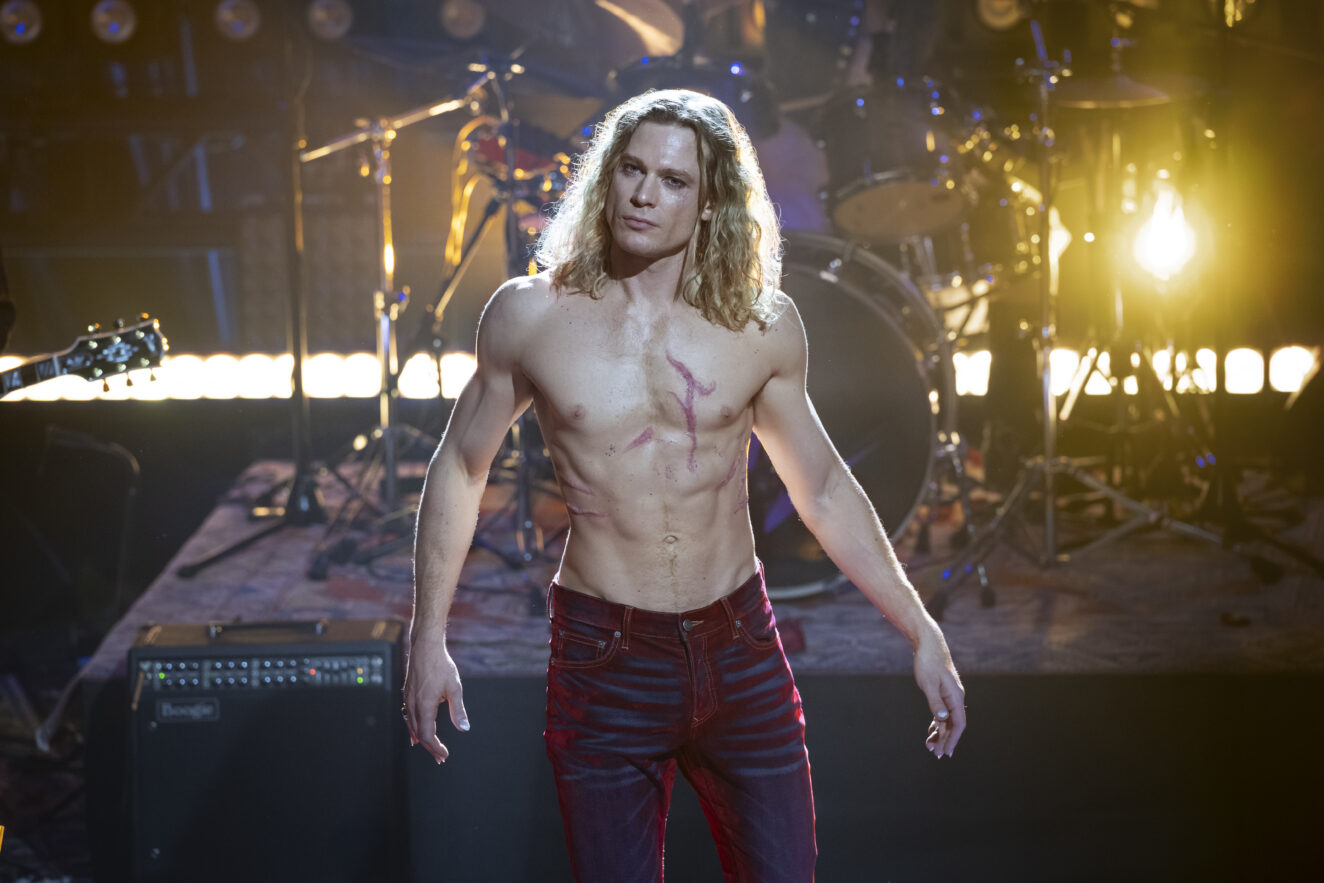
A Legacy of Reinvention
From the velvet darkness of the 1994 film to AMC’s lush, boundary-pushing television adaptation, Rice’s world continues to evolve, expanding on emotional depth, queer visibility, and racial consciousness without losing its Gothic pulse.
Rice passed away in 2021, but her influence is still very much alive. As I noted in More Than Fangs and Fear: AMC’s ‘Interview with the Vampire’ Is Elevating Horror Television, “The intentional changes made from page to screen aren’t just justified; they’re essential. They add a richness, a beauty, and a terror that even the source material couldn’t fully explore. It’s still Rice’s world, but it breathes, bleeds, and burns in thrilling new ways.”
And with The Vampire Lestat entering post-production, the next act feels both inevitable and radical. The show isn’t just adapting a book — it’s adapting an entire mythology.
Ego, Love, and the Endless Night
What makes The Vampire Lestat endure isn’t just its story, but the revelation it offers. For every reader, and now every viewer, Lestat remains both monster and man, sinner and saint. He’s the vampire who believes beauty and damnation can coexist, and the one who shows us that eternity is worth living if you can still feel.
It’s a reminder that The Vampire Chronicles were always a story about inheritance: about what we pass down, what we corrupt, what we save. And in that sense, AMC’s creative evolution mirrors the books’ own heartbeat, each story feeding into the next, never truly ending.
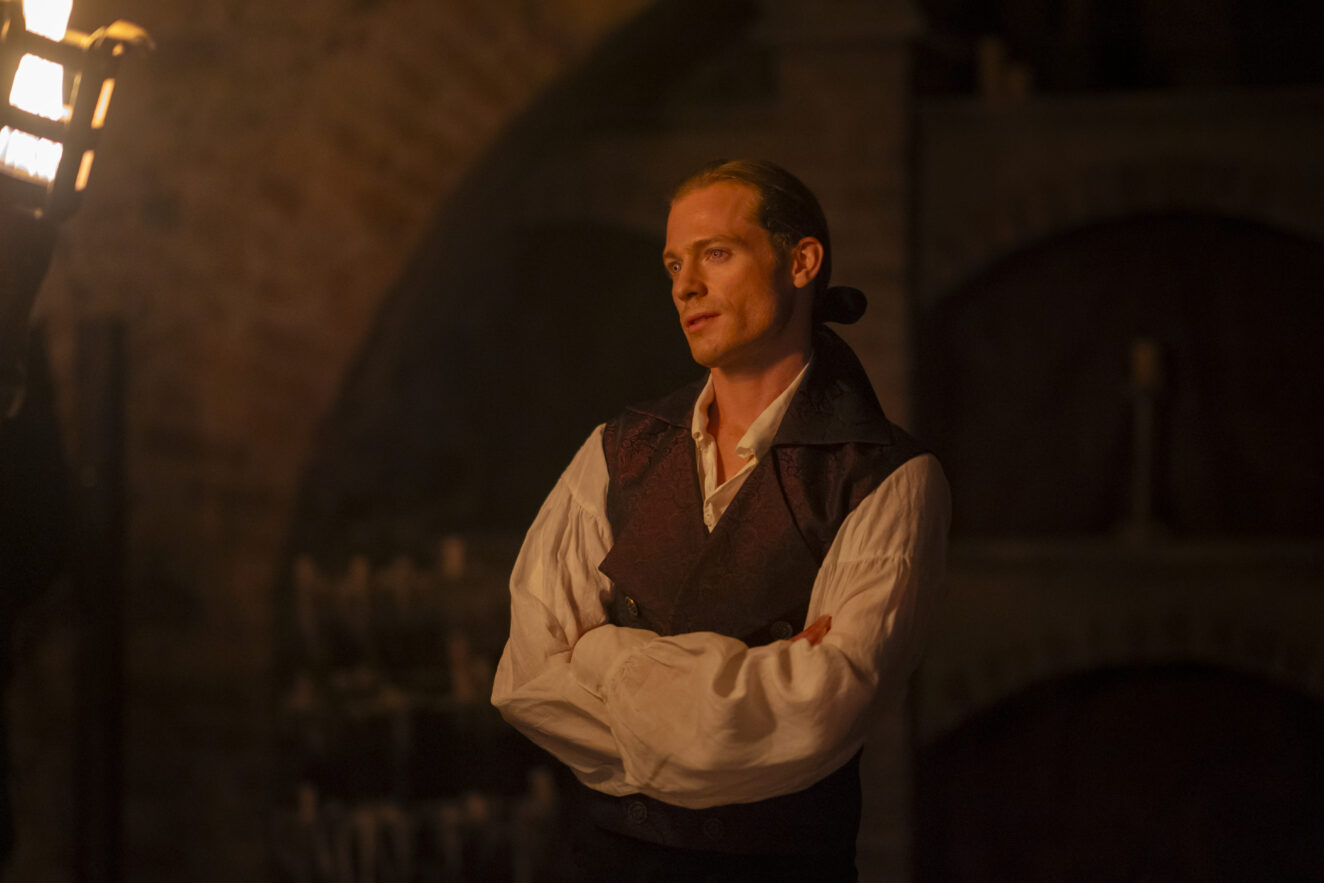
An Immortal Anniversary
Forty years later, The Vampire Lestat still burns with the same restless fire that defined Anne Rice’s imagination. It’s a novel that refuses to age because it was never about time. It was about voice.
And now, in 2025, that voice is louder than ever.
As production wraps and fans await the return of Sam Reid’s luminous and volatile Lestat, along with his romance and the new story of Jacob Anderson’s ethereal and melancholic Louis, there’s something beautifully full-circle about this moment. A vampire who opened his story with a bold declaration of self — “I am the vampire Lestat.” — is once again stepping into the light, ready to sing.
What makes this anniversary so special is its synchronicity: almost forty years to the day after Rice gave Lestat his voice, the novel turns forty just as AMC prepares to hand it back to him on screen.
It’s a resurrection timed with precision, and, most importantly, a reminder that immortality, at least in stories, is very real.
Forty years later, The Vampire Lestat returns to the light, defiant as ever. And this time, the whole world is watching.
‘The Vampire Lestat’ will be premiering on AMC and AMC+ in 2026. Keep your eyes on iHorror for all updates!



‘Colony’ Trailer Reveals New Zombie Film from ‘Train to Busan’ Director as Original Returns to Theaters

Chucky Is Going Back to Theaters, and Don Mancini Says It’s Going to Be Scary Again

The Crypt Keeper Is Coming Home. Tales From the Crypt Begins Streaming On Shudder

EXCLUSIVE: The ‘Live! with the Other Side’ Trailer Dropped and the Dead Have a Lot to Say

7 Horror and Mystery Films That Explore Jack the Ripper

5 Horror & Thriller Films Premiering at Cannes 2026

The Book That Wouldn’t Let Me Go: ‘Interview with the Vampire’ Turns 50

7 Horror Movies That Are ‘Elm Street’ Adjacent

Universal Fan Fest Nights Brings New Fandom Experiences to Universal Studios Hollywood!

Sacrificios Review: Some Miracles Have a Price Tag

This Week in Horror: CinemaCon Delivered, Nicolas Cage Is Coming Back, and Someone Let Ti West Near a Christmas Story

The Practical Magic 2 Teaser Trailer Is Finally Here

The HUNGRY Red Band Trailer Is Here and We Need to Stop Laughing at the Hippo

10 Horror, Thriller, and True Crime Series to Watch This Spring
This Week in Horror: CinemaCon Delivered, Nicolas Cage Is Coming Back, and Someone Let Ti West Near a Christmas Story

‘Behind The Mask’ is a Love Letter to Slashers

The Dark Side of Paradise: Why Tropical Horror Hits Different

Thinestra Review: Almost as Sharp as It Thinks It Is
Sacrificios Review: Some Miracles Have a Price Tag
7 Horror and Mystery Films That Explore Jack the Ripper
Chucky Is Going Back to Theaters, and Don Mancini Says It’s Going to Be Scary Again

‘Speed Demon’ Acquired by Maverick Film & Complex Corp Ahead of May Release
-
 News6 days ago
Chucky Is Going Back to Theaters, and Don Mancini Says It’s Going to Be Scary Again
-
 News7 days ago
The Crypt Keeper Is Coming Home. Tales From the Crypt Begins Streaming On Shudder
-
 News6 days ago
EXCLUSIVE: The ‘Live! with the Other Side’ Trailer Dropped and the Dead Have a Lot to Say
-
 Lists5 days ago
7 Horror and Mystery Films That Explore Jack the Ripper
-
 Movies6 days ago
5 Horror & Thriller Films Premiering at Cannes 2026
-
 News6 days ago
Universal Fan Fest Nights Brings New Fandom Experiences to Universal Studios Hollywood!
-
 News5 days ago
Sacrificios Review: Some Miracles Have a Price Tag
-
 News3 days ago
This Week in Horror: CinemaCon Delivered, Nicolas Cage Is Coming Back, and Someone Let Ti West Near a Christmas Story
You must be logged in to post a comment Login