News
HAUNTED HISTORY – St. Louis Cemetery New Orleans
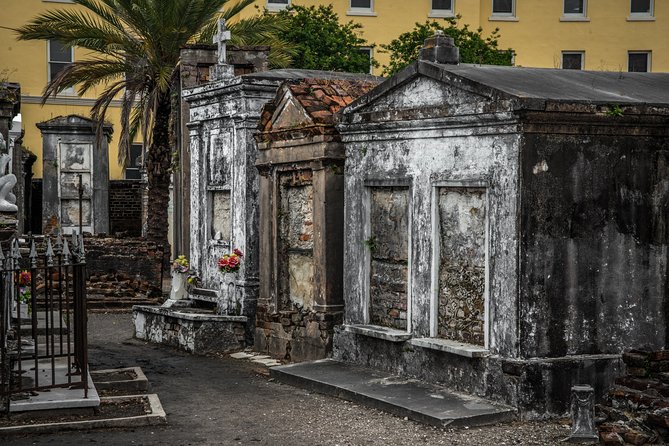
St Louis Cemetery #1 was built in 1789 on a span of one block. The grounds hold over 700 tombs with over 100,000 dead and counting, as it is still used today for burials for the price of only $40,000. This is considered one of the most haunted cemeteries in the United States with over 200 years of reports having interactions with the ghosts of St Louis Cemetery #1. St Louis Cemetery #2 was built in 1823. Both cemeteries are on the national register of Historic Places and the Louisiana African American Heritage Trail.
Accessing the St. Louis Cemetery

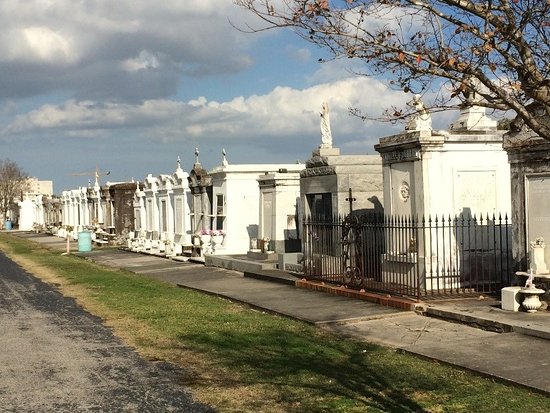
St. Louis Cemetery is now only accessible with a guided tour due to vandalism, the latest one being Voodoo Queen Marie Laveau’s tomb as it was painted Pepto-Bismol pink. This resulted in the Archdiocese of New Orleans closing the cemetery to the public after March 2015, with only guided tours being allowed. The families of the dead buried here can apply for a pass to visit their loved ones. The cemetery is all above-ground burials. This is due to the city’s high-water table that makes in-ground burials impossible. A coffin buried underground would simply float back to the top.
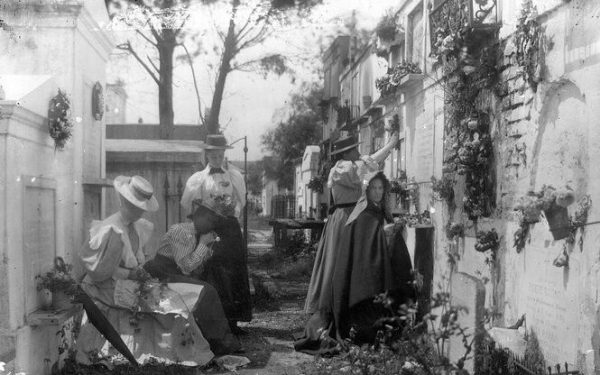
Many of the tombs are called “oven vaults” or “wall vaults.” These tombs house the remains of many family members. They are stackable gravesites, placing remains in a cabinet style. Once a body is placed inside it is left undisturbed in the grave for one year and one day. After that time, the remains can be pushed to the back of the tomb making room for another body to be placed inside. Some families prefer to collect the remains and place them inside a muslin bag.
The Voodoo Queen in St. Louis Cemetery
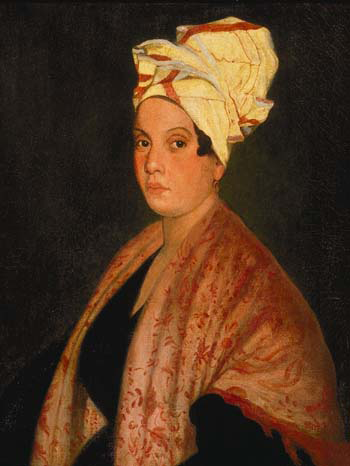
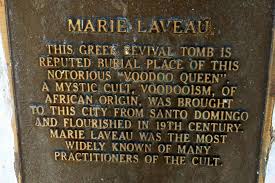
One of the most prominent people buried here is Voodoo Queen Marie Laveau, born in 1801 and died in 1881. She is said to be buried in plot 347 in Cemetery #1. She was born in the French Quarter and gained local fame as a Voodoo practitioner learning herbal remedies from her mother, and was a hairdresser to the wealthy. With those herbal remedies, she helped many people during the yellow fever of the 19th century, saving many lives. Using those herbal remedies gained her a reputation as a Voodoo practitioner. Many believe she still helps people from beyond the grave, with gifts being left at her gravesite, her ghost has been seen in many locations throughout the graveyard, although he is said to not be the friendliest spirit. People have reported being scratched, pinched, or shoved down to the ground. The legend is said that if you mark her tomb with 3-x’s and make a wish, it is granted, then the person must return and leave a gift at her grave.

The Sailor
Another ghost said to walk the cemetery is Henry Vignes, who was a sailor during the 19th century. He traveled all over the world and made his final home in a New Orleans boarding house. It was said he was always worried about important papers regarding his family’s tomb when he was at sea, and that he asked the owner of the boarding house to keep them safe while away. While out to sea, the owner of the boarding house sold his family tomb, once Vignes arrived back, he discovered the tomb had been sold and was never able to acquire the tomb back, and shortly afterward he died. Henry was buried in an unmarked grave. It is said that his ghost asks walkers by where the Vignes tomb is located as he is unable to find it himself. His ghost has been seen at funerals, often appearing behind the grieving asking if there is any more room in the tomb for him. His apparition has been caught on camera and the sound of a male’s voice saying “I need to rest”.
The Sentinel
Alphonse is another ghost said to be haunting this cemetery. His ghost has been said to take a visitor’s hand and pull them to a stop while walking and asking them to bring him home. Also, he has been seen gathering flowers from others’ graves and placing them on his tomb. The legend is said that he was murdered by the Pinead family as he has been said to warn visitors from stepping near the Pinead family tomb. It is unknown why they might have murdered him. These are the most prominent spirits that are haunting St. Louis Cemetery #1, although there are likely many, many more.



News
The History of Deals with the Devil: From Faust to The Witch
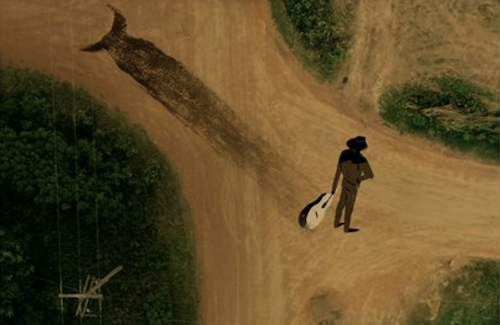
Every culture on earth has invented a version of the same story. Someone makes a deal with darkness, gets exactly what they asked for, and loses everything that made them want it in the first place. This is either the oldest cautionary tale in human history or the universe’s way of saying that wanting things too much is the problem. Possibly both.
The template is so reliable it has survived more reinventions than most genres, showing up in ancient folklore, theater from the sixteenth century, Mississippi Delta blues, and a 1997 Al Pacino film where the devil runs a Manhattan law firm, which is honestly the most plausible setting the story has ever found.
Doctor Faustus and the Original Paperwork
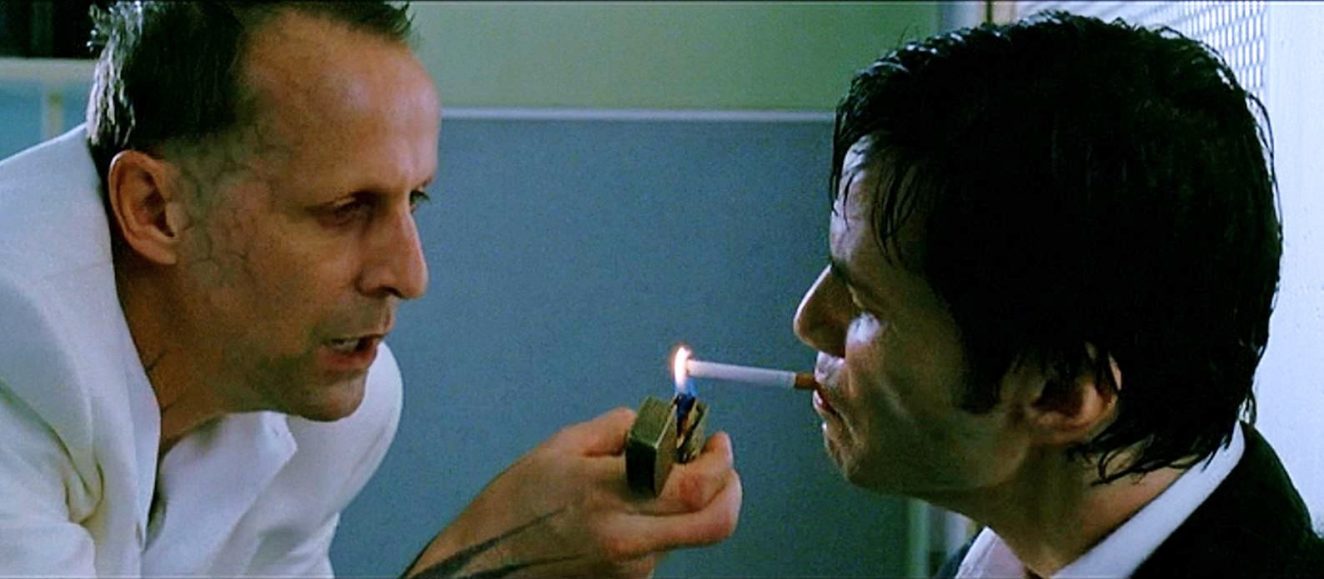
The deal with the devil as Western storytelling knows it starts with the German legend of Johann Georg Faust, a real historical figure from the early 1500s whose reputation for dark arts grew considerably after his death. By the time Christopher Marlowe adapted him into Doctor Faustus around 1592, Faust had already become shorthand for a man who traded his eternal soul for power and forbidden knowledge.
Marlowe’s Faustus gets twenty-four years of demonic assistance, summons Helen of Troy, and spends the entire back half of the play desperately not thinking about what comes next. He traded his immortal soul for the intellectual equivalent of a Wikipedia subscription.
Goethe’s Faust, published in two parts in 1808 and 1832, complicated the template. Goethe’s version ends with Faust being saved, which is either deeply reassuring or a massive loop in the contract depending on how you read it. The devil, Mephistopheles, loses on a technicality. Lawyers have been insufferable about this ever since.
The word “Faustian” entered the language as shorthand for any bargain where you get what you want at a cost that turns out to be everything. It is used now to describe political compromises, corporate mergers, and at least three separate think pieces per year about social media.
The Crossroads
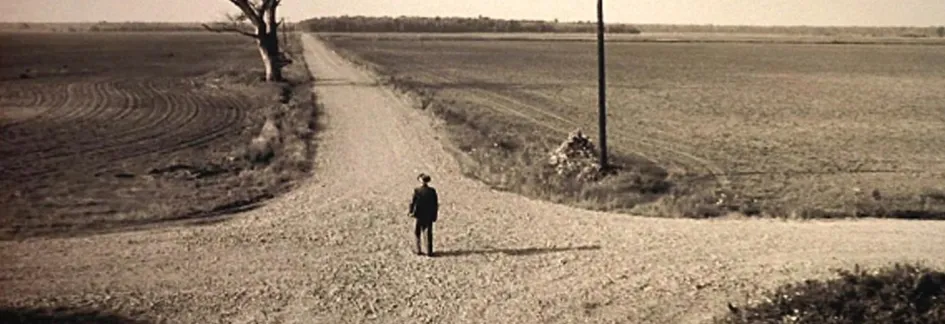
On the other side of the Atlantic, the deal with the devil found a different address. American blues mythology, particularly the tradition of the Mississippi Delta, attached the story to a specific location. The crossroads, where two roads meet at midnight, and where a man could wait for the devil to appear and tune his guitar.
The musician most associated with this mythology is Robert Johnson, who recorded twenty-nine songs in 1936 and 1937, including “Cross Road Blues” and “Me and the Devil Blues,” and died in 1938 at twenty-seven under circumstances that remain unclear. He was a remarkable guitarist who appeared to have improved dramatically in a very short period of time. The crossroads story about him developed and calcified after his death, told and retold until it became inseparable from his music. Robert Johnson himself never claimed any of it.
The person who actually did claim it was a different man entirely. Tommy Johnson, a Delta blues musician with no relation to Robert, reportedly told people on multiple occasions that he had met the devil at a crossroads at midnight, handed over his guitar, and gotten his talent in return. Tommy Johnson is considerably less famous than Robert Johnson, which is maybe the devil’s way of making a point about contract terms.
The crossroads mythology fed directly into O Brother, Where Art Thou? (2000), where the Coen Brothers dropped it into the middle of a Depression-era Odyssey adaptation because if you are already rewriting Homer you might as well rewrite American folklore while you are in there. It lives in every story about fame that arrives too fast, talent that appears from nowhere, and deaths at twenty-seven. The 27 Club has been run through the Robert Johnson mythology so many times that the connection has become its own piece of pop culture, self-sustaining and impossible to dislodge.
The Devil Grows Up
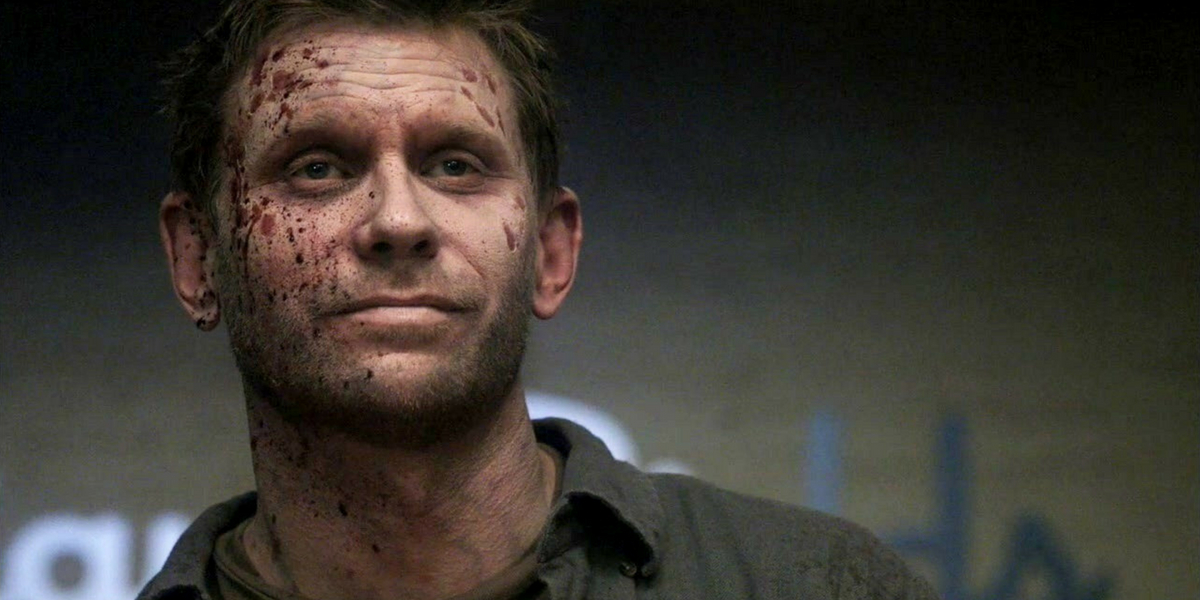
The devil of medieval Christianity and the devil of the crossroads deal mythology are related but not identical. The biblical Satan is primarily an adversary, an accuser, a figure whose role in early scripture is closer to a prosecuting attorney than a red-skinned tempter in a top hat.
The smooth-talking deal maker who shows up at crossroads and in horror films is a mash up of all of this. The biblical adversary, the folk devil, and a few centuries of storytelling that collectively decided the most interesting version of evil was one that made you an offer. The modern devil does not attack. He negotiates. And he always has better real estate.
Hollywood Signs the Contract
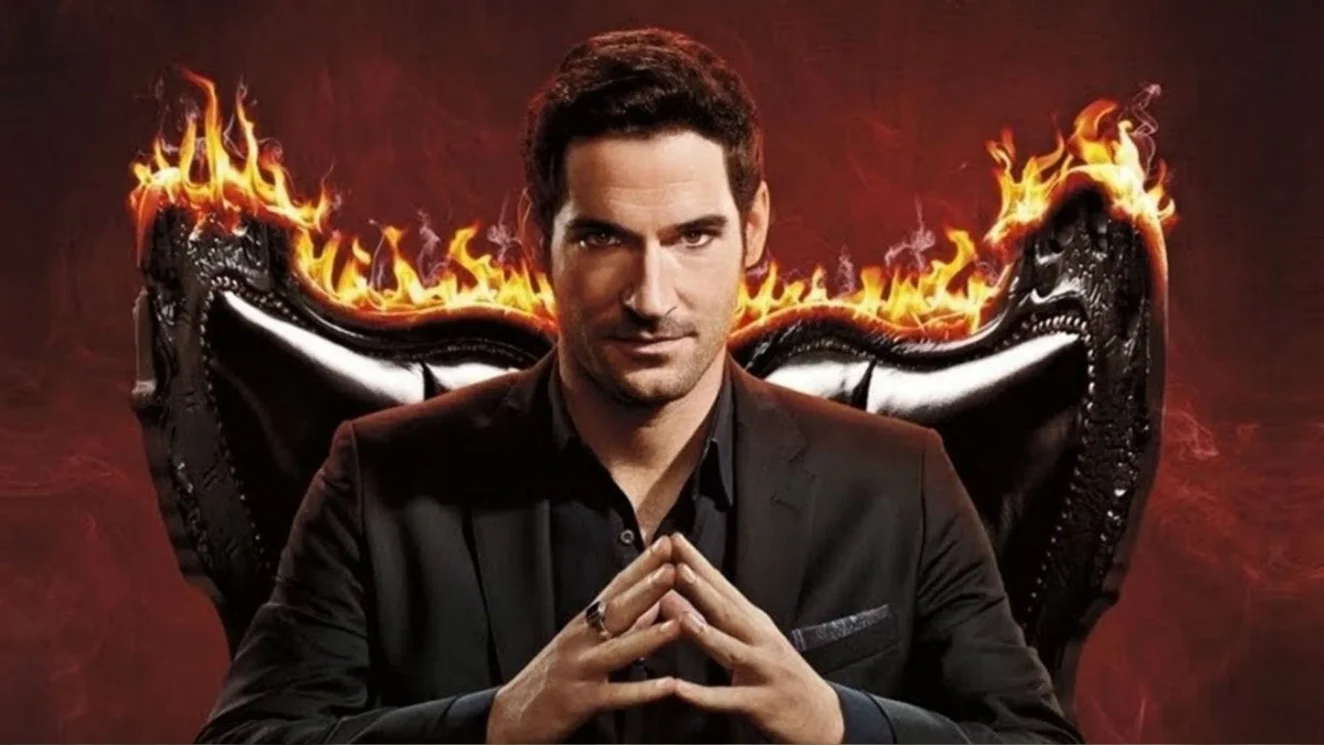
Hollywood has been making devil movies for as long as Hollywood has existed, and the quality varies in ways that suggest not all of those productions made favorable deals.
Angel Heart (1987) is the best film about a deal with the devil that never once uses the phrase. Mickey Rourke plays a private detective hired by a man named Louis Cyphre (Robert De Niro) to find a missing person, and the movie spends ninety minutes letting you work out what Louis Cyphre is an anagram of while everything gets worse. De Niro arrives in a cream suit eating hard-boiled eggs and the film is essentially already over.
The Devil’s Advocate (1997) casts Al Pacino as the literal devil running a Manhattan law firm and hiring Keanu Reeves as his star attorney. This works completely. New York in the nineties, of course the devil ran a law firm. The casting of Pacino is either inspired or the only possible answer to the question of which living actor could play Satan and make it seem like he was doing you a favor.
Crossroads (1986) sends Ralph Macchio into the Mississippi Delta to hunt down a lost Robert Johnson song and ends with a guitar duel between Macchio and Steve Vai, who plays the devil’s champion. The film climaxes with a Juilliard-trained classical guitarist defeating a blues devil deal using a Bach-influenced technique, in the Mississippi Delta, in front of a crowd that does not find this strange. Nobody in the film finds this strange.
Drag Me to Hell (2009) is Sam Raimi’s argument that you do not need to want power or knowledge or fame to end up on the wrong side of a supernatural contract. Christine Brown wanted a promotion. She denied a mortgage extension to an elderly woman. The punishment is an eternity of damnation. The moral is that the universe does not proportion its consequences to the scale of the ambition, which is either a theological horror show or a description of most Tuesdays.
And then there is The Witch (2015), where Robert Eggers quietly made the deal the ending rather than the premise. Thomasin does not go looking for the devil. The devil comes to her farm in 1630s New England, destroys her family, and waits. The offer, when it comes, is delivered by a goat named Black Phillip. “Wouldst thou like to live deliciously.” The audience agreed that yes, they probably would.
The Terms

What the deal with the devil has always been about, underneath the sulfur and the crossroads and the cream suits, is the terror of wanting something badly enough to pay any price for it. Faust wanted knowledge. Tommy Johnson wanted to play guitar better than anyone alive. Thomasin wanted to be free. The horror is not the devil. The horror is that the offer sounds reasonable and the terms are always printed small.
Every generation rewrites the story because every generation needs to. The template survives because the wanting does not stop.
News
Shudder’s May Is the Best Month They’ve Had in a While.
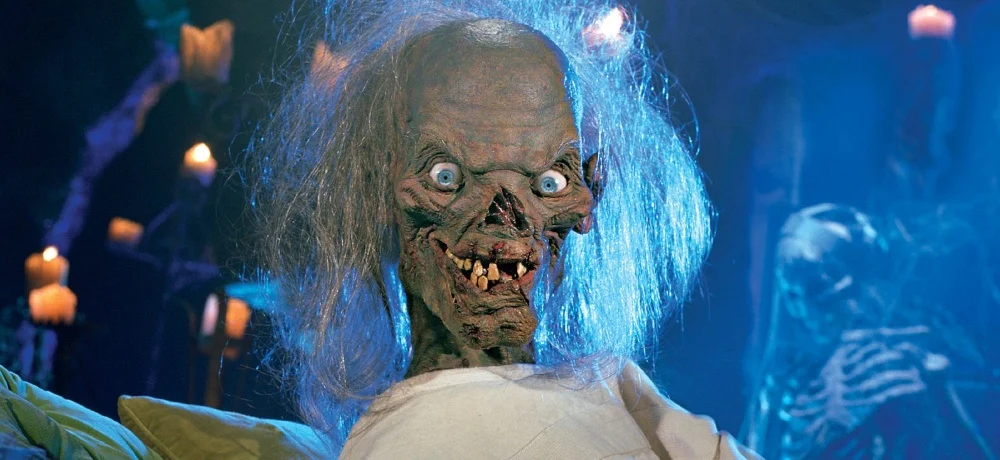
Shudder dropped their May 2026 programming slate and it is heavier than most months. The lead is The Terror: Devil in Silver, the long-awaited third installment of AMC’s horror anthology, premiering May 7 with new episodes weekly through June 11. Next up, Tales from the Crypt, all seven seasons, begins streaming May 1 after years off the market. Four new exclusive films fill out the rest of the month.
The Terror: Devil in Silver
The first two seasons of The Terror stand as some of the best horror television of the past decade. Season one sent the crew of HMS Terror on a doomed Arctic voyage in 1845. Season two, Infamy, placed its story inside a Japanese American internment camp during World War II. Neither shared a cast nor a plot with the other. Both were exceptional. Season three takes Victor LaValle’s novel and builds it into a six-episode limited series. Dan Stevens plays Pepper, a working-class moving man who lands in a psychiatric hospital through bad luck and a worse temper. What he finds inside is not treatment.
Karyn Kusama, who directed the Yellowjackets pilot and earned an Emmy nomination for it, directs the opening two episodes and serves as co-executive producer. LaValle and Chris Cantwell co-wrote the scripts. Ridley Scott executive produces. The ensemble behind Stevens includes Judith Light, CCH Pounder, Aasif Mandvi, Stephen Root, and Marin Ireland. This is the kind of combination that earns attention before a single frame has aired.
New episodes premiere weekly after May 7.
Tales from the Crypt
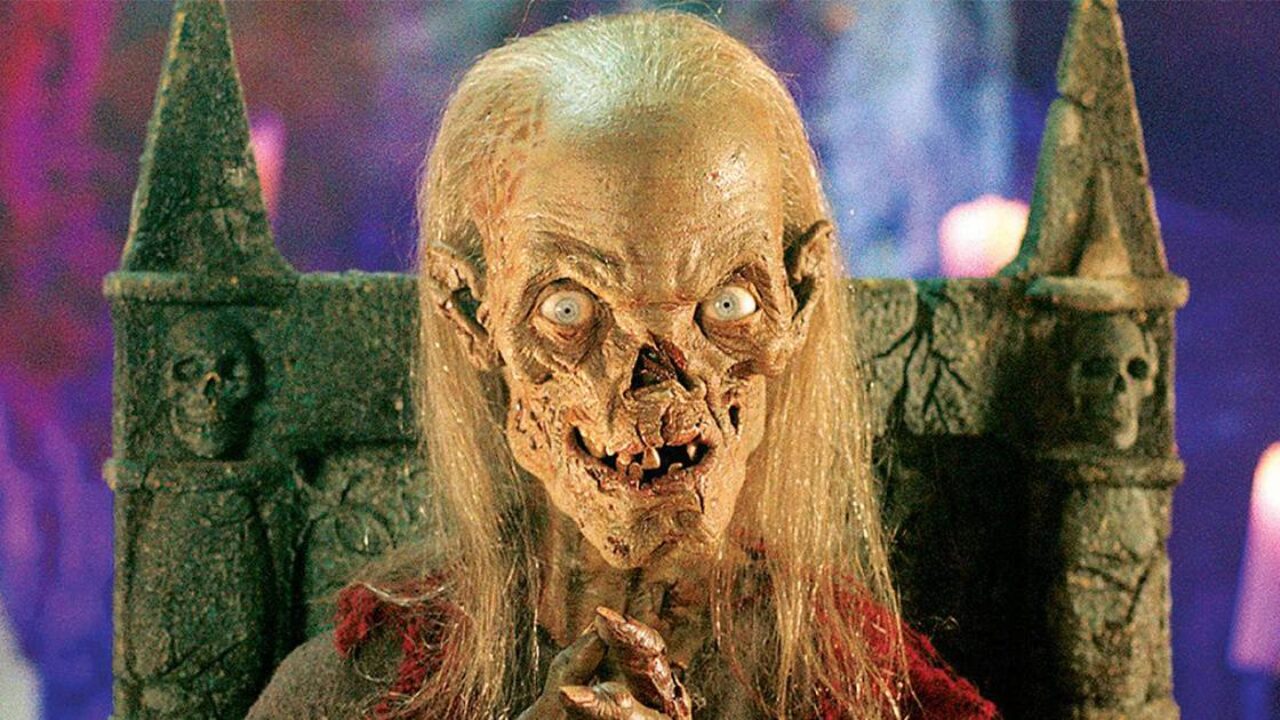
Tales from the Crypt ran on HBO from 1989 to 1996. Seven seasons. Ninety-three episodes. Each one a self-contained story hosted by the Crypt Keeper, a wisecracking animated corpse voiced by John Kassir, who closes every episode with a pun only he finds funny.
The show pulled from EC Comics and assembled talent at a level that looks almost unreasonable in retrospect: Brad Pitt, Demi Moore, Christopher Reeve, Catherine O’Hara, and Steve Buscemi in front of the camera. Robert Zemeckis, Tobe Hooper, and William Friedkin behind it. Tom Hanks, Arnold Schwarzenegger, and Michael J. Fox also directed episodes.
The series has been effectively unavailable to stream for years, tied up in rights complications. It is now on Shudder. Season one drops May 1. Subsequent seasons premiere weekly on Fridays, with the final season 7 arriving June 12. Watch parties run every Friday at 9pm ET. There is no good reason to wait on this one.
The Exclusives

Whistle arrives May 8 and is the exclusive to prioritize. Directed by Corin Hardy, who made The Nun, and starring Dafne Keen, Sophie Nélisse, Percy Hynes White, and Nick Frost, it follows high school students who find an ancient Aztec Death Whistle and discover that blowing it summons their future deaths to hunt them down. Totally normal thing to happen.
Heresy lands May 1 and is worth knowing about before it arrives. Director Didier Konings is making his feature debut after years as a concept artist on Stranger Things, Ghostbusters: Afterlife, and Doctor Strange in the Multiverse of Madness.
Smothered arrives May 29 as a Shudder Original. It is Indonesian, and it is produced by Joko Anwar, the director behind Satan’s Slaves and Impetigore. That name means something to anyone who has been paying attention to international horror over the past decade. The film follows a micro-painting artist who loses part of his memory in an accident and returns home to find a woman claiming to be his mother.
This Is Not a Test streams May 22. Directed by Adam MacDonald and adapted from Courtney Summers’ 2012 novel, it stars Olivia Holt as a student sheltering in a high school during a zombie outbreak.
News
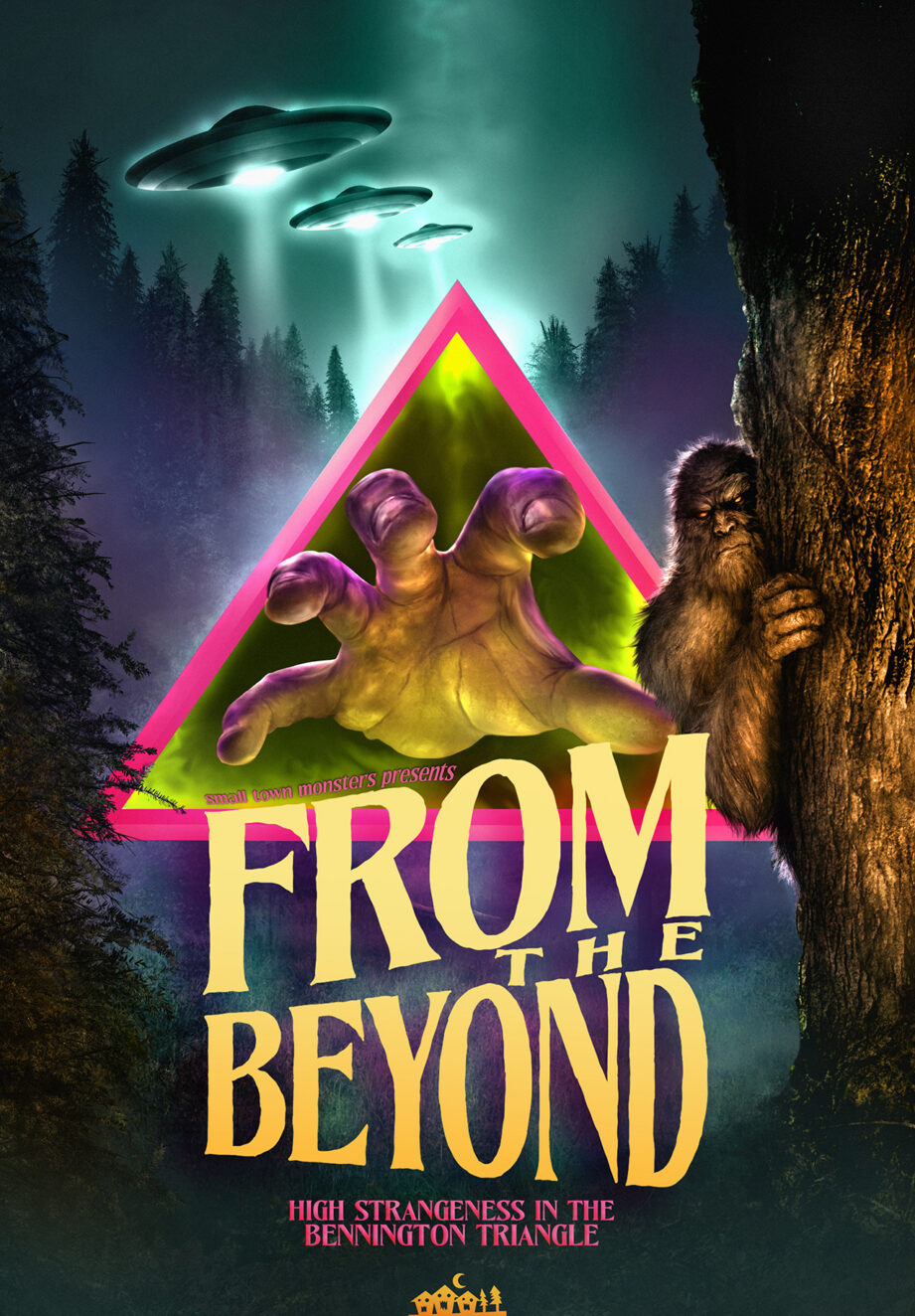
[Exclusive Clip] ‘From the Beyond: High Strangeness in the Bennington Triangle’
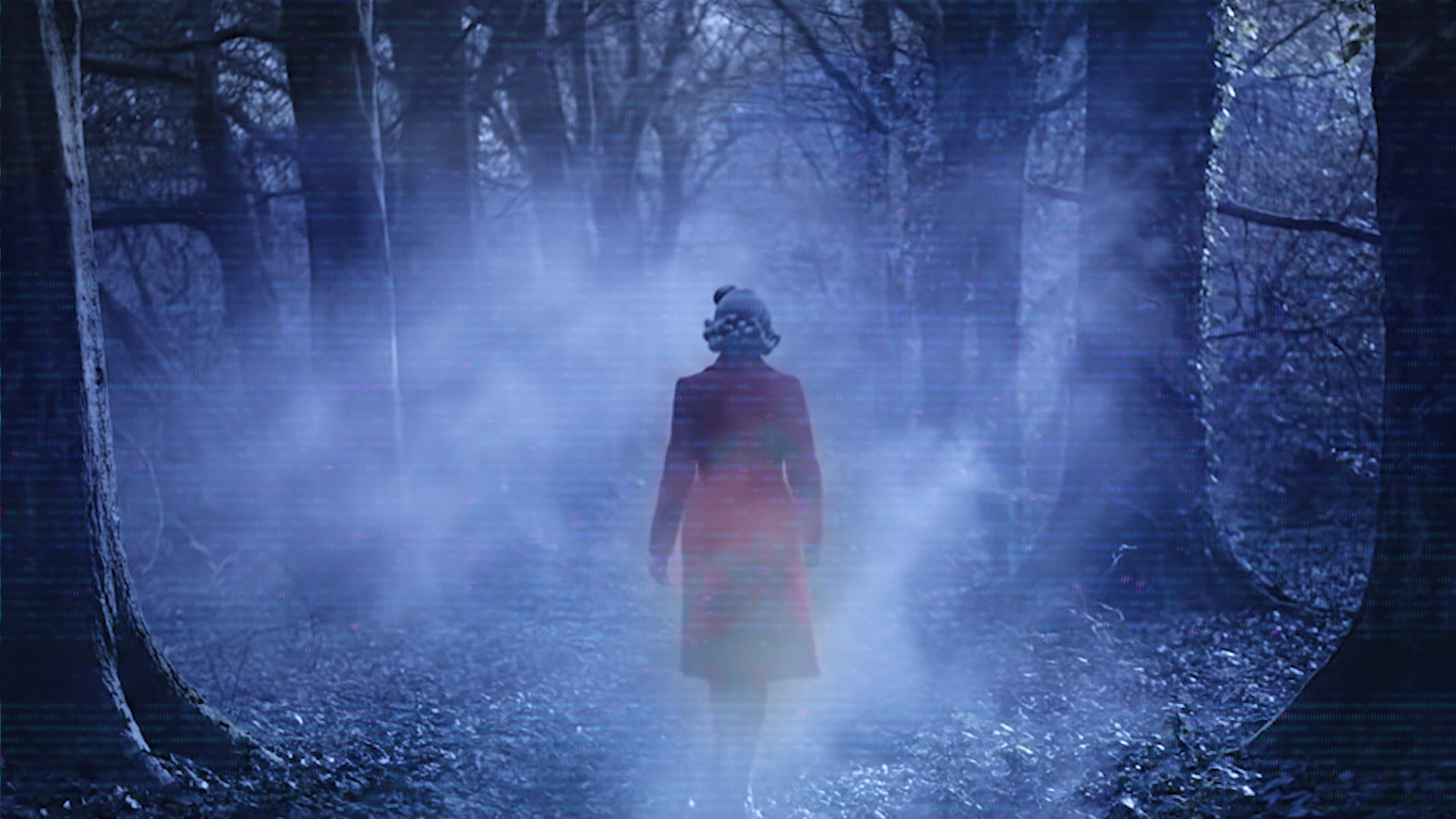
Audiences are invited to explore one of Vermont’s most mysterious regions in From the Beyond: High Strangeness in the Bennington Triangle, arriving later this month on streaming platforms and DVD.
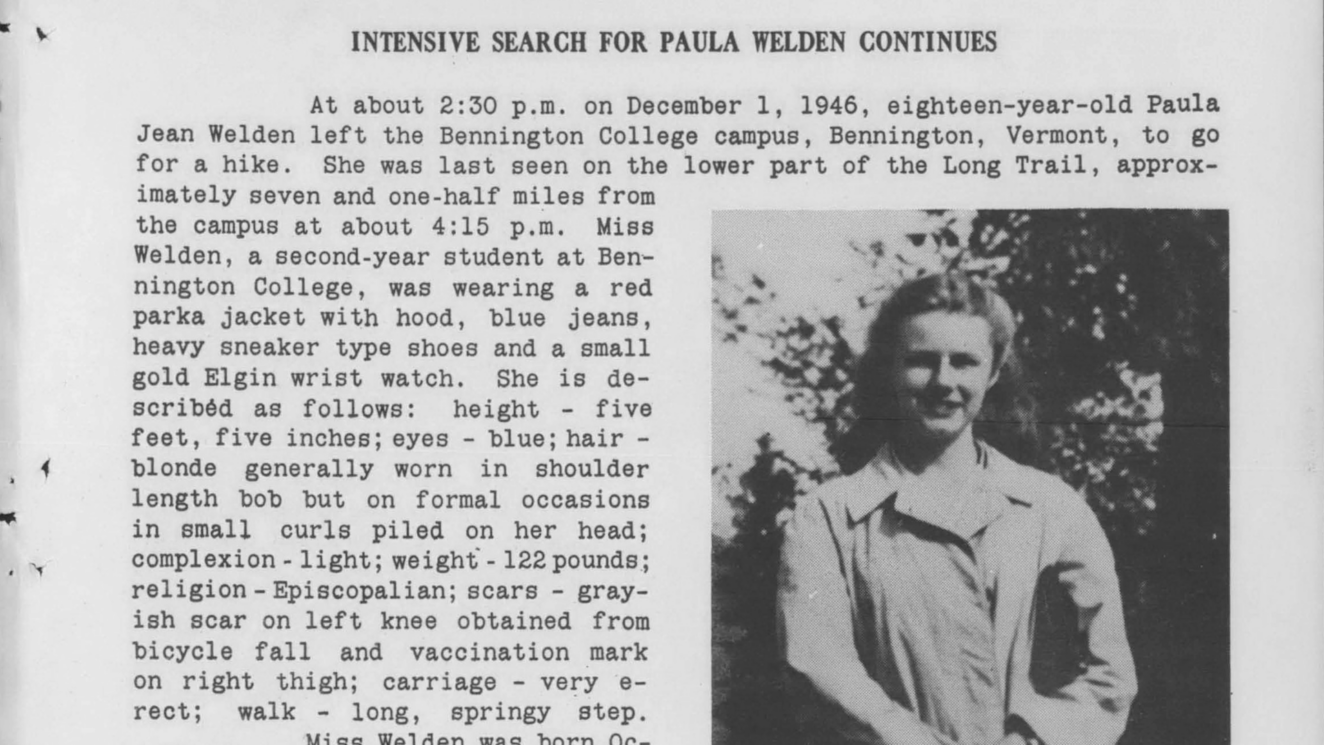
The documentary will debut on April 28, 2026, on platforms including Apple TV, Prime Video, and Google Play. DVD editions will be available exclusively through the Small Town Monsters online shop.

Directed by Seth Breedlove, the film continues the company’s exploration of folklore, cryptids, and unexplained phenomena. Breedlove’s previous work includes The Mothman of Point Pleasant, On the Trail of Bigfoot, American Werewolves, and more than two dozen feature-length productions. In total, Small Town Monsters has released more than thirty films, along with investigative programs, web series, books, podcasts, and exclusive membership content.
From the Beyond: High Strangeness in the Bennington Triangle was made possible through the support of backers from the company’s 2025 Kickstarter campaign.
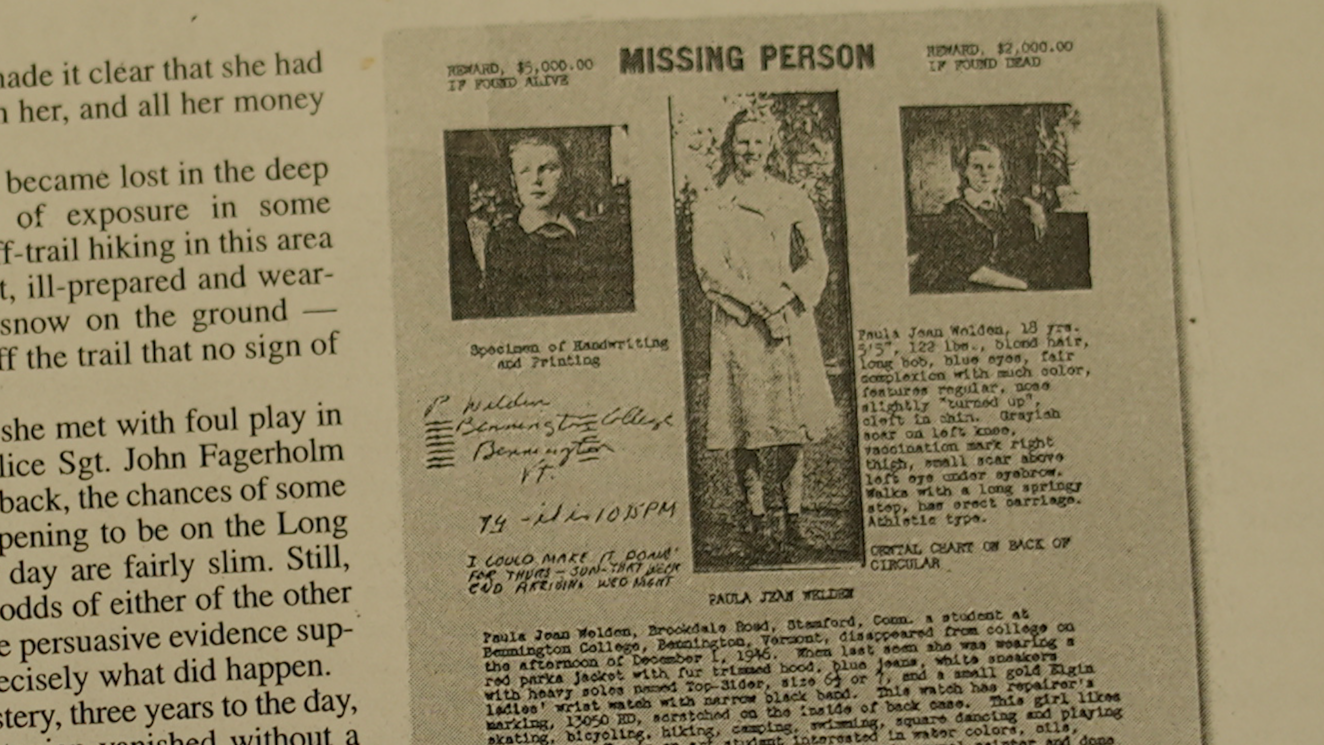
Set in rural Vermont, the documentary examines the legend of the Bennington Triangle, an area associated with reports of UFOs, ghosts, phantom lights, mysterious creatures, and a series of unexplained disappearances. At the center of the mystery is Glastenbury Mountain, where decades of unanswered questions continue to inspire speculation.
Going beyond folklore and campfire tales, the film asks a chilling question: Why is Glastenbury Mountain so inexplicable, and what happened to those who went missing?
Check out our exclusive clip below.

The Evil Dead Burn Trailer Is Here and It Is Everything

The Evil Dead Universe Now Includes a Mummy Film

“It’s My Era. I’m a Rockstar Now.” The Official ‘The Vampire Lestat’ Trailer Is Here

10 Horror, Thriller, and True Crime Series to Watch This Spring

The Practical Magic 2 Teaser Trailer Is Finally Here

This Week in Horror: DC Goes Full Body Horror, A24 Has Its Chainsaw Man, and The Bone Temple Is Finally Yours

The Vampire Lestat Releases Cover of Billy Idol’s “Dancing With Myself”

The HUNGRY Red Band Trailer Is Here and We Need to Stop Laughing at the Hippo

Samara Weaving and Kyle Gallner Star in Romantic Crime Thriller ‘Carolina Caroline’ [Trailer]

ShoStak Opens the Door for Filmmakers to Build and Own Their Stories

‘Behind the Mask 2’ Slays Kickstarter

The History of Deals with the Devil: From Faust to The Witch

‘ZombieCON Vol. 1’ Gets the Con Right. The Zombies Arrive When They Want To.

Shudder’s May Is the Best Month They’ve Had in a While.

‘Don’t Die’ Is a Good Friday Night Horror Film And That Is Enough.

Content Is Now on Digital. Watch It Twice.

[Exclusive Clip] ‘From the Beyond: High Strangeness in the Bennington Triangle’

‘Behind the Mask’: Nathan Baesel Exclusive Interview!

‘The Vampire Lestat’ Trailer: What “Dancing With Myself” Reveals About Lestat
This Week in Horror: DC Goes Full Body Horror, A24 Has Its Chainsaw Man, and The Bone Temple Is Finally Yours
The Vampire Lestat Releases Cover of Billy Idol’s “Dancing With Myself”

Astrolatry Built a Ten-Foot Practical Penis Scorpion
-
 Trailers7 days ago
“It’s My Era. I’m a Rockstar Now.” The Official ‘The Vampire Lestat’ Trailer Is Here
-
 News5 days ago
This Week in Horror: DC Goes Full Body Horror, A24 Has Its Chainsaw Man, and The Bone Temple Is Finally Yours
-
 Music5 days ago
The Vampire Lestat Releases Cover of Billy Idol’s “Dancing With Myself”
-
 Trailers6 days ago
Samara Weaving and Kyle Gallner Star in Romantic Crime Thriller ‘Carolina Caroline’ [Trailer]
-
 News6 days ago
ShoStak Opens the Door for Filmmakers to Build and Own Their Stories
-
 News7 days ago
‘Behind the Mask 2’ Slays Kickstarter
-
 Editorial4 days ago
‘The Vampire Lestat’ Trailer: What “Dancing With Myself” Reveals About Lestat
-
 News7 days ago
The Best Possible Person Is Directing A24’s Texas Chainsaw Massacre
You must be logged in to post a comment Login