Interviews
Exclusive Interview: ‘Welcome to Derry’ Actress Alixandra Fuchs

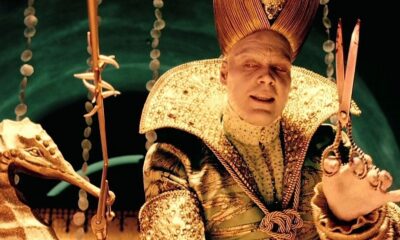
It: Welcome to Derry has become a TV show that horror fans anticipate every Sunday night on HBO. The prequel series is an immersive experience that delves into the deepest corners of the Stephen King universe, but it’s also a stand-alone series that fits into Andy Muchietti’s IT movie franchise seamlessly.
Alixandra Fuchs appeared in episodes one and two. She took a little time out of her busy schedule to talk with iHorror about her role as lilly Bainbridge’s (Clara Stack) clueless mother and what it was like to work on the popular series.
The Interview:
iHorror: Thank you for talking to iHorror. How was your Thanksgiving?
Alixandra: Of course! It was lovely. My husband and I live in London and we celebrated with our other American friends who also live here.
It: Welcome to Derry has become appointment television. It’s a great series which can be rare for the horror genre. What’s harder, finding a project to produce or deciding if you want an acting role in it?
Well, my only role on this show was playing Terri Bainbridge – although, I obviously feel incredibly proud that the production outfit I run with my husband, FiveTen Productions, is one of the companies behind DERRY’s first season. To be honest, it’s not really a question of one being harder than the other, I think it’s all pretty organic. On DERRY, the opportunity presented itself in terms of an acting role that fit. On other projects, there might not be a role, but there may be something I think I can add produciorally, if I connect with something in the material or feel like I have some insight into the world of the piece. It really varies project to project.
Were you a Stephen King fan first, or an Andy Muschietti fan first?
Oh, definitely Stephen King. He’s an icon!
I read that Hollywood has been your touchstone for a long time. What is it about it that keeps you coming back for more?
It’s the only world I’ve ever known, which I know, sounds crazy! Growing up in this business, you get comfortable in the day to day of it, it always felt natural to me. I always wanted to be a part of it whether that was acting or producing. It doesn’t come without challenges though. It’s so hard to break into this business and can be incredibly difficult to navigate. My love for movies and TV keeps me coming back!
Do you get to read every pitch, every screenplay before deciding to give it a green light at FiveTen Productions? Was there ever a project that divided you and your husband, if so what happened?
Oh yes. I am fully involved in everything that goes on with FiveTen. Most times things go through me before they go to Jason. He’s a very busy guy so a lot of times I will vet things in advance. Our taste and our vision for the company is fully aligned so luckily we haven’t been divided on anything yet!
A lot of productions like Welcome to Derry are filmed in Canada. How differently do they do things, on set, up there?
It’s actually pretty much the same as filming in the US. We had a wonderful crew and some wonderful local actors. Mostly we filmed in and around Toronto but I filmed one of my scenes out in Niagara. I had never been to Niagara Falls so that was a fun experience! Jason and I popped over to see it after I wrapped for the day.
As emotionally draining as acting can be, how do wind down, separating the emotional disparities of the fictions character as opposed to your real life ones?
I find the most emotionally draining thing about acting is trying to actually book the jobs! When I am lucky enough to work as an actress I always have an absolute blast. It truly brings me so much joy. When it comes to separating character from myself, I find that easy to be honest. Acting is like adult make-believe, playtime. I always find the fun in it even when the scenes can be emotional or demanding. It’s like having a moment to be a kid again in a way.
What was Andy like to work with? He seems intense and perhaps a bit nerdy — in a good way. How was he with the kids?
I think the fact that Andy is a father himself, he has an easy dynamic when working with the kids. He is so clearly invested in this universe so I respect his passion for all things “IT”.
If you met Terri in real life, what would you tell her?
“Snap out of it!!!”
Thanks Alixandra for your time. What are you working on next?
My pleasure and thank you! We have an exciting slate of projects coming up for FiveTen that we will be announcing in the new year, and I’m always looking for the next project to act in!
It: Welcome to Derry airs on HBO every Sunday starting at 9 p.m. Eastern.



Interviews
‘The Serpent’s Skin’ and Who Gets to Hold the Camera

Alice Maio Mackay, Alexandra McVicker, and Avalon Fast on what it means to be trans in horror, and why The Serpent’s Skin is arriving right now
Horror has a long, complicated history with trans bodies. Most of it is exploitative. Some of it is genuinely interesting. Almost none of it has been made by trans people. The genre built its mythology around certain kinds of transgression, and trans bodies got folded into that mythology in ways that ranged from lazy to actively harmful. The killer in drag, the twist reveal, the monster whose horror is rooted in a body that doesn’t match expectations.
That history sits in the background of every conversation about trans filmmakers working in horror right now, whether anyone mentions it or not.
Alice Maio Mackay is twenty-one years old and has made six feature films. Her latest, The Serpent’s Skin, opens in theaters across New York, Los Angeles, and a run of cities that surprised even her. Alexandra McVicker, who plays the film’s lead, is a trans actress known from Vice Principals who came out publicly after that role and stepped in front of the camera again for the first time here. Avalon Fast, who plays the other half of the film’s central relationship, is a filmmaker in her own right and found the production arriving at a personally significant moment.
I talked to all three of them before the theatrical run. What follows is about the film, but more than that it’s about what it looks like when trans people are the ones deciding how trans stories get told.
The Demon Comes From Inside
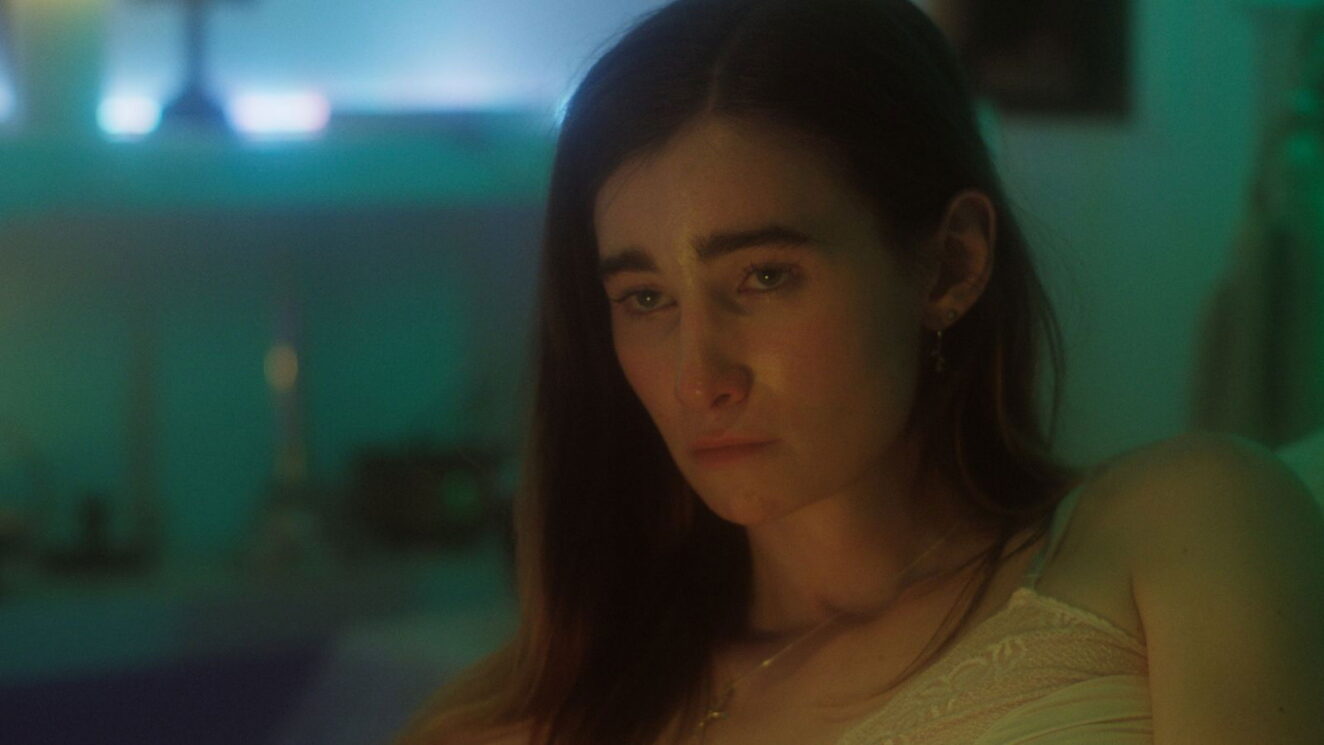
Mackay’s earlier films locate the threat externally. Transphobia becomes a vampire in So Vam, an alien body-horror invasion in T Blockers. The monster is always something coming for the trans characters from outside. In The Serpent’s Skin, for the first time, the demon is summoned from within. It rises from the unresolved insecurities the central characters are carrying into their relationship. I asked her why she made that shift.
“I think it was just time to part from my usual thing. The last few films it’s kind of been like the political landscape, the outside being the evil and the villainous thing, and the characters have to defeat that. This time I wanted to take it inwards. It’s still a political movie, but I wanted the queer characters to look inwards and defeat their own traumas and personal demons, and how those might transpose onto others around them.”
That’s a more exposed kind of filmmaking than locating the danger in the world. The world being the enemy is legible and satisfying. Your own unhealed wounds being the thing that summons the danger is something else.
The film is also consciously in dialogue with the late-90s supernatural girl-power television Mackay grew up watching. Buffy, The Craft, Charmed. Those shows had queerness present but rarely named, power that read feminist without ever quite committing to the word. I asked what she took from them and what she wanted to correct.
“There are issues with some of those shows. Often you look at Buffy and like, Joss Whedon was the creator, there are those kinds of things. But for me I wanted to make the film through the lens of those shows, taking the tropes and sometimes the hidden queerness, and just make that the text. Make it as explicit as possible rather than hiding anything or keeping it to metaphors, which those early shows did with their queer themes.”
That’s the project in a sentence. She takes the nostalgic framework and finishes the sentences those shows left open. The queerness is text, not subtext. The trans identity is the weather the story lives in, not the twist at the end.
The Room That Gets Built

Mackay is public about her commitment to queer and gender-diverse cast and crew on every production. Most interviewers ask her why. The more revealing question is what it actually changes in practice.
“I’ve been on sets that haven’t had those environments and you can still make something great, but you still have to explain why you’re doing something, what this means. Whereas if you have a predominantly trans or queer cast and crew, it kind of eases off the pressure. You all believe in the story, you all understand the themes and elements, no one’s having to stop at a scene and be like: what does this mean.”
Fast, coming to the film as a director herself, described something similar from the other side. Her director brain essentially switched off once she was on set, which she credited to the environment Mackay built.
“I went into this just purely as an actor and that is what I wanted to do, and I really found as soon as I was on set the background of production had nothing to do with me. I didn’t feel any responsibility for it and I was able to just completely be in the world of being an actor. Alex and I were big divas on set. We definitely didn’t have any role in the directing side of things.”
The Weight of Being a Corrective
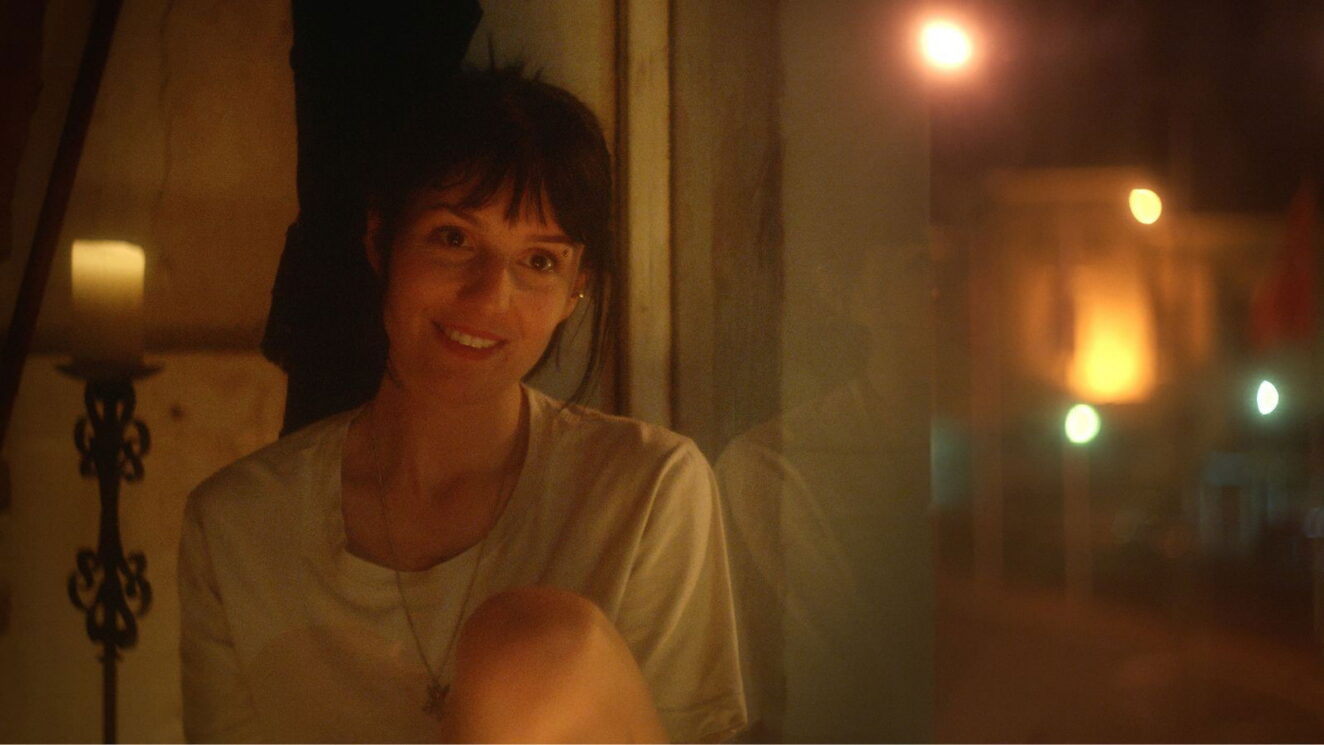
The harder version of this question: horror has a long history of using trans bodies badly. Mackay is part of a generation of trans filmmakers shifting who actually holds the camera. Does she feel that weight?
“I don’t know. I’ve never really felt that pressure, or a pressure in that sense. For me, ever since I was a child I’ve always just wanted to be a storyteller and tell stories. From my first feature to this one, I’ve kind of just wanted to write what I wanted to see reflected on the screen and haven’t really worried too much about outside voices or pressure.”
She didn’t start making films to correct the record. She started making films because she wanted to make films, and the trans experience happened to be her experience, so that’s what ended up on screen. The politics arrived as a consequence of the authenticity, not the other way around.
There’s a follow-up worth pushing on. If the audience is primarily queer people who already agree, is there a risk that the monster-as-transphobia metaphor works too smoothly? That someone can enjoy it without ever having to sit with what it’s actually about?
“I feel like it means a lot, it’s really special, when a trans or queer person has a connection to the films. But my work has played at genre festivals that aren’t queer-specific, and a lot of the audiences range from young to middle-aged men who just love horror. With T Blockers, them coming and being like: I never thought about a trans person in general, seeing them and what they have to deal with. I think that is equally special. I’m not making something educational, but it’s kind of nice having two ends of the spectrum seeing different things and picking up on different parts of the stories.”
She’s not claiming the films convert anyone. She’s saying they work on multiple frequencies, and different audiences catch different signals from the same film.
The First Time on Camera as Yourself
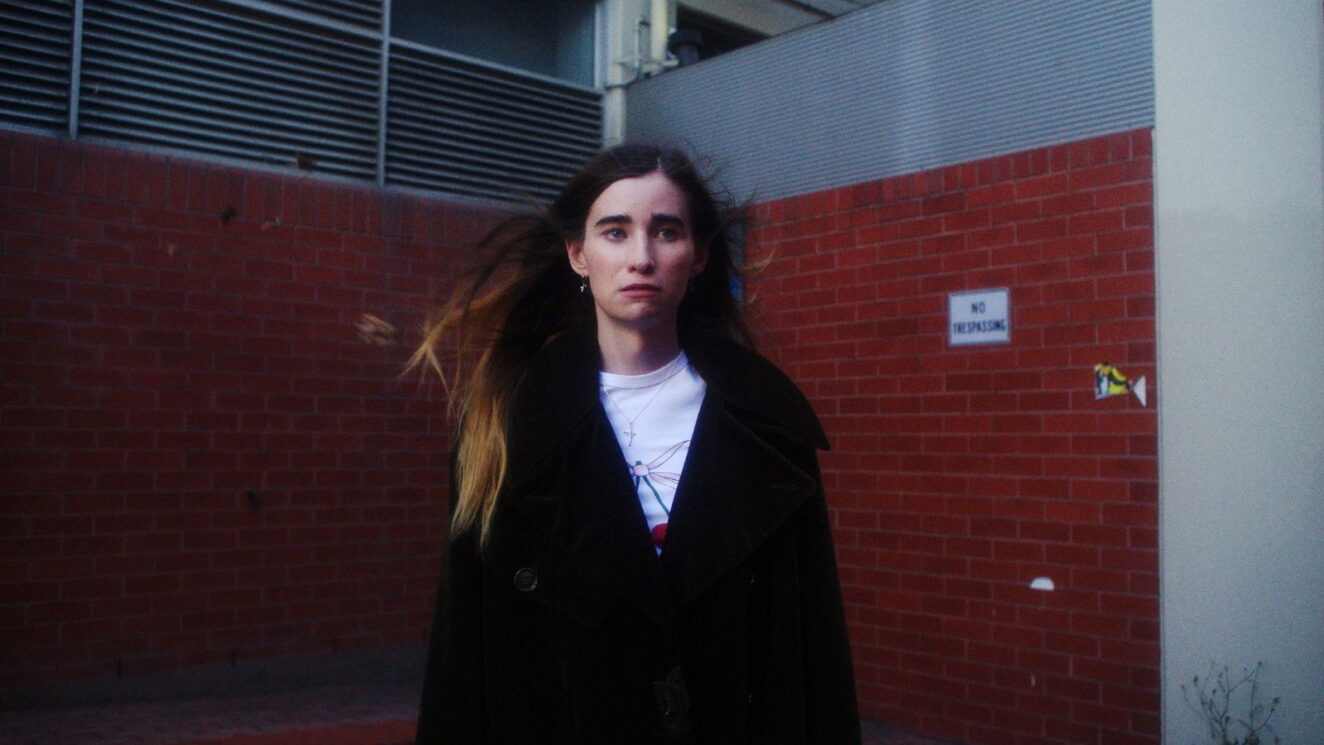
Alexandra McVicker played Robin Shandrell on Vice Principals. She came out as a trans woman after that. The Serpent’s Skin is the first feature she’s made since.
Anna’s story begins with an act of leaving: she gets out of her transphobic hometown and doesn’t look back. There’s an obvious parallel in McVicker’s own life, and she spoke to it directly.
“The theme of leaving an environment that restricted you is very true for me. I was able to explore and understand myself more when I left home, when I wasn’t around my family and the area I grew up in. That was a theme I could relate to for sure.”
On what it was like to step back in front of the camera as herself:
“Acting was such a huge part of my life, and I buried myself in it so deeply before because I felt like it was the only thing I had to explore and feel, to get away from myself a little bit. Outside of acting I didn’t care about life in a lot of ways, because I was so uncomfortable in myself. Now stepping back into acting has been really strange. My life feels so much more full in other ways that sometimes I feel really distracted, and that intense drive that I had before is still there, but it’s not the same.”
What the performance actually does is specific and difficult: she’s playing someone who is hiding, from the inside, while not hiding herself. That distinction carries the film.
Divinely Timed
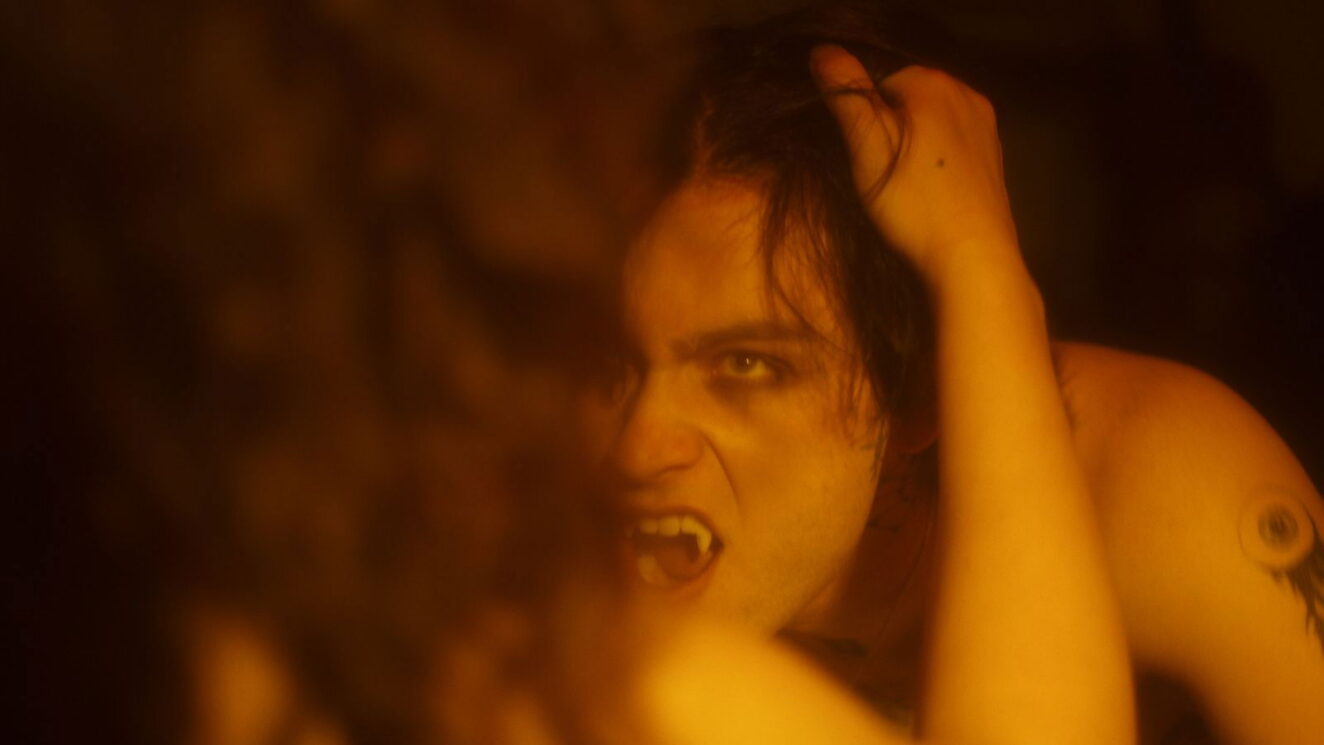
Avalon Fast directed Honeycomb at nineteen and Camp in 2025, both award-recognized. She came to The Serpent’s Skin as a peer of Mackay’s, not just as a cast member.
On what the film meant to her outside of the craft:
“It came at a really important time for me. I wasn’t necessarily closeted before, but I definitely wasn’t open as a queer person. Finding this role and having the opportunity to work with Alice and Alex felt really important to that time, completely removed from being an actor or a director. Just personally, it felt really important, and kind of divinely timed.”
On keeping Gen from going flat, since a grounded and confident character can read as inert without something real underneath:
“There was such a conflict that came up early, and it didn’t have to do with our relationship. It was something inside of me that I’d put onto somebody else, which becomes a deep conflict within the story. I think when you try to be interesting it can come off a little strange. I just tried to be really honest with her character. I resonated with this feeling of having something like evil inside of you. I think it’s a common female, or maybe just a human experience, to feel fundamentally wrong, to have this thing inside of you that you can’t understand.”
Playing Outside New York and LA
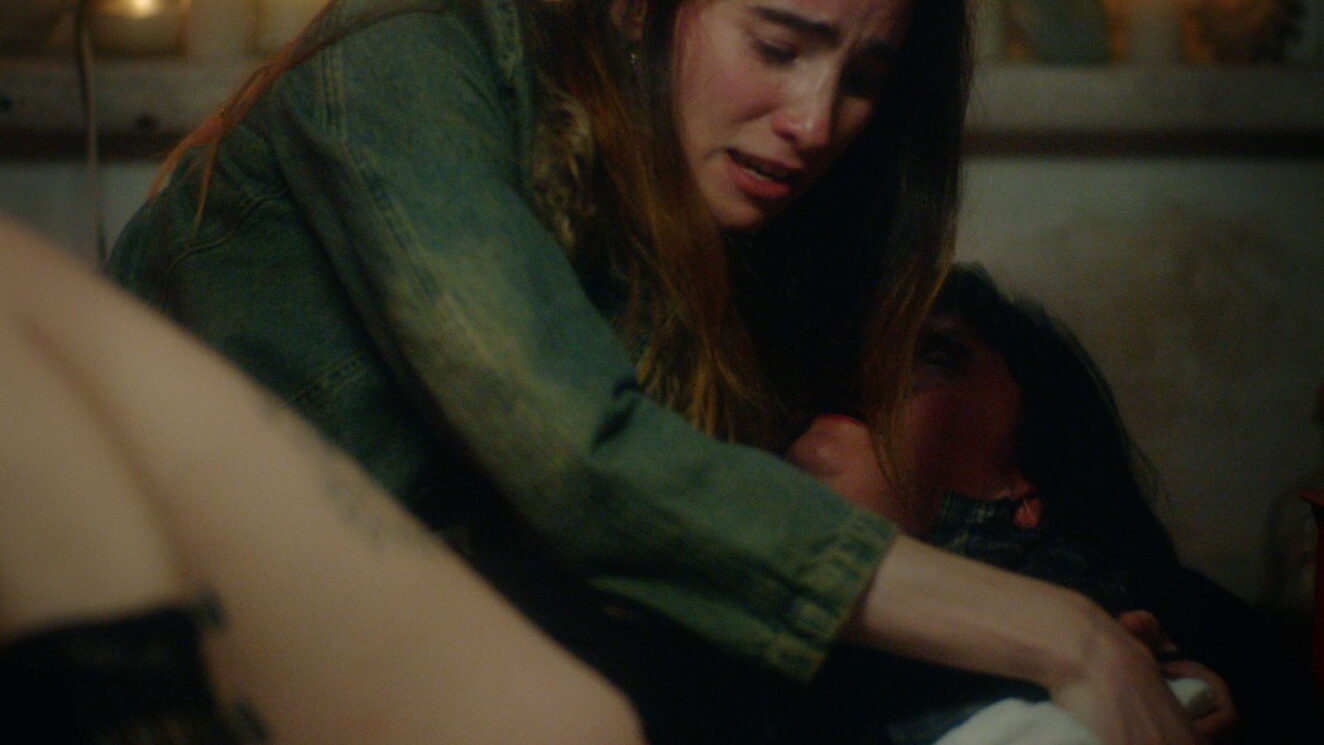
The Serpent’s Skin is opening wider than Mackay expected. It’s playing in Texas. It’s playing in cities that weren’t on the original list. Mackay called it surreal.
“It’s my largest release, and the film is playing in places I wouldn’t expect it to. There’s something really special to me that my film is playing outside of the New York and LA areas. Having that broader reach, I hope outside of queer audiences, cis straight men see the film and find it something different as well.”
Across six features, made between the ages of sixteen and twenty-one, Mackay has built a body of work where the trans experience is never the tragedy, never the twist, never the thing the film is secretly really about beneath the supernatural scaffolding. It is just the story. The horror is horror. The love story is a love story. The monster is a monster.
That sounds simple. It is not simple. Almost no one in the history of the genre has done it.
When McVicker and Fast were each asked what they want someone to carry out of the theater if they saw themselves in the film, they gave answers that rhymed with each other without having coordinated.
McVicker said: stop blocking yourself. Believe that someone else might be able to see you in a light you can’t see yourself in.
Fast said: the possibility of finding a love that feels safe and comfortable, and lets you see parts of yourself you couldn’t see before.
Both were talking about the film. Both were also talking about something else.
—The Serpent’s Skin is now playing in New York and Los Angeles.
Here’s the rundown of the theatrical dates:
3/27 – 4/2 — Brooklyn, NY – Alamo Drafthouse Downtown Brooklyn
As part of Fantastic Fest Presents showcase
** Opening night Q&A w/ Maio Mackay, McVicker, and Fast moderated by Jack Haven (I Saw the TV Glow)
3/28 — Catskill, NY – Community Theater
** Q&A with Maio Mackay moderated by Jane Schoenbrun (I Saw the TV Glow)
4/2 — San Francisco, CA — Roxie Theater
** Q&A with Maio Mackay moderated by Frameline Executive Director Allegra Madsen
4/3 – 4/9 — Los Angeles, CA – Alamo Drafthouse Cinema DTL
** Opening night Q&A with Maio Mackay moderated by Misha Osherovich (Freaky, She’s the He)
4/4 — Los Angeles, CA – Vidiots
** Q&A with Maio Mackay and Vera Drew moderated by comedian Roz Hernandez
4/10, 4/11 — Denver, CO – Sie FilmCenter
4/11 — Boston, MA – Alamo Drafthouse Cinema Boston Seaport
4/11 — Chicago, IL – Alamo Drafthouse Cinema Wrigleyville
4/11 — Dallas, TX – Alamo Drafthouse Cinema Cedars
4/11 — Denton, TX – Alamo Drafthouse Cinema Denton
4/11 — New York, NY – Alamo Drafthouse Cinema Lower Manhattan
4/11 — Yonkers, NY – Alamo Drafthouse Cinema Yonkers
4/11 — Raleigh, NC – Alamo Drafthouse Cinema Raleigh
4/11 — San Antonio, TX – Alamo Drafthouse Cinema Park North
4/11 — San Francisco, CA – Alamo Drafthouse Cinema New Mission
4/11 — Santa Clara, CA – Alamo Drafthouse Cinema Valley Fair
4/11 — Woodbury, MN – Alamo Drafthouse Cinema Woodbury
4/11 — Naples, FL – Alamo Drafthouse Cinema Naples
4/11, 4/13 — Denver, CO – Alamo Drafthouse Cinema Sloans Lake
4/11, 4/14 — Austin, TX – Alamo Drafthouse South Lamar
4/25 — Sacramento, CA – The Dreamland Cinema
5/14 — Sebastopol, CA – Rialto Cinema
6/8 — Portland, OR – Clinton Street Theater
Interviews
[Interview] The Man Behind the Monsters: Javier Botet Steps Into ‘Do Not Enter’
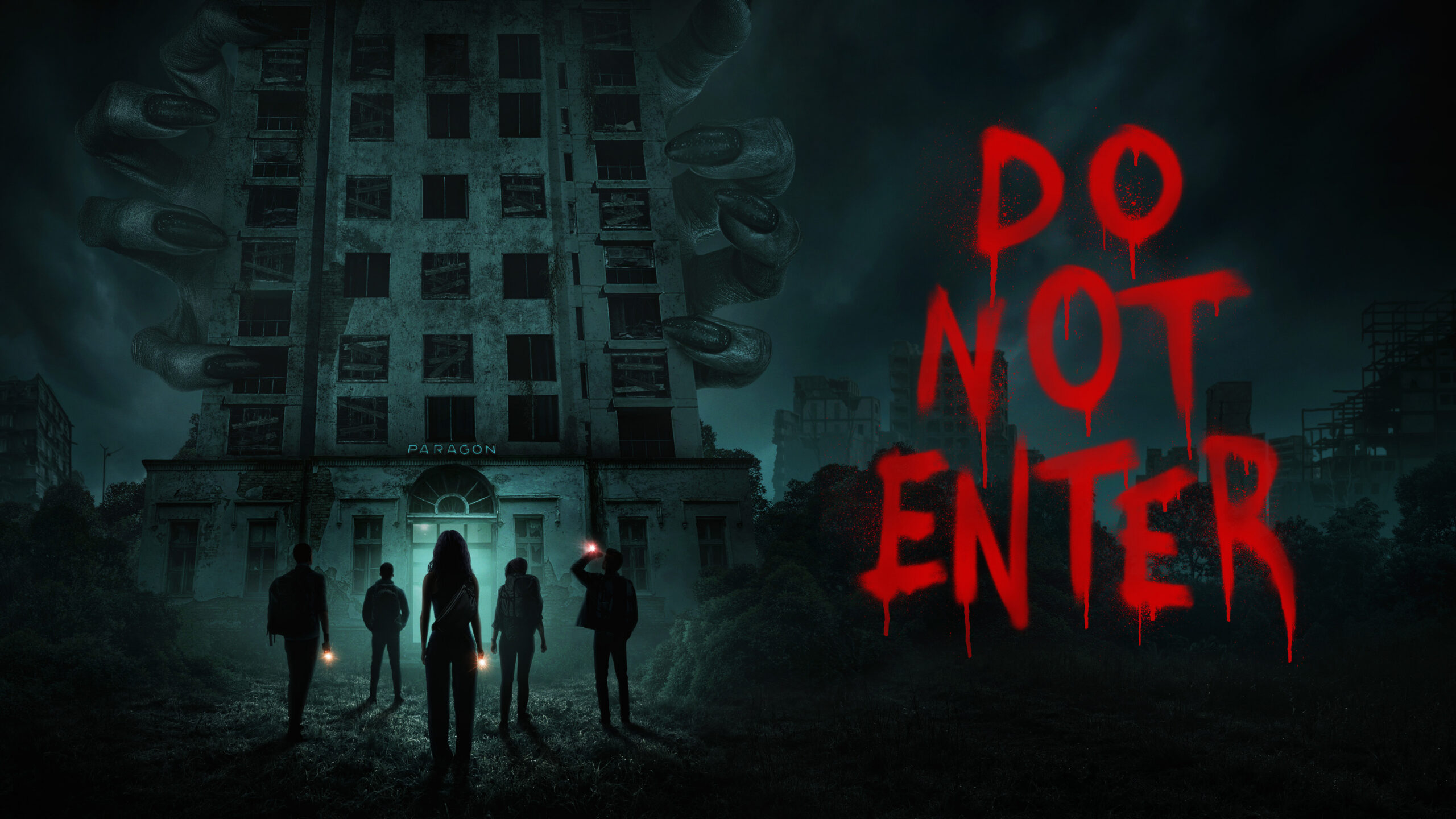
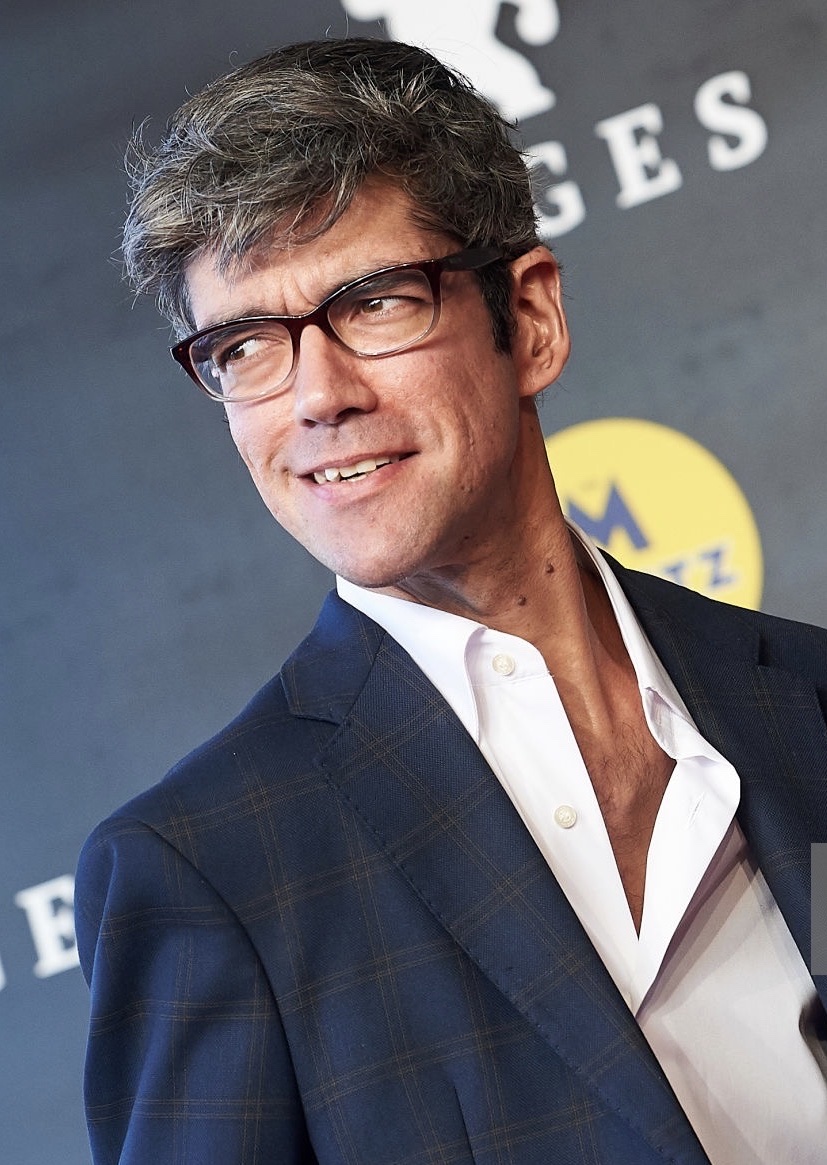
Horror has always thrived on what lingers just out of view; the figures that feel almost human, yet deeply unnatural. Few performers have captured that fear as effectively as Javier Botet, a master of physical horror whose work has helped define modern creature performances.
Known for his uniquely unsettling movement, Botet has built a career transforming the human body into something otherworldly. Living with Marfan syndrome, his elongated frame and flexibility have allowed him to portray some of the genre’s most memorable figures. From [REC] to The Conjuring 2, Mama, Crimson Peak, and IT, his performances go beyond makeup and effects—his creatures feel alive, driven by a physical language that taps into something primal.
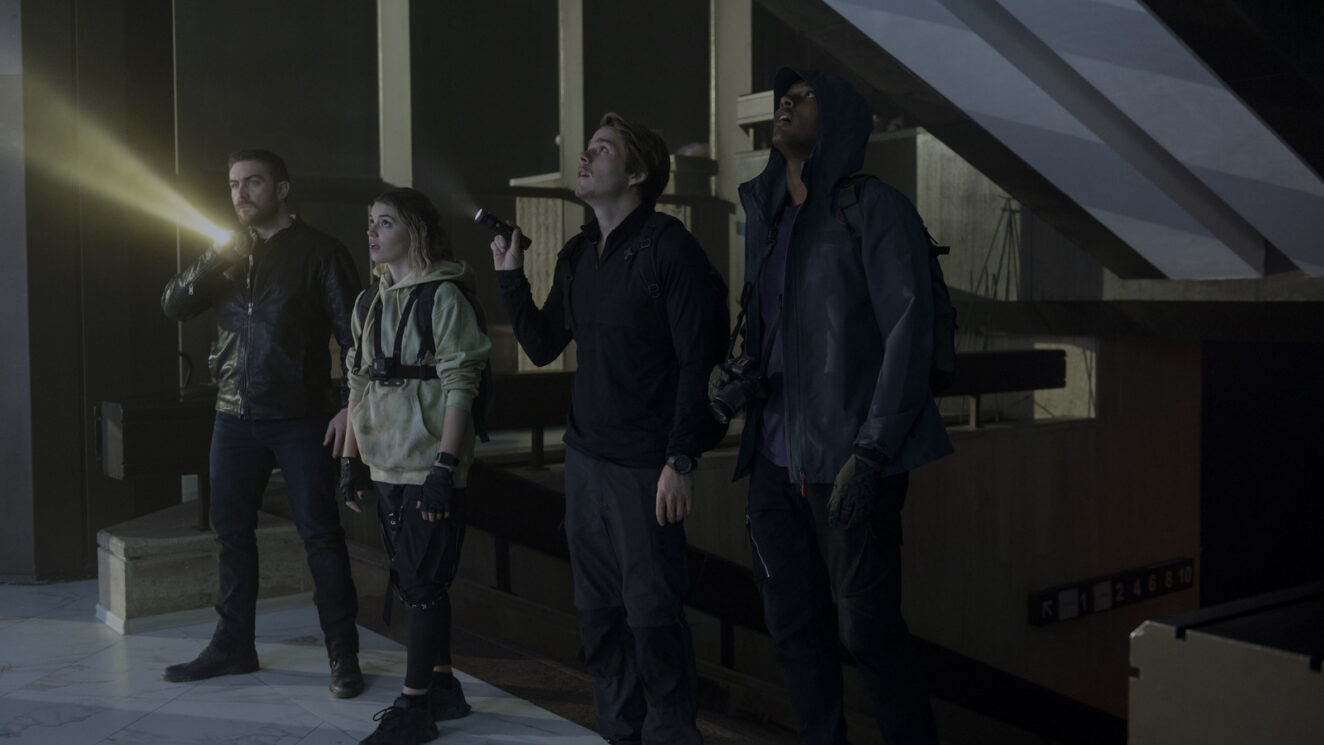
Botet brings that same presence to Do Not Enter, a high-concept horror thriller centered on a group of thrill-seeking urban explorers known as the Creepers. Hoping to grow their following, they livestream their most dangerous stunt yet inside New Jersey’s abandoned Paragon Hotel—a location steeped in mob history, ghost stories, and rumors of a hidden $300 million fortune. But once inside, the stakes escalate quickly. As they fend off deadly rivals, something far more sinister begins to emerge from the shadows—supernatural creatures that test not only their survival, but their sanity and their willingness to pay the ultimate price for fame.
Blending creature horror with modern livestream culture, Do Not Enter leans into tension, isolation, and the consequences of pushing boundaries too far. It’s a natural fit for Botet, whose performances rely on presence, movement, and restraint to create unease long before the terror fully reveals itself.
In an era dominated by digital effects, Botet remains a powerful reminder of the impact of practical performance. His ability to convey fear through the smallest physical details continues to elevate the films he inhabits, grounding even the most supernatural concepts in something tangible.
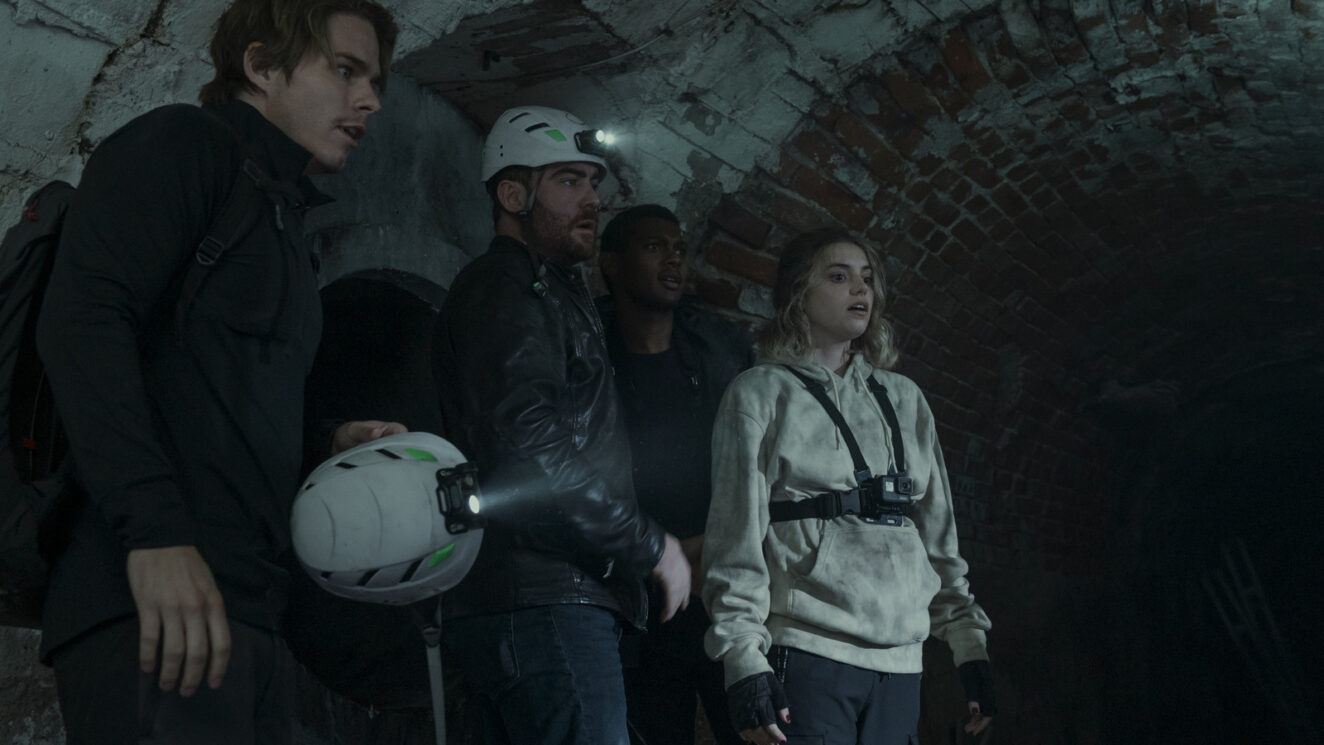
With Do Not Enter, Botet once again steps into the shadows—bringing a new nightmare to life through movement, precision, and pure physical storytelling.
In the following interview, Botet reflects on his approach to creature work, the demands of his roles, and what drew him to the world of Do Not Enter.
Interviews
Brian Raftery Talks ‘Hannibal Lecter: A Life,’ Horror’s Oscar Moment, and the Future of Media’s Most Refined Killer [Exclusive Interview]
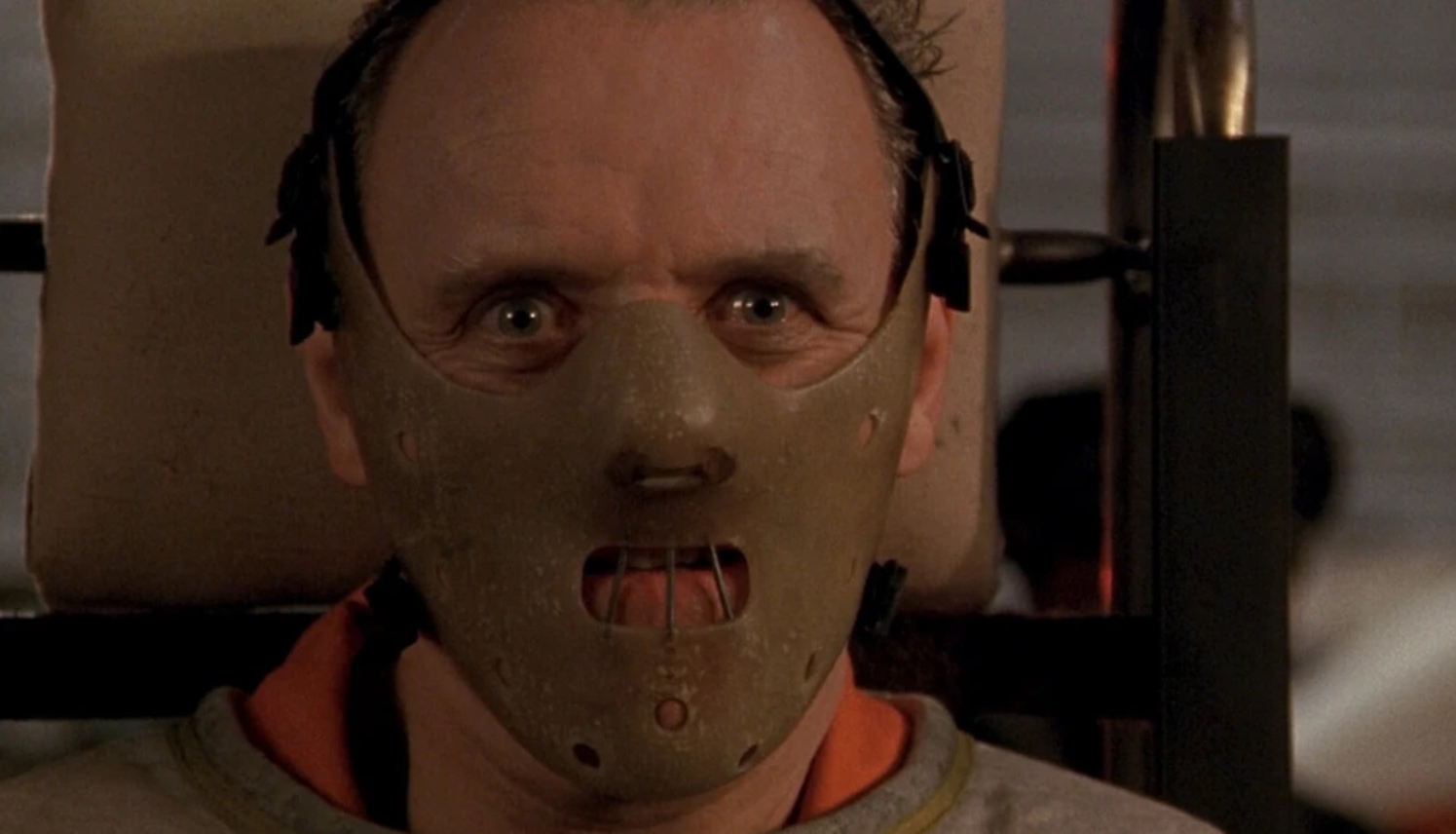
Horror has produced many unforgettable monsters, but few have achieved the strange cultural immortality of Hannibal Lecter. Introduced in Red Dragon in 1981, the brilliant psychiatrist–turned–cannibal has since moved between literature, film, and television, becoming one of the most recognizable villains in modern pop culture. From Manhunter to The Silence of the Lambs, and later the cult television series Hannibal, Lecter has remained both horrifying and strangely magnetic to audiences everywhere.
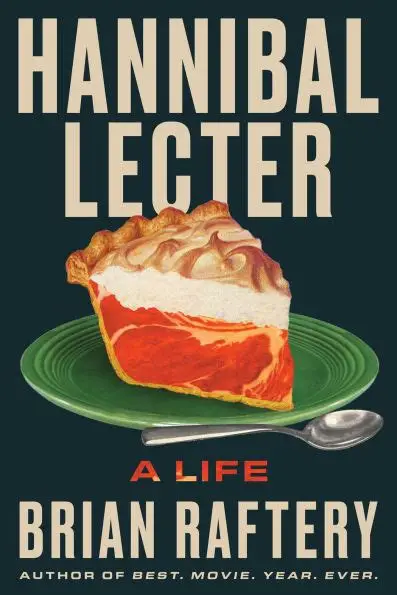
In his new book Hannibal Lecter: A Life, journalist and author Brian Raftery takes a unique approach to the infamous character: a biography of a fictional serial killer. The book traces Lecter’s evolution across decades of storytelling while also exploring the life and career of his famously private creator, Thomas Harris. Through extensive research and new interviews with key figures — including actors, filmmakers, and former FBI agents who helped inspire the character — Raftery examines how Hannibal Lecter became not just a villain, but a cultural phenomenon tied to America’s fascination with true crime.
iHorror spoke with Raftery about the extensive research behind the book, why politicians keep bringing up Hannibal Lecter on the campaign trail, horror’s awards-season momentum with Sinners, Industry on HBO, and which actors — both past and present — could plausibly step into the role of horror’s most refined killer.
The Interview
Childhood Monsters and the Power of Fear
iHorror: First of all, I have to commend you on the research in this book.
Brian: Oh, thank you!
iHorror: I’m currently finishing up my Master’s in English literature, and so seeing this amount of research in something is daunting, but also really beautiful and so I have to commend you on it.
Brian: Thanks! The most fun part of writing is the research.
iHorror: For sure! The first question I have is about how modern and relevant this is. When I was nine years old, I snuck my parents’ VHS copy of The Silence of the Lambs to watch with a friend and —
Brian: At nine years old? Oh my god, that’s damaging.
iHorror: Yes, it was! We were determined to scare ourselves to death. So I had nightmares, naturally, that night of Hannibal the cannibal.
Brian: Of course!
iHorror: I wanted to ask if, as a child, was there any particular movie monster or villain who fascinated and also scared you a lot? Somebody or something that lingers the way Hannibal does?
Brian: I mean, I was afraid of the shark from Jaws about 10 years before I even saw the movie. I remember going to see a movie with my dad in the early ‘80s and even the trailer for Jaws 3 scared the hell out of me. I did not sleep that night. I also was kind of a ‘fraidy cat as a kid, so I would have friends who were allowed to see horror movies — or older cousins, or camp counselors — and they would describe Freddy Krueger to me in ways that were absolutely terrifying. But I was also very interested. I wanted to know, oh, how does he kill that person in that movie. But I never wanted to watch the movie myself as a kid.
Why Hannibal Lecter Feels Different from Other Horror Villains
iHorror: With that, sticking to monsters and movies; Hannibal is really interesting in the sense that he kind of seems to transcend the slasher genre in a way. He feels more like a mythology compared to monsters like Freddy Krueger or Jason. He feels almost entirely real. You, as a watcher, understand Freddy and Jason are monster villains, but there’s something different about Hannibal. What do you think it is that allowed Hannibal to go beyond just a slasher villain?
Brian: I think it is because, especially in the early films and in Tom Harris’ first two Lecter books, Hannibal is A) very elusive. He’s not in the books a whole lot, so you’re always kind of left wanting more. But I also think B) he is very recognizable as human in those books. He’s sarcastic, he’s feral, he’s kind of mean spirited. He can be kind, as when he’s with Clarice, but all of his emotions, his frustrations at being in prison, his anger at the people who put him there, his sense of Clarice being mistreated by the Bureau — those are all recognizable human elements, and I think that’s what made him so terrifying.
Later on in the books and in the movies, Hannibal’s screentime increases, and his powers become a little more almost supernatural. By the third Hannibal book, he has the most amazing sense of smell, and an incredible body strength where you’re like, ‘This isn’t feeling like a real person anymore.’ But I think, especially in those early appearances, both on the screen and on the page, he is not like you or me in many respects, but he is kind of relatable. He’s a pent-up guy who thinks he is never going to see the sun again, and who feels like he has no control over his life. And he is angry at the people who put him in that position, which is a fairly relatable scenario for a lot of people.
Does Explaining Hannibal Make Him Less Scary?
iHorror: And that’s a great transition into what I wanted to talk about next which is how, in your book, something that comes up a lot throughout the interviews and discussions is people talking about how the more that Hannibal was on the screen, the less scary he seemed. So, for you, having done this book and done so much research on Hannibal as a character and everything that inspired Hannibal, do you find him less scary now that you know as much about him as possible?
Brian: I mean, my personal preference is that I don’t care about prequels. I don’t care how Anakin Skywalker became Darth Vader. I’m not as interested in prequels. I used to be when I was a lot younger, and I would just want every single bit of information on a character or movie or book. But when I reread Red Dragon, which is the first novel… the power that Hannibal Lecter has in that book over the entire narrative despite the fact that he’s only in it for 11 or 12 pages is pretty remarkable. And The Silence of the Lambs is Clarice Starling’s story, it’s not really Hannibal Lecter’s. So for me, in The Silence of the Lambs when Hannibal Lecter tells Clarice Starling that ‘Nothing made me, I am who I am,’ I’m okay with that as the explanation for a villain.
I think that’s actually pretty cool. ‘This is who I am, accept it.’ And I feel like in the later books and movies, when they went into his origin more, I wasn’t very satisfied, partially because I thought his origin story was a little goofy. Like he accidentally ate his sister when he was a kid? It’s like, alright, that’s a little on the nose.
But also I’m just okay with things being unexplained because I think in life a lot of things are unexplained. You can search for the answer for behavior for real people and fictitious people all you want, but there’s always going to be stuff you don’t know. So I was okay with Hannibal Lecter just being Hannibal Lecter. Some people though love the version of Hannibal where he’s got witty one-liners, he’s in every scene, he’s cracking jokes, he’s explained. That’s just not for me.
iHorror: I will say, that was my first reading of his origin, reading it in your book, and I was pretty taken aback by the origin story. Obviously, The Silence of the Lambs was my first introduction to him, so it almost took away some of that for me. I kind of liked that I didn’t know anything about him, and now I feel like I know everything and it’s almost too clean in a strange way.
Brian: Yeah, I think that’s why Hannibal Rising — both the novel and the movie — did not succeed. I don’t think they work for a lot of reasons, but I think people just didn’t look at Hannibal Lecter as the kind of character they wanted to deconstruct. I think Michael Myers, Freddy Krueger, Jason Voorhees, and the attempts to explain them over the years have been hit or miss, but I do think they found some interesting things there. I just don’t think Hannibal Lecter is someone that I really care to know because he’s simply evil. And I understand evil, I see it in the world, I know it exists. It doesn’t always have a neat, clean origin story, you know?
Researching Serial Killers and America’s Dark Fascination
iHorror: During your research, what were some of the most surprising or unexpectedly revealing discoveries that you came across, and things that maybe changed the way that you initially perceived Hannibal you started?
Brian: I think, even though going into the book, I was very aware that we were going to have to talk about real life serial killers and how they may have informed the creation of Hannibal Lecter, there was also how a sort of serial killer boom in the ‘90s may have been impacted by Hannibal Lecter. I think one thing I realized as I did more and more research, and it got a little depressing at times, is when you start going through old newspaper stories from the ‘60s, ‘70s, ‘80s, ‘90s, not only is there just so much murder, but there’s just so much unsolved, lesser known murders, lesser known serial killers, kind of buried in the back pages of all these newspapers that have never been solved, that never became big cases that people try to reinvestigate. And I think that was a little scary at times, just realizing how deep the history of violence goes. Not to be a bummer, but that was kind — at a certain point, I was like, geez, this is a violent place! We’ve got too many killers in this country.
And I also think learning more about Tom Harris. I think he’s interesting in how he sort of put himself into Hannibal. They’re not — Tom Harris and Hannibal Lecter, to be clear, are very different people… but when you look at Tom Harris’ career, I mean, he’s a guy who takes a long time between books; he disappears; he never wants to be the main character of his own story. I mean, he’s only done three interviews in 50 years. To me, he’s just as interesting because I think he’s a little bit of an elusive guy with very high-end, refined tastes, who likes to travel, which is not too dissimilar from Hannibal Lecter. So I think learning about him and learning about his experiences, as well as, in general, kind of absorbing the last 50, 60 years of this kind of mass murder in America was more shocking and unnerving than I expected.
Why Politicians Keep Referencing Hannibal Lecter
iHorror: One thing I found really interesting was the repeated politicians bringing up Hannibal in speeches. Like there’s George H. W. Bush once; Trump’s done it on multiple occasions. I mean, maybe it’s a rhetorical question, but why do you think these politicians keep evoking him? It’s not a secret who he is, his name rhymes with ‘cannibal.’
Brian: Right, right! Well, you know, it’s funny. In the case of George H. W. Bush, it’s unclear whether he even saw The Silence of the Lambs, or really even knew what that was. I mean, that’s part of the classic politicians name-dropping things in popular culture in a speech to seem cool or to seem relevant. Ronald Reagan did that with Bruce Springsteen and “Born in the U.S.A.” and famously misinterpreted the song, or possibly had not even heard it. The Trump thing is much deeper and weirder because I do think it’s partly, yes, he knows it’s a good punchline. His audience in those crowds, he knows, are mostly a lot of Boomers who saw this movie 35 years ago, who want to hear the greatest hits of Donald Trump. He did that at least at half a dozen campaign stops. It became a go-to speech. And a lot of his speeches have those references. I listened to a lot of his long speeches and a lot of it is like, ‘Here’s my Hannibal Lecter joke, here’s my Frank Sinatra story, here’s my blobby-blah story, and here’s the music from Les Mis, or whatever he’s playing. Here’s the Village People.’ Trump does play the hits.
But I do think for Trump, there is something deeper. I think the connection between the two of them is, not to be glib, but they’re kind of contemporaries. The Silence of the Lambs, the novel, was on the New York Times Best Seller list the same time Trump’s The Art of the Deal book was on the bestseller list. There’s gossip columns in the ‘90s that kind of mentioned them together as though Hannibal Lecter was a real person. I also think that Trump sees certain elements in Hannibal Lecter; his love of high-end goods, his emotional music, his love of chaos. I think Trump sees all those as admirable traits that he tends to share, whereas I do think George H. W. Bush, someone whispered in his ear. That was the early ‘90s, he could have just as easily been making a Twin Peaks or Bell Biv DeVoe joke.
iHorror: Speaking of relevancy of it all though, one thing I found really timely in reading your book was when you talked about Tom Harris’ writing being timely. He wrote the Black Sunday novel referencing the Olympic event that went on around that time, and on the third page of your prologue, you have a parenthetical statement that says, ‘As Trump put it in 2025, in the middle of escalating tensions between the United States and the Iran, ‘Nobody knows what I’m going to do.’’ And then, obviously, this month has happened, and I just — the timeliness of it. Have you thought about the timeliness of your own writing in the last couple of weeks?
Brian: It’s weird because I think Trump’s love of chaos and unpredictability has always been timely. I think it’s been for the last decade now. But I did think about that because there is that Iran quote and the fact that, once again, Trump puts so much power and so much leverage into his own unpredictability. I mean, his unpredictability has become a negotiating tactic at this point, or, in the case of Iran, a sort of non-negotiating tactic, depending on the accounts you read. But yeah, I mean, it’s one of those strange things where Trump’s unpredictability and his love of chaos — which, again, Lecter loves — will never be out of fashion. I think that those, for both of these men — one real, and one very fake — that is such an innate sense of how they’re hardwired that I don’t think they could function in the world in any other way. They do need a little bit of disorder, a little bit of chaos, and a little bit of unpredictability in order to wield their powers.
Can Any Modern Horror Villain Reach Hannibal’s Status?
iHorror: Going with Hannibal’s longevity in the media, there’s a part where Stephen King is reading the Hannibal book and he has a quote talking about how Hannibal has the staying power of a modern Count Dracula in a lot of ways. Do you see any contemporary fictional killers or monsters that you think might achieve the same kind of infamy as Hannibal in the future?
Brian: That’s a really good question. I’ve not been asked that. That’s really hard to think of. I’m trying to think… I mean, first of all, it’s a very different time for popular culture. When The Silence of the Lambs came out and when the Hannibal novel came out, it was the ‘90s. One was in ‘91, the other in ‘99. And that was, I think, one of the last real moments of pre-internet, mass monoculture, where something could become so big that everyone would know. You know, like, how George H. W. Bush talked about Lecter in his speech. Even people who hadn’t seen the movie kind of got the punchline, right? It’s tougher now. If Barack Obama had made a Jigsaw joke in 2010, how many people would have gotten that? That’s a huge, huge horror franchise. I don’t know if there’s any kind of monster or any kind of figure who could be as kind of recognizably nightmarish and world-renowned as Lecter was. I think he might be kind of the last of those all-conquering monsters.
I mean, I’m really trying to think. I mean, alright, Five Nights at Freddy’s, how many people over 40 know what that is? So much horror seems so segmented now. I’m too scared to see the Terrifier movies, but I know people love Art the Clown and recognize him. I just think that you can be very, very big now for a much smaller center of the population. So I don’t know if anyone could ever be quite as big. I mean, in a way, is Silicon Valley the big monster? Is AI the monster? But those are very different kinds of fears.
I’d be curious to hear other people’s thoughts on that question. Leave it in the comments! I’m curious if there is a creature or monster from the last 10, 15 years who is so world-renowned that they can have the kind of massive power the way Hannibal Lecter does, the way Dracula does.
iHorror: I’m trying to think of anything I’ve seen recently, or even in the last five years, and I can’t think of anything off of the top of my head. But it’s interesting to think about how much the Internet has changed everything. And in the same vein — you’ve now researched Hannibal Lecter for so long, are there any other monsters — fictional or real — that you would be interested in doing similar research on or writing about?
Brian: That’s tough. I’ve been really thinking about it, because I would love to do this again. I loved doing this book, and I loved how much I learned not only about this character, but about the publishing industry in the ‘80s, and mass murder, and about all the true crime movement in general. I learned a lot while working on this book, so I’m trying to think of another character who, A) is big enough to justify a book, B) has not been written about or covered to death, and C) who’s actually interesting, and you can talk about bigger things. And I’m kind of at a loss right now.
There’s other figures who you could maybe get 100 pages or so on, but I don’t know if it quite feels like an actual book. I think that one thing I learned while doing this book is that, halfway through, I felt very lucky that Hannibal Lecter was not only just in four novels, but also multiple movies, a television show. I mean, I was glad there was so much of him that I could write about. There’s very few characters who span almost 50 years now, but who also have so many unanswered questions. So I don’t have another figure right now that I’m thinking of for that. But I would love to find that. And I think I would love to do something again in the horror or sci-fi kind of realm because I think those characters are often overlooked, and I think those fandoms are really hungry. I think horror fans, understandably, want horror to be taken seriously. I do, and I always have, but I think there still feels like there’s a lot more to learn and to discuss because a lot of people are still so dismissive of horror as a genre.
Horror’s Mainstream Moment is Here
iHorror: I found it interesting when you were talking about the 1992 Oscars and when The Silence of the Lambs won, how Steven Spielberg wrote, ‘The best movie of the year actually won this time,’ as horror has been overlooked so much. And it still is in a lot of ways. I know Sinners with the 16 nominations is deserved, but it is a rarity still.
Brian: Yeah, it’s an interesting time for horror fans. I’ve spoken to so many in the last couple of months, and I’m a horror fan but not hardly an expert, but I have friends who are real hardcore horror experts, and it’s an interesting time because I think there’s always been a kind of underdog appeal to being a horror fan. Like, no, we’re a little bit on the fringe; not everyone understands us.
But I do think that Sinners getting 16 nominations and Weapons getting nominated shows us it’s time to admit that horror is actually very mainstream. And I hate to tell the hardcore horror fans who always kind of wanted to be in the shadows that it’s hard to argue with Sinners getting all those nominations that horror is not respected anymore because that’s pretty big. But at the same time, like you said, The Silence of the Lambs is the last horror movie to win Best Picture.
I actually am in the minority that I think Sinners could win Best Picture at this point. And if it does, it’s going to be almost exactly 35 years since The Silence of Lambs was released. So I do think there’d be a kind of interesting symmetry to that. But if Sinners were to win Best Picture, with respect and love to all my horror fans, it would be hard to say that you’re fully underground outsiders at this point. But we’ll have to see if Terrifier 5 wins Best Picture to know that it’s no longer truly a subculture.
What Would a New Hannibal Story Need?
iHorror: I was reading one of your other interviews and you talked about this idea on how you think probably at some point, there will be another Hannibal written or adapted in some capacity. So if Hannibal were to return in a novel or an adaptation of some kind, what kind of story do you think would feel fresh? Or what territory hasn’t been explored yet with that character?
Brian: That’s a good question. To be clear, I’m not a fiction writer. I’m someone who happily turns on a tv show or starts a movie or starts a book with no preconceived notions of what’s going to be in there because I could never dream that stuff up.
I’ll tell you what I wouldn’t want to see: I wouldn’t want to see a Hannibal Lecter book or movie or series that was all Lecter. Because I do think the more you have of him, the less compelling he is. And I think what Bryan Fuller did is that in the pilot for Hannibal, Hannibal doesn’t show up until 30 minutes in. And, clearly, he’s a huge part of that tv series. But it’s also the Will Graham and the Jack Crawford show, and all of these supporting characters. And I think Hannibal works best when he’s in an ensemble. I think the best way to revive him is to find a new foil for Hannibal. And that’s a big challenge.
If you do another book where an agent is turning to Hannibal Lecter for help, well, Will Graham has done that. Clarice Starling has done that. I think there has to be some sort of new foil for Hannibal Lecter and it’s just so hard because he’s so smart and dominates anyone who comes within his lair, literally or figuratively, that you have to have a really good match for him. So I don’t know what that would be, but I’m skeptical it can be done well. Then again, I was skeptical about the NBC series and it’s one of the most heralded, most imaginative tv shows in the last 20 years or so. So someone really great could do it. I just think they have to understand what makes Hannibal so beloved and interesting isn’t necessarily Hannibal Lecter; it’s the people he’s surrounded with. That he doesn’t eat!
Why Audiences Always Root for Hannibal
iHorror: Do you think audiences are always going to root for Hannibal? It’s interesting because he’s this cannibal character and it’s not ever a secret, but people are always rooting for him. Do you think that’s always going to be the thing with him? That everyone roots for him in some capacity?
Brian: I mean, what can Hannibal Lecter do at this point to turn people against him? He literally disembowels a cop and hangs him like an angel in The Silence of the Lambs. Yet, when that movie screened, in early test screenings, the scene of Hannibal Lecter getting away was one of the most popular scenes that people saw. And it’s like, I can’t imagine what he could do at this point that would turn people. I mean, if he started selling crypto, maybe that would turn some people against him.
iHorror: AI-usage could be the real villain.
Brian: Yeah, yeah, exactly. If he started investing in AI companies and really pushing it, maybe, but you know, he’s never been seen truly as a villain. He commits these villainous acts, but people always want him to survive. It’s the same in the book. It’s the same as Norman Bates. The audience was always on the side of Norman Bates. That’s what makes those movies, even the sequels, really fun. So I don’t know. It would take a lot of Hannibal Lecter to alienate an audience. Even in these polarizing times, I think Hannibal Lecter could actually be the uniter. Maybe he should run! Maybe he should explore the 2028 presidential run on his own ticket.
iHorror: I mean, honestly, the politicians love him enough so I think he’d do well at this point.
Brian: He would do very well in a debate. He’s very smart. He may just have to be in a straightjacket or secured to something to make it to the debate stage.
The FBI and The Silence of the Lambs
iHorror: There were two moments that made me laugh out loud while reading the book. One was on page 183 where there’s a line that says, ‘By 1994, the same year Robert Ressler derided Demme’s film as irresponsible, the former FBI agent was hitting the cruise ship circuit giving a talk titled ‘The Silence of the Lambs: Myth and Realities.’ And I just found it so funny that there was this parallel drama going on. There’s the Hollywood stuff. Like everyone in Hollywood has this drama, but what surprised you the most about the institutional response to The Silence of the Lambs and its legacy?
Brian: You know what’s surprising to me is that if I were to ask or have 10 minutes with Tom Harris one of my first questions would be, What happened with you and the FBI in the ‘90s? I talked to people who talked to Tom Harris in the ‘80s and the decade following and I had interviewed and read interviews with FBI agents who spoke with Harris in that time, and they really liked him. They were very open to having him come in and I know he continued some relationships, but I did get the sense that he, at a certain point in the ‘90s, wasn’t leaning on the FBI so much for research. And what interests me is that by the time Hannibal the novel comes out in 1999, the FBI is kind of the enemy… and there’s this sense that the feelings toward the FBI in America soured a bit.
I’ve always wondered if Tom Harris lost some friends at the FBI or whether he himself was starting to rethink the FBI in the ‘90s and that’s one of the main questions I have. The problem with not being able to talk to Tom Harris is that for all the archival stuff I could find, for all the interviews I did with people who knew him, there’s still so many unanswered questions. And if people were to have lunch with Tom Harris, his relationship with the FBI would not be the topic of their conversation…
iHorror: I liked your acknowledgement at the end about how Tom Harris declined to speak with you about all of this, but you respected that somebody can still have a sense of mystery in today’s day and time.
Brian: I do! I really believe that. I don’t blame the guy. He’s had the best life imaginable for a best selling author. He’s sold 50 million books; he’s traveled the world; he’s got a mansion in Miami; he’s got a bunch of sports cars; and no one bothers him at the airport! You know what I mean? I can’t imagine he gets recognized a whole lot. Stephen King can’t walk two feet outside of Maine, or even in Maine, without being stopped every two blocks. He’s the most famous thriller writer of all time. Tom Harris, I don’t even know where he is. I don’t know where he’s living right now. I don’t know if he’s ever going to do another book. And I do kind of think it’s cool to have artists who are like, ‘I’m not telling you everything, I’m just doing my work.’ I think that’s pretty cool. It’s weird to think of Tom Harris and Prince in the same kind of field, but there are so few artists who genuinely leave a sense of mystery in their wake. As a fan, I think it’s awesome. As a journalist, it’s incredibly frustrating. But I do admire it.
iHorror: The other part that made me laugh in your book was when an assistant director at the FBI who, when The Silence of the Lambs movie was being made, requested that, if it was possible, to make it rated PG instead of rated R. Is there a world where we can make a movie about a cannibal that is remotely close to a PG rating?
Brian: No, I mean, I guess the TV show decades later was TV-MA and kids could watch it if they stayed up. I went for a week to the University of Michigan going through Jonathan Demme’s archives which is where I found that FBI memo and a lot of other FBI correspondence, and the relationship between the FBI and the filmmakers was its own kind of quid pro quo. It’s like the FBI really could have used this movie a little bit to make people kind of understand what Quantico is and to understand the work they do. And the filmmakers needed Quantico, they needed that expertise. So that relationship was, despite requests to make it not rated R, was remarkably frictionless in a way that I don’t think could happen now at all. But yeah, the idea that the FBI would read this script and be like, ‘Hey, could this be not rated R?’ Like, I don’t know what kind of script you read, but Ted Tally’s script is pretty close to the finished product. I don’t think there was going to be fewer disembowelings.
The Casting “What Ifs” of Hannibal Lecter
iHorror: My last question is that, in 1989, there were reportedly 75 potential people thought of to play Hannibal Lecter, including people like David Bowie, Jeremy Irons, Robin Williams, and Harrison Ford. Is there one alternate casting possibility that you’re especially curious about? A version that you, in a dream, would like to see one day even though it’s not a possibility?
Brian: Those names came from casting memos that I found in the Demme archives that were just spitball sessions. I don’t think anyone was actually approached about it, but I was talking with someone and I actually think that Robin Williams would have been really interesting as Hannibal Lecter. But not Robin Williams circa 1989. I think Robin WIlliams in the early 2000s when he was doing One Hour Photo and Insomnia, I think that Robin Williams when he’s a little more restrained… I think for Robin Williams this could have been a very interesting kind of dramatic role for him. As far as Clarice though, it’s so hard to imagine anyone other than Jodie Foster doing Clarice. And I don’t know if any of the names on those lists for Clarice work for me. I would have been interested to see Madonna doing it! I don’t know if it would have been good. Jonathan Demme was an amazing director of actors… I don’t know if Madonna quite ever had the acting chops to pull off Clarice, but sure: Robin Williams and Madonna. We get a time travelling machine involved so we’re getting Madonna circa late ‘80s and Robin Williams circa 2000s. Get the time machine, get a couple $100 million, get a studio lot. I’m curious. I don’t know if it’ll be good, but I’m curious to see it.
A Modern Hannibal Lecter?
iHorror: I’d be interested to watch that too, I’m trying to see it now in my head. Is there anybody modern that you can see being Hannibal? Any current actors?
Brian: Oh, wow. That’s really interesting. I haven’t actually thought about that. Because it’s just so, you know, Mads Mikkelsen was such a left-field interesting choice that I don’t think anyone would have predicted Hannibal for him. I can’t think of anyone! I should have someone at the ready. I do kind of like the idea that they’re all Europeans. I do think that does lend that sort of outsider-y element to it. But I do think you would need someone not super well-known. Like Anthony Hopkins was a famous actor, but not very well-known at that point.
All of my favorite English actors are in Industry now… Roger Barclay! Yes, Roger Barclay on Industry… I think he’d be very interesting. He plays such a dry, chilly, sarcastic, powerful, terrible guy on Industry. He gets my vote. If you’re going to do Hannibal Lecter now, that’s who I go with.
Put that out into the world and maybe Roger Barclay will write me a thank you note five years down the line.
Hannibal Lecter: A Life by Brian Raftery is on shelves now!


Certified Creepy: 10 Underrated Horror Movies Critics Actually Loved

Leslie Vernon Is Coming Back and We Are Not Calm About It

Alien Watch Order and Complete Lore Guide: Yes, Jesus Is Involved

‘Colony’ Trailer Reveals New Zombie Film from ‘Train to Busan’ Director as Original Returns to Theaters

Chucky Is Going Back to Theaters, and Don Mancini Says It’s Going to Be Scary Again

EXCLUSIVE: The ‘Live! with the Other Side’ Trailer Dropped and the Dead Have a Lot to Say

The Crypt Keeper Is Coming Home. Tales From the Crypt Begins Streaming On Shudder

The Book That Wouldn’t Let Me Go: ‘Interview with the Vampire’ Turns 50

5 Horror & Thriller Films Premiering at Cannes 2026

7 Horror Movies That Are ‘Elm Street’ Adjacent

7 Horror and Mystery Films That Explore Jack the Ripper

This Week in Horror: CinemaCon Delivered, Nicolas Cage Is Coming Back, and Someone Let Ti West Near a Christmas Story

‘Behind The Mask’ is a Love Letter to Slashers

The Dark Side of Paradise: Why Tropical Horror Hits Different

Thinestra Review: Almost as Sharp as It Thinks It Is

Sacrificios Review: Some Miracles Have a Price Tag
7 Horror and Mystery Films That Explore Jack the Ripper
Chucky Is Going Back to Theaters, and Don Mancini Says It’s Going to Be Scary Again

‘Speed Demon’ Acquired by Maverick Film & Complex Corp Ahead of May Release

Universal Fan Fest Nights Brings New Fandom Experiences to Universal Studios Hollywood!
EXCLUSIVE: The ‘Live! with the Other Side’ Trailer Dropped and the Dead Have a Lot to Say
5 Horror & Thriller Films Premiering at Cannes 2026
-
 News6 days ago
‘Colony’ Trailer Reveals New Zombie Film from ‘Train to Busan’ Director as Original Returns to Theaters
-
 News4 days ago
Chucky Is Going Back to Theaters, and Don Mancini Says It’s Going to Be Scary Again
-
 News5 days ago
EXCLUSIVE: The ‘Live! with the Other Side’ Trailer Dropped and the Dead Have a Lot to Say
-
 News5 days ago
The Crypt Keeper Is Coming Home. Tales From the Crypt Begins Streaming On Shudder
-
 Books6 days ago
The Book That Wouldn’t Let Me Go: ‘Interview with the Vampire’ Turns 50
-
 Movies5 days ago
5 Horror & Thriller Films Premiering at Cannes 2026
-
 Lists5 days ago
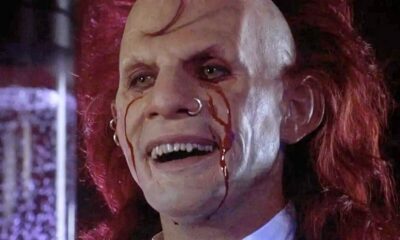
7 Horror Movies That Are ‘Elm Street’ Adjacent
-
 Lists4 days ago
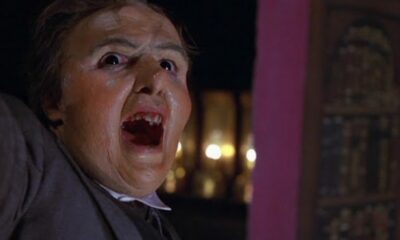
7 Horror and Mystery Films That Explore Jack the Ripper
You must be logged in to post a comment Login