Movie Reviews
‘Dracula’ or ‘Dracula: A Love Tale’ [Review]
There is no vampire name more famous than Dracula, and the number of films and television series he has appeared in reflects that legacy. There’s a chance some people are tired of seeing Dracula.
Luckily for me, that’s not the case. I’ll take as many Draculas as I can get — especially good ones — and the Dracula in Dracula: A Love Tale (2025) is a great Dracula.
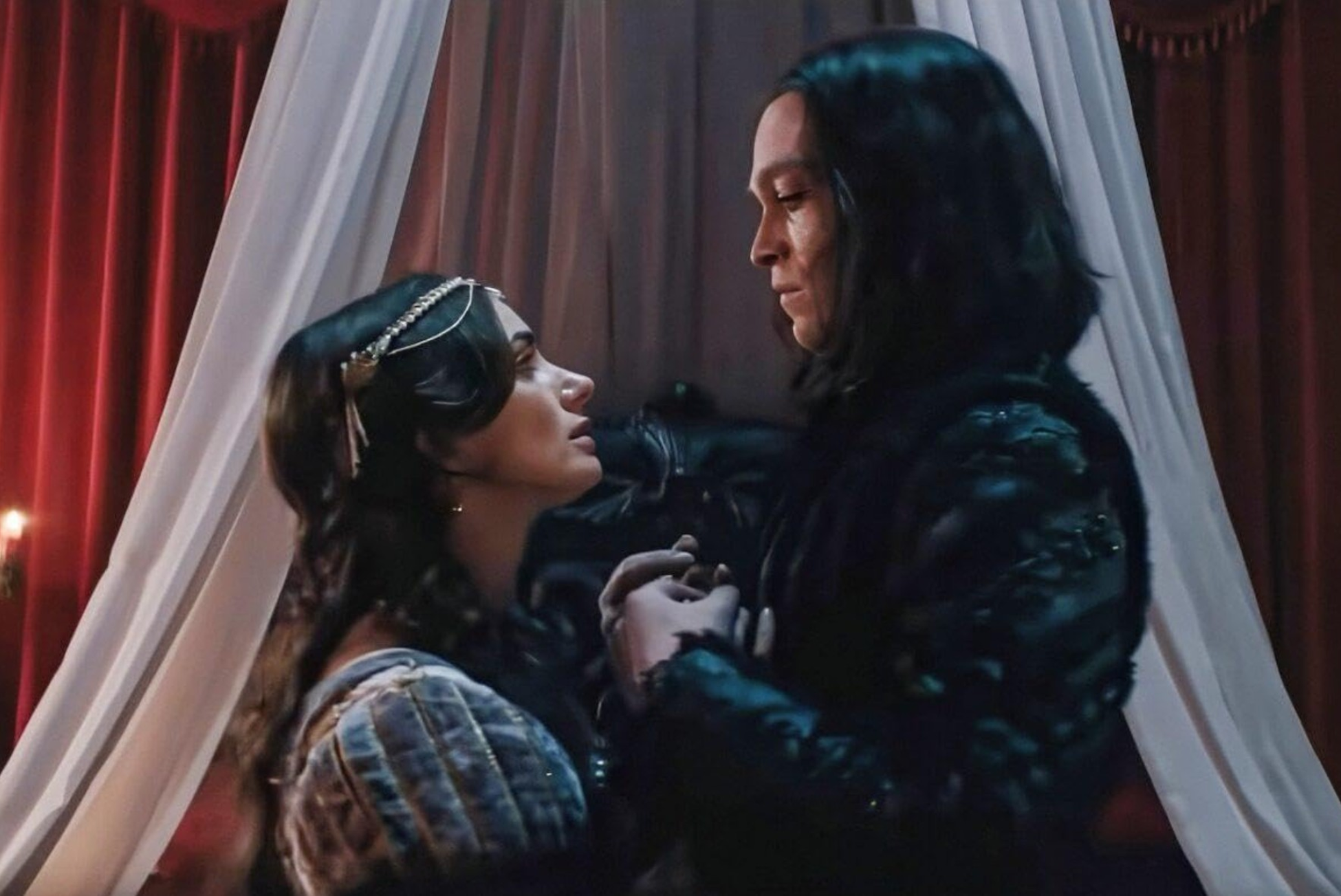
Of course, that’s subjective. But Luc Besson’s dreamy vampiric romance delivers exactly my favorite kind of vampire. This Dracula is a loverboy first and foremost, and the entire film seeps with the strength of his yearning.
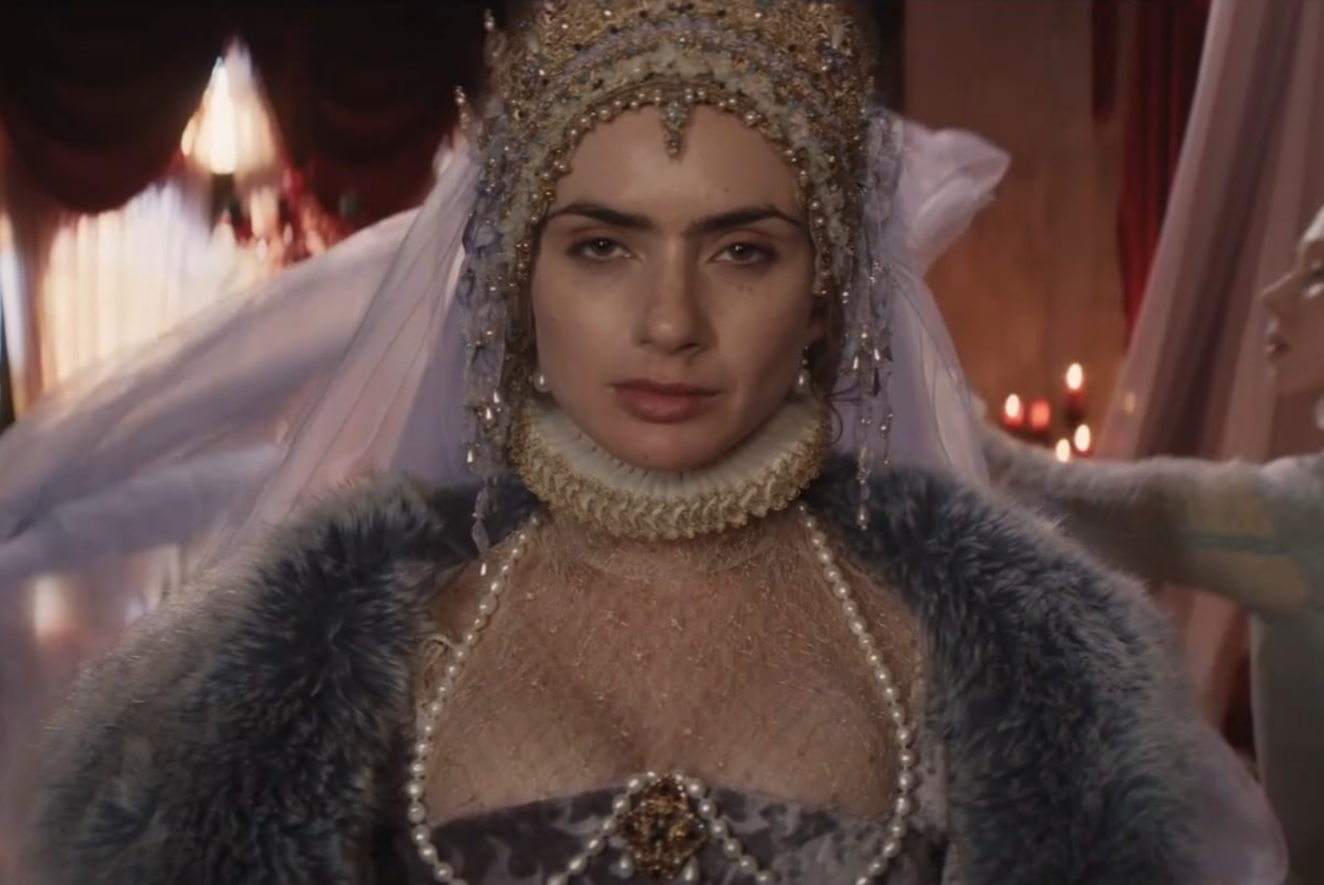
Dracula: A Love Tale (or simply Dracula), Besson’s sweeping take on Bram Stoker’s immortal figure, arrived in U.S. theaters February 6, 2026. The film stars Caleb Landry Jones as Dracula, Christoph Waltz as a mysterious priest, and Zoë Bleu in the dual roles of Elisabeta and Mina Murray.
And right from the start, the film makes its priorities clear: this is a love story.
The opening takes place in 1480 Wallachia — in what is now modern Romania — during war against the Ottomans. Prince Vladimir (Jones) has more pressing concerns than battle strategy. He’s wrapped up entirely in his wife, Elisabeta (Bleu). Their introduction is erotic, playful, and intimate, showcasing a relationship built on attraction and devotion. From dancing together in a silly, informal way, to feeding each other messily, to making love right on a table, Vladimir’s focus is unmistakable — love her.
Even as stewards burst into the bedchamber to prepare him for war, ripping them apart mid-embrace, he keeps returning to her arms. Before they part for their final time, Elisabeta tells him she cannot survive without him. He, feeling that statement in his own bones, seeks a priest’s blessing before battle, asking God only one thing: protect his wife. Without her, life has no meaning.
The battle itself is brief but effective, culminating in a gruesome victory reminiscent of the Vlad the Impaler legend — heads of Ottoman soldiers presented on pikes. But triumph is short-lived. Elisabeta, fleeing an ambush, is pursued through snow-covered wilderness. The sequence is strikingly beautiful despite its brutality, as her veil streaks across white expanses, as horses collapse into bear traps hidden beneath the snow, and as, finally, Elisabeta herself is caught and wounded.
Vladimir arrives too late.
She dies in his arms under bright sunlight reflecting off snow and blood. And in his grief, he confronts the priest and kills him with a crucifix, declaring, “Tell your God that until he brings me back my wife, my life no longer belongs to him.” Lightning cracks, thunder roars, and blood tears roll down the face of Christ on the wall. And that’s the moment that seals his vampiric curse.
Four hundred years pass.

By 1880, the story settles largely in Paris. A doctor summons a priest (Christoph Waltz — clearly enjoying another Gothic literary adaptation after appearing in Guillermo del Toro’s Frankenstein late last year) to examine a disturbing case: a woman chained in an asylum basement, feral with bloodlust, and still wearing her wedding dress. The priest instantly recognizes what she is — a vampire — and the first one captured alive.
From there we return to Romania, where Jonathan Harker (Ewins Abid) journeys toward Dracula’s castle. Harker’s obliviousness is comedic gold as he shoos wolves away like they’re merely puppies, and his meeting with the Count reveals a Dracula — once known as Prince Vladimir — visually reminiscent of Gary Oldman’s 1992 portrayal with an elaborate white-blond wig, aged makeup, pale skin, and eccentric regality.
Harker’s lack of awareness continues as Dracula telekinetically removes a crucifix from his belongings or drains a mouse into a wineglass in a moment reminiscent of Lestat de Lioncourt in the 1994 film adaptation of Interview with the Vampire (“It gets cold so quickly,” Lestat says sadly about the rat blood. I wonder if our count here feels the same).
Warned not to leave his room, Harker does anyway — because why on earth would he stay put in a dark, ancient castle with a strange Count, wolves stalking the perimeter, and no other people in sight? — and is immediately captured by the living gargoyles inhabiting the castle. Their CGI presence leans slightly into Disney’s Beauty and the Beast (1991) or The Hunchback of Notre Dame (1996), and they are unnecessary, perhaps, but honestly kind of enjoyable (until the end, that is).
Through Harker’s captivity, Dracula recounts his centuries-long wait for Elisabeta’s reincarnation. What follows is unexpectedly comedic and camp in places — and I love it. Dracula lying motionless atop her grave as snow piles on his body; repeated, increasingly ridiculous suicide attempts that he simply walks away from; wandering through royal courts in lavish costumes, dancing as women flock to him; traveling the world and aging forwards and backwards.
His attempt to engineer attraction through perfume — clearly nodding toward Perfume: The Story of a Murderer — didn’t work as well for me. A scent drawing every woman toward him feels impractical, even if it leads to a memorable Versailles sequence under Louis XVI in which Dracula turns countless women into vampires (stand-ins for his brides in the novel) and tasks them with finding Elisabeta reborn. One of them is Maria (Matilda de Angelis), later revealed as the asylum captive.
It just feels like there were better choices he could have made. This is an immortal being, and the best idea he lands on is a fragrance that attracts all women? I don’t know — it doesn’t exactly scream centuries of planning and scheming. Still, I forgive it, because the sequences that come out of it are genuinely incredible and incredibly fun within the film.
After centuries of loneliness, however, Dracula finds hope when he sees Mina — Elisabeta reincarnated — in Harker’s locket. The recognition, the transformation, is immediate. Dracula suddenly looks alive again as he screams for his gargoyles to prepare the carriage, prepare the castle, to make him beautiful once more.

His rejuvenation sequence is bizarre in the best possible way. Using the perfume to send nuns into a psychedelic haze while they form a strange tower of bodies, leaving him perched atop them as they clamor for his bite is weird, bold, and memorable. And, again, I love it.
In Paris, the longing returns to center stage. What follows is a love story written the way only vampires seem capable of writing it. Maria, taken from the asylum in the night by Dracula, brings Mina to him, and the moment is beautiful in its yearning. It feels like a vampiric staple at this point, visually echoing Coppola’s Bram Stoker’s Dracula (1992) and mirrored again in the 2022 television adaptation of Interview with the Vampire, when Lestat de Lioncourt (Sam Reid) first lays eyes on the love of his life, Louis de Pointe du Lac (Jacob Anderson), in New Orleans. Both Draculas and Lestat wear big hats, their beloveds moving (mostly) unaware through the world, watched as though they hold the answer to meaning itself within their grasps.
We watch that yearning unfold at close range over the next several minutes as Dracula politely, lovingly, obsessively trails Mina and Maria through the French celebration, his gaze tethered to her every movement as though drawn by gravity itself. Memory stirs within her at nearly every interaction, beginning when he first lifts her hand to his lips in greeting, and again when he guides her grip on a carnival rifle, the touch awakening a vision of another room, another lifetime — their bedroom in 1480 Wallachia — where he once did the same.
But it’s the moments before the firework celebration that everything shifts. Dracula produces a music box to show Mina, one that belonged to his wife and that she played to summon him to her. And as its melody sings around them, Mina falters. The tune coils around her memory, unsettling and intimate, pulling recognition from somewhere buried deep. Fear and curiosity mingle in her expression; she is shaken yet drawn forward, longing for something she cannot name, something she feels rather than understands. And still, he does not press her.
Ever the gentleman, Dracula escorts Mina back to her lodging in Paris, only for her betrothed, a badly injured Jonathan Harker who barely escaped Dracula’s castle, and the crew of doctors and the priest studying Maria, to bombard her with impossible information: that the man who had walked her back with such quiet, careful devotion is a vampire.
She scarcely has a moment to dwell on this revelation before retreating to her room to rest, to gather herself — and there he is.
Their exchange begins with comedic interaction with her protest at the impropriety of a man unchaperoned in her bedroom, his bemused politeness in reply. But the humor fades quickly as their undeniable connection blooms, awareness building in tandem with the truth of what he is. And in these stolen, suspended moments, the truth quietly comes closer until it can no longer wait.
With her identity fully revealed, she takes the lead, initiating their first kiss in centuries — a kiss that proclaims her acceptance, her desire, her identity as his princess.
The final stretch of the film moves quickly after that.
Dracula flees with Mina, returning to their castle to live out their lives together. On their heels, the priest and doctors dispatch Maria in a darkly comedic sequence — the priest’s legs flailing in the air, Maria’s head sliced off and twitching — before setting off in pursuit of Dracula and Mina, determined to rescue her and end the reign of the vampire once and for all.
Adorably, we watch Dracula and Mina arrive at the castle in his coffin together (there is nothing more romantic than coffin-sharing, trust me), greeted warmly by the strange, living gargoyles. The couple dances, reveling in the joy of reunion — for all of about five minutes.
Because when I said the doctors and priests were on their heels, I meant it literally. The two barely have a moment in their home before the castle comes under siege. How exactly the attackers muster an army so quickly is largely unshown and unimportant because, in this film, they simply do.

As the attack begins with cannons firing and guns blazing, Dracula leaves Mina in the (sort of) safety of their bedroom and sets out to keep claim of what is his: his land, his castle, and, most importantly, his wife.
The ensuing action sequence is merciless. Dracula slaughters nearly every man storming his home, the fight unfolding in tight, claustrophobic spaces — hallways, stairwells, and narrow corridors — each strike brutal and each movement precise. It is, without question, the bloodiest sequence of the entire film, and among my favorite types of fight scenes.
But what stands out most amid the carnage is the conversation between Dracula and the priest. Blood covers the lower part of Dracula’s face — and it is, by far, his most handsome look in the entire film — and he is utterly unprepared to hear that the priest believes he can be saved. He is unprepared to hear that while Mina may be his “salvation,” he is also her damnation. He is unprepared for any of it.
And those words, they take hold. They stick with him. Deeply.
He rushes back to Mina, the priest’s words echoing in his mind, and she meets him with a kiss that lingers over his bloodied face. In that kiss, the weight of their separation, the ache of lost time, and the certainty of their love now are all undeniable.
Yet he is ready to give her life back. With quiet resolve, he locks her safely in the room and allows the priest to stake his heart. He does it for her, to release her from the vampiric hold that has bound them both for centuries.
With his death, the castle itself changes. Its magic fades, walls and halls losing the life that had once thrummed through them, and Dracula turns to dust in Mina’s arms.
The reign of the vampire is over.
Do I have criticisms of this film? Absolutely. Most of my issues lie with the ending, which feels rushed compared to the rest of the story. The sudden appearance of a fully prepared army attacking the castle is a lot to absorb. But even more frustrating is that Dracula and Mina barely have more than a few minutes together before they are torn apart forever. Their separation feels unnecessary when done that quickly.
Yes, there is undeniable romance in his willingness to sacrifice himself to spare her damnation, but in this film, it doesn’t fully land. From what we witness, Mina is truly happy, wholly in love, remembering her past life and the depth of her bond with Dracula. His death feels devastating, not freeing. Even her betrothed, Jonathan Harker, seeing her grief, walks away somberly, understanding without words that she does not love him.
They should have had more time — time for the audience to feel, to decide, to witness whether they truly are each other’s salvation or damnation. But that chance never comes.
I also found the reveal of the gargoyles’ existence to be ridiculous. It simply doesn’t make sense within the established magic-lore of the film. Their existence and role feel arbitrary; why were they necessary at all, and why did the magic work exactly this way? It’s a moment that pulled me right out of the story.
But beyond the general ending, Dracula is a beautiful, surprisingly funny, dark, and dreamy Gothic romance well worth a watch.
No, it’s not like the book, the epistolary novel that meticulously documents the horrors of illness, madness, contagion, and Victorian anxieties about life, death, and everything in between. This is a loose adaptation, one that focuses instead on yearning, obsession, and the kind of love that grips every reader and viewer of dark romance. Dracula in this film is desired not only for who he is, but for everything he represents, and it comes across beautifully on screen.
Paired with compositions from the iconic Danny Elfman, Caleb Landry Jones is incredible as Dracula, capturing him at so many different stages of his life. Each incarnation feels distinct yet fully part of this centuries-old creature, who has been achingly lonely in his quest for love. Christoph Waltz may not get a ton of screen time, but he makes the most of every scene he’s in, bringing presence and weight to the priest. Zoë Bleu is wholly believable as a pure-of-heart beauty, compelling enough that I found myself rooting for her to recover her memories just as desperately as Dracula wants her to. And Matilda de Angelis, as Maria, is a wild, nearly manic joy, a vampire presence perfectly suited to her character’s chaotic energy.
Vampire romances are superior — always. If you’re looking for pure horror, this may not be the movie for you. If you want a faithful adaptation of Bram Stoker’s novel, this isn’t that either. But if you love darkness and desire, if you crave a story of obsession and love that stretches across centuries, or if you simply adore vampires in all their immortal glory, you should absolutely give this film a watch. It’s a sumptuous, dreamy, and unforgettable journey into Gothic romance.
Dracula is playing in theaters now.





Movie Reviews
‘ZombieCON Vol. 1’ Gets the Con Right. The Zombies Arrive When They Want To.
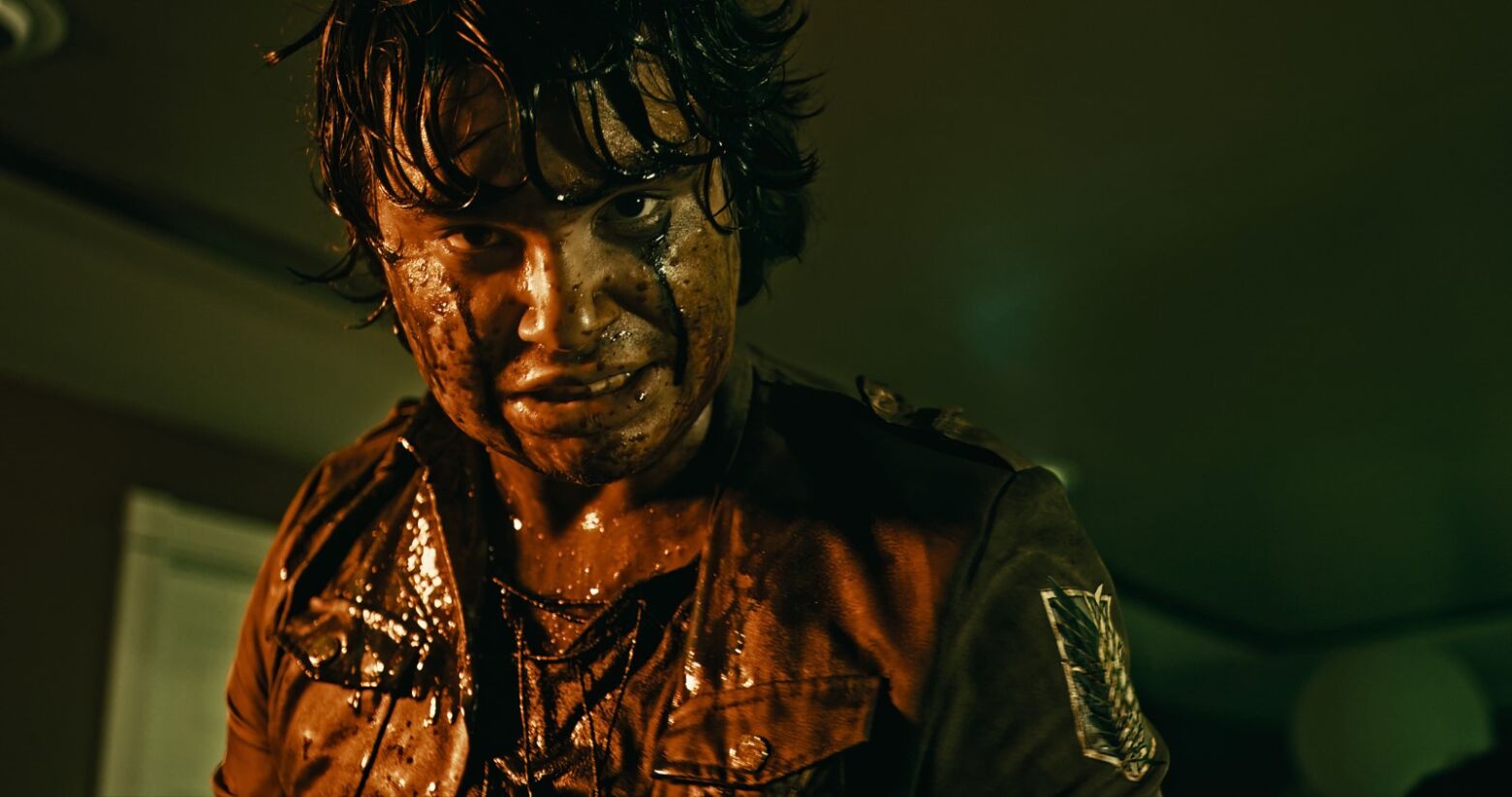
ZombieCON Vol. 1 follows Rocket’s Rockets, a cosplay crew who are three-time regional anime convention champions, two of whom also wrote the film alongside their director, and it delivers a genuinely heartfelt love letter to nerd culture.
Just think Knights of Badassdom, a horror film that needs you to understand why these people care about what they care about before it can ask you to care about them. Although, I think the whole “Cosplay is lame”! Thing died out a long time ago.
The Comedy
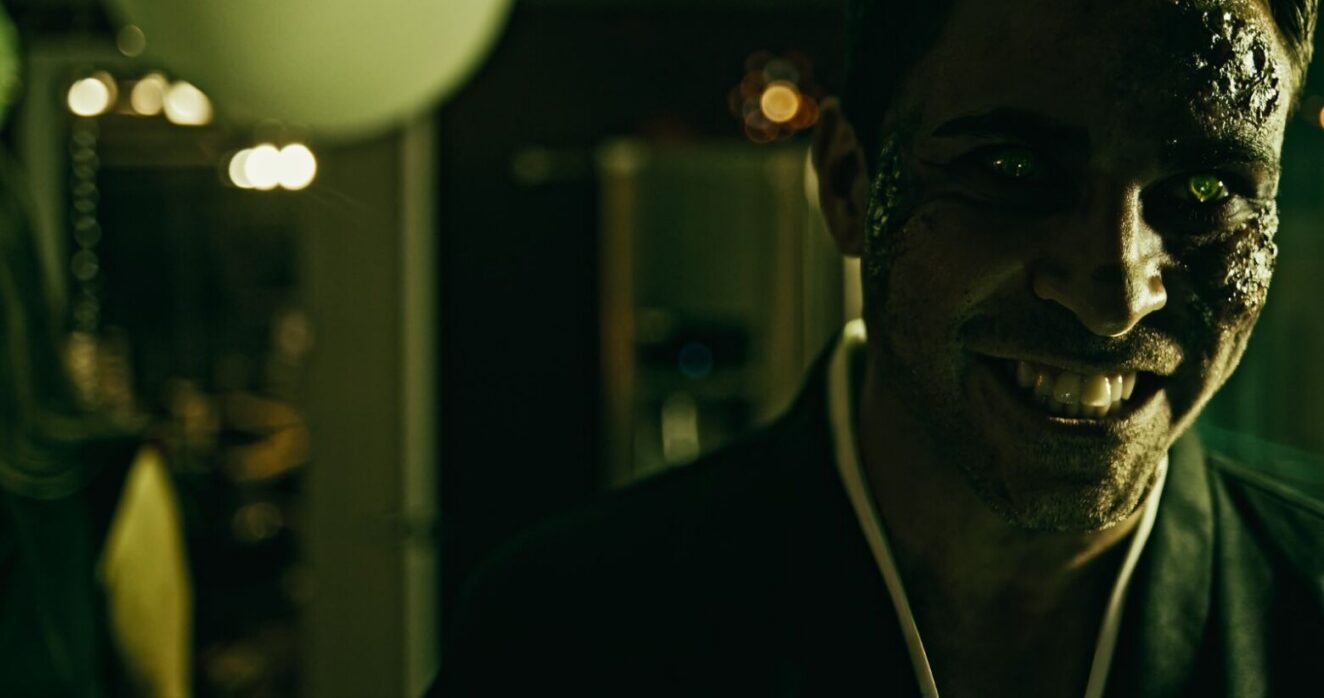
The practical makeup effects look like the work of actual cosplayers competing, not Hollywood’s approximation of cosplayers competing, and the distinction is the difference between a film that is looking at this world from the outside and one that has been living in it.
The characters carry the specific mixture of expertise and softness that comes from living inside a somewhat shunned culture. However, ZombieCON Vol. 1 leans into that culture in a loving, non judgemental way.
The Scott Pilgrim energy in the fight staging earns its references rather than just pointing at them. The anime visual grammar is sincere, not ironic, which is the only register in which this kind of thing is actually funny. The film borrows inspiration from just about everyone but somehow manages to do it respectfully.
The Cast
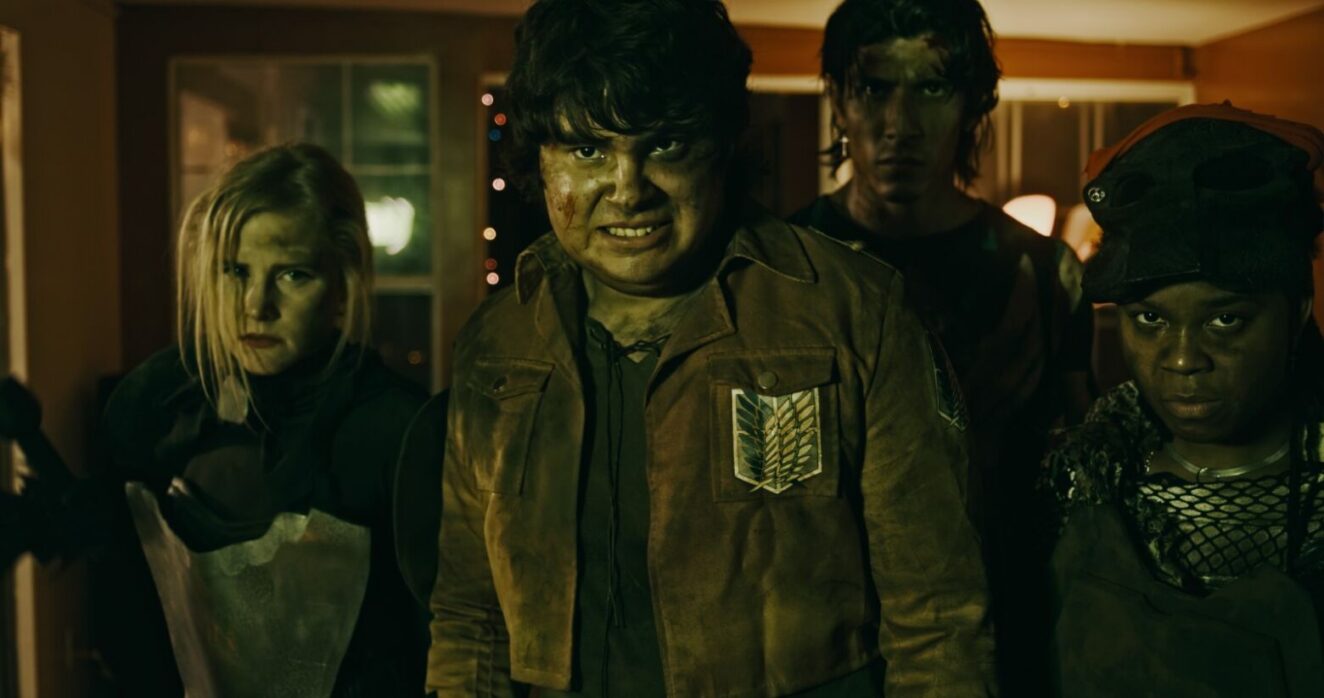
Punkie Johnson came to this from Saturday Night Live, and the gap between her and the rest of the ensemble is perceptible in every scene they share. She finds the timing on lines that are still looking for their timing, lands the joke at the exact moment before the scene needs to move on, and the effect is that everything around her becomes more controlled in her presence.
Erin Áine as Claire carries the film’s stranger turns without explaining them. The character is asked to move from one kind of story into another, several times, in ways the film does not prepare you for, and Áine moves with it without telegraphing the transition or breaking register. Manny Luke’s Rocket is calibrated to produce friction from the opening scene, and Luke commits to it without softening it or winking at the audience about it.
What It Is
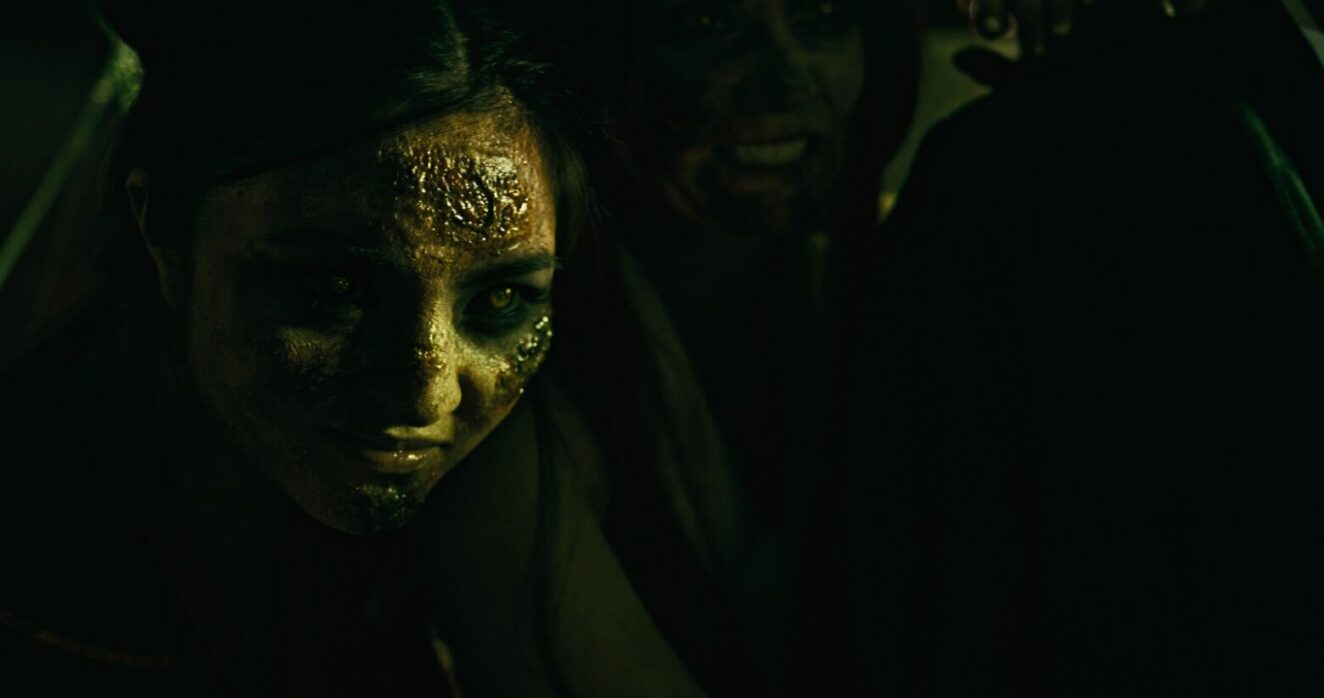
ZombieCON Vol. 1 has a first act that takes thirty-one minutes to produce its first zombie, a budget that shapes what the horror can do once the horror arrives, and a cast that makes both of those things survivable.
The audience for this kind of film has been burned before by entries that treat cosplay culture as the setup for a punchline. This one does not do that. It lives inside the culture rather than observing it, and the result is a horror comedy that earns the affection it is asking for even when the seams are showing.
ZombieCON Vol. 1 is free on Tubi.
Movie Reviews
‘Don’t Die’ Is a Good Friday Night Horror Film And That Is Enough.
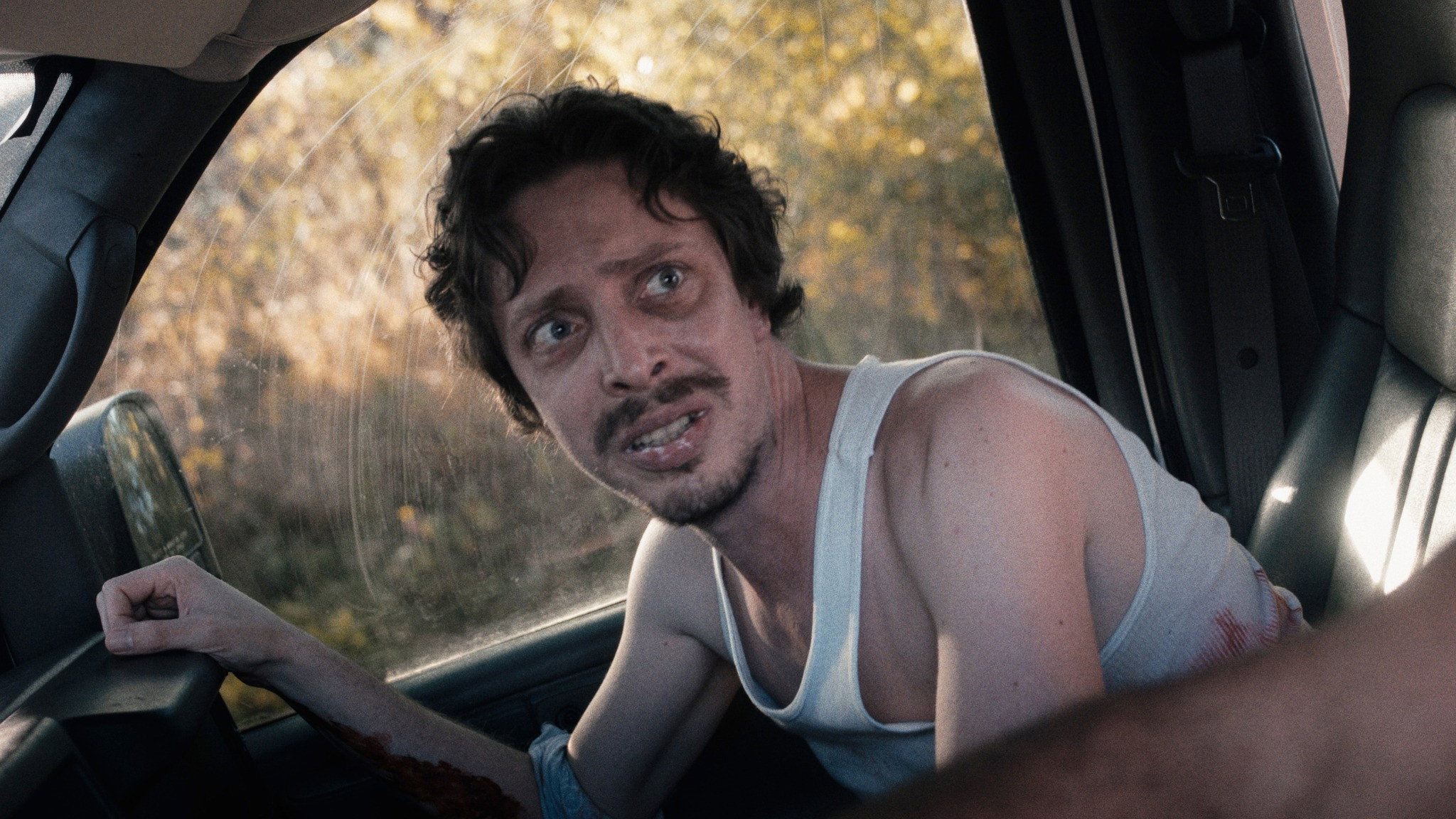
Don’t Die hits UK digital April 27 via Miracle Media. Benjamin Stark wrote and directed it. It played Panic Fest 2024 and spent the better part of two years making the quiet festival rounds, waiting for the right audience to find it. That audience is you.
What Happens
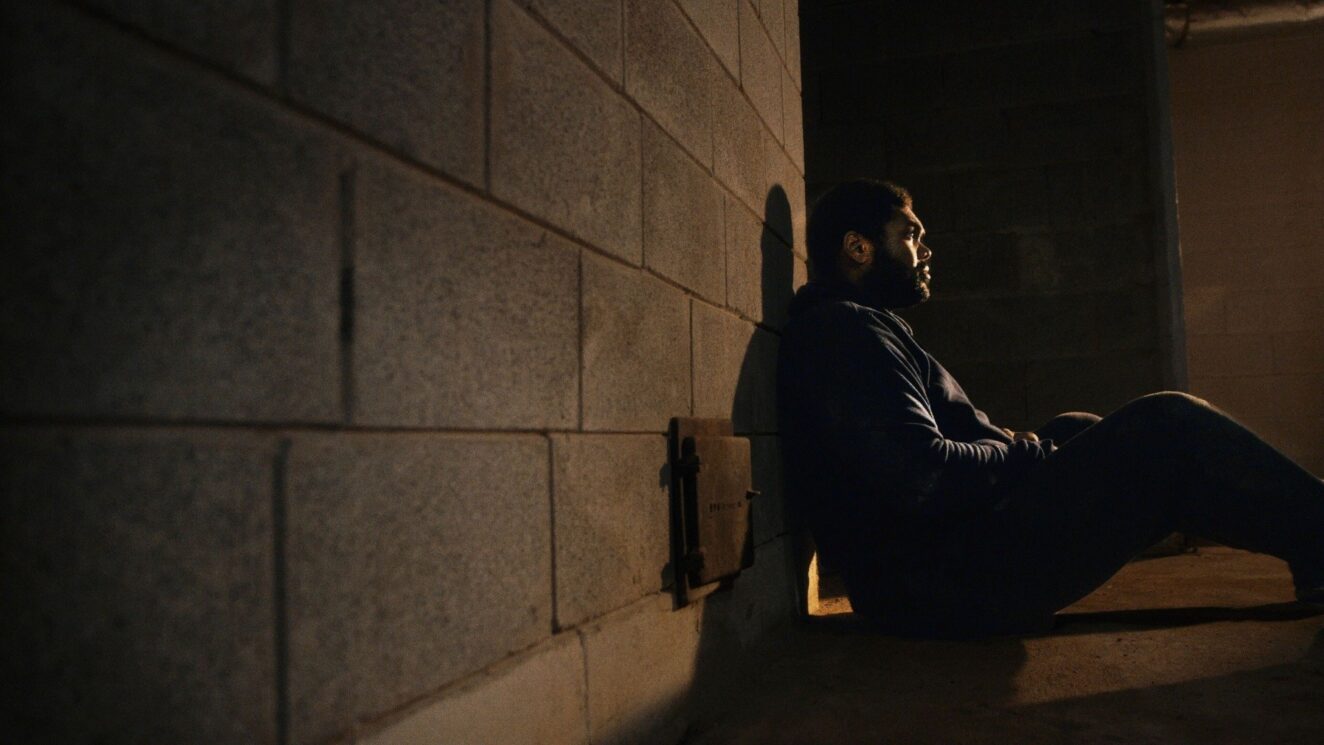
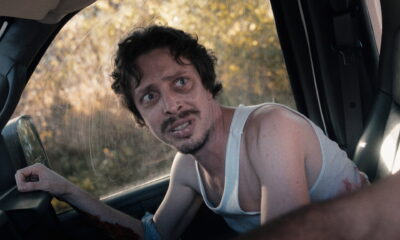
Jenks, played by Theodus Crane, needs medication he cannot afford. He breaks into a small-town pharmacy after hours. This was supposed to be clean. Nobody was supposed to be there. The pharmacist, Julia, played by Virginia Newcomb, was working late. She gets shot. Not knowing what else to do, Jenks takes her exactly where she tells him to take her.
This turns out to be a remote cabin run by a small collective quietly distributing medication to people who cannot access it through legal channels. The Robin Hood framing is warm, and the film offers it genuinely before slowly removing the warmth.
The Turn
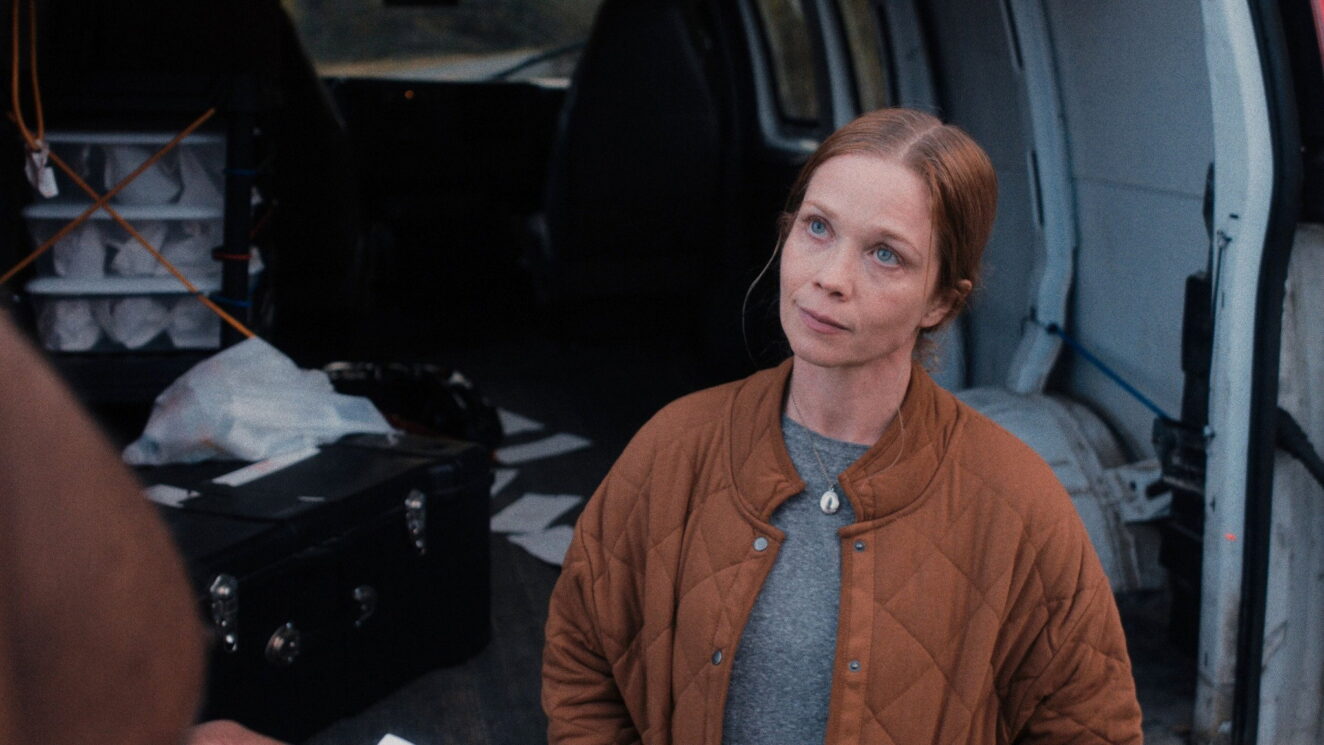
The group running the cabin is not irrational. They believe what they are doing matters. They believe the math is simple. People need blood and organs, medication costs money, two strangers showed up and nobody outside knows where they are. Jenks figures out what that math adds up to about two minutes before the film shows it explicitly, and Crane plays the moment of comprehension exactly right. Quiet. Still. The kind of fear that does not move.
Stark earns the horror here because the people doing terrible things are not doing them out of cruelty. They have a system. They have a purpose. No villain monologue. No sadistic speech. They are calm and businesslike about it. That calm is what makes the third act work. Horror is rarely as effective as when the threat makes a kind of sense.
The Cast
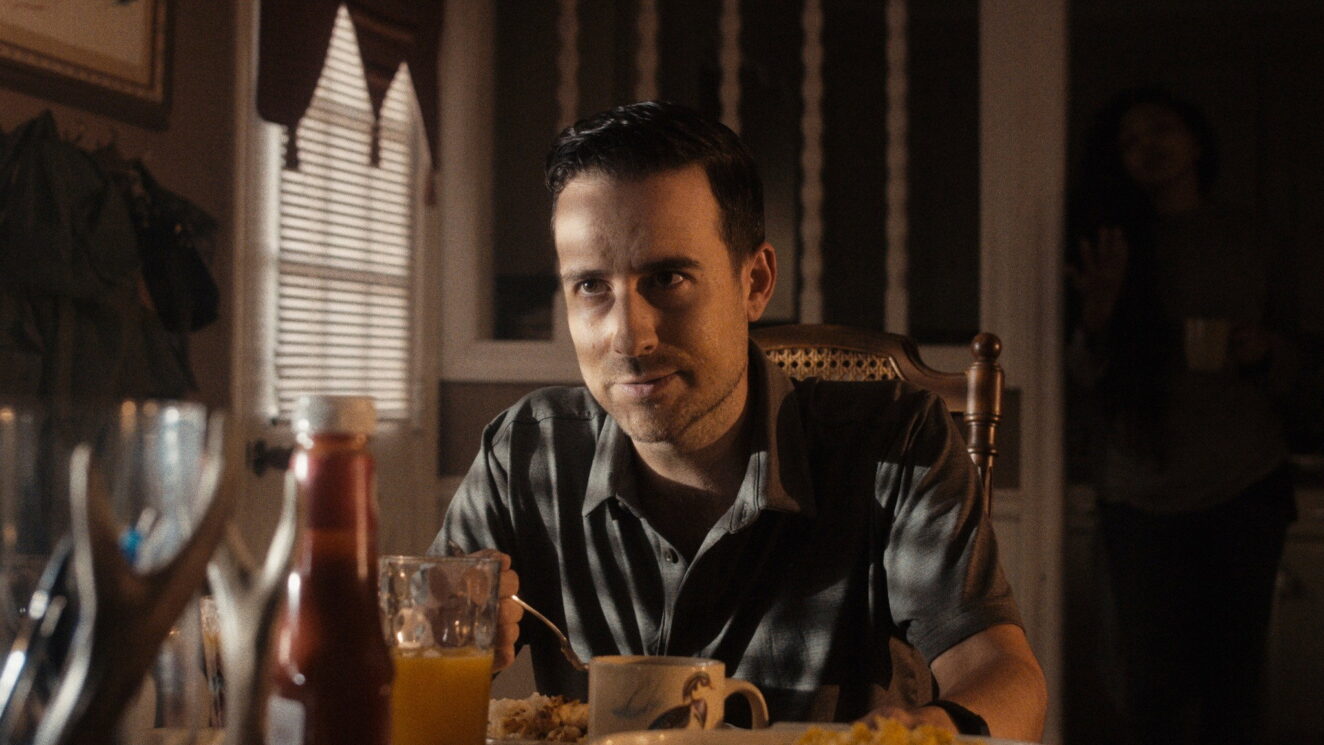
Crane carries it. He plays Jenks as a man who keeps choosing decency as the available options narrow, and that consistency is what makes the back half hit as hard as it does. The performance never reaches for sympathy. It does not need to.
Newcomb as Julia is the other weight-bearing wall. She has the harder job. Her character moves from victim to something more complicated without the script telegraphing the shift. She handles it without calling attention to the handling.
Joshua Burge rounds out the central trio as Randy, the friend who shows up when needed and clocks the situation faster than any reasonable person should. If you don’t have a Randy in your life, make sure to get one.
What It Is and Is Not
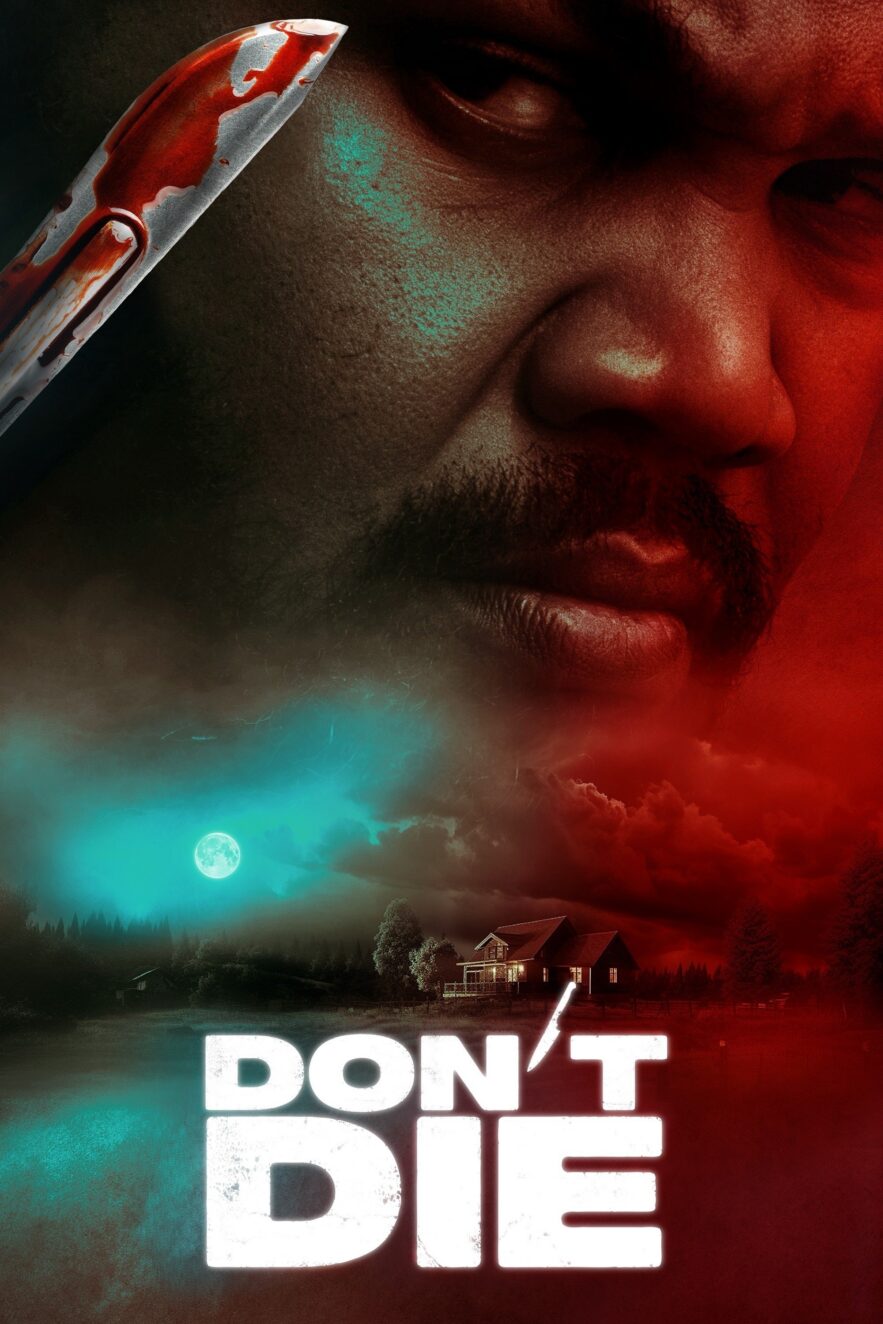
Don’t Die was marketed as horror. It earns the label by the end, but it arrives there through crime thriller territory, and the patience of the first two acts is deliberate and correct. The tension builds quietly. When the horror finally arrives it lands harder because of the time spent getting there.
The budget limitations are present and real. Small locations, a tight cast, minimal spectacle. Stark works within them rather than against them, and for the most part it does not show. The pacing stumbles in the back half, running about five minutes longer than it should in the wrong places. There are moments where the momentum stalls. Neither is fatal.
It does not have much to say about healthcare beyond using it as a mechanism for the plot. That is fine. Not every film needs a thesis. This one tells a good story, maintains tension across most of its runtime, delivers a few genuine scares, and knows exactly what it is. Most low-budget horror manages one of those things.
Don’t Die is on UK digital now. Good Friday night film.
Movie Reviews
Content Is Now on Digital. Watch It Twice.
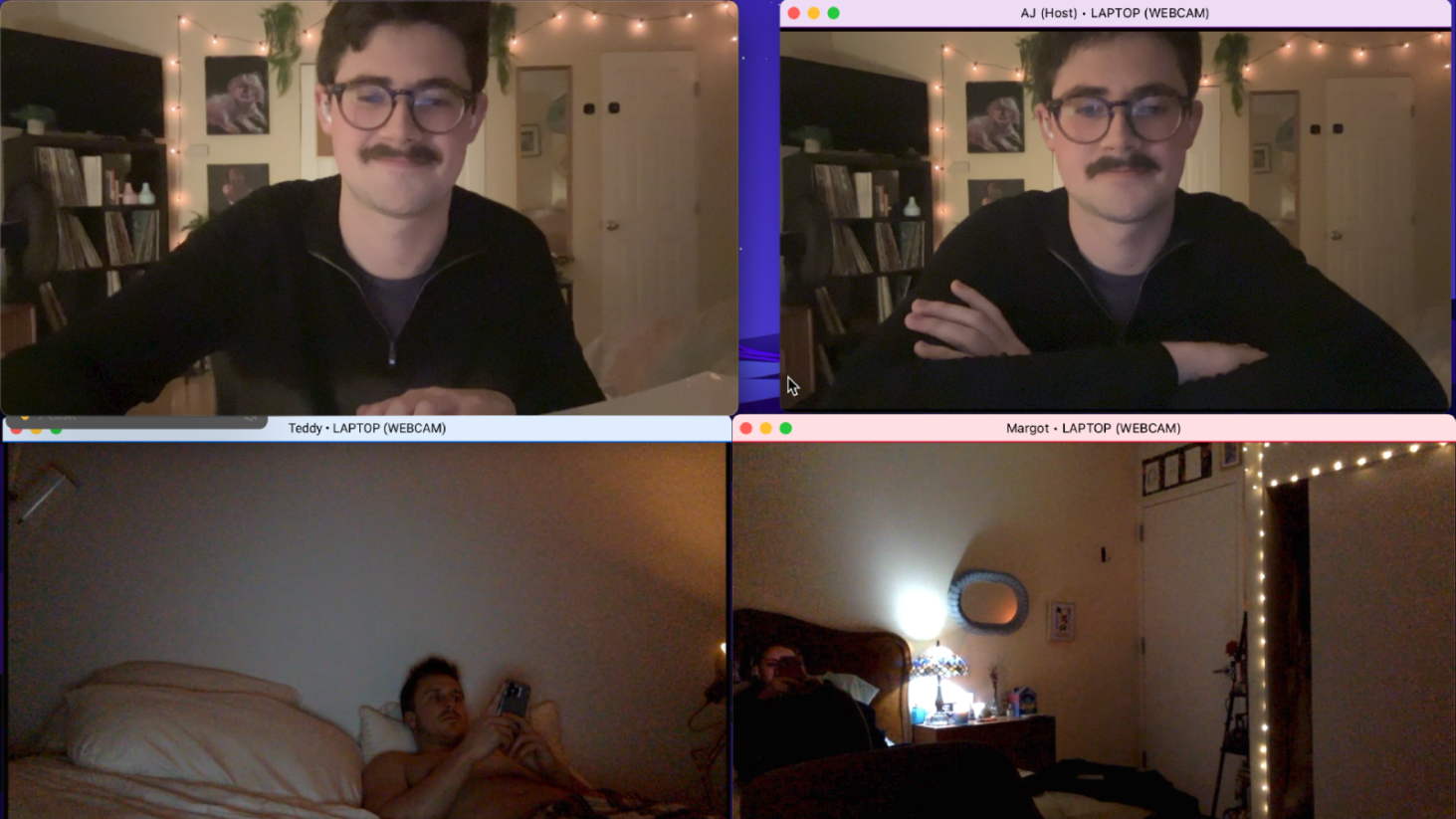
Content, Adam Meilech’s screenlife horror satire, arrives on UK digital April 27 via GrimmVision following a strong festival run that included Grimmfest 2025. The whole film plays out across phones and laptop screens. It opens on a sham. It ends somewhere you did not expect to go.
What It Is
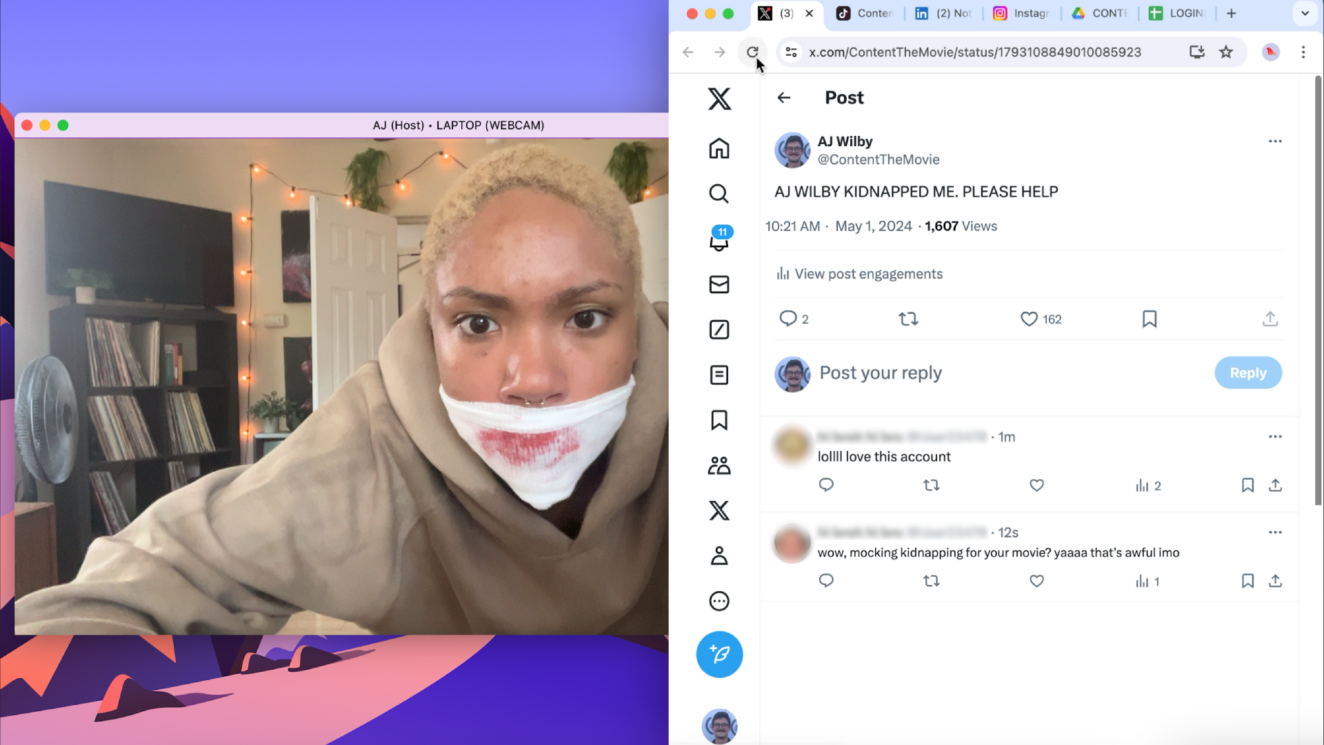
The opening scene drops you inside Therapals, a fake online therapy platform where the therapists are just untrained people trying to earn a paycheck. The first patient our protagonist connects with has the energy of an angry Ryan Reynolds and, with complete calm, tells her he is thinking about killing his neighbor.
From there Meilech begins stacking story on top of story in a way that will either lose you or thrill you, and which one depends entirely on your tolerance for the extremely meta. At the center is AJ, played by Meilech himself: actor, writer, director, stalker, kidnapper, psychopath.
While there is a clear line to be drawn from Content and Milk & Serial, Meilech provides a wonderful villain. His polite swagger and genuine enthusiasm make one of the most powerfuly wicked online personas I have seen in a while.
The Cast and the Method
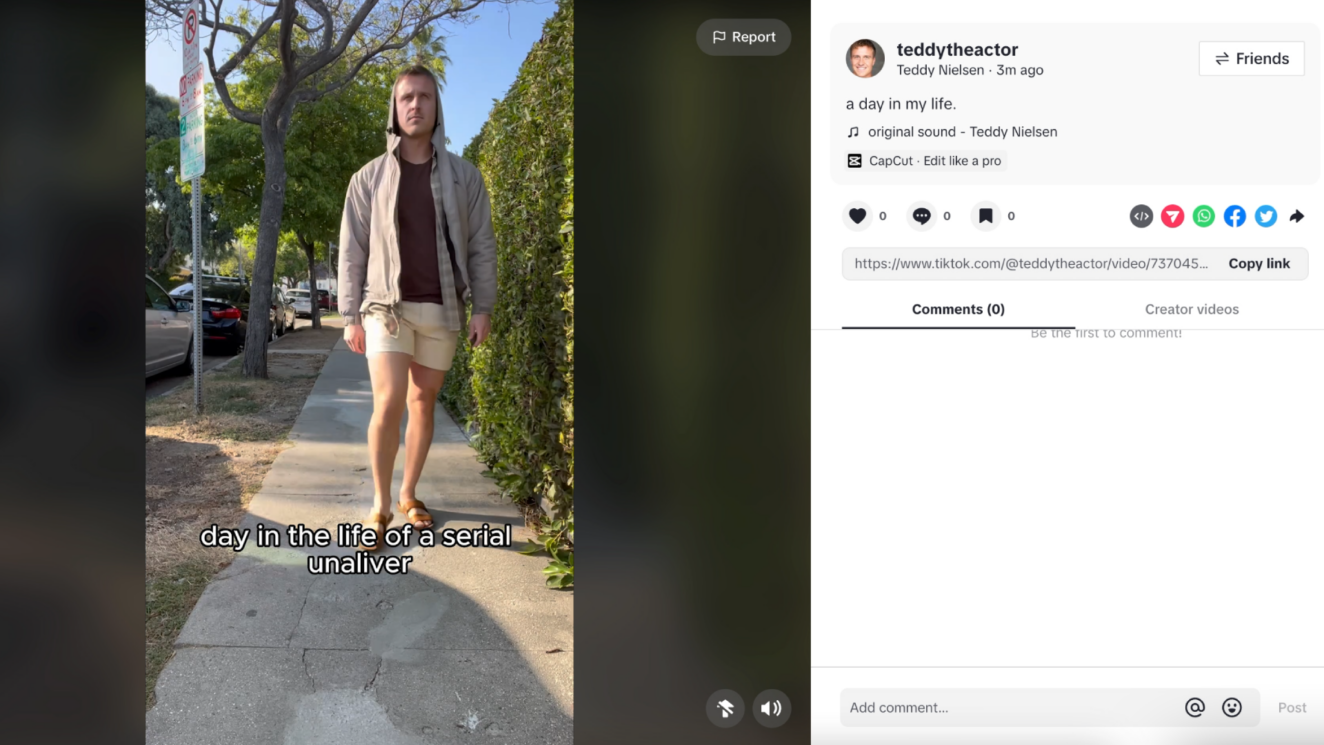
The cast is Megan Boehmcke, Alex Mills, and Vaune Suitt alongside Meilech, operating under conditions that range from unpleasant to genuinely alarming. AJ records himself playing therapist to himself and plays the recordings back. He pays a stranger to pose as a mentor figure for his male actor, who believes he is in on a bit the whole time. He performs takes over and over in the Kubrick tradition until he gets what he wants. Eventually he just moves his lead into his apartment.
To get a real reaction during a shoot, he shows up and actually hits the actor. The poor actor, still in the scene, asks if they can reshoot. This dude is so desperate for a part, he is willing to show he can make his pain more entertaining.
Where It Sits
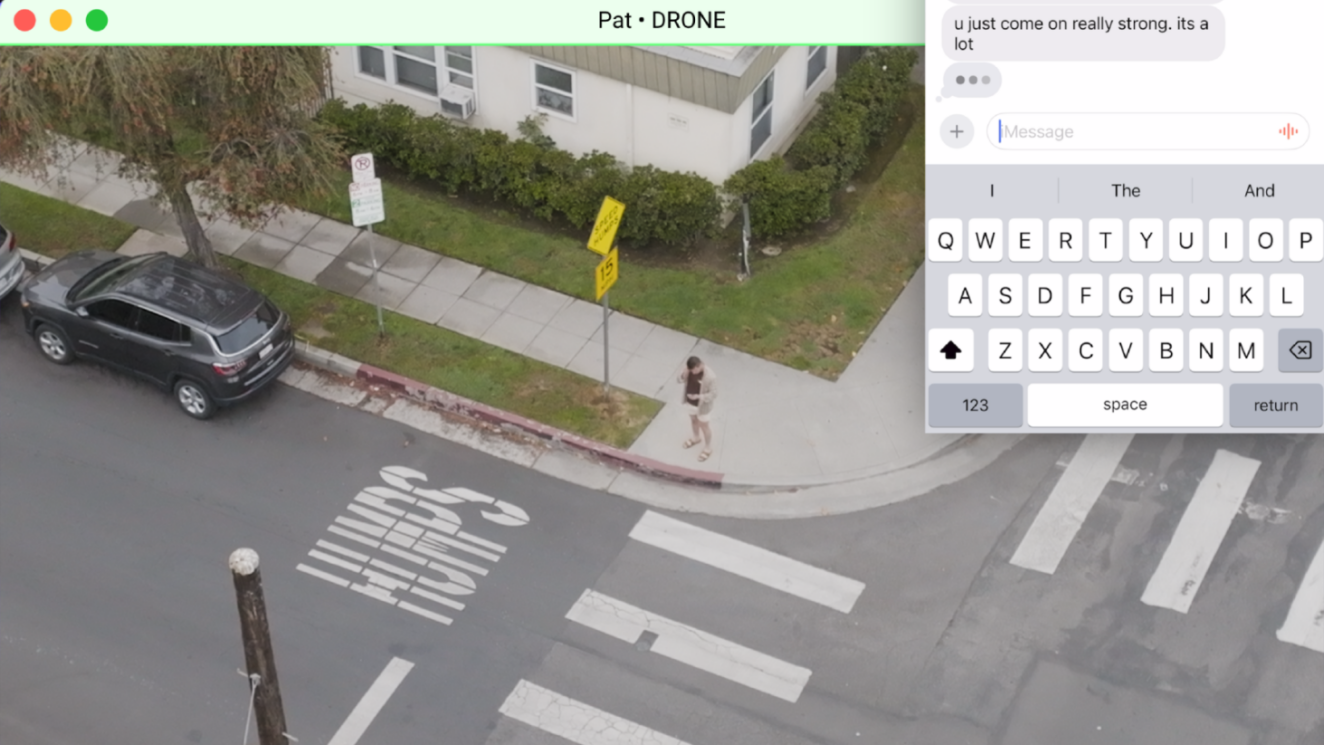
The several story arcs running at once can be genuinely hard to follow and Content is not interested in making things easier. That is a feature, not a flaw. The bad guy is normal looking. He lives in a shared apartment. He does not signal his intentions in any way that would help you see it coming. There is real secondhand cringe to watching private moments captured without the subjects knowing, which is the film’s most effective trick, and Meilech commits to it completely.
It lands somewhere between Milk and Serial and Creep in the first half, and ends up closer to Funny Games meets Better Watch Out by the final act. That is an unusual place to land. It is also exactly the right one. Content is available now on UK digital via GrimmVision.


The Evil Dead Burn Trailer Is Here and It Is Everything

The Evil Dead Universe Now Includes a Mummy Film

“It’s My Era. I’m a Rockstar Now.” The Official ‘The Vampire Lestat’ Trailer Is Here

The Practical Magic 2 Teaser Trailer Is Finally Here

This Week in Horror: DC Goes Full Body Horror, A24 Has Its Chainsaw Man, and The Bone Temple Is Finally Yours

The Vampire Lestat Releases Cover of Billy Idol’s “Dancing With Myself”

The HUNGRY Red Band Trailer Is Here and We Need to Stop Laughing at the Hippo

‘The Vampire Lestat’ Trailer: What “Dancing With Myself” Reveals About Lestat

Samara Weaving and Kyle Gallner Star in Romantic Crime Thriller ‘Carolina Caroline’ [Trailer]

Shudder’s May Is the Best Month They’ve Had in a While.

ShoStak Opens the Door for Filmmakers to Build and Own Their Stories

The Vampire Lestat Is Playing a Real Concert in NYC — And Yes, It’s Exactly as Wild as It Sounds

The History of Deals with the Devil: From Faust to The Witch

‘ZombieCON Vol. 1’ Gets the Con Right. The Zombies Arrive When They Want To.
Shudder’s May Is the Best Month They’ve Had in a While.

‘Don’t Die’ Is a Good Friday Night Horror Film And That Is Enough.

Content Is Now on Digital. Watch It Twice.

[Exclusive Clip] ‘From the Beyond: High Strangeness in the Bennington Triangle’

‘Behind the Mask’: Nathan Baesel Exclusive Interview!
‘The Vampire Lestat’ Trailer: What “Dancing With Myself” Reveals About Lestat
This Week in Horror: DC Goes Full Body Horror, A24 Has Its Chainsaw Man, and The Bone Temple Is Finally Yours
The Vampire Lestat Releases Cover of Billy Idol’s “Dancing With Myself”
-
 News6 days ago
This Week in Horror: DC Goes Full Body Horror, A24 Has Its Chainsaw Man, and The Bone Temple Is Finally Yours
-
 Music6 days ago
The Vampire Lestat Releases Cover of Billy Idol’s “Dancing With Myself”
-
 Editorial5 days ago
‘The Vampire Lestat’ Trailer: What “Dancing With Myself” Reveals About Lestat
-
 Trailers7 days ago
Samara Weaving and Kyle Gallner Star in Romantic Crime Thriller ‘Carolina Caroline’ [Trailer]
-
 News3 days ago
Shudder’s May Is the Best Month They’ve Had in a While.
-
 News7 days ago
ShoStak Opens the Door for Filmmakers to Build and Own Their Stories
-
 News6 days ago
Astrolatry Built a Ten-Foot Practical Penis Scorpion
-
 Movie Reviews3 days ago
‘Don’t Die’ Is a Good Friday Night Horror Film And That Is Enough.
You must be logged in to post a comment Login