News
Diablo Cody is Finally Making Jennifer’s Body 2

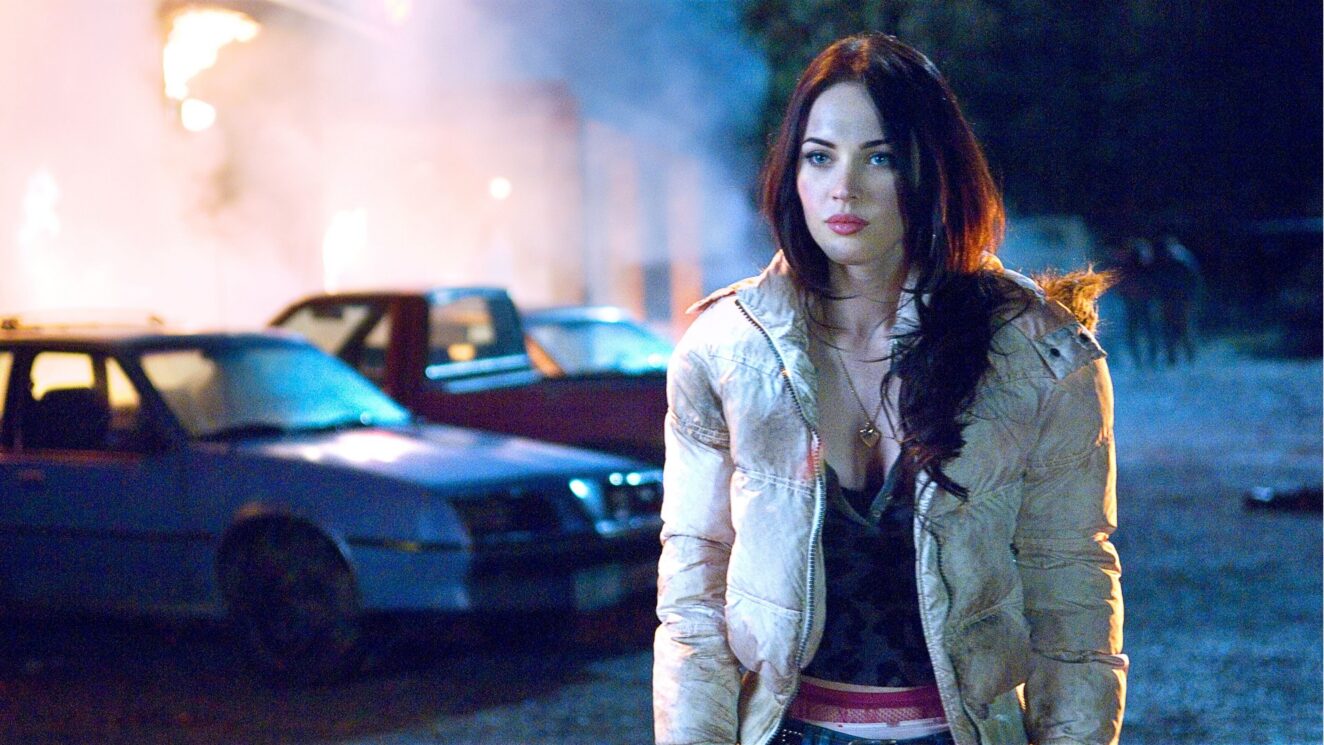
Diablo Cody has been sitting on something for fifteen years. Not a grudge, exactly, though she’d have every right to one, but more like a thesis statement that the world wasn’t ready for yet. Jennifer’s Body came out in 2009 to a chorus of confused reviews, a marketing campaign that should be studied in film school as a cautionary tale, and an audience that showed up expecting something it was never going to get. It made back its budget, barely, and then quietly became one of the most important feminist horror films of the 21st century while nobody was looking.
Now Cody is writing the sequel. Megan Fox and Amanda Seyfried are both reportedly interested in returning. Director Karyn Kusama has described the script-in-progress as “fun and crazy” — which, if the first film is any indication, means we are in for something genuinely unhinged and probably brilliant.
We should probably talk about why it took this long to get here. And why getting here matters.
Who Diablo Cody Is, And Why That Question Has a More Complicated Answer Than You Think
Cody won an Oscar for Juno in 2008. If you’ve spent any time in film discourse online, you already know that this is somehow still controversial, which tells you everything you need to know about how the industry treats women who write with a specific, recognizable voice.
The thing about Cody’s voice is that it’s deliberate in ways that don’t always get credited as deliberate. Her stated approach to feminist screenwriting is almost deceptively simple: figure out what the best lines in the script are, and give them to the women. She’s acknowledged that this sounds unradical, but points out that it doesn’t happen that often. She’s not wrong. Watch any given Hollywood film from the era and count how many of the best lines go to men who are explaining things to women who are listening. Then watch Jennifer’s Body and notice who’s doing the talking.
Her filmography reads like a case study in what happens when a woman writes women as the subject of the story rather than the object. Juno, protagonist as her own unreliable narrator, making a decision about her body that the film takes seriously. Young Adult, a profoundly unpleasant female protagonist that the film refuses to redeem, which apparently made audiences very uncomfortable. Tully, an unflinching portrait of postpartum exhaustion that got called “too bleak” by people who have never had to wake up at 3am for a fifth consecutive night. Lisa Frankenstein, campy, gleeful, and built around a teenage girl’s desire in a way that doesn’t apologize for itself.
And then there’s Jennifer’s Body, which is doing everything those films are doing, wrapped in a slasher premise, with a budget and a marketing team that were actively working against it.
What Jennifer’s Body Was Actually About, And What The Studio Told You It Was About

Here is what Jennifer’s Body is: a film about female friendship, female sacrifice, the ways institutions fail girls, the ways girls sometimes fail each other, and a succubus. It’s funny and gory and genuinely strange, and its real subject, the thing it’s circling the whole time, is the horror of being a girl whose body is treated as a resource by everyone around her.
Here is what the marketing told you it was: Megan Fox is hot and sometimes wears a skirt. The trailer leaned heavily on a suggestive moment between Fox and Seyfried with the phrase “I go both ways” presented as a punchline, stripped entirely of the context that makes it meaningful in the film itself. The poster put Fox in a short skirt against a plain background, which is the visual equivalent of someone explaining your joke wrong and then looking at you expectantly.
When Cody and Kusama pushed back on this approach, executives reportedly explained their strategy as, and this is a real quote, “Jennifer sexy, she steal your boyfriend.” Which is one of the most succinct examples of institutional failure I have ever encountered, and I say that with full appreciation for how much competition it has.
Amanda Seyfried has been saying this plainly for years. The marketing ruined it. The film they sold was a male fantasy. The film Cody wrote was explicitly not that. It was written for girls, about girls, from a perspective that had no interest in being legible to the teenage boys who showed up to a horror-comedy and found themselves watching something with actual things to say. The box office reflected the mismatch. The decade of critical reassessment that followed reflected the truth.
The Part Where We Talk About Kill James Bond

If you haven’t listened to Kill James Bond, the feminist film podcast that watches movies through a political lens and rates them on how they reflect masculinity, a real methodology, a genuinely excellent podcast, their Jennifer’s Body episode is required listening.
The episode features the cast sitting around discussing the film, and the central question posed at the top is, with complete sincerity: “Is this movie about 9/11?”
The answer, for the record, is yes.
This is not a bit. Well, it’s partly a bit. Kill James Bond operates with a running thesis that most films made after the early 2000s , examined closely enough, are either about 9/11 or about being transgender, and the hosts approach each new film with the enthusiasm of researchers who suspect they’re about to confirm their hypothesis again.
In the Jennifer’s Body episode, they find evidence for both readings and cannot fully resolve the debate, which honestly feels like the correct outcome for a film this layered. The 9/11 reading has something to do with the way the town’s collective trauma gets exploited by men in positions of power for their own gain. The trans reading is, well, have you watched it recently? A girl who comes back from a ritual sacrifice fundamentally changed, whose body no longer fully belongs to her, who is dangerous and beautiful and hungry in ways that the people around her can’t comprehend or control.
Draw your own conclusions. Cody hasn’t confirmed anything. The film is seventeen years old and people are still pulling threads out of it.
That’s what good horror does.
What Cody Has Been Building Toward

The thing worth understanding about Cody’s career as a whole is that Jennifer’s Body isn’t an outlier. It’s the clearest expression of something she’s been doing across every project. She writes women who are inconvenient. Women who want things, make mistakes, take up space, refuse easy redemption arcs. Women who are sometimes the monster, and sometimes the hero, and sometimes both simultaneously, which is — not to get too philosophical about a film where Megan Fox eats a boy — what being a person actually involves.
Horror is the right genre for this because horror has always been the genre most willing to let women be dangerous. The slasher tradition, for all its legitimate problems, built its architecture around the final girl. The woman who survives, who fights back, who outlasts. Cody took that architecture and asked what it looks like when the dangerous woman isn’t punished for it. When Jennifer gets to be the monster and also, somehow, the protagonist. When the film’s emotional center is not the man she kills but the girl who loves her.
Fifteen years of critical conversation later, we understand this more clearly than we did in 2009. The reassessment happened, as these reassessments often do, when the culture caught up to what the film was already doing. MeToo gave critics a new framework for understanding a story about men sacrificing a girl’s body for professional advancement. The queer reading became more legible as queer readings became more legible everywhere. The jokes, which the original reviews sometimes dismissed as “quirky,” started landing the way Cody intended them to land, as armor, as deflection, as the specific humor of people who have learned to be funny about things that would otherwise be unbearable.
Why the Sequel Needs to Exist Right Now

We are not living in a gentle moment for women’s bodies, or for the institutions that claim to protect them. Cody has always written toward that, toward the specific horror of being a girl in a world that wants to use you, and there is no shortage of material.
The first Jennifer’s Body was a film about a town that watched a girl get destroyed and then figured out how to make her destruction mean something for them. The sequel, whatever it becomes, will land in a world where that dynamic has not gone anywhere. If anything, it has gotten louder.
Kusama calling the script “fun and crazy” is encouraging, because the original film’s willingness to hold horror and comedy together in the same frame, to let you laugh and then feel bad about laughing, was part of what made it work. We don’t need a grim sequel that lectures at the audience. We need Diablo Cody doing the thing she does, which is finding the sharpest possible version of the joke and giving it to the women.
The boys can have the poster. The movie’s for us.

News
This Week in Horror: CinemaCon Delivered, Nicolas Cage Is Coming Back, and Someone Let Ti West Near a Christmas Story
It was a big week. CinemaCon happened, a Longlegs sequel got announced, and Lee Cronin’s The Mummy opened today, which we already covered but deserves to be in the roundup anyway because it is the biggest horror release of the month, and you should go see it. Here is everything else.
CinemaCon: The Horror Stuff
CinemaCon ran April 13 through 16 in Las Vegas and there was a lot. Here is what matters to us.
Werwulf got a real trailer, and it looks unhinged in the best way.
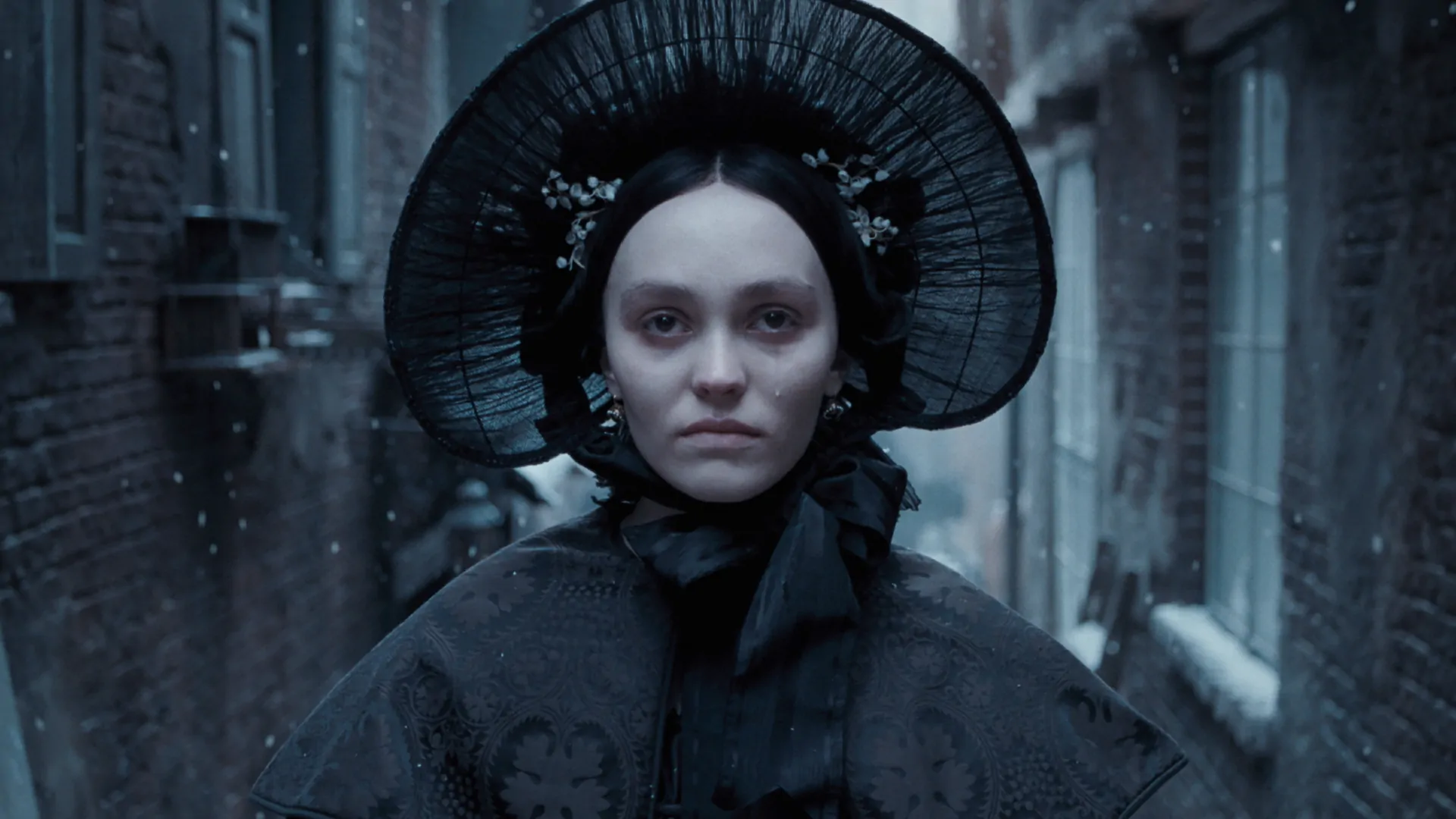
Robert Eggers’ follow-up to Nosferatu showed up at Universal’s presentation and it sounds like exactly what you want it to be. Aaron Taylor-Johnson transforms into a werewolf. Grimy medieval England. Lily-Rose Depp, Willem Dafoe, and Ralph Ineson are all in this. Variety called the transformation sequence alone worth the price of admission.
Practical Magic 2 happened and it was genuinely emotional.
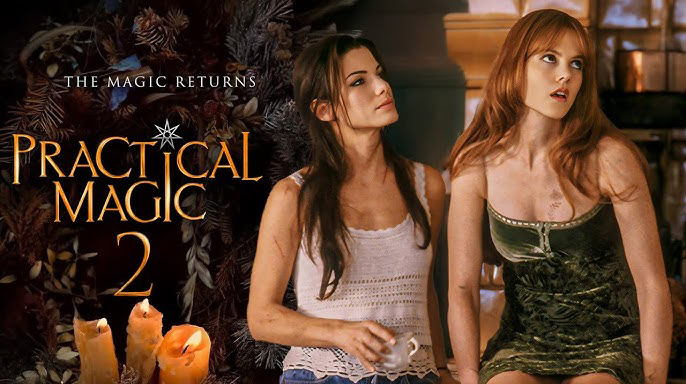
Sandra Bullock and Nicole Kidman walked out together at Warner Bros.’ presentation and the room apparently lost it. The sequel reunites the Owens sisters, brings back Dianne Wiest and Stockard Channing, and adds Maisie Williams and Xolo Maridueña as the next generation. They rebuilt the original house on the cliff. Sally is single now. If you know the original film you know why.
Ti West and Johnny Depp are making a Christmas horror movie and I have questions.
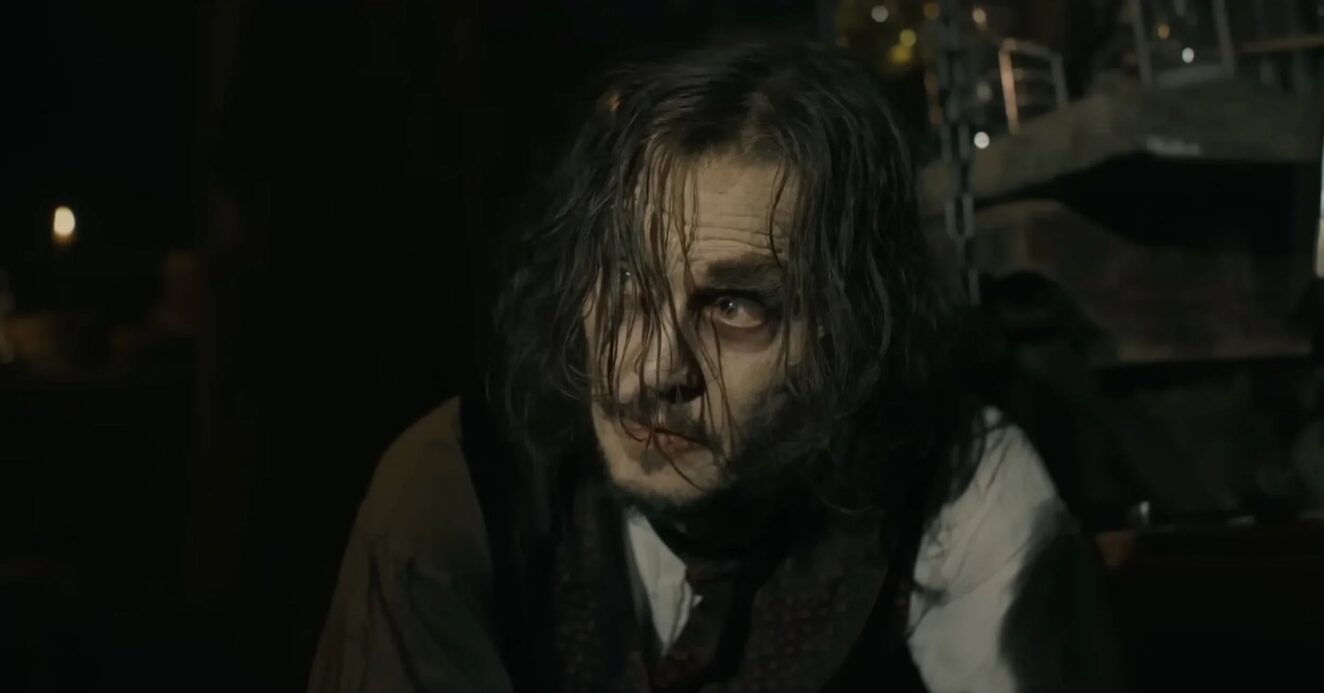
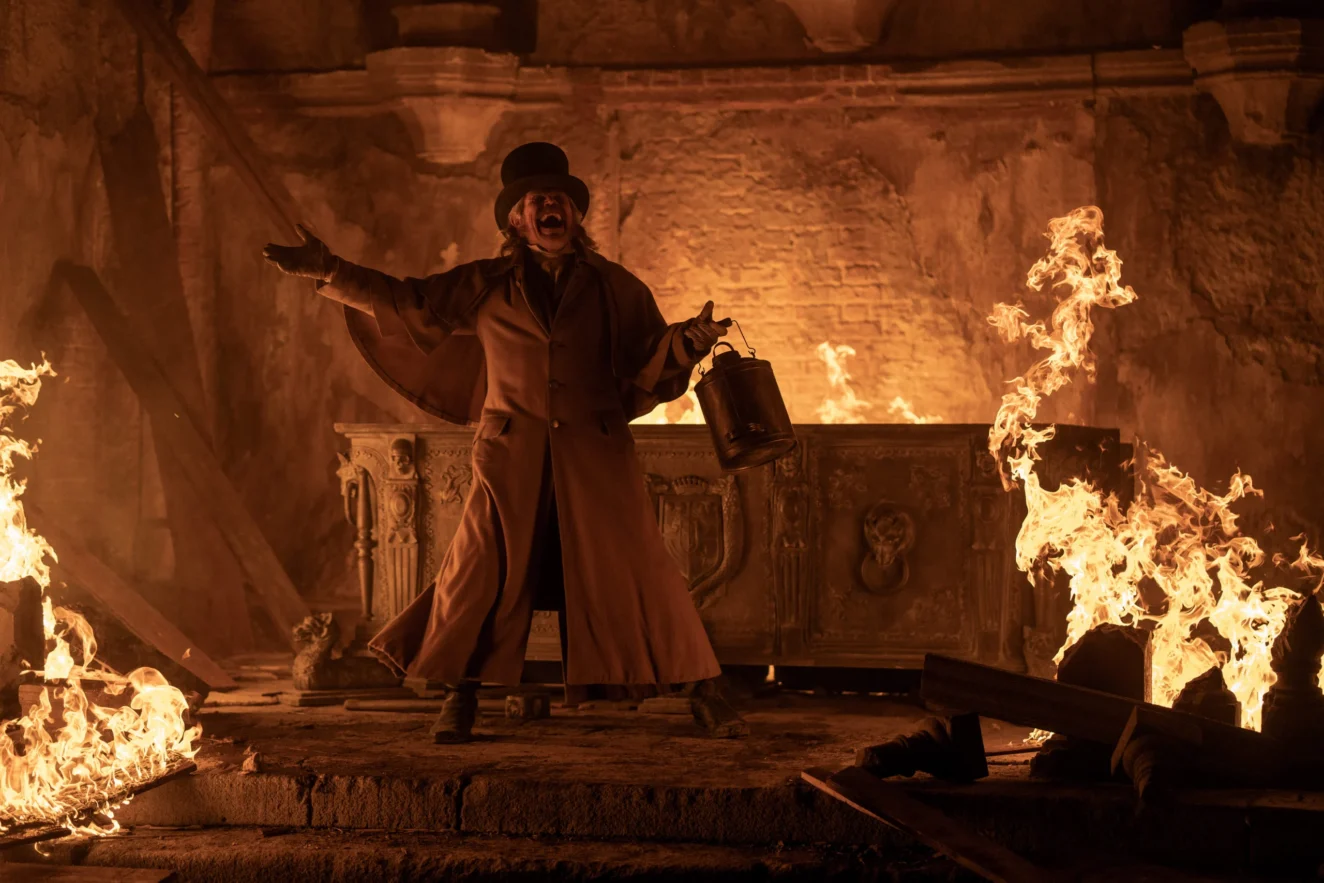
Paramount showed first footage from Ebenezer: A Christmas Carol, directed by Ti West and starring Depp in prosthetics as Scrooge. Ian McKellen is Jacob Marley. The Ghost of Christmas Present apparently shows up with his ribcage open. It is a Ti West film, so presumably this will be deeply upsetting by the end. Filing this under “extremely interested and also a little scared.”
Scary Movie is coming back June 5.
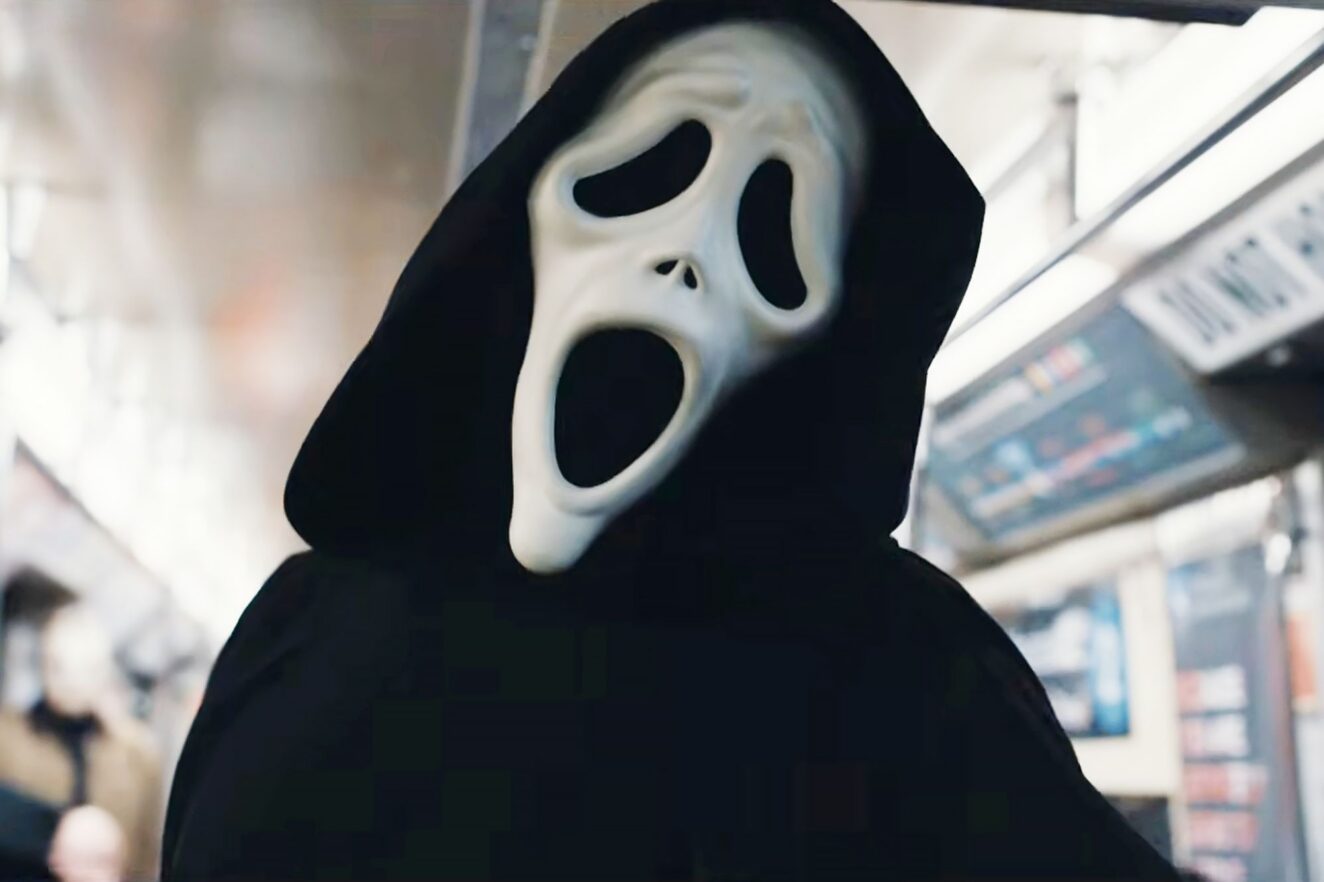
The original cast is back. Marlon Wayans, Shawn Wayans, Anna Faris, Regina Hall. The footage shown at Paramount’s panel apparently goes after reboots, remakes, elevated horror, and origin stories. That is a lot of ground to cover.
The Longlegs Universe Is Expanding

Osgood Perkins and Nicolas Cage are doing another Longlegs film, this time at Paramount, which picked it up because the scope was apparently bigger than Neon could handle. Not calling it a sequel exactly, more like something set in the same universe.
The Terror Is Back
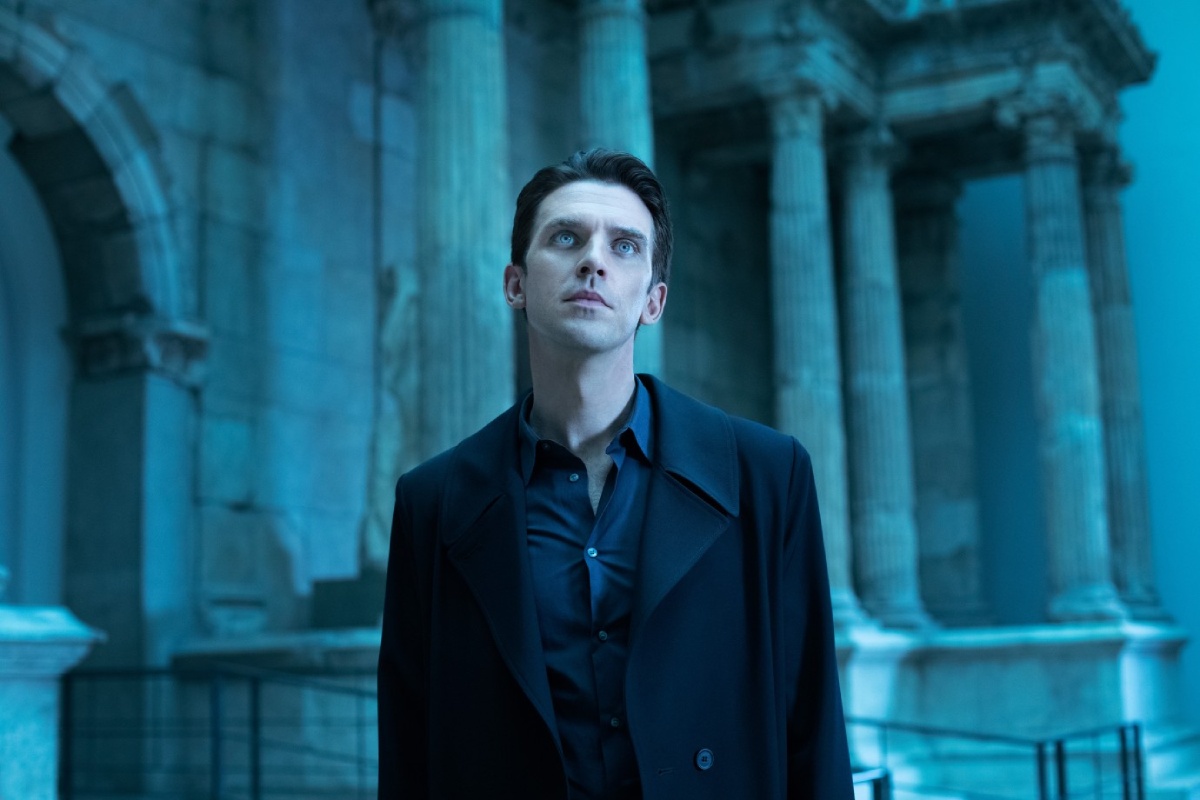
The Terror: Devil in Silver drops May 7 on AMC+ and Shudder, and it looks like a proper return for the anthology. Dan Stevens stars as Pepper, a man committed to a psychiatric hospital who starts wondering if what he is experiencing is supernatural or if he is actually losing his mind. Based on Victor LaValle’s novel of the same name, who is also the showrunner. Judith Light, CCH Pounder, Stephen Root, and Marin Ireland are in the cast. Ridley Scott remains an executive producer. The first two seasons of The Terror were genuinely excellent, and this one has the cast to back it up.
Also Worth Knowing
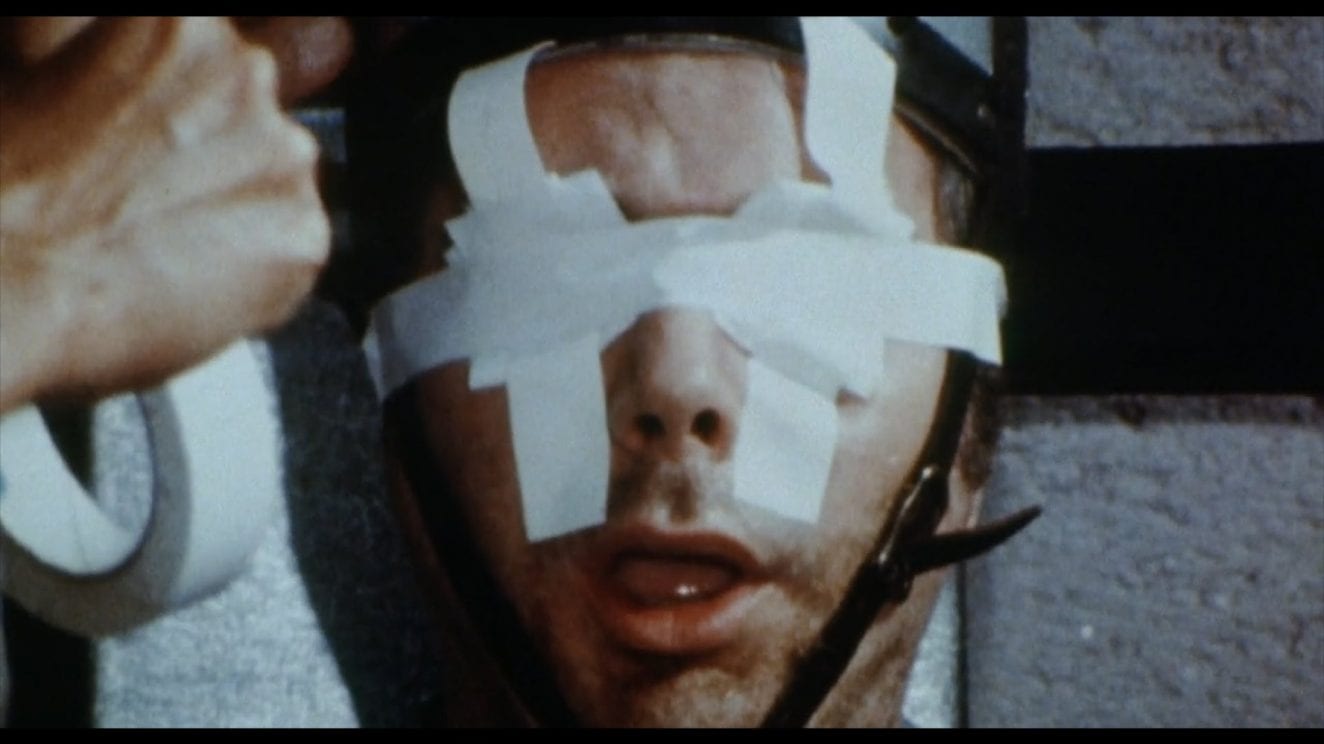
Faces of Death is in theaters now and sitting at 69% on Rotten Tomatoes. Directed by Daniel Goldhaber, stars Barbie Ferreira as a content moderator who finds what might be real execution videos on a TikTok-style platform. It is a smart premise and the reviews say it mostly delivers.
Passenger got a trailer this week. André Øvredal, who directed The Autopsy of Jane Doe and Scary Stories to Tell in the Dark, is calling it his scariest film yet. A supernatural entity latches onto a couple on a road trip.
The Young People from Osgood Perkins is still coming October 30, which means we are getting two Perkins-adjacent projects in the same year. This one stars Lola Tung, Nico Parker, Tatiana Maslany and Nicole Kidman and follows two school friends whose relationship turns sinister as one starts exhibiting disturbing behavior. Between this, Werwulf, and Other Mommy, fall 2026 is looking very good.
That is the week. Go see The Mummy.
News
The Dark Side of Paradise: Why Tropical Horror Hits Different

There is something specifically wrong about horror that happens in bright sunshine on white sand. It shouldn’t work. Scary things are supposed to happen in the dark, not on a sunny beach. Yet, here we are.
The genre has spent decades training audiences to associate danger with darkness. Shadows, fog, rain, winter, the absence of light. Remove all of those cues and drop the horror into a tropical afternoon and trained horror fans no longer know what to look for.
The Cognitive Dissonance
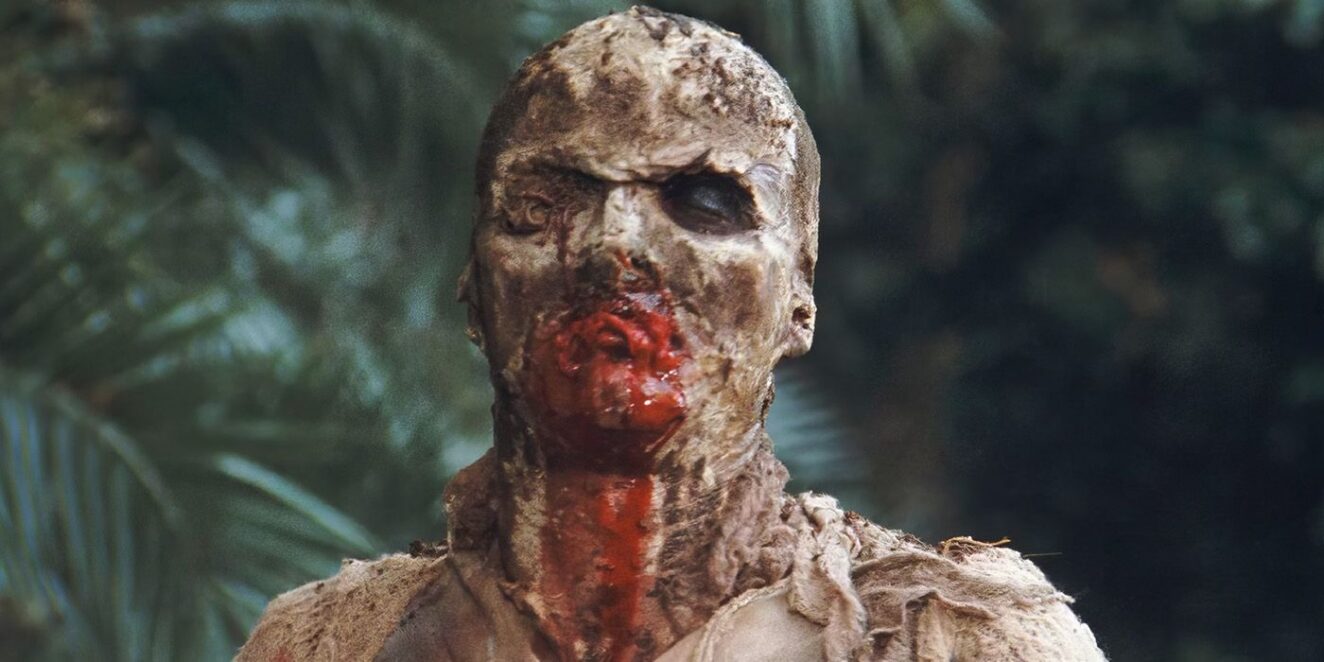
We are conditioned to believe paradise is safe. Blue water, palm trees, sunlight. These are vacation images. Relaxation images. Nothing bad is supposed to happen here.
Daylight horror is one of the hardest subgenres to execute because there is nowhere to hide the ugliness. In darkness, the imagination fills gaps. In sunlight, everything is visible, and the film has to make that visibility the threat.
What results is a specific kind of dread. The feeling that the pleasant surface of things is a lie, and always has been.
Midsommar and What Daylight Does
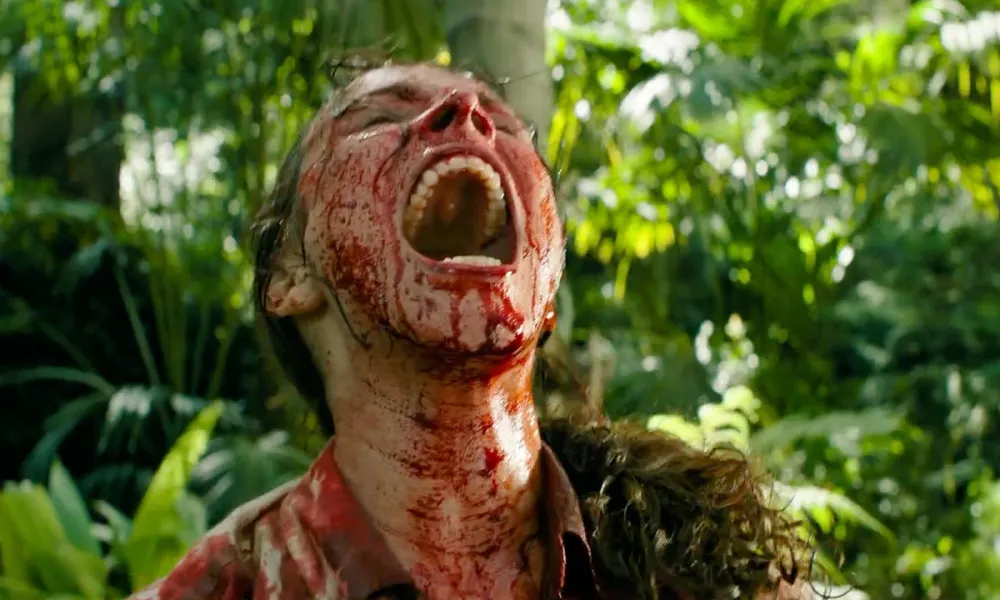
Midsommar is the most discussed recent example, a film set almost entirely in golden Swedish summer light where the horror is hyper-visible by design. There is no darkness to retreat into. Every ritual, every atrocity, happens in front of everyone, in full color, in the sun.
The film’s director of photography Pawel Pogorzelski described the approach as weaponizing the light. Making the brightness feel oppressive rather than comforting. There is no relief. The beauty of the setting becomes part of the trap.
The setting promises safety and delivers the opposite.
Key West Was Always Haunted
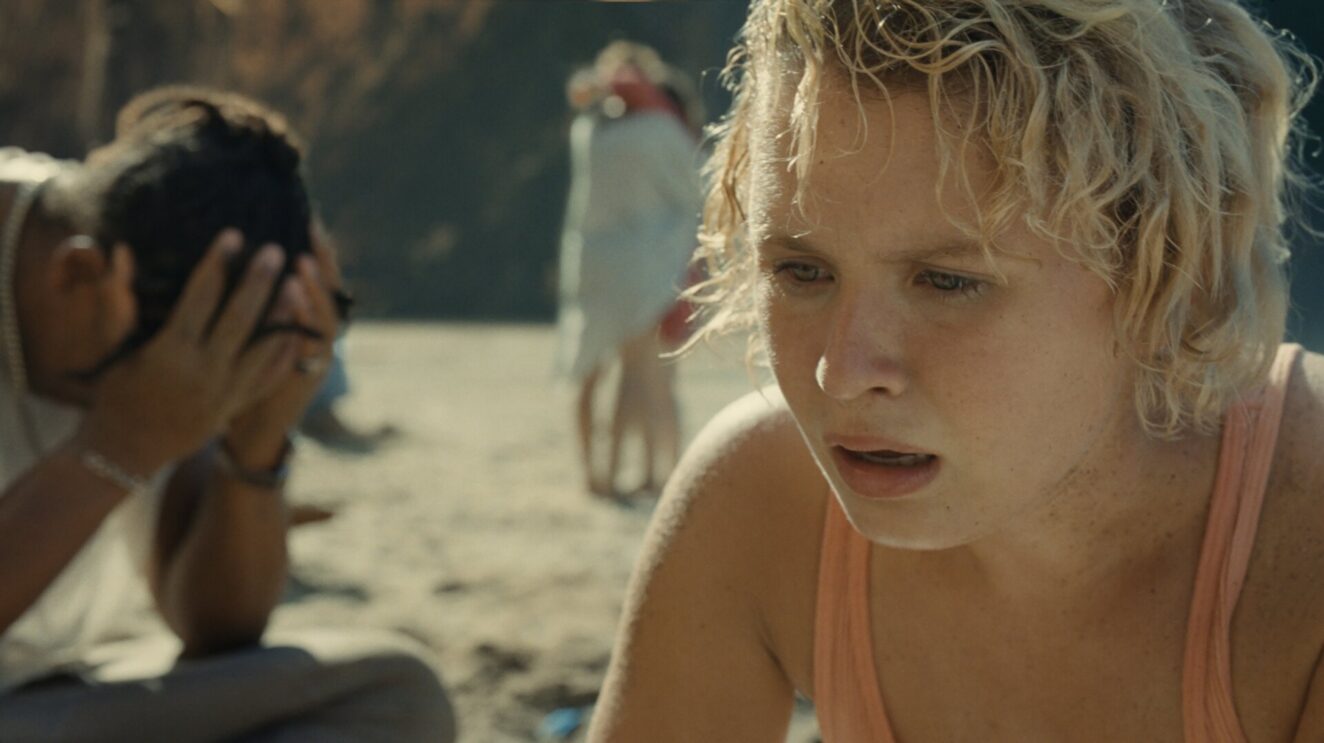
Key West has a specific advantage for horror that most tropical settings don’t, it’s actually dark underneath. The Spanish named it Cayo Hueso, “island of bones,” for the human remains found scattered on its beaches when they arrived. It has been shaped by disease, hurricanes, shipwrecks, piracy, slavery, and execution.
In 1996, David L. Sloan founded what became the first professional ghost tour operation in the United States, right there in Key West. The island’s paranormal history wasn’t invented for tourism. The tourism caught up with what was already there.
The palm trees and turquoise water are real. So are three centuries of unquiet dead.
Tropical Horror in the Genre

The Ruins, Triangle, and the broader tradition of island and beach horror keep returning to paradise as the place where the worst things happen. The genre returns to these settings because they keep working. The contradiction between beauty and violence never gets old.
The tropical setting also erases the usual horror toolkit. No dark forests, no ruined buildings, no convenient fog. The monster has nowhere to hide. Neither does anyone else.
Which Is Exactly Why We Set Our Horror Movie There
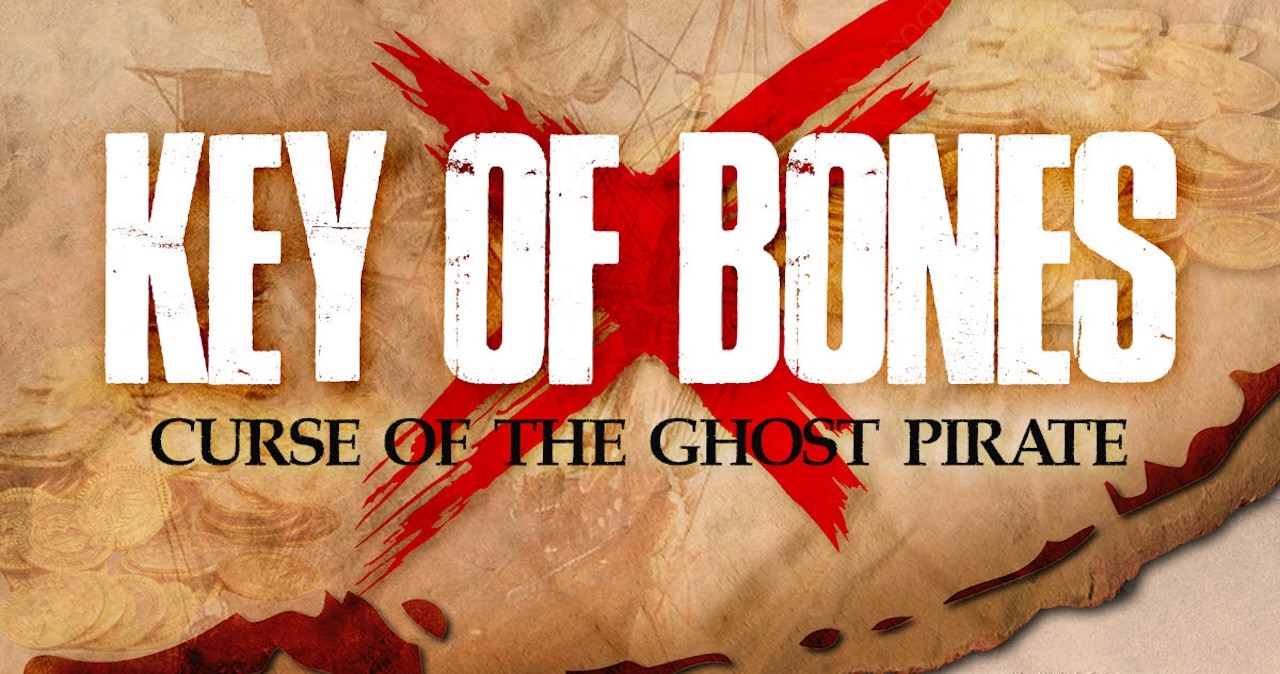
iHorror is making a horror-comedy called Key of Bones: Curse of the Ghost Pirate, filmed entirely on location in Key West. Not as a backdrop. In Key West specifically, because Key West is not actually paradise. It just looks like it.
News
Thinestra Review: Almost as Sharp as It Thinks It Is
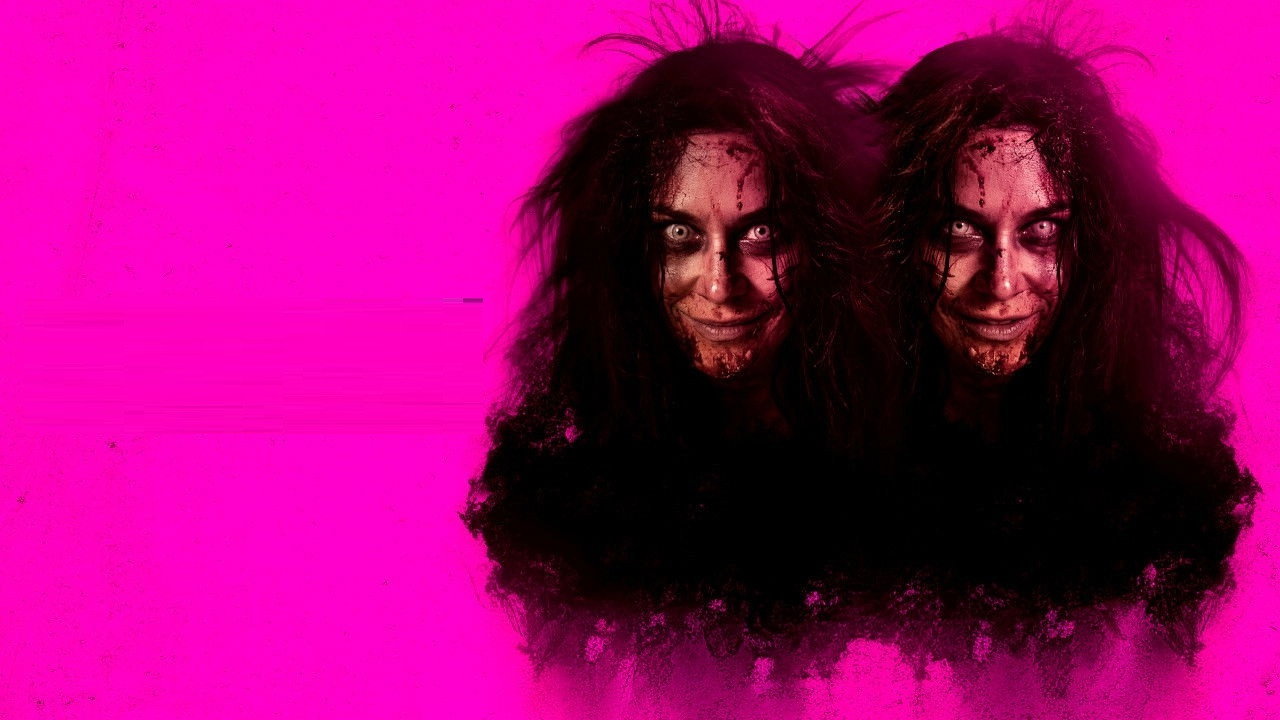
No one would blame you for looking at Thinestra and thinking, “oh, it’s The Substance again.” Both films use an underexplained beauty product as a way to navigate how women are treated in entertainment and the pressure to always be beautiful. While The Substance goes after how women are treated in front of the camera, Thinestra gives us a glimpse behind the scenes.
It has things to say. Whether it says them clearly is a different question.
Meet Penny
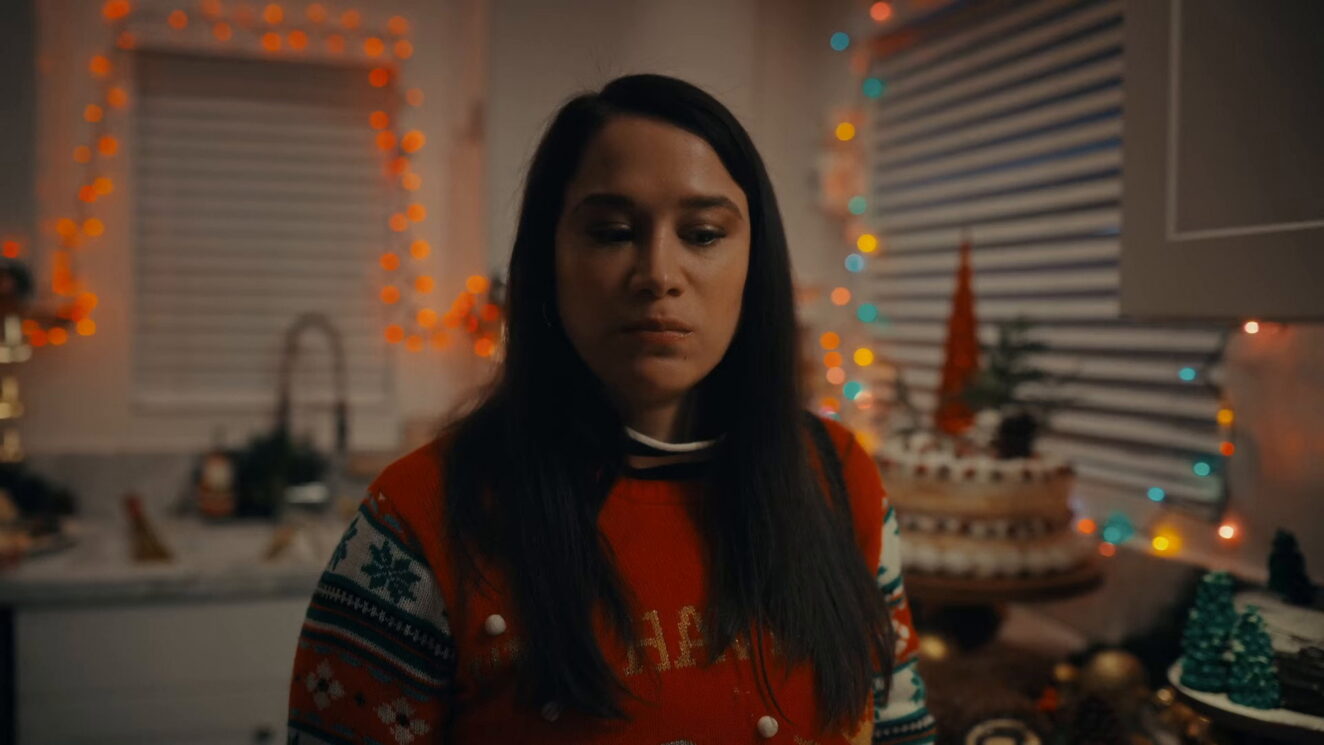
Our protagonist is Penny, a young visual editor played by Michelle Macedo. Specifically, she edits the photos of paper thin models. She is surrounded by perfection all day and none of it is hers. After asking one of the models what it feels like to be perfect, she is handed a mystery pill with no explanation.
Something in the Ozempic family, as the film frames it, which is a good choice given that we are living through a cultural moment where weight loss drugs are reshaping beauty standards in real time. After struggling with her size for a bit, Penny pops the thing and waits to see what happens. You know, normal Tuesday activity.
What happens is that the weight she loses comes back. As her. Penelope, played by Michelle’s actual identical twin, Melissa Macedo, shows up as the ravenous doppelganger Penny just shed. The twin casting is not a gimmick. It is the smartest thing the film does. There is something genuinely uncanny about watching two identical people share a frame when one of them is supposed to be the literal embodiment of everything the other one is running from.
All of this plays out against a sweltering Los Angeles Christmas, which is its own kind of horror.
The Good Stuff
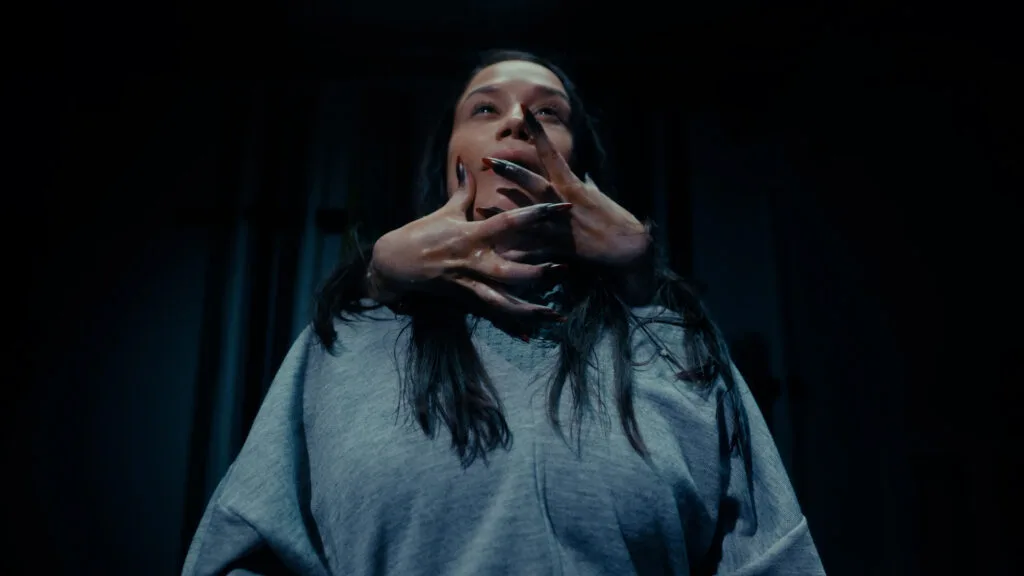
The first thing that comes to mind when watching Thinestra is odd. This is not a derogatory remark. Odd is always good in horror. The film features a toilet twin, a donut chamber, and a surprising amount of evil food. All of these things work beautifully for the comedy side of the film. Director Nathan Hertz has a clear vision for the film’s more absurdist moments and those moments land.
Hertz has said in press materials that “Penelope is not the villain. She is the symptom. The real antagonist is the voice in Penny’s head that tells her she is not enough.” That is a genuinely good thesis. The film knows what it is trying to do. Whether it follows through is the issue.
Where It Falls Apart
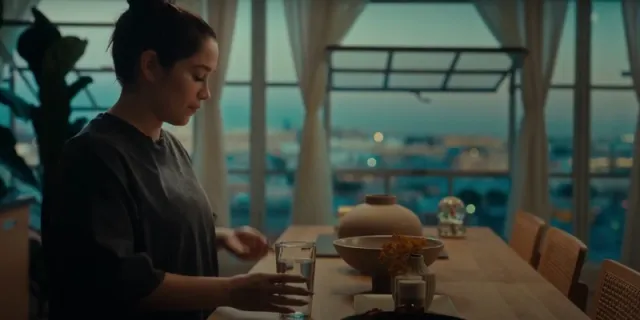
Thinestra never finds its balance between drama and comedy. Some scenes are over the top silly while others go immediately deadpan. The film is engaged in a kind of tonal whiplash that makes it difficult to stay invested in what is actually happening to Penny on an emotional level. You get pulled out right when you should be pulled in.
The special effects have the same problem. The donut dungeon looks disgusting and wonderfully delicious all at once, and it works. Some of the body horror effects do not hold up as well. It is worth noting that this is an indie production and budget has a lot to do with that. But the inconsistency is still noticeable in a way that undercuts the scarier moments.
The Bigger Picture
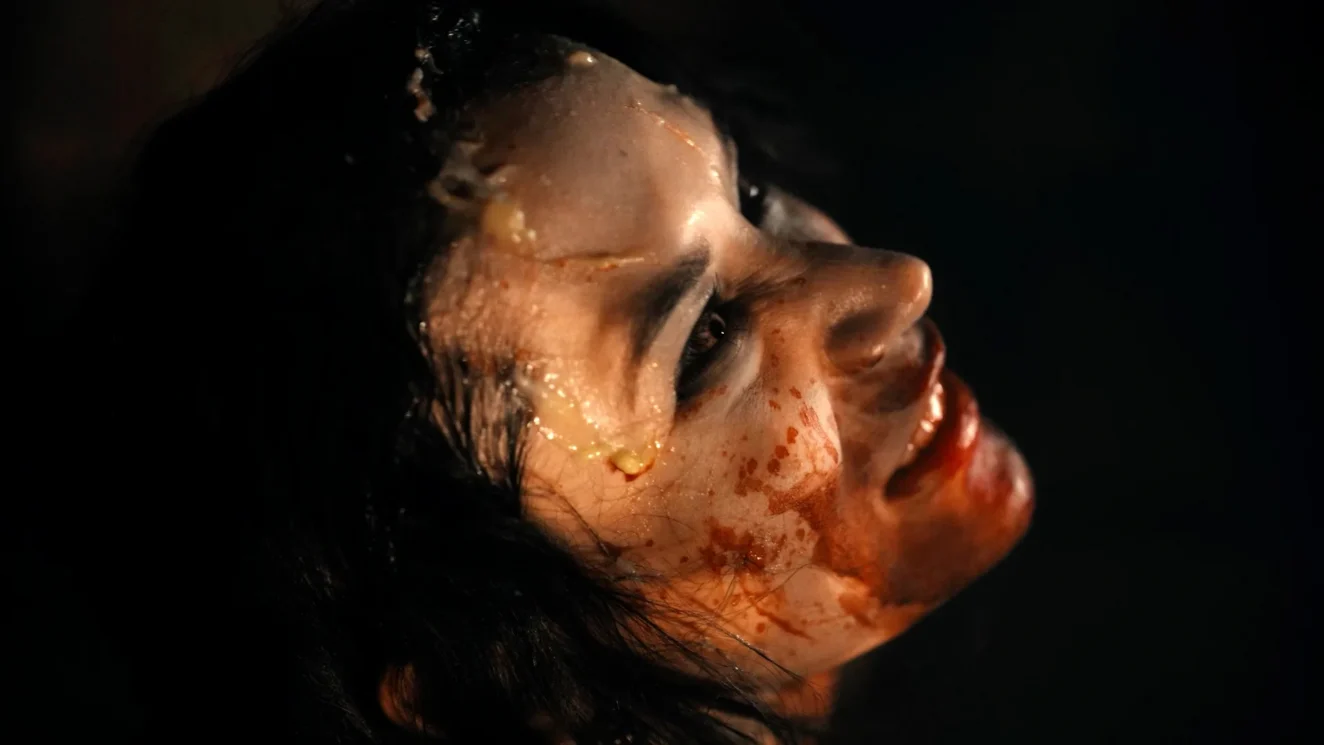
Thinestra comes from a long line of feminist body horror, and it genuinely tries to tackle heavy subjects. The Ozempic framing is timely in a way that The Ugly Stepsister and The Substance were not quite working with, and that specificity gives the film a sharp cultural edge when it leans into it. The problem is that it does not always lean into it. It gets distracted by its own weirdness, which is charming, but removes the atmosphere that would make the horror actually hurt.
This is not a bad film. Thinestra is funny, gross, and imaginative in ways most Hollywood films are not. It took home the VORTEX Sci-Fi, Fantasy and Horror Award Grand Prize on the festival circuit and screened at Sitges, Raindance, and Screamfest, among others. There is real craft here and real ambition.
But in a genre that is currently producing work as precise as The Ugly Stepsister and as unrelenting as The Substance, Thinestra does not quite make its impression. It has the right ingredients. It just needed a longer cook time.
Where to Watch
Thinestra is streaming now via Breaking Glass Pictures.


Certified Creepy: 10 Underrated Horror Movies Critics Actually Loved

Leslie Vernon Is Coming Back and We Are Not Calm About It

Alien Watch Order and Complete Lore Guide: Yes, Jesus Is Involved

‘Colony’ Trailer Reveals New Zombie Film from ‘Train to Busan’ Director as Original Returns to Theaters

Chucky Is Going Back to Theaters, and Don Mancini Says It’s Going to Be Scary Again

EXCLUSIVE: The ‘Live! with the Other Side’ Trailer Dropped and the Dead Have a Lot to Say

The Crypt Keeper Is Coming Home. Tales From the Crypt Begins Streaming On Shudder

The Book That Wouldn’t Let Me Go: ‘Interview with the Vampire’ Turns 50

5 Horror & Thriller Films Premiering at Cannes 2026

7 Horror Movies That Are ‘Elm Street’ Adjacent

7 Horror and Mystery Films That Explore Jack the Ripper

This Week in Horror: CinemaCon Delivered, Nicolas Cage Is Coming Back, and Someone Let Ti West Near a Christmas Story

‘Behind The Mask’ is a Love Letter to Slashers

The Dark Side of Paradise: Why Tropical Horror Hits Different

Thinestra Review: Almost as Sharp as It Thinks It Is

Sacrificios Review: Some Miracles Have a Price Tag
7 Horror and Mystery Films That Explore Jack the Ripper
Chucky Is Going Back to Theaters, and Don Mancini Says It’s Going to Be Scary Again

‘Speed Demon’ Acquired by Maverick Film & Complex Corp Ahead of May Release

Universal Fan Fest Nights Brings New Fandom Experiences to Universal Studios Hollywood!
EXCLUSIVE: The ‘Live! with the Other Side’ Trailer Dropped and the Dead Have a Lot to Say
5 Horror & Thriller Films Premiering at Cannes 2026
-
 News6 days ago
‘Colony’ Trailer Reveals New Zombie Film from ‘Train to Busan’ Director as Original Returns to Theaters
-
 News4 days ago
Chucky Is Going Back to Theaters, and Don Mancini Says It’s Going to Be Scary Again
-
 News5 days ago
EXCLUSIVE: The ‘Live! with the Other Side’ Trailer Dropped and the Dead Have a Lot to Say
-
 News5 days ago
The Crypt Keeper Is Coming Home. Tales From the Crypt Begins Streaming On Shudder
-
 Books7 days ago
The Book That Wouldn’t Let Me Go: ‘Interview with the Vampire’ Turns 50
-
 Movies5 days ago
5 Horror & Thriller Films Premiering at Cannes 2026
-
 Lists6 days ago
7 Horror Movies That Are ‘Elm Street’ Adjacent
-
 Lists4 days ago
7 Horror and Mystery Films That Explore Jack the Ripper
You must be logged in to post a comment Login