News
Blood in the Snow: Why Is Christmas So Haunted?
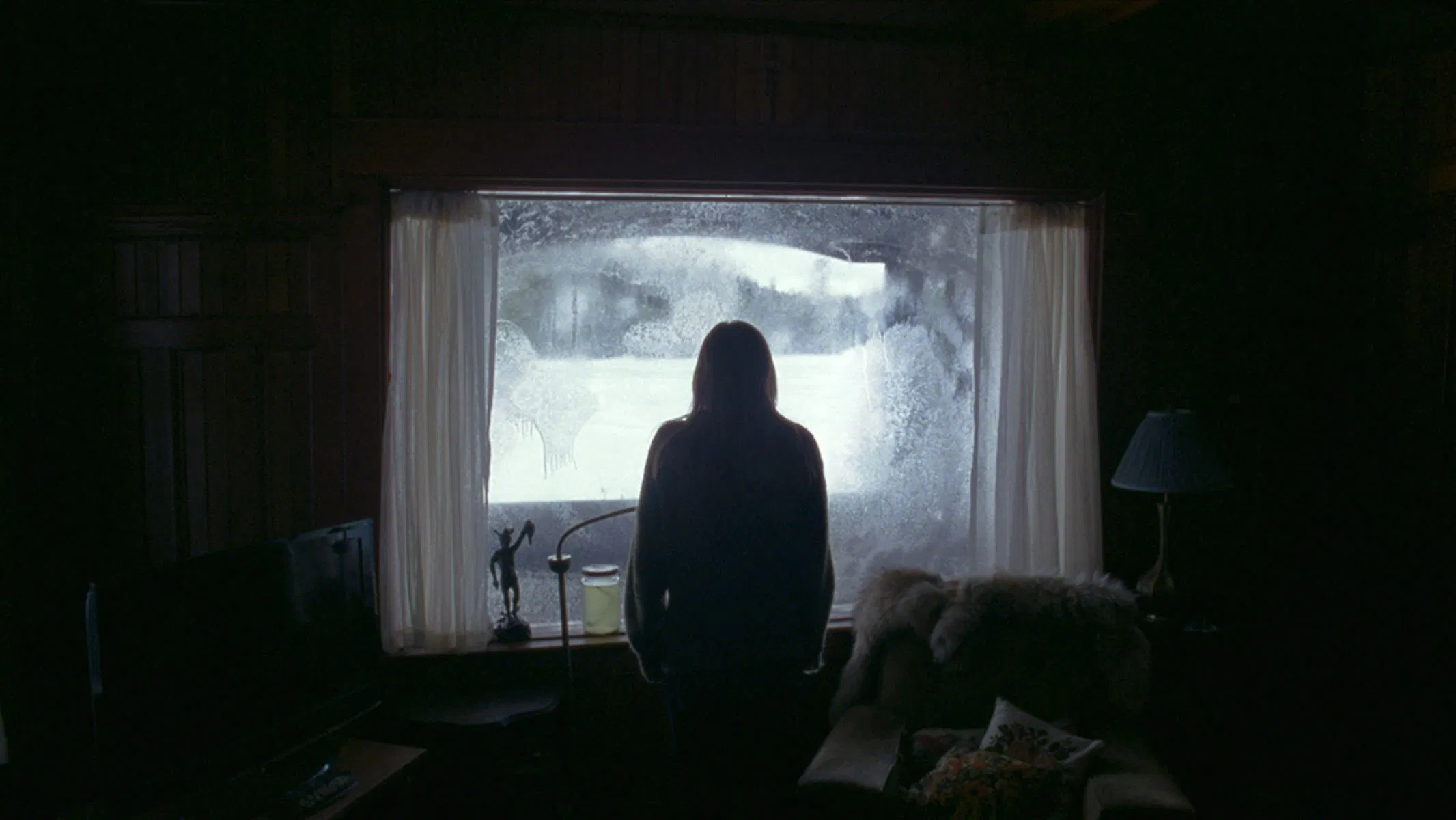
Christmas may be the most wonderful time of the year, but the season also holds some dark secrets in the shadows. While Christmas is now mostly associated with an abundance of Amazon boxes, forced family get-togethers, and baked goods, there was a time when the season represented the dangers of icy weather. Christmas may be well lit and paved now, but once upon a time, it was the season of darkness and death.
The Dark Side of Winter

Let’s start with the obvious: winter is bleak. The days are short, the nights are long, and everything is covered in ice and snow. For much of history, winter was a season spent trapped indoors. Families would huddle together and hope their rations would see them safely to spring. The outside world would become dark and desolate, not even the furry creatures dare to embark out in the winter’s snow.
Ancient Traditions

Christmas, as we know it, is a relatively recent invention. But the winter solstice has been celebrated for centuries, often with pagan rituals and beliefs. Eventually, these beliefs would blend with early Christian traditions and German folklore, eventually becoming the Coca-Cola themed wonderland we all love to this day.
This is why we have the tradition of telling ghost stories around the fire on Christmas Eve. Each culture that celebrated the solstice left its mark on Christmas. However, most of these traditions did not come from a family-friendly place. This can be easily seen in the rise of Krampus horror films. These customs warned of the dangers of the season and why it is important to respect the traditions of those who survived.
The Ghosts of Christmas Past

This one should be pretty obvious. The most popular Christmas story ever told is still Charles Dickens‘ A Christmas Carol. Now, my favorite version of this will always be The Muppet’s Christmas Carol, but if you watch an adaptation a little closer to the book, it can be downright horrifying.
The story covers the morality of Christmas and greed. It shows us that it is important to use the season as a time to give and reconnect with our communities. The Ghost of Christmas Future warns us of the dangers of greed and isolation and tells us not to focus on monetary gains but instead to help the sick children of the world. Thankfully, with Dickens’ tale, the world avoided an over-monetized, commercial-driven holiday that equates present cost with love held.
So, Is Christmas Actually Haunted?
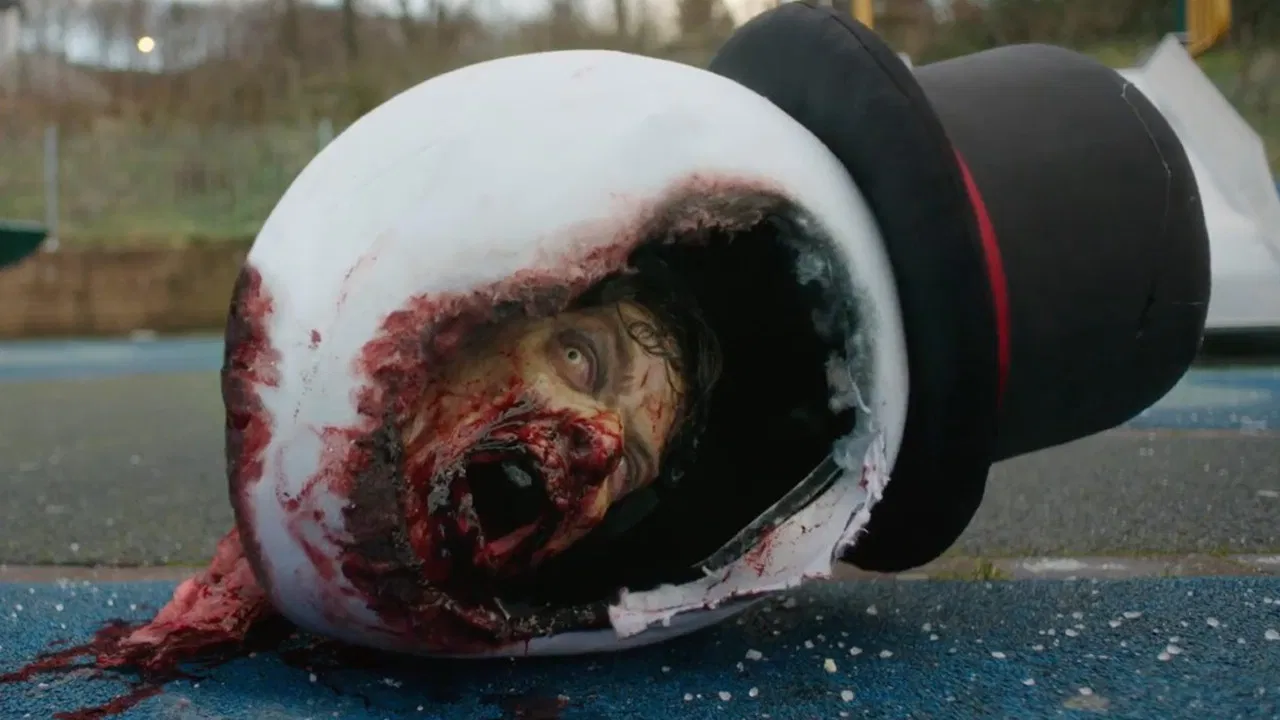
Maybe “haunted” isn’t exactly the right word. But here’s the thing: Christmas is a time of heightened emotion, of intense family gatherings, and of confronting both the good and the bad from the past year. All those things create an atmosphere that’s ripe for storytelling, and horror is just one way to explore that.
Whether it’s through ghost stories, monster movies, or just a general sense of unease, horror is an integral part of the Christmas experience, a way to acknowledge the darkness while still celebrating the light. It reminds us that even in the midst of joy and celebration, there’s always a little bit of shadow lurking just around the corner.



News
ShoStak Opens the Door for Filmmakers to Build and Own Their Stories
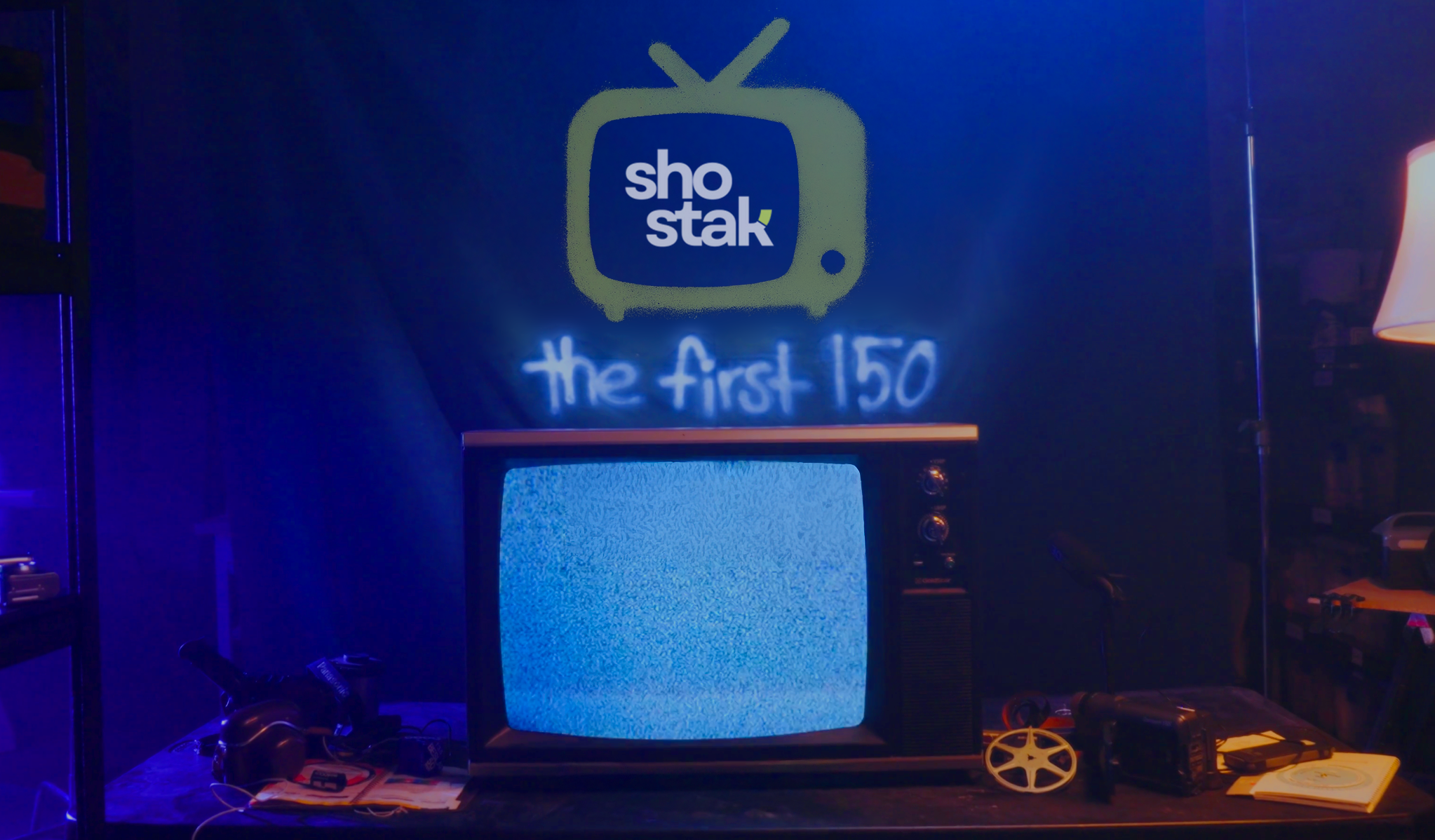
A new player is stepping into the space, but ShoStak is making one thing clear right away.
It is not trying to be the next Netflix. It is not chasing TikTok.
“Cinema does not need another platform. It needs a new model.”
That idea sits at the core of what ShoStak is building. Not just a place to watch content, but a system where creators and audiences connect in a way that feels very different from what we are used to.
The First 150 Competition Is Already Underway
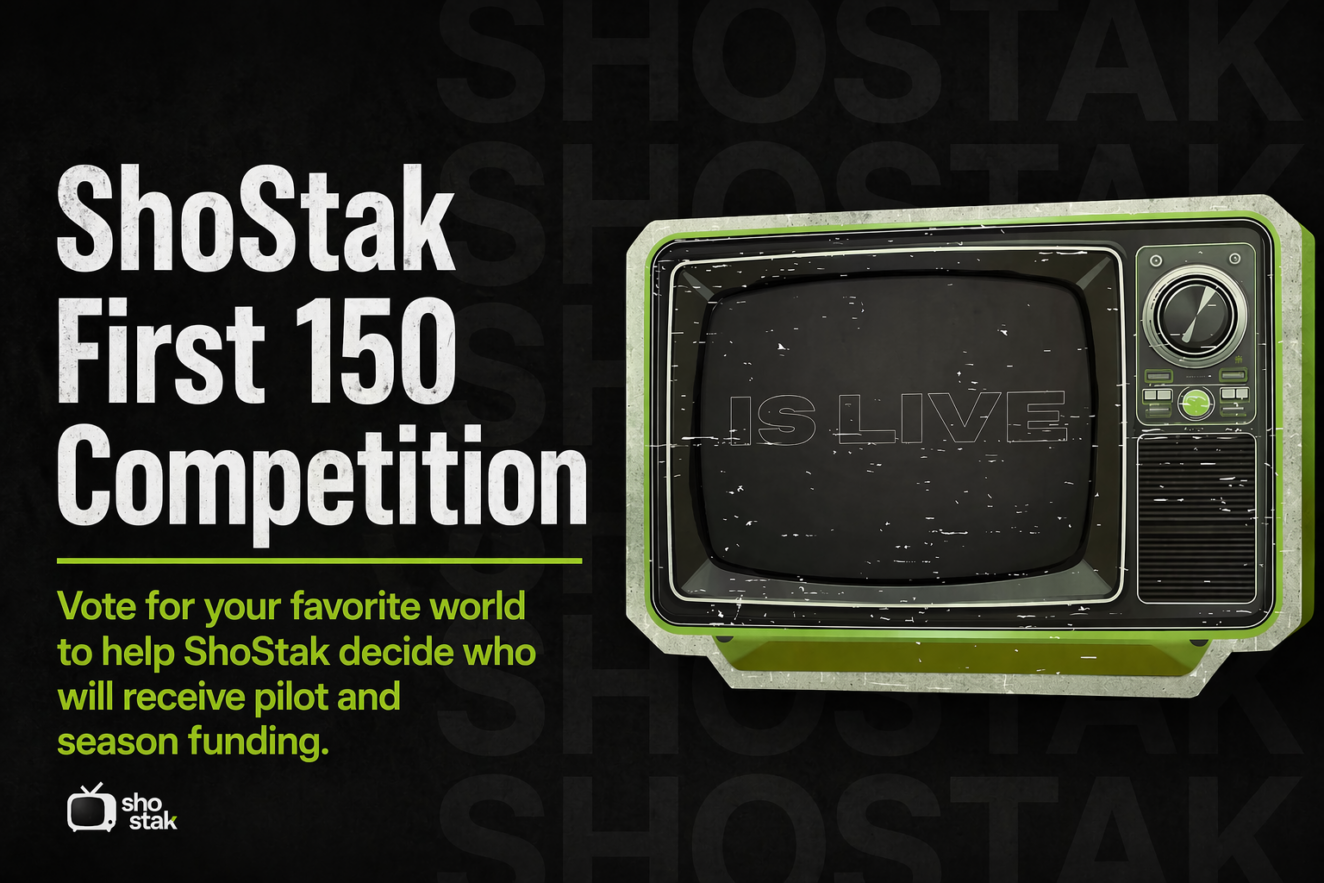
ShoStak is kicking things off with its First 150 Competition, giving filmmakers a chance to present their story worlds and compete for the opportunity to move into production.
Projects are introduced as series concepts or pilots, then advance through multiple stages. Audience voting plays a role, but it is only part of the process.
Selections are ultimately shaped by a mix of audience engagement, creative execution, and overall project readiness. It is not just about popularity. It is about building something that can actually move forward.
For creators, it is a rare chance to get in front of both an audience and a structured development path at the same time.
One Platform, Built Around a New Model
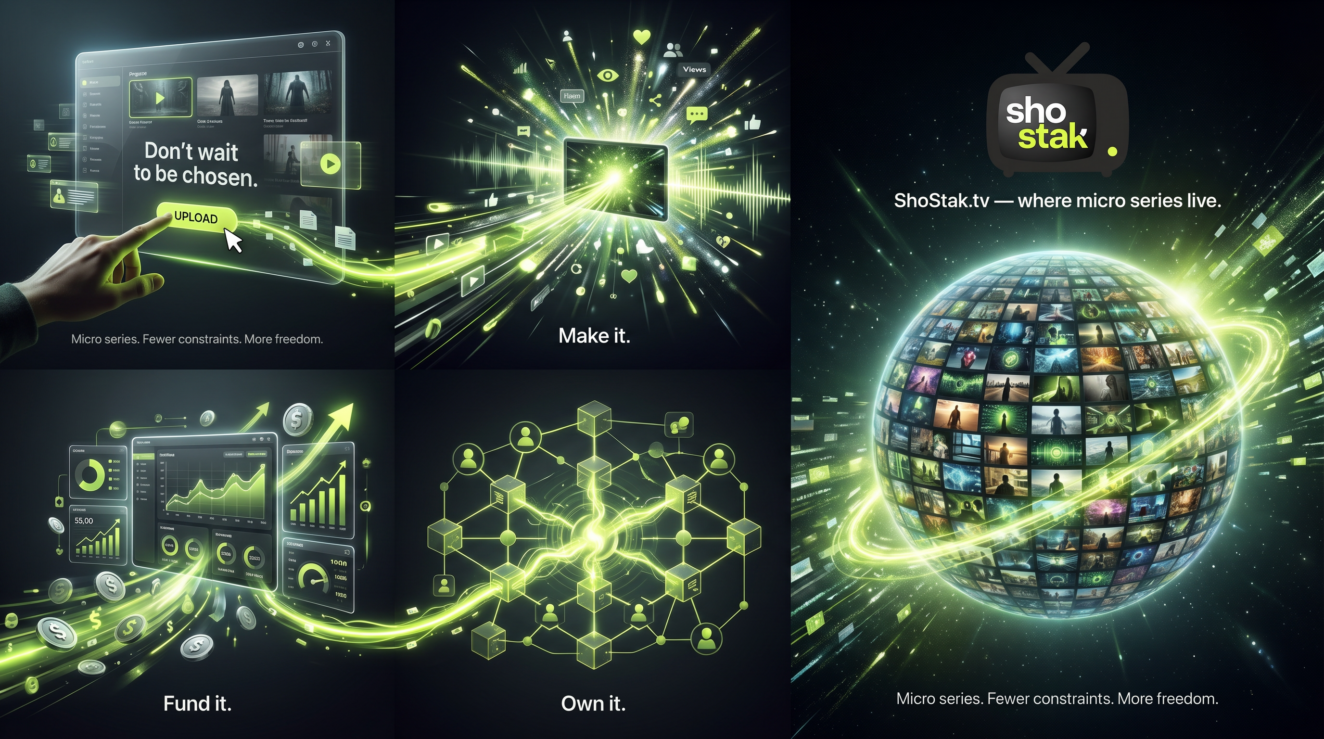
Everything now lives under ShoStak.tv, where both creators and audiences come together.
Creators can sign up, develop their projects, and begin building their audience. Viewers can discover new series, follow story worlds, and engage with projects as they evolve.
ShoStak describes this as a cinematic ecosystem. Stories are not treated as disposable content designed to spike and disappear. They are built to grow over time.
And that growth happens in public.
Ownership Without Losing Structure
One of ShoStak’s core ideas is giving creators more control over what they build.
Filmmakers are positioned to:
- Retain ownership of their intellectual property
- Build direct relationships with their audience
- Grow projects based on real engagement
At the same time, this is not a free-for-all.
There is still structure. Projects are evaluated, developed, and refined through a process that blends audience input with creative and strategic decision-making.
Instead of removing the system entirely, ShoStak is reshaping how creators move through it.
Development Happens in Public
This is where things start to separate from the traditional model.
Instead of developing behind closed doors, ShoStak allows projects to evolve in front of an audience.
Creators introduce their ideas, build a following, and expand their worlds over time. As engagement grows, so does the project.
It is less about waiting for approval and more about proving momentum.
Over time, that turns the platform into something larger than a development program. It becomes an open ecosystem where creators and audiences push stories forward together.

More Than Just Testing Ideas
Micro-series are a big part of ShoStak’s approach, but they are not just a testing ground.
They can be the final product.
The format allows creators to:
- Tell complete stories in shorter form
- Build long-term story worlds
- Expand into larger projects when it makes sense
It is not about proving an idea and moving on. It is about giving that idea room to grow in whatever direction fits.
Why This Matters for Horror
Horror has always thrived outside the system.
Some of the most memorable films in the genre came from creators taking risks, working with limited resources, and finding their audience without waiting for permission.
ShoStak’s model fits naturally into that mindset.
It gives horror creators a space to:
- Build original story worlds
- Connect directly with fans
- Grow projects without losing control
And with early content like Civilian and Liminal already rolling out, it is clear the platform is aiming for more than just quick-hit content.
A Different Path Forward
ShoStak is not trying to compete by doing the same thing better.
It is trying to change how stories are created, developed, and sustained.
By combining creator ownership, audience engagement, and a structured development path, it offers something that feels closer to a creative ecosystem than a traditional platform.
Whether it works long-term is still unknown.
But for filmmakers looking for a new way in, it is opening a door that has been closed for a long time.
News
The Clayface Teaser Just Made October Feel Very Far Away
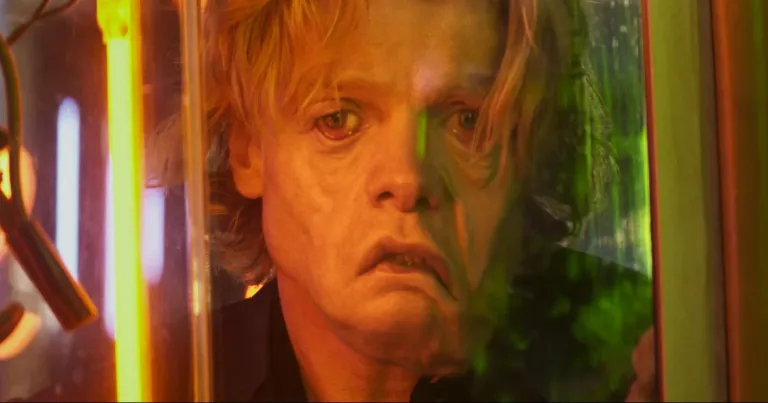
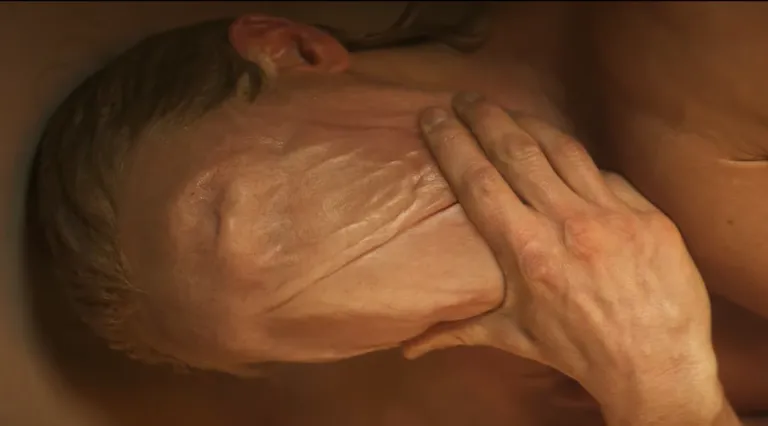
Clayface is a character whose face changes. Or rather, he is a man whose body can transform into whatever is required in the moment. He primarily uses this skill to land acting jobs and murder people. Fun Guy.
Tom Rhys Harries plays Matt Hagen, an actor whose face gets destroyed in a gangster attack. Naomi Ackie is the scientist who hands him something that fixes the problem by making it considerably worse. Bandages. Blood. Then a face that begins to melt. You know where this ends.
Who Made This
The director is James Watkins, who made Speak No Evil in 2024 and before that Eden Lake, which is one of the more quietly devastating horror films of the last twenty years. Watkins does not make comfortable films. He makes films that stay in the room with you after you leave the theater and this one is about a DC villain whose body does not hold its shape anymore.
The script is from Mike Flanagan and Hossein Amini. Flanagan built the language of prestige horror television with The Haunting of Hill House and Midnight Mass before moving back into features with The Life of Chuck. He writes characters who are being destroyed from the inside and the outside simultaneously.
The October Play
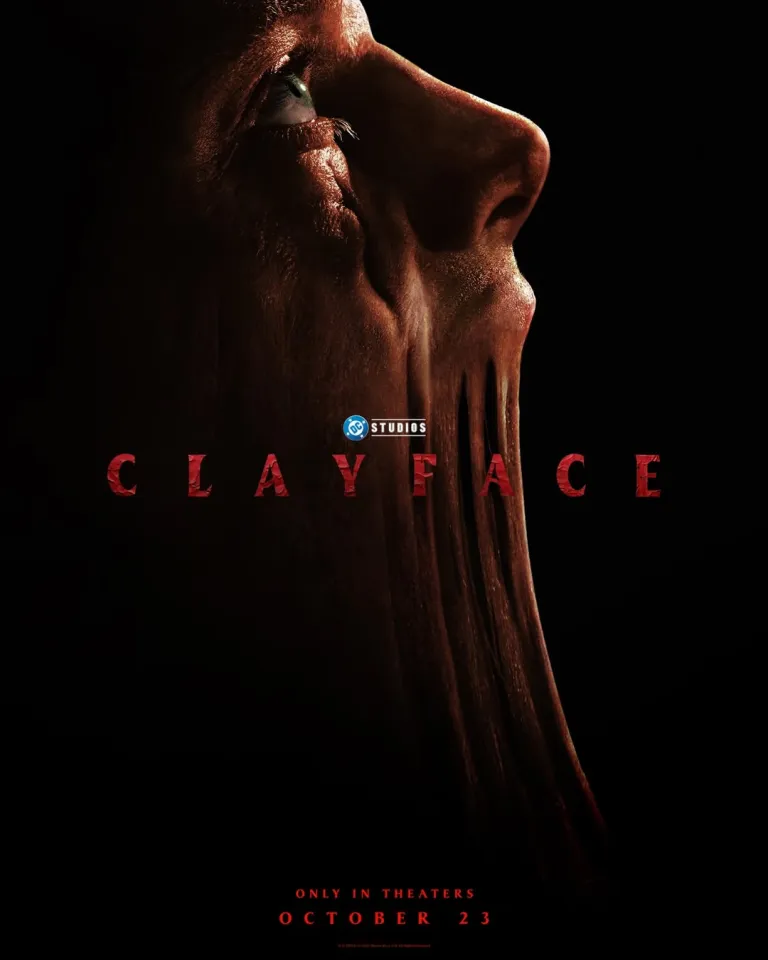
Clayface opens October 23, which puts it squarely in Halloween season and makes it the first DC film that actually belongs there. The project is likely rated R. The trailer confirms why.
There is a face melting off.
Watch the teaser. Then clear your calendar for October 23.
News
‘Behind the Mask 2’ Slays Kickstarter
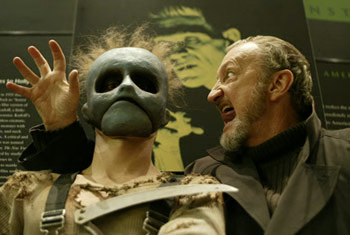
If you are hardwired into the horror community there is no doubt you heard the gasp around the internet earlier this month when Behind the Mask II: The Return of Leslie Vernon was announced. The announcement of the long anticipated sequel came at a screening of the original at American Cinematheque in Los Angeles.
That same evening we also learned that Behind the Mask’s director Scott Glosserman as well as writer David J. Stieve will be returning to the film. Furthermore, cast members Nathan Baesel, Angela Goethals, and Robert Englund will be reprising their roles from the original.
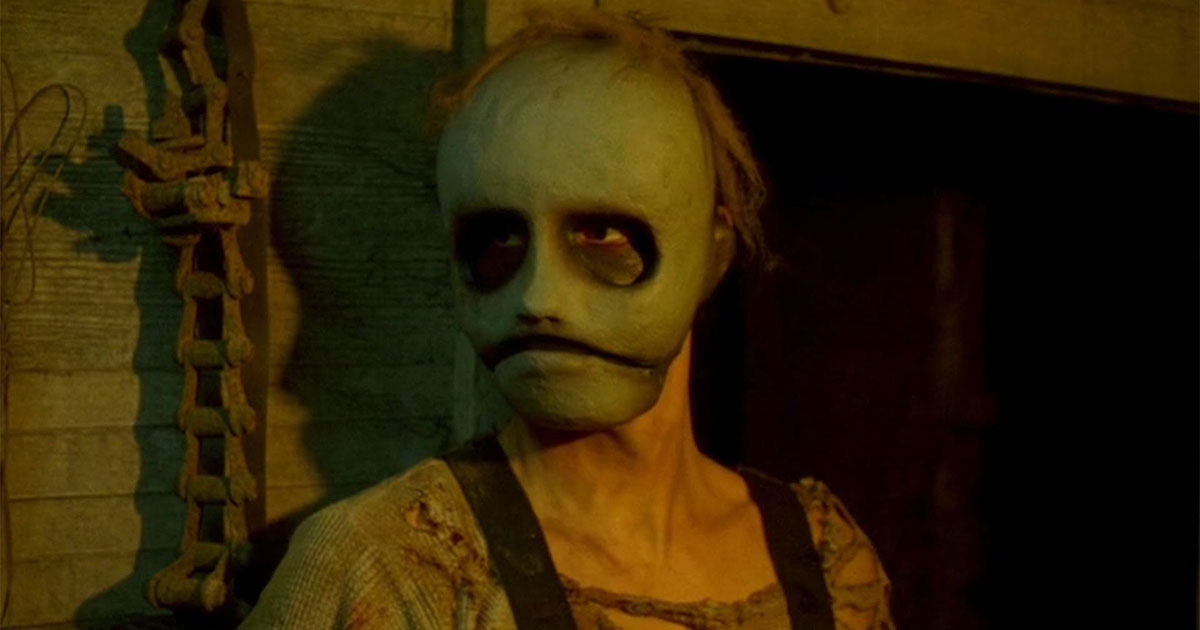
A Kick into Overdrive
While the sequel is happening one way or another, a Kickstarter campaign was established. The money pledged would allow the filmmakers to create a movie that goes above and beyond their original budget.
As the campaign’s page states;
“The film is happening, that’s no-take-backs. If we hit these goals, it makes it possible to do it bigger, bloodier, and bolder.”
The campaign goes on, saying;
“This is not a “save the movie” campaign. The movie is happening. Kickstarter is how we make it our way. “
Roughly two weeks after the sequel’s announcement, the campaign launched with a modest day one goal of $20,000. To say that fans crushed this number is an understatement. In 9 minutes they reached their goal. In less than 24 hours the amount of backers climbed to over 300, and the pledges donated totaled more than $100,000!
Get to the Good Stuff!
For pledging, the moviemakers have included incentives that are truly in line with what the horror community wants.
The rewards begin at $25 with a digital streaming link of Behind the Mask II: The Return of Leslie Vernon. Tiers continue on as the pledge amounts increase. T-shirts, posters, Blu Rays and scripts are just some of the middle tier goodies. The larger donation amounts are rewarded with on screen “Special Thank You”s and various producer credits.
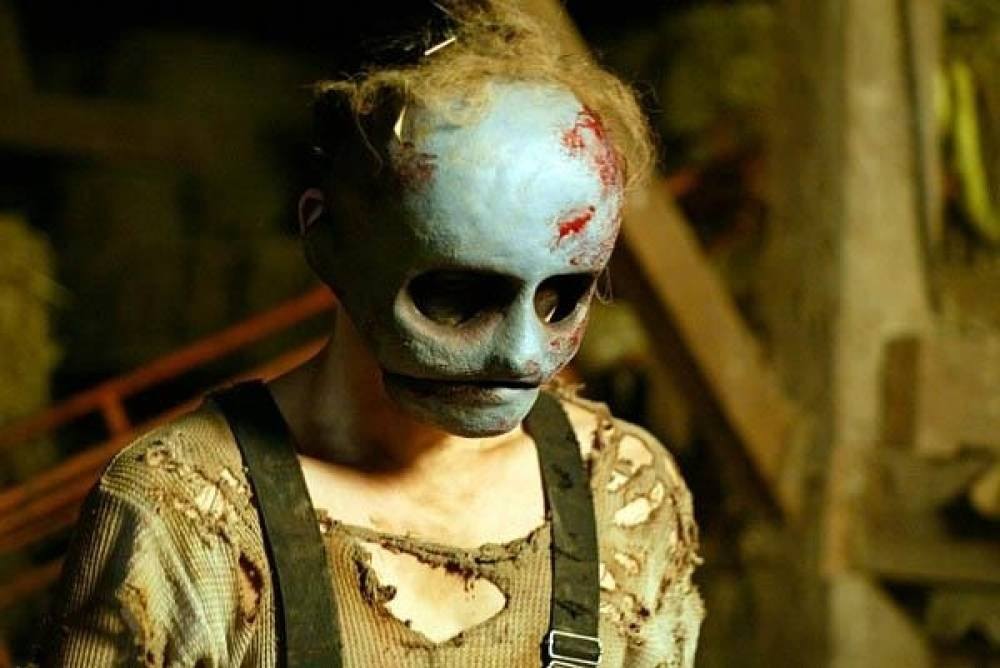
It is the ‘Exclusive Add Ons’ where things get really interesting. Once a backer has already pledged, they can add on additional perks. These additions include
“accessories, autographs, props, and truly unique, fan forward in-person experiences… all intended to complement your chosen reward tier!”
One of the unique add on perks includes VHS tapes of the original Behind the Mask or the sequel, your choice! Given the fact the first movie was created right on the heels of when VHS was truly dead, older horror fans will especially find this perk an exciting addition to their vintage collection.
The reward add-ons also have the horror prop collectors in mind. You can purchase Leslie Vernon’s weapon of choice, a scythe, as well as his mask. Both of these are signed by actor Nathan Baesel.
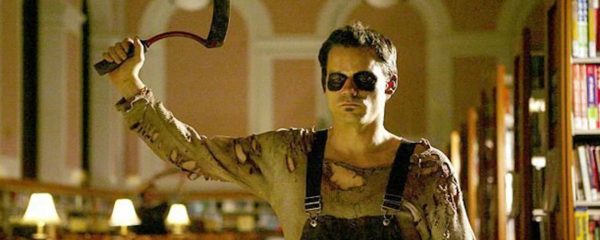
For more personal experiences, you can add on a visit to the Behind the Mask II set during filming! You can also choose a cast and crew screening in LA or New York, complete with an after party. Finally, for the crème de la crème; you can be killed onscreen by Leslie Vernon himself!
Powered by the Fans
Behind the Mask II: The Return of Leslie Vernon is the little slasher movie that could!
For two decades the creators tried to find ways to make Leslie’s legacy continue. A failed first Kickstarter, rumors, teases, and false starts all led to the delay of a dream.
For twenty years the movie’s cult gathering slowly formed, cultivated, and grew louder and louder. Too loud to be ignored.
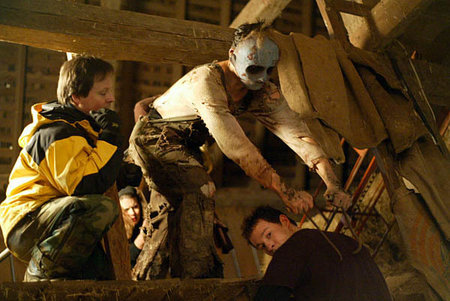
As soon as the campaign went live, horror fans donated their hard earned money. And let’s face it; we are currently living in a time where the dollar doesn’t stretch as far. The fact that the long awaited sequel gained so much traction and backing, so quickly, really demonstrates the community’s love, support, and anticipation for Behind the Mask II: The Return of Leslie Vernon.
It looks like Leslie Vernon will finally be returning!

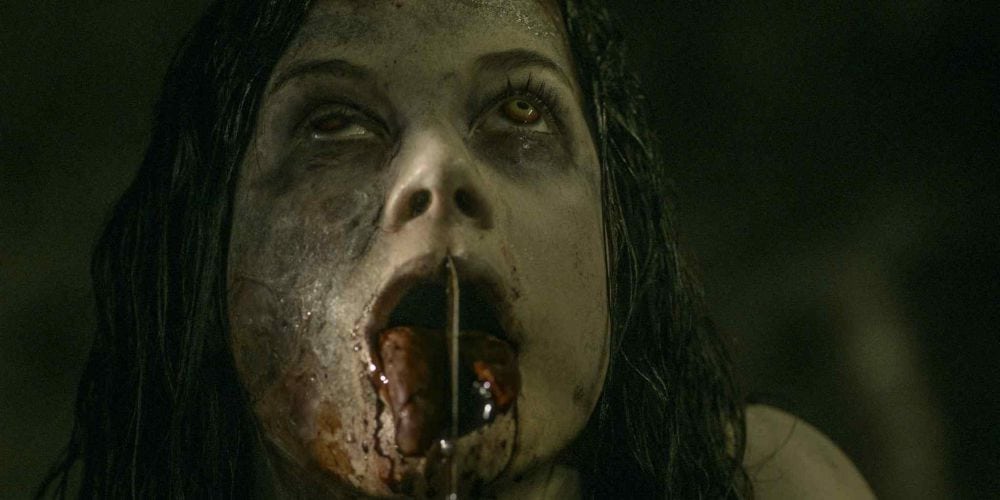
The Evil Dead Burn Trailer Is Here and It Is Everything

This Week in Horror: CinemaCon Delivered, Nicolas Cage Is Coming Back, and Someone Let Ti West Near a Christmas Story

Chucky Is Going Back to Theaters, and Don Mancini Says It’s Going to Be Scary Again

The Crypt Keeper Is Coming Home. Tales From the Crypt Begins Streaming On Shudder

EXCLUSIVE: The ‘Live! with the Other Side’ Trailer Dropped and the Dead Have a Lot to Say

7 Horror and Mystery Films That Explore Jack the Ripper

The Practical Magic 2 Teaser Trailer Is Finally Here

5 Horror & Thriller Films Premiering at Cannes 2026

The Evil Dead Universe Now Includes a Mummy Film

10 Horror, Thriller, and True Crime Series to Watch This Spring

Sacrificios Review: Some Miracles Have a Price Tag

Samara Weaving and Kyle Gallner Star in Romantic Crime Thriller ‘Carolina Caroline’ [Trailer]

ShoStak Opens the Door for Filmmakers to Build and Own Their Stories

The Clayface Teaser Just Made October Feel Very Far Away

‘Behind the Mask 2’ Slays Kickstarter

The Best Possible Person Is Directing A24’s Texas Chainsaw Massacre

“It’s My Era. I’m a Rockstar Now.” The Official ‘The Vampire Lestat’ Trailer Is Here

ITCH Is the Outbreak Film That Actually Gets Under Your Skin
The Evil Dead Burn Trailer Is Here and It Is Everything
The Evil Dead Universe Now Includes a Mummy Film
The Practical Magic 2 Teaser Trailer Is Finally Here

The HUNGRY Red Band Trailer Is Here and We Need to Stop Laughing at the Hippo
-
News2 days ago
The Evil Dead Burn Trailer Is Here and It Is Everything
-
 News6 days ago
This Week in Horror: CinemaCon Delivered, Nicolas Cage Is Coming Back, and Someone Let Ti West Near a Christmas Story
-
 News3 days ago
The Practical Magic 2 Teaser Trailer Is Finally Here
-
 News3 days ago
The Evil Dead Universe Now Includes a Mummy Film
-
 Lists4 days ago
10 Horror, Thriller, and True Crime Series to Watch This Spring
-
 News3 days ago
The HUNGRY Red Band Trailer Is Here and We Need to Stop Laughing at the Hippo
-
 Editorial6 days ago
‘Behind The Mask’ is a Love Letter to Slashers
-
 Trailers1 day ago
“It’s My Era. I’m a Rockstar Now.” The Official ‘The Vampire Lestat’ Trailer Is Here
You must be logged in to post a comment Login