News
Spring Cleaning: 5 Body Horror Films for the Shedding Season
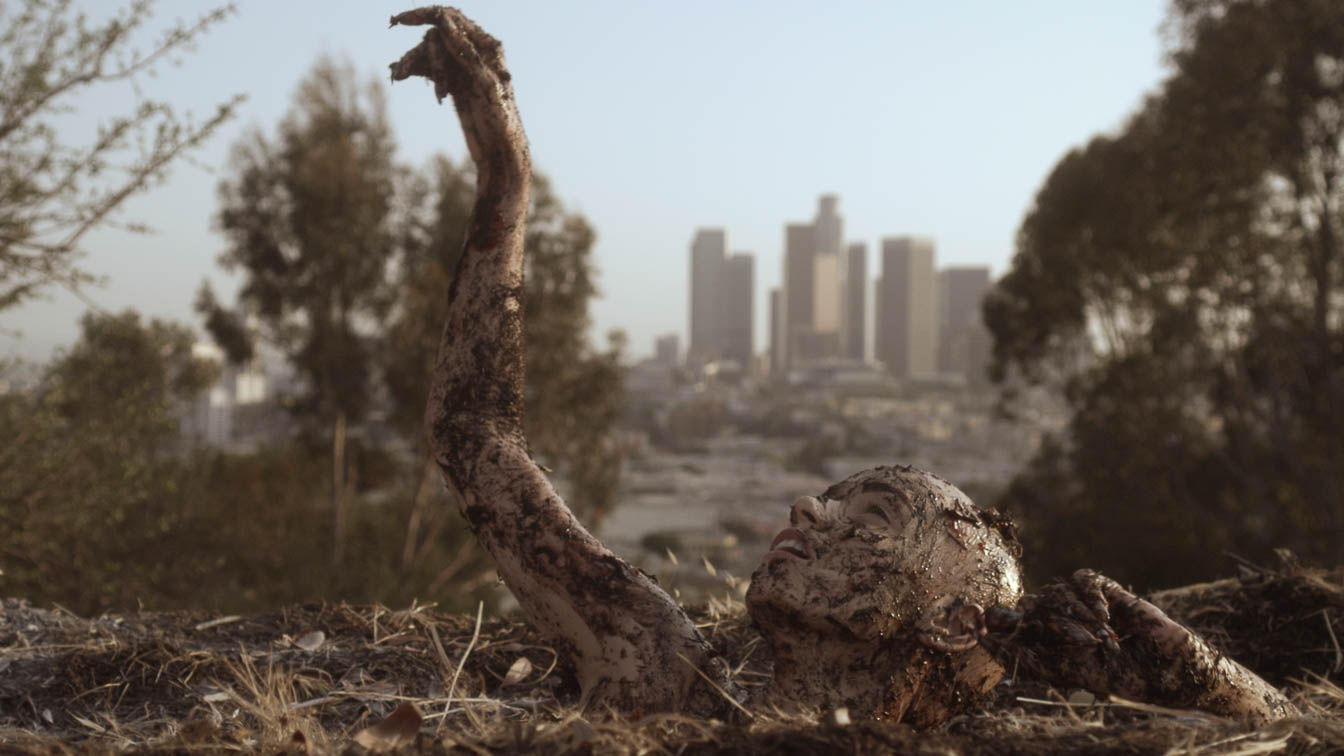
Spring is a lie we tell ourselves. Yes, the flowers are blooming. Yes, the sun is out a little longer. Yes, everyone on your Instagram is posting about “fresh starts” and “new chapters” while reorganizing their closets and pressure-washing their driveways.
But here’s what spring actually is. A season of violent, involuntary transformation. Animals shed their coats. Insects split their own exoskeletons open to become something else entirely. Trees essentially die and claw their way back. Nature doesn’t “refresh”. It molts, convulses, and ruptures into something new.
Body horror gets that. Body horror has always gotten that.
So put down your lavender-scented cleaning spray, horror fans. Here are five films that understand spring for what it really is. A season of shedding, whether you’re ready for it or not.
1. The Substance

If you haven’t seen Coralie Fargeat’s Oscar-nominated nightmare fuel yet, what are you even doing. The Substance follows Elisabeth Sparkle, a fading TV star who injects herself with a black-market serum that generates a younger, “better” version of herself. One who promptly starts stealing her life. The premise sounds like a wellness influencer’s fever dream, and that’s entirely the point.
What makes this film perfect for spring is how it weaponizes the cultural pressure to constantly renew yourself. Peel off the old skin. Emerge shinier. Be better. The film takes that metaphor and runs it through a meat grinder, arriving at one of the most gloriously unhinged third acts in recent horror history. This is what “glow-up culture” looks like with the mask ripped off. Unfortunately, the mask takes a lot of other things with it.
Watch it if: You’ve ever opened a “new year, new me” app and felt vaguely sick about it.
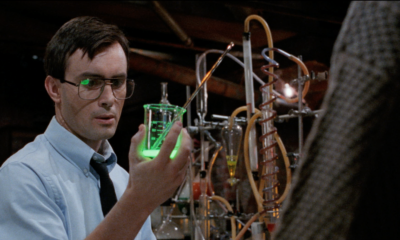
2. The Fly

Cronenberg’s masterpiece remains the gold standard for a reason. Jeff Goldblum’s Seth Brundle doesn’t just transform. He watches himself losing pieces he didn’t even know he was attached to until they were already gone. Fingernails. Teeth. The basic social contract.
The shedding in The Fly is insidious because it masquerades as improvement at first. Brundle gets stronger, faster, more energetic. Spring cleaned and upgraded. Then the ears start going. It’s a film about the terror of metamorphosis when you didn’t sign up for what you’re becoming. Goldblum plays every stage of it with a kind of devastating self-awareness that makes it impossible not to watch. This is body horror that breaks your heart and your stomach, and four decades later it still does both.
Watch it if: You’ve ever convinced yourself a bad change was actually growth, until it wasn’t.
3. Cabin Fever

Look, nobody said spring cleaning was dignified.
Eli Roth’s grubby little debut is the flesh-eating virus film that launched a thousand vomit bags. The spring break setting is doing a lot of thematic heavy lifting that people tend to overlook because they’re too busy watching skin detach from a razor. A group of college kids head into the woods to celebrate the end of something and the beginning of something else.
The classic liminal horror setup. What they find instead is a disease that quite literally dissolves the container they’ve been living in their whole lives.
The infamous leg-shaving scene alone earns this film a permanent spot on the “shedding season” list. You’ll never look at smooth skin the same way again. Or spring break. Or cabins. Or razors. Or , you know what, just watch it.
Watch it if: You want body horror with a mean sense of humor and absolutely zero chill.
4. Titane
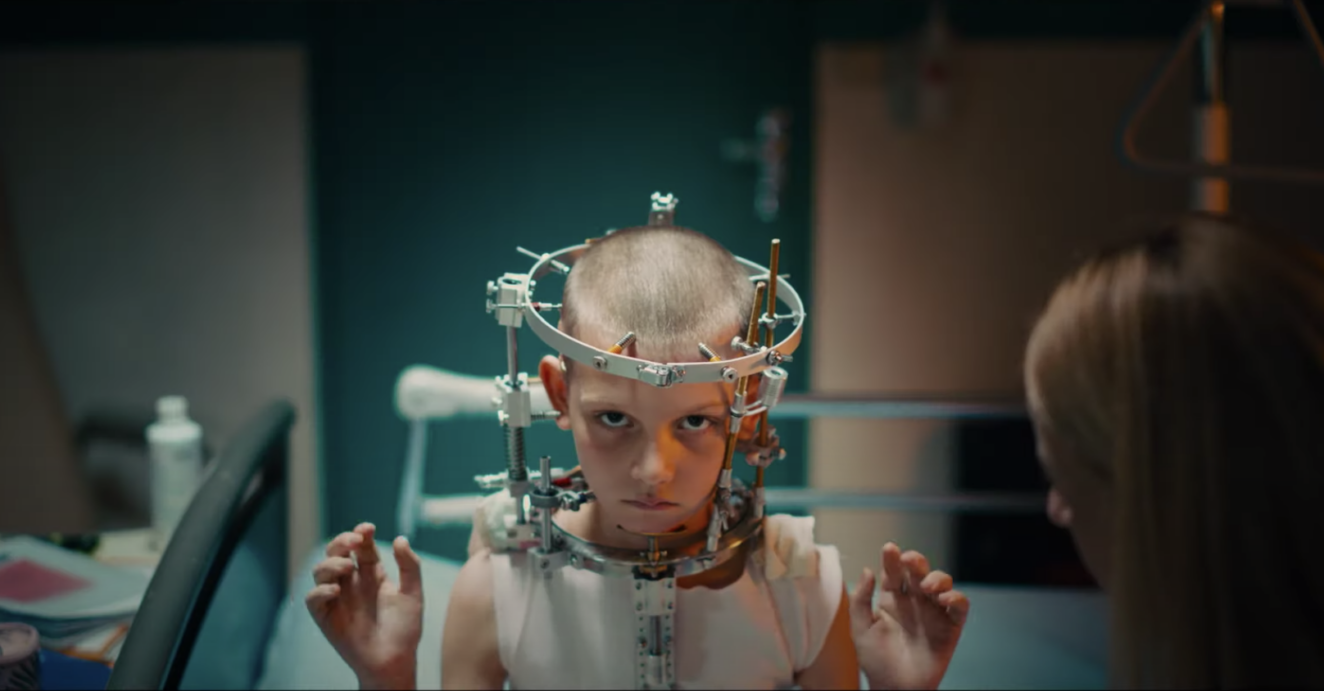
Julia Ducournau‘s Palme d’Or-winning fever dream is the most spring-like film on this list in the deepest possible sense. It is genuinely about what it costs to become something new, and it refuses to make that process pretty or painless.
Alexia is a woman running from herself. From her past, her identity, her body, everything. The transformation she undergoes throughout the film is as much psychological as it is grotesquely physical. Titane is uncomfortable in ways that are hard to articulate, which is exactly why it works.
It’s a film about shedding who you were so aggressively that what emerges barely resembles the original shape. Ducournau doesn’t frame this as liberation or horror. She holds both at once and dares you to look away.
Messy, tender, weird, and unforgettable. Like spring, actually.
Watch it if: You want your body horror to make you feel something complicated about identity, parenthood, and what we’re willing to do to become someone else.
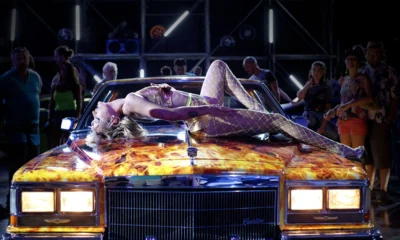
5. Starry Eyes
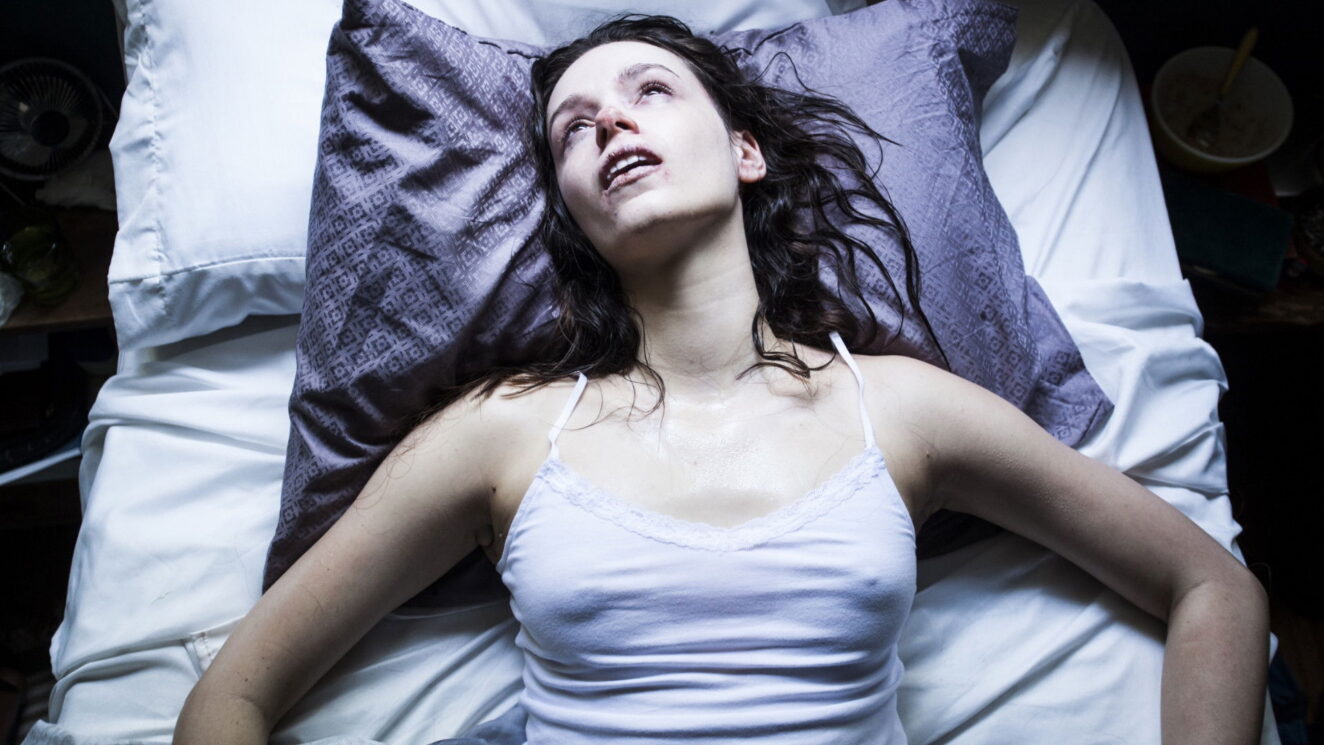
The most underseen film on this list, and the one that will probably linger longest.
Sarah is a struggling actress in LA doing what struggling actresses in LA do. Going to brutal auditions, working a humiliating day job, and wanting, desperately, to shed the life she has for the one she’s convinced is waiting for her. The cult that promises to deliver that transformation is predictably sinister. What they take from her in exchange is the most literal version of “new you” horror imaginable.
Starry Eyes understands something that a lot of more celebrated body horror films don’t. The scariest part of transformation isn’t the gore. It’s the fact that you wanted it. It’s the fact that you opened the door. The film is a slow-burn evisceration of Hollywood dreams and the very human willingness to let something else decide who you get to be next. Spring cleaning as Faustian bargain. A perfect watch for anyone who’s ever reinvented themselves and wondered, halfway through, what exactly they were getting rid of.
Watch it if: You want body horror that’s quietly devastating before it’s explicitly disgusting.
Happy shedding season, horror fans. Lock your doors, trust no serums, and maybe skip the spring detox.




News
‘Behind the Mask 2’ Slays Kickstarter
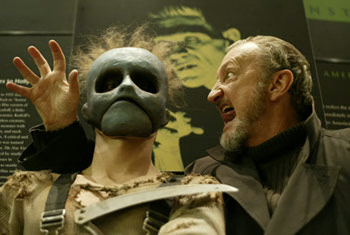
If you are hardwired into the horror community there is no doubt you heard the gasp around the internet earlier this month when Behind the Mask II: The Return of Leslie Vernon was announced. The announcement of the long anticipated sequel came at a screening of the original at American Cinematheque in Los Angeles.
That same evening we also learned that Behind the Mask’s director Scott Glosserman as well as writer David J. Stieve will be returning to the film. Furthermore, cast members Nathan Baesel, Angela Goethals, and Robert Englund will be reprising their roles from the original.
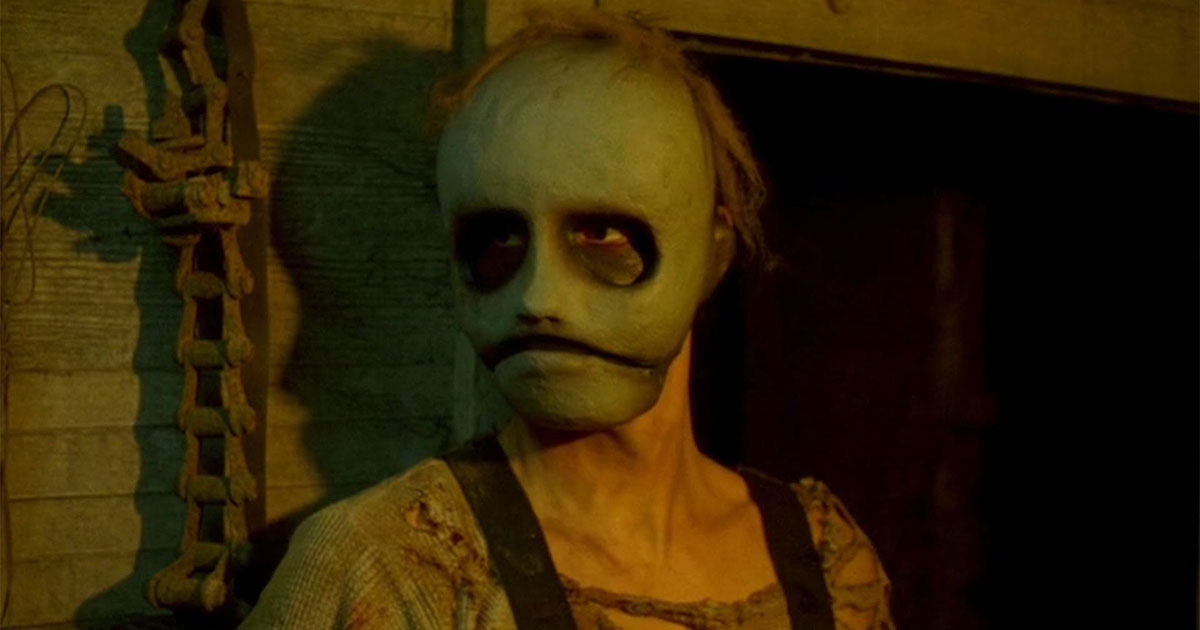
A Kick into Overdrive
While the sequel is happening one way or another, a Kickstarter campaign was established. The money pledged would allow the filmmakers to create a movie that goes above and beyond their original budget.
As the campaign’s page states;
“The film is happening, that’s no-take-backs. If we hit these goals, it makes it possible to do it bigger, bloodier, and bolder.”
The campaign goes on, saying;
“This is not a “save the movie” campaign. The movie is happening. Kickstarter is how we make it our way. “
Roughly two weeks after the sequel’s announcement, the campaign launched with a modest day one goal of $20,000. To say that fans crushed this number is an understatement. In 9 minutes they reached their goal. In less than 24 hours the amount of backers climbed to over 300, and the pledges donated totaled more than $100,000!
Get to the Good Stuff!
For pledging, the moviemakers have included incentives that are truly in line with what the horror community wants.
The rewards begin at $25 with a digital streaming link of Behind the Mask II: The Return of Leslie Vernon. Tiers continue on as the pledge amounts increase. T-shirts, posters, Blu Rays and scripts are just some of the middle tier goodies. The larger donation amounts are rewarded with on screen “Special Thank You”s and various producer credits.
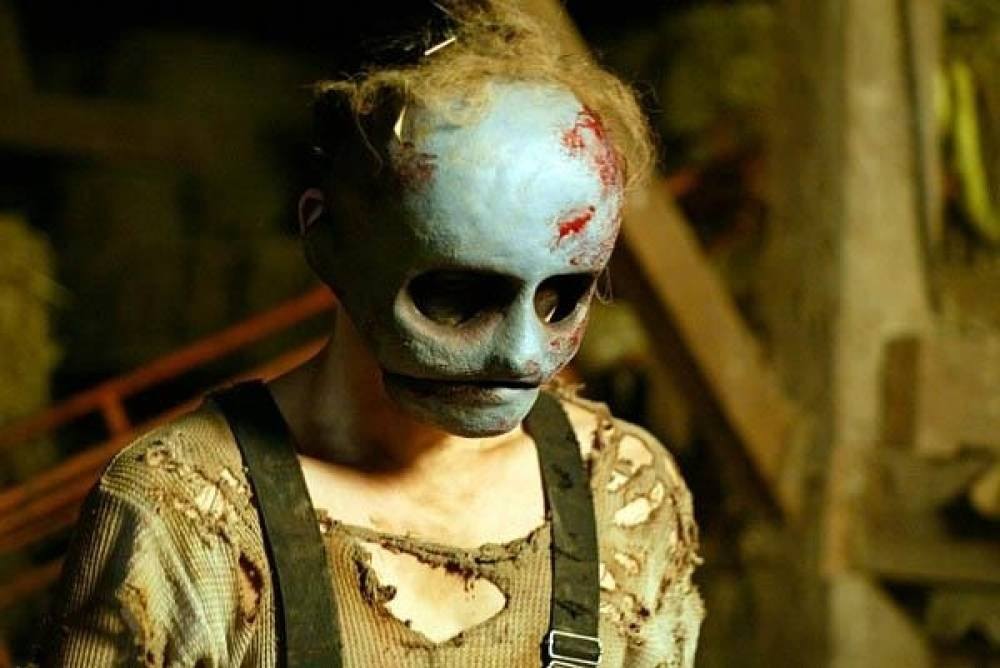
It is the ‘Exclusive Add Ons’ where things get really interesting. Once a backer has already pledged, they can add on additional perks. These additions include
“accessories, autographs, props, and truly unique, fan forward in-person experiences… all intended to complement your chosen reward tier!”
One of the unique add on perks includes VHS tapes of the original Behind the Mask or the sequel, your choice! Given the fact the first movie was created right on the heels of when VHS was truly dead, older horror fans will especially find this perk an exciting addition to their vintage collection.
The reward add-ons also have the horror prop collectors in mind. You can purchase Leslie Vernon’s weapon of choice, a scythe, as well as his mask. Both of these are signed by actor Nathan Baesel.
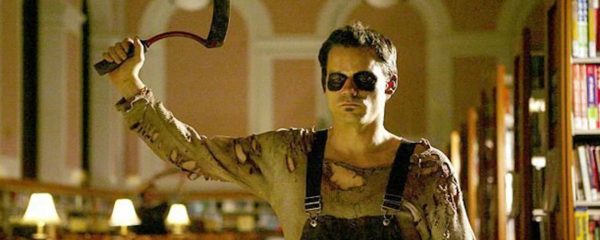
For more personal experiences, you can add on a visit to the Behind the Mask II set during filming! You can also choose a cast and crew screening in LA or New York, complete with an after party. Finally, for the crème de la crème; you can be killed onscreen by Leslie Vernon himself!
Powered by the Fans
Behind the Mask II: The Return of Leslie Vernon is the little slasher movie that could!
For two decades the creators tried to find ways to make Leslie’s legacy continue. A failed first Kickstarter, rumors, teases, and false starts all led to the delay of a dream.
For twenty years the movie’s cult gathering slowly formed, cultivated, and grew louder and louder. Too loud to be ignored.
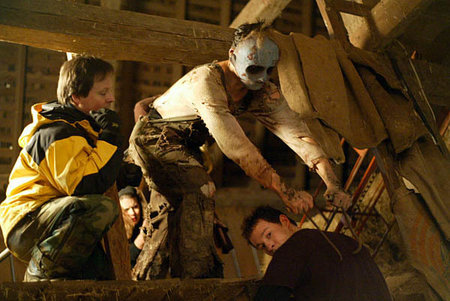
As soon as the campaign went live, horror fans donated their hard earned money. And let’s face it; we are currently living in a time where the dollar doesn’t stretch as far. The fact that the long awaited sequel gained so much traction and backing, so quickly, really demonstrates the community’s love, support, and anticipation for Behind the Mask II: The Return of Leslie Vernon.
It looks like Leslie Vernon will finally be returning!
News
The Best Possible Person Is Directing A24’s Texas Chainsaw Massacre

A24 went into a competitive auction, beat out Blumhouse, acquired one of the most difficult pieces of IP in the genre, and then gave the job to a director with one feature film to his name. That is a wild risk to take on such a young talent. But also, it’s Curry Barker, so we get it.
Curry Barker is writing and directing a reimagining of the 1974 original created by Tobe Hooper and Kim Henkel. As we have talked about before, A24 announced the acquisition back in February with no director attached. At least we have that figured out.
Who Curry Barker Is
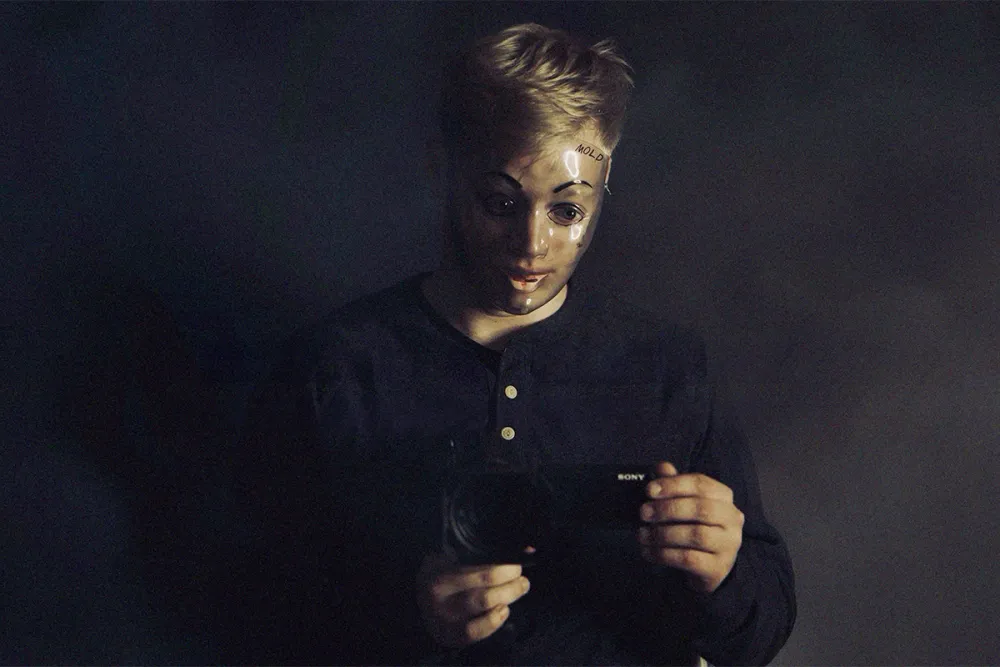
Barker got here through Obsession, a film he made for under a million dollars that played TIFF Midnight Madness and sold to Focus Features for north of $14 million. He built the career that got him into that room starting on YouTube, which is the kind of origin story that should not end with A24 handing you a legacy franchise before your first wide release even opens. And yet, here we are.
The Franchise and the People Behind It
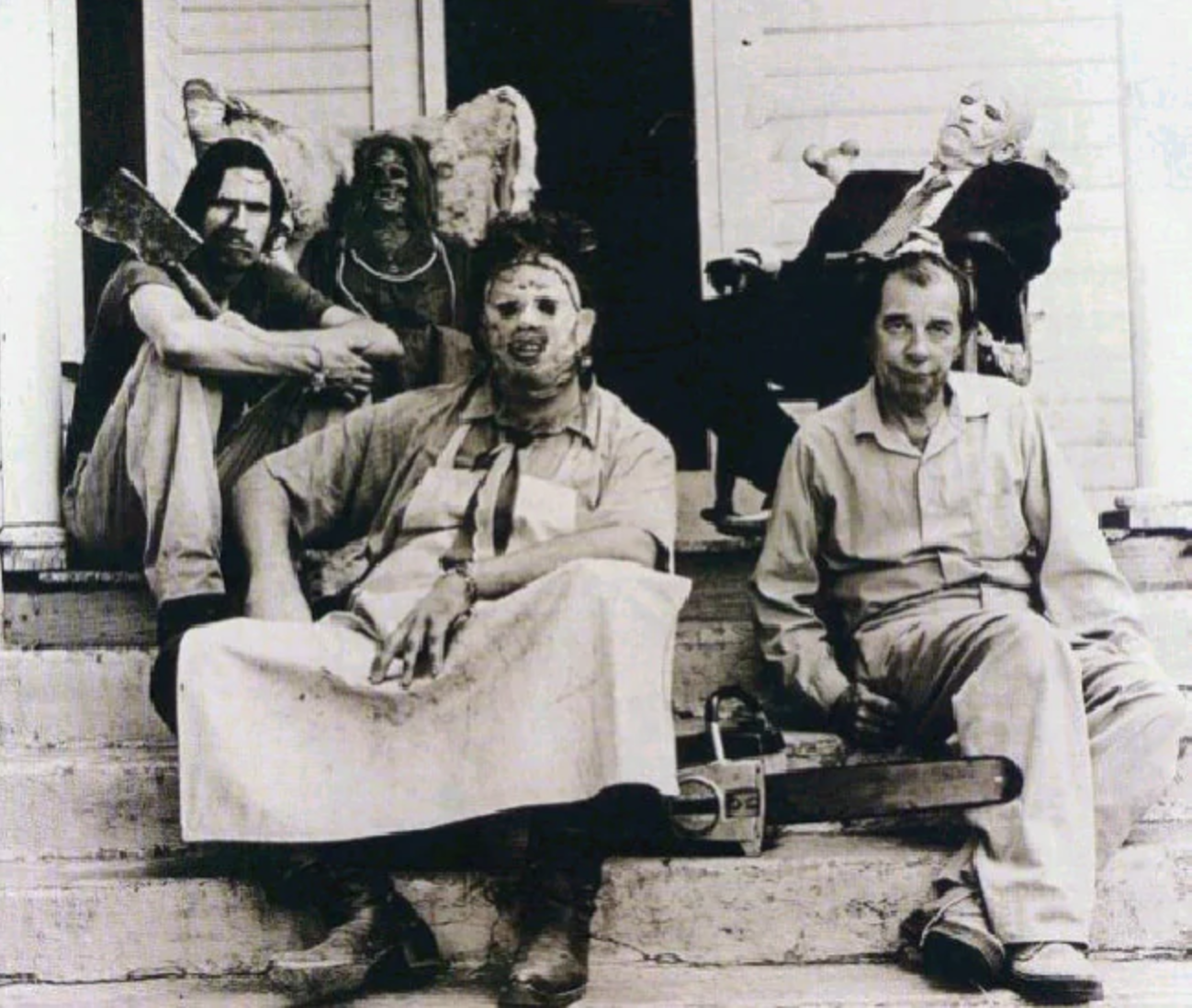
The 1974 original has since produced eight sequels and remakes. Some are far better than others. The franchise has been a problem for a long time and everyone who has touched it since the original has found a different way to confirm that.
A24 formally announced the acquisition earlier this year after winning the rights in a competitive bid. The producers are Roy Lee, Steven Schneider of Spooky Pictures, and Kim Henkel through Exurbia Films. Henkel co-created the original with Tobe Hooper.
One More Thing
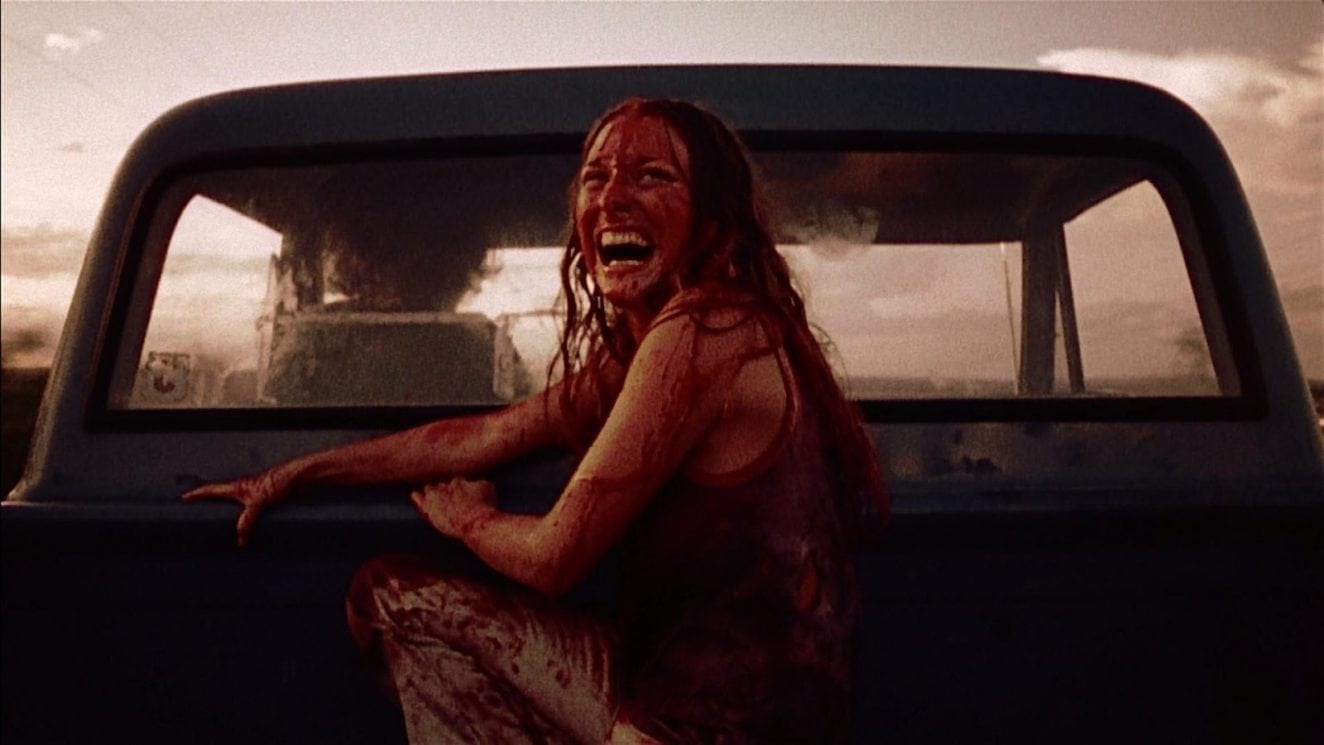
There is also a separate Texas Chainsaw Massacre TV series in development at A24 from JT Mollner. Different project. The film and the series are happening at the same studio simultaneously, which means A24 now has more Leatherface in development than anyone has since the franchise was actually relevant. Barker’s film has no release date yet. Obsession opens May 15.
News
ITCH Is the Outbreak Film That Actually Gets Under Your Skin
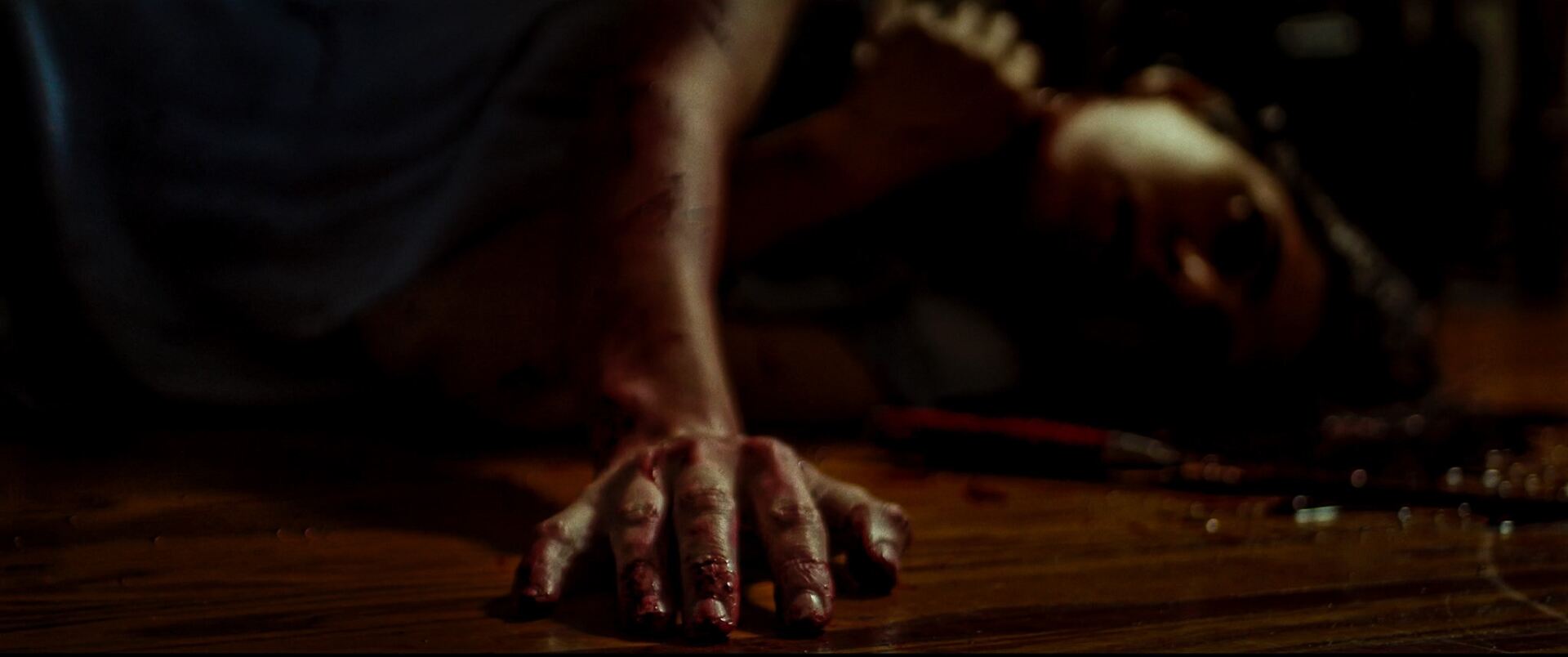
No one would blame you for looking at ITCH and filing it under zombie film. Because it is. The outbreak spreads person to person. People stop being people. The world ends a little bit. You know how it goes.
What Bari Kang actually made is something with a different mechanism at its center. The contagion does not spread through biting. It spreads through scratching. You scratch yourself. This makes you sick while it is happening. You scratch because someone near you scratched and something in your brain said that looks right.
I talked to Kang about it. Turns out it was not a deliberate subversion. “It was never meant to be a zombie film,” he told me. “That happened along the way.” The idea came during COVID. He watched someone scratching in a store and could not stop thinking about it. “What if that’s how something spreads?” He started writing from there and somewhere in the process the zombies arrived. “All of a sudden I had these zombies running around.” He went that route without going that route.
Why the Scratch Works
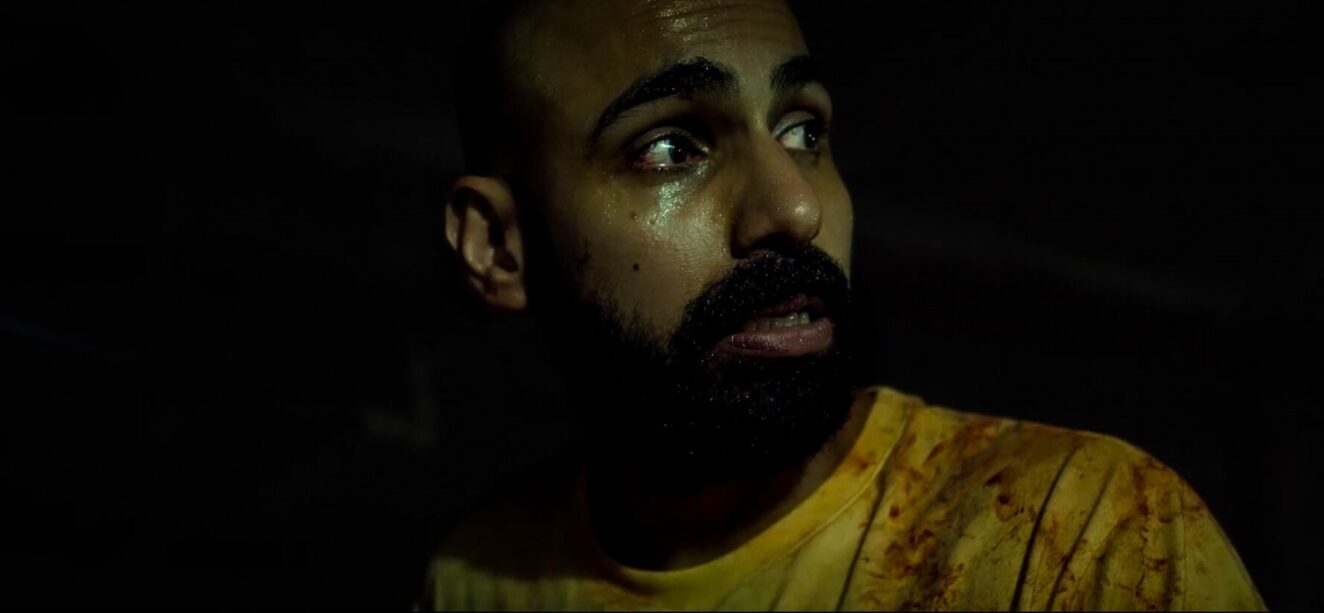
We all get how zombies work. They bite, someone hides their bite, sometime later everyone is dead. Kang’s instinct was that the scratch would do something different. “It’s really visceral and contagious,” he said. “I figured if I could lean into that, that might work well.” He was right.
There is something about watching someone scratch that is harder to look away from than watching someone get bitten. You feel it on your own skin. The sympathy itch is real and ITCH knows it and uses it without being cute about it. That is craft. For a film Kang wrote, directed, produced, and starred in himself, that is not a small thing.
Who Is Bari Kang
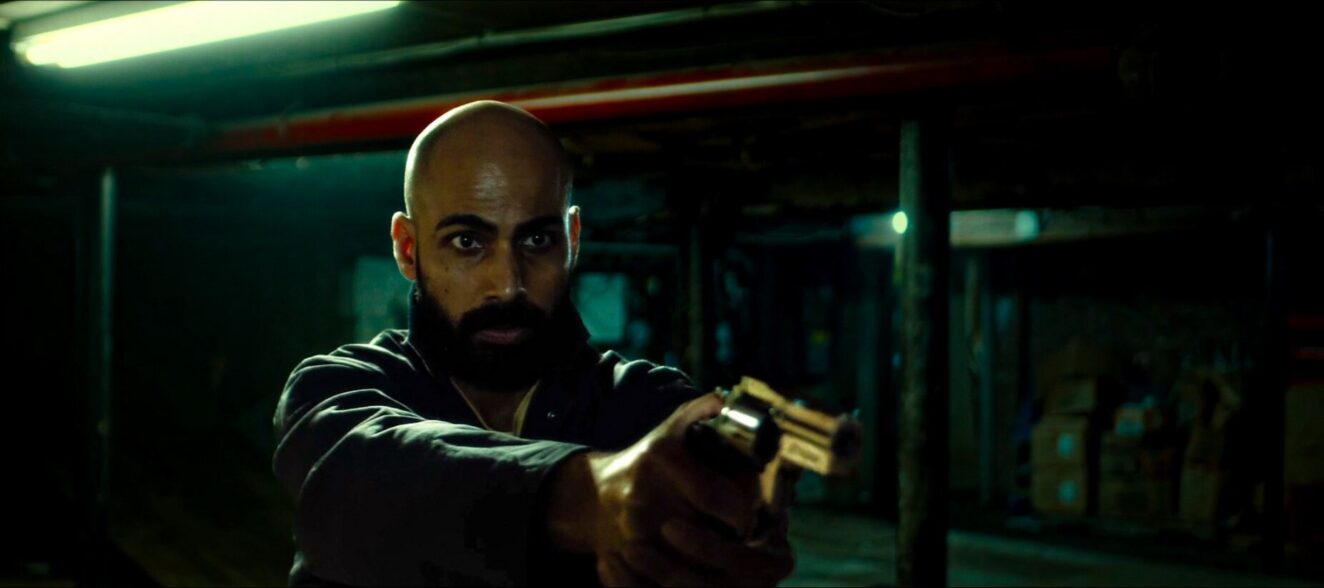
The short version: he decided he wanted to be an actor, spent a year auditioning and booking nothing, and then casting director Judy Henderson, who was in the middle of casting Homeland at the time, told him to go write his own stuff. “I was like, oh, you can do that,” he told me.
He said: “Nobody’s coming to give you a hand. There’s no handouts. It seems like we need permission or something to do it, but you just gotta get out there.” Yeah. That.
The Rule About Lore
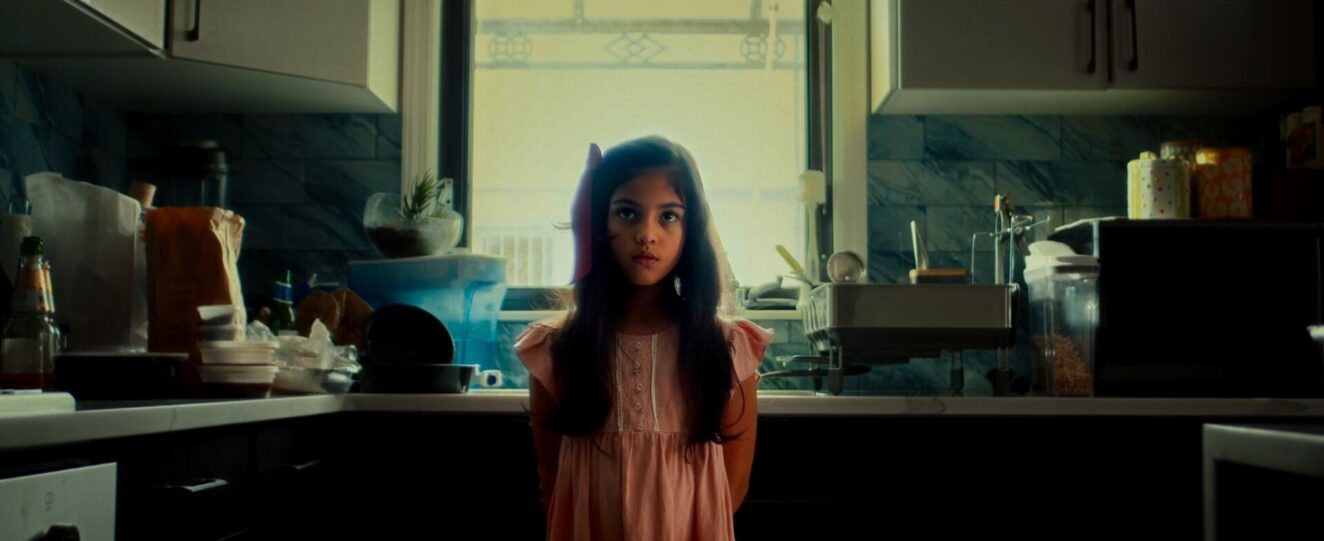
There were versions of ITCH that explained what the itch was, where it came from, who started it. Kang cut all of it. The less he showed, the more the film asked audiences to do the work themselves. And audiences who do the work are more scared than audiences who are shown everything.
ITCH does not explain itself and it does not need to. A film about a contagion that spreads through something you cannot stop yourself from doing, made in the aftermath of a pandemic everyone lived through, does not require a mythology breakdown. It requires you to sit with what it is suggesting. Which is worse.
ITCH is available now.


‘Colony’ Trailer Reveals New Zombie Film from ‘Train to Busan’ Director as Original Returns to Theaters

Chucky Is Going Back to Theaters, and Don Mancini Says It’s Going to Be Scary Again

This Week in Horror: CinemaCon Delivered, Nicolas Cage Is Coming Back, and Someone Let Ti West Near a Christmas Story

The Crypt Keeper Is Coming Home. Tales From the Crypt Begins Streaming On Shudder
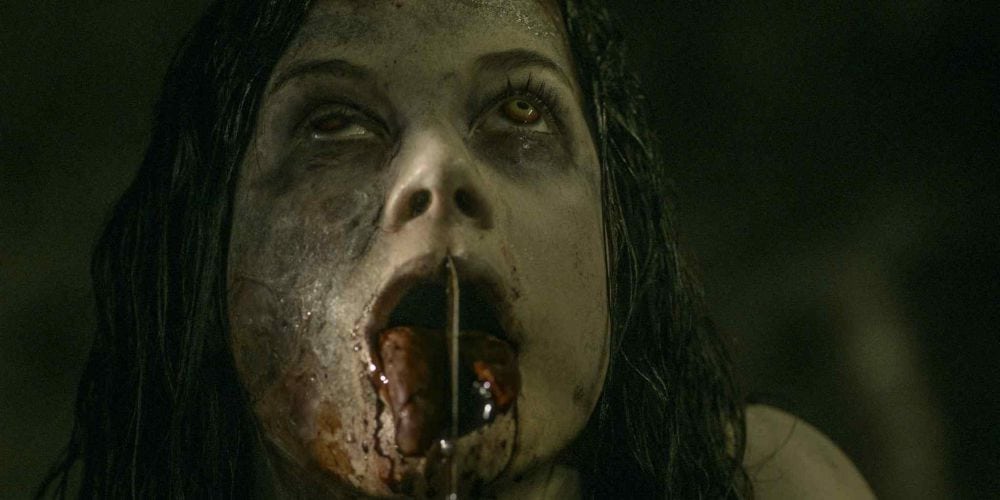
The Evil Dead Burn Trailer Is Here and It Is Everything

EXCLUSIVE: The ‘Live! with the Other Side’ Trailer Dropped and the Dead Have a Lot to Say

7 Horror and Mystery Films That Explore Jack the Ripper

5 Horror & Thriller Films Premiering at Cannes 2026

Sacrificios Review: Some Miracles Have a Price Tag

The Book That Wouldn’t Let Me Go: ‘Interview with the Vampire’ Turns 50

7 Horror Movies That Are ‘Elm Street’ Adjacent

‘Behind the Mask 2’ Slays Kickstarter
The Best Possible Person Is Directing A24’s Texas Chainsaw Massacre

“It’s My Era. I’m a Rockstar Now.” The Official ‘The Vampire Lestat’ Trailer Is Here

ITCH Is the Outbreak Film That Actually Gets Under Your Skin

ShoStak Opens the Door for Filmmakers to Build and Own Their Stories
The Evil Dead Burn Trailer Is Here and It Is Everything

The Evil Dead Universe Now Includes a Mummy Film

The Practical Magic 2 Teaser Trailer Is Finally Here

The HUNGRY Red Band Trailer Is Here and We Need to Stop Laughing at the Hippo

10 Horror, Thriller, and True Crime Series to Watch This Spring
This Week in Horror: CinemaCon Delivered, Nicolas Cage Is Coming Back, and Someone Let Ti West Near a Christmas Story
-
 News5 days ago
This Week in Horror: CinemaCon Delivered, Nicolas Cage Is Coming Back, and Someone Let Ti West Near a Christmas Story
-
News1 day ago
The Evil Dead Burn Trailer Is Here and It Is Everything
-
 News2 days ago
The Practical Magic 2 Teaser Trailer Is Finally Here
-
 Lists3 days ago
10 Horror, Thriller, and True Crime Series to Watch This Spring
-

 News6 days ago
Thinestra Review: Almost as Sharp as It Thinks It Is
-
 News2 days ago
The HUNGRY Red Band Trailer Is Here and We Need to Stop Laughing at the Hippo
-
 News1 day ago
The Evil Dead Universe Now Includes a Mummy Film
-
 Editorial5 days ago
‘Behind The Mask’ is a Love Letter to Slashers
You must be logged in to post a comment Login