News
Preview/Interviews: ‘The Veil’ Sets A Strange Sci/Fi Horror Mystery
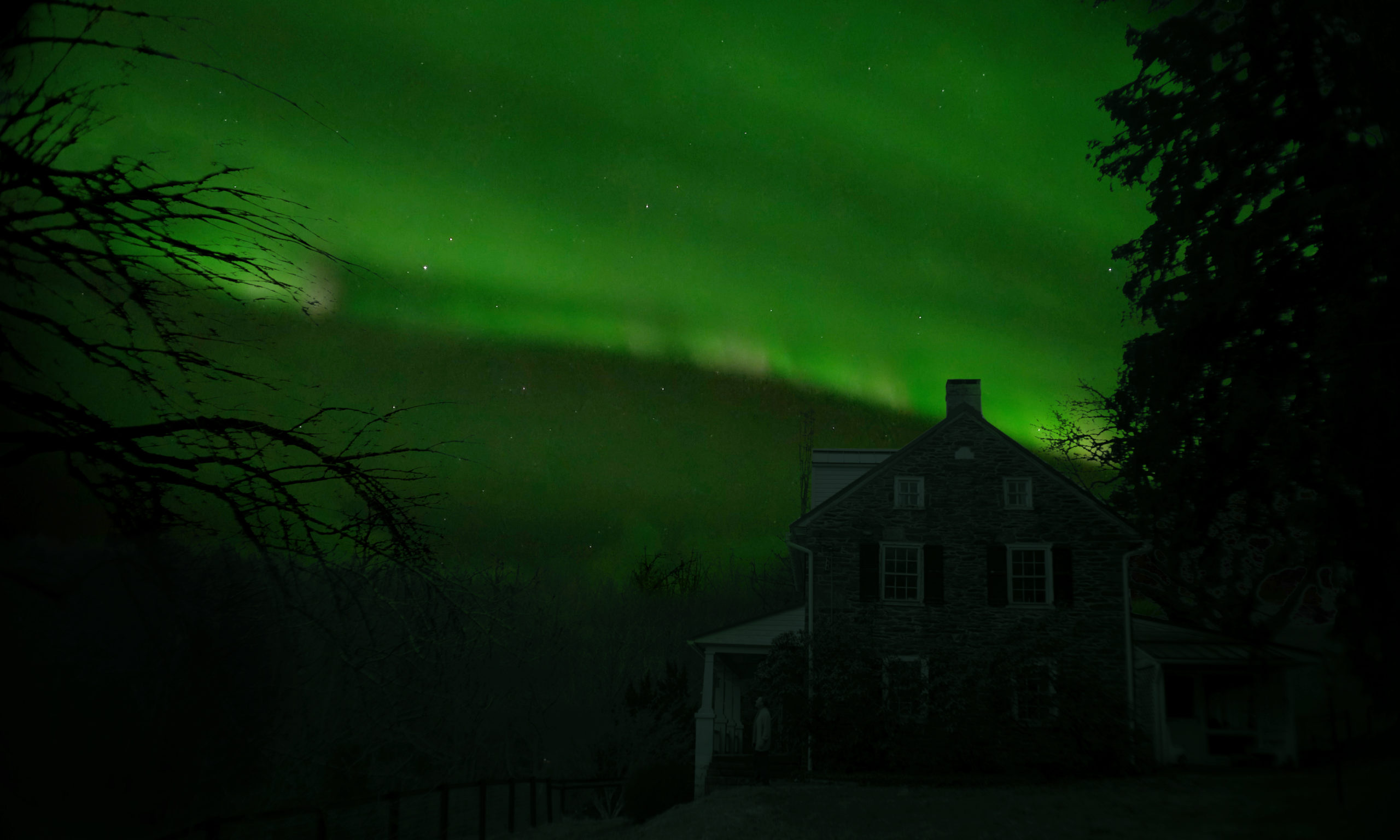
H.P. Lovecraft said the fear of the unknown was one of the deepest and darkest fears of mankind. Our minds are naturally inquisitive and to be unable to know the answers tears at us. Which is why mystery and horror genres cross over so frequently. The upcoming sci-fi horror movie The Veil promises intrigue and strange enigmas.
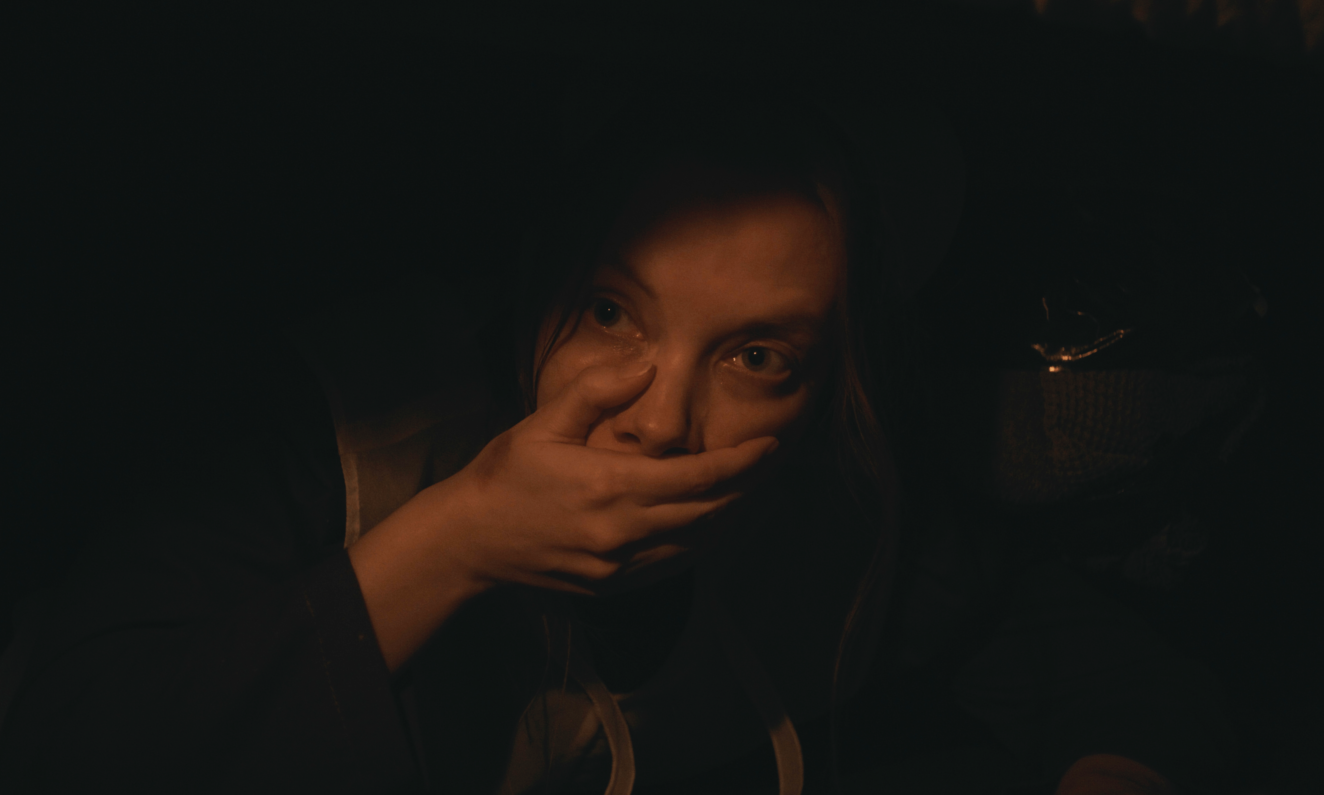
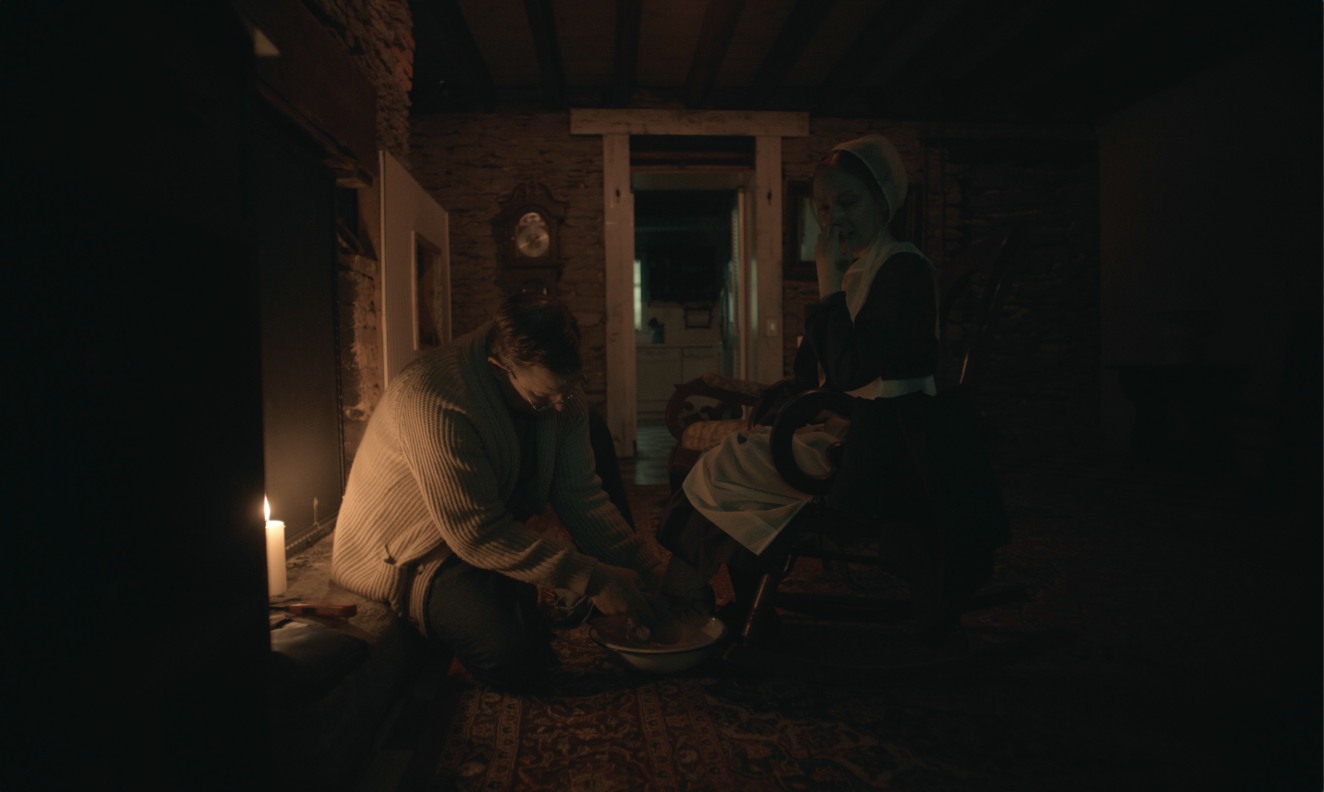
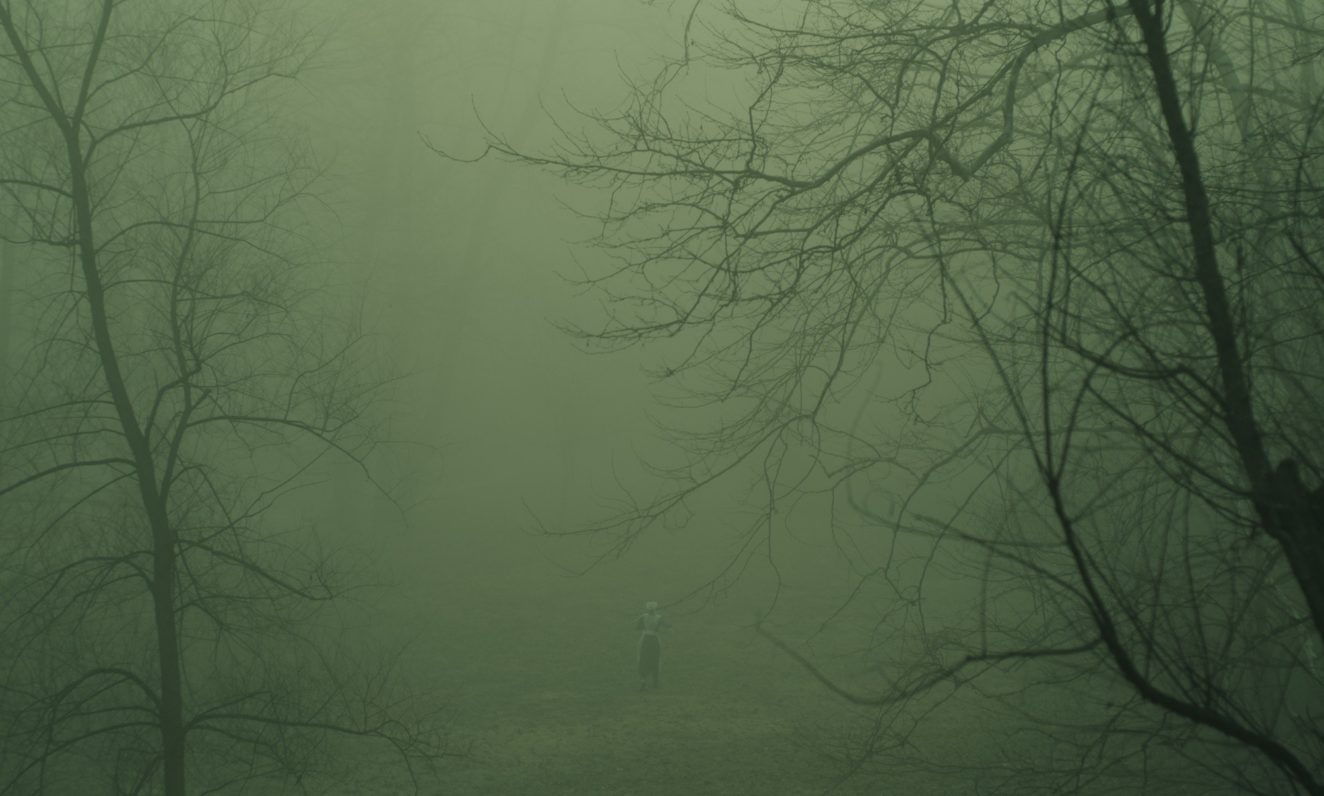
“The Veil weaves undercurrents of horror and science fiction into a haunting narrative about a retired priest (O’Bryan) who shelters a young Amish runaway (Kennedy) from an aurora-inducing geomagnetic storm, only to uncover her time-bending role in a formative mystery from his past.”
I spoke with director/writer Cameron Beyl creator of the video essay project The Directors Series and producer Kyle F. Andrews (Matchbreakers, A Place Called Fairneck) to discuss the project in further detail. As well, I interviewed the film’s leads Rebekah Kennedy (Two Witches, Station 19) and Sean O’Bryan (Rust Creek, Olympus Has Fallen), The Veil is scheduled for an early 2023 release.
What is your background? Where are you from, what got you interested in film?
CAMERON: I grew up in Portland, OR in the 90’s and early 2000’s, where the constant rain really encouraged my proclivities as an indoors kind of kid. From an early age, I was really drawn to storytelling of all kinds— acting on stage, writing little short stories, drawing comics, and all that. I’d always enjoyed movies, but they didn’t become a central part of my life until I picked up the family camcorder and started making some of my own with the neighborhood kids. The more movies I saw, and the more I learned about how they were made, the more I fell just madly in love with the whole enterprise. Once I got into high school & college, I started really feeding off that particular DIY/bohemian energy that Portland is known for— it was an encouraging atmosphere that still informs my work today.
KYLE: I’m from a few places, depending on who’s asking. I was born in New Hampshire, lived in Iowa and Wisconsin, and went to high school in Massachusetts. For me, there’s never a time I wasn’t obsessed with film – earliest memories include visiting the Field of Dreams, watching the Muppet Movie in the hospital where my sister was born, and staying up late to watch the Oscars with my mom. Obviously, I ended up working in a video store during high school, which is when I really started getting into acting and writing, and probably how I eventually ended up at Emerson College where I met Cam (go Lions).
What were the inspirations for The Veil?
CAMERON: There’s a fairly wide set of inspirations for THE VEIL, from campfire ghost stories I heard as a kid, to breathless online thinkpieces about what would happen to our technology-reliant society in the event of a massive solar storm or EMP. Stylistically, the austere look of films like Robert Eggers’ “The Witch”, and Paul Schrader’s “First Reformed” became our key reference points, while Andrew Patterson’s “The Vast Of Night” served as a guidepost for executing a high-concept genre piece on a shoestring budget. We also drew a lot of inspiration from other media besides film— like Mark Z. Danielewski’s novel “House of Leaves” and the paintings of Jake Wood Evans.
KYLE: As a screenplay THE VEIL is wholly Cam’s baby. Where I came in was helping to refine the finer points of the story. Over a few drafts we clicked into some choices that really made a difference when we got to production. As a team, we both really find a lot of joy in atmosphere and posing questions to the audience, and I think we really hit the nail on the head with taking our influences and making something of our own.
How did you meet/cast Rebekah Kennedy and Sean O’Bryan?
KYLE: That’s a lot of where I came into the picture. With my acting background and the artist development work I do, I have a strong network of people I’ve worked with. I knew Rebekah from a class we took together, and even as we were developing the script, I knew she was the right person for the role of Hannah. As for Sean, he came highly recommended from a wonderful writer I’ve been working with (and of course I knew him from his previous work). We took a few tapes from some possibilities, but the minute we saw Sean’s read we just knew he was our Douglas.
CAMERON: Rebekah had all the specific qualities we were looking for, and she created this fully-realized, three-dimensional person who does unexpected things within an otherwise very narrow range of characteristics that are imposed on her by her community and faith. Sean was also really surprising, in all the best ways— during the writing stage I had certain preconceptions about who his character was, and Sean brought him to life in a very human way that challenged and exceeded those preconceived notions. We tend to think of Catholic priests as these aloof, distant figures who speak in cold platitudes, but Sean has this earthy, self-deprecating sense of humor that makes his character so much more relatable and sympathetic than what was on the page.
How would you describe The Veil? What’s the scariest thing about it to you? What would you say are the main themes of The Veil?
CAMERON: The Veil is a contained mystery film with strong horror and sci-fi elements, whereby this massive celestial event enables an intimate story about identity, visibility, and faith— in a very personal sense as well as a religious one. An Amish woman and a Catholic Priest are a somewhat unconventional character relationship to anchor a story around, and there’s an inherent conflict and tension in their opposing worldviews.
KYLE: That’s one of the things I was drawn to here, how fear is driven not solely through spectacular scares but through the intimacy of choice, perspective, how we see and treat each other.
CAMERON: What makes this all so scary is the same thing that keeps us all awake at night— that nagging anxiety about things we’ve done in the past (or failed to do), and the worry that just because we’ve tried to move on and leave those things in the past doesn’t necessarily mean they’ll stay there. The particular framework of THE VEIL allows us to explore those ideas through the vernacular of classic ghost stories, whether they’re told at the campfire or in a really creepy post in the No Sleep subreddit.
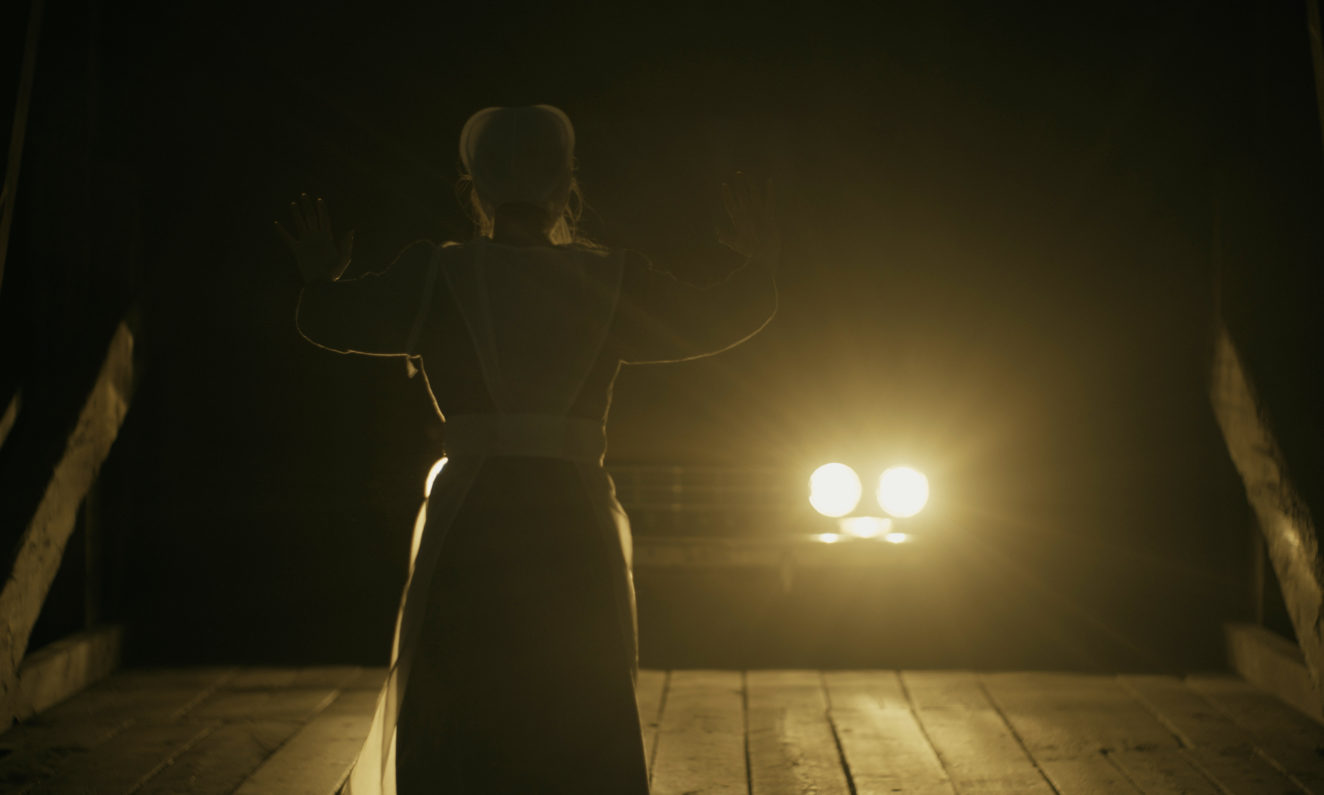
KYLE: A visual creepypasta? Though I guess that’s just the Twilight Zone, but we’re not too far off from that here.
What are your current plans for The Veil?
KYLE: Without getting too much into specifics, we’re in discussions with potential distributors and establishing a plan for our festival run next year. We’re also approaching this from a mindset of kicking more projects off the ground so the sky is the limit as far as how we might use this.
CAMERON: THE VEIL is the first film I’ve made under FilmFrontier, the indie studio I founded in 2019 with the intent of fostering the growth of like-minded filmmakers through a sustainable and equitable production ecosystem. As indie filmmakers, we’re always encouraged to make the films we’d want to see, and FilmFrontier was created so we can tell the stories that studio economics simply won’t allow. Beyond it simply being a story I’ve wanted to tell for quite some time, THE VEIL is almost like a thesis statement for FilmFrontier’s mission– something that shows how the tools now available to indie filmmakers can realize big visions with very little resources.
Are you working on any new projects?
CAMERON: Kyle and I have numerous irons in the fire— both as a team as well as on our own individual projects. There are a couple scripts I’ve been developing for some time with an eye to make after THE VEIL: one being a moody psychological thriller set in Los Angeles’ advertising industry and another being a coming-of-age story set against the sociopolitical fallout from a major cosmic discovery. What these ideas both have in common is the same desire that drove the creation of THE VEIL, which is a need to tell compelling and unexpected stories at a sustainable economy of scale.
KYLE: Like Cam said, we have separate projects coming soon, but regarding the future of this team, one of the exciting things about working in microbudget production is that we are only limited by resources, not imagination. Having done the work we did with THE VEIL, we’ve definitely got a few ideas in the pipeline to continue the mission we started here.
Rebekah Kennedy
What is your background? What got you interested in acting?
I am originally from Texas, where I was born and raised, and I started having an interest in acting when I was a little girl. My mom took me to see my first play when I was 4 and I was immediately hooked. I just knew I wanted to be up on the stage. When I was 12, my mom took me more seriously and signed me up for acting classes and I started doing plays and musicals. That continued through school and into college. After graduating college, I started finding more interest in film and TV. It’s been a long journey, but a rewarding one.
What attracted you to a project like The Veil?
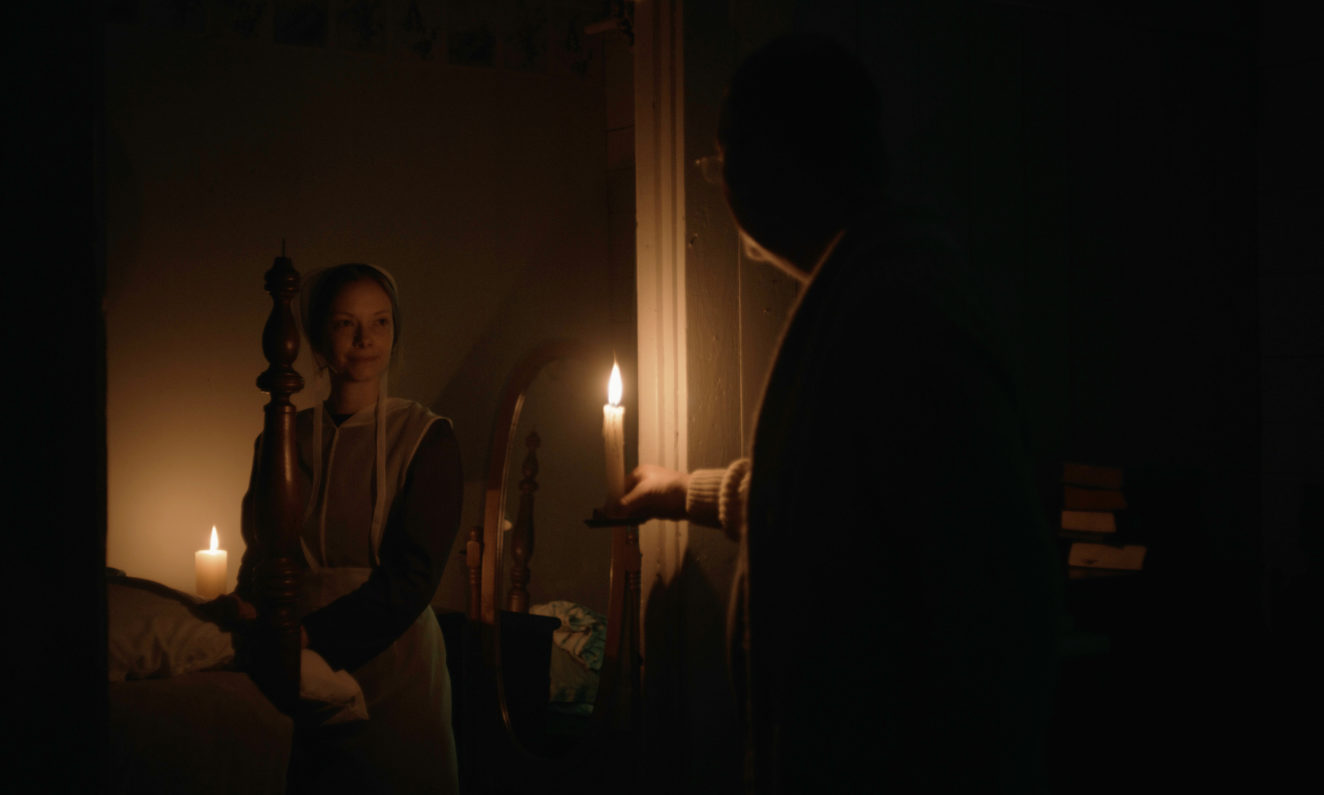
Cameron Beyl wrote such a brilliantly haunting and fascinating script. I was on the edge of my seat desperate to know what was going to happen next. After reading it, I knew this was a film I wanted to be a part of. I was also instantly drawn to the character of Hannah. Hannah is such an intriguing character with a layer of mystery to her, and I was really excited to explore her. Then I met with Cameron and Kyle Andrews, the producer, and it just solidified my decision. It was clear it was going to be a very collaborative process and they were open and welcoming to my ideas. I have not been in a movie quite like this and that was really exciting to me as well.
Do you enjoy the horror genre? What are some of your favorite horror movies?
I do thoroughly enjoy the horror genre. I’ve been watching horror movies since I was about 11. Growing up, I never imagined I would actually be in them, so the world has a funny way of working out. Some of my favorites are The Sixth Sense, The Conjuring, Insidious, Sinister, and The Exorcist to name a few. But there are so many great ones.
How would you describe your character of Hannah in The Veil?
Hannah is a young Amish woman who is smart and incredibly resourceful. She’s kind but cautious and holds things closely to her heart. Despite not having much exposure to the outside world, she is also very brave. I can’t divulge too much yet, but I am looking forward to the world meeting her.
What was your experience like making The Veil? Working with Sean O’Bryan?
My experience working on The Veil was incredible. I had such a fantastic time filming the movie. Cameron is such a gifted director and knew how to perfectly guide us as actors while giving us the room to play, explore, and find the truth in the moments. So much of the script is about what is not being said, and Cameron provided a beautiful space to find that. Kyle is such a calming presence on set. He has such a big heart and passion and he cared deeply about our experience, which made it that much better. The entire crew just elevated the project. Working with Sean O’Bryan was a dream. I’ve been a big fan of his for a while, and he was a treat to get to know. He’s kind, funny, and continually made us laugh with his stories on set. He also was a joy to work with as a scene partner. Sean made it so easy to connect with him as an actor. He was always 100 percent in the trenches with me and was so encouraging during filming. I couldn’t have asked for a better scene partner and all around experience. I grew so much as an actor and as a person during the process and I’m forever thankful for that.
What do you hope will be the audience’s reactions to The Veil?
I hope the audience will also be on the edge of their seats and will connect deeply to the characters of Hannah and Douglas. I hope they will go on a ride they won’t soon forget.
Sean O’Bryan
What is your background? What got you interested in acting?
I’m originally from Louisville … after spending the 80s in NYC studying acting at HB STUDIOS and doing numerous off off broadway plays I moved to LA IN 1990 and began working in tv shows and movies right away and I’ve been consistently working non stop ever since!
What attracted you to a project like The Veil?
I’ve always been interested in so many different possibilities of careers and never could settle on one particular thing .. so acting was a perfect choice of career because I get the opportunity to just pretend to be all kinds of people in professions for short periods of time and then move on … I don’t have to go law school and spend the rest of my life practicing law … I can just play one in a movie or a show … and then next week I get to be doctor and etc etc etc!
I’ve been doing a number of comedy projects in a row so when I read the script for THE VEIL I was immediately interested because it would be a terrific opportunity to get out of that way of working … I love the simplicity and the intelligence of the writing … and I loved the idea of just doing scenes with one other person throughout an entire movie … there’s a huge spiritual aspect to the script as well and it’s not very often that I get the opportunity to explore that as an actor … and oddly enough throughout my long career I ever never once had the chance to work in the horror genre!
Do you enjoy the horror genre?
I absolutely love horror movies … it’s probably my favorite genre
What are some of your favorite horror movies?
My favorite horror movies are The Babadook , The Loved Ones , The Omen (original) , IT (remake) Carrie (original), The Exorcist, House of a 1000 Corpses, Cabin In the Woods, The Blair Witch Project and so many more!
How would you describe your character of Douglas in The Veil?
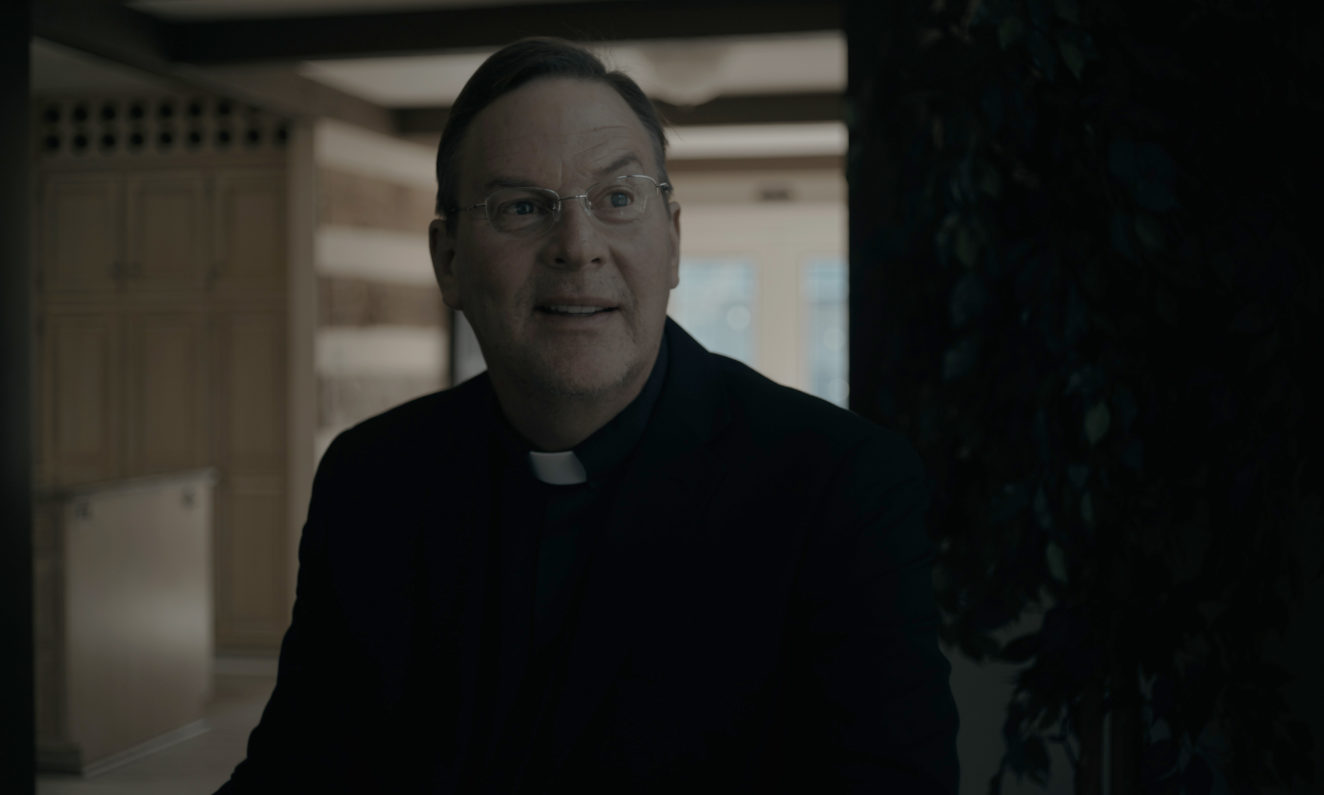
Father Douglas is very decent human being who is an aging priest … he is experiencing a spiritual crisis due to some deep regrets over choices he has made throughout his life!
What was your experience like making The Veil?
My experience on the film was absolutely perfect … the only way this movie would be completed in 10 days is if everything went exactly right … and it did … Kyle Andrews is one of the smartest and most organized producers I’ve ever worked with … and everyone without exception brought there A game … most of the movie was shot in one location which loved because it gave more time for just working on the execution of each scene … a lot of it was shot out of order which is always challenging and it keeps on your toes … Cameron did a superb job at making sure Rebekah and I always knew exactly where we were emotional in each scene so that it would all track successfully!
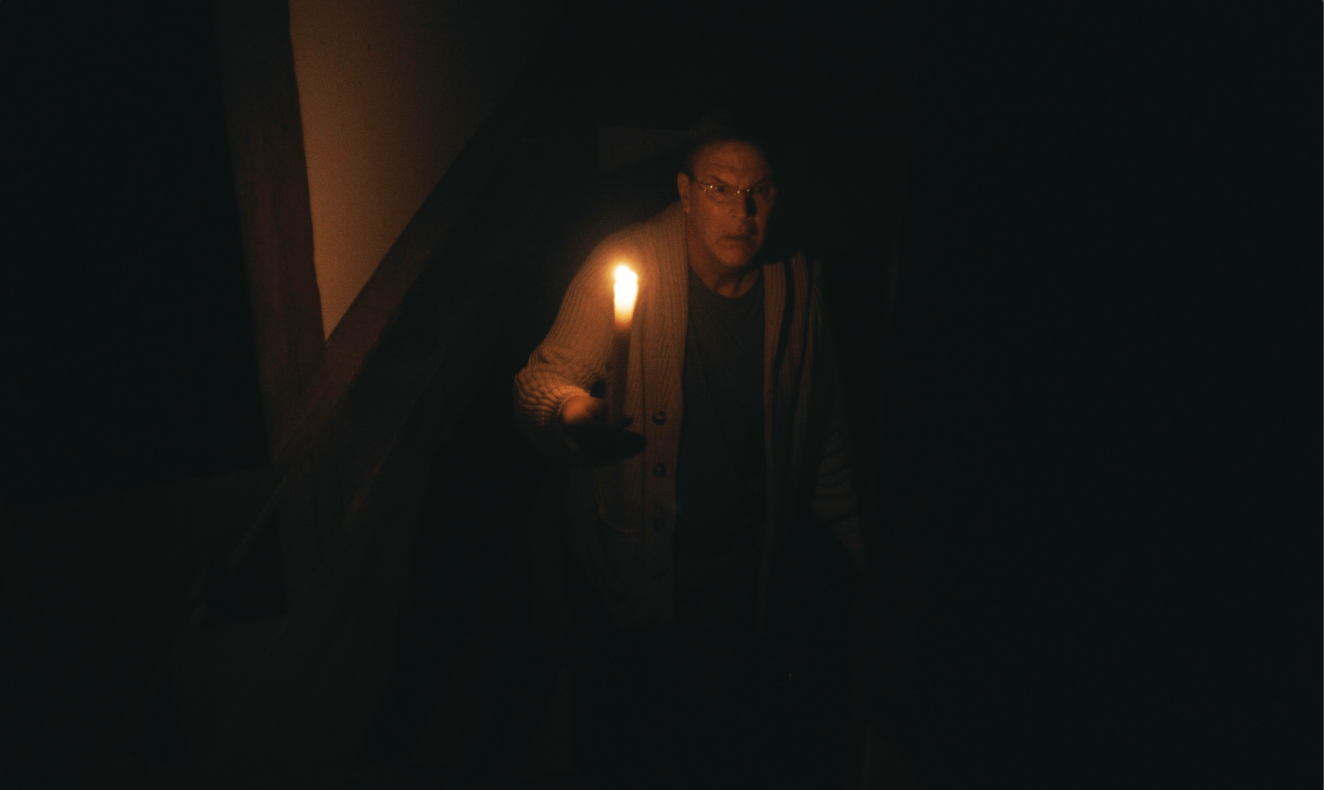
Working with Rebekah Kennedy?
Rebekah Kennedy is an absolute genius … in my scenes all I really needed to do was show up and step in and connect with her and everything would work like magic! She really cares so much ch about quality and it inspires anyone around her to feel the same way!
What would you say is the scariest thing about The Veil?
I’d say the scariest element of The Veil is the confusion you experience of what’s real and what’s not … it’s very unsettling … the journey is not linear and Cameron plays around by jumping around and place!


News
Universal’s Horror Make-Up Show Ends 36 Year Run
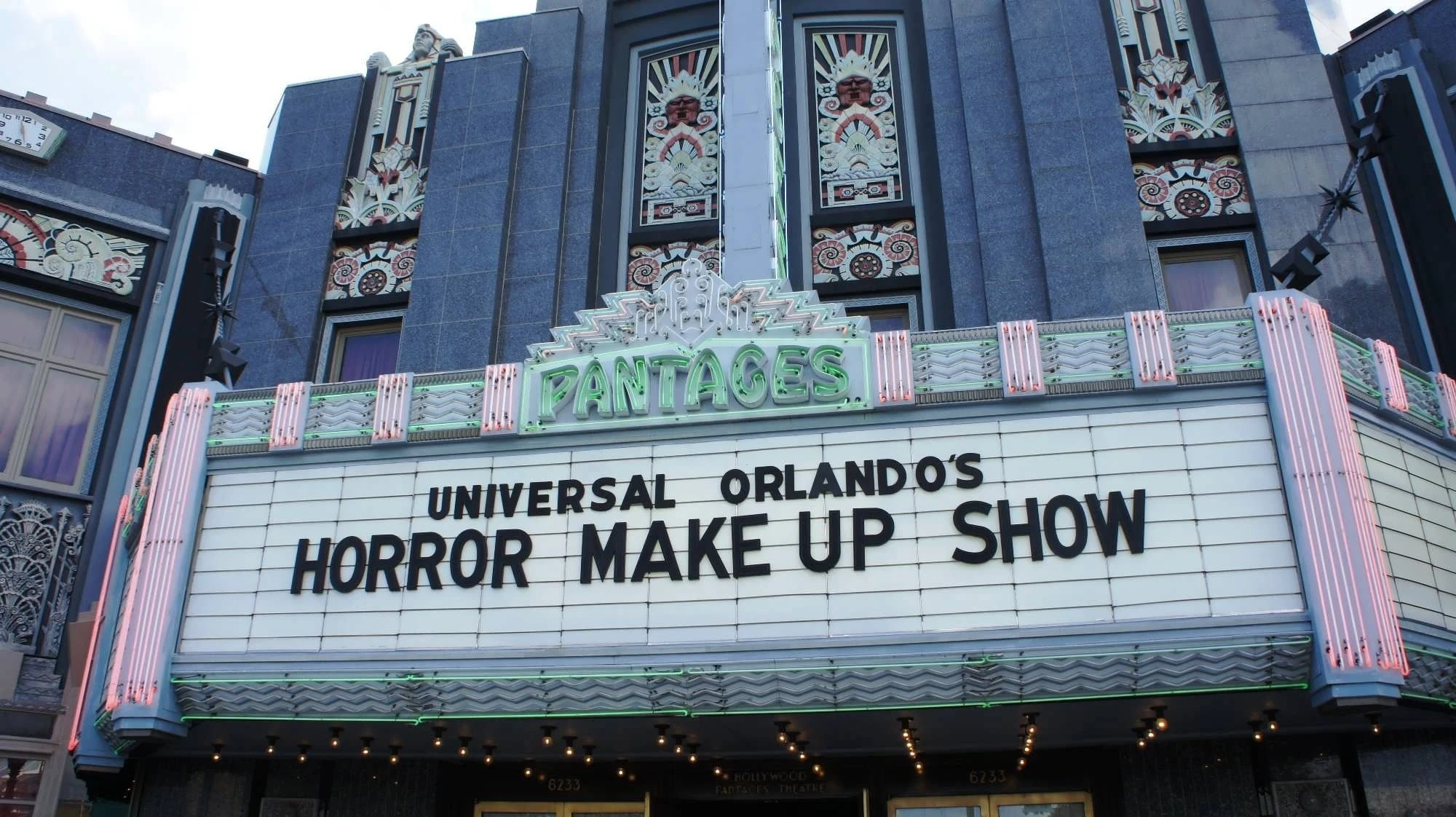
The Horror Make-Up Show at Universal Studios Orlando has closed its doors after 36 years of entertainment. But not permanently.
The long running show that combines horror, comedy, and interactive demonstrations is next in line for a makeover at the Florida theme park. Besides the E.T. Adventure, The Horror Make-Up Show is the only other remaining attractions at Universal Orlando from its opening day.
A Brief History of the Make-Up Show
The idea for the show originated from an attraction at Universal Hollywood called The Land of A Thousand Faces. Land ran from 1975-1979. The twenty minute show entertained an audience of up to 1,700 visitors in an open air venue. The show taught the audience about movie makeup. Additionally, two volunteers were chosen to be transformed into the Frankenstein monster and his bride.
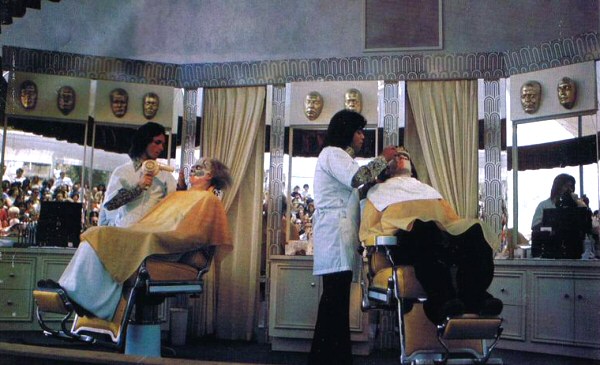
Despite the show’s popularity, The Land of A Thousand Faces was closed to make room for a new experience at Universal Studios Hollywood.
An Era of Gods and Monsters
Lon Chaney
Explained with movie clips, Universal’s Horror Make-Up Show explains the humble beginnings of makeup and special effects in horror movies. Starting with the classic Universal monsters such as Frankenstein’s Monster, The Hunchback of Notre Dame, and The Phantom of the Opera, this era heavily features the work of Lon Chaney.
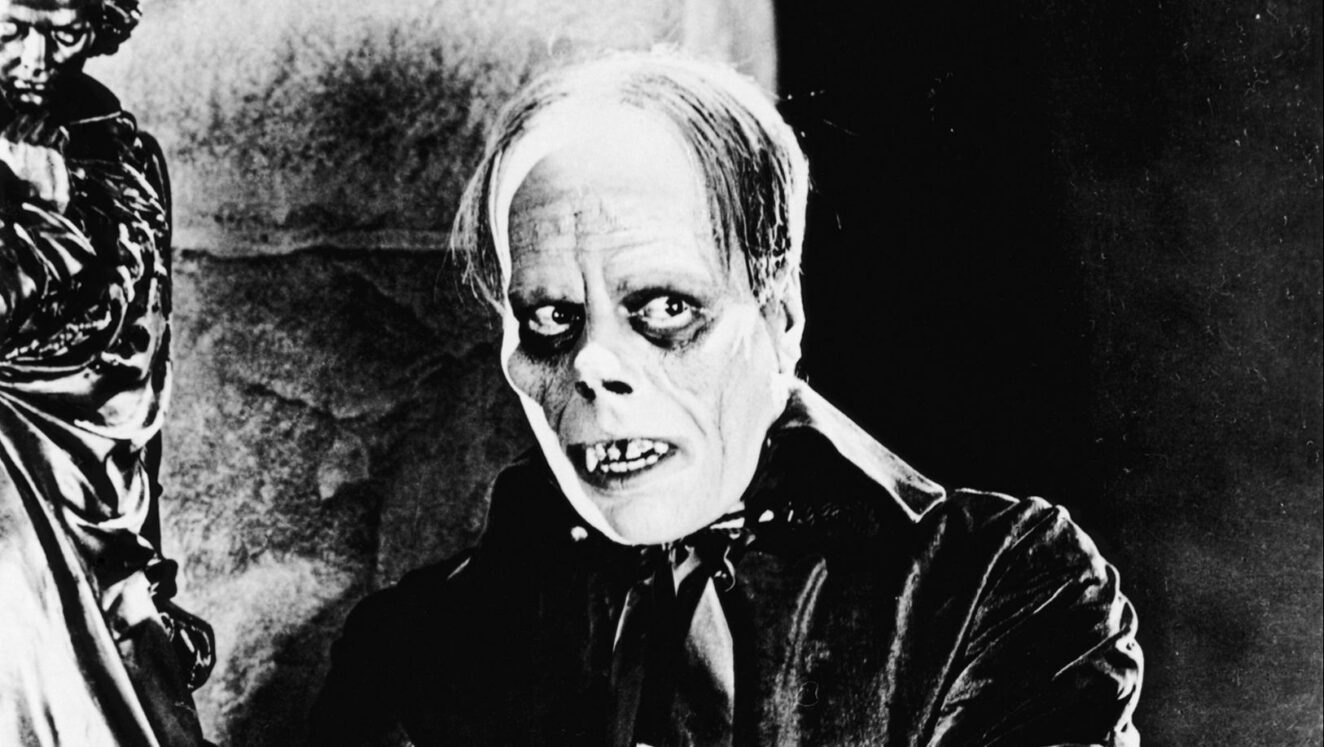
Lon Chaney’s contribution to the world of horror makeup greatly impacted the industry for decades to come. Many of his creations were the results of self experimentation. In fact, his extreme dedication to his craft earned him the nickname “The Man of 1,000 Faces”.
While we do know how he did some of his makeup effects, Chaney took many of these secrets with him to the grave when he died in 1930.
Rick Baker
Another important name in the industry that Horror Make-Up mentions is Rick Baker. Baker created the incredible werewolf transformation in An American Werewolf in London (1981). It was his work in this movie that earned him his first Academy Award for Best Make-up in 1982. This would be the first win for the make-up artist in a long line of achievements.
Perhaps Baker’s second highest achievement was his work in Michael Jackson’s music video Thriller. Baker’s make-up transforms the pop singer into a werewolf among a hoard of zombies. The makeup artist even makes a cameo in the video as one of the undead.
Other movies Baker helped bring to life with his craft include; The Howling, Men in Black, and The Wolfman (2010).
A Blending of Technologies
As seen in An American Werewolf in London, Rick Baker did not only use prosthetics to create horror movie magic. Baker and his team designed the animatronics and “change-o” heads, limbs, and other props to create the groundbreaking transformation from man to werewolf.
The combination of prosthetics placed directly onto the actor in combination with robotics began the blending of technologies used to create the next generation of monsters.
The Horror Make-Up Show continues its education of the genre as technology expanded into the computer era. The final clips shown on screen demonstrates the latest evolution of horror make-up in Universal’s The Mummy (2017).
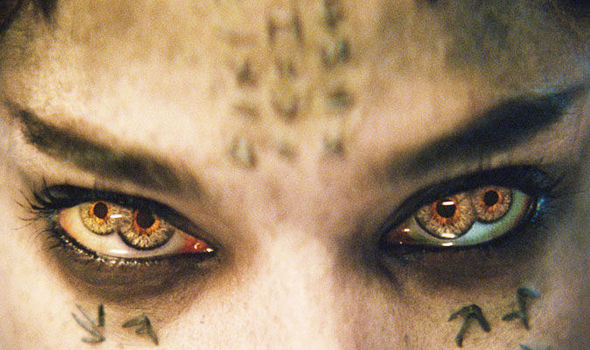
Computer generated imagery is layered over physical practical effects to create the amazing hieroglyphics covering the character of Ahmanet, played by Sofia Boutella. It is the partnering of these two technologies that the host of the show claims creates the best and most convincing effects in modern day horror.
Moving Forward
Hardcore horror movie fans of the Horror Make-Up Show will be some of the first to say while entertaining, the show is indeed outdated. The names Lon Chaney, Rick Baker, Dick Smith, and Tom Savini certainly deserve to be immortalized in horror history. However, there is so much new blood that should be acknowledged for their contributions to the genre that continues to propel it forward.
Artists such as Damien Leone (Terrifier), Greg Nicotero (The Walking Dead), Todd Masters (Final Destination), and Eryn Krueger Mekash (American Horror Story) are all examples that have continued the evolution of visuals in the genre.
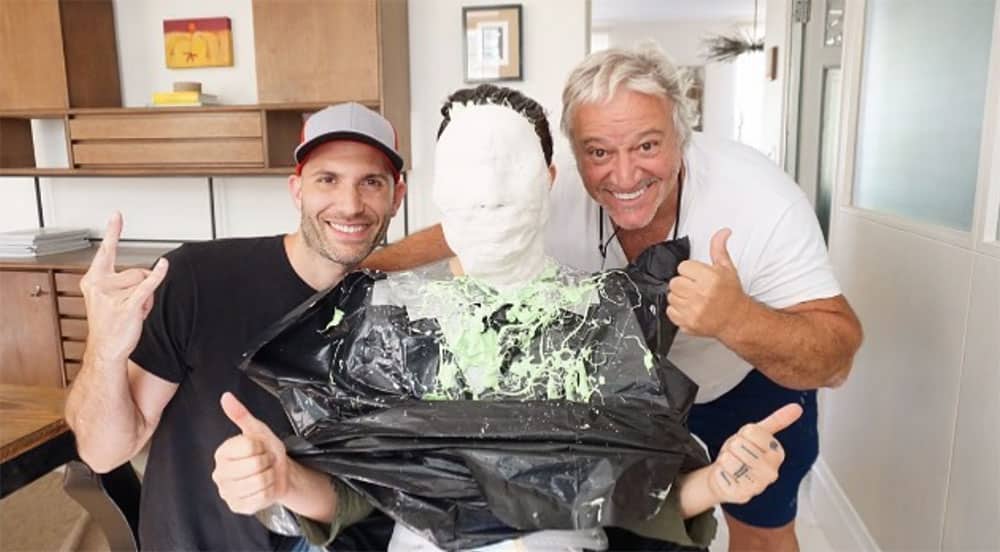
As touched upon in the original Make-Up Show, the best results in movies is when practical effects are blended with computer generated effects. Using just one style versus the other runs the risk of looking “too fake.” Using both techniques can also be more budget friendly and less time consuming for the actor in the make-up chair during the creation process.
The Future of the Horror Make-Up Show
Universal Studios Orlando is expecting to re-open their doors to the new Horror Make-Up Show during the winter of 2026. However, they have not yet announced what changes will be made, or what the future show will look like. The most the theme park has announced is the show will be:
“featuring classic and modern horror properties along with shockingly fun surprises – all while staying true to the comedic and irreverent vibe that guests love.”
What were your favorite moments of Universal Orlando’s original Horror Make-Up Show, and what do you hope they bring to the table when they reopen? Let us know in the comments!
News
Koji Suzuki Built the Well. The Author of ‘Ring’ Trilogy Dies at 68
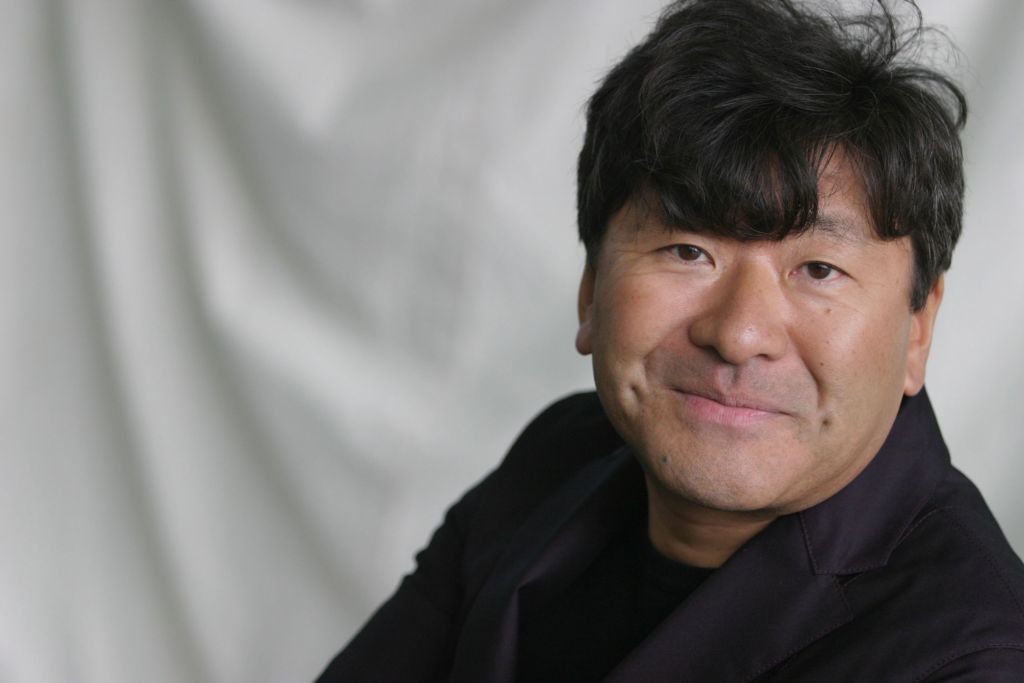
There is a specific kind of damage Ringu does to you, and it is entirely the phone call’s fault. You get through the whole movie thinking you are watching it from outside, and then Sadako’s voice comes through the receiver, and you realize you were inside it the whole time. Koji Suzuki, who wrote the 1991 novel that started all of this, died May 8 at a hospital in Tokyo. He was 68.
The premise fits on a napkin. There is a cursed videotape, you watch it, a phone call tells you that you have seven days. What Suzuki actually built inside that premise is harder to shake than the premise itself. Sadako is not a slasher villain. She is not hunting you because you wronged her. She is the embodiment of a child who was dropped into a well and has been there ever since, and the curse moving out from her is not really about revenge. It is about the impossibility of forgetting that something terrible happened and nobody came. You cannot outrun a concept like that. You can only try to understand it before the seven days are up.
What He Built
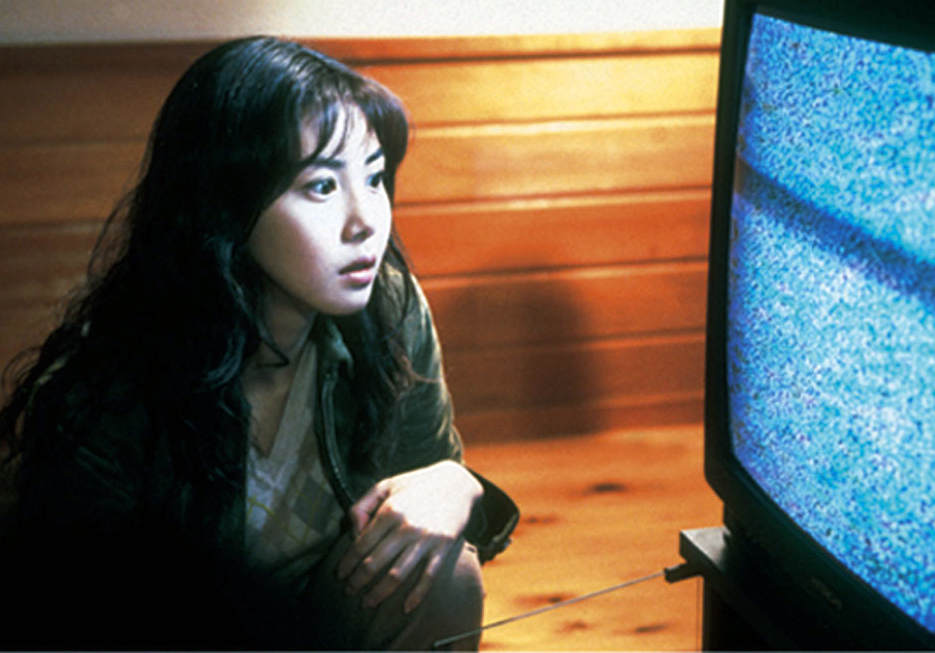
Ring came out in Japan in 1991. Spiral followed in 1995 and immediately went somewhere people who thought they had the series figured out were not expecting, pushing the mythology into science fiction territory that still catches readers off guard. It won the Yoshikawa Eiji Prize for New Writers. Loop completed the trilogy by becoming a meditation on simulation, biology, and what memory actually is, none of which you would expect from a book that started with a videotape.
Suzuki was not a writer who wanted to do the same thing twice. His 1996 collection Dark Water was adapted into a well-regarded Japanese horror film in 2002 and an American remake with Jennifer Connelly in 2005. The story in that collection about the water tank on the roof of the apartment building is one of the most quietly devastating things in his bibliography. The man knew how to use one small wrong detail.
What It Became
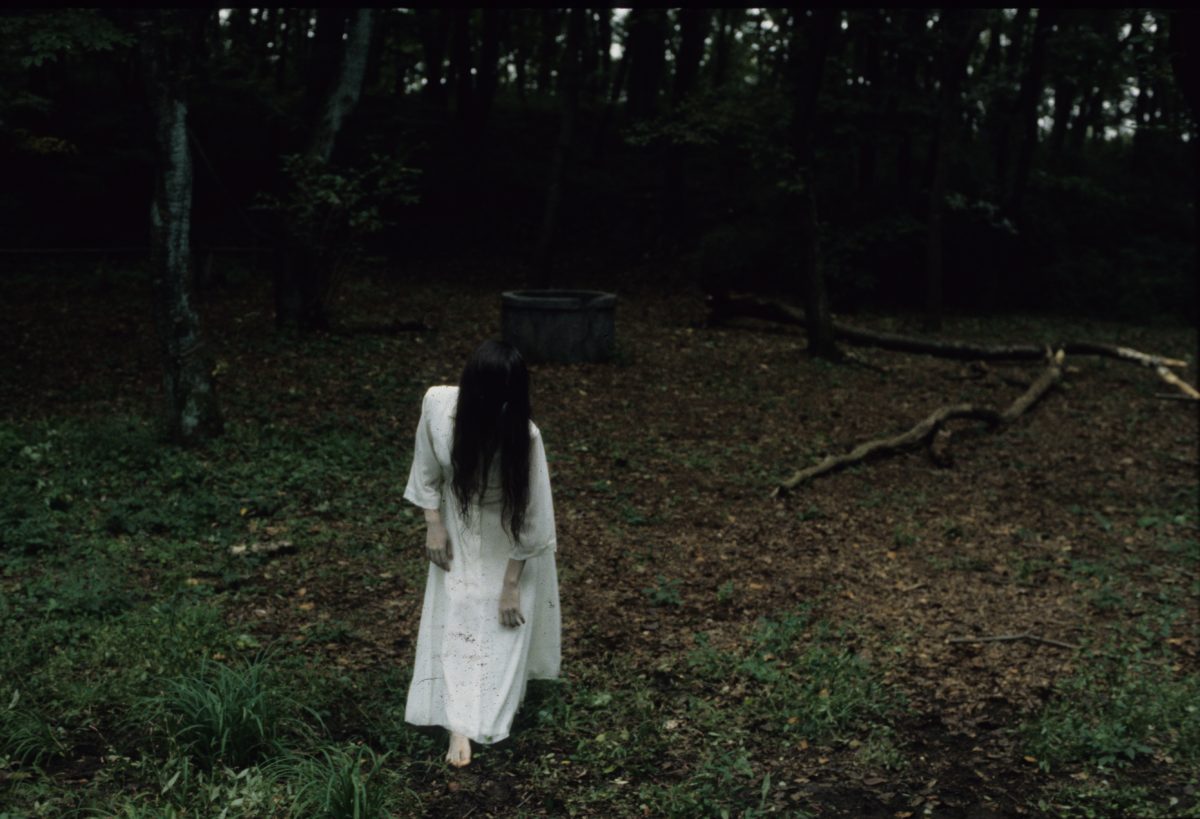
Hideo Nakata turned Ring into Ringu in 1998 and something got loose. American horror had spent the 1990s being very clever about how clever it was, doing the Scream thing, making sure you knew it knew the rules. J-Horror walked in from a completely different direction and did not know what a knowing wink was. It was slow and sincere and interested in grief and possession and the residue violence leaves in physical spaces long after the people involved are gone.
Kiyoshi Kurosawa’s Pulse, Takashi Shimizu’s The Grudge, Higuchinsky’s Uzumaki: the entire movement traces back to the ground Suzuki’s novel prepared, and Sadako crawling out of that television became one of the most recognizable images in horror’s last fifty years.
Gore Verbinski made The Ring in 2002 and ensured that anyone who had somehow missed the Japanese original was now on board. Two separate horror renaissances on two different continents inside a decade is not a record that gets broken easily.
What He Meant
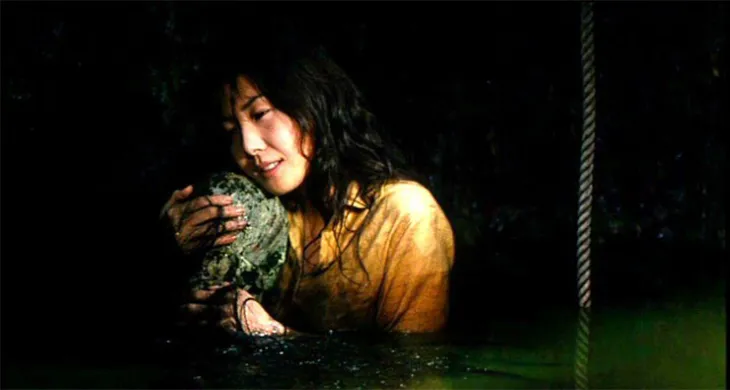
Horror has a short list of writers who actually changed what the genre thought it was allowed to do. Suzuki is on that list. Every cursed-content story since, every found footage premise, every creepypasta, every haunted stream, every piece of internet horror built on the idea that something terrible is already moving through the medium you are currently inside: all of it lives downstream from what he started. He wrote a novel about a videotape and it turned out to be about something much harder to shake than a videotape.
He received the Shirley Jackson Award for Best Novel in 2012 for Edge. The Horror Writers Association gave him the Bram Stoker Lifetime Achievement Award in 2022.
Sadako is still in the well.
News
This Week in Horror: The Genre Says Goodbye to Jonathan Tiersten
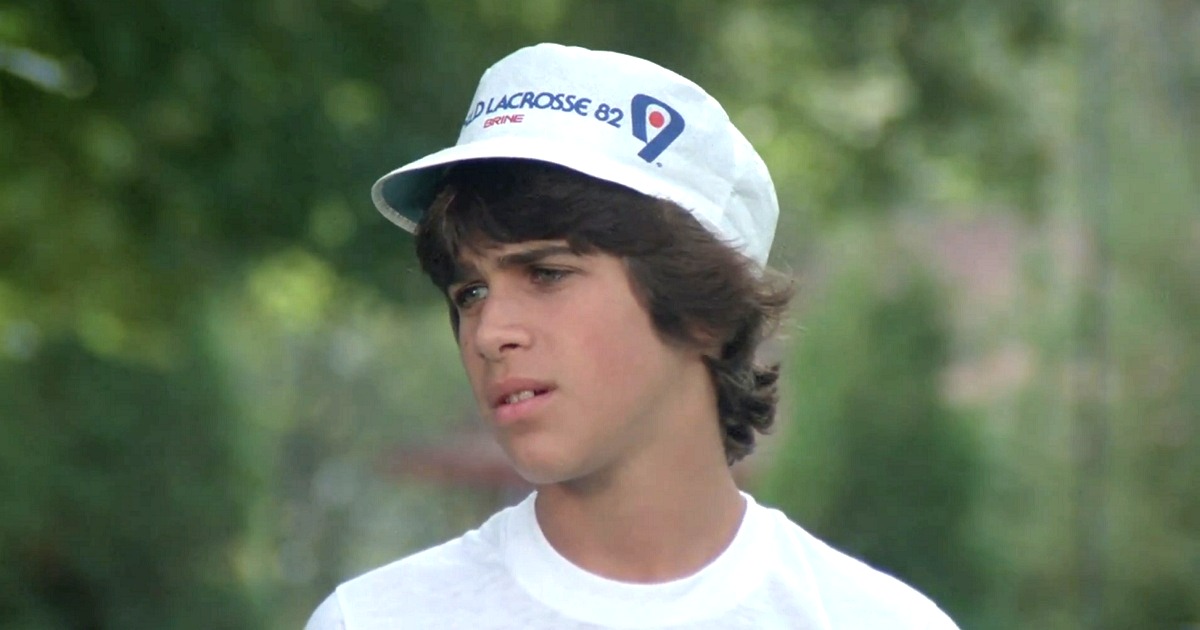
Not the lightest week the genre has had. Jonathan Tiersten is gone. Zach Cregger just showed what he did with Resident Evil. Cape Fear dropped its full trailer, Dev Patel got to stream for free, and a Japanese liminal horror adaptation quietly landed on digital. A lot happened. Here is all of it.
Jonathan Tiersten, 1965-2026
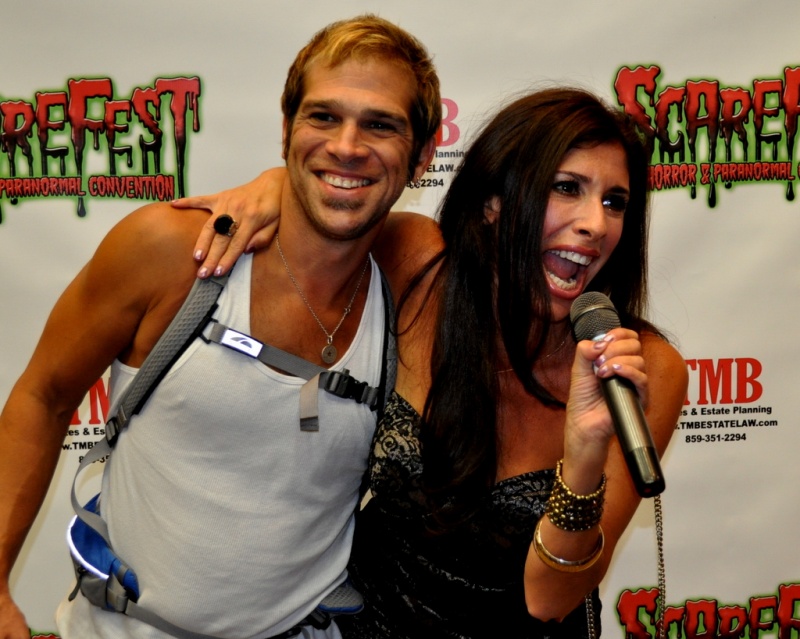
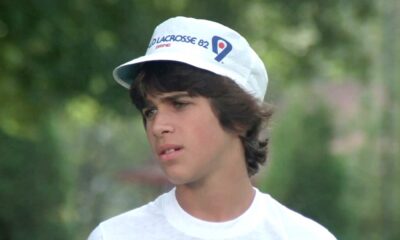
Jonathan Tiersten, who played Ricky Thomas in the 1983 cult slasher Sleepaway Camp, died at 60 at his New Jersey home. The announcement came May 5. The cause of death has not been officially confirmed.
Sleepaway Camp is one of those films the genre holds in a very specific kind of regard. Low budget, summer camp, standard slasher setup, and then a finale that has been showing up in “best horror endings” conversations for over forty years. Tiersten’s Ricky is the emotional spine of the film.
He is the cousin trying to protect Angela while the camp turns dangerous around them, and he played it with genuine investment in a way that a lot of low budget horror of that era did not bother to require of its performers.
The horror community is not small, and it does not forget the people who were part of something it loves. Sleepaway Camp is one of those films that impacts conversations about gender and autonomy in a way the original creators would have never imagined. Tiersten will always be remembered, not only for his acting, but also for being a part of something so much bigger than himself.
Zach Cregger Shows What He Did with Resident Evil
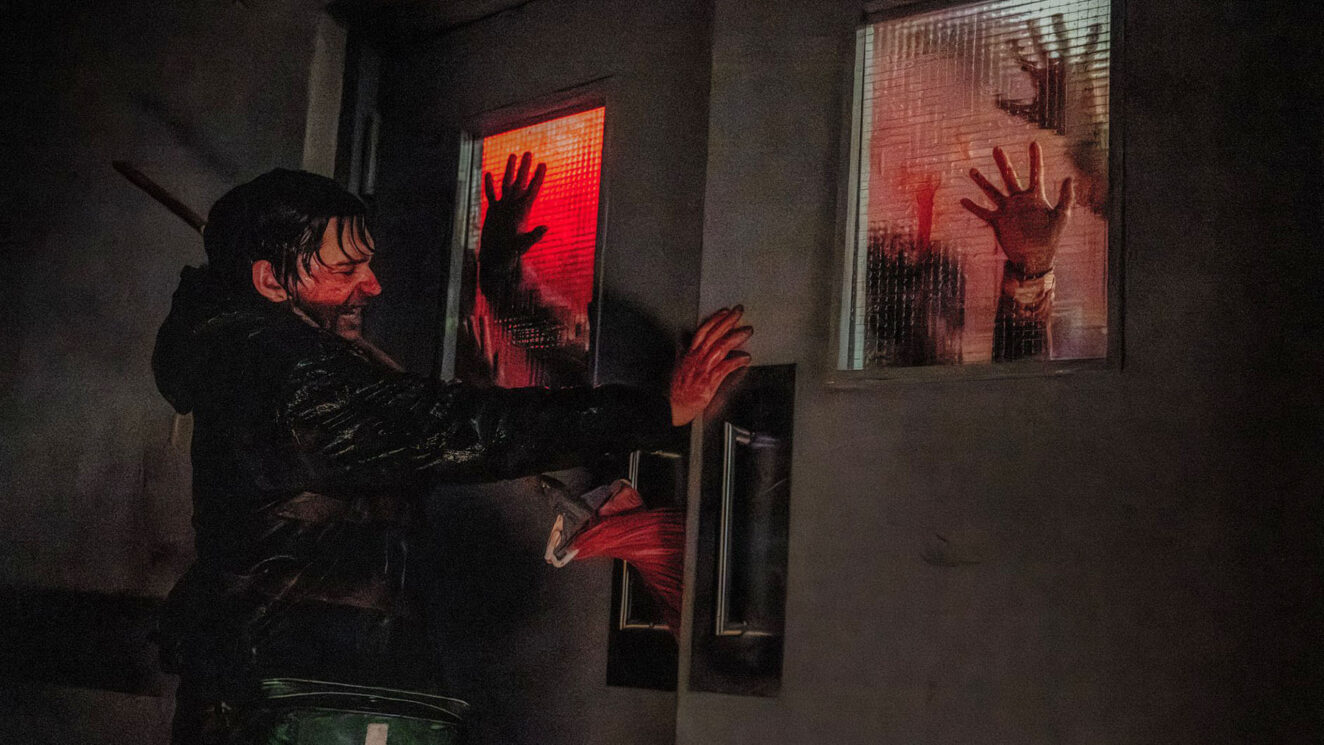
The trailer for Zach Cregger’s Resident Evil is out, and it has his fingerprints all over it.
Cregger directed Barbarian, a film that works in all the ways it probably should not have, and Sony gave him the next major Resident Evil adaptation. The film stars Austin Abrams as a medical courier who arrives in Raccoon City during the outbreak and does not yet know how screwed he really is.
Resident Evil opens September 18 in theaters and IMAX.
The Cape Fear Trailer
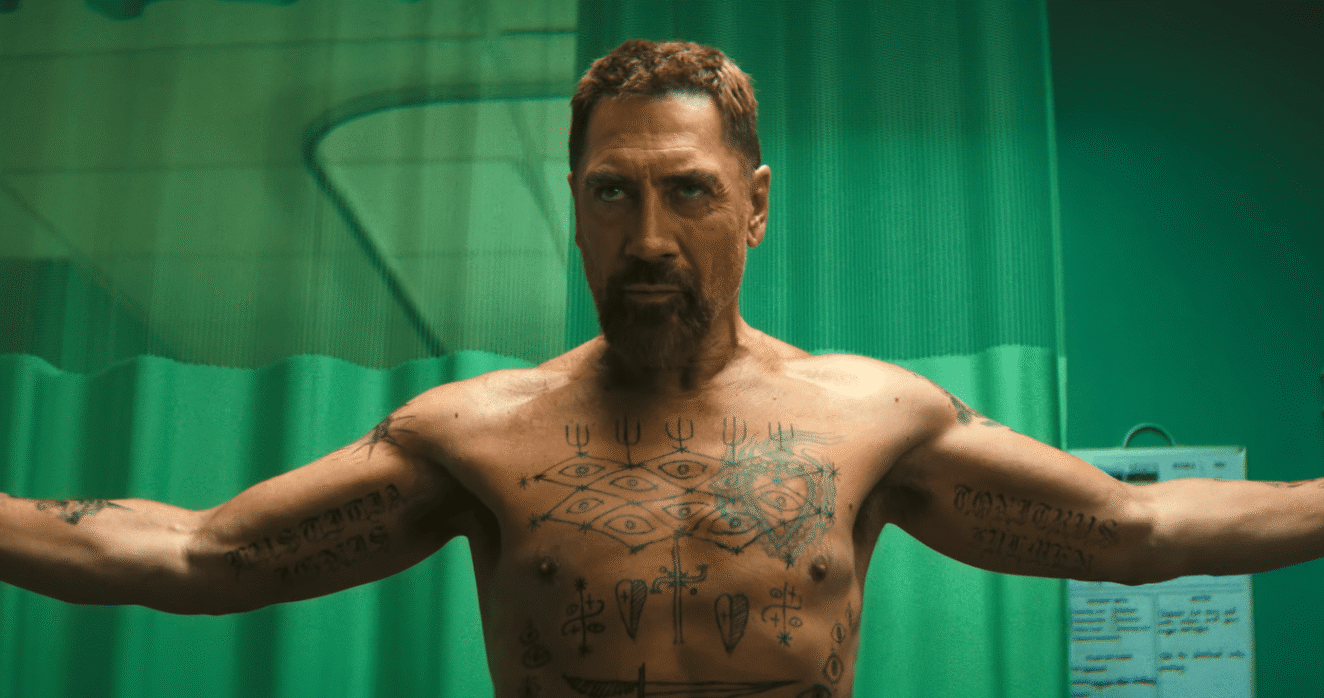
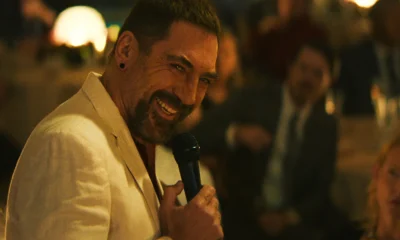
Apple TV+ dropped the full Cape Fear trailer on May 7. Ten episodes. Amy Adams and Patrick Wilson as the Bowden attorneys. Javier Bardem as Max Cady, the killer they helped put away who is now out of prison and looking for them specifically. Bardem is also an executive producer on the series, which means the version of Max Cady on screen is one he had a hand in shaping before cameras rolled.
First two episodes June 5 on Apple TV+, then weekly through July 31.
Rabbit Trap Is Free on Pluto TV
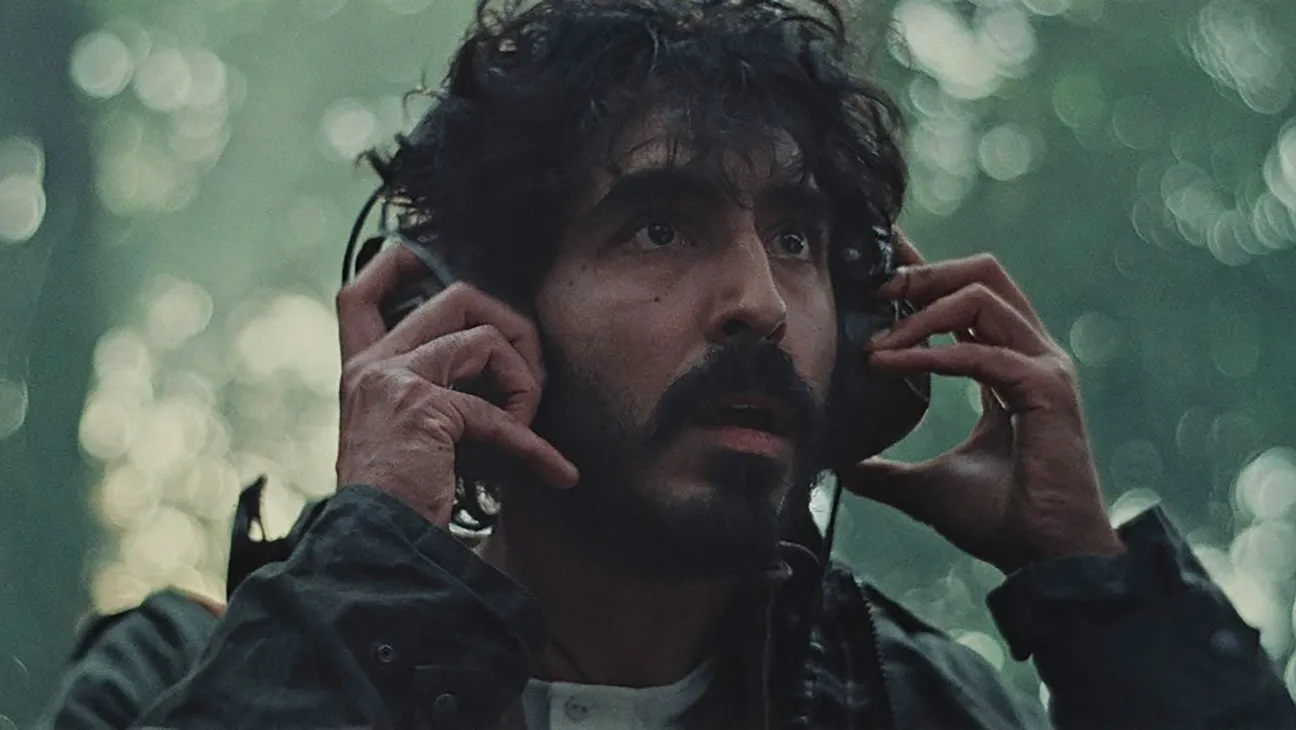
Dev Patel’s Welsh folk horror Rabbit Trap is streaming free on Pluto TV until May 31. Written and directed by Bryn Chainey, produced by Elijah Wood’s SpectreVision, the film is set in 1976 and follows a couple who relocate to an isolated cabin in Wales, disturb a fairy ring, and are visited by a mysterious child who does not have good intentions. Rosy McEwen and Jade Croot co-star with Patel. It is free on Pluto TV until May 31.
Exit 8 Hits Digital
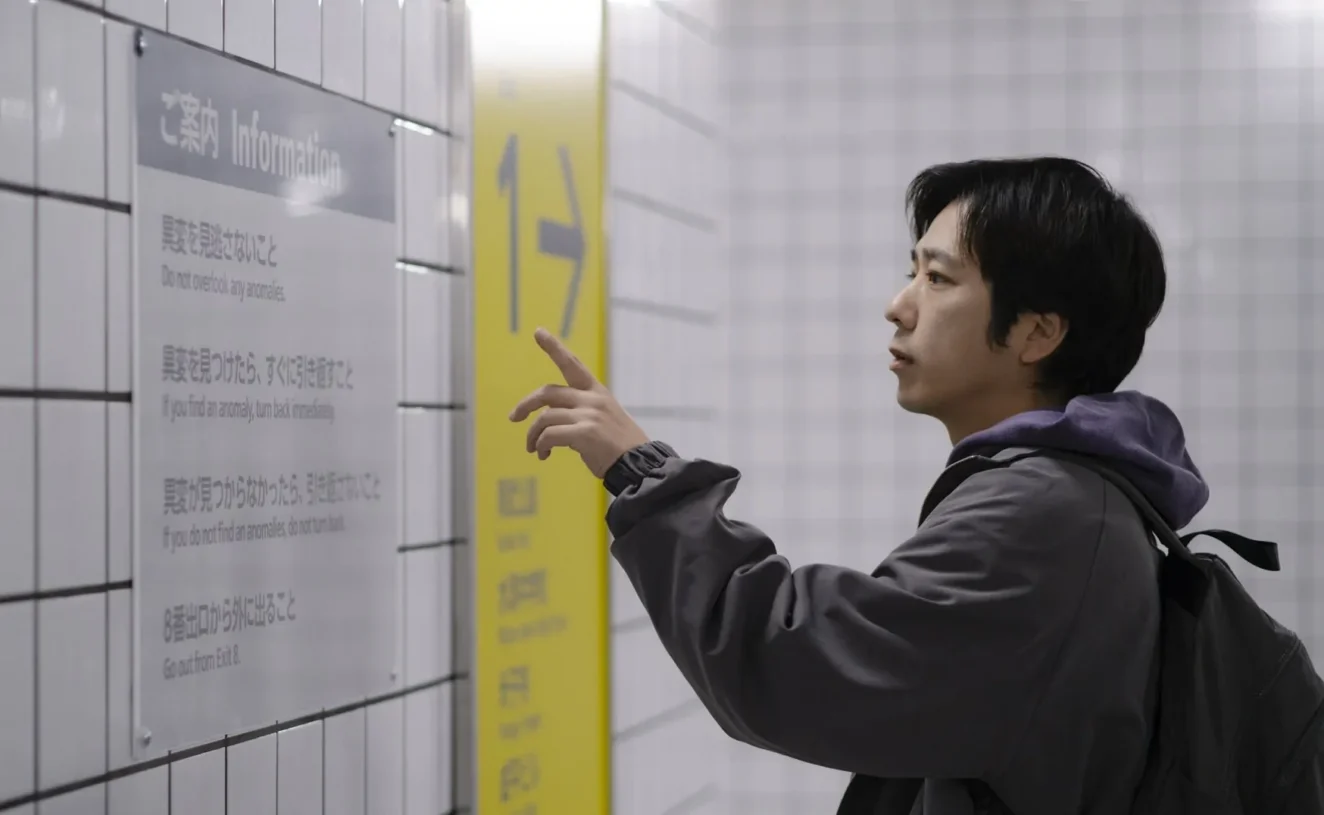
Exit 8 is on digital now via Neon. Directed by Genki Kawamura and based on the liminal horror video game by Kotake Create, it world-premiered in the Midnight section at Cannes 2025 to an eight-minute standing ovation. The film follows a man trapped in an endless sterile subway corridor searching for the exit. It holds a 92% on Rotten Tomatoes and is the cleanest possible encapsulation of a very specific internet-era dread.


Horror Coming to Streaming in May 2026: Shudder Is Doing the Most and Netflix Finally Showed Up

Evil Dead Burn Looks Like the Most Violent Family Reunion You’ll Ever Attend

_CIVILIAN Is the Micro-Series That Proves You Don’t Need Much to Make Something That Matters

Breaking Down the First Minute of ‘The Vampire Lestat’ Official Trailer: What It Reveals About Season 3

Jessica T Deveraux Got Possessed At Her Own Bar In New Film ‘Key of Bones’

The Cape Fear Trailer Is Here. Javier Bardem Built It.

‘Wait For It’: A Film Set in the ‘Leslie Vernon’ Universe!

iHorror Exclusive Clip: ‘Obsession’ in theaters May 15th

This Week in Horror: The Genre Says Goodbye to Jonathan Tiersten

Panic Fest 2026 Review: ‘Creature Of The Pines’ Is An Interesting Found Footage Horror That Walks A Beaten Path

Sleepaway Camp Knew Before I Did: The Legacy Johnathan Tiersten Left on Queer Media

Universal’s Horror Make-Up Show Ends 36 Year Run

Self Driver Runs Out of Road

10 J-Horror Films to Watch After Losing Koji Suzuki
Sleepaway Camp Knew Before I Did: The Legacy Johnathan Tiersten Left on Queer Media

Koji Suzuki Built the Well. The Author of ‘Ring’ Trilogy Dies at 68
This Week in Horror: The Genre Says Goodbye to Jonathan Tiersten

Panic Fest 2026 Review: ‘Jump Scare’ Is A Metal As Hell Kick To The Skull!
Jessica T Deveraux Got Possessed At Her Own Bar In New Film ‘Key of Bones’
The Cape Fear Trailer Is Here. Javier Bardem Built It.

Panic Fest 2026 Review: ‘Frogman Returns’ Is A Thrilling Sequel That Goes For The Croak!
iHorror Exclusive Clip: ‘Obsession’ in theaters May 15th
-
 News5 days ago
Jessica T Deveraux Got Possessed At Her Own Bar In New Film ‘Key of Bones’
-
 News5 days ago
The Cape Fear Trailer Is Here. Javier Bardem Built It.
-
 News6 days ago
iHorror Exclusive Clip: ‘Obsession’ in theaters May 15th
-
 News4 days ago
This Week in Horror: The Genre Says Goodbye to Jonathan Tiersten
-
 Indie Horror7 days ago
Panic Fest 2026 Review: ‘Creature Of The Pines’ Is An Interesting Found Footage Horror That Walks A Beaten Path
-
 Editorial3 days ago
Sleepaway Camp Knew Before I Did: The Legacy Johnathan Tiersten Left on Queer Media
-
 News3 days ago
Koji Suzuki Built the Well. The Author of ‘Ring’ Trilogy Dies at 68
-
 Indie Horror6 days ago
Panic Fest 2026 Review: ‘Frogman Returns’ Is A Thrilling Sequel That Goes For The Croak!
You must be logged in to post a comment Login