Interviews
Interview: ‘Founders Day’ Bloomquist Brothers on their New Social Slasher
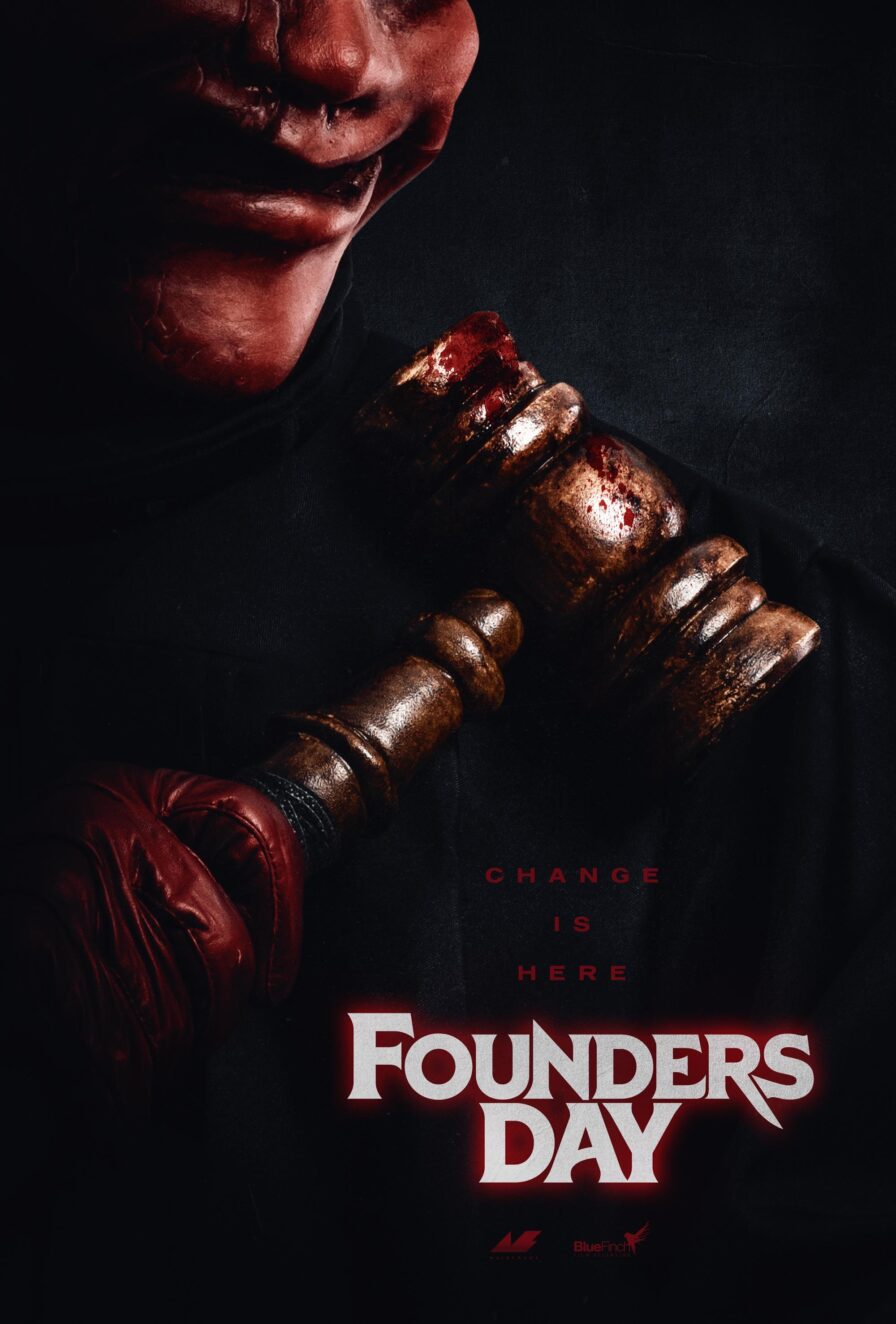
Founders Day is a pitch-perfect 90s-slasher-era inspired political horror comedy. That may seem like a weird and wild concept, but let me tell you, it works (you can read my full review here).
I had the opportunity to sit down with Founders Day director and co-writers, Erik and Carson Bloomquist, to discuss their socio-political slasher, community thrillers, and creating an iconic killer look.
Kelly McNeely: So with Founders Day, what was the conception of the concept for this film?
Carson Bloomquist: Eric and I say we have this very formative love of slasher films that we saw at a young age that really were our gateway into watching all different types of horror, I think, and we wanted it to sort of honor that. We’ve also always had this fascination and love of the idea of a community mystery thriller that feels high stakes in a small town. So it’s something that we’ve worked with and wanted to develop for a long time.
Erik Bloomquist: I think it being a love letter to autumn is a big thing, just in terms of the aesthetic, but also the kind of mischief that you feel. And obviously, I mean, Carson alluded to such films like Scream, which is very formative for us. Oviously, people pick up on connective tissue, or pieces of shared DNA, but we didn’t want to make something that was about movies, or meta referential, or where the killer had a voice necessarily, but we wanted to have that kind of mischief that we felt that when we were watching the first Scream when we were slightly too young for it. So that’s kind of what we wanted to do. The first draft was like over 10 years ago and it was like, those feelings put to paper, and over time it evolved into what it is now.
KM: I can definitely sense the love of the 90s teen horror cycle in Founders Day, and how that’s kind of a big influence. Were there – other than Scream – other inspirations or ideas? Especially in terms of the killer design and the costume with this Sock and Buskin mask, I think it’s very cool.
CM: I’d love to talk about the design, but I’ll mention quickly, another influence that I like to say is Jaws, actually; the first act, like will they or will or will they not open the beaches? What should they do, and the effect that has on Amity as a whole is really interesting. So kind of transferring that into a slasher framework was fun and central to this movie.

Regarding the mask and that whole design, when we were first conceiving this, I don’t think it was anything near what it ended up becoming. There wasn’t initially this political component to the movie, it was more about this town festival. But when it became that, a few things clicked into place. We wanted it to have this sort of aged leather feel; it’s a tragedy mask, so it’s half smiling, half frowning,
EB: But for a long time, we didn’t know what it was. I mean, I think that was also a relatively recent development. Originally in the script, it was dressed in a judge’s robe with simple tactical accessories, but it evolved. I think the mask and the gavel kind of came at the same moment, we were just like, how do we sharpen this, and how do we make it more specific?
CB: Specific, fun, and clearly, like, of what this movie is getting at.
EB: And I really liked that mask because there’s this idea of duality and two sides, and the theatricality of it, if you want to play like the political theater of it all and making statements and things like that.
CB: We wanted to use red as a central color for this, with how striking it is. It’s also political in a way, it gives that sort of edge, so once we kind of landed on the red, we kind of felt like it really became something. It was just very intentional but not gimmicky, something kind of unique to it, and the wig was the final touch. And it also aided in that almost historical undertone through the movie.
EB: I was so happy it worked, because it worked in my head, and then we were putting it together, doing wardrobe fittings for the first time. I was like, oh my god, is this going to work? And then we styled the wig and we teased it out, and we’re like, okay, cool. It gives a nice shape. But there are some funny takes of the wig falling off in certain key moments.
CB: They’re on my phone.
EB: They’ll never see the light of day.
KM: I love – along with the mask to design – the use of the gavel and the different weaponization of those materials. Did that come at the same time as the mask, the planning of those kind of all-terrain fold-out weapons?
EB: It was probably like, five or six months before we shot… we were doing one more pass at it. How do we sharpen what he’s doing? And it just felt very interesting to me, because there were some knife kills and some other kills, but we just wanted it to be something that was specific, but again, not gimmicky. You know what I mean? Like we didn’t want just like a bat with nails in it… but that’s not a knock at Negan.
CB: Listen, there are some really cool weapons out there; I think it’s a fine line to walk between something that feels very scary and iconic in some way, versus something that might feel like it’s from a haunted trail.
EB: It has multiple components; there is the surprise of it all, if people don’t know when they watch the movie – which, you know, many probably will from trailers – that the knife exists, but it allows you to bludgeon first and then you have this other piece of it. And there’s just something about the duality of both –
CB: The unexpected nature of it.
EB: The striking image, and the way that that can travel. I it just felt really correct to us. It’s so cool, I wish we had it with us. But it’s so fun to play with, I think we had one hero and two stunt on set, and I had one hero made since. And they’re just like… it works! It’s really, really cool. I mean, the knife is not sharp –
CB: It’s pretty heavy, too. It would do some damage, for sure.
KM: I appreciate the duality again, it’s the bludgeoning as well as the stabbing, and the comedy as well as the tragedy. You touched on that as well, the theater of politics and the theater of horror. I think that those do go hand in hand, it’s like how comedy and horror are kind of two sides of the same coin. There’s a lot of horror films that have a deeper meaning, that go into socio-political context, and there’s definitely a loaded context in this film. Could you speak on that?
EB: We want this to function as something like that a 12 year old could watch – even though it’s rated R or whatever –
KM: That’s never stopped us before!
EB: That’s when that’s when I watched Scream, you know? See it before you should see it, it’ll be super fun. Thematically – and there are pieces of this that probably, to an extent, if we go too deep might peel back too many layers – but I think ultimately, we just wanted to demonstrate the kind of arbitrariness to some of what happens and how personal politics can can go into this tug of war and kind of infect other people and then how leadership positions can be tainted by that.
CB: We have this political framework, but a lot of it’s used to just explore certain social tendencies. It’s a social thriller, I think, predominantly, with how we’re trying to explore people through that political framework. We don’t want to dive too deeply, but we also want it to be sort of attainable and understandable, and something that someone who’s young could comprehend and kind of see what we’re saying. But then someone who’s seen this kind of stuff before can really have a certain appreciation of.
EB: I’ve seen a couple of things where people are saying that the film never actually takes a side, one candidate or the other, or expands on what their platform is. But I disagree, I think that’s exactly the statement; that there are a lot of empty platitudes and a lot of posturing and buzzwords, and that’s kind of the statement we’re making is that these two people are kind of one of the same for us, because they are. They’re both guilty of what they’re accusing the other of doing, and I think that that’s very fun to play with. That’s why I like their rivalry so much.
KM: That’s kind of a perfect segue into talking about the casting of those two roles, with Amy Hargreaves and Jayce Bartok, they’re fantastic in those roles. How did the casting come together? Did they read together? Or how did that all work?
CB: They didn’t actually, we had Amy attached before – she had done our prior movie with us, not genre related – and we knew in the process of doing that she was going to be just right for this.
EB: Very different part, but we were like, she’s got it.
CB: Yeah, a very, very strong connection to that, and we saw it. And then Jayce was a later addition. We saw a tape of his, and Amy sang his praises.
EB: Amy had worked with him, like years and years ago, and they were friends. And we were looking at this and we talked to her about it. And so they had an existing rapport, and he brought up a little bit more… sniveling comedy to it –
CB: A hateability.
EB: Like, just a weaseliness to it. Which, if he hears that, I hope he knows that I mean that with all the love in the world. It’s so great. And we were like, okay, that’s gonna be a really fun foil, and the fact that they knew each other, and we’re shooting so quickly, and they had this existing trust and rapport, I think just made a lot of sense for us. So that’s, that’s how that landed. And I’m glad it did! They’re a very striking pair.
KM: It’s great that they already had that connection, because it really does read that they’ve been that rivalry for years. What’s the co-writing process like, working with two writers coming together? Did you trade off on the scenes? Did you sit down and do everything completely collaboratively? How was that process for you guys?
CB: It’s both, I think, we’ll waver between sort of, like, oh, I want this scene, let me just take a whack at it. And Erik will want one another. And there’s some we both have to be looking at at the same time. Or I’ll text him an idea, he’ll text me an idea, and we’ll go from there.
Eb: If we’re in the same room, it’s often like a pass-the-laptop back and forth situation. It’s like, you go, yeah I don’t know, what do you think of that?
CB: And then we’ll go from there. But we haven’t really hit an impasse with like, oh no, it has to be this or I am done! We’re not working together! It’s been pretty fortunate that we have that sort of hive mind. But sometimes one of us might have a little bit more conviction about something that the other doesn’t quite see. And then there’s that faith that we can kind of trust each other on those points.
EB: Even little things like there being a scene in the beginning that is somewhat expository, but like necessary and good for some of these characters. You know, Carson will be like, okay, let’s attach some action to this. And it’s like, okay, how do we do that? There’s a bar scene toward the beginning, originally it was like me, Deputy Miller, and Mr. Jackson meeting at the bar. And we just needed to keep the energy up. I love that scene, I love our conversation, but I think that [Carson] wanted a bar fight just to show that unrest in town, and then I was like, okay, if there’s gonna be a bar fight to start that, let’s make it the council people from the meeting earlier on. So we established a community in that way, and then we just kind of built out from there. It was layers of that.
CB: And that has other fanatic relevancy later. Interweaving those other characters in town – and in other pockets – I think allows you to feel the grander tapestry of Fairwood.
EB: It was important to both of us that – even if people didn’t have extended scene work with each other – that it felt like everybody either knew or knew of each other in town, and had an opinion about each other. So even if somebody’s walking through a scene, you’ve seen them before, if they have one line. These people that were in the town meeting earlier, now they’re in the bar for a line, and you see them in the background of Founders Day, so that there’s just this real community feel to the whole thing. So we tried to structure that with the number of characters that we had. The town itself is a character in the whole thing.
CB: This extends into editing too, where there are certain scenes that we have written out somewhere and then looking at it, we’re like, oh, maybe we can rewrite this a little bit, or maybe we can truncate it. And that’s in the editing, because you know in that process you need to make adjustments to make it all click into place a little bit more. So it’s all part of the process, and it’s good that I think we wear both hats, because we try to write anticipating the next steps with production and editing, and then we try to produce it with editing in mind.
EB: The editing is like the last draft of the script. I think we either reorder or cut up certain scenes, or intercut scenes that weren’t originally intercut. It’s cool, but you can only do that in the edit.
KM: The role that [Erik] plays in the film, Oliver, was that always intended? Was that written with you in mind? Or were you just like, you know what, I want to do this one?
EB: I’ll often be in stuff that I direct. Acting is my roots and background, but it only if it serves the story, and the infrastructure allows. Sometimes I feel like I can direct from within the scene just by setting a tone or doing things a certain way that sets a baseline that people can react to. So this one was kind of in tandem with the police deputy role, played by Adam Weppler – he’s in a lot of our stuff – and so we kind of liked the idea of having a bridge between the the high school ensemble and the full adult ensemble, that were like the the young adults in the town that are tying those two together, and what it is to stay in a community after that and be in that period of transition between high school and adulthood in a small town. And just being able to represent a more neutral workhorse kind of thing, like me at the town hall and [Adam] at the police station, just to have another –
CB: And just sort of keeping the wheels of the town going. There’s something interesting about that that I think makes sense.
KM: You mentioned that you usually act as well as direct – and write – do you sometimes wish you could take a further step back as a director, or do you find it makes it a lot easier to direct from within?
EB: I largely really like it. From the acting perspective, it can be really freeing to get into it. I’ll watch playback, but Carson’s right there. We’re working very closely, and Carson is watching me for my little isms that he knows I don’t want in my coverage, and just keeping an eye on the shape of the scene. So I have trust there. And I can kind of just – I guess from experience – balance it out performance wise and give notes afterwards, I can kind of wear both hats at the same time. So often it works. When there are questions, or it’s highly technical, I’ll step out and review, but I really do trust the people around me. Carson and cinematographer, and everybody in their departments to really get it. And a lot of that is just from having clarity of vision from the jump.
KM: With Founders Day, I really love the themes of that small town, that community; feeling trapped within it, but also trying to make changes to it. I feel like that, again, is kind of a loaded context on a bigger scale as well. Can you talk a little bit about building that community in the film, and the not-so-subtle layers of the onion underneath?
CB: I like to sort of articulate it as a microcosm of things happening on a wider scale that we want to explore. I think doing the small town local politics level thing allows us to examine things in an intimate way that maybe allows us to see things in a grander way. And that’s what we like to do.
EB: Magnify.
CB: Magnified, yeah. Generally, we have witnessed sort of these isms – politically – in all different pockets and sizes of government, and we see the lawn signs all the time, and the repetition of it. But we also have this strange fondness of that time of year. It’s almost like a blanket where you’re like, here it comes again, it’s October-November season, let’s gear up for it. We mix that sort of thematic exploration with that formative cup of autumn comfort in a way that feels right to us. And we grew up in a small town, we use things from that and we use things from other people we know in their experiences too, to try to create a unique – but familiar – kind of space and town that you might feel like you know, even if it’s just like all these strange characters. Everybody maybe is hiding a little bit more than you might imagine would happen in real life, but I think that allows you to kind of see things for what they are in some way, and also just have fun with it at the same time.
EB: It’s satire.
CB: It’s a satire, right, and it’s fun to crank up the notch a little bit. It gives you this ride to go on and kind of magnifies these tendencies that you realize, but maybe don’t articulate all the time.
KM: With horror as a genre, I feel like there’s a lot in particular sub genres – particular themes – that we explore in horror that act as a reflection of what’s going on socially. And I’m kind of curious what you guys think about what the next big themes in horror are gonna be. There’s comments about how vampire movies are big at certain times, and zombie movies are big at certain times. And it’s kind of curious what you think is next.
EB: There seems to be a slasher wave right now. So I’m glad that we’re where we are.
CB: And it feels timely, I think, talking about this movie. I like to say the Founder – and what we’re doing – he’s a disrupter to the situation as it is right now, which is very interesting to perceive it that way. But I think that’s what the slasher has the power to do in regards to like, where this might go…
EB: I think there’ll be more legacy sequels. I think there will be more genre mashups like there have been –
CB: Hybrids from this movie, but it’s this!
EB: Which I think is cool. I’m really excited for They Follow.
CB: It feels almost a little bit vague, right? Because I think we’re in this place where a lot of things have been tried. It’s almost like the legacy sequel/requel thing; a sequel or a remake or whatever that will honor the first film, but make a direct sequel to it. And we’ve seen so many of those too, though, to the point where I wonder like, what new thing could get announced where you’d get like, “holy, they’re doing one of those!?”. I don’t know how much is left where you could have that impact.
EB: Elm Street with Robert England?
CB: Maybe that. But it’s limited now. I think it’s sort of like the pendulum swinging into in some ways original, really interesting high concept things. But I also like to think that fun won’t be lost as part of this. And that’s important to us. We’re harkening back in many ways to an era of slasher movies and fun, from a couple of decades ago that is completely valid and deserves a place to be seen. I think it’s funny, where you have these waves, what’s the word? Elevated horror?
EB: We’re not going to use that.
CB: Right, but it is a term that’s used. I think it’s better to embrace horror itself, I don’t think you necessarily need that term for all the fun that it can have. So I think, fun and current.
EB: More Creepy Pasta stuff.
CB: Yeah, there might be more internet based stuff.
EB: Or even something that takes tech into account. AI is a thing, there’ll probably be some TikTok horror movies.
KM: I think it’s interesting how like in the 2000s, we had that resurgence of remakes, and then the 2010s they kind of kept doing that into sequels, and now we’re into the requel thing. So what’s coming after that.
EB: Do you remember the era of like, the Platinum Dunes remakes? Like I thought those were fun. I don’t know, there was something about them, they’re just like… Michael Bay horror movies.
KM: Yeah, like the 2009 Friday the 13th and the 2013 Texas Chainsaw Massacre, those are great.
EB: I agree with you. We have the box set for Friday the 13th and we watched all of them for the first time. The remake’s really good!
CB: If you didn’t call it a remake, and it was just one of the sequels in there, it’d be one of the favorite sequels. But I think there’s this idea that it’s a remake.
KM: It’s more fun than it has any right to be.
EB: I will say, for anyone reading this, just the general plug; I think indie film is getting harder and harder just in terms of the viewing habits of people and desire to engage early with content
CB: How fleeting attention spans are with content…
EB: If you have interest in seeing this, or something like it, I think early and vocal support is very meaningful and monumental for stuff like this, because that is what things rely on. I think it takes a lot more to get somebody to decide to press play on something now. So for whatever it’s worth, I think if you’re drawn to something, give it a go early and tell your friends if you like it.
Founders Day played as part of the Toronto After Dark Film Festival. Click here to read the full review.


Interviews
‘Behind the Mask’: Nathan Baesel Exclusive Interview!
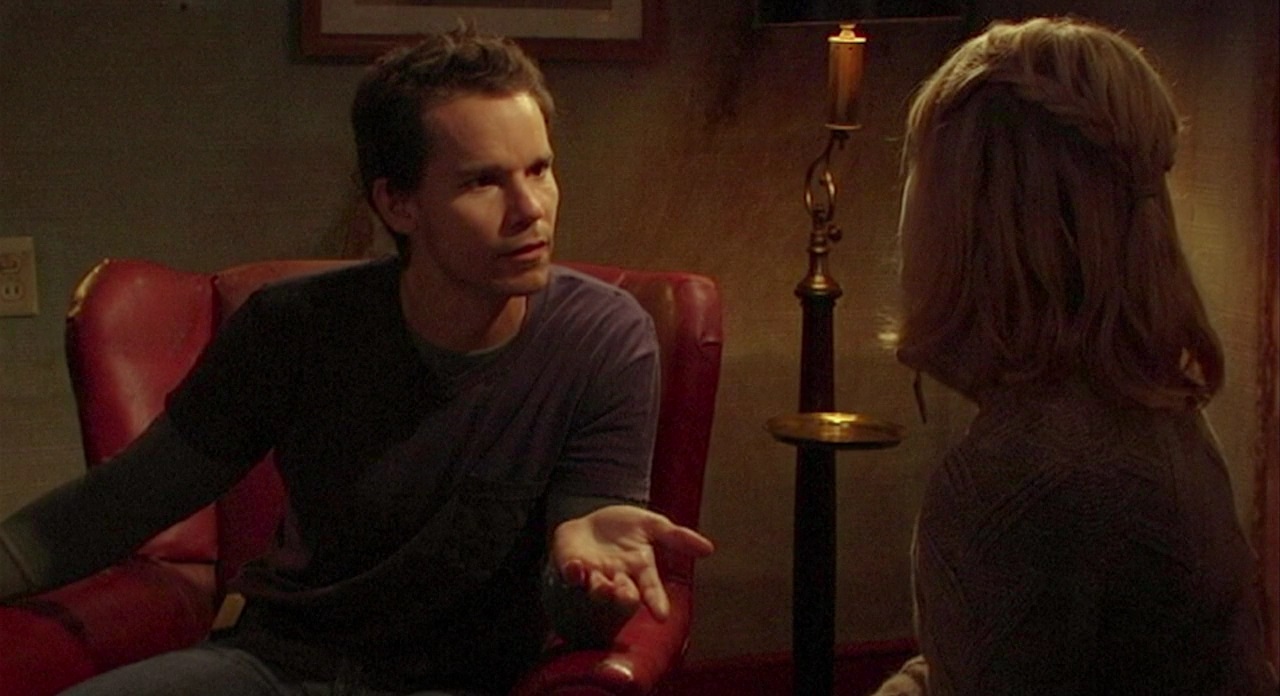
Nathan Baesel portrays the controversial Leslie Vernon in 2006’s Behind the Mask: The Rise of Leslie Vernon. I say controversial because he has all the hallmarks of a savage killer. Vernon is dedicated, well organized, and ready to add his name to the top of the slasher ranks. However, he is also a quirky and likable. He is the type of guy you wouldn’t mind sitting down and having some beers with.
We at iHorror had the chance to catch up with Nathan during his busy schedule of conventions and promotion for the long anticipated sequel, Behind the Mask 2: The Return of Leslie Vernon.
Amongst news of the sequel, he talks with us about his interest in horror, his undying appreciation for his fans, and working with veteran Robert Englund.
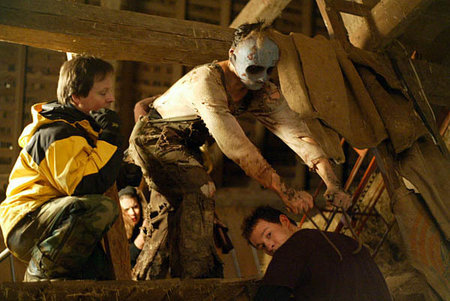
iHorror: Thank you Nathan for talking to us at iHorror.com! Fans are so excited knowing Behind the Mask 2: The Rise of Leslie Vernon is FINALLY being made! Many of us have been waiting a very long time. Certainly no longer than you, director Scott Glosserman, and writer David J. Stieve!
Nathan Baesel: Thank YOU! It’s only happening because fans have been keeping it alive and part of the conversation all this time.
The Movie that Started it all
iHorror: The original is such a classic. The script, the execution, the balance of horror, comedy, and the respect and understanding of the genre; it all makes a movie like no other.
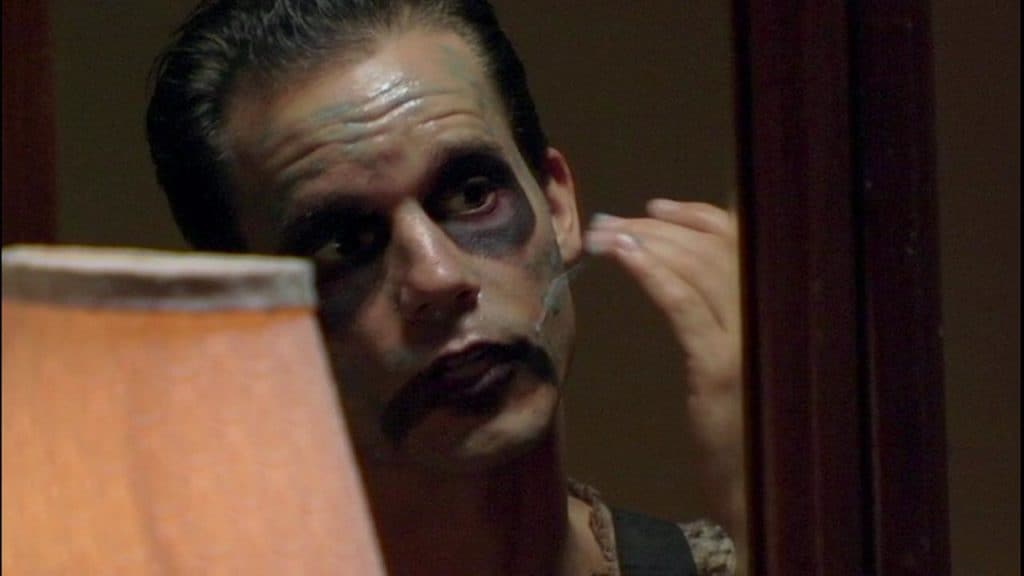
Are you a fan of the horror movies referenced in the original? Or did you have to dive into research mode when preparing for the role?
Nathan Baesel: Summer 1986 I watched A Nightmare on Elm Street which taught me a healthy respect for the genre, like nearly drowning teaches a healthy respect for the ocean. Child’s Play and a few others topped off my education, but after we made BTM I discovered Svengoolie and was able to introduce my sons (and myself) to the classics. I’ve been a student of the genre ever since.
iHorror: What were your original thoughts while reading the script?
Nathan Baesel: It was so clean. It was informative without being too wordy, it was funny and scary, everything planted at the beginning paid off at the end and I understood everyone’s motivations throughout. I knew instinctually how to play that script and, besides needing an acting job, I was especially hungry to do BTM because I didn’t know if I’d ever come across a script that good again.
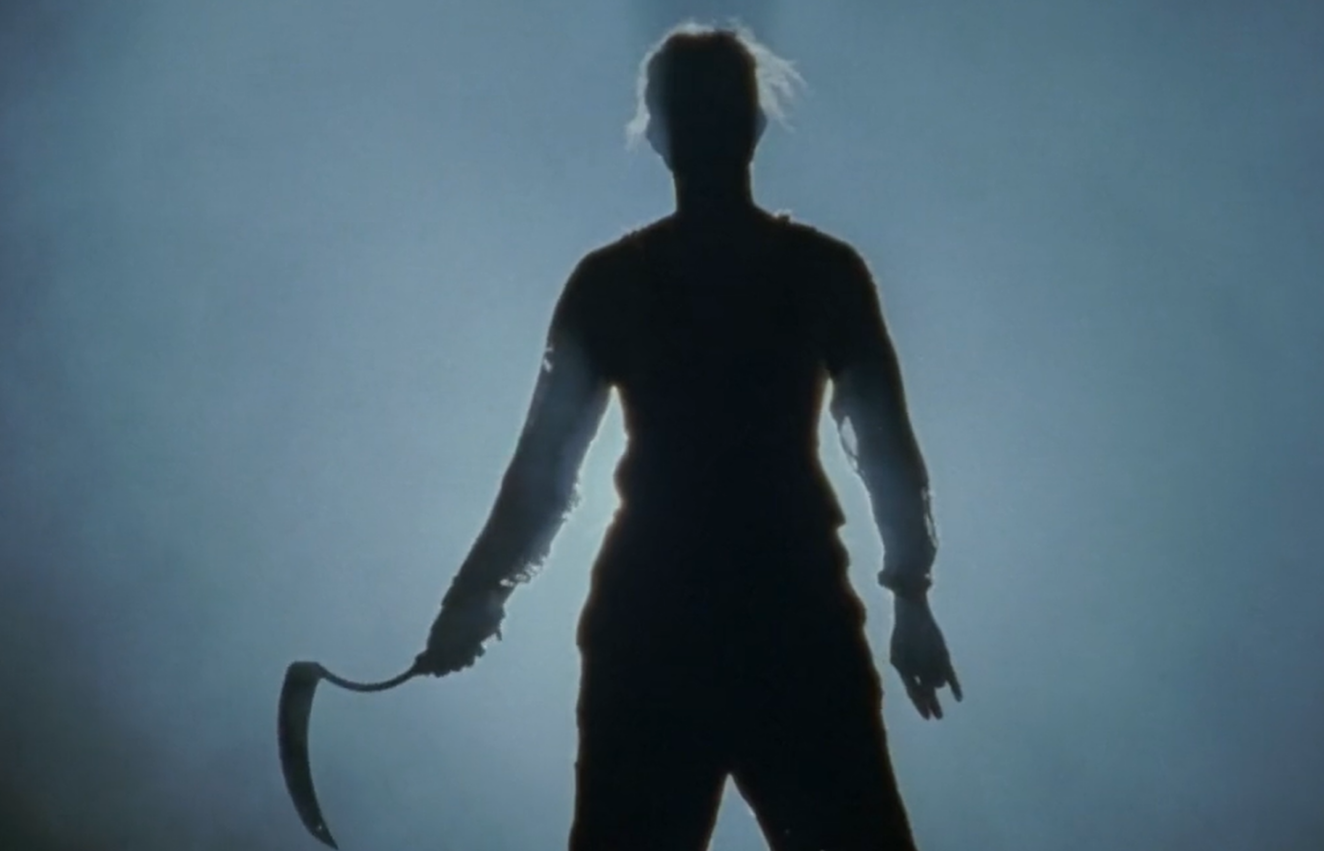
iHorror: I never thought I’d describe a slasher killer as lovable, but Leslie Vernon truly is! Where did you find your inspiration for his unique personality and quirky behavior?
Nathan Baesel: My inspiration was all the guys auditioning before me that I could hear on the other side of the casting office’s paper-thin walls. Their choices were “angry” and “menacing” and “evil” and they sounded silly and unbelievable from the waiting room. On my turn, the contrarian in me tried to steer things in the opposite direction and see if there was anything to be mined. It turned out all gems.
iHorror: What is one particular scene you feel captures the character of Leslie Vernon?
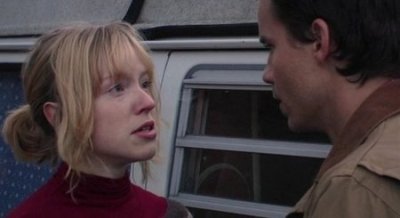
Nathan Baesel: One of the scenes Angela and I auditioned with was the scene next to the van where we catch a glimpse of the man behind the mask. The sudden turn from playful to violent is undeniably menacing but it’s earned and not posturing simply for effect. I was so lucky that Angela was selected to be my playmate because that scene set the high quality of our play for the entire shoot.
Powered by the Fans
iHorror: The movie really found its place among the hearts of horror fans when it was released for home viewing.
You are attending Crypticon in Seattle this upcoming weekend, May 1-3. What has meeting fans at conventions been like for you?
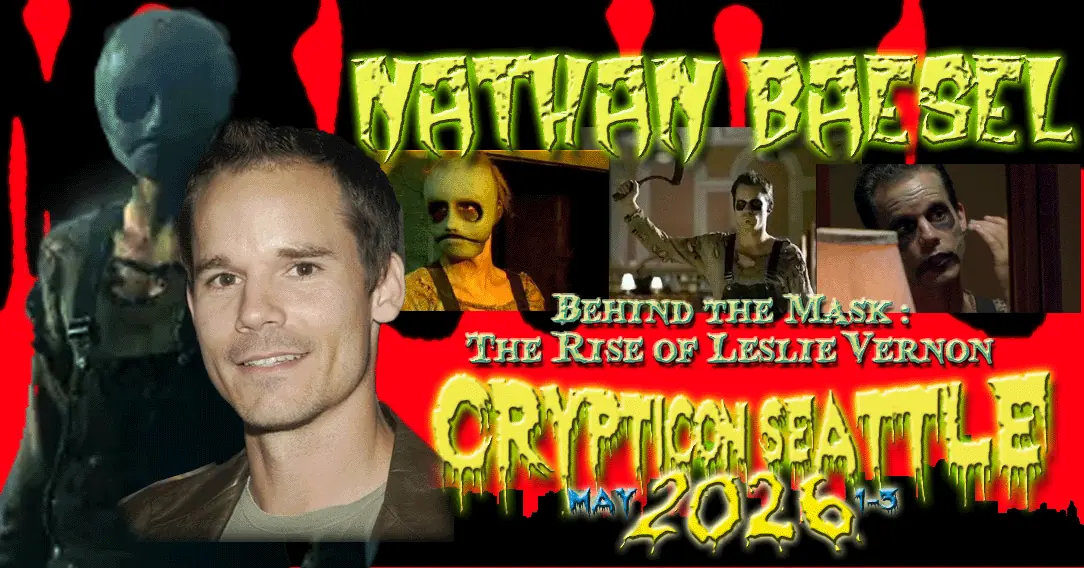
Nathan Baesel: I’m impressed every time by my fortune at having been a valued collaborator on a project that has stayed with people and only gets more attention, more affection. I see all of my appearances as an opportunity to try to give back to folks who have kept us relevant all these years.
iHorror: Have you seen anyone dressed up as Leslie Vernon yet?
Nathan Baesel: Oh yes, I get pics all the time on social media. We had a 20th anniversary screening last week and my buddy Zoran from Kill Count asked if I would mind him attending in costume. I was delighted by the idea and for all the folks taking photos that night, he was far more popular than me.
The Sequel that Will Not Die
iHorror: The internet horror fanbase exploded when the news was announced that the making of Behind the Mask 2: The Return of Leslie Vernon is in development. When did talks about a sequel begin?
Nathan Baesel: Talks have been in varying degrees of seriousness since 2008! So many things needed to be in place to make the massive machine of a production realistic, not the least of which was lots of money. David Stieve wrote countless scripts to accommodate changing times and creative interests. And they were all great scripts! But it wasn’t until the end of last year with the current draft completed that the sequel machine really started back up.
iHorror: Robert Englund has been announced to return to the sequel as Doc Halloran. Furthermore, director Scott Glosserman said Robert will have a much meatier role this time around. What do you hope to see in the development of Doc Halloran’s character?
Nathan Baesel: Robert is such a special presence and utilizing him to the max is what fans want from us and it’s exactly what they’ll get. Halloran gets a lot of light moments which are such a delight with Robert’s expert delivery but Halloran is a harbinger of doom and he’s back to make sure everyone knows something wicked this way comes.
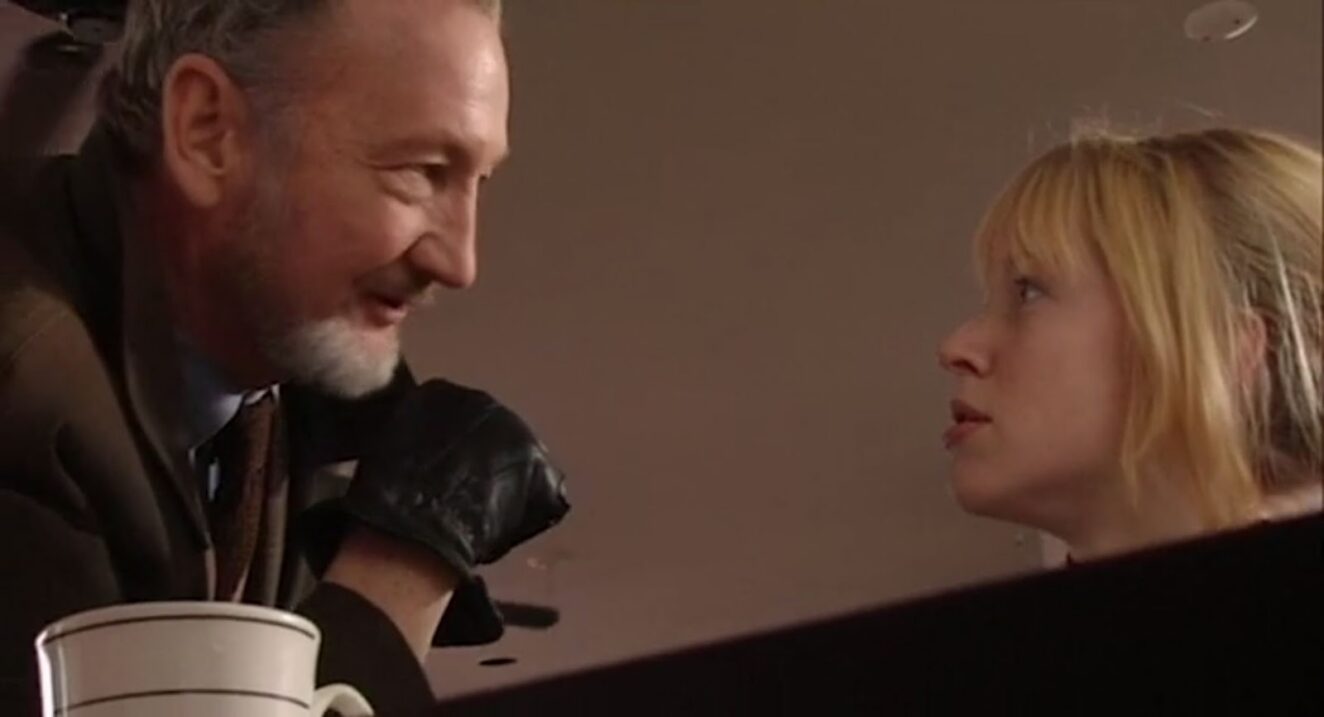
iHorror: When you were filming the original, was there anything you wished you knew about your character that will possibly be revealed in the sequel?
Nathan Baesel: I suppose I wish that I knew how to be truly present and appreciative of the good thing we had. But I’ve needed every one of those 20 years since to learn how to do that and now I’m getting the gift of a second chance.
Full Steam Ahead
iHorror: Where can we keep up to date with news of the sequel as well as your future projects besides the Facebook group for Behind the Mask 2: The Return of Leslie Vernon.
Nathan Baesel: I try to keep my Instagram and Facebook pages current but you can jump on our Kickstarter to help make this magic.
iHorror: Thank you so much for taking time to talk to us at iHorror, and we cannot wait to see Behind the Mask 2: The Return of Leslie Vernon!
Nathan Baesel: We are all massively appreciative of you and everyone helping to keep the Leslie love alive. Thank you and we’ll see you on the big screen!
Interviews
‘The Serpent’s Skin’ and Who Gets to Hold the Camera

Alice Maio Mackay, Alexandra McVicker, and Avalon Fast on what it means to be trans in horror, and why The Serpent’s Skin is arriving right now
Horror has a long, complicated history with trans bodies. Most of it is exploitative. Some of it is genuinely interesting. Almost none of it has been made by trans people. The genre built its mythology around certain kinds of transgression, and trans bodies got folded into that mythology in ways that ranged from lazy to actively harmful. The killer in drag, the twist reveal, the monster whose horror is rooted in a body that doesn’t match expectations.
That history sits in the background of every conversation about trans filmmakers working in horror right now, whether anyone mentions it or not.
Alice Maio Mackay is twenty-one years old and has made six feature films. Her latest, The Serpent’s Skin, opens in theaters across New York, Los Angeles, and a run of cities that surprised even her. Alexandra McVicker, who plays the film’s lead, is a trans actress known from Vice Principals who came out publicly after that role and stepped in front of the camera again for the first time here. Avalon Fast, who plays the other half of the film’s central relationship, is a filmmaker in her own right and found the production arriving at a personally significant moment.
I talked to all three of them before the theatrical run. What follows is about the film, but more than that it’s about what it looks like when trans people are the ones deciding how trans stories get told.
The Demon Comes From Inside
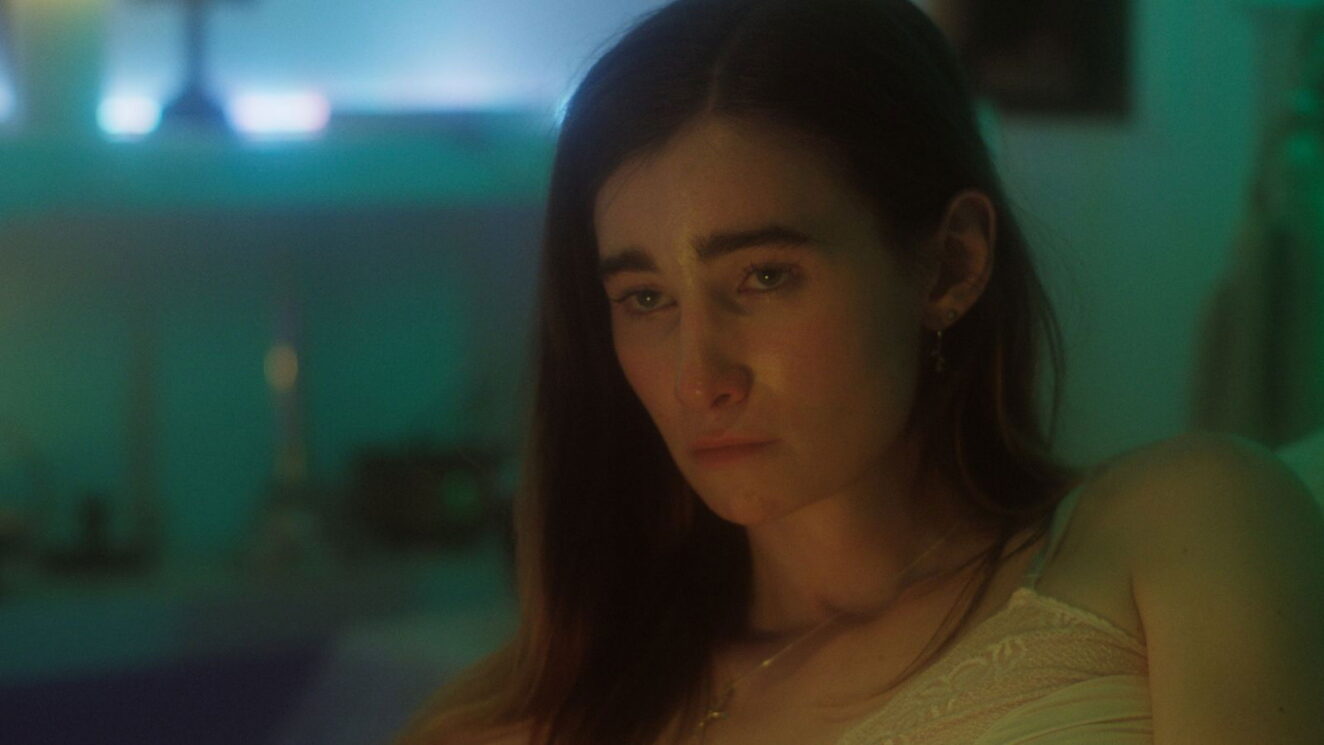
Mackay’s earlier films locate the threat externally. Transphobia becomes a vampire in So Vam, an alien body-horror invasion in T Blockers. The monster is always something coming for the trans characters from outside. In The Serpent’s Skin, for the first time, the demon is summoned from within. It rises from the unresolved insecurities the central characters are carrying into their relationship. I asked her why she made that shift.
“I think it was just time to part from my usual thing. The last few films it’s kind of been like the political landscape, the outside being the evil and the villainous thing, and the characters have to defeat that. This time I wanted to take it inwards. It’s still a political movie, but I wanted the queer characters to look inwards and defeat their own traumas and personal demons, and how those might transpose onto others around them.”
That’s a more exposed kind of filmmaking than locating the danger in the world. The world being the enemy is legible and satisfying. Your own unhealed wounds being the thing that summons the danger is something else.
The film is also consciously in dialogue with the late-90s supernatural girl-power television Mackay grew up watching. Buffy, The Craft, Charmed. Those shows had queerness present but rarely named, power that read feminist without ever quite committing to the word. I asked what she took from them and what she wanted to correct.
“There are issues with some of those shows. Often you look at Buffy and like, Joss Whedon was the creator, there are those kinds of things. But for me I wanted to make the film through the lens of those shows, taking the tropes and sometimes the hidden queerness, and just make that the text. Make it as explicit as possible rather than hiding anything or keeping it to metaphors, which those early shows did with their queer themes.”
That’s the project in a sentence. She takes the nostalgic framework and finishes the sentences those shows left open. The queerness is text, not subtext. The trans identity is the weather the story lives in, not the twist at the end.
The Room That Gets Built

Mackay is public about her commitment to queer and gender-diverse cast and crew on every production. Most interviewers ask her why. The more revealing question is what it actually changes in practice.
“I’ve been on sets that haven’t had those environments and you can still make something great, but you still have to explain why you’re doing something, what this means. Whereas if you have a predominantly trans or queer cast and crew, it kind of eases off the pressure. You all believe in the story, you all understand the themes and elements, no one’s having to stop at a scene and be like: what does this mean.”
Fast, coming to the film as a director herself, described something similar from the other side. Her director brain essentially switched off once she was on set, which she credited to the environment Mackay built.
“I went into this just purely as an actor and that is what I wanted to do, and I really found as soon as I was on set the background of production had nothing to do with me. I didn’t feel any responsibility for it and I was able to just completely be in the world of being an actor. Alex and I were big divas on set. We definitely didn’t have any role in the directing side of things.”
The Weight of Being a Corrective
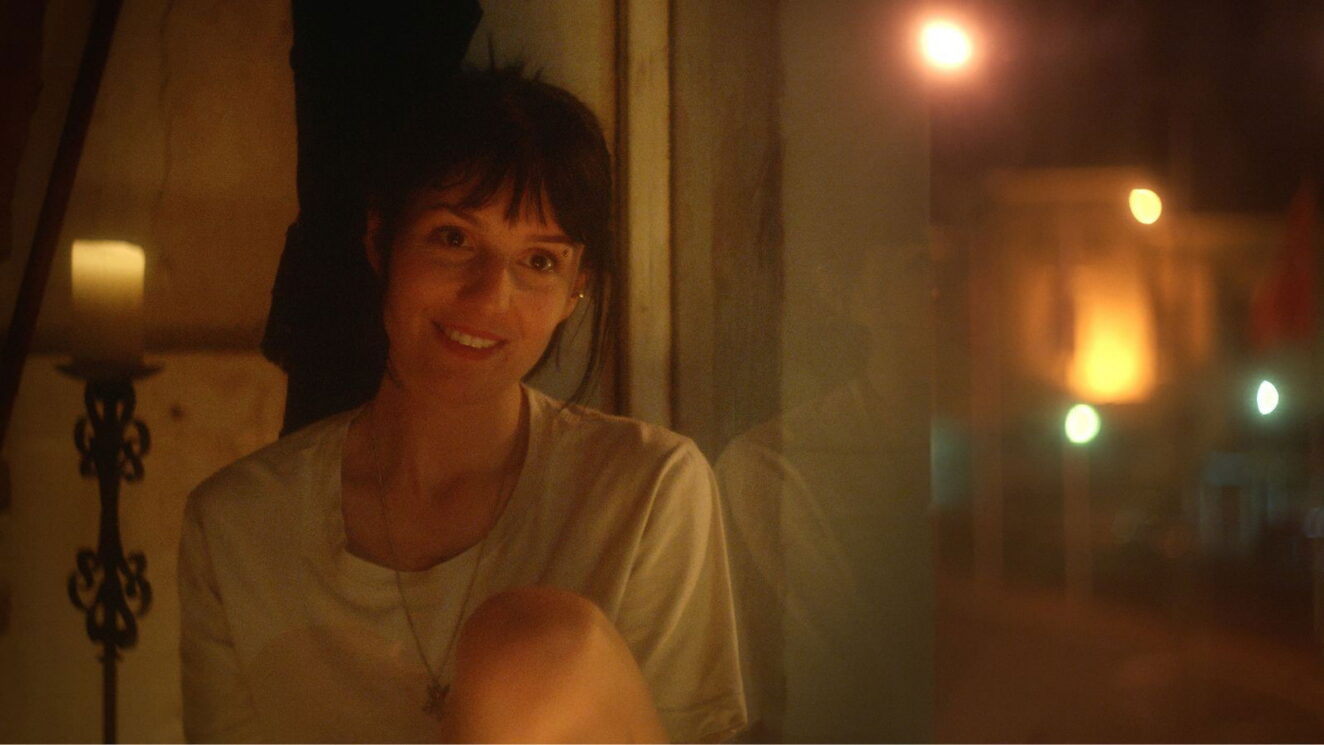
The harder version of this question: horror has a long history of using trans bodies badly. Mackay is part of a generation of trans filmmakers shifting who actually holds the camera. Does she feel that weight?
“I don’t know. I’ve never really felt that pressure, or a pressure in that sense. For me, ever since I was a child I’ve always just wanted to be a storyteller and tell stories. From my first feature to this one, I’ve kind of just wanted to write what I wanted to see reflected on the screen and haven’t really worried too much about outside voices or pressure.”
She didn’t start making films to correct the record. She started making films because she wanted to make films, and the trans experience happened to be her experience, so that’s what ended up on screen. The politics arrived as a consequence of the authenticity, not the other way around.
There’s a follow-up worth pushing on. If the audience is primarily queer people who already agree, is there a risk that the monster-as-transphobia metaphor works too smoothly? That someone can enjoy it without ever having to sit with what it’s actually about?
“I feel like it means a lot, it’s really special, when a trans or queer person has a connection to the films. But my work has played at genre festivals that aren’t queer-specific, and a lot of the audiences range from young to middle-aged men who just love horror. With T Blockers, them coming and being like: I never thought about a trans person in general, seeing them and what they have to deal with. I think that is equally special. I’m not making something educational, but it’s kind of nice having two ends of the spectrum seeing different things and picking up on different parts of the stories.”
She’s not claiming the films convert anyone. She’s saying they work on multiple frequencies, and different audiences catch different signals from the same film.
The First Time on Camera as Yourself
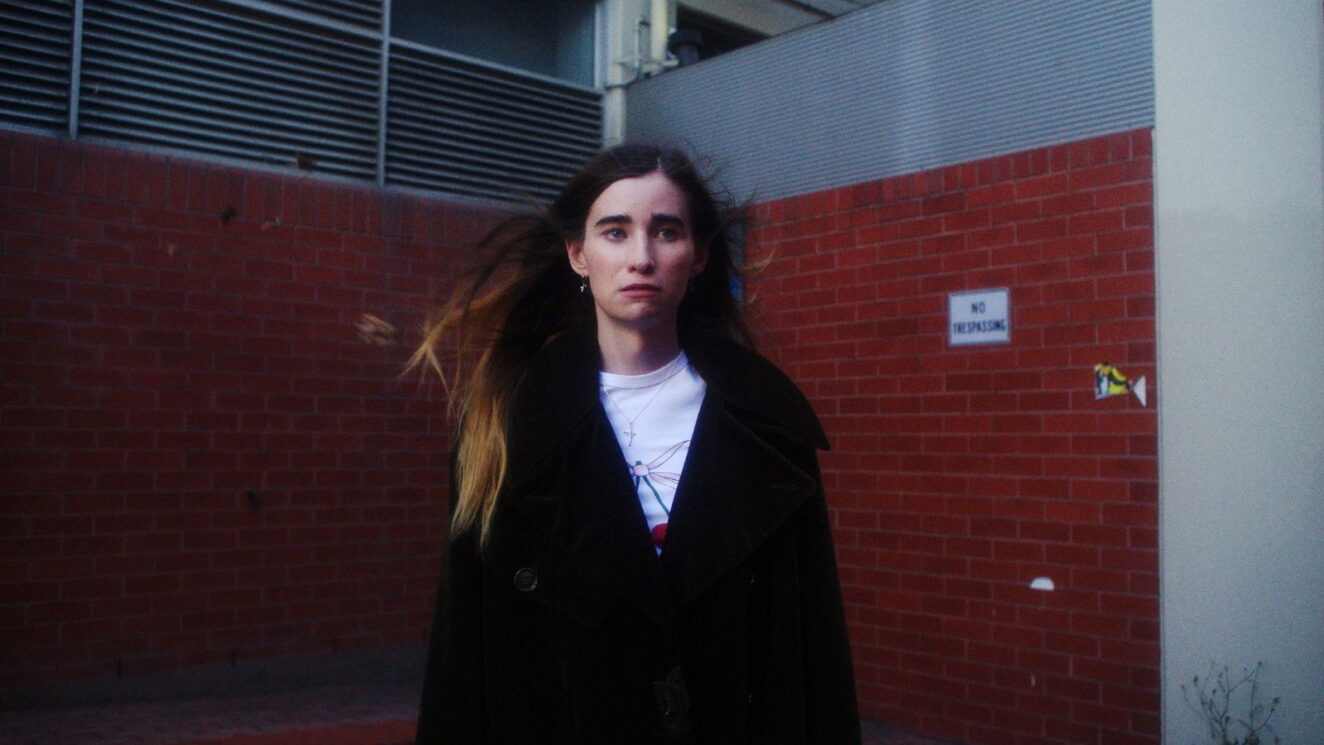
Alexandra McVicker played Robin Shandrell on Vice Principals. She came out as a trans woman after that. The Serpent’s Skin is the first feature she’s made since.
Anna’s story begins with an act of leaving: she gets out of her transphobic hometown and doesn’t look back. There’s an obvious parallel in McVicker’s own life, and she spoke to it directly.
“The theme of leaving an environment that restricted you is very true for me. I was able to explore and understand myself more when I left home, when I wasn’t around my family and the area I grew up in. That was a theme I could relate to for sure.”
On what it was like to step back in front of the camera as herself:
“Acting was such a huge part of my life, and I buried myself in it so deeply before because I felt like it was the only thing I had to explore and feel, to get away from myself a little bit. Outside of acting I didn’t care about life in a lot of ways, because I was so uncomfortable in myself. Now stepping back into acting has been really strange. My life feels so much more full in other ways that sometimes I feel really distracted, and that intense drive that I had before is still there, but it’s not the same.”
What the performance actually does is specific and difficult: she’s playing someone who is hiding, from the inside, while not hiding herself. That distinction carries the film.
Divinely Timed
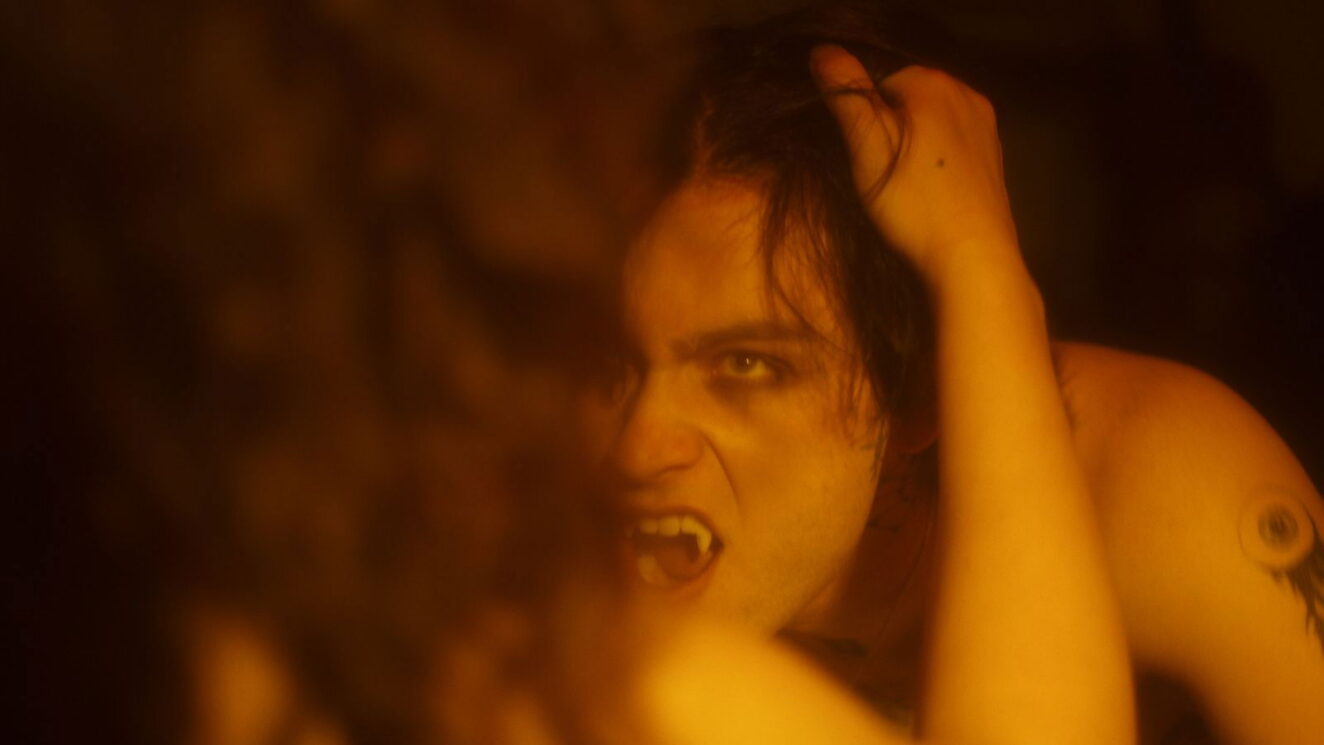
Avalon Fast directed Honeycomb at nineteen and Camp in 2025, both award-recognized. She came to The Serpent’s Skin as a peer of Mackay’s, not just as a cast member.
On what the film meant to her outside of the craft:
“It came at a really important time for me. I wasn’t necessarily closeted before, but I definitely wasn’t open as a queer person. Finding this role and having the opportunity to work with Alice and Alex felt really important to that time, completely removed from being an actor or a director. Just personally, it felt really important, and kind of divinely timed.”
On keeping Gen from going flat, since a grounded and confident character can read as inert without something real underneath:
“There was such a conflict that came up early, and it didn’t have to do with our relationship. It was something inside of me that I’d put onto somebody else, which becomes a deep conflict within the story. I think when you try to be interesting it can come off a little strange. I just tried to be really honest with her character. I resonated with this feeling of having something like evil inside of you. I think it’s a common female, or maybe just a human experience, to feel fundamentally wrong, to have this thing inside of you that you can’t understand.”
Playing Outside New York and LA
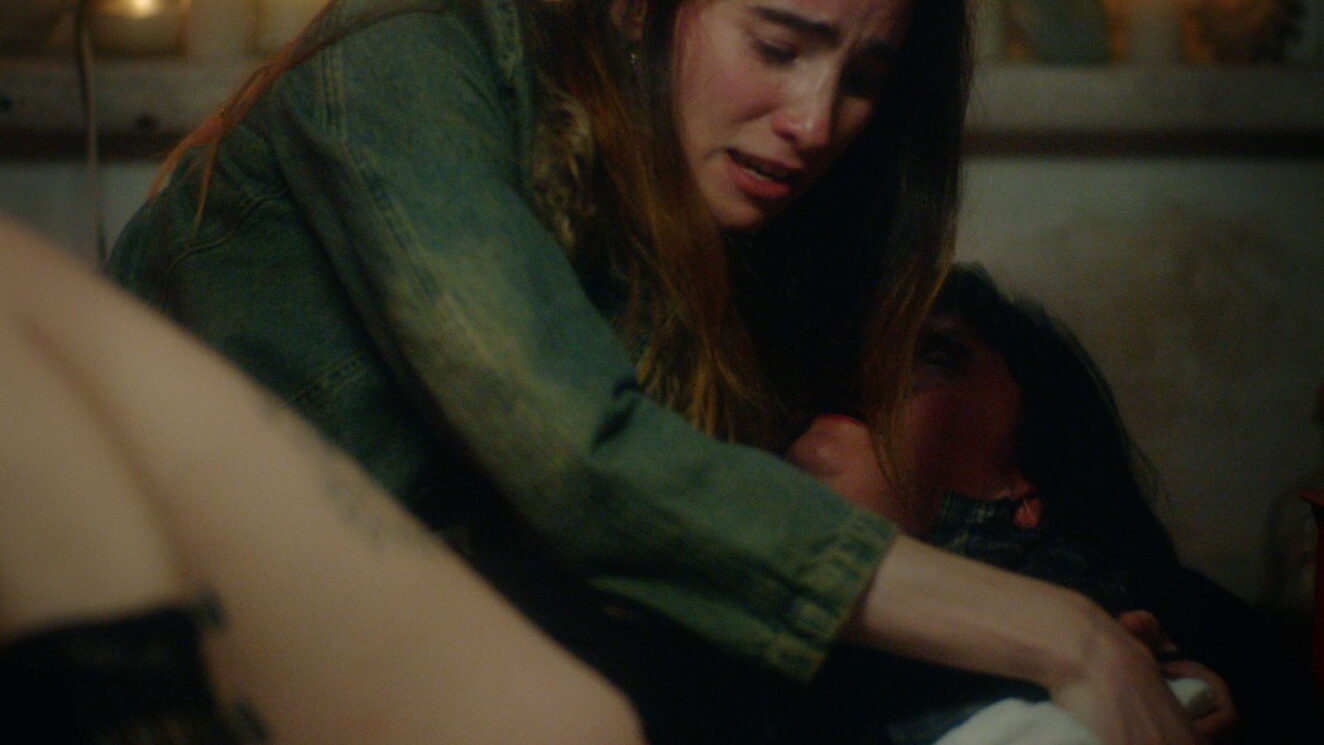
The Serpent’s Skin is opening wider than Mackay expected. It’s playing in Texas. It’s playing in cities that weren’t on the original list. Mackay called it surreal.
“It’s my largest release, and the film is playing in places I wouldn’t expect it to. There’s something really special to me that my film is playing outside of the New York and LA areas. Having that broader reach, I hope outside of queer audiences, cis straight men see the film and find it something different as well.”
Across six features, made between the ages of sixteen and twenty-one, Mackay has built a body of work where the trans experience is never the tragedy, never the twist, never the thing the film is secretly really about beneath the supernatural scaffolding. It is just the story. The horror is horror. The love story is a love story. The monster is a monster.
That sounds simple. It is not simple. Almost no one in the history of the genre has done it.
When McVicker and Fast were each asked what they want someone to carry out of the theater if they saw themselves in the film, they gave answers that rhymed with each other without having coordinated.
McVicker said: stop blocking yourself. Believe that someone else might be able to see you in a light you can’t see yourself in.
Fast said: the possibility of finding a love that feels safe and comfortable, and lets you see parts of yourself you couldn’t see before.
Both were talking about the film. Both were also talking about something else.
—The Serpent’s Skin is now playing in New York and Los Angeles.
Here’s the rundown of the theatrical dates:
3/27 – 4/2 — Brooklyn, NY – Alamo Drafthouse Downtown Brooklyn
As part of Fantastic Fest Presents showcase
** Opening night Q&A w/ Maio Mackay, McVicker, and Fast moderated by Jack Haven (I Saw the TV Glow)
3/28 — Catskill, NY – Community Theater
** Q&A with Maio Mackay moderated by Jane Schoenbrun (I Saw the TV Glow)
4/2 — San Francisco, CA — Roxie Theater
** Q&A with Maio Mackay moderated by Frameline Executive Director Allegra Madsen
4/3 – 4/9 — Los Angeles, CA – Alamo Drafthouse Cinema DTL
** Opening night Q&A with Maio Mackay moderated by Misha Osherovich (Freaky, She’s the He)
4/4 — Los Angeles, CA – Vidiots
** Q&A with Maio Mackay and Vera Drew moderated by comedian Roz Hernandez
4/10, 4/11 — Denver, CO – Sie FilmCenter
4/11 — Boston, MA – Alamo Drafthouse Cinema Boston Seaport
4/11 — Chicago, IL – Alamo Drafthouse Cinema Wrigleyville
4/11 — Dallas, TX – Alamo Drafthouse Cinema Cedars
4/11 — Denton, TX – Alamo Drafthouse Cinema Denton
4/11 — New York, NY – Alamo Drafthouse Cinema Lower Manhattan
4/11 — Yonkers, NY – Alamo Drafthouse Cinema Yonkers
4/11 — Raleigh, NC – Alamo Drafthouse Cinema Raleigh
4/11 — San Antonio, TX – Alamo Drafthouse Cinema Park North
4/11 — San Francisco, CA – Alamo Drafthouse Cinema New Mission
4/11 — Santa Clara, CA – Alamo Drafthouse Cinema Valley Fair
4/11 — Woodbury, MN – Alamo Drafthouse Cinema Woodbury
4/11 — Naples, FL – Alamo Drafthouse Cinema Naples
4/11, 4/13 — Denver, CO – Alamo Drafthouse Cinema Sloans Lake
4/11, 4/14 — Austin, TX – Alamo Drafthouse South Lamar
4/25 — Sacramento, CA – The Dreamland Cinema
5/14 — Sebastopol, CA – Rialto Cinema
6/8 — Portland, OR – Clinton Street Theater
Interviews
[Interview] The Man Behind the Monsters: Javier Botet Steps Into ‘Do Not Enter’
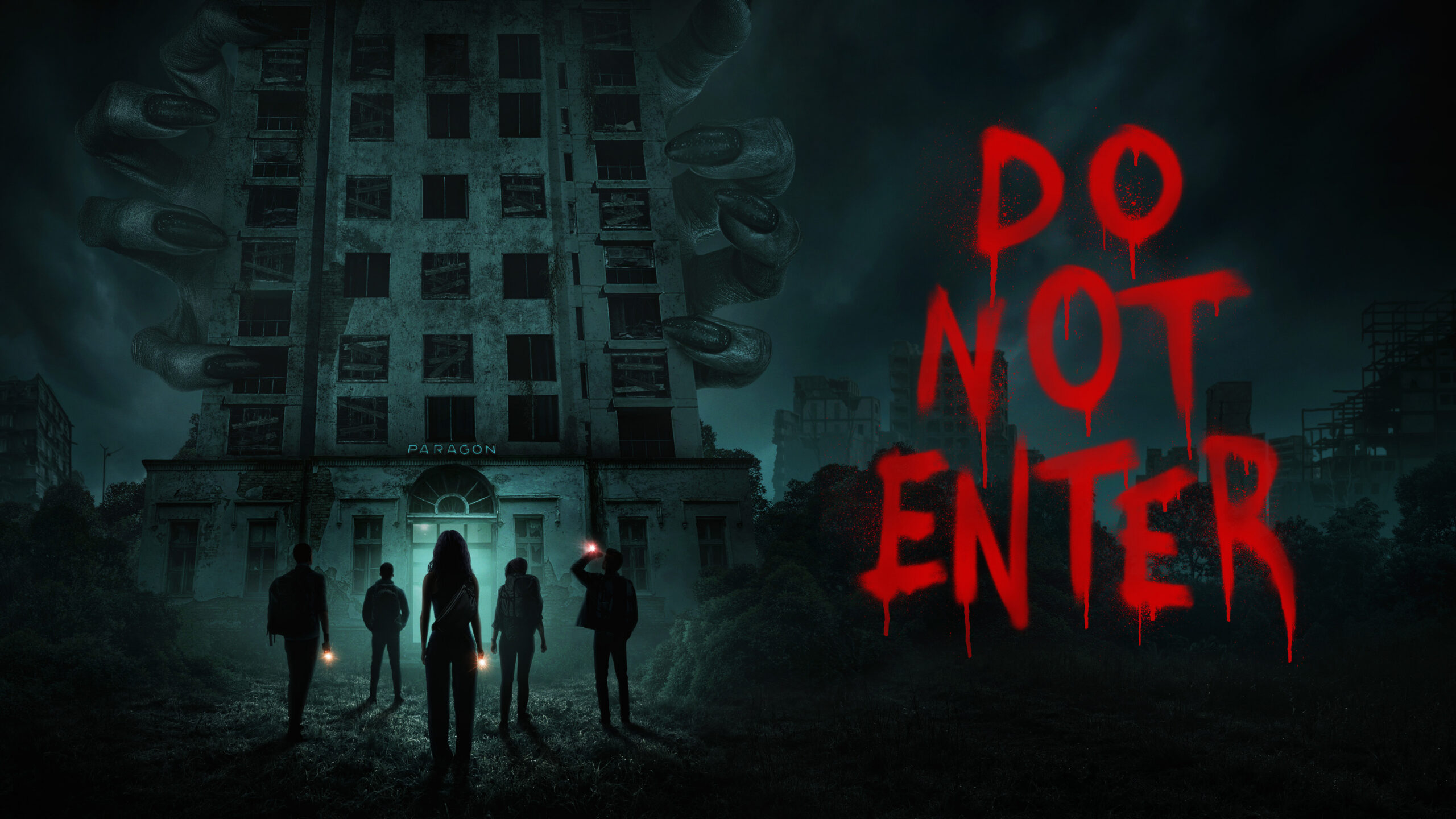
Horror has always thrived on what lingers just out of view; the figures that feel almost human, yet deeply unnatural. Few performers have captured that fear as effectively as Javier Botet, a master of physical horror whose work has helped define modern creature performances.
Known for his uniquely unsettling movement, Botet has built a career transforming the human body into something otherworldly. Living with Marfan syndrome, his elongated frame and flexibility have allowed him to portray some of the genre’s most memorable figures. From [REC] to The Conjuring 2, Mama, Crimson Peak, and IT, his performances go beyond makeup and effects—his creatures feel alive, driven by a physical language that taps into something primal.
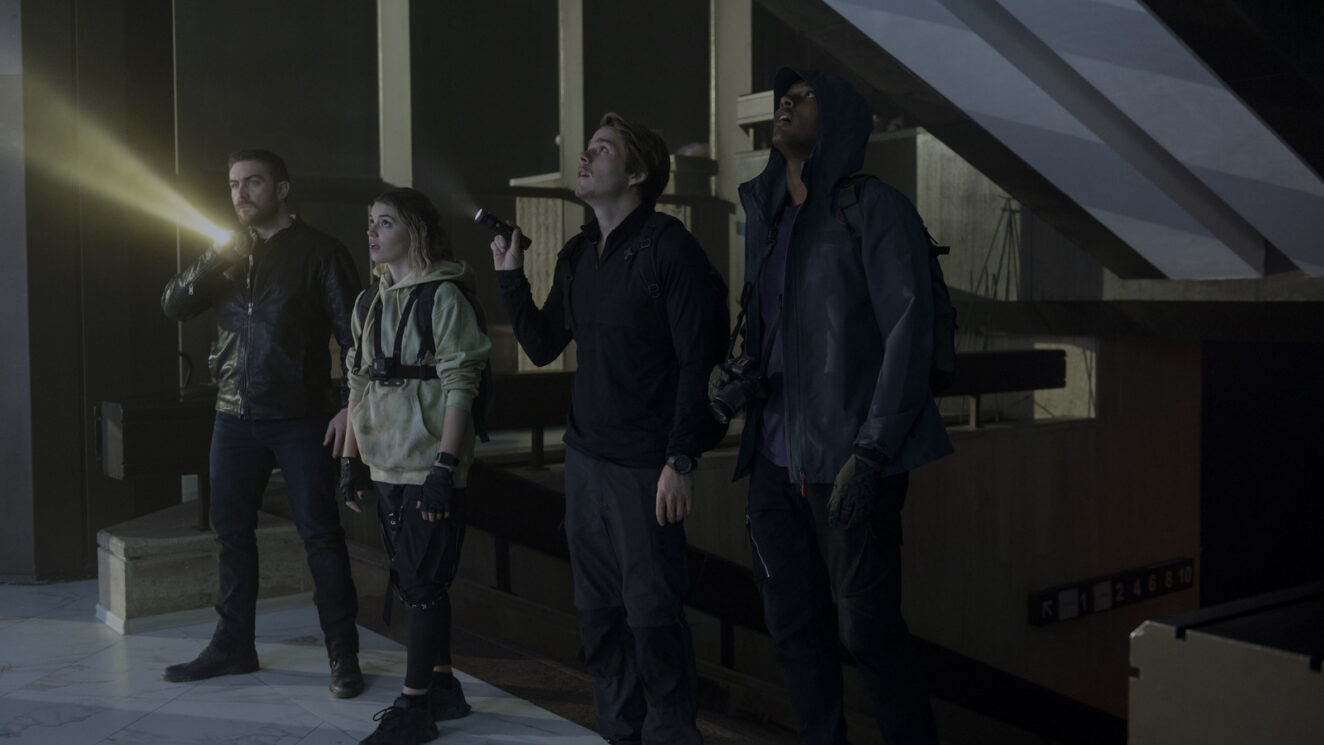
Botet brings that same presence to Do Not Enter, a high-concept horror thriller centered on a group of thrill-seeking urban explorers known as the Creepers. Hoping to grow their following, they livestream their most dangerous stunt yet inside New Jersey’s abandoned Paragon Hotel—a location steeped in mob history, ghost stories, and rumors of a hidden $300 million fortune. But once inside, the stakes escalate quickly. As they fend off deadly rivals, something far more sinister begins to emerge from the shadows—supernatural creatures that test not only their survival, but their sanity and their willingness to pay the ultimate price for fame.
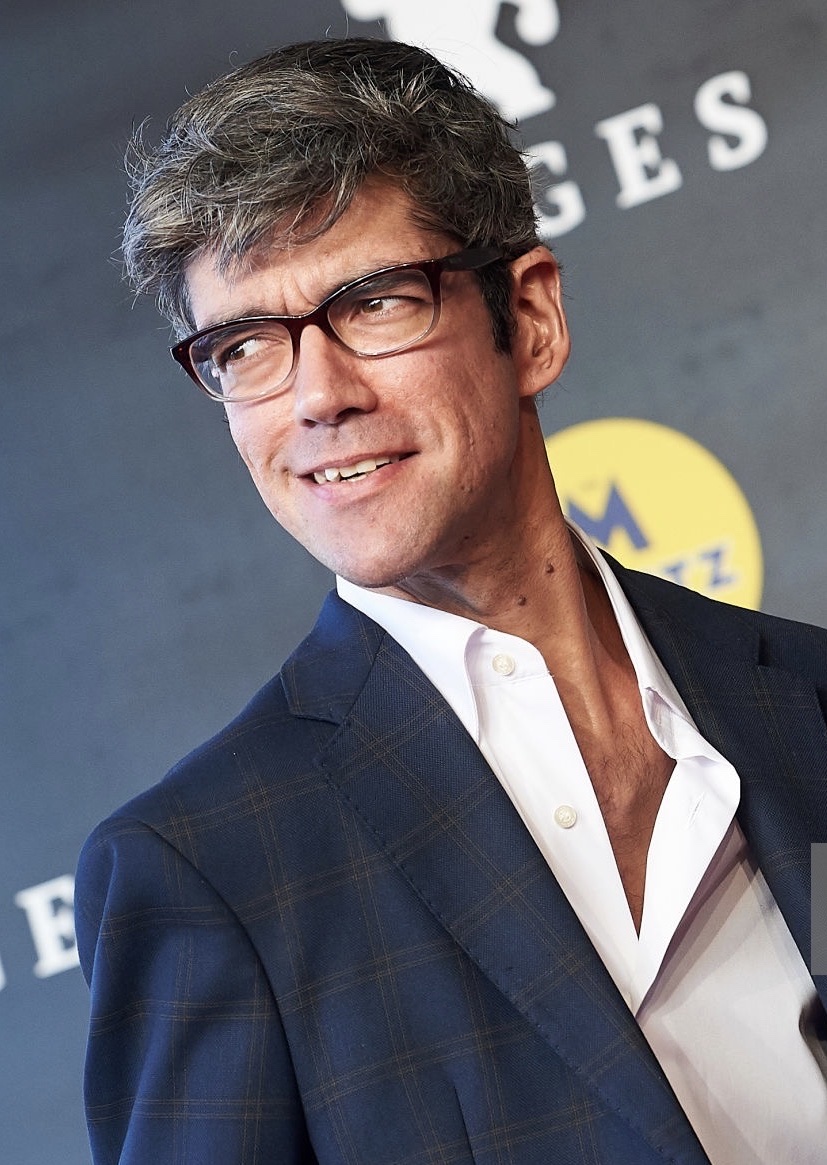
Blending creature horror with modern livestream culture, Do Not Enter leans into tension, isolation, and the consequences of pushing boundaries too far. It’s a natural fit for Botet, whose performances rely on presence, movement, and restraint to create unease long before the terror fully reveals itself.
In an era dominated by digital effects, Botet remains a powerful reminder of the impact of practical performance. His ability to convey fear through the smallest physical details continues to elevate the films he inhabits, grounding even the most supernatural concepts in something tangible.
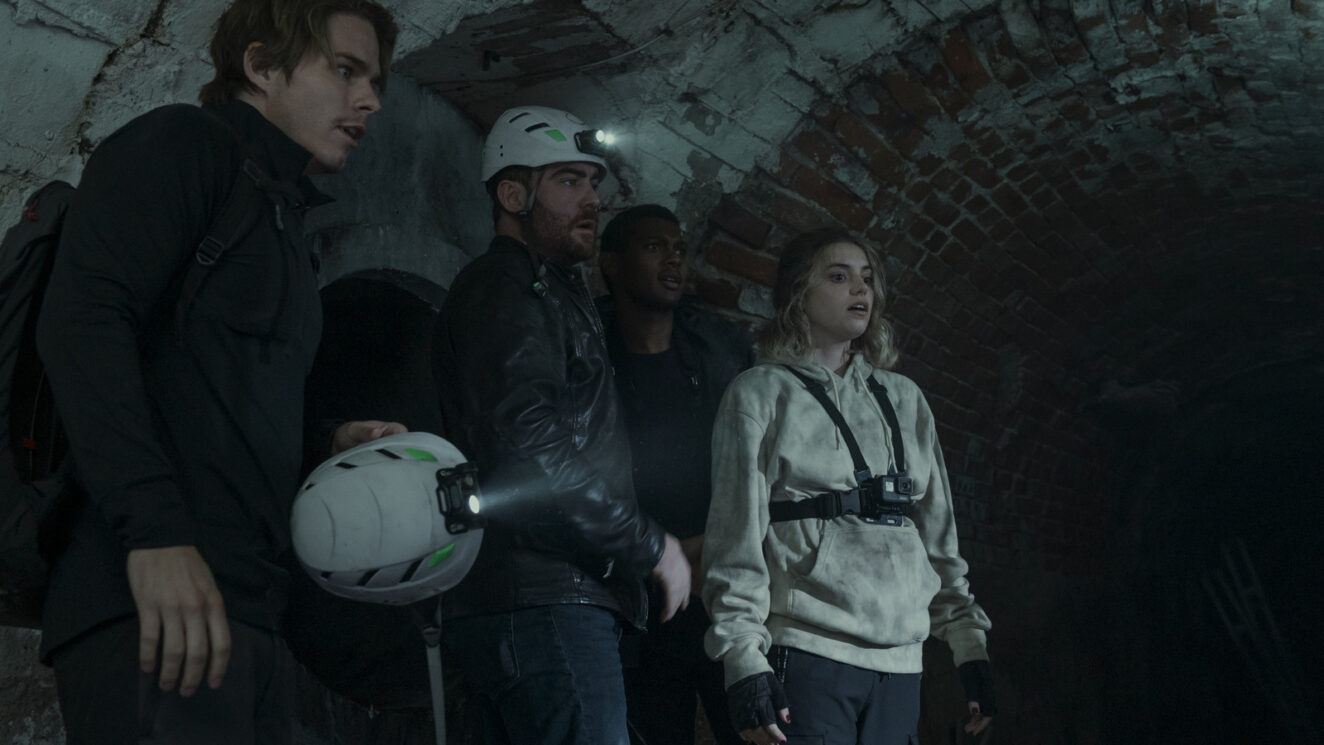
With Do Not Enter, Botet once again steps into the shadows—bringing a new nightmare to life through movement, precision, and pure physical storytelling.
In the following interview, Botet reflects on his approach to creature work, the demands of his roles, and what drew him to the world of Do Not Enter.


Shudder’s May Is the Best Month They’ve Had in a While.

The Vampire Lestat Is Playing a Real Concert in NYC — And Yes, It’s Exactly as Wild as It Sounds

Resident Evil Drops First Teaser Trailer

‘Don’t Die’ Is a Good Friday Night Horror Film And That Is Enough.

_CIVILIAN Is the Micro-Series That Proves You Don’t Need Much to Make Something That Matters

This Week in Horror: The ‘Resident Evil’ Trailer, a ‘Weapons’ Prequel, and Nicolas Cage Has Unfinished Business

Evil Dead Burn Looks Like the Most Violent Family Reunion You’ll Ever Attend

The History of Deals with the Devil: From Faust to The Witch

‘ZombieCON Vol. 1’ Gets the Con Right. The Zombies Arrive When They Want To.

Horror Coming to Streaming in May 2026: Shudder Is Doing the Most and Netflix Finally Showed Up

‘Wait For It’: A Film Set in the ‘Leslie Vernon’ Universe!

Panic Fest 2026 Review: ‘Frogman Returns’ Is A Thrilling Sequel That Goes For The Croak!

Jessica T Deveraux Got Possessed At Her Own Bar

Panic Fest 2026 Review: ‘Creature Of The Pines’ Is An Interesting Found Footage Horror That Walks A Beaten Path

Breaking Down the First Minute of ‘The Vampire Lestat’ Official Trailer: What It Reveals About Season 3
Evil Dead Burn Looks Like the Most Violent Family Reunion You’ll Ever Attend
Horror Coming to Streaming in May 2026: Shudder Is Doing the Most and Netflix Finally Showed Up
_CIVILIAN Is the Micro-Series That Proves You Don’t Need Much to Make Something That Matters

The Vord Review: The Mythology Is Free. Everything Else Costs Something.
‘Wait For It’: A Film Set in the ‘Leslie Vernon’ Universe!
This Week in Horror: The ‘Resident Evil’ Trailer, a ‘Weapons’ Prequel, and Nicolas Cage Has Unfinished Business

HHN35, Jack vs Oddfellow: Place Your Bets!
-
 News7 days ago
Resident Evil Drops First Teaser Trailer
-
 Indie Horror3 days ago
_CIVILIAN Is the Micro-Series That Proves You Don’t Need Much to Make Something That Matters
-
 News6 days ago
This Week in Horror: The ‘Resident Evil’ Trailer, a ‘Weapons’ Prequel, and Nicolas Cage Has Unfinished Business
-
 News2 days ago
Evil Dead Burn Looks Like the Most Violent Family Reunion You’ll Ever Attend
-
 Lists2 days ago
Horror Coming to Streaming in May 2026: Shudder Is Doing the Most and Netflix Finally Showed Up
-
 Short Films5 days ago
‘Wait For It’: A Film Set in the ‘Leslie Vernon’ Universe!
-
 News6 days ago
The Severance Writer Found a New Building to Lock People In
-
 Editorial6 days ago
HHN35, Jack vs Oddfellow: Place Your Bets!
You must be logged in to post a comment Login