

Horror movies that refuse to follow the rules of reality can get under my skin. You know: a hallway that seems endless, a room that has a mind of its own, or a building whose interior seems impossibly larger than its exterior is a mind f*uck. Horror movies like that use architectural nightmares to disorient their audience. One of the best scenes in the latest Insidious film used a couch cushion fort in that way. It’s hard enough escaping a monster when you know where the exits are. But what happens when the exits disappear, the walls move, or the entire building seems to have a mind of its own? Some horror movies take familiar spaces and twist them into impossible environments where getting lost might be the least of your problems.
The movies below delve into these unrealistic spaces that seem to break the rules of physics (and reality). These realms aren’t just plot devices either; they are artworks and displays of mastery from a very imaginative set design team. It’s their job to look over the storyboards and come up with ways to take them from concept to reality, even if they have nothing to base them on. But, for all intents and purposes, this world-building works, and what we get is complex structures based entirely on someone’s imagination. If you think about it, even Oz is a terrifying place to be with its yellow brick road and city of emeralds. If you want to enter into horrific places that only exist to terrify you, check out any of the movies below. See where they are streaming on JustWatch.
1. Grave Encounters (2011)
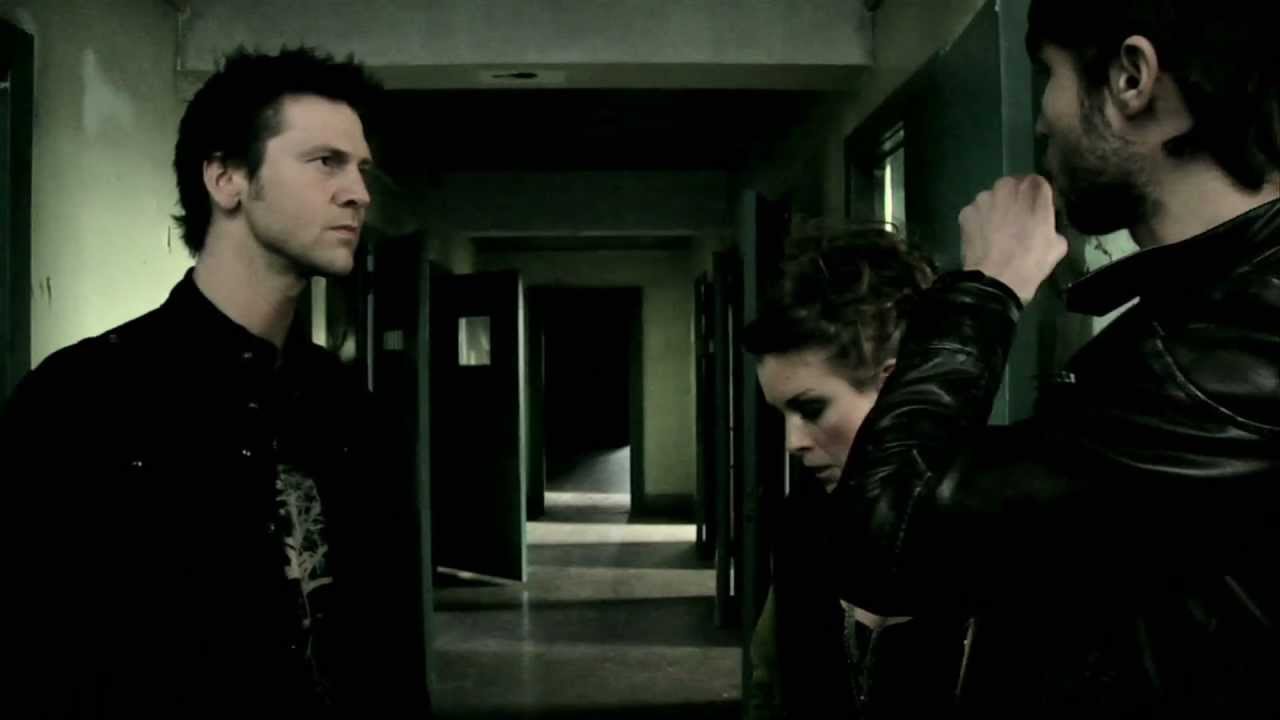
An abandoned psychiatric hospital seems like the perfect location for a ghost-hunting reality show. Unfortunately, the crew of Grave Encounters discovers that the building has no intention of letting them leave. Doors that once led outside suddenly open into more hallways, staircases lead nowhere, and the sun seemingly refuses to rise. What begins as a routine paranormal investigation becomes a terrifying exercise in spatial impossibility. The hospital isn’t simply haunted. It’s an architectural trap that seems capable of rearranging itself whenever its occupants get too close to escaping.
2. House of 9 (2005)
Nine strangers wake up inside an unfamiliar mansion with no apparent way out. Their mysterious captor informs them that only one will survive and collect a substantial cash prize. Although House of 9 doesn’t feature the supernatural architectural distortions found in some of the other films on this list, its sealed environment creates a similarly disturbing sense of imprisonment. The mansion becomes a psychological maze where every room offers another opportunity for paranoia, betrayal, and murder. Sometimes a space doesn’t have to physically change to feel like an impossible prison.

3. Vivarium (2019)
House hunting becomes a nightmare in Vivarium, where a young couple visits a suburban development called Yonder. Every house looks exactly the same, every street seems to lead back to where they started, and the neighborhood stretches endlessly beneath an artificial-looking sky. No matter how far they drive, they always return to the same house. The film transforms the ordinary suburban dream into an existential nightmare, complete with a mysterious child they’re forced to raise. It’s a particularly cruel kind of horror because the neighborhood looks perfectly normal, even as it violates nearly every law of geography.

4. Cube (1997)
Imagine waking up inside a gigantic mechanical puzzle with no idea how you got there. That’s the predicament facing the strangers trapped inside Cube, a labyrinth of nearly identical rooms connected by hatches. Some rooms contain deadly traps, while others provide temporary safety. The real terror comes from the structure itself, a seemingly endless collection of chambers whose arrangement follows an elaborate mathematical system. Unlike traditional haunted houses, this nightmare doesn’t need ghosts or demons. Its cold, indifferent architecture is terrifying enough.

5. The Night House (2020)
After her husband’s unexpected death, a grieving widow begins noticing strange things inside the lakeside home he built for them. What initially appears to be a conventional ghost story gradually reveals something much more disturbing. Hidden architectural details, reversed floor plans, and a mysterious second house suggest that the building conceals a reality she never knew existed. The Night House makes particularly clever use of negative space, turning ordinary architectural features into unsettling shapes and possible supernatural presences. Even an empty room can become frightening when you’re no longer sure what you’re looking at.

6. Skinamarink (2022)
Two young children wake up in the middle of the night to discover that their father has disappeared. Even worse, the windows and doors of their home have mysteriously vanished. What remains is a dark, seemingly endless domestic environment where familiar rooms no longer provide comfort or safety. Skinamarink takes an experimental approach to horror, using long shots of ceilings, walls, and shadowy corners to make an ordinary house feel completely alien. It’s the kind of movie that taps into childhood fears of being alone in the dark, only this time there’s literally nowhere to run.

7. 1408 (2007)
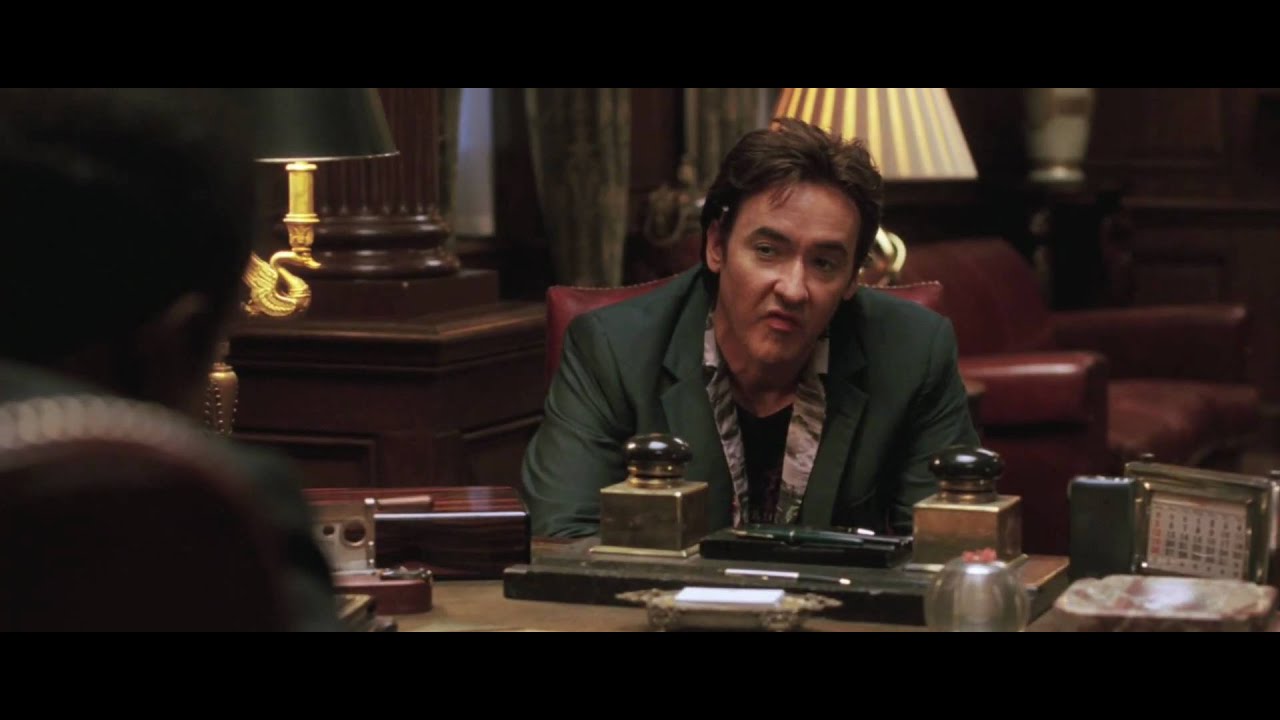
A skeptical writer who specializes in debunking paranormal claims checks into room 1408 at New York’s Dolphin Hotel, despite repeated warnings from the manager. Once inside, he discovers that the room operates according to its own terrifying rules. Walls shift, windows become deadly obstacles, and escape routes lead him straight back into the nightmare. Time itself seems unreliable as the room manipulates his memories, fears, and perceptions. Based on a Stephen King story, 1408 demonstrates how a single hotel room can become an entire universe of suffering when reality stops behaving as expected.
8. In the Mouth of Madness (1994)
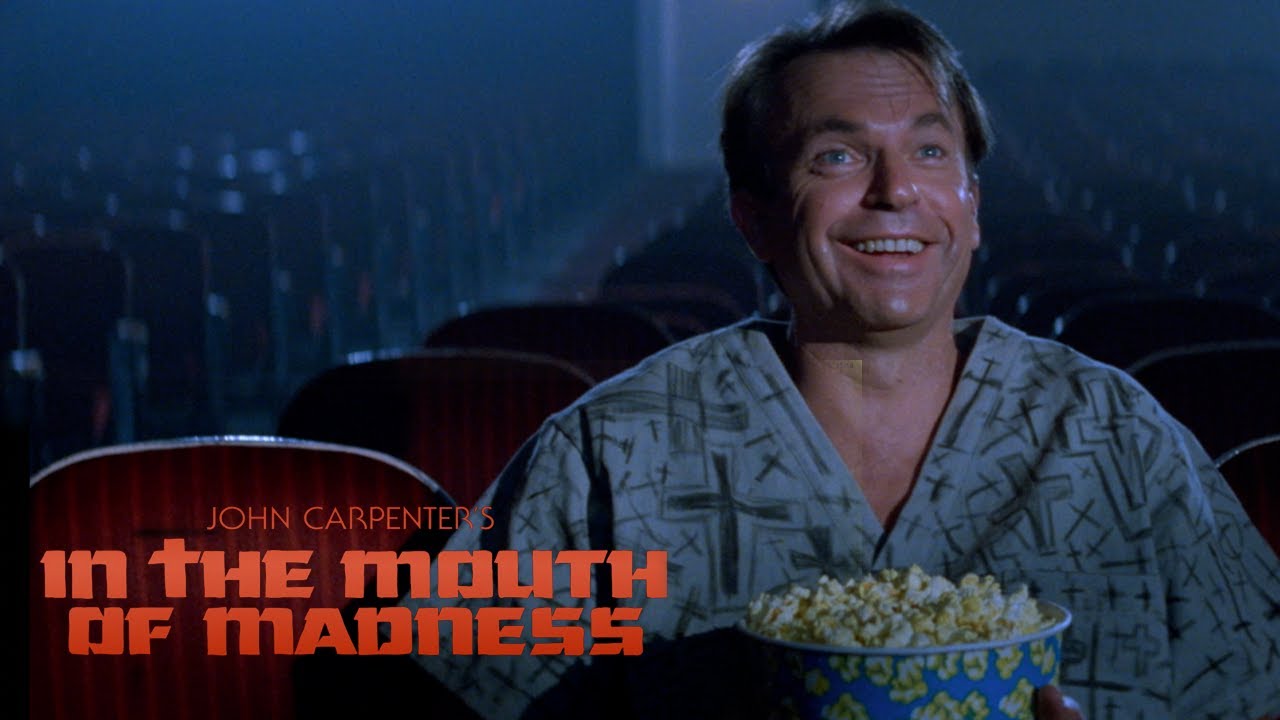
An insurance investigator searching for a missing horror novelist travels to the seemingly fictional town of Hobb’s End. Once there, he discovers that the town’s geography, inhabitants, and even existence may be products of the author’s imagination. Roads lead to impossible destinations, familiar locations transform without explanation, and the boundaries between fiction and reality begin to collapse. John Carpenter’s In the Mouth of Madness takes the idea of getting lost somewhere strange and pushes it into cosmic horror territory. The most frightening possibility isn’t that the town is haunted, but that the world surrounding it might not be real at all.
9. Dave Made a Maze (2017)
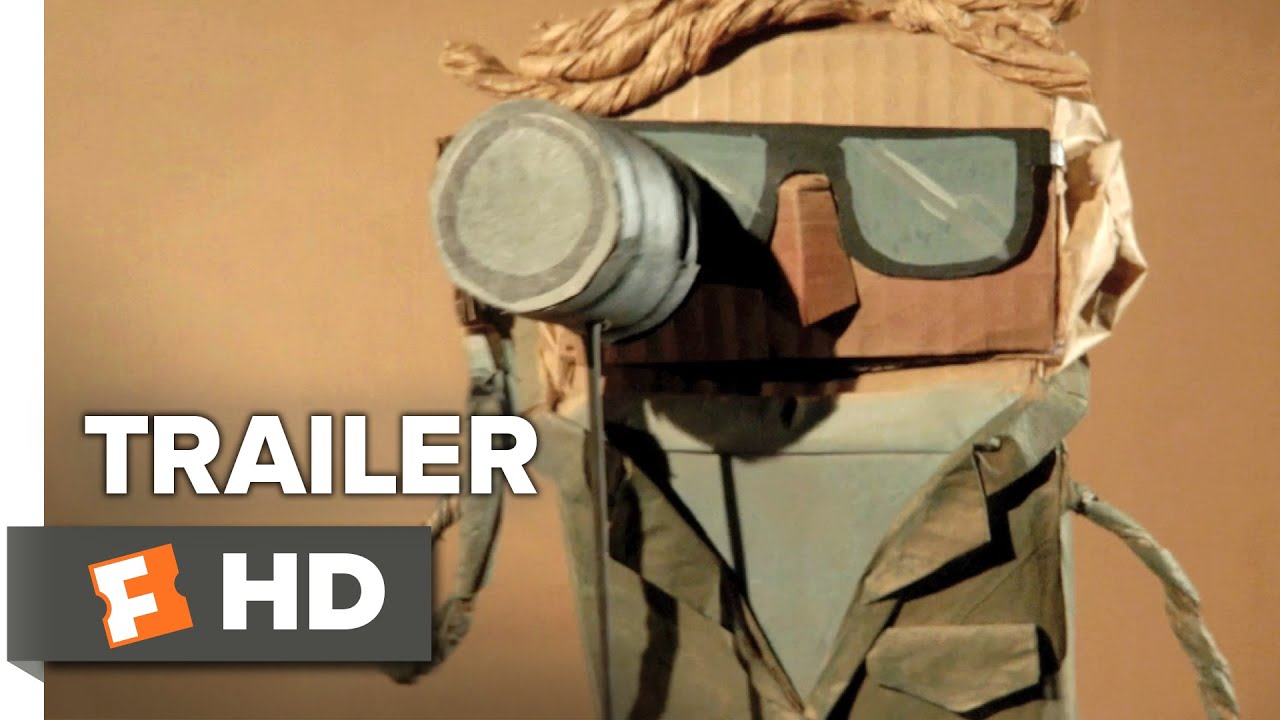
When Dave’s girlfriend returns home, she discovers that he’s constructed an elaborate cardboard maze in their living room. There’s just one problem: Dave is trapped inside, and the structure is somehow much larger on the inside than it appears from the outside. What follows is a bizarre journey through an ever-expanding labyrinth filled with deadly traps, strange creatures, and rooms constructed from craft supplies. Dave Made a Maze mixes horror, fantasy, and absurdist comedy into something genuinely unusual. Its handmade aesthetic makes the impossible architecture feel playful, but the danger lurking inside is surprisingly real.
10. The Shining (1980)
Stanley Kubrick’s The Shining might be the most famous example of a horror film that uses architecture to quietly undermine an audience’s sense of reality. The Overlook Hotel is filled with corridors, rooms, and windows that don’t always make geographical sense. Some of these inconsistencies are subtle enough to escape notice, while others contribute to the hotel’s overwhelming atmosphere of disorientation. Then there’s the enormous hedge maze outside, which becomes the setting for the film’s unforgettable climax. Whether every architectural oddity was intentional remains a subject of debate, but the result is undeniable: the Overlook feels like a place that exists outside ordinary reality, where getting lost can mean losing much more than your way.


