

P.T. has been impossible to download since May 2015, when Konami stripped it from the PlayStation Store and blocked reinstalls even for players who had already saved it to a hard drive. On Wednesday a developer working under the name Lorean The Gamer pushed version 1.0.0 of a native PC port to GitHub, with installers for Windows and for Linux and the Steam Deck.
It is not an emulator. The PS4 executable was decompiled, the game logic rebuilt in C++, and the renderer rewritten in Vulkan. The repository carries no Konami data of any kind. The port reads P.T.‘s assets at runtime from a dump of the user’s own PS4 copy, tested against the US release, which means the one thing it cannot supply is the thing Konami made unobtainable.
Thirty minutes of the rebuild went up on the developer’s own YouTube channel on October 4, while the project was still carrying a work-in-progress label.
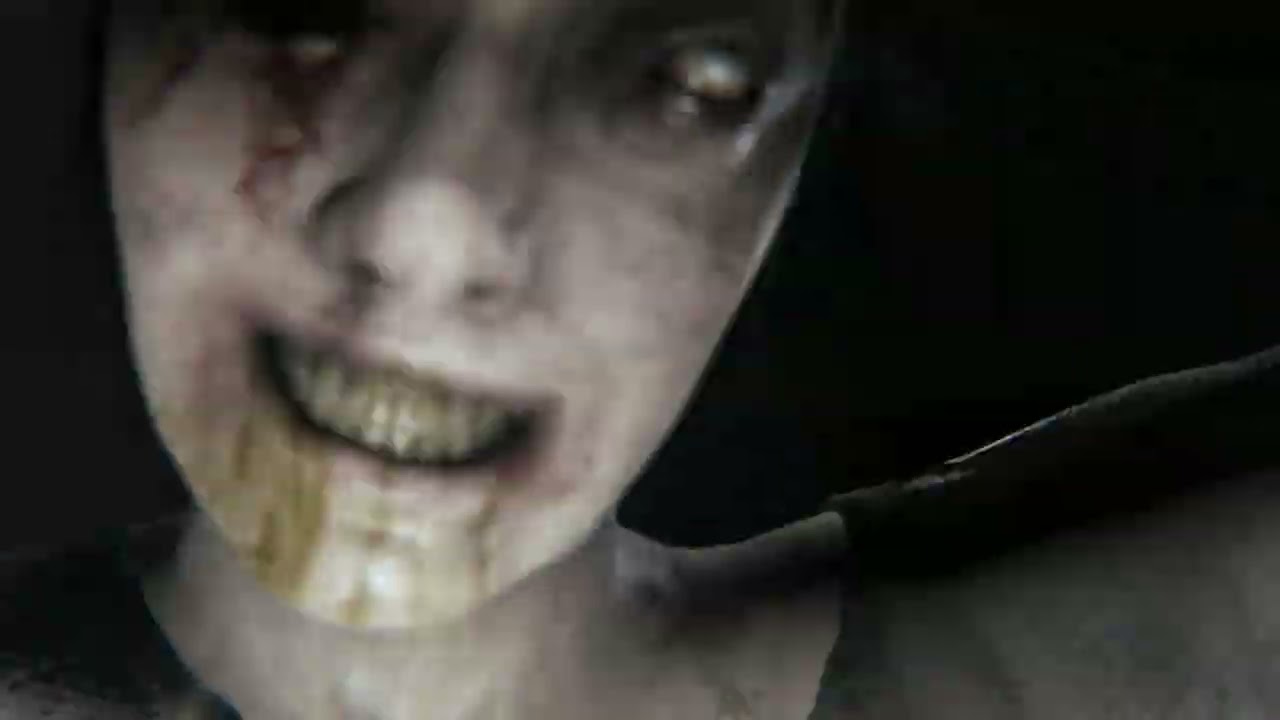

Ray-Traced Shadows and an Experimental VR Mode
The original ran at a locked 30 frames per second on PS4 hardware. The port drops the cap, takes any resolution, and offers AMD FSR 3.1, NVIDIA DLSS 4.5 and Intel XeSS, with frame generation on cards that support it. Graphics presets run from Low to Ultra, with optional ray-traced shadows and ambient occlusion and textures upscaled through Real-ESRGAN. Mouse and keyboard work, as do DualSense and Xbox pads.
The additions past that are where the project stops being a straight preservation job. There is a photo mode, a free camera, a loop browser, a museum of unlockable content, a Game+ mode, a speedrun timer with LiveSplit support, an experimental third-person view and experimental VR through OpenXR. A Lua mod system is built in, which is fitting, because the original Lua scripts, the cutscenes and Lisa’s animation rig all survived the rebuild intact. The hallway’s one hard gate, the section that listens for your voice, now runs its speech recognition offline, and a keyboard key will stand in if there is no microphone.

Of everything on that list, the loop browser is the one that changes what P.T. is. The demo works because a single corridor quietly reshuffles itself and refuses to explain the rules. Being able to summon any loop on demand turns the most carefully withheld hallway in modern horror gaming into a specimen under glass, which is useful for preservation and a small loss for everything else.
Kojima Reposted It
Two days before the 1.0 release, Hideo Kojima shared GameRant’s write-up of the project on X. The developer took it as a blessing.
The GOAT himself acknowledged my port. I am speechless. Seeing @Kojima_Hideo @HIDEO_KOJIMA_EN notice something I’ve poured so much time and passion into genuinely means the world to me. Thank you so much, and huge thanks to @GameRant for making this moment possible.
— loreanxavier (@smokisevdalisi) October 5, 2026
Kojima has said nothing further. He built P.T. in 2014 as a secret prelude to Silent Hills, the Konami project he was developing with Guillermo del Toro and Norman Reedus, and which Konami cancelled in April 2015. Del Toro has spent the decade since being unusually candid about how his video game projects tend to end.
Konami has not commented on the port. Its code is published under an MIT license, and the README states plainly that P.T. belongs to Konami, that the project is not affiliated with or endorsed by Konami or Kojima Productions, and that it ships none of their assets. Konami, meanwhile, is moving on this franchise in a different direction: a Silent Hill film reboot is in the works with Resident Evil producer Roy Lee.


