

I’m not a fan of looking into mirrors personally. Have you seen those memes where the person holds something behind an object and the mirror “sees” it? It’s called a mirror paradox, and it’s creepy. Something about mirrors is unsettling, even before horror movies used them as a device. They reproduce our every movement, show us things we can’t see with our own eyes, and force us to stare directly at the one face we can never encounter in real life: our own.
Horror filmmakers have exploited that weird intimacy for decades, turning ordinary reflections into portals, hiding places, doppelgängers, and occasionally something much worse. The movies below understand that a mirror doesn’t need to crack or bleed to be frightening. Sometimes all it takes is a reflection that moves a fraction of a second too late—or one that moves when you don’t.
Here are 10 of my favorite movies where mirrors are the villain. If you want to check them out, head over to JustWatch to see if they are streaming.
Mirrors (2008)
The title pretty much gives away the problem. Kiefer Sutherland stars as a former detective working security in a burned-out department store where the mirrors have somehow survived the destruction—and appear to contain something considerably less fortunate.

Mirrors takes one of horror’s simplest tricks, the reflection that doesn’t behave like the person standing in front of it, and builds an entire nightmare around it. What makes the movie especially effective is that avoiding mirrors eventually becomes nearly impossible. Reflections exist everywhere: windows, water, polished surfaces. Once the film establishes that what happens to your reflection can happen to you, even catching yourself in the bathroom mirror starts to feel like a bad idea.
Oculus (2013)
Before Mike Flanagan became one of modern horror’s most recognizable filmmakers, he gave us the Lasser Glass, an antique mirror with an extremely unpleasant history. Siblings Kaylie and Tim reunite as adults to prove that the mirror was responsible for the horrifying events that destroyed their family years earlier.
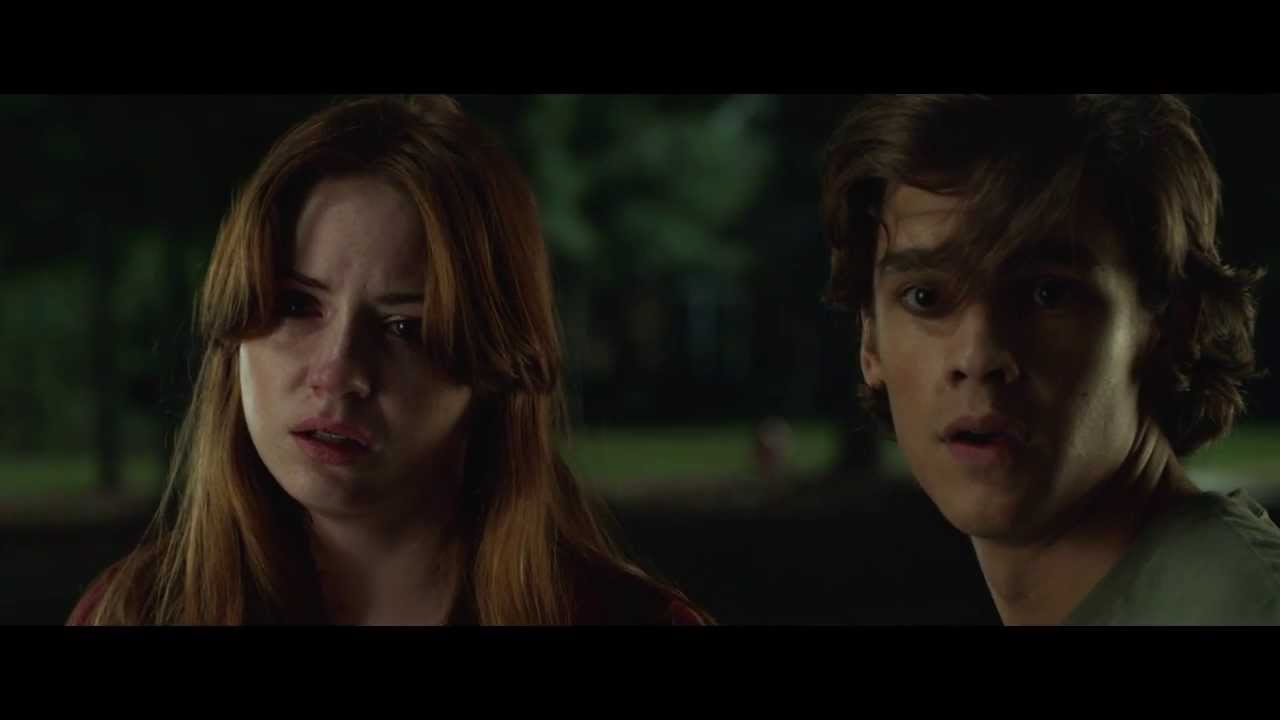
The brilliance of Oculus is that neither the characters nor the audience can completely trust what they’re seeing. The mirror manipulates perception, memory, and reality itself, making it nearly impossible to determine whether something is actually happening. By the end, looking into a mirror feels less like seeing your reflection and more like giving something permission to enter your head.
Candyman (1992)
Say his name five times while looking into a mirror. Go ahead. We’ll wait.
Candyman transformed an ordinary bathroom mirror into one of horror cinema’s most intimidating pieces of furniture. Graduate student Helen Lyle investigates the urban legend of Candyman, a supernatural killer supposedly summoned by repeating his name five times while staring at your reflection.

The ritual works because it takes something almost everyone has—a mirror—and turns it into a dare. Long after the movie ends, standing alone in a dark bathroom and looking into that rectangle of glass suddenly feels like an invitation you probably shouldn’t accept.
Poltergeist III (1988)
Moving the Poltergeist franchise into a Chicago high-rise gave the third movie an opportunity to absolutely gorge itself on mirrors. Young Carol Anne has gone to live with relatives, but supernatural villain Reverend Kane isn’t particularly concerned about forwarding addresses.

Mirrors become gateways through which Kane and his supernatural forces pursue Carol Anne, and director Gary Sherman fills the movie with reflections that behave independently of the people standing before them. Whatever you think of the third Poltergeist, it deserves credit for understanding one fundamental horror truth: nothing good ever happens when your reflection stops copying you.
The Broken (2008)
Gina McVey begins questioning reality after seeing something impossible on a London street: herself driving past in her own car. Following her double leads Gina into an increasingly disturbing mystery involving broken mirrors, altered identities, and people who may no longer be who they appear to be.

Rather than relying on constant jump scares, The Broken exploits the uncanny discomfort of seeing your own face where it shouldn’t be. Mirrors normally reassure us that we are ourselves. Here, they raise a much nastier possibility: what if the person staring back isn’t merely your reflection?
Us (2019)
Jordan Peele’s Us isn’t literally about haunted mirrors, but its entire nightmare operates like one. Adelaide Wilson and her family encounter red-clad doubles who look exactly like them, turning the familiar into something deeply threatening.
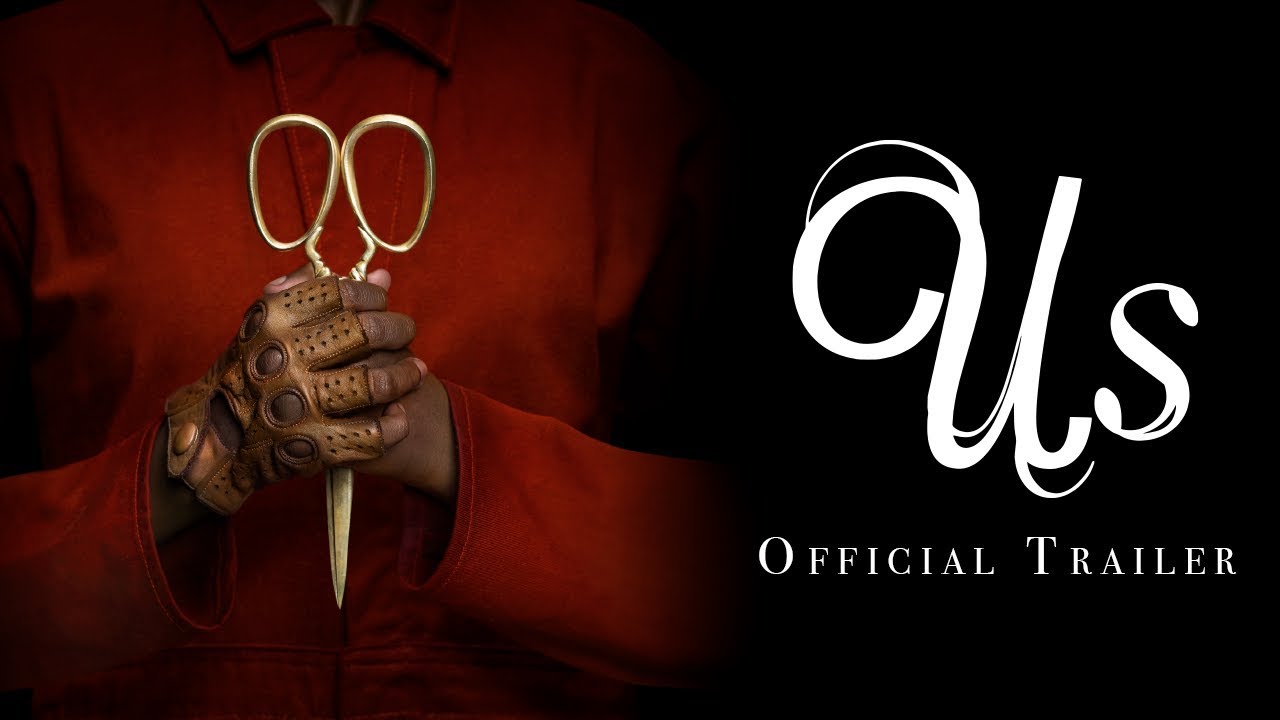
The Tethered function as distorted reflections—versions of the characters whose lives have unfolded beneath their own. Peele even establishes the idea visually with Adelaide’s childhood encounter inside a boardwalk hall of mirrors. Us makes the frightening thing on the other side of the glass not a ghost or demon, but another version of you.
Look Away (2018)
For socially isolated teenager Maria, her reflection initially seems to offer something she desperately needs: companionship. Unfortunately, the girl looking back at her has her own personality, agenda, and name—Airam, which is literally Maria spelled backward.
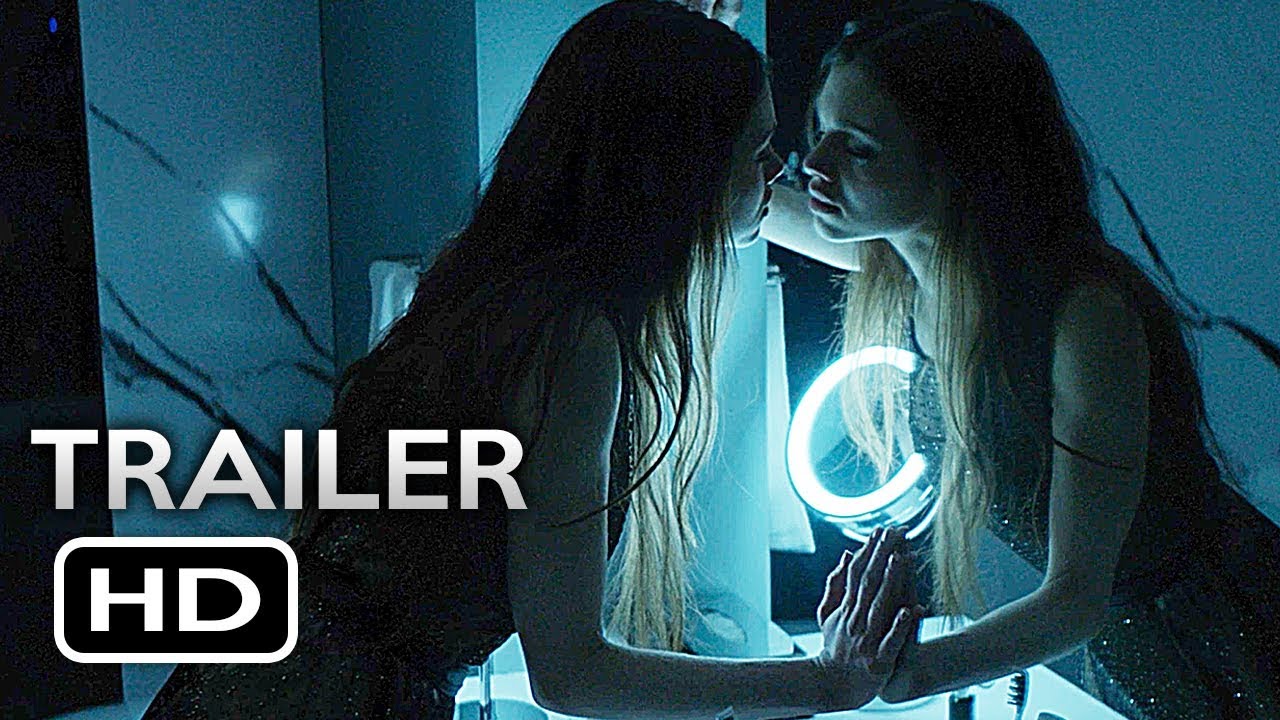
When Maria allows her mirror double to take control, the reflection proves far more assertive—and far more dangerous—than the original. Look Away taps directly into the fear that the face staring back from the glass might contain everything we suppress about ourselves. The scary part isn’t discovering something inside the mirror. It’s discovering that it knows you intimately.
The Boogey Man (1980)
Long before the familiar childhood monster received several other cinematic incarnations, this supernatural slasher turned a shattered mirror into the source of its evil. After a traumatic childhood killing, Lacey returns years later to the house where it happened and destroys the mirror that witnessed the murder. This being a horror movie, smashing the creepy mirror does not solve the problem.

Instead, its fragments carry the supernatural force with them, effectively turning every shard into another potential threat. The Boogey Man takes the old superstition about broken mirrors bringing bad luck and essentially says, “Seven years? You should be so lucky.”
Prince of Darkness (1987)
John Carpenter manages to make mirrors terrifying without making them the primary threat. As researchers investigate a mysterious cylinder containing an ancient evil beneath a Los Angeles church, they begin sharing a strange recurring dream—or perhaps a transmission—from the future.

Eventually, the mirror becomes something far worse than reflective glass: a doorway. Carpenter understands that the creepiest thing about a mirror may be the illusion of depth behind it. Prince of Darkness asks what might happen if that apparent space actually went somewhere—and something on the other side wanted through.
Evil Dead II (1987)
Ash Williams has already endured more than enough by the time his reflection decides to join the festivities. While staring into a mirror, Ash’s reflected image suddenly reaches through the glass, grabs him, and begins tormenting him about the nightmare unfolding around him.
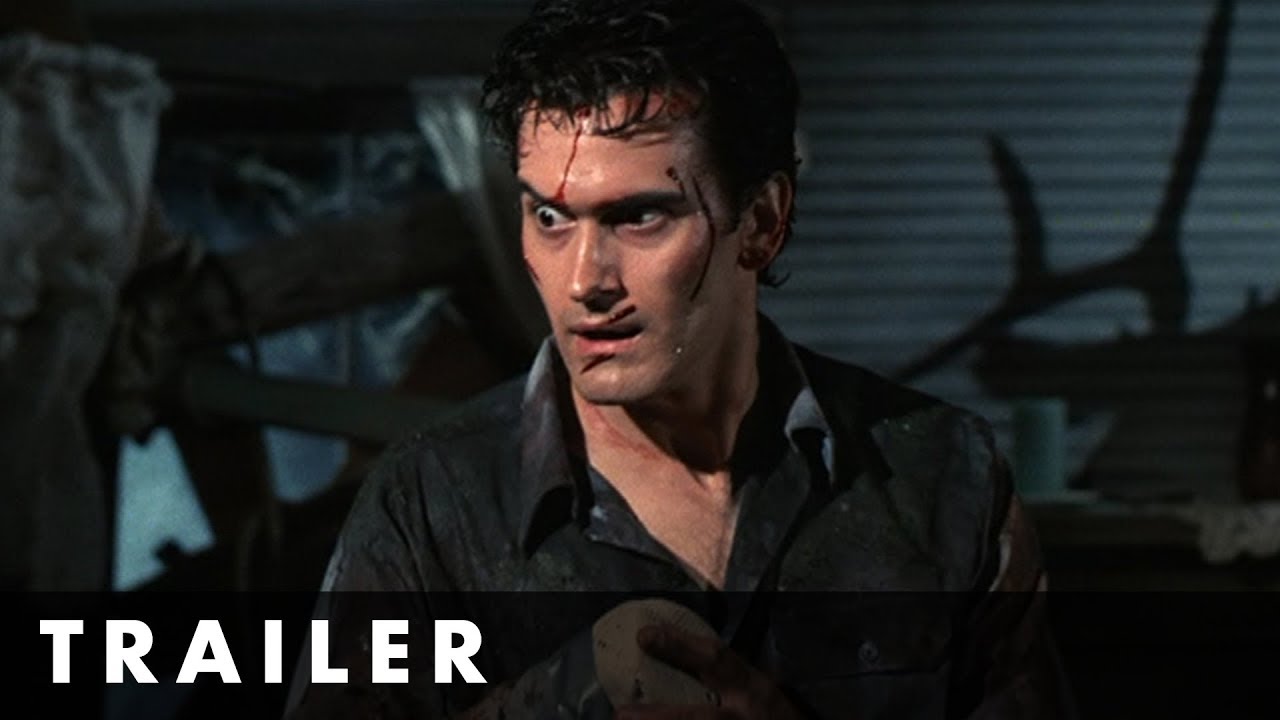
The sequence is funny, surreal, and genuinely unnerving because it violates one of the few rules we instinctively trust: reflections stay on their side. Sam Raimi turns Ash’s own face against him, making the mirror another participant in the cabin’s relentless campaign to drive him completely insane.


